

Cat Nausea: 9 Signs and How to Treat It
2024-10-27T17:25:06
Alicia Ashley, DVM
Unless you’re one of a lucky few, most of us have (from time to time) experienced that gut-churning sensation we call nausea. Unfortunately, this uncomfortable queasiness can afflict our feline friends, too. However, because cats often hide their discomfort, you may not know it until it’s too late — and cat nausea turns into cat vomit.
Nausea is a common ailment in people, as well as in pets. In fact, cat nausea is one of the most common reasons pet parents bring cats to the veterinarian. Though it’s often because they notice other worrisome signs, like vomiting or loss of appetite.
While cats can’t tell us they’re sick (and probably wouldn’t, even if they could), there are some tell-tale clues to watch out for. To help you navigate the complexities of cat nausea, here’s an overview of signs to watch out for, possible causes, and how you can help a queasy cat.
9 Signs of Cat Nausea
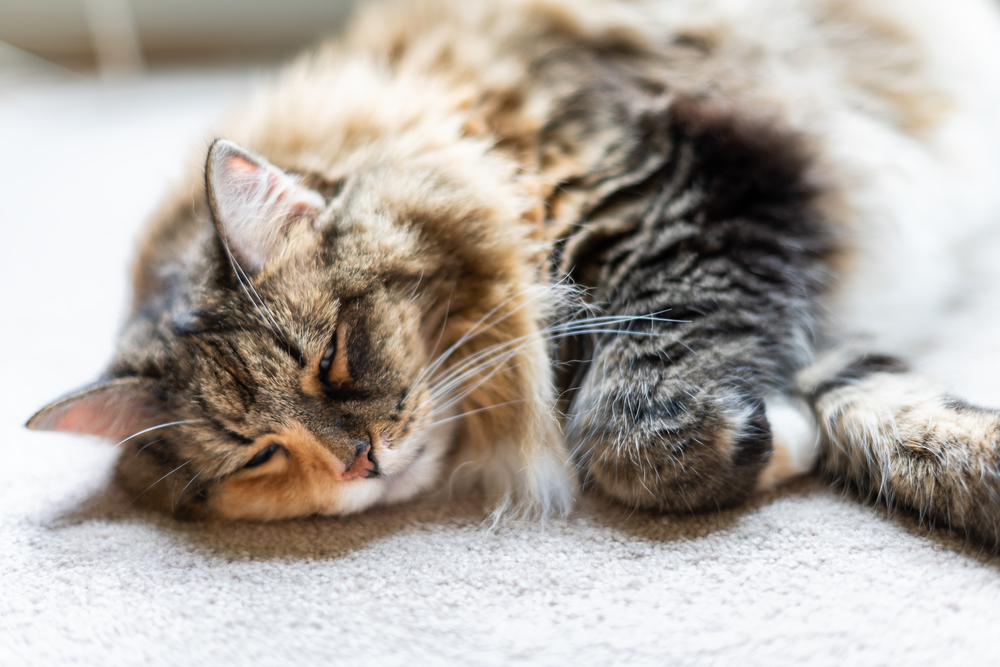
Nausea in cats is not a disease but a symptom of various feline health issues. Just like nausea in humans, cats who are nauseous may feel uneasy, queasy, or “sick to their stomach.”
Cat nausea typically precedes cat vomiting…but not always. Cats can feel nauseous without vomiting. That makes nausea in cats hard to detect since cats are notorious for keeping signs of illness or distress under wraps.
Cats with low-level queasiness may seem just a little “off” or a bit picky with their food. Easy to overlook, right? Vomiting, however, is a more dramatic affair that quite clearly (and messily!) signifies your cat is not feeling well.
Though the signs of nausea in cats can be subtle, detecting them can help pet parents get help for a sick cat faster.
Common symptoms of nausea in cats include:
- Lethargy
- Hiding or not wanting to interact with others
- Licking lips and swallowing excessively
- Drooling
- Lack of appetite (may turn away or gag when presented with food)
- Restlessness or agitation
- Retching and gagging
- Vocalizing
- Vomiting
Other than vomiting, most of these signs are non-specific. That means they can occur due to nausea or a host of other, unrelated reasons. For example, loss of appetite can occur with stress, pain, or other health conditions.
But many cats develop their own, unique “tells” when it comes to cat nausea. With my cat, I know an upchuck is imminent when he suddenly seeks out a rug. (Why the hardwood floor won’t do is anyone’s guess.) He’ll also start licking his lips and vocalizing, which helps me recognize he’s not feeling well.
Common Causes of Nausea in Cats
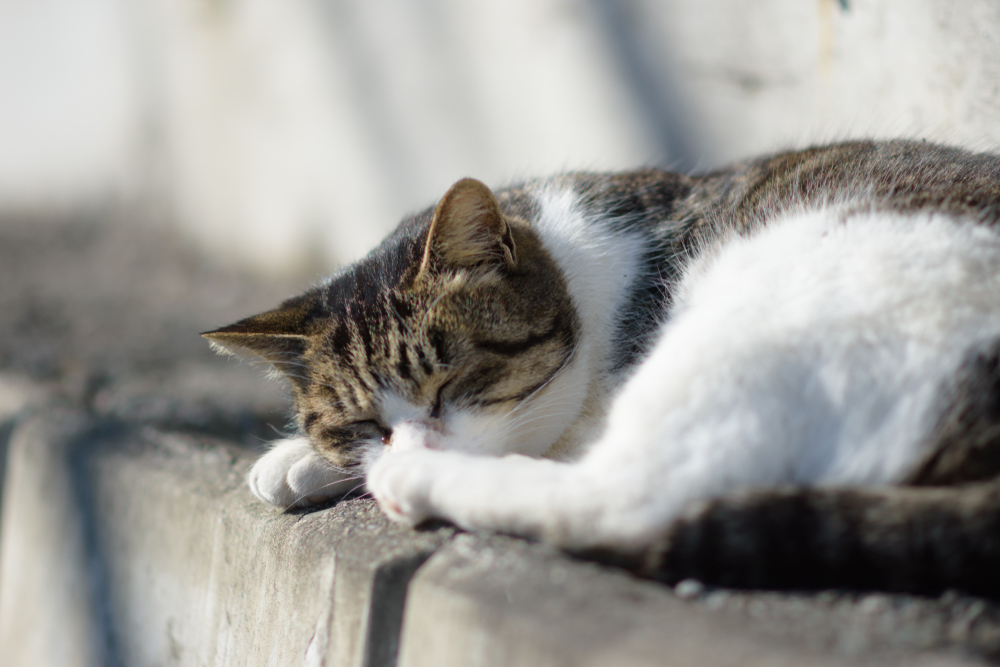
Recognizing the signs of cat nausea can be helpful. But once you spot them, most pet parents wonder: How worried should you be if your cat is nauseous?
Nausea is incredibly common in cats, so the short answer is: It depends. Many things can make a cat nauseous, ranging from benign (an occasional hairball) to life-threatening (an intestinal blockage or severe systemic illness).
Sometimes, it’s hard to determine the cause without a thorough veterinary exam. Other times, the answer may be staring you in the face.
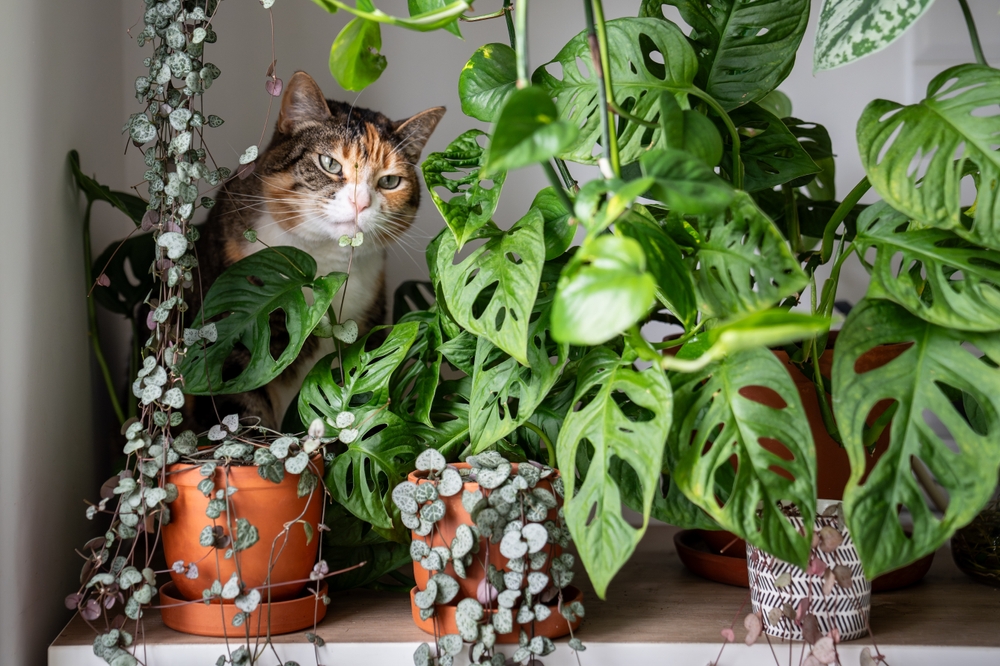
For example, does the vomit on the floor contain bits of your favorite, non-toxic succulent plant? If you know for sure what caused the stomach upset, that it’s definitely not dangerous, and your cat recovers quickly, you can keep calm and carry on. (You might want to move the plant, though).
However, if you’re unsure, it’s always best to check with your vet if your cat is displaying signs of nausea and you don’t know why.
Here are some common causes of nausea in cats:
- Dietary Indiscretion – While dogs are notorious for eating socks and raiding the garbage, cats aren’t without their vices. Cats may get into tummy trouble by ingesting things like plants, insects, ribbons, hair ties, and elastic bands.
Your feline may also be tempted by the alluring smells of human food — whether it’s coming from your dinner table or the garbage bin. I once had a feline patient who ingested almost an entire rotisserie chicken — bones and all. The X-ray of his tummy was impressive, to say the least. Thankfully, he recovered fully with supportive veterinary care.
- Poison – Most types of poison and substances toxic to cats can lead to nausea and vomiting. Other signs associated with poisoning include weakness, lethargy, breathing difficulties, or neurological signs like disorientation, tremors, or seizures.
According to the Pet Poison Helpline, some of the most commonly reported (and potentially deadly) toxins that cause nausea and vomiting in cats include lilies, chocolate, onions, garlic, and ibuprofen.
- Hairballs – You’ve probably encountered this one before, especially if you have a long-haired cat. Cats ingest a lot of fur during their extensive grooming routines, which passes mostly through their feces. Periodically, cats may vomit hairballs to reduce the load of fur in their gastrointestinal system.
- Infections – Cats may become sick and develop nausea associated with viral, bacterial, fungal, and parasitic infections.
- Systemic Disease – Diseases affecting major organs such as the pancreas, liver, and kidneys commonly result in nausea, among other symptoms.
- Endocrine Disease – Endocrine diseases develop due to hormonal imbalances. Hyperthyroidism, a common endocrine disease in senior cats, usually causes nausea and vomiting (despite this, cats with uncontrolled hyperthyroidism are ravenously hungry and thirsty). Diabetic ketoacidosis, a life-threatening complication of diabetes, can also cause nausea and vomiting.
- Inflammatory Bowel Disease – Inflammatory bowel disease, a chronic condition causing inflammation of the GI tract, can cause nausea, chronic vomiting and diarrhea, and weight loss.
- Food Allergy – Food allergies occur when a component of a cat’s food (often a specific protein), triggers an immune system response. This can result in gastrointestinal symptoms, like nausea and diarrhea, typically accompanied by itchy, inflamed skin and ears.
- Other Food-Related Concerns – Food intolerances, a broad term encompassing many food-related concerns not involving the immune system (i.e., not a true food allergy), can cause cats to have an upset stomach. An example is milk (some cats tolerate small amounts better than others), but cats are lactose intolerant and have trouble digesting milk.
Contaminated, spoiled, or poor-quality food can all cause your cat to feel unwell. Abruptly changing your cat’s food may also lead to nausea.
- Cancer – Cancer in the gastrointestinal tract, such as GI lymphoma, may cause nausea, vomiting, weight loss, and diarrhea.
- Side Effect of Medication – Any medication can potentially trigger nausea in cats, especially if it tastes bitter. Medications commonly known to cause nausea include some anesthetics, antibiotics, antifungals, non-steroidal anti-inflammatory drugs, and chemotherapy drugs.
- Motion Sickness – It’s common for cats to feel queasy and vomit when traveling.
- Intestinal Blockage – Intestinal blockages typically result from ingested foreign bodies or a gastrointestinal tumor that partially or totally blocks the digestive tract. A blockage is a life-threatening emergency requiring immediate treatment.
As you can see, many things can cause nausea in cats, some of which are deadly. And it’s often hard to determine the cause without a thorough veterinary exam and testing. So, if your cat is feeling nauseous and you don’t know why, always consult your vet for guidance.
Treatment for Cat Nausea
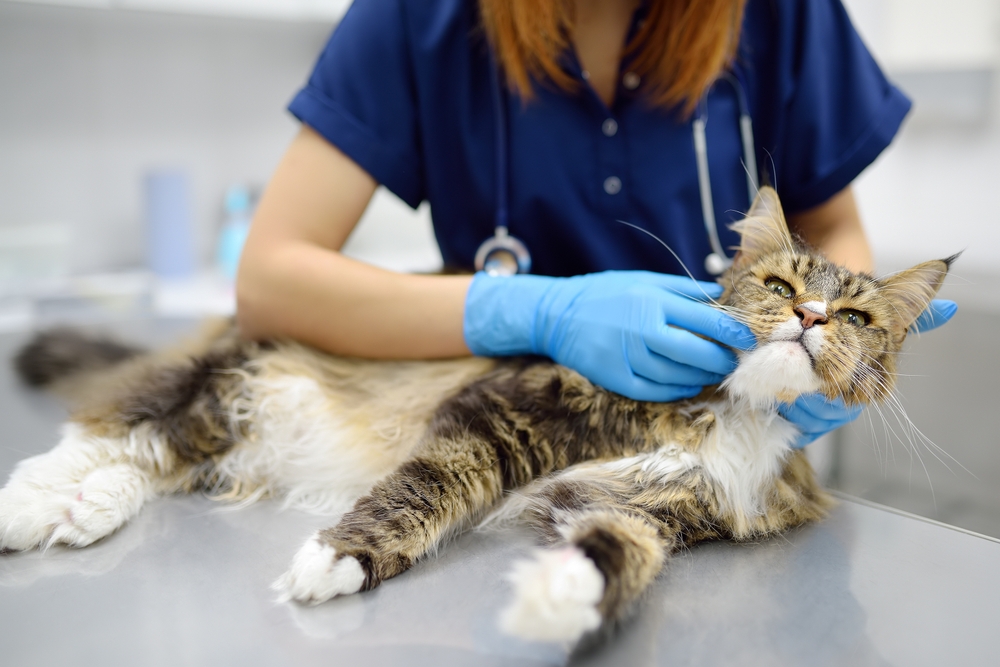
When your kitty feels queasy, naturally you want to do everything in your power to help them feel better. What that entails often depends on what’s causing the nausea and how severe it is.
In mild cases of nausea, it may be acceptable to monitor your cat at home. If your cat has a single, isolated episode of vomiting, with no other warning signs or symptoms, it’s also okay to take a wait-and-see approach. These situations often resolve on their own within 24 hours.
However, if the conditions persist, you’ll need to work with your veterinarian to determine the best cat nausea remedy. Nauseous cats (whether vomiting or not) will almost always go on hunger strike. And the longer they go without eating and drinking, the sicker they become. Nauseous cats can develop serious complications such as hepatic lipidosis and dehydration.
If nausea and vomiting become more severe or frequent, an assessment by your veterinarian is crucial. Your vet will come up with a cat nausea treatment plan based on many factors, such as the underlying cause, how severely your cat is affected, how long it’s been going on, and whether your cat has pre-existing health conditions.
Anti-Nausea Medications for Cats
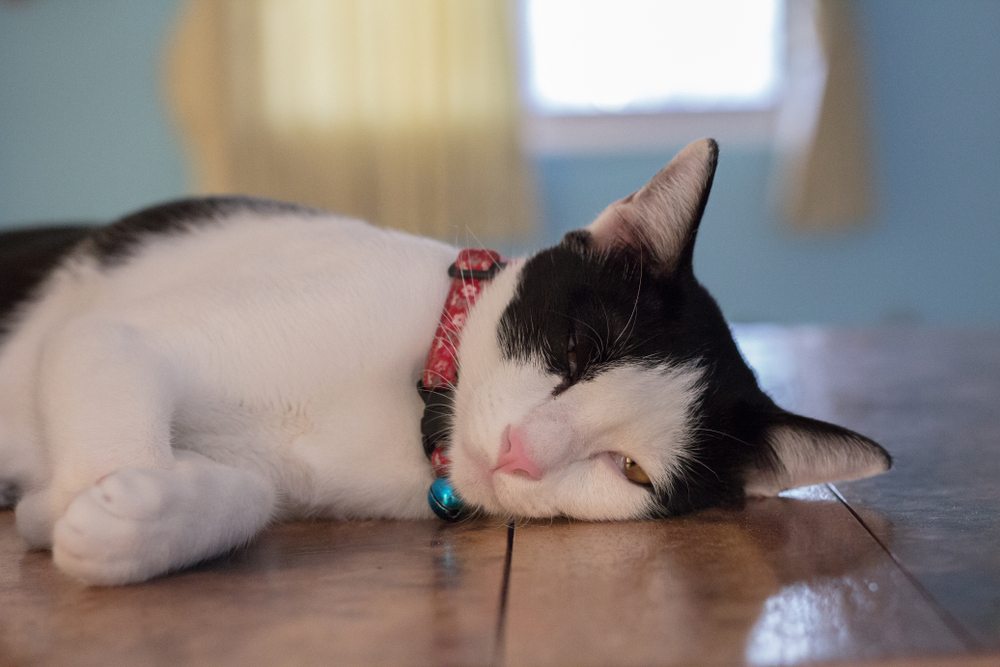
Thankfully, veterinarians have a wide range of anti-nausea medications they can prescribe to ease your cat’s queasiness. Vets often use these to help provide relief in severe cases of cat nausea while they treat the underlying cause of illness.
Commonly medications prescribed for cat nausea relief include:
Maropitant – This generic medication comes in a variety of forms, from tablets to compounded soft chews and flavored liquid options). It’s also available under the brand name Cerenia. This anti-nausea for cats medication works by blocking specific receptors in the brain responsible for nausea and vomiting. Maropitant is a very effective treatment veterinarians often use when treating conditions that cause nausea and vomiting in cats.

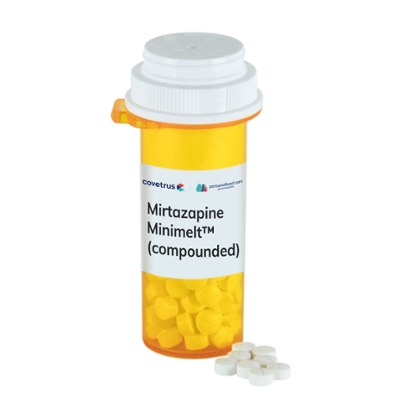
Mirtazapine – Another generic medication, Mirtazapine is available in standard tablet form, as well as compounded capsules and mini-melt tablets. It works by acting upon neuroreceptors in the brain and GI tract to stimulate appetite and suppress nausea and vomiting.
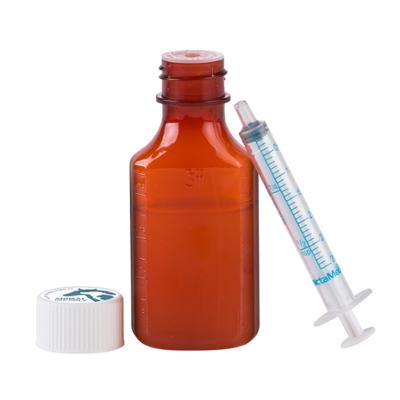
Ondansetron – Ondansetron helps prevent nausea and vomiting by blocking receptors responsible for triggering the vomiting reflex. It comes in both a standard tablet form and a compounded flavored liquid medication. Vets often use it for pets undergoing chemotherapy, radiation, and surgery. While it’s generally considered an effective treatment for vomiting, it may not completely eliminate nausea. [1]
Metoclopramide – Some conditions slow the normal rhythmic movements of the GI tract, which can impair the passage of food and trigger nausea. Metoclopramide helps restore the functional movements of the GI tract, thus relieving nausea. It also blocks receptors in the brain that trigger nausea, although this effect may be more pronounced in dogs than cats. [1]

When is Cat Nausea an Emergency?
In some cases, cats with persistent nausea, especially if accompanied by other concerning signs, may need emergency care.
Signs to seek immediate veterinary care:
- Repeated vomiting
- Unproductive retching and gagging
- Abdominal pain
- Lethargy
- No interest in food or water for more than 12 hours
- Your cat’s skin or white part of their eyes appear yellow
- Vomiting blood
- You suspect ingestion of something harmful (if applicable, take a picture of what they ate or bring in the packaging)
- Your cat has a pre-existing health condition like cancer, FIV, FeLV, kidney disease, or diabetes
- Your cat is still a kitten or very old
- Other serious signs are present, including neurological signs (stumbling, tremors, seizures); trouble breathing (blue gums, open mouth breathing, panting, labored breathing); straining in the litter box; severe diarrhea; fever; or signs of pain or distress
How to Help Cat Nausea at Home
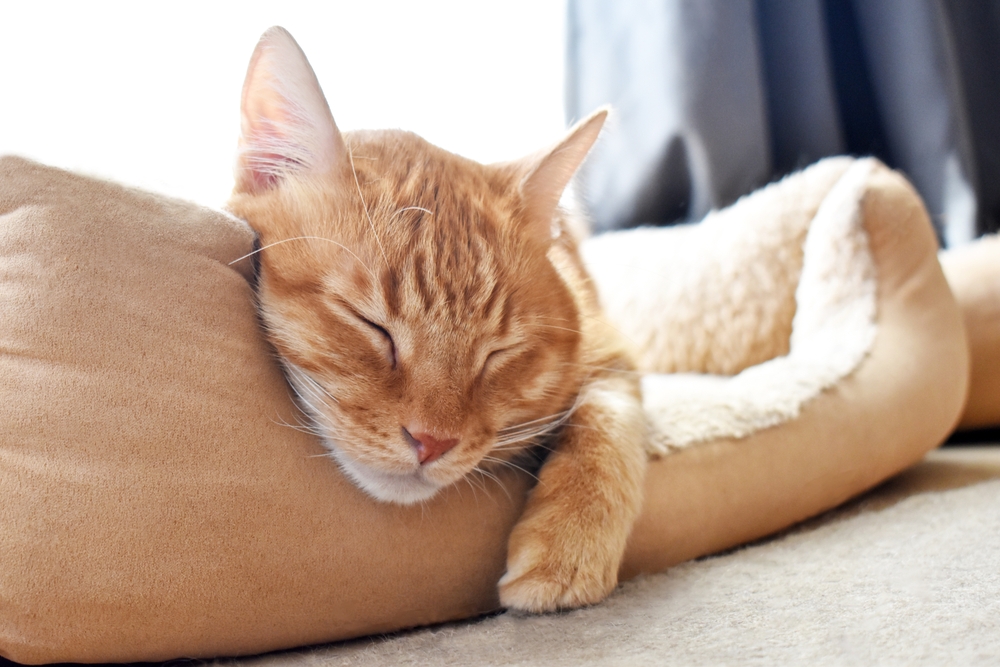
If you have already spoken with your veterinarian and have a care plan in place, here are additional ways to support your nauseous cat at home:
- Ensure they have a quiet, comfortable place, away from other pets or young children where they can rest.
- Provide fresh water and offer small amounts of their regular food or try something bland. In my experience, plain boiled chicken (no seasoning, skin, or bones) is a good, short-term option. However, always follow your veterinarian’s advice for feeding a cat with nausea.
- Don’t withhold food or water from your cat unless your veterinarian advises you to.
- If your cat turns their head away or shows increasing signs of nausea, remove the food immediately and try again in a few hours.
- Understandably, you want your kitty to eat, but don’t attempt to force-feed them. This used to be a more common practice, but newer guidelines in feline care discourage force-feeding as it’s stressful and linked to food aversions, which prolong inappetence. [2] [3]
References
- Dowling, Patricia M. “Drugs Used to Control or Stimulate Vomiting in Monogastric Animals” The Merck Veterinary Manual. Whitehouse Station, NJ :Merck & Co., Inc. https://www.merckvetmanual.com/pharmacology/systemic-pharmacotherapeutics-of-the-digestive-system/drugs-used-to-control-or-stimulate-vomiting-in-monogastric-animals
- Taylor S, Chan DL, Villaverde C, et al. 2022 ISFM Consensus Guidelines on Management of the Inappetent Hospitalised Cat. Journal of Feline Medicine and Surgery. 2022;24(7):614-640. doi:10.1177/1098612X221106353
- Harvey, A. “Managing Anorexic Cats.” World Small Animal Veterinary Association World Congress Proceedings, Bangkok, Thailand, 2015. https://www.vin.com/doc/?id=7259319