

Category: Cat Breeds
Great Pet Care - Pet health information — simplified.
6 Flat Faced Cat Breeds
- 2023-02-15T20:08:03
- Jackie Brown
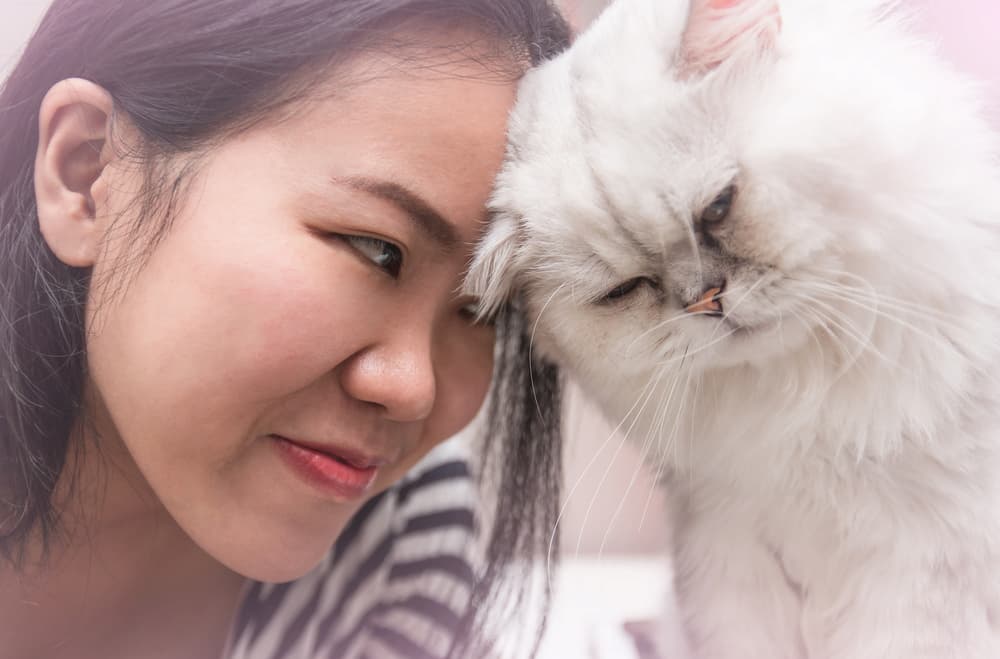
There’s just something about cats with flat faces that’s adorable beyond compare. Most people find smooshy face cats hard to resist.
“I think that it’s because their faces rather resemble that of a human child,” says Teresa Keiger, an all-breed judge for the Cat Fanciers’ Association (CFA) and creative director and editor for the CFA’s magazine, Cat Talk. “They’re completely round with very large eyes that lie at the center of the face. Add to that the sweet open expression that a beautiful cat has, and it’s easy to fall in love with them.”
If you’re thinking of bringing home one of the flat faced cat breeds, know that they are incredibly sweet but will require some special care due to the unique construction of their faces, eyes, and nose. Read on to learn about some different types of flat face cat breeds and how to care for them.
What Is a Flat Faced Cat?
The scientific term for cat breeds with flat faces is “brachycephalic,” which means “shortened head” and refers to the fact that these cats have skull bones that are shorter than normal, resulting in a pushed-in face and nose. Of all the cat breeds, a handful have flatter faces than normal, but only three cat breeds are truly brachycephalic: the Persian, the Exotic, and the Himalayan.
The Persian was the very first brachycephalic cat breed, and the Exotic and Himalayan were directly developed from this breed, so we have the Persian cat to thank for all the smush faced cats that make us smile. Persians have existed for many centuries, which means flat faced cats in general have been around a long time. Today, the Persian is the most popular purebred cat.
6 Flat Faced Cat Breeds
In addition to the Persian, Himalayan, and Exotic, a few other breeds have faces flatter than the typical cat, though they are not technically classified as brachycephalic. These include the British Shorthair, Burmese, and Scottish Fold.
Let’s meet 6 smush faced cat breeds known for their uniquely endearing flat faces.
Persian
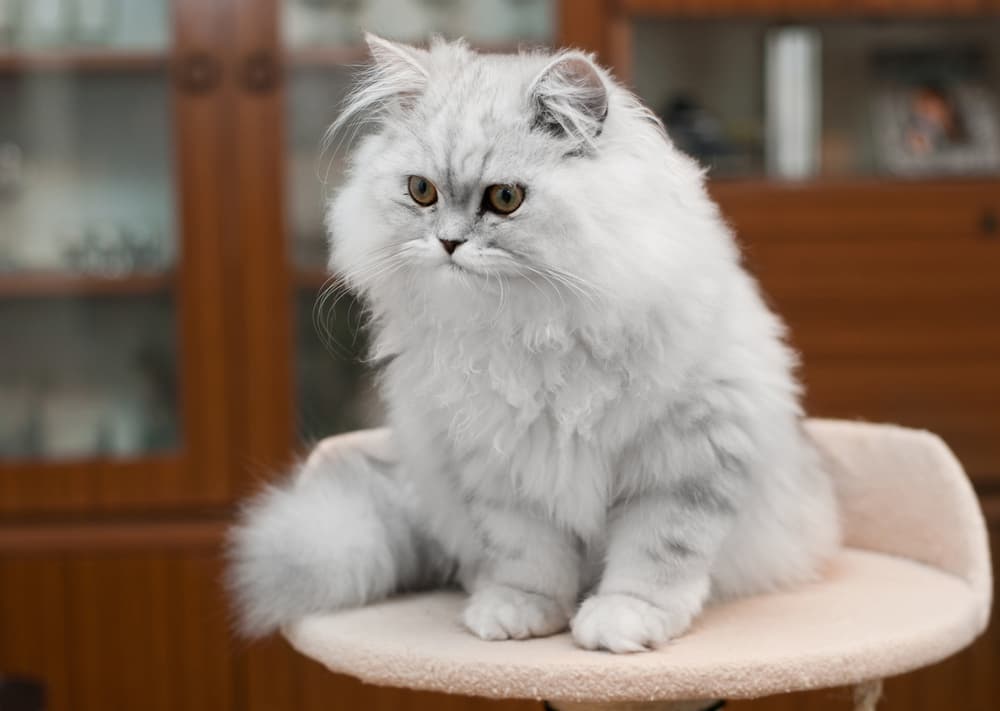
The original flat face cat, this ancient breed developed in Persia and Iran, where it has been known for hundreds of years, possibly as far back as the 1600s. The Persian’s flat face, with its tiny nose and large, expressive eyes, has been described as pansy-like. When viewed in profile, the Persian’s forehead, nose, and chin are vertically aligned. The Persian is solidly built, heavily boned, and short legged, with a long, luxurious flowing coat that requires significant grooming to prevent matting. This laid-back breed is known for its sweet, affectionate temperament and quiet, musical voice.
Exotic
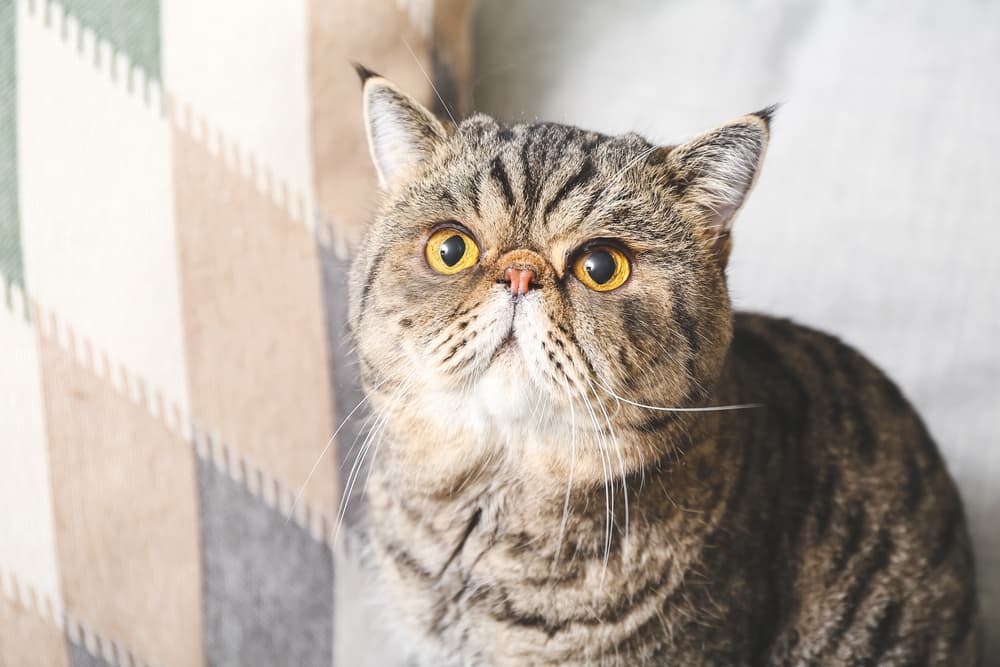
The Exotic, also known as the Exotic Shorthair, is basically a Persian with a shorter coat. The Exotic was created by breeding American Shorthair cats with Persian cats, and now the Exotic is a completely separate breed from the Persian. A true Exotic will look just like a Persian but with a short, dense, plush coat. Because of this easy-care fur, the Exotic is a great choice for people who like the look of the Persian but aren’t up for the huge coat-maintenance commitment. The Exotic inherited the Persian’s brachycephalic pushed-in face, complete with snub nose and large, round, wide-set eyes. In personality, the Exotic is very similar to the Persian: gentle, loving, and calm, with a sweet but seldom-heard voice.
Himalayan
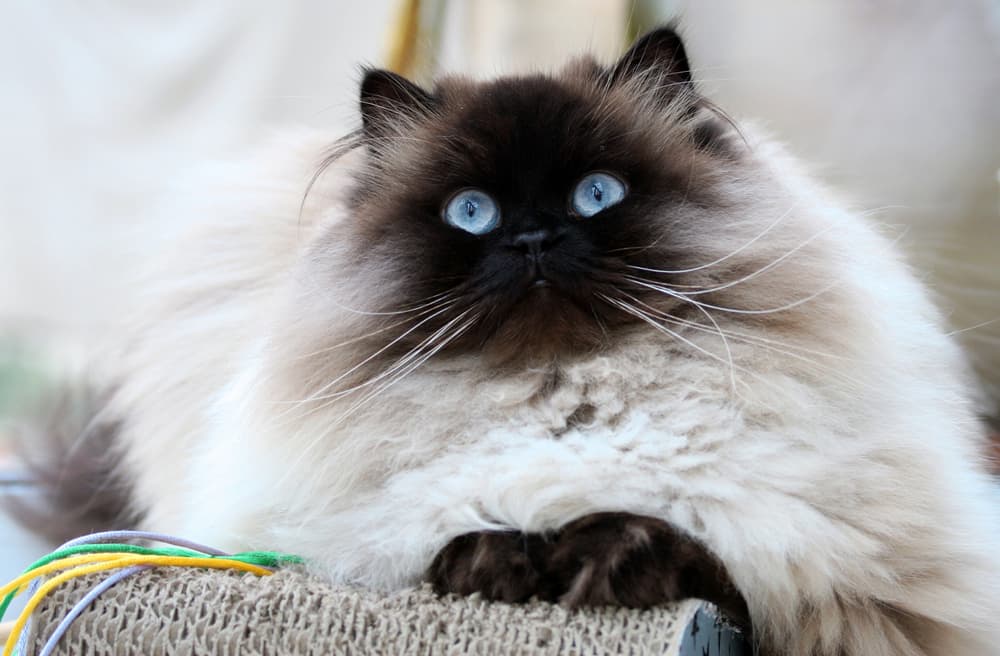
The Himalayan is a Persian cat with the pointed coloration of the Siamese. Depending on which cat registry you consult, the Himalayan is considered a separate breed from the Persian (as stated by The International Cat Association, or TICA), or simply a color division of the Persian cat breed (according to the CFA). Himalayan cats have lighter-colored bodies with darker “points” of color on their face, ears, legs, and tail. These color-pointed shades can include chocolate, seal, lilac, blue, and red.
British Shorthair
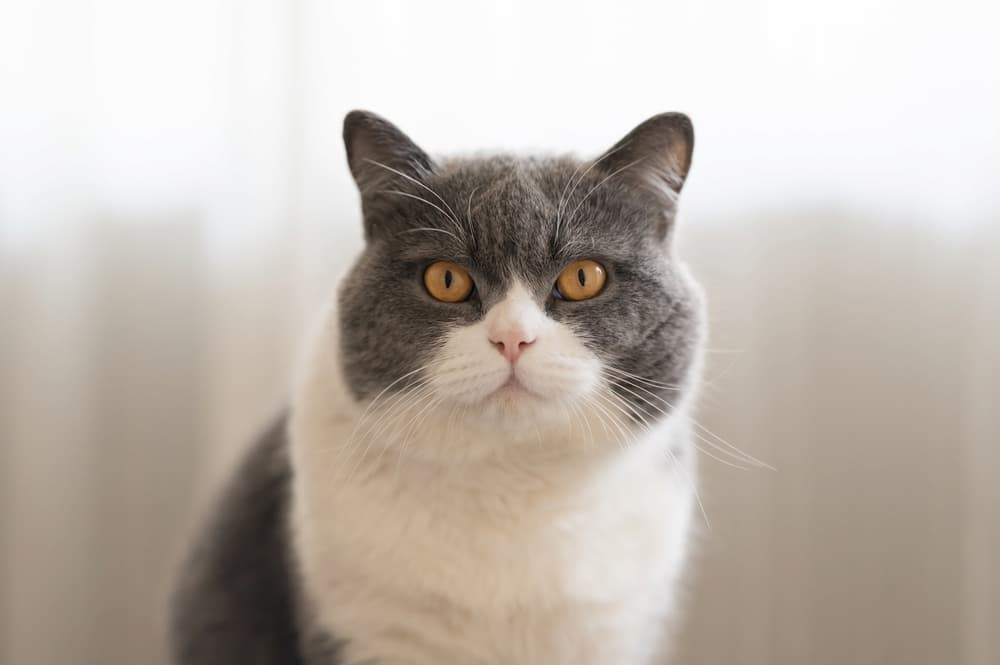
The British Shorthair is not a truly brachycephalic cat like the Persian, Exotic, and Himalayan. Instead, it has a round, moderately flat face, with round cheeks and large, round eyes set well apart — features that give it a sweet and endearing expression. This medium-to-large-sized cat has a compact, balanced body with a short, dense, soft coat that appears in many different colors and patterns. The British Shorthair is likely the oldest English breed, which once thrived in the streets but was eventually refined by breeders. Its temper is laid back, friendly, and affectionate, charming everyone it meets.
Burmese
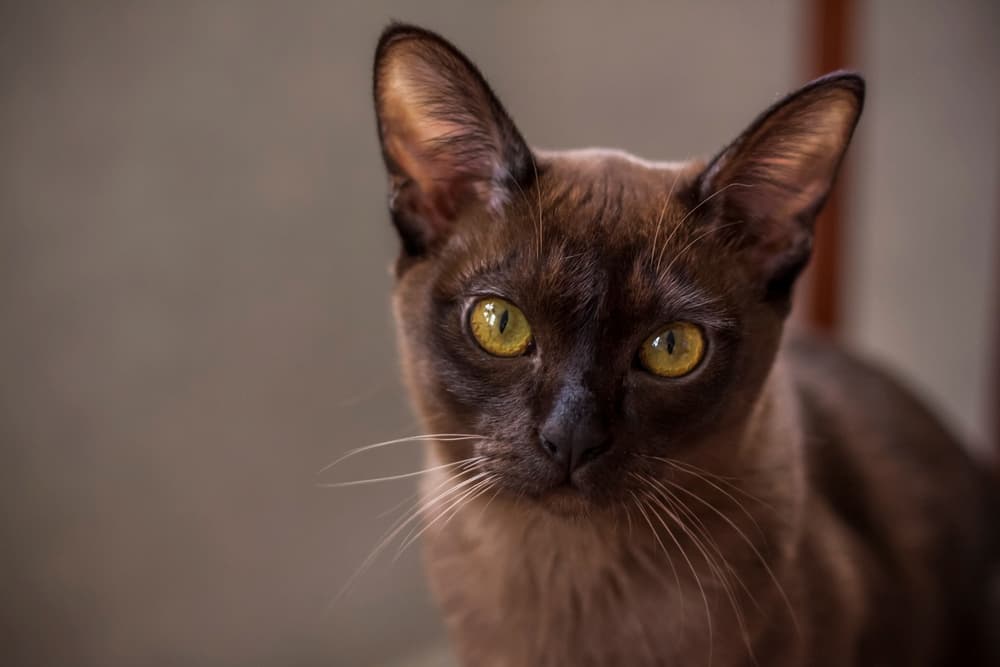
Like the British Shorthair, the Burmese has a round, moderately flat face with large, wide, expressive eyes. This breed was developed not in Burma, but in the United States, by crossing a brown cat from Burma with a Siamese cat. The medium-sized Burmese is compact and solidly built, and its short, glossy coat feels like satin. It’s typically one of four solid colors: sable (a warm brown), champagne (honey beige), platinum (pale silvery-gray), and blue (medium gray). When it comes to personality, this people-oriented breed is incredibly endearing, lively, friendly, and adoring of its human family.
Scottish Fold
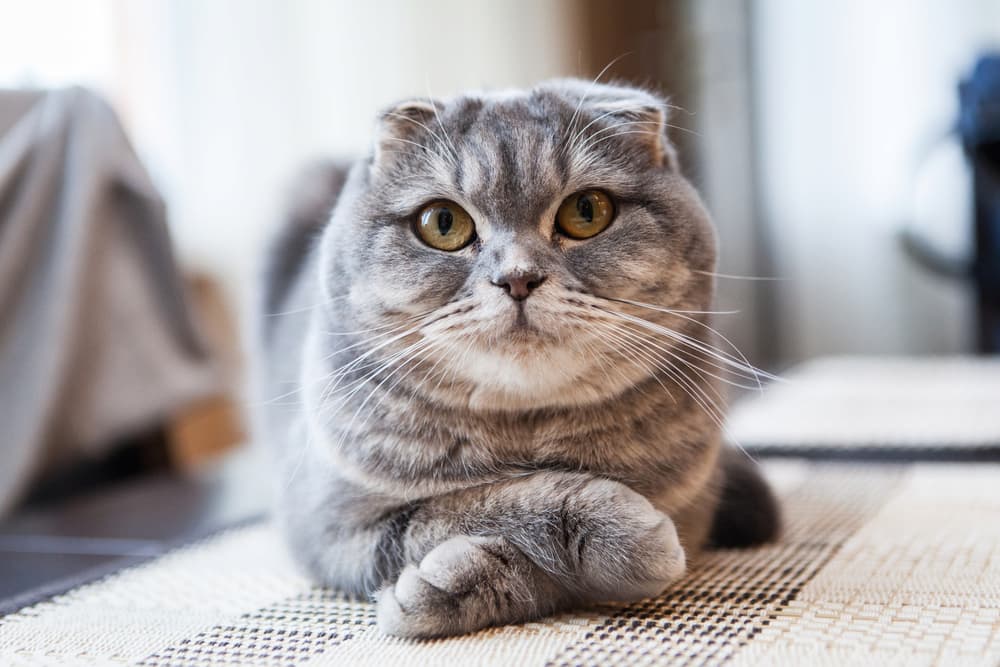
Like the British Shorthair and the Burmese, the Scottish Fold’s face is only moderately pushed in. However, the breed’s very large, round eyes and tightly folded ears combine to strengthen the smoosh faced effect, making the Scottish Fold look like a sweet little owl. This breed can trace its origins back to a single white kitten with folded ears born in a litter of barn cats in Scotland. The white kitten’s ears were the result of a random and spontaneous mutation, but someone fell in love with its unique look and used her to start a breeding program. Scottish Folds are affectionate, laid back, and a friend to all.
Health Conditions Impacting Flat Faced Cats
Not all flat faced cats experience health complications resulting from their unique facial structure, but some cats may have issues with their face, throat, or nose.
“Due to their structural differences causing that smushed face look, these breeds are generally prone to ocular (eye) infections, respiratory infections, and breathing difficulties,” says Louis DelGiudice, DVM, DACVECC, National Emergency Specialty Director at AmeriVet Veterinary Partners. “Flat faced cats have a decreased ability to properly inhale and exhale through their nasal passages, making it more difficult for them to breathe.”
Flat faced cat breeds also may have a condition called brachycephalic airway syndrome (congenital obstructive upper airway disease). This term encompasses a group of related breathing issues seen in brachycephalic breeds.
Some brachycephalic cats might have an elongated soft palate (the soft part of the roof of the mouth), narrow windpipe (trachea), narrow, small nostrils (stenotic nares), or tissue in front of the vocal cords that obstructs breathing (everted laryngeal saccules).
The shape of the skull in some brachycephalic cats can occasionally result in dental issues. “The foreshortening of the head has led to some Persians and Exotics having teeth and jaws that are misaligned, which may cause problems later,” Keiger says. “This is something that a responsible breeder checks for in their breeding cats.”
Caring for Flat Faced Cat Breeds
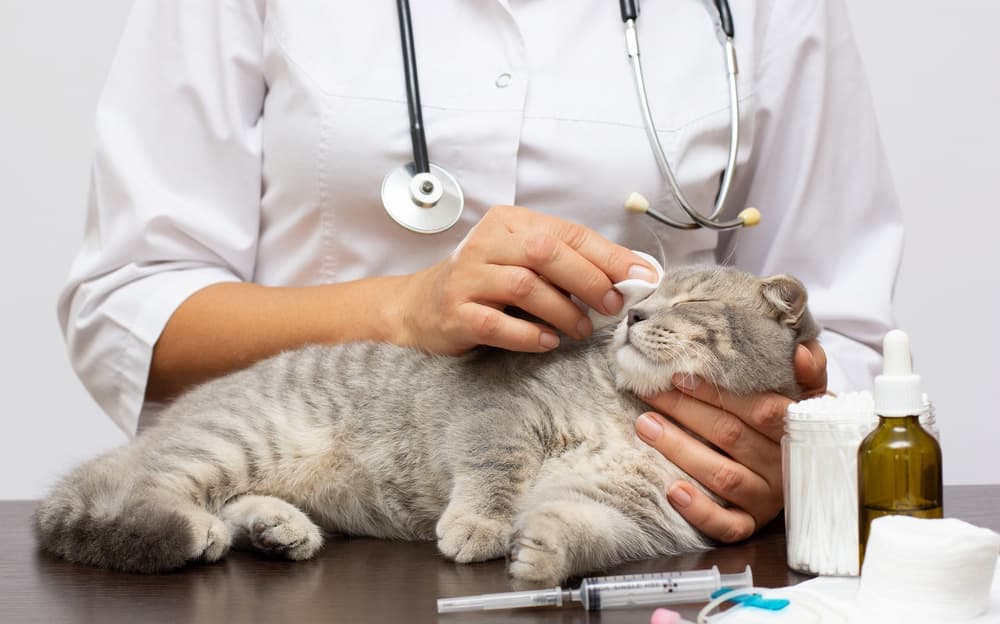
Flat faced cat breeds need some extra eye care due to the shape of their faces, which cause the eyes to protrude. According to Dr. DelGiudice, skin folds, hair, dust, and debris can come into contact with the eyes, so regular cleaning and irrigation is important for eye health. “Use a damp cloth of warm water to clean away discharge and debris, being careful to not touch the eye,” he recommends.
Keiger points out that because the large eyes protrude, flat faced cats are vulnerable to injury during play. “Be careful when playing with toys that have long strands that might ‘flick’ them in the eyes,” she warns.
Flat faced cats also need extra attention paid to their shortened noses, which can easily become clogged. Wipe their nose daily to clear away any blockages.
Flat faced cats can’t handle heat as well as other cats, so always be aware of the temperature inside your home. “Dogs and cats predominantly release excessive body heat through exhalation,” Dr. DelGiudice explains. “[Flat faced cats’] inability to properly exhale causes these breeds to be predisposed to overheating. It is important to keep these cats in cooler dry environments.”
If you’re concerned about your flat faced cat’s breathing, schedule an appointment with your veterinarian. In severe cases, surgery might be recommended to correct structural problems. Keeping your cat at a healthy weight will also help them breathe easily.
Signs that a flat faced cat is having difficulty breathing include noisy breathing (snorting or snoring), gagging or vomiting, difficulty exercising, inability to stay cool in heat, blue-looking gums or tongue, or sudden collapse.
Korat
- 2023-01-11T16:32:22
- Great Pet Care Team
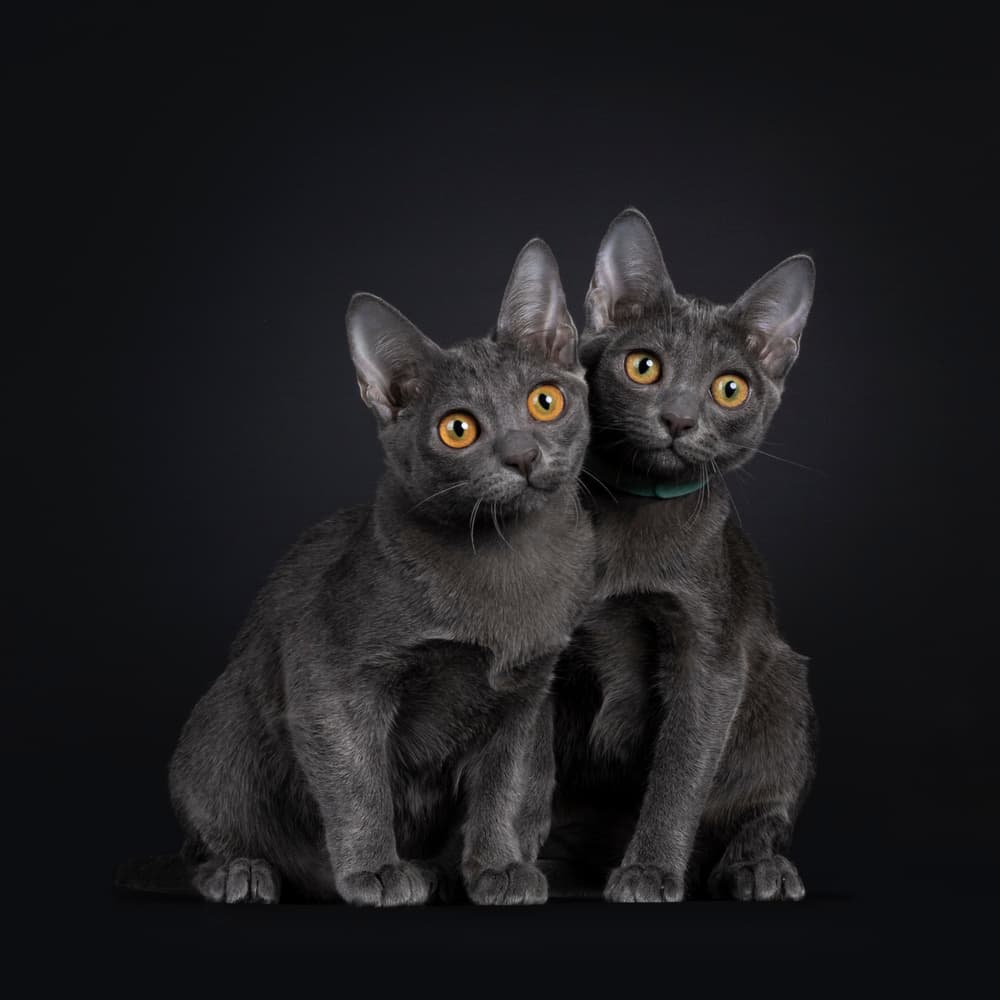
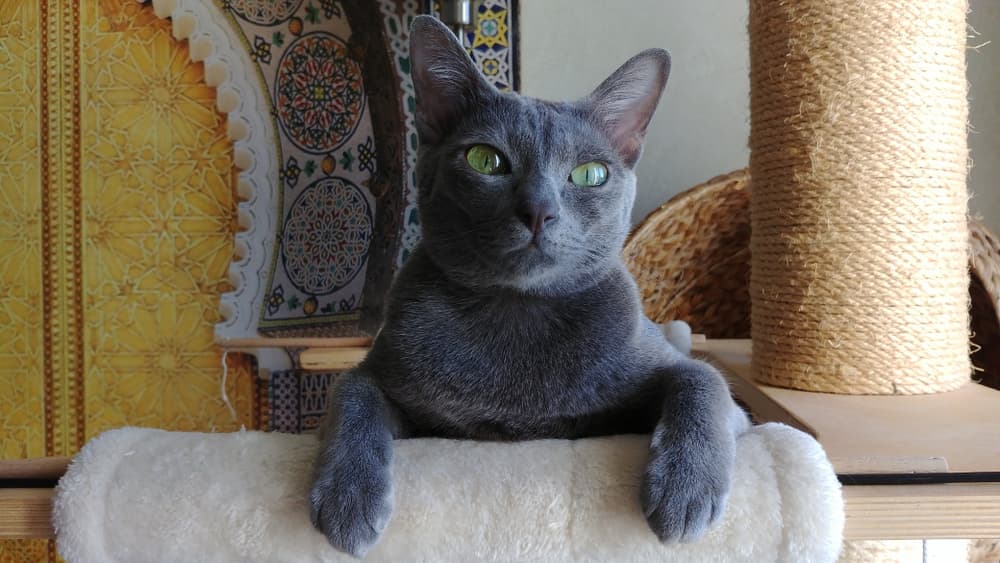
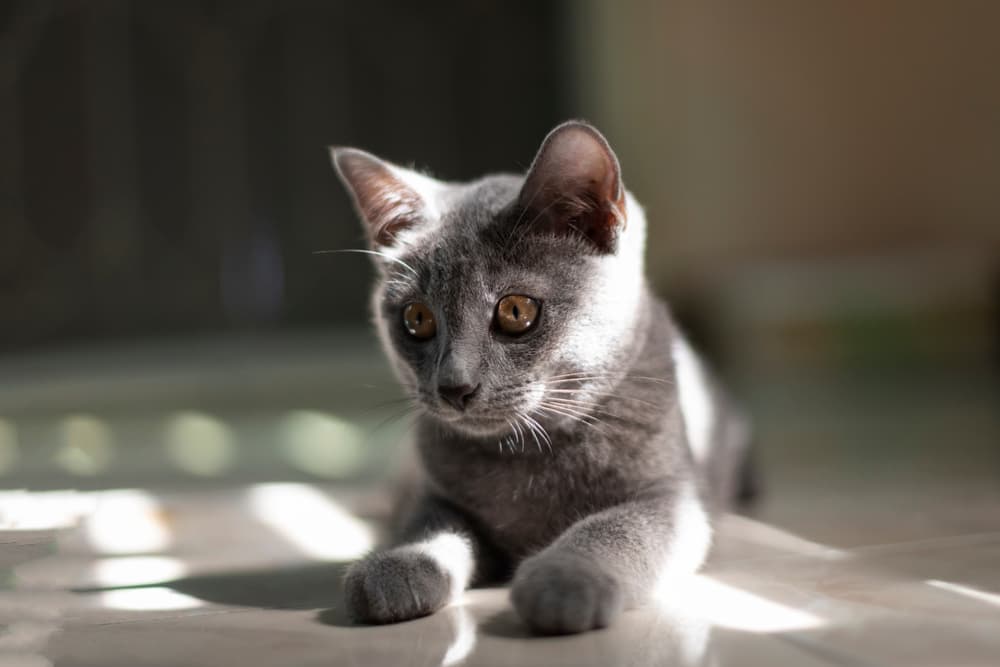
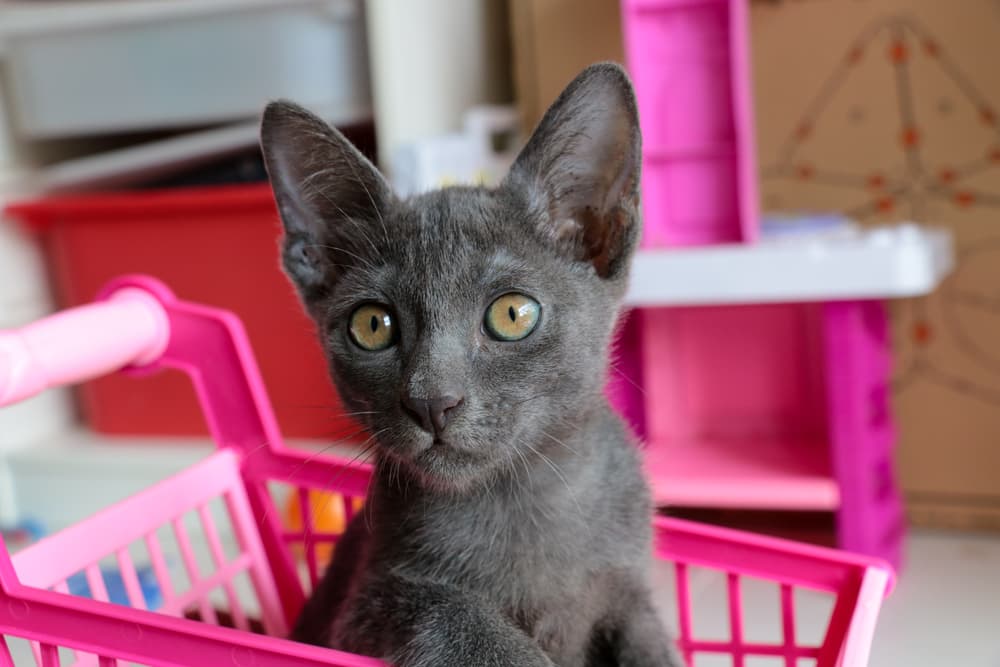
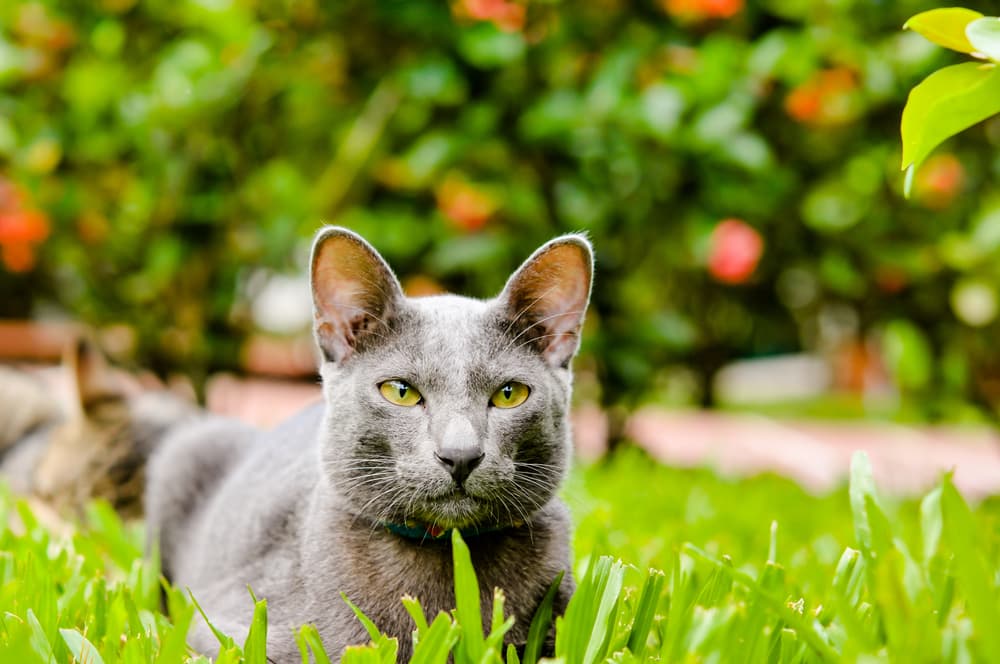
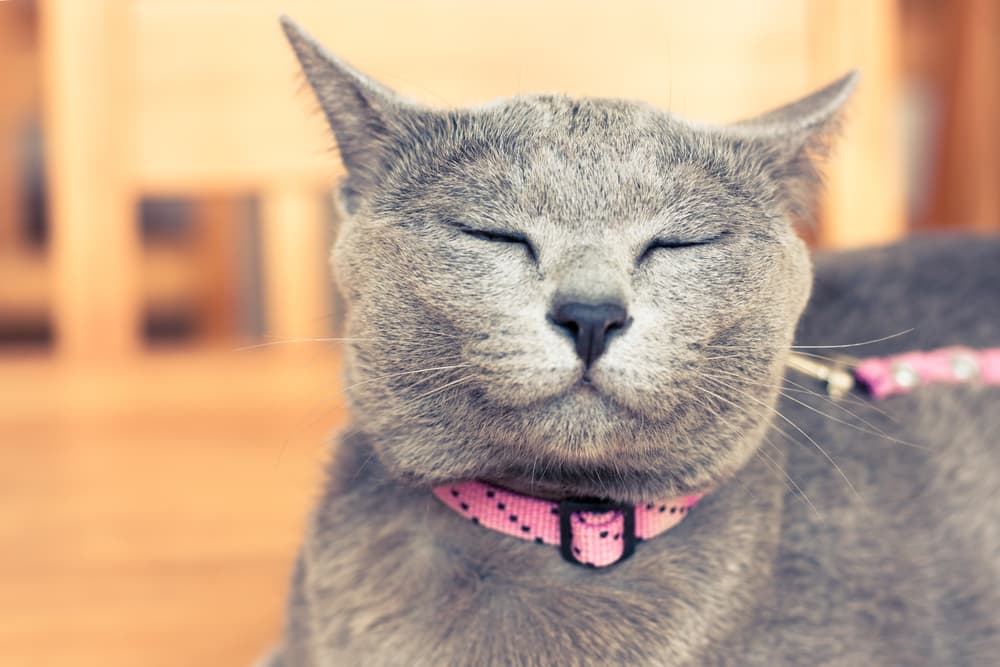
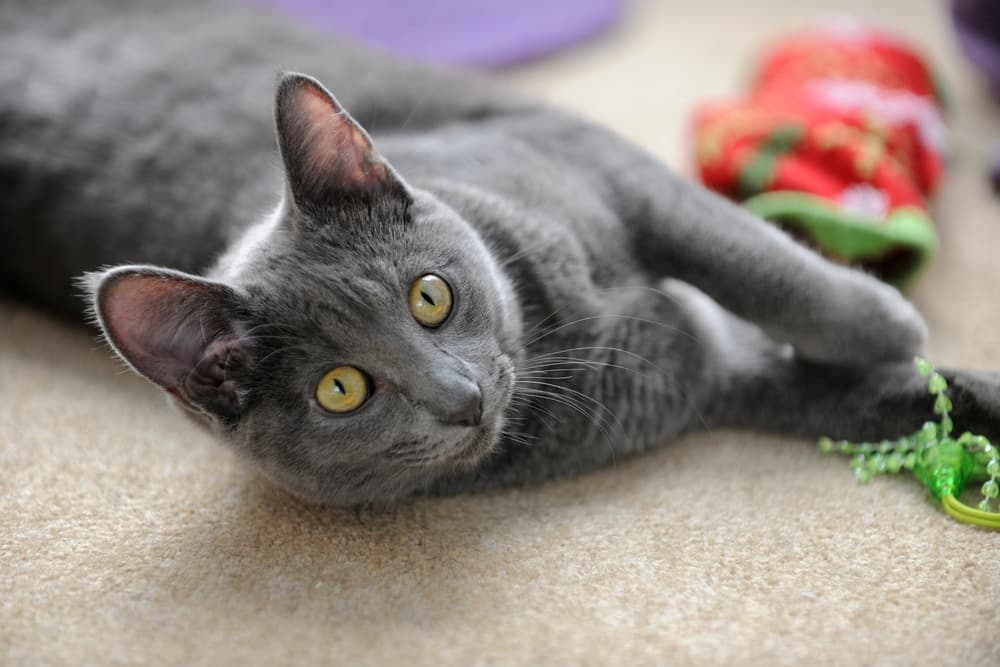
In his home country of Thailand, the Korat is a living symbol of luck and prosperity. He is quieter than the Siamese, to whom he is related, but he definitely will let you know what he’s thinking. His compact, muscular body wears a short, easy-care coat in bluish-gray tipped with silver. Want to make Lady Luck your friend? Meet the Korat, a symbol of good fortune in his native Thailand. And it’s easy to see why. His blue-gray fur glistens like silver, his bright green eyes symbolize prosperity, and his heart-shaped face is said to bring happiness to brides.
The medium-size Korat is muscular but compact, weighing 6 to 10 pounds. The breed is slow to mature and may not reach his full physical and emotional development until he is 5 years old. For instance, the eyes do not achieve their luminous green color until the Korat is 2 to 4 years old.
The demanding and intelligent Korat rules his household with an iron paw sheathed in velvet. He loves attention and likes to think of himself as the one in charge, whether of other cats, dogs, or the people in his family. Expect him to be closely involved in everything you do, from reading the paper to preparing meals to paying bills. When you are home, he will always be near — if not on — you, and he won’t like being left alone for hours on end.
The Korat is well suited to any home with people who will love him and give his gorgeous coat a weekly combing. Keep him indoors to protect him from cars, diseases spread by other cats, attacks from other animals, and simply to prevent his curiosity from leading to the end of his nine fortunate lives.
Other Quick Facts
- The Korat shines like silver and is distinguished by a heart-shaped head; huge, luminous eyes of peridot green or amber; large ears flared at the base, rounding at the tip and set high on the head; and a medium-length tail that tapers to a rounded tip.
- The Korat is never outcrossed to other breeds and has not been used to create any other breeds.
- The name is pronounced ko-RAHT, not KO-rat.
The History of the Korat
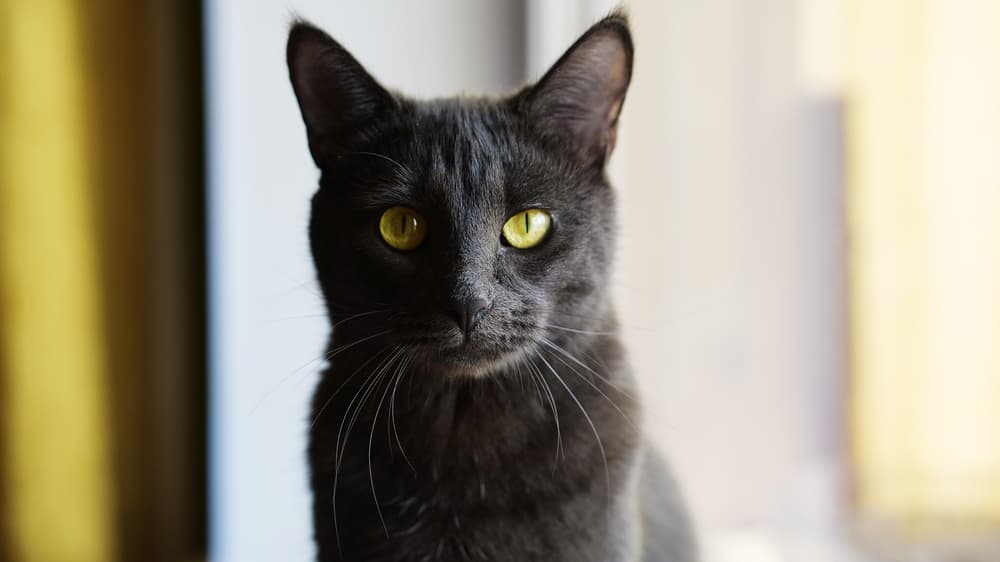
This silvery-blue beauty is an ancient breed from Thailand. Pictures of the Korat, also known as the Si-Sawat, appear in a book about cats that dates to Thailand’s Ayudhya period (1350-1767). In it, the Korat is described as a cat that brings good fortune. The cats were never sold, but a pair of Korats was a favored gift. Centuries-old paintings of Korats look much like the breed as it is today, and all modern Korats have family trees with roots in Thailand.
In the late 19th century, some solid blue “Siamese” cats were exhibited in England but were probably Korats. It wasn’t until 1959 that a Korat lived in the United States. Nara and Darra arrived with a couple who were given the cats after retiring from U.S. Foreign Service work in Thailand.
The Cat Fanciers Association recognized the breed in 1967, and all cat registries now recognize the Korat.
Korat Temperament and Personality
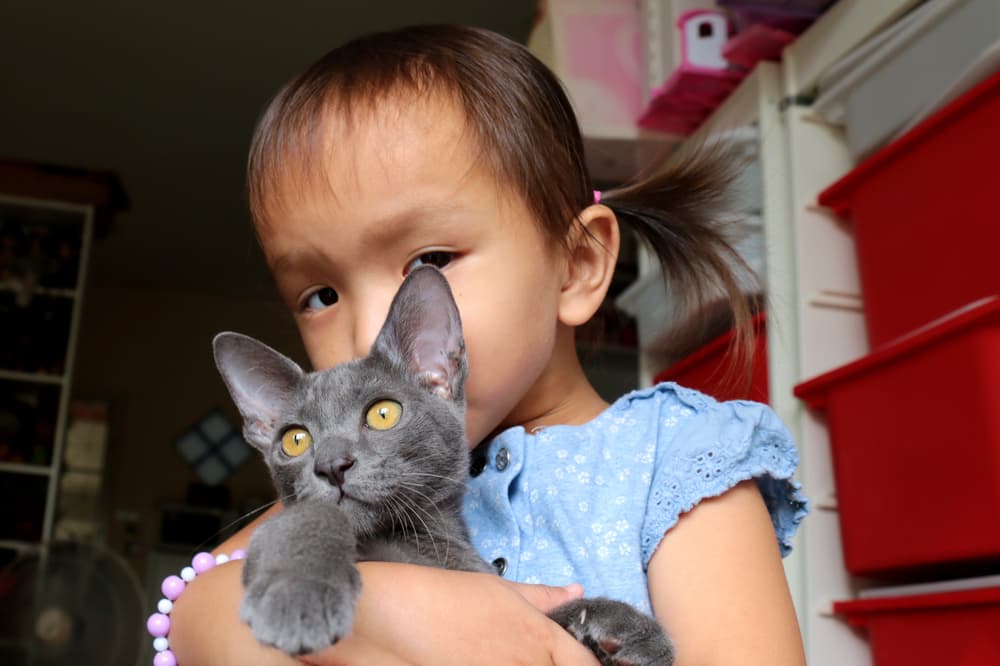
The Korat rules his household with an iron paw sheathed in velvet. He loves attention and likes to think of himself as the one in charge, whether of other cats, dogs, or the people in his family. He can be a bit stuck up, preferring the company of other Korats to that of any other pets, but he’s affectionate with his people and calm with children.
Expect the Korat to be closely involved in everything you do, from reading the paper to preparing meals to paying bills. When you are home, he will always be near — if not on — you, and he won’t like being left alone for hours on end. Nor is he fond of loud noises or a lot of commotion. This is a gentle cat who likes to snuggle.
The Korat is less talkative than his Siamese cousin, but he definitely knows how to express himself both verbally and with body and tail language. You will know if he doesn’t approve of what you’re doing or how you’re feeding him. A quiet, happy chirp indicates his satisfaction.
Gentle he may be, but the Korat is also energetic, playful, and highly intelligent. Challenge his brain by teaching him tricks (try clicker training!) and providing him with puzzle toys that will reward him with kibble or treats when he learns to manipulate them.
Always choose a kitten from a breeder who raises litters in her home and handles them from an early age. Meet at least one and ideally both of the parents to ensure that they have nice temperaments.
What You Need to Know About Korat Health
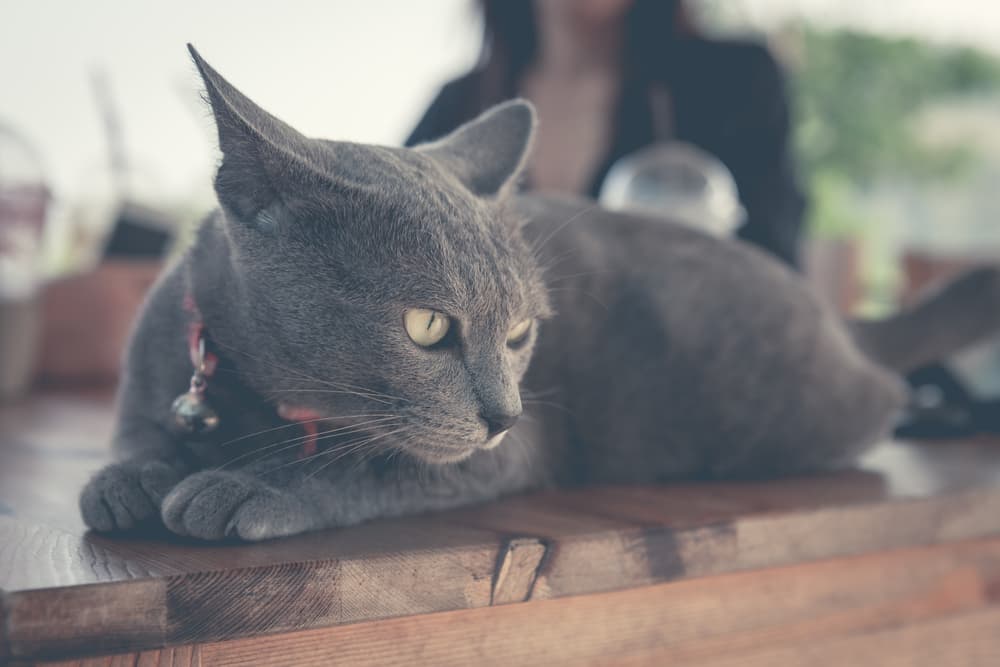
No matter how well breeders screent their lines for issues, all cats have the potential to develop genetic health problems. Breeders who claim that Korats have no known issues are either dishonest or unknowledgeable—take that as a red flag to look elsewhere. All reputable breeders will offer a health guarantee on kittens.
The Korat is prone to a fatal genetic condition that comes in two forms: GM-1 and GM-2 gangliosidosis. Fortunately, a genetic test is available that can identify carriers before they are bred. Do not buy from a breeder who does not provide a written health guarantee.
Beyond genetic conditions, you as the owner also have a huge role to play in your Korat’s health. One of the most common (and avoidable) health problems cats face is obesity. Keep your Korat at an appropriate weight by feeding him a balanced diet, and his overall health will benefit as a result.
The Basics of Korat Grooming
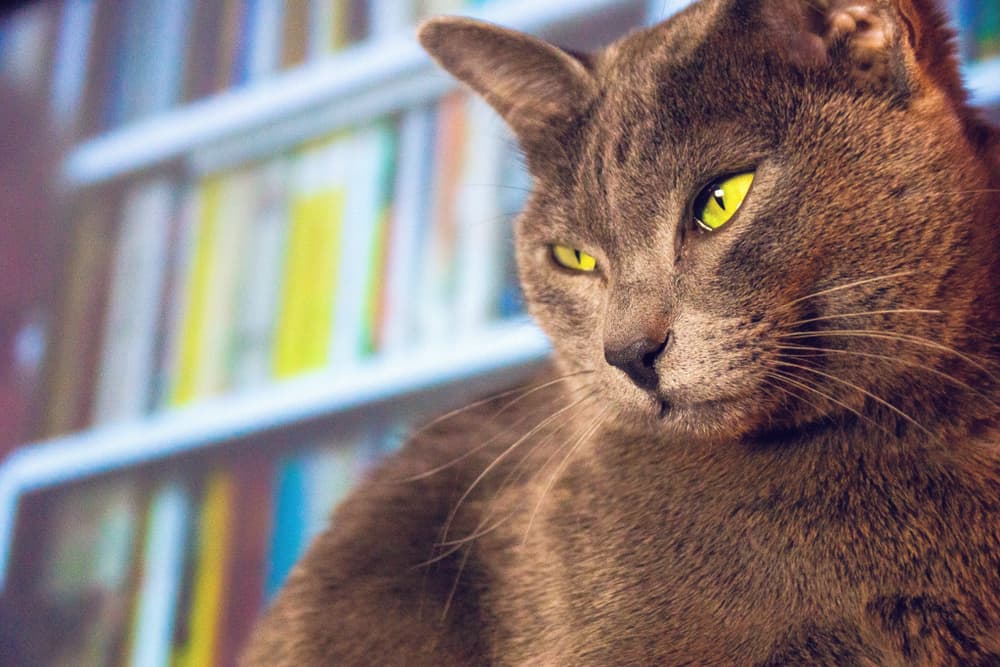
The Korat has a single coat with hair that is short, shiny, and fine. The coat is easy to groom with twice-weekly brushing. You’ll need to brush the Korat more often in the spring when he sheds his winter coat.
Beyond that, the only other grooming to stay on top of is regular nail trimming and ear cleaning with a vet-approved, gentle ear cleanser. Brushing your Korat’s teach frequently will also help with his overall health and keep his breath fresh.
Start brushing, nail trimming, and teeth brushing when your cat is still a kitten, and he will accept these activities later on.
Choosing a Breeder for Your Korat
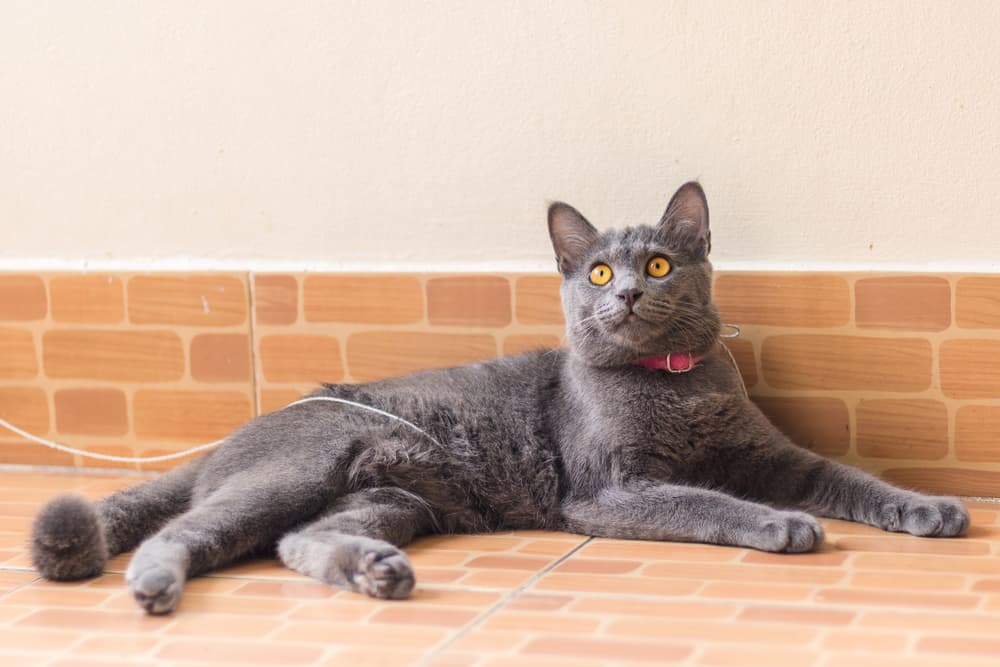
All pet owners just want their cats to be happy and healthy. That starts with doing your homework before bringing him home.
For all the information on history, personality, and looks of the Korat, or to find breeders, visit the websites of the Cat Fanciers Association, Cats Center Stage, the Fanciers Breeder Referral List, and The International Cat Association.
The bottom line is this: You should be putting as much effort into researching your kitten as any major purchase. When it comes to bringing home a kitten, an ounce of prevention is worth a pound of cure.
So, what should you look for in a breeder? Here are some signs you’ve found a good one:
- The breeder abides by a code of ethics that outlines their responsibilities to their cats and to buyers
- The breeder has performed the necessary health certifications and genetic tests
- The breeder raises the kittens in the home and have been socialized early in life
- The breeder does not allow credit card transactions on her website
- The breeder does not have multiple litters on the premises
While there is no guarantee you’ll be able to discern a disreputable breeder from a good one, researching the breed, checking out the facility, and coming equipped with the right questions can help you avoid a disastrous situation. When in doubt, use your veterinarian as a resource. Vets can often refer you to a reputable breeder or rescue organization where kittens are much more likely to be raised in a healthy way.
Patience is also a virtue when researching the best breeders. You may have to wait six months or more for the right kitten to become available, and for good reason. Many breeders won’t release kittens to new homes until they are between 12 and 16 weeks of age.
Adopting a Korat from a Rescue or Shelter
The Korat is an unusual and uncommon breed. It is unlikely that you will find one in a shelter or through a rescue group, but it doesn’t hurt to look. Sometimes a pedigreed cat ends up at a shelter after losing his home to an owner’s death, divorce, or change in economic situation.
Still, it’s worth a shot. Here are some tips you may find helpful when looking to adopt the right cat from a rescue group or shelter.
Use the Web. Sites like Petfinder.com and Adopt-a-Pet.com don’t just make it possible to search for Korats in your area, they also allow you to narrow down your search based on certain criteria like age. If you’re looking for an animal rescue group in your area, head to AnimalShelter.org.
Beyond those websites, it may also benefit you to think of some more unconventional sources. For example, newspapers often have “pets looking for homes” sections you can review. Or, use the power of your own online network! Post on your social media channels about your desire to adopt a Korat, and you may be surprised who can offer you help.
Reach Out to Local Experts. While it may seem like a no-brainer, talking to pet pros about finding a Korat to adopt is still a smart strategy. These pros include vets, cat sitters, and groomers—all professions with an ear to the ground who may have insight into how to find an adoptable Korat better than anywhere else.
Talk to a Breed Rescue. Networking can help you find a cat that may be the perfect companion for your family. Most people who love Korats love all Korats. That’s why breed clubs have rescue organizations devoted to taking care of homeless cats. Start with the Fanciers Breeder Referral List. You can also search online for Korat rescues in your area.
Regardless of which route you take, also ensure to sign a tight contract with the seller, shelter, or rescue you’re working with. This contract should spell out responsibilities on both sides.
When the day finally comes and you’re ready to bring home your Korat, make sure you take him to the vet as soon as you can. Your veterinarian will be able to spot problems and work with you to set up a preventive regimen that will help you avoid many health issues.
Korat FAQs
Are Korat cats rare?
Korat cats are considered a highly rare and ancient breed of cat whose lineage traces back nearly 800 years ago. Originating in Thailand, they have only been in the United States for a few decades. They are also difficult to come by in their homeland, so expanding their gene pool is challenging.
Are Korat cats hypoallergenic?
Korat cats are not considered hypoallergenic. In fact, it is misleading to label any cat as purely hypoallergenic, as it is the dander and not the hair of a cat that leads to allergic reactions in humans. However, there have been some anecdotal reports that Korats are generally more tolerated among people allergic to cats, though that is not scientifically verified.
So, if you’re allergic to cats, adopt a Korat at your own risk.
How long do Korat cats live?
The typical lifespan for a Korat cat is similar to the average age of most cats, which is around 15 years old. They are prone to a fatal genetic condition that comes in two forms: GM-1 and GM-2 gangliosidosis, but with proper screening and good breeding practices, you should be in the clear from worrying about it. Otherwise, keeping your Korat in a clean living environment and at a healthy weight will help him lead the longest life possible.
How much does a Korat cat cost?
The cost to bring home a Korat cat varies widely based on location, age, and pedigree. For a kitten that comes from a reputable breeder, you can expect to spend between $400-$800. However, some breeders who offer a superior genetic line may charge upwards of $2,000 for a Korat kitten.
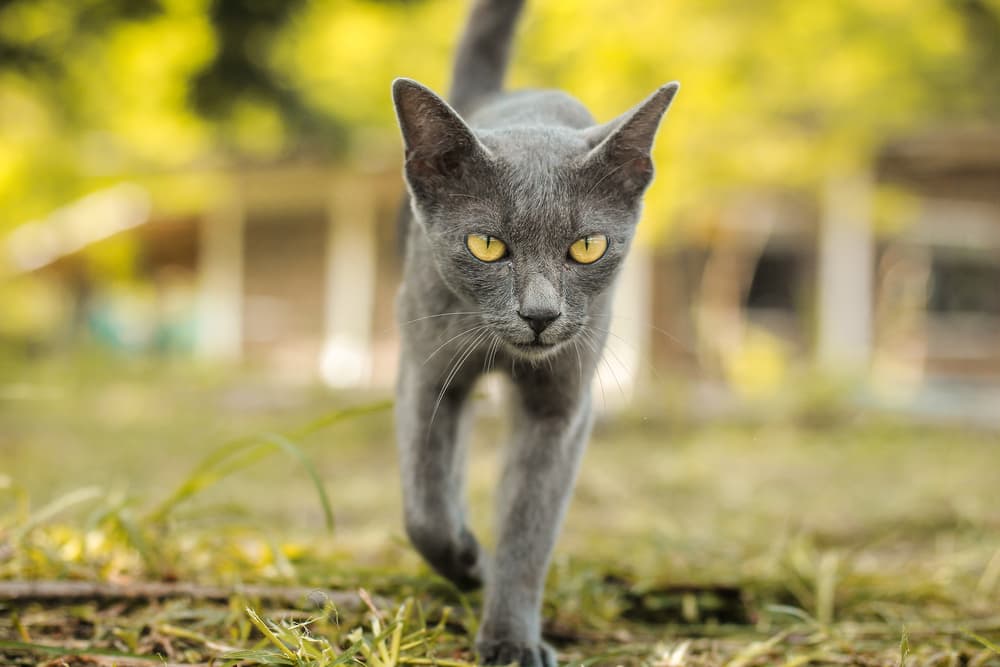
Korat Pictures
Toyger
- 2023-01-04T16:07:49
- Great Pet Care Team
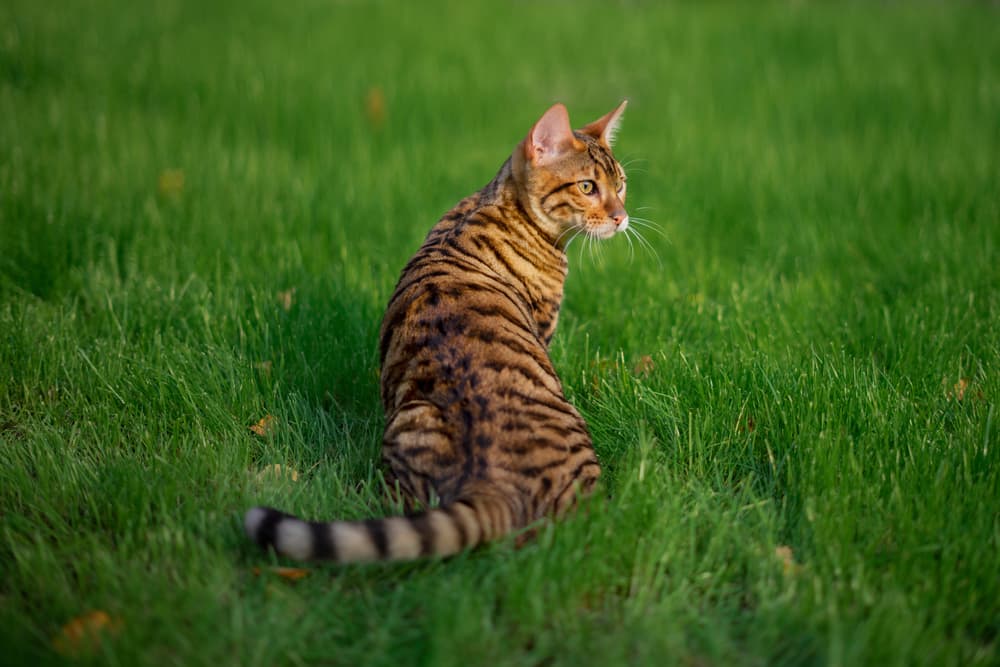
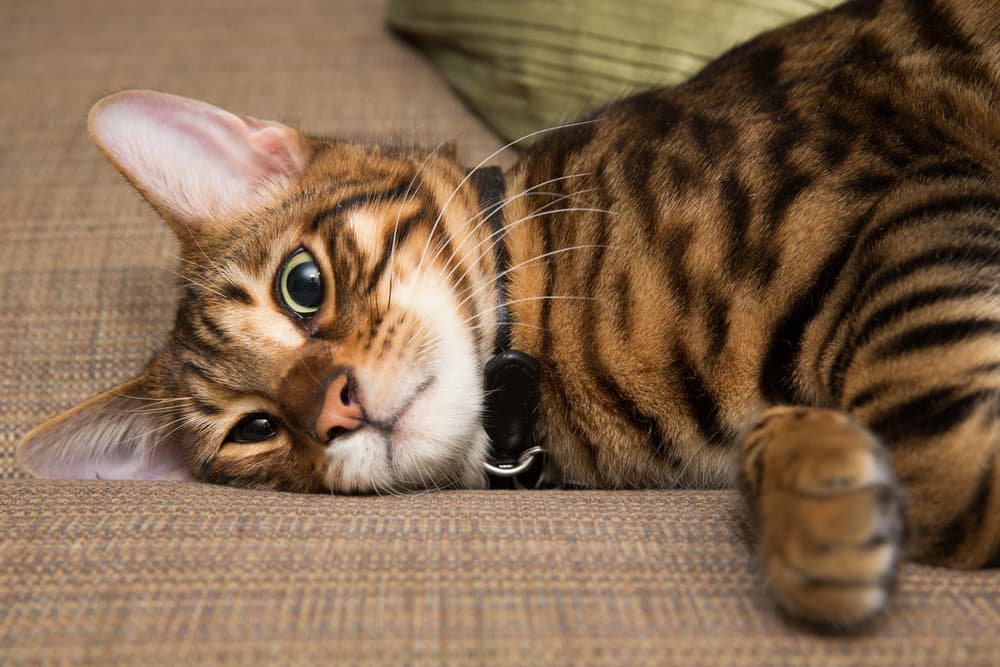
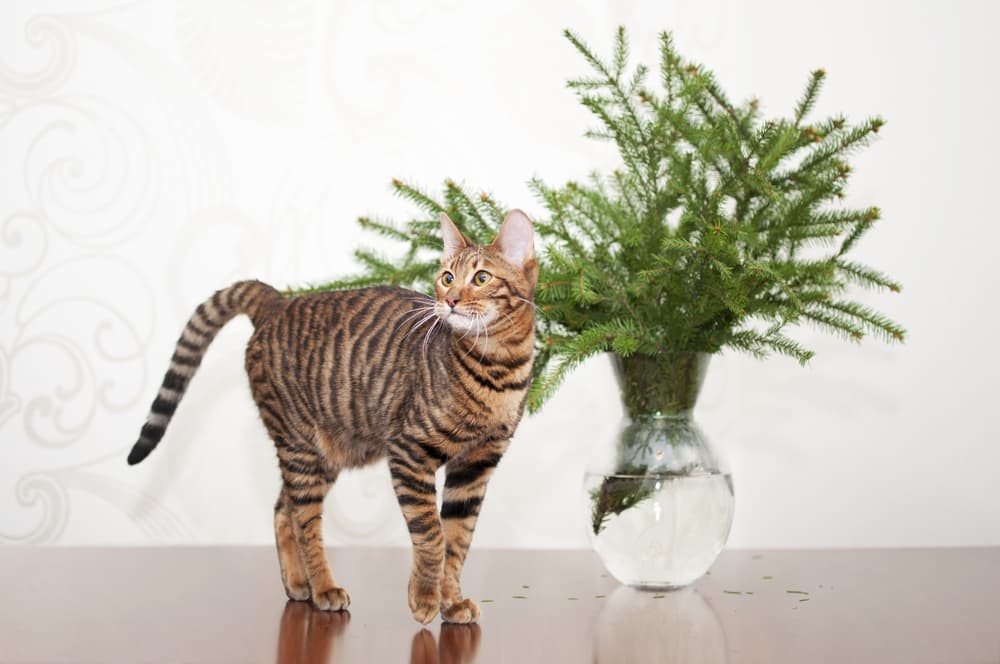
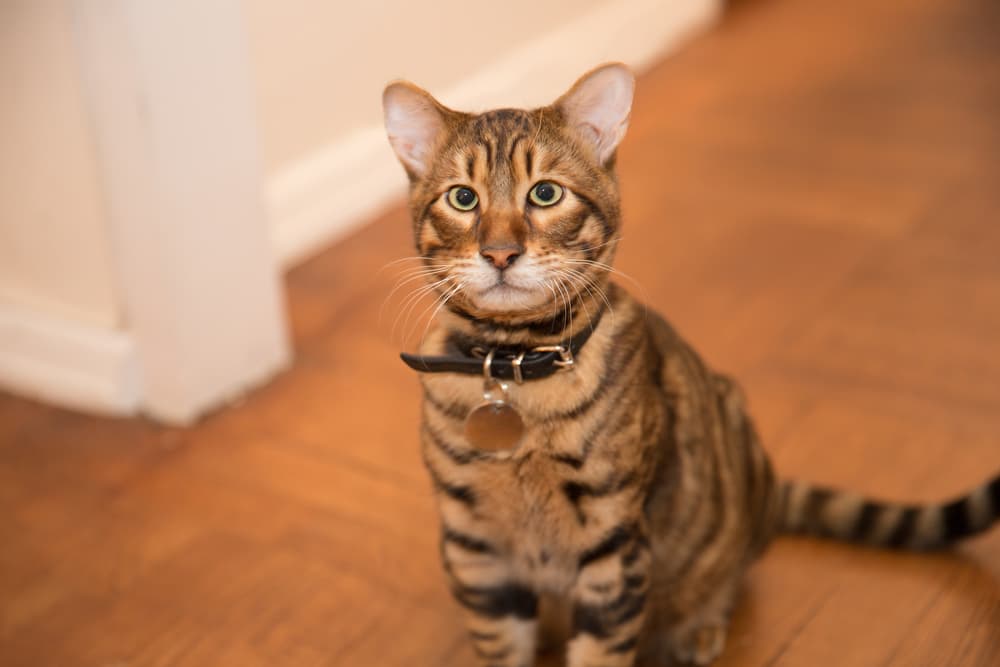
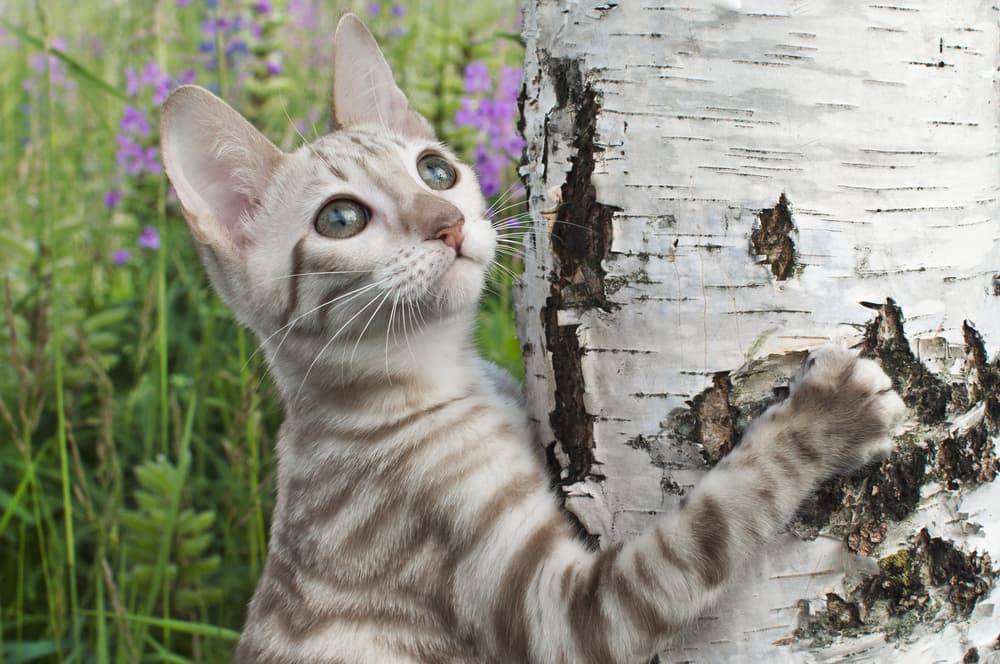
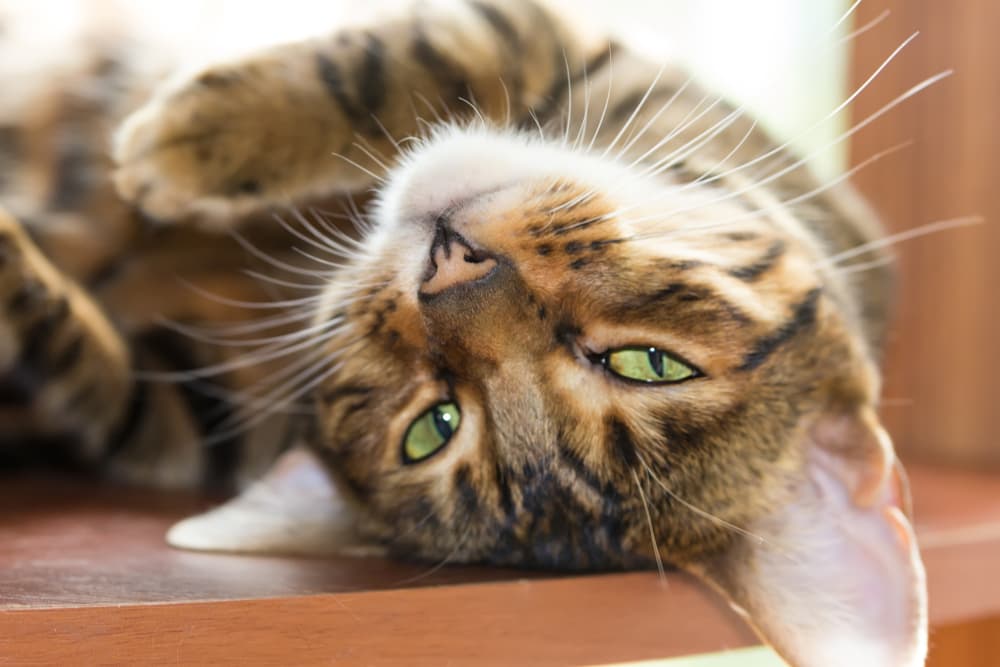
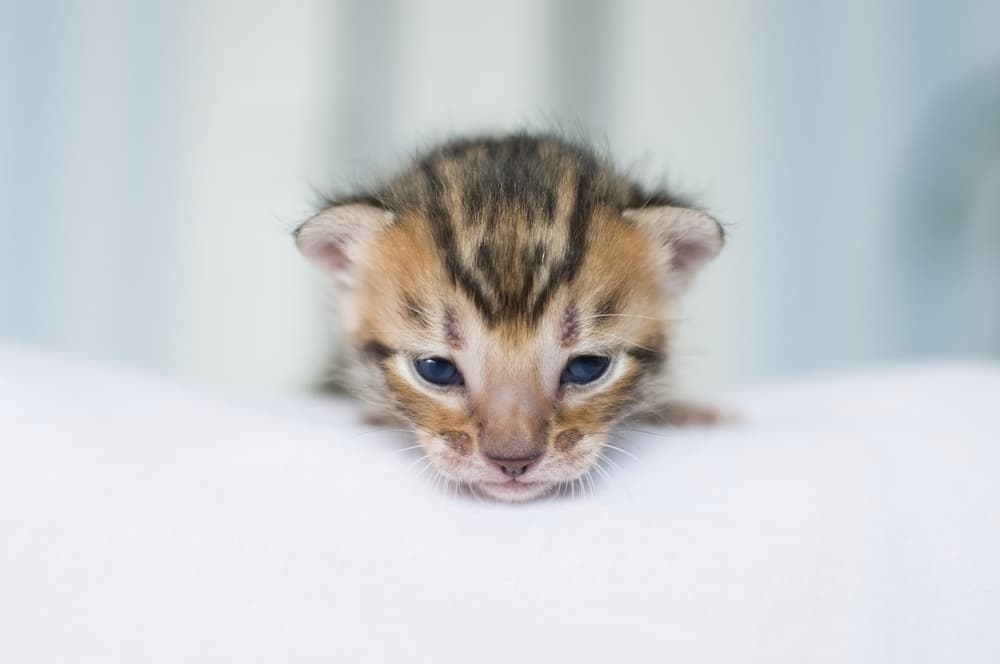
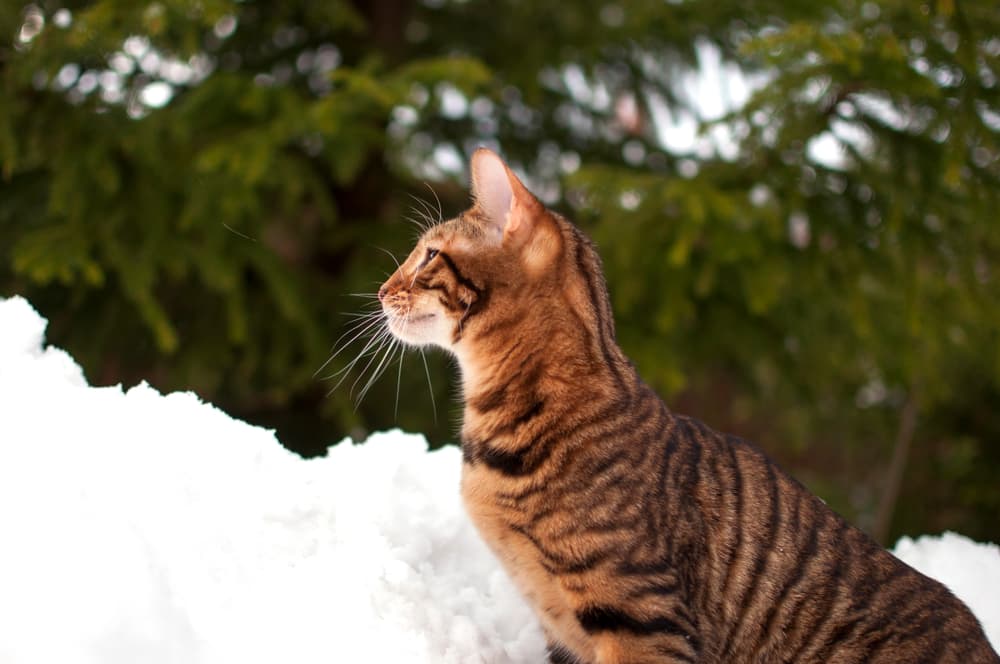
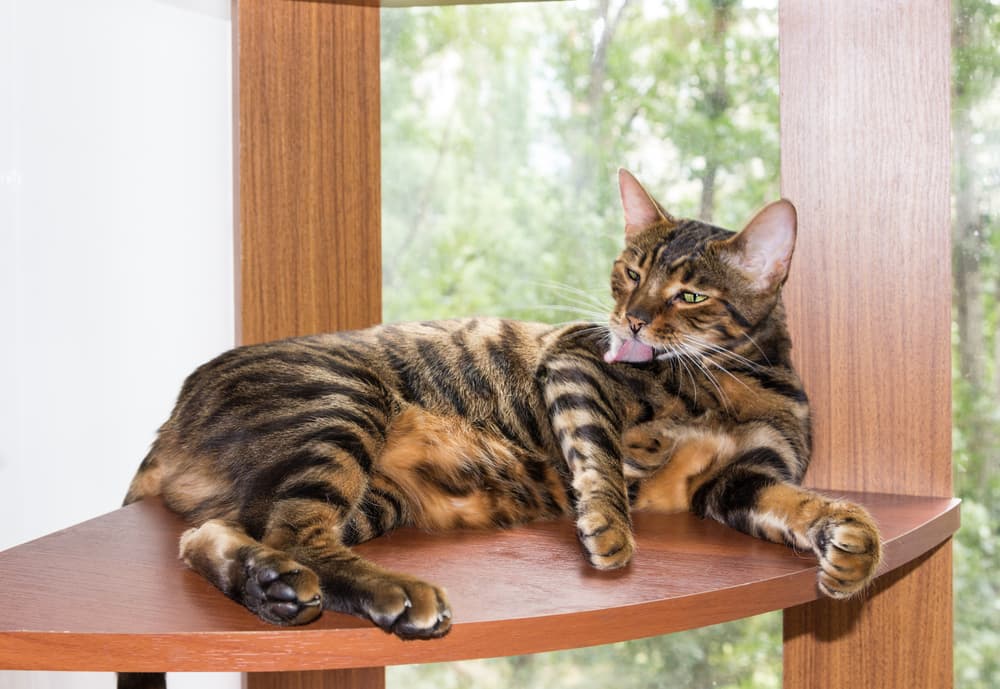
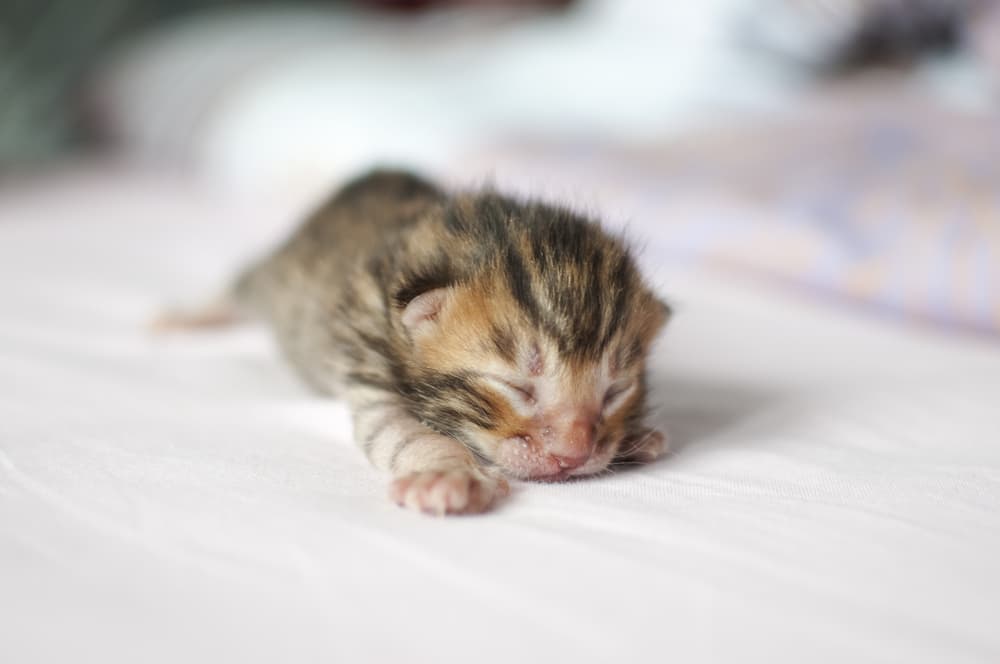
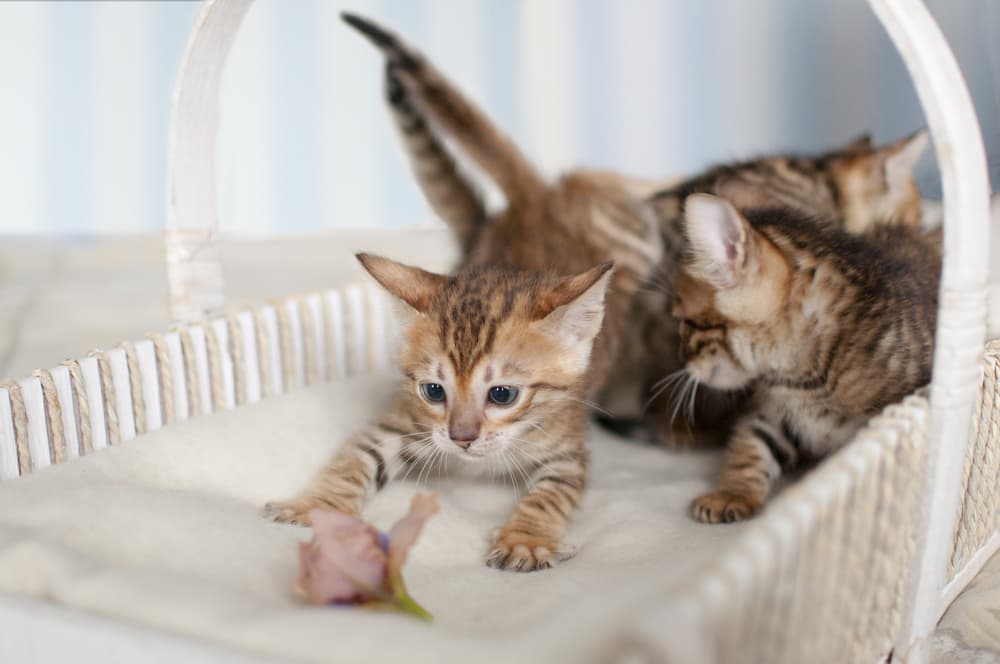
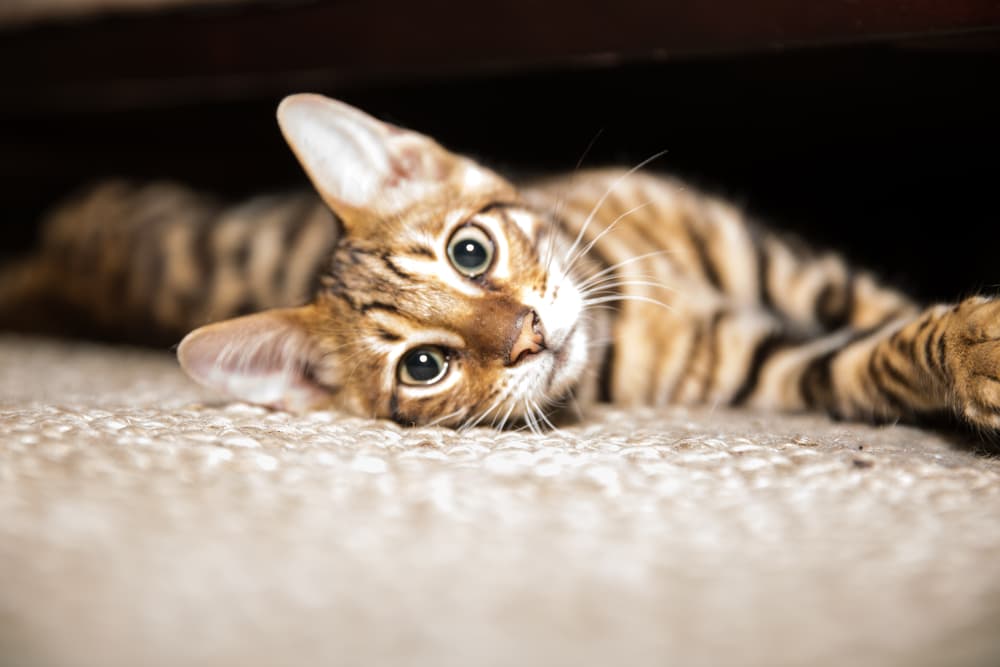
The medium-size Toyger was created by crossing a Bengal cat with a striped domestic shorthair. He is all domestic cat, with no wild blood, but he was developed to have branching stripes and orange and black or brown coloration reminiscent of a tiger’s pattern.
The lion may be the king of beasts, but the tiger is arguably the most majestic of the big cats. Sadly, tigers are highly endangered, and it seems as if little can be done to stop their slide toward extinction. But breeder Judy Sugden and other cat breeders who followed her lead hope that their creation—the Toyger—will help bring recognition to the tiger’s plight.
As the muscular Toyger slinks through your living room, it would be easy to imagine that he is truly a tiger cub. A tiger cub that won’t grow up to eat you. The Toyger has a sweet, calm personality and is generally friendly. He’s outgoing enough to walk on a leash, energetic enough to play fetch and other interactive games, and confident enough to get along with other cats and friendly dogs. He can also be a good choice for families with children as long as their interactions are supervised. Toygers usually weigh 7 to 15 pounds and live for 13 or more years.
Brush the Toyger weekly to keep his coat shiny and healthy. The only other grooming he needs is regular nail trimming, tooth brushing, and ear cleaning.
The Toyger is well suited to any home with people who will love him and care for him. Keep him indoors to protect him from cars, diseases spread by other cats and attacks from other animals.
Other Quick Facts
- Among domestic cats, the Toyger’s randomly patterned broken, or branched, vertical stripes are unique.
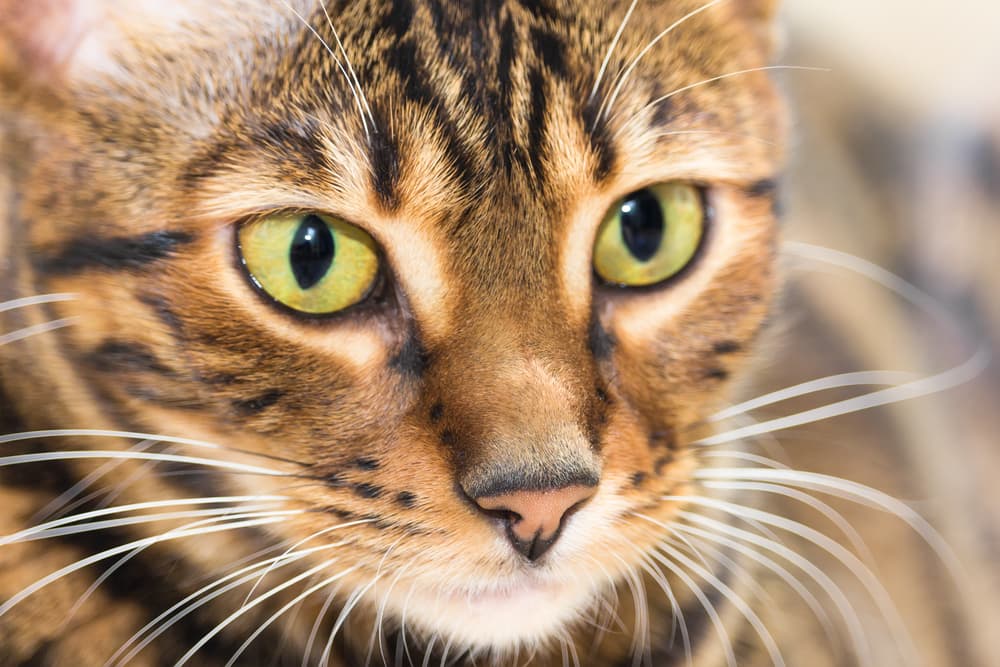
- The Toyger has dark markings on a vivid orange background with white on the belly and a scatter of gold “glitter” over the body. Facial markings have a circular pattern.
The History of Toygers
Lots of cats are named Tiger, but it wasn’t until Judy Sugden was struck by the two spots of tabby markings on the temple of her cat Millwood Sharp Shooter that it occurred to her that they could be the secret to developing a domestic cat that truly resembled the lord of the jungle. Starting with a striped domestic shorthair named Scrapmetal and a Bengal cat named Millwood Rumpled Spotskin, and later importing a street cat from Kashmir, India, who had spots instead of tabby lines between his ears, she went to work to create a tiger for the living room.
Other breeders who shared her vision and contributed to the breeding program were Anthony Hutcherson and Alice McKee. They came up with a domestic cat that had a large, long body, tabby patterns and rosettes that stretched and branched out, and circular head markings.
The International Cat Association began registering the Toyger in 1993, advanced it to new breed status in 2000, and granted the breed full championship recognition in 2007. Currently, TICA is the only association that recognizes the Toyger.
Toyger Temperament and Personality
The friendly and playful Toyger likes people and other pets. He delights in playing fetch, batting around cat toys, and just spending time with family members. He’s active enough to learn tricks, but not so energetic that he’ll run you ragged. He has an easygoing personality that makes him suited to most households or families.
Like most cats, the Toyger is highly intelligent. Challenge his brain and keep him interested in life by teaching him tricks and providing him with puzzle toys that will reward him with kibble or treats when he learns how to manipulate them.
Always choose a kitten from a breeder who raises litters in the home and handles them from an early age. Meet at least one and ideally both of the parents to ensure that they have nice temperaments.
What You Need to Know About Toyger Health
Like people, all cats can develop genetic health problems. This is why it is critical to choose a breeder who offers a health guarantee on all of her kittens. If the breeder does not offer that guarantee, or keeps her kittens isolated from the main part of the household for “health reasons,” find another breeder.
The Toyger is generally healthy, but heart murmurs, possibly indicative of hypertrophic cardiomyopathy, have occurred in the breed. It is always wise to buy from a breeder who provides a written health guarantee.
Beyond that, one of the most common health problems in household pets that you can help avoid is obesity. To give your cat the healthiest life possible, make sure to keep him at an appropriate weight by feeding him a balanced diet and ensuring he gets plenty of both mental and physical stimulation.
The Basics of Toyger Grooming
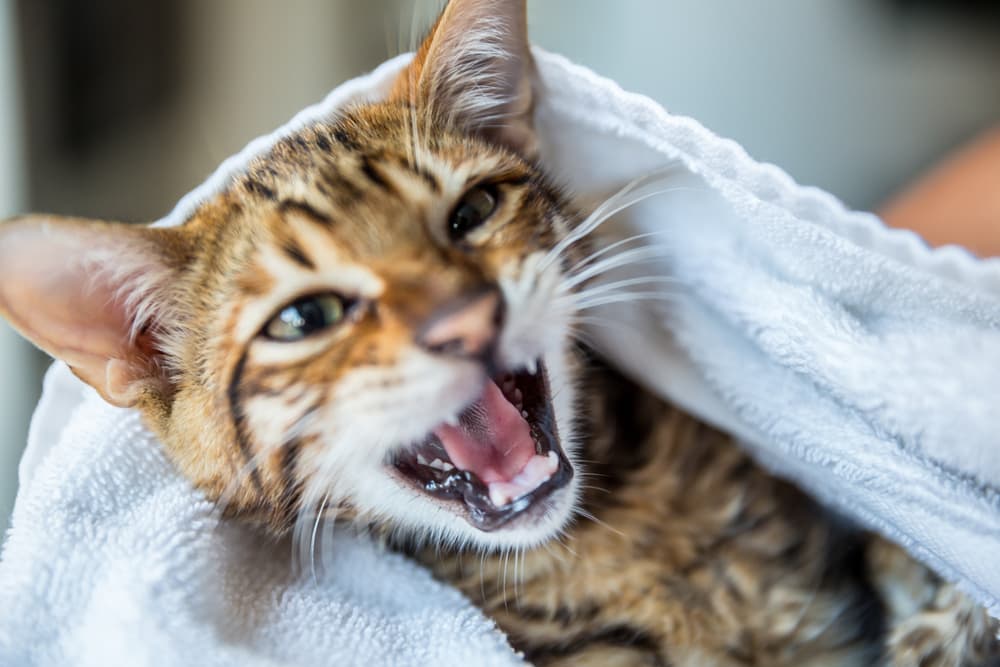
Grooming the Toyger is simple, and much safer than grooming a tiger. Brush or comb him weekly to keep his coat shiny and healthy.
The only other grooming the Toyger needs is regular nail trimming, usually weekly, and ear cleaning only if the ears look dirty. Wipe them out with a cotton ball dampened with a gentle ear cleanser recommended by your veterinarian. Brush the teeth frequently with a vet-approved pet toothpaste for good overall health and fresh breath. Start brushing, nail trimming and teeth brushing early so your kitten becomes accepting of this activity.
Choosing a Breeder for Your Toyger
When it comes to choosing a breeder, do your homework. You want your Toyger to be happy and healthy so you can enjoy your time with him. Visit websites like the Fanciers Breeder Referral List and The International Cat Association to find more information on the history, personality and looks of the Toyger, or to find breeders.
Reputable breeders abide by a code of ethics. For example, you will never find a good breeder selling to pet stores and wholesalers. But you will see reputable breeders outlining their responsibilities to their cats and to buyers, as well as performing the health certifications necessary to screen out as many genetic health problems as possible.
Many breeders have websites to showcase their business, but that doesn’t automatically make them a legitimate and reputable operation. Look out for red flags like seeing kittens always available, multiple litters on the premises, having your choice of any kitten, and being able to pay online with your credit card. Reputable breeders will care first and foremost about connecting the right kittens with the right people, not making a quick and convenient buck.
When in doubt, consult your veterinarian! Your vet can often refer you to a reputable breeder, breed rescue organization, or other reliable source for healthy kittens. In the long run, putting in the effort up front into researching your kitten will save you money and potential headache down the road.
Be patient. Depending on what you are looking for, you may have to wait six months or more for the right kitten to be available. Many breeders won’t release kittens to new homes until they are between 12 and 16 weeks of age.
Before you buy a kitten, have you considered bringing home an adult Toyger instead? It may be a better choice for your lifestyle. Kittens are loads of fun, but they’re also a lot of work and can be destructive until they reach a somewhat more sedate adulthood. Adults tend to be more predictable in terms of personality and health. If you are interested in acquiring an adult cat instead of a kitten, ask breeders about purchasing a retired show or breeding cat or if they know of an adult cat who needs a new home.
Adopting a Toyger from a Rescue or a Shelter
The Toyger is an unusual and uncommon breed. It is unlikely that you will find one in a shelter or through a rescue group, but it doesn’t hurt to look. Sometimes pedigreed cats end up at the shelter after losing their home to an owner’s death, divorce or change in economic situation. Check the listings on Petfinder or the Fanciers Breeder Referral List, and ask breeders if they know of a Toyger who is in need of a new home.
Whether you get your Toyger from a seller, shelter, or rescue group, make sure you have a good contract that spells out responsibilities on both sides. Some people live in states that have “pet lemon laws” as well. If that includes you, be sure you and the person you get your cat from both understand your rights and recourses.
Kitten or adult, take your Toyger to your veterinarian soon after adoption. Your veterinarian will be able to spot problems, and will work with you to set up a preventive regimen that will help you avoid many health issues.
Toyger FAQs
How much is a Toyger cat?
Toyger cats are a rare breed of cat, and with that distinction comes a hefty pricetag. While the cost for a Toyger cat will depend on where you live and the quality of the line, the low end for a Toyger kitten is around $1,500 while the high end is around $3,500.
You should always vet the breeder before bringing any cat or kitten home. Make sure the breeder has performed all necessary health certifications and has raised the kitten in a clean environment.
Are Toyger cats good pets?
Yes! Toyger cats are known to be playful, loving, and good with both kids and other pets. However, as with any animal, every Toyger is unique with its own special personality. Always assess bringing your Toyger around your family on an individual basis. If you are searching for a Toyger, it’s also a good idea to ask your breeder about what kind of kitten you are looking for. She will often be able to make uncanny recommendations on her litter’s personality that will fit your needs.
Toyger Pictures
9 Friendliest Cat Breeds for Harmonious Households
- 2023-01-03T19:34:47
- Cheryl Lock
If cat lovers understand one thing, it’s that they love their feline best friends unconditionally, whether that love is reciprocated in traditional ways or not.
Cats have a relatively popular reputation for being a bit more standoffish than their canine counterparts, but it’s more of a common misconception that cats are less friendly than dogs than anything else, says Dr. Melissa M. Brock, a board-certified house-call veterinarian from Madison, Wisconsin. “While it’s true that some breeds of cat are more social than others, there are plenty of exceptions to this rule,” she adds.
If you’re hoping to bring one of the friendliest cat breeds, there are some things you should probably keep in mind before choosing your new feline friend.
Friendly Cat Breeds: How Common are They?
Feline friendliness is dependent on a few different factors, according to Dr. Brock. “It can be hard to tell whether cats in general are naturally friendly or not, but we all know that some individual cats are naturally more friendly than others,” she says.
Cats that are brought up with people and other animals do often seem to be friendlier than cats who grow up in the wild. “We believe that whether a cat is naturally friendly depends on a combination of nature and nurture,” says Dr. Brock. “For example, if you have a cat who was born in the wild and then brought into your home as an adult, he may be less likely to bond with you than one who was brought into your home when he was just a kitten.”
9 Friendliest Cat Breeds
Although we’ve established that individual cats have unique personalities — and that any cat can be gregarious, regardless of outside factors — there are a few cats that are known for their outgoing, sociable nature. The friendliest cat breeds include:
Bengal
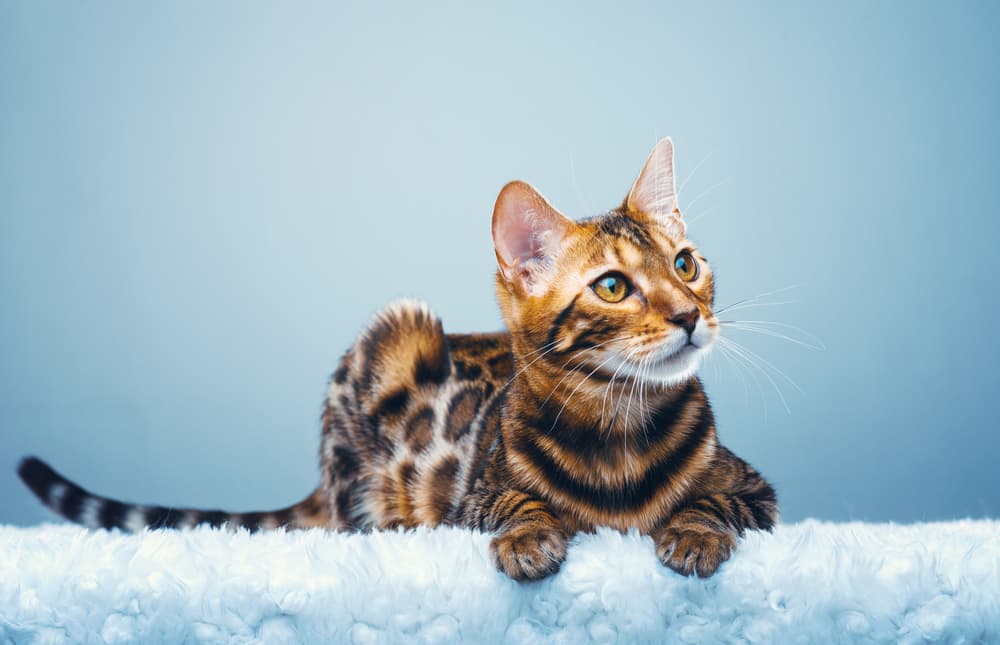
The modern Bengal can be traced back to breeder Jean. S. Mill, who crossed a domestic cat with an Asian Leopard Cat in 1963 to create the first Bengal. They are an active and friendly breed that’s also known to be confident, devoted, and interactive. “The Bengal is a relaxed cat that enjoys being around people, but isn’t overly energetic or demanding,” says Dr. Brock. “They’re also very good at getting along with other cats, dogs, and children in their household.”
Devon Rex
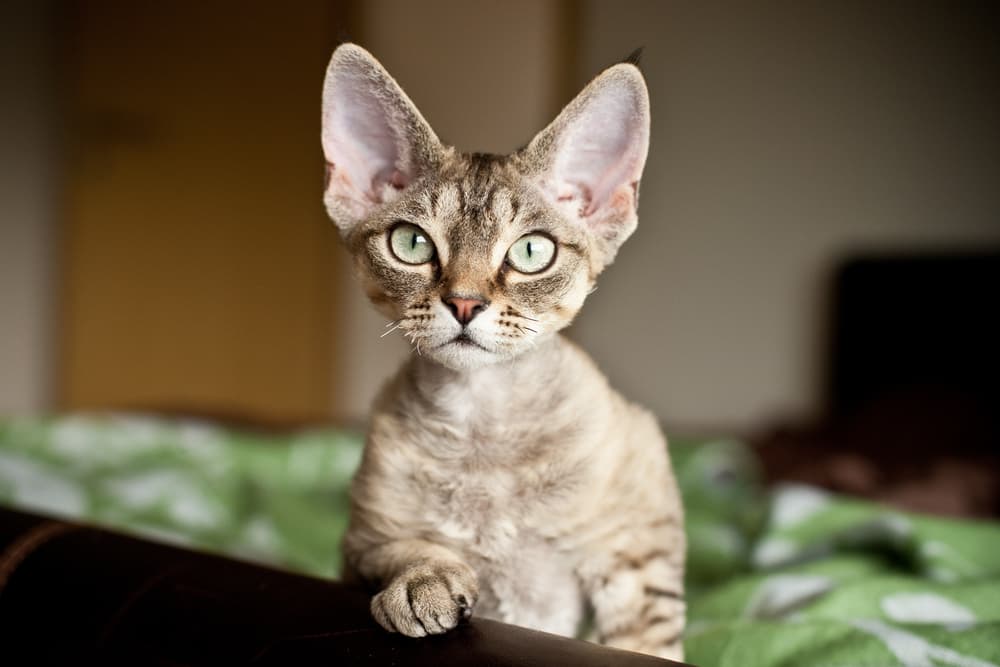
This fun-loving, relaxed, loyal, and social rex cat breed has a unique appearance that occurs thanks to a natural gene mutation. The breed had its humble beginnings in the late 1950s in Devonshire, England, when a stray cat birthed a curly-haired, funny-looking kitten that was named Kirlee, who became the founding father of the breed. “These cats are among the most ‘dog-like,’” says Dr. Anna Foster, vetted council member for Vetted Pet Health. Plus, “they love to play and are very food motivated, thus making them easier to train. They are a super loving breed.”
Cornish Rex
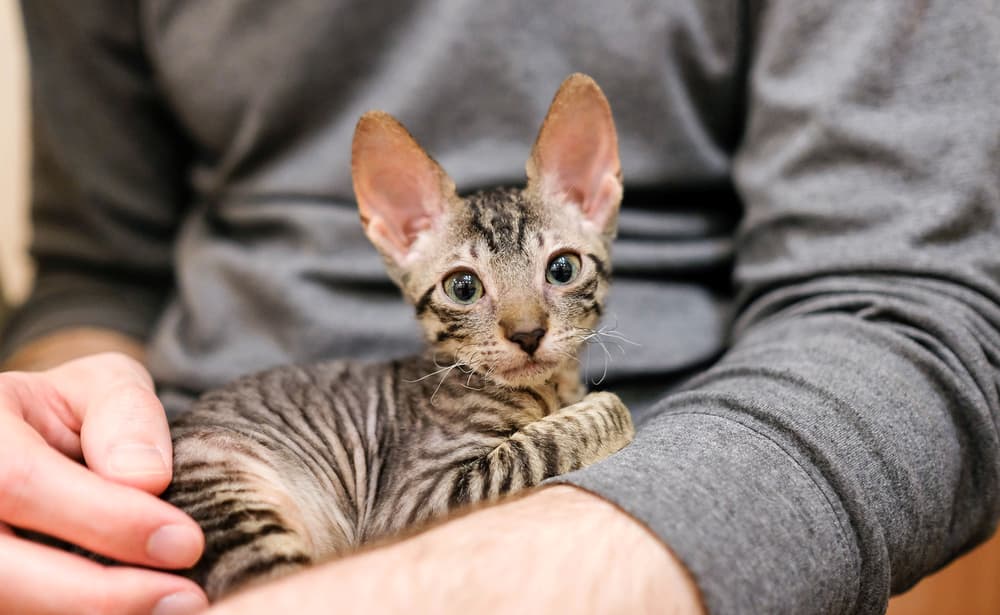
Like the Devon Rex, the Cornish Rex is one of the friendliest cat breeds that hails from humble beginnings. The originals of this breed appeared in a litter of barn cats in Cornwall, England in 1950 and, thanks to a genuine mutation, had quite the fresh appearance from its siblings. Besides its unique look, the personality of this breed also sets it apart, as they are social, enjoy travel, sometimes enjoy water, love people and other pets, says Dr. Foster. Like others on this list, they’re considered to be a very loving and social breed.
Ragdoll
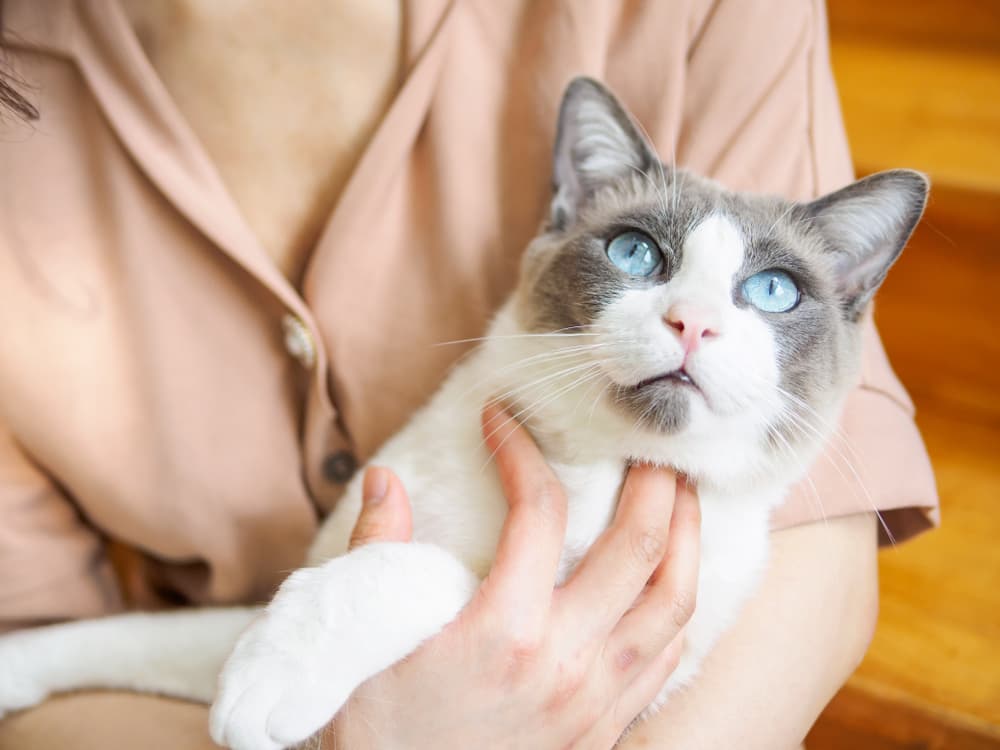
Large and laidback, the Ragdoll is a friendly and gentle breed that was developed in the 1960s by a breeder named Ann Baker. She bred a free-roaming domestic longhaired white female with other cats she either found or owned. The endearing and sweet offspring that developed are today’s Ragdoll ancestors. “Ragdolls are known as ‘Velcro’ cats because they enjoy being near their people and like to be picked up and carried around the house,” says Dr. Brock. “They have very calm personalities and get along well with other cats and dogs in the home.”
Sphynx
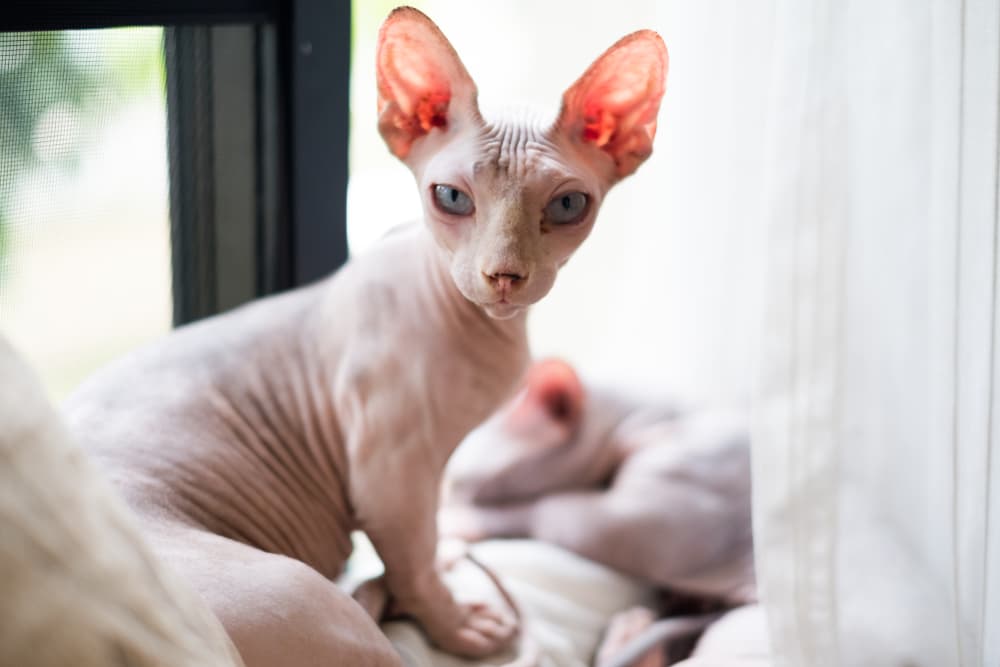
Another cat that enjoys being carried around by its human companions, the Sphynx is known for being very affectionate and friendly towards strangers, as well as family members, says Dr. Brock. “The Sphynx is very easy-going when it comes to other pets in the household,” she says. “They’ll often bond with them instead of fighting over territory or resources, like food bowls or litter boxes.” This breed was developed in Toronto, Canada, in 1966 when a domestic cat gave birth to a hairless kitten. After the discovery of this natural genetic mutation, cat breeders have selectively bred the Sphynx with both normal coated and hairless cats to create the robust Sphynx breed we enjoy today.
Abyssinian
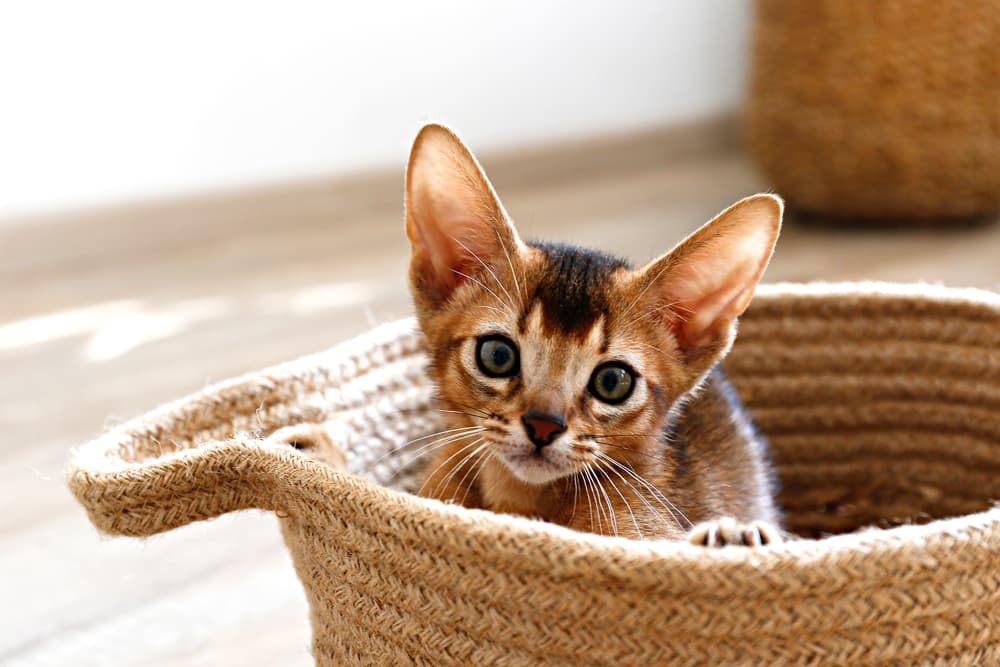
Known for its sociability and affectionate nature, the Abyssinian is a great choice if you’re looking for one of the friendliest cat breeds who will bond with you and your children, says Dr. Brock. “The Abyssinian also has an extremely high intelligence level and loves to play games, which can make them lots of fun,” she added. This particular cat is one of the oldest known breeds, although its history is the source of a lot of controversy. Some believe the original cats were from Ethiopia — formerly Abyssinia — and the first Abyssinians exhibited in shows in England were imported from the same. Recent studies, though, tie the origin of the breed to the coast of the Indian Ocean and parts of Southeast Asia.
Oriental Shorthair
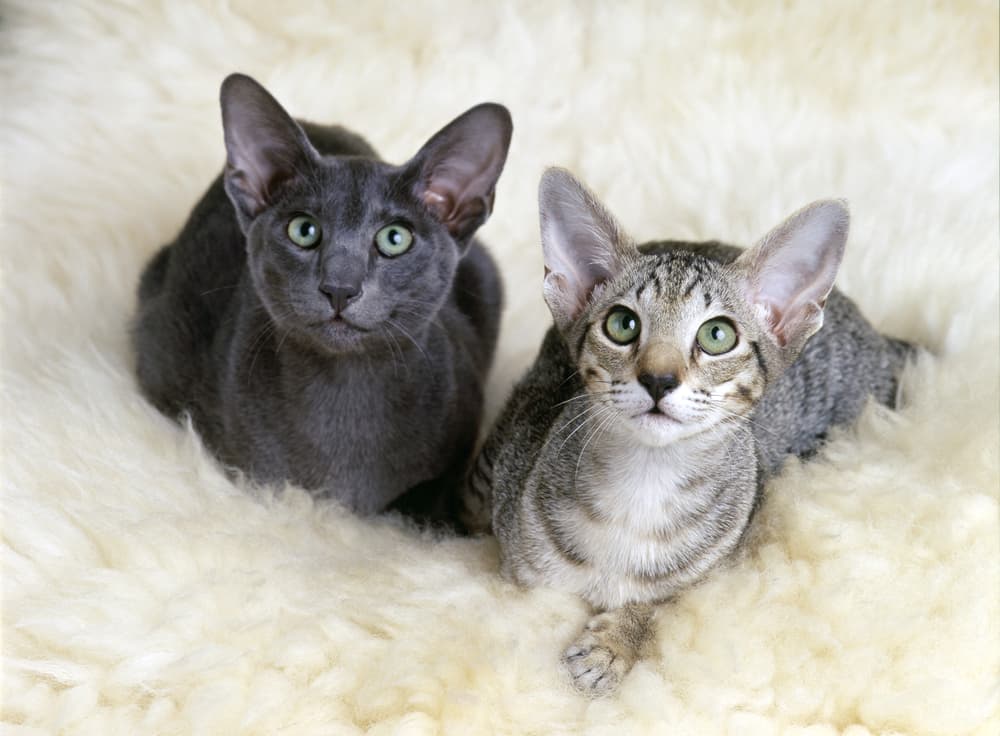
Although Orientals represent a diverse group of cats with over 600 color, pattern, and coat length combinations, all these cats have their foundation in the Siamese breed. “If you want a cat who loves to cuddle but that also enjoys its own space when it needs it, this breed is for you,” says Brock. “The Oriental Shorthair is one of the most intelligent cats out there, making them great conversationalists. They are also very playful. If you want a cat who will keep your kids entertained all day long, this is definitely the one.”
Maine Coon
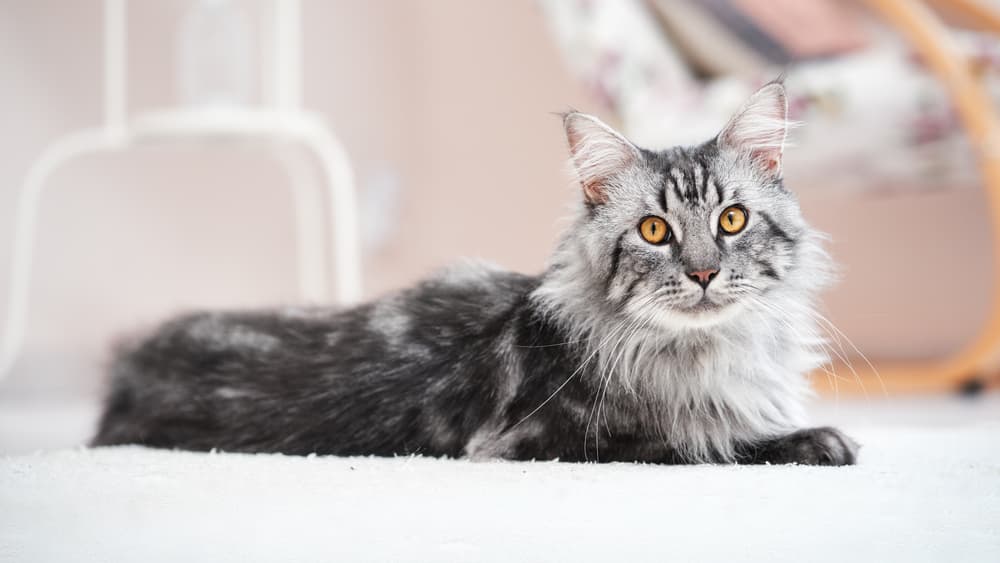
Like the Abyssinian, the Maine Coon’s history is the subject of myths and legends. Still, the breed is the native American long-haired cat, and was first recognized as such in Maine, where it quickly earned the distinction of the official cat of the state. “Maine Coon Cats are a larger breed than most cats, which makes them great for people who want a more interactive pet,” says Dr. Brock. “They’re also extremely affectionate, so they make good companions for children and adults alike.”
Turkish Van
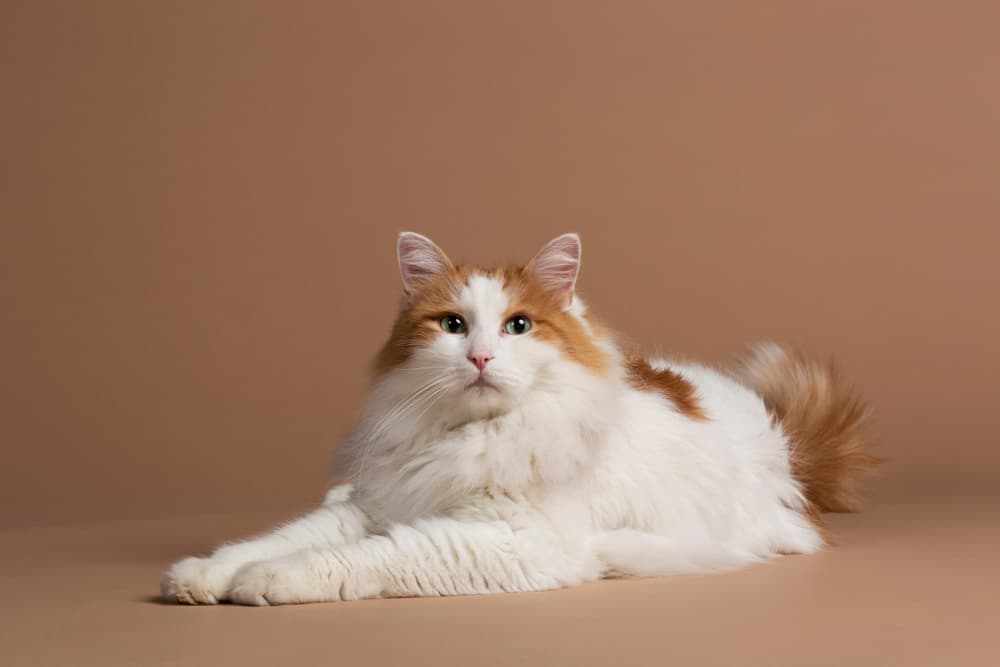
This rare and ancient breed was developed in central and southwest Asia and first brought to England in 1955 as Turkish cats. Their name was later changed to Turkish Van to avoid confusing them with the Turkish Angora breed. Although they didn’t arrive in the United States until 1982, they quickly made a favorable impression. “The Turkish Van is one of the most affectionate breeds around,” says Dr. Brock. “They will often follow their owners around and get very attached to them. They love to be petted and enjoy being held close.”
Can Any Cat Be a Friendly Cat?
The quick answer is yes, any cat can become a friendly cat. While there are some breeds that are more naturally social and friendly than others, even those cats that aren’t especially known for their sociability are going to be more receptive to affection if they’re treated with kindness and respect, rather than fear or anger, says Dr. Brock.
“If you’re lucky enough to have a breed that’s known for its friendliness, that’s wonderful news,” she says. “But even if you have one of the less-social breeds, there are things you can do to promote friendliness in your cat.”
Since the age at which a cat begins to socialize appears to make a difference in their disposition, it’s essential to start as soon as possible for best results. “Most of [cat friendliness] is attributed to training and socialization in their first 6 months to a year,” says Dr. Foster. “Just like pet dogs, pet cats can and should be trained, and the earlier you start, the better. Get your cat comfortable with having their carrier be their safe space, use positive reinforcement with food or toys, and socialize them gently with other dogs, cats, people, and environments. Take it slow, don’t rush, and use positive reinforcement to do so.”
The most important thing Dr. Brock recommends is making sure your cat feels safe and comfortable in her environment. “Make sure she has enough space to roam around and explore on her own terms without feeling crowded by other animals or humans.”
Brock also recommends providing plenty of toys and places for your cat to hide and feel safe, along with plenty of mental and physical stimulation to keep them healthy overall.
8 Rex Cat Breeds to Know
- 2022-12-14T19:52:23
- Janelle Leeson
If you’ve dreamt of having a cat that’s as unique on the outside as they are on the inside, a Rex cat might be the one for you. You’ve likely heard of (or even met) some of the most well-known breeds of these wavy-haired cats—like the Devon Rex, Cornish Rex, and Selkirk Rex. But these popular Rex cats aren’t the only cat breeds with that distinctly curly coat.
What is a Rex Cat?
The descriptor “Rex” describes the curled coat of the cat, says Teresa Keiger, a Cat Fanciers’ Association (CFA) all-breed judge. Rex cats are domestic cats recognized by their rippled, wavy, or curly coats.
There are several types of Rex cats, each sharing a similar name and coat type. But Rex cats are separate and distinct breeds that developed independently from one another thanks to spontaneous genetic variations.
“All Rex cat breeds came from a different spontaneous mutation in different cats,” Keiger explains. “The genetics behind each breed’s curl effect is completely different both in appearance and in its DNA.”
The genetic mutation for curly hair in cats is fairly rare. And when selectively bred, these coats occur in a variety of lengths, textures, and colors. But that’s not the only thing that differs in Rex breeds. Besides their adorable curly coifs, Keiger says each Rex cat breed “varies in almost every way possible.”
8 Rex Cat Breeds
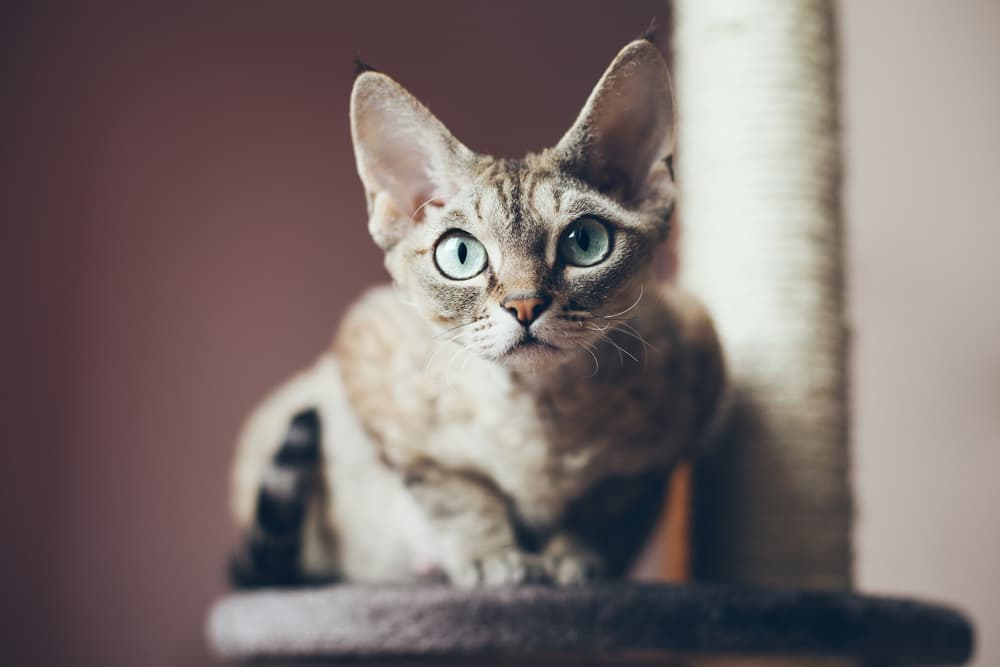
There’s no denying that wavy-haired cat breeds are incredibly adorable, and most of them have personalities to match! Plus, there are tons of great naming options for these curly cuties (think: Teddy, Chewie, Bear, and Rapunzel).
If you’re looking to add a cat with a curly or wavy coat to your family, consider one of these eight different Rex breeds:
- Cornish Rex
- Devon Rex
- Selkirk Rex
- LaPerm
- German Rex
- Tennessee Rex
- Ural Rex
- Tasman Manx
Cornish Rex
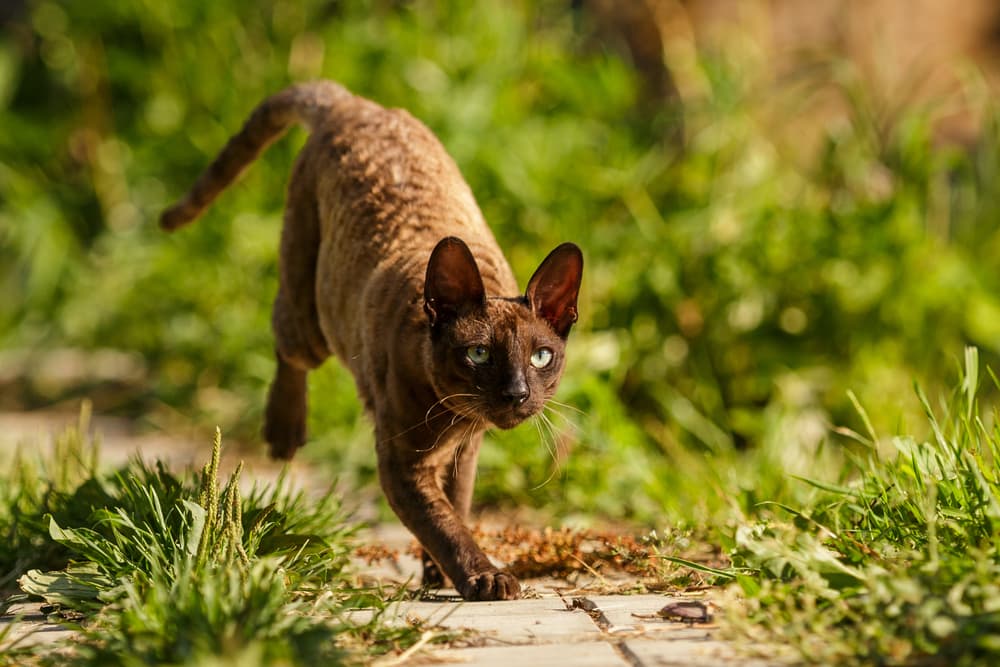
According to Keiger, the Cornish Rex is the first known curly cat breed. A curly-haired barn kitten in England named Kallibunker is credited with carrying the first genetic mutation for the Cornish Rex breed. From the 1950s on, Kallibunker and his offspring were selectively bred with Burmese, Siamese, and British domestic shorthair cats. The result was a new exotic cat breed with large, bat-like ears and incredibly soft, curly fur.
“Cornish Rex cats are very active and do well in a household with a lot of activity,” Keiger says. Almost doglike (and often compared to the build of a Whippet), the breed is adored for antics like playing fetch and picking up their favorite toys with their agile paws.
Devon Rex
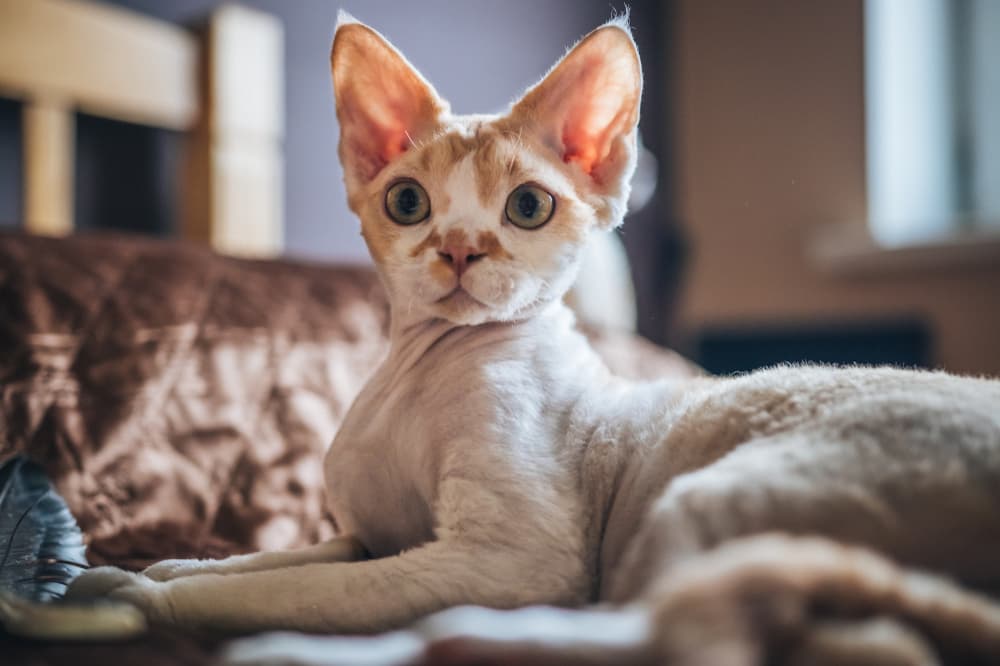
Keiger describes this England-born Rex cat as being “full through the belly with high cheekbones and large ears that flare out at the base.” Their unique features give them what many describe as an elfin appearance. Their curled coat is short and soft, appearing more rippled than tightly curled. Devon Rex cats come in all patterns and colors, from white to brown, tabby and tortoiseshell.
These wide-eyed cats have a clownish demeanor and are known to entertain their human companions well into their senior years. “Devon Rex cats bond very closely with their owners and like to be with them as much as possible,” Keiger says. So, they’re best suited for a home that offers a playmate or two and quality human-kitty bonding time.
Selkirk Rex
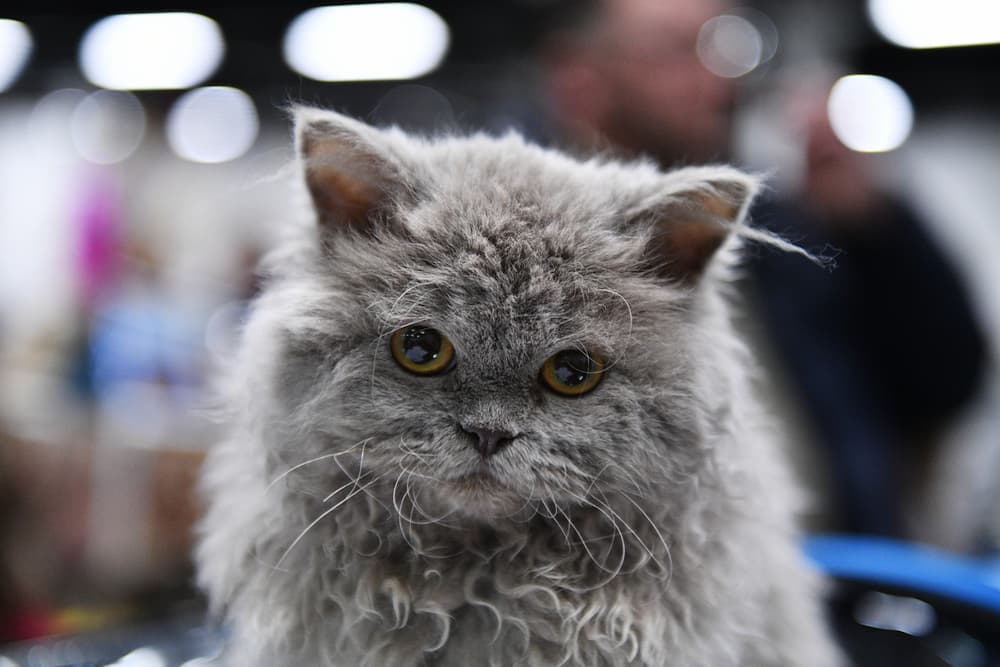
Truly a one-of-a-kind looking kitty, the round-faced Selkirk Rex might resemble a teddy bear more than a cat. Or if they’re white, a cat in sheep’s clothing. This plush, sturdy breed is medium-to-large in size, weighing up to 16 pounds. Their short or long fur can have loose waves or tight spiral curls, depending on the number of genetic variations they’re born with.
The first Selkirk Rex was spotted in a Montana shelter. She was named Miss DePesto and soon found her home with a Persian cat breeder named Jeri Newman. Miss DePesto was bred with a black Persian and produced a litter of both straight-haired and curly-haired kittens. Unlike their straight-haired litter mates, Selkirk Rex cats boast curled whiskers from birth.
These floofy cuties need brushing regularly, but don’t overdo it or they become real frizz balls. Like their teddy bear doppelganger, the Selkirk Rex is a laid-back, happily-go-lucky cat that readily accepts cuddles and affection. They’ll need mental stimulation from interactive toys, puzzles, and play, too.
LaPerm
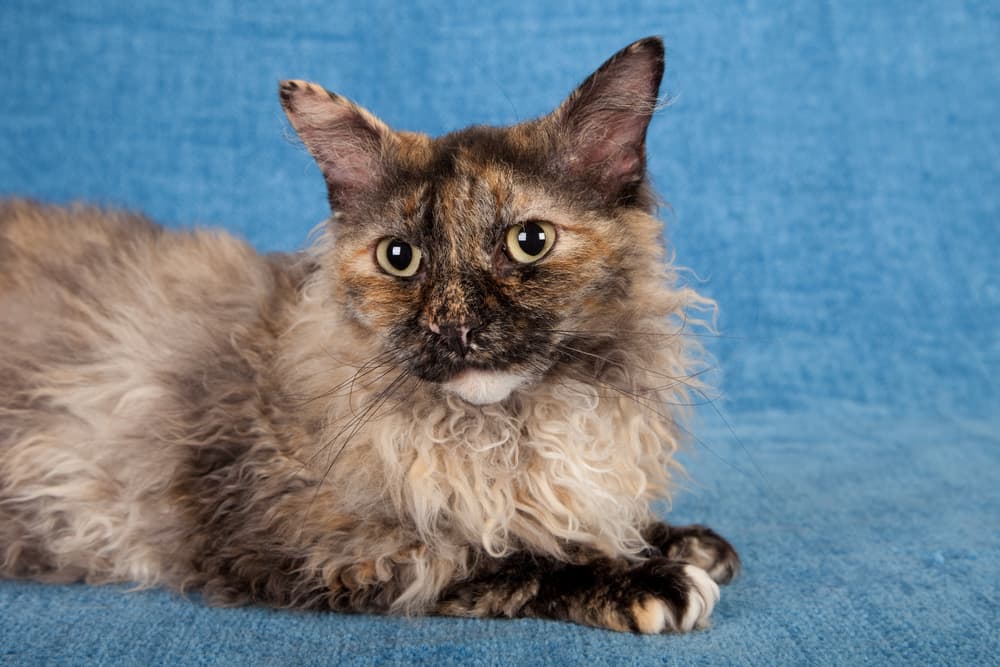
The LaPerm’s genetic variation was discovered fairly recently (1982) on a farm in Oregon and is the latest CFA-recognized Rex breed to originate, Keiger says. While their hallmark feature is the perm-like appearance of their fur, which can vary in color and pattern, their personalities are just as stunning.
“LaPerm cats seek human contact and will purr as soon as they become aware of your presence,” says the CFA. In fact, another trademark feature of this people-oriented cat is their louder-than-normal purr. When they’re not soaking up their human’s attention, this curious kitty will keep busy playing with other pets and kids – or be pawing at you to play fetch.
German Rex
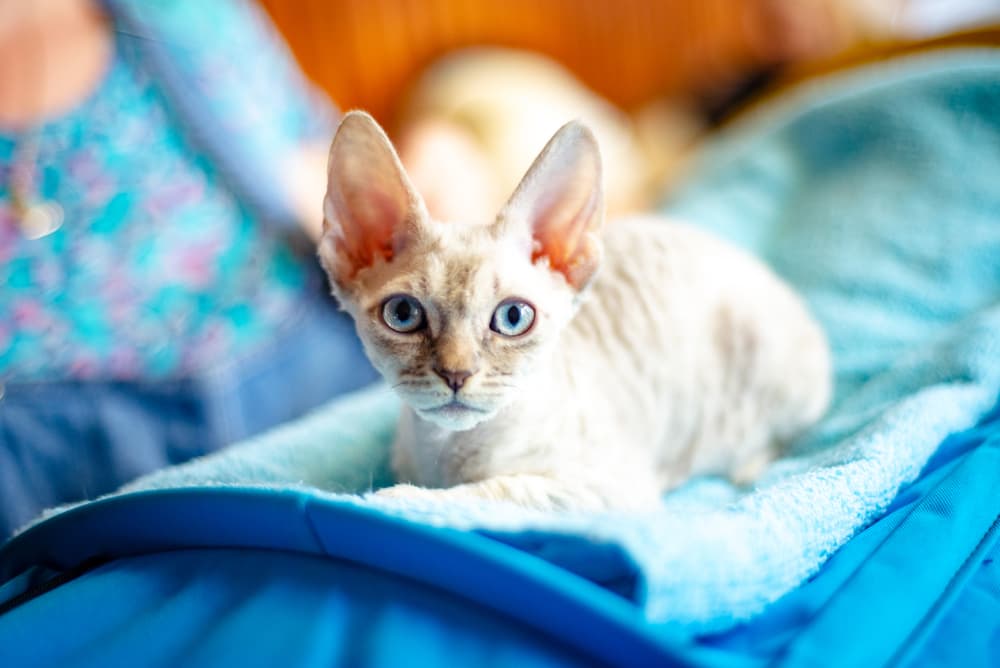
According to Keiger, the breed standards for the German Rex differ from the Cornish Rex—but they share the same genetic variation for their velvety soft curls. Recognized by the International Cat Federation, the medium-sized breed boasts short, curly whiskers and adorably oversized ears.
Tennessee Rex
It’s not just the personality of the Tennessee Rex that sparkles — this curly-haired cat breed sports satin hairs that shimmer in the sunlight. According to The International Cat Association (TICA), Tennessee Rex kittens are “curly or wooly with crimping at birth,” with their satin sparkle developing as they mature.
Like many other Rex breeds, these medium-to-large cats are people-oriented, curious, and outgoing. “They like to be where the action is,” TICA reports.
Ural Rex
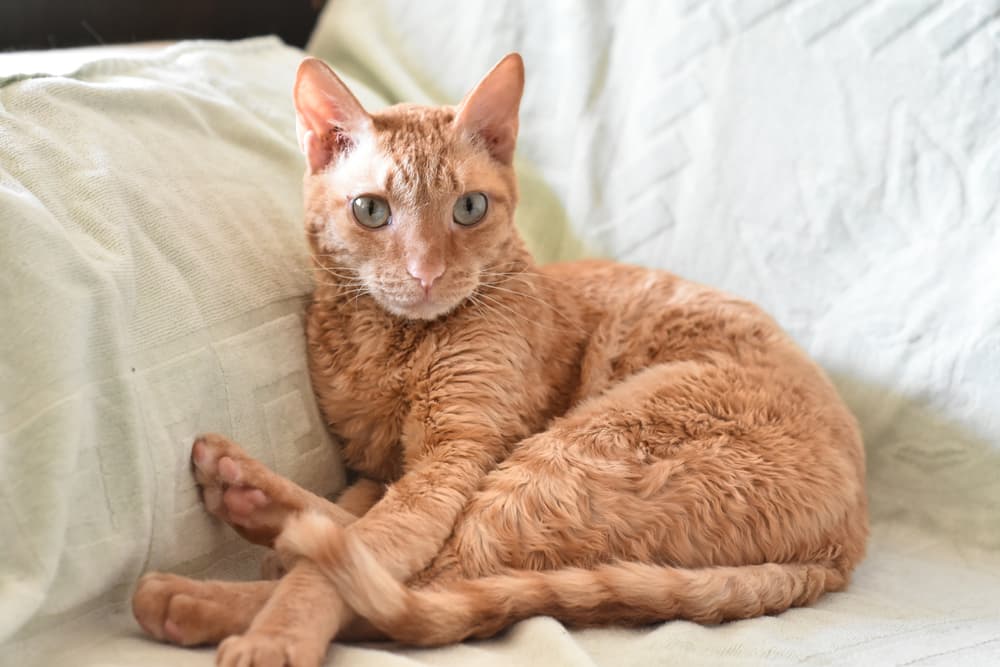
Rarely found outside of their native home of Russia, Ural Rex cats flaunt a tight, flat wave. They have crimped whiskers, high cheekbones, and expressive almond-shaped eyes. Ural Rex catteries dote on the breed for their grace, expression of emotions, and friendly personalities.
Tasman Manx
You might be familiar with the tailless or rumpy-tail manx cat — but have you heard of the curly-haired Tasman Manx? They’re recognized by the New Zealand Cat Fancy, and breeders of this Rex describe the Tasman Manx as “appearing spontaneously in Australia and New Zealand with a relatively dense and frizzled coat.” They have a distinct trill and love to chat with their human companions.
Caring for a Rex Cat
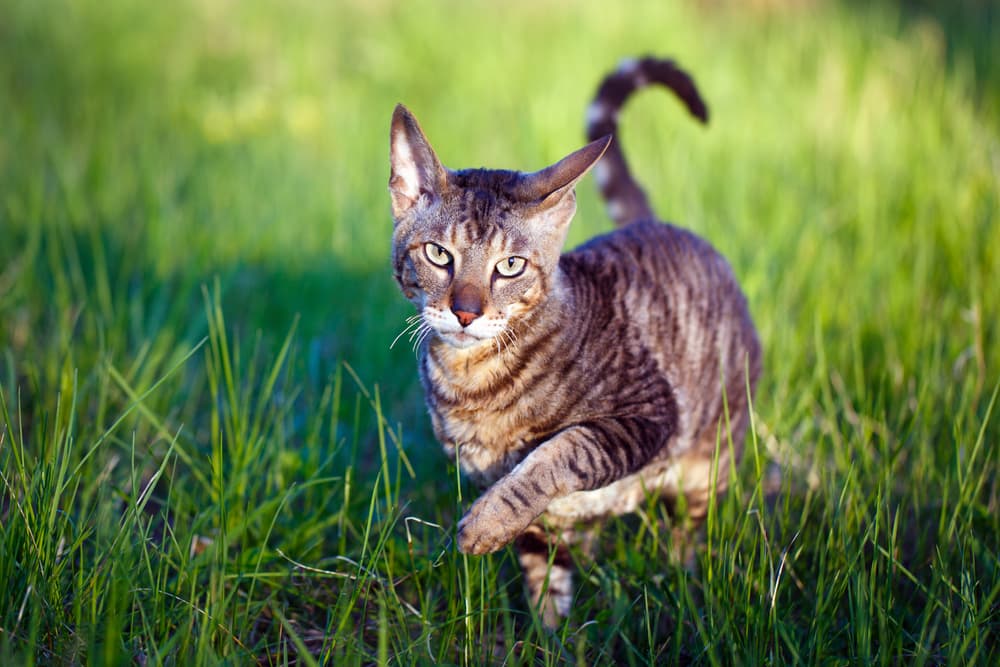
Because of the unique coats of the different Rex cat breeds, many believe they are hypoallergenic. But no breed of cat (or dog) is truly hypoallergenic. Compared to other breeds of cats, the Rex breeds may shed less, but they do still shed. So, if you have cat allergies, you should talk to a doctor before welcoming any pet into your family.
Since each Rex breed is separate and distinct, it’s important to read up on health concerns and care for the breed you’re interested in. “Potential owners should read about each breed’s temperament and activity level to ensure that it will be a good fit for their household,” Keiger adds.
Guide to Buying or Adopting a Rex Cat
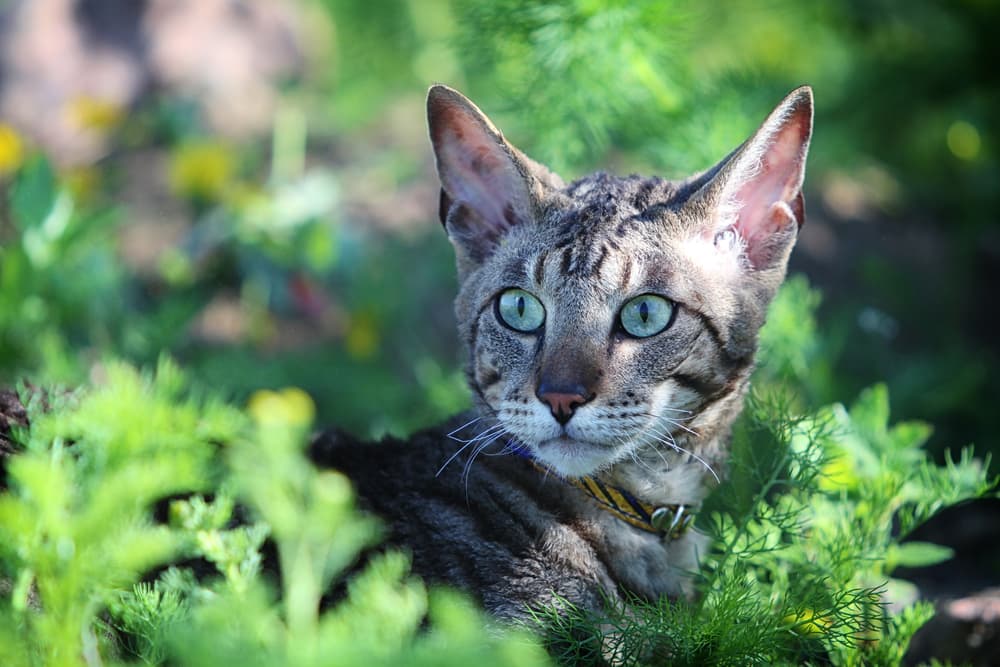
It’s not unheard of to stumble upon a Rex cat breed in a shelter—that is, after all, where Miss DePesto was first noticed. But, Keiger adds, it’s also not likely that you’ll find Rex cats readily available for adoption.
“Pedigreed cats—all pedigreed cats—account for only 5 percent of all domestic cats,” she says. “That’s not to say that one might find a cat whose previous owner surrendered them, but most breeders want the owner to return the cat so that they can rehome it directly.”
When it comes to purchasing a Rex cat from a breeder, prices can vary. Curled favorites like the Devon Rex and Cornish Rex are bred throughout the U.S., but more rare breeds like the Tennessee Rex and Ural Rex are harder to come by — and likely come with a higher price tag.
“A responsible breeder is interested in the health and welfare of their cats. They’re concerned about the cat’s new owners and want to make certain that there’s a good fit between the owner and the cat,” Keiger explains.
So, expect the breeder to ask a lot of questions about yourself, your household, and your experience with cats. When you work with a reputable breeder, you and your cat will be on the right path to a happy and healthy life together.
Chatty Kitties: Meet 9 Talkative Cat Breeds
- 2022-11-01T15:48:41
Cats do most of their communicating through body postures. Their silent looks and gestures can speak volumes. But there are certain breeds famous for being quite chatty. They thrive on mewing, trilling, meowing, chirping, and even yowling. This talkative bunch has plenty to say and can’t wait to share what’s on their mind with you. Meet nine talkative cat breeds with reputations for being true yappers.
Oriental — The Proud Purrer
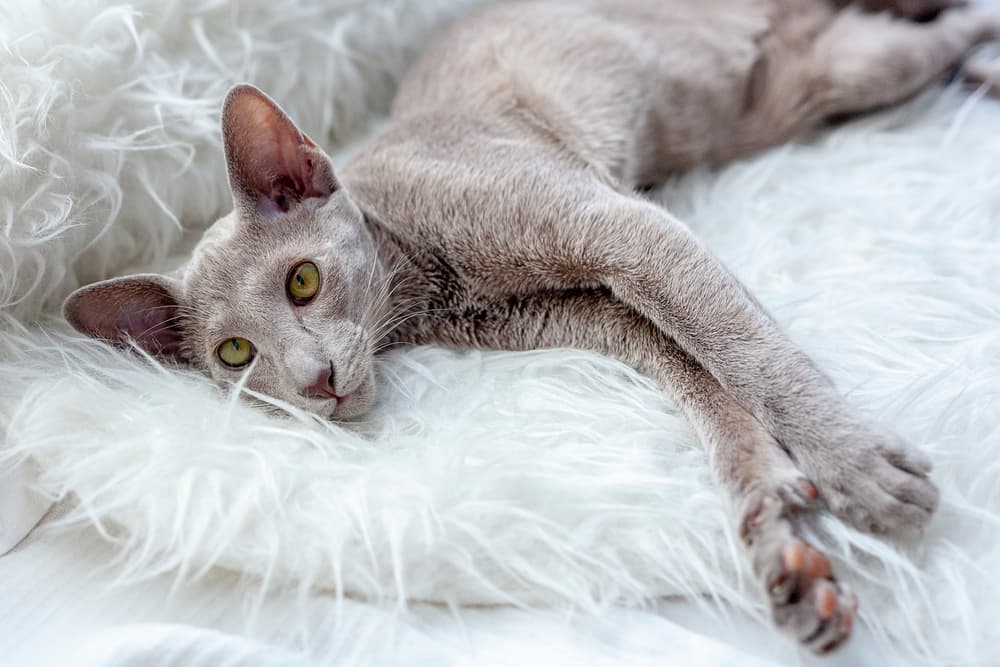
Wow — make that me-WOW. This cat is called the Rainbow Cat because the breed comes in more than 300 colors and patterns. Yes, 300-plus. The Oriental is loud and proud and can purr like a Mack truck. Life is good when the Oriental has plenty of playmates and attention, but this cat can get a bit cranky if left alone for long durations and may even scold you for being late. Extremely smart, the Oriental sports a heart-shaped face and large bat ears. Both the shorthaired and longhaired varieties are easy to groom.
Tonkinese — The Tenacious Talker
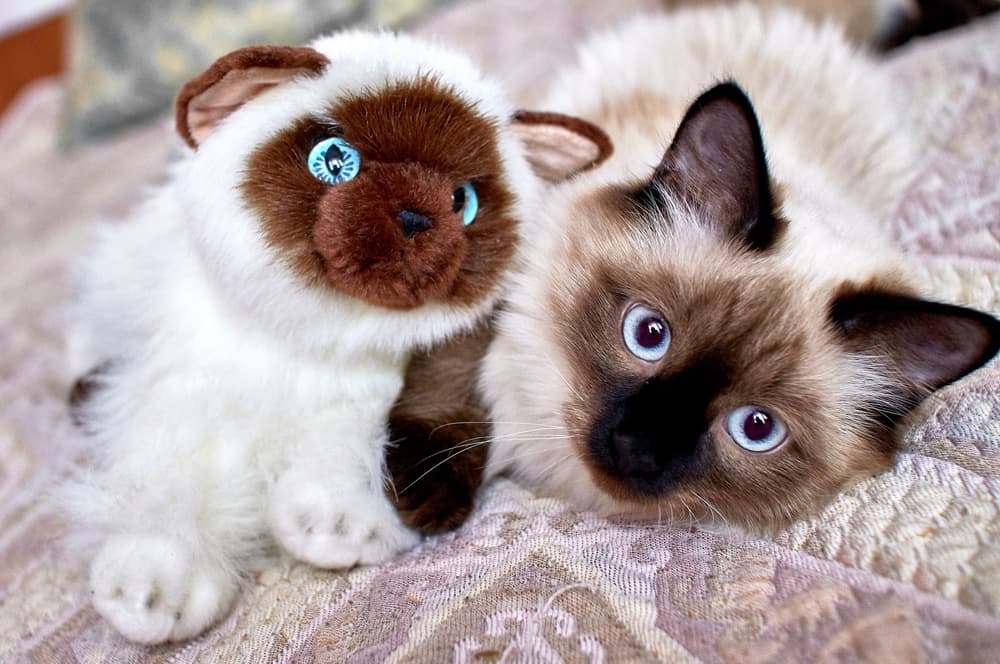
This cat loves to talk, talk, talk. The Tonkinese also unleashes a powerful purr. He has been described as part puppy and part monkey because of his playful loyalty and acrobatic skills. Yes, this cat will play fetch and even an indoor game of tag, and he can’t wait to rush to the front door to greet visitors and welcome them with plenty of chatter. It’s hard not to fall in love with this confident cat who sports a trim, muscular physique and a short, silky coat that comes in five colors.
Singapura — Small Body, Bold Voice
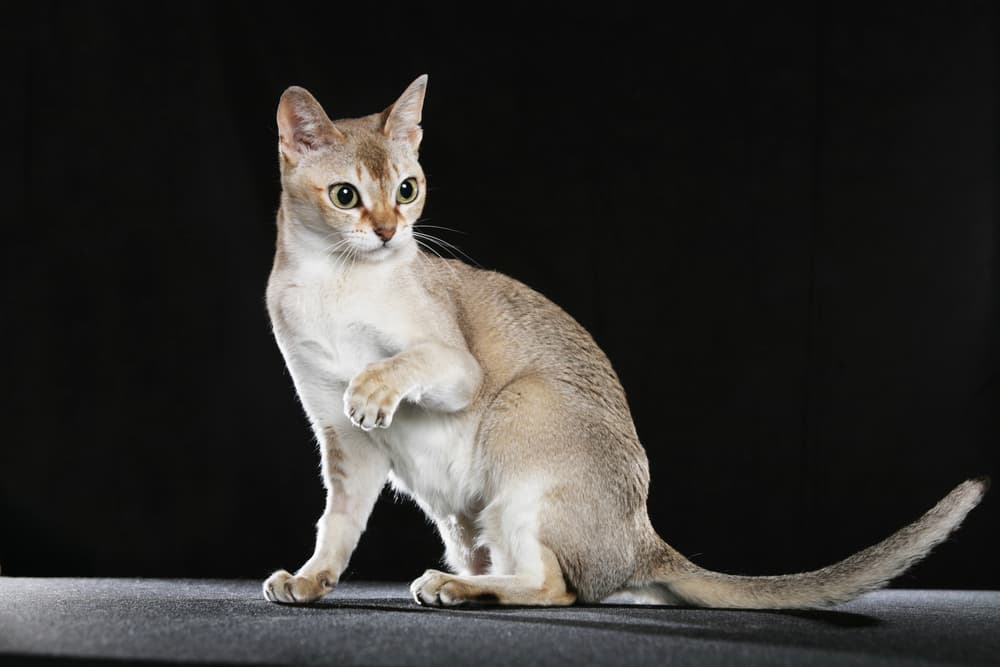
Billed as the tiniest cat breed, the Singapura weighs less than 6 pounds but can roar loudly to get your attention. This is a cat who likes to walk across your computer keyboard to get you to focus on him — not your work — and loves to hear the sound of his own voice. His origins remain disputed, with some claiming his roots are in Singapore while others insist he came from the United States. This outgoing, curious cat with large ears and eyes sports a short, fine beige coat that is a cinch to maintain.
Maine Coon — The Gentle Giant
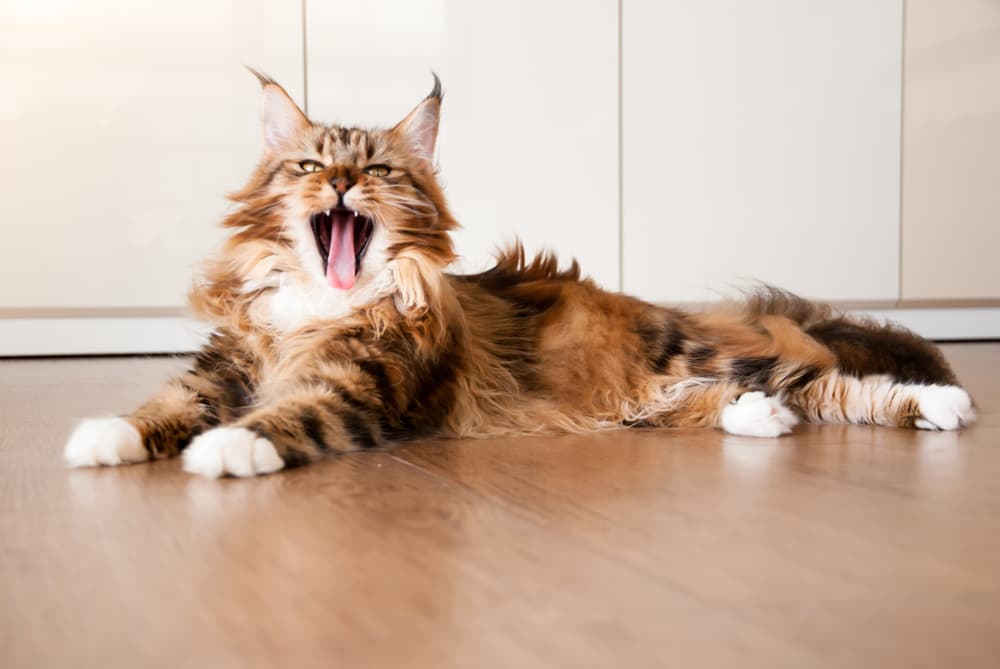
Rated as one of the largest talkative cat breeds, this native American longhaired cat gets its name from the state where it originated. Nicknamed the “Gentle Giant,” the Maine Coon is quite chatty to his favorite people. But his vocals are not thunderous meows so much as melodic chirps and trills. It’s almost as if the Maine Coon speaks in questions, with the inflection rising at the end of each trill. The Maine Coon is friends with the family dog, children and other cats and enjoys acting goofy and clownish to win your attention and your affection. This cat appreciates — and needs — regular grooming sessions.
Burmese — Boisterous and Bold
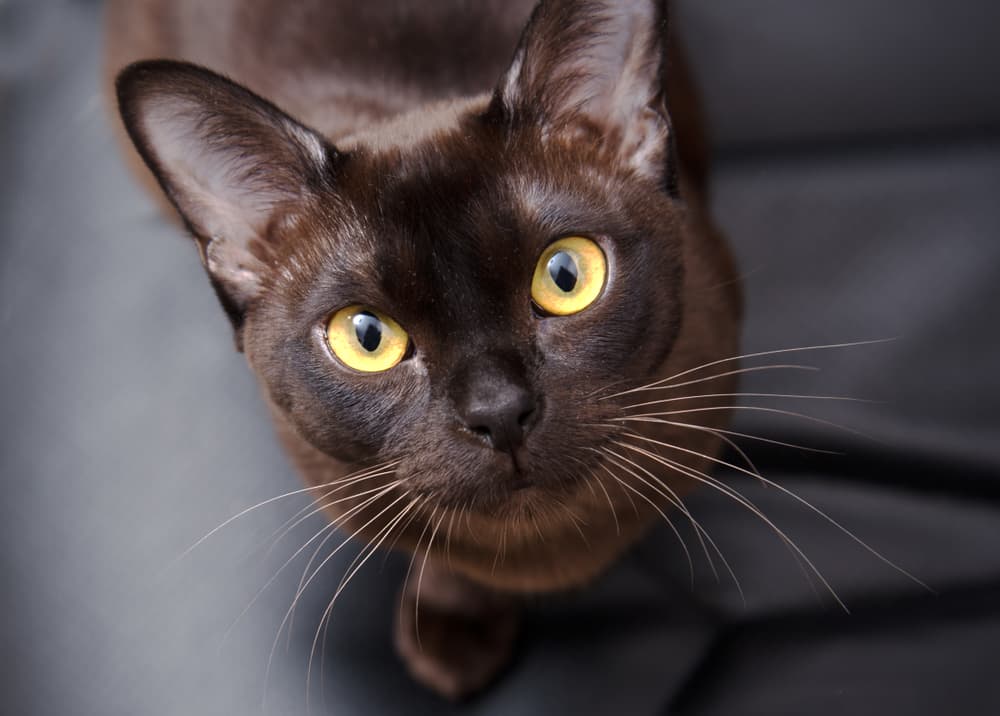
The Burmese puts a capital “C” in clingy and chatty. This feline enjoys cuddling, cooing, meowing and sitting on your paperwork to ensure you give him attention. Whatever room you are in, you can bet your Burmese is there with you. This breed sports a silky coat, a muscular medium-size build and soulful golden eyes set wide apart. The coat requires little grooming on your part.
Japanese Bobtail — One Lucky Cat
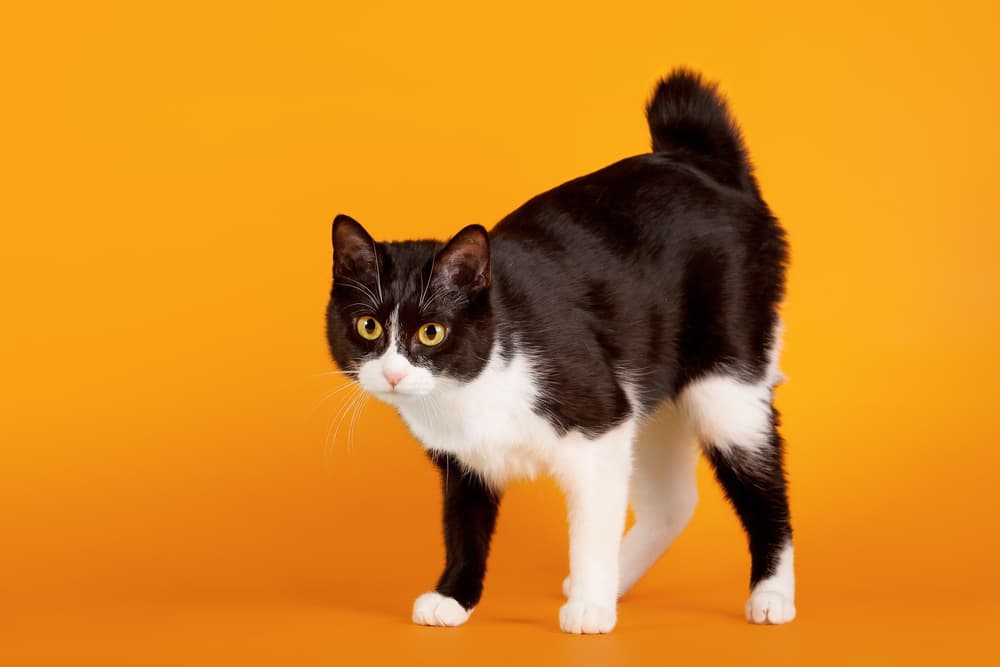
Who needs a lottery ticket if you share your home with this cat revered for centuries for bringing good luck and fortune? The aptly named Bobtail has a tail — it’s just a diminished version. This cat is a genuine feline opera diva, capable of conveying a full scale of tones. His chattiness is soft and sweet, never emitting loud, ear-irritating yowls. This active cat will always take time from play to carry on a conversation with you — or ride on your shoulder. The Japanese Bobtail comes in an easy-to-maintain shorthaired variety as well as a longhaired variety that requires weekly brushing.
Siamese — The Top Vocal Cat
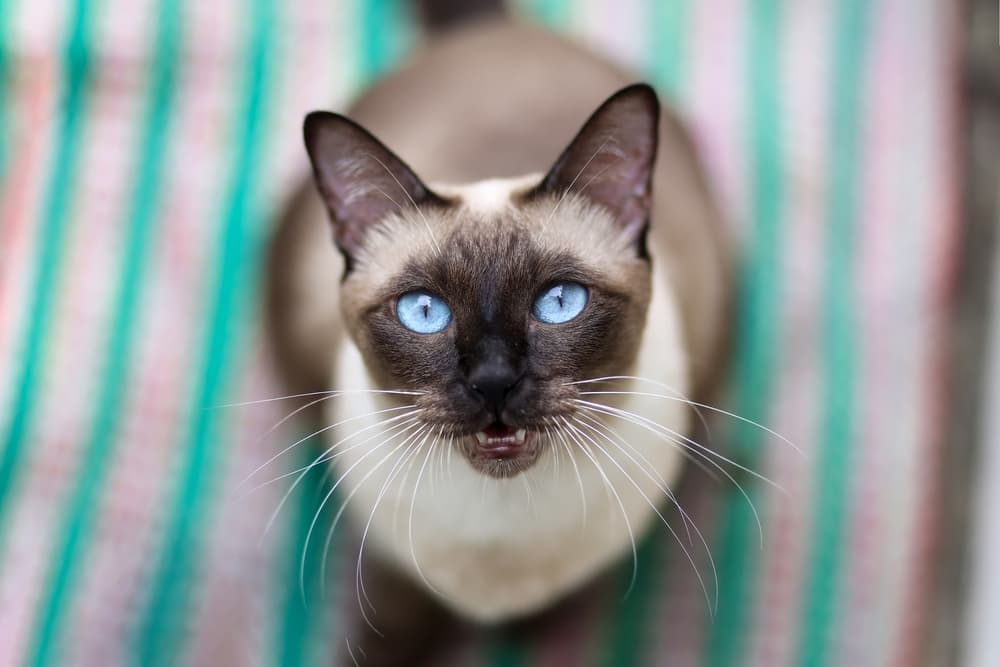
Meet the Big Mouth of the cat world. The ever-chatty Siamese can mesmerize you with his almond-shaped, deep-blue eyes and aristocratic, slender body. But he can also annoy you with his high-volume vocals that can almost mimic the cry of a human baby. One of the most active talkative cat breeds, the Siamese needs activities to work his brain and his body. He isn’t afraid to let you know what he wants and when. His shorthaired, silky coat is very easy to maintain.
Siberian — The Feline Conversationalist
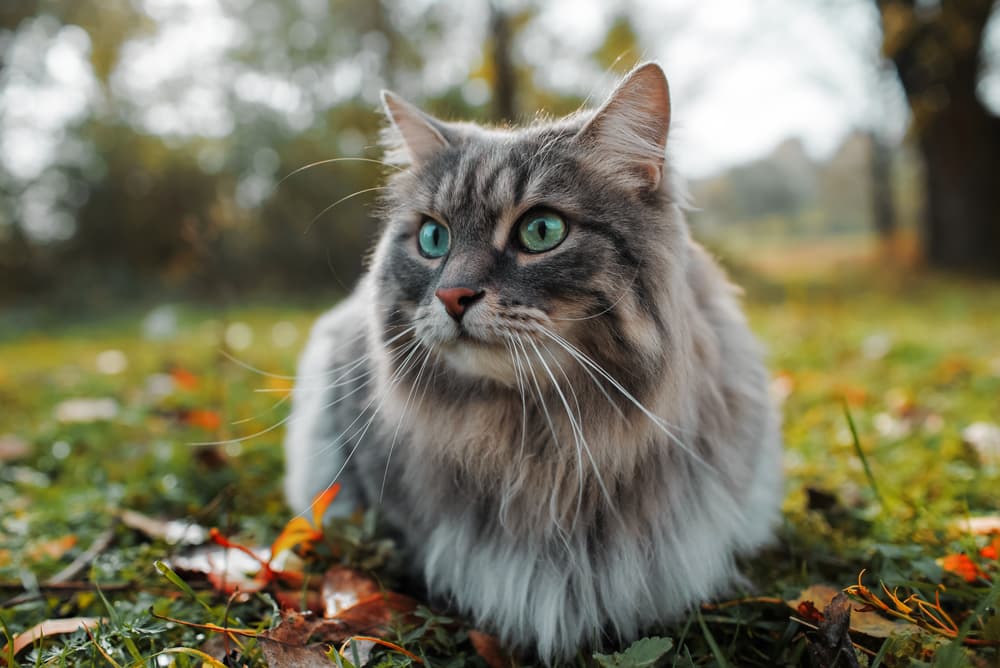
This national cat of Russia has been described as a cross between a ballerina and a linebacker because of his deft agility and his mountain of muscles. This cat can reach a weight of 20 pounds and still gracefully leap onto the top of your refrigerator without making a loud thump. The Siberian loves to talk, follow around his favorite people and soar in the air for toy mice. His rich, full coat is challenging to groom but produces less Fel d 1 — a protein associated with allergies.
Turkish Angora — The Happy Greeter
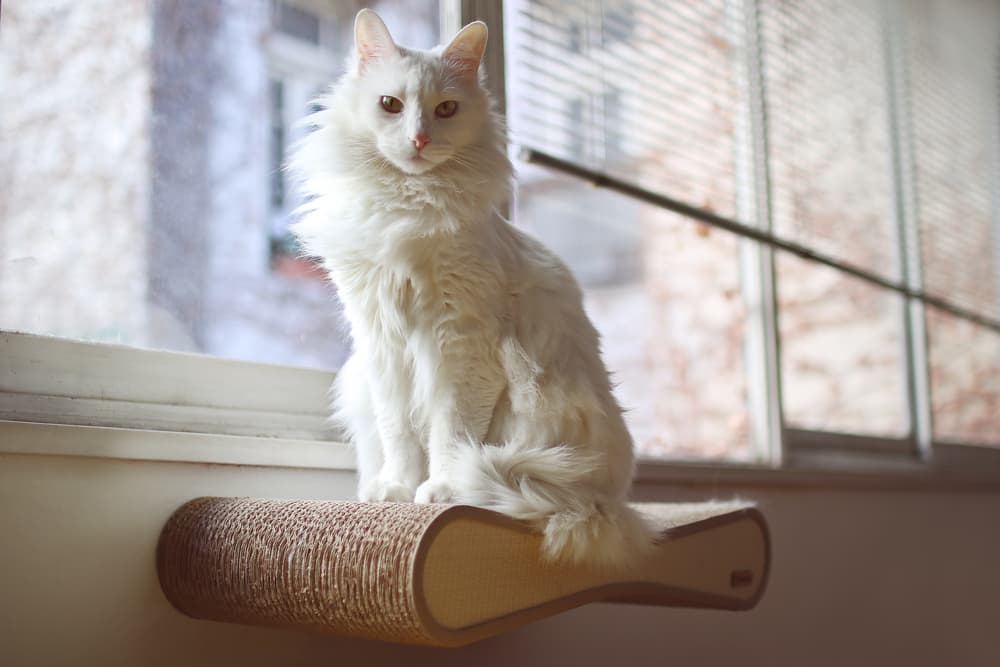
Sporting a royal heritage, the Turkish Angora hails from the mountains of Turkey and was treated regally by Louis XVI and Marie Antoinette before sailing to the United States. This longhaired cat is thought to be the originator of the longhair gene in domestic cats. His huge, almond-shaped eyes and tufted ears will charm you as he converses with you with plenty of happy talk. He can’t wait for you to host a party so he can do his meet-and-greet to everyone who attends. As an added bonus, his silky, long coat rarely mats.
Bengal
- 2022-09-15T13:50:48
- Great Pet Care Team
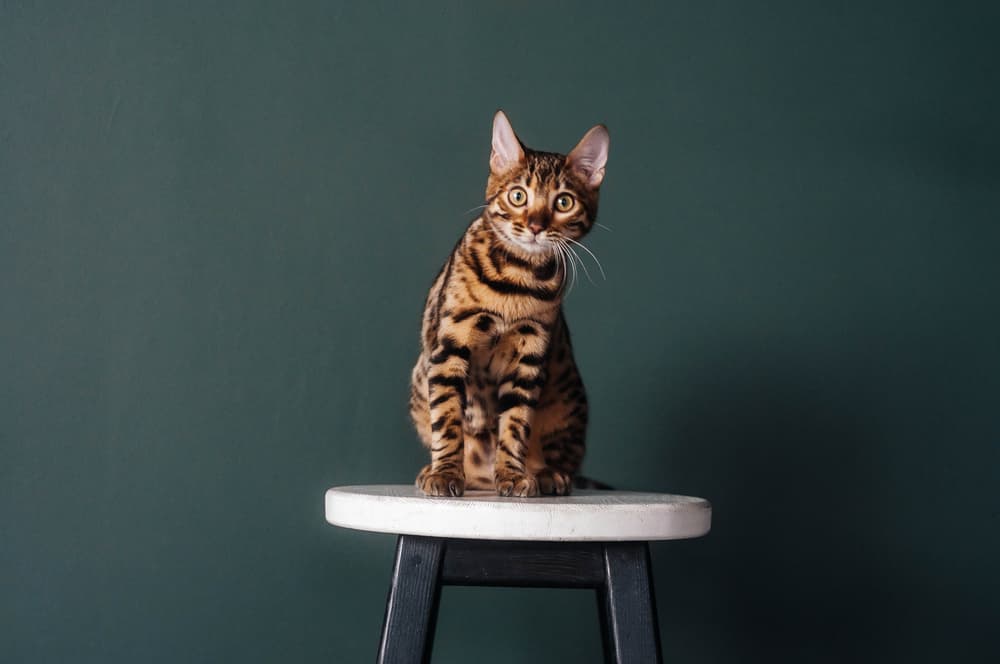
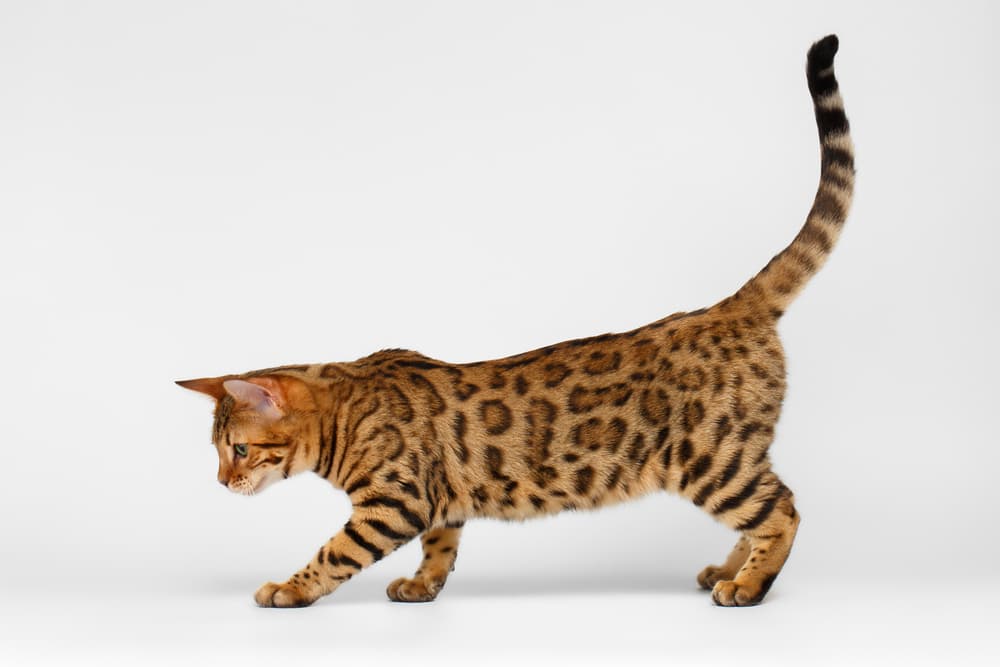
If you love a cat with an exotic look but without the size and danger of a wild cat, the Bengal was developed with you in mind. Created by crossing small Asian Leopard Cats with domestic cats, this large-boned, shorthaired cat stands out for his spotted or marbled coat of many colors.
Don’t get a Bengal if what you’re looking for is a sweet, gentle lap cat or a living sculpture that requires little interaction. The intelligent, curious Bengal is highly active. Constantly on the move, he loves climbing to high places, enjoys playing fetch and going for walks on leash, and thrives best when he has access to a large outdoor enclosure where he can indulge in the favorite feline hobby of bird-watching.
Some Bengals are fond of playing in water, and you may find yours fishing out of the aquarium if you’re not careful. This is a happy, entertaining cat who wants lots of attention. He does best with a person who spends a lot of time at home and will enjoy playing and interacting with him.
The short coat is easy to groom with weekly brushing. Trim the nails as needed.
Other Quick Facts
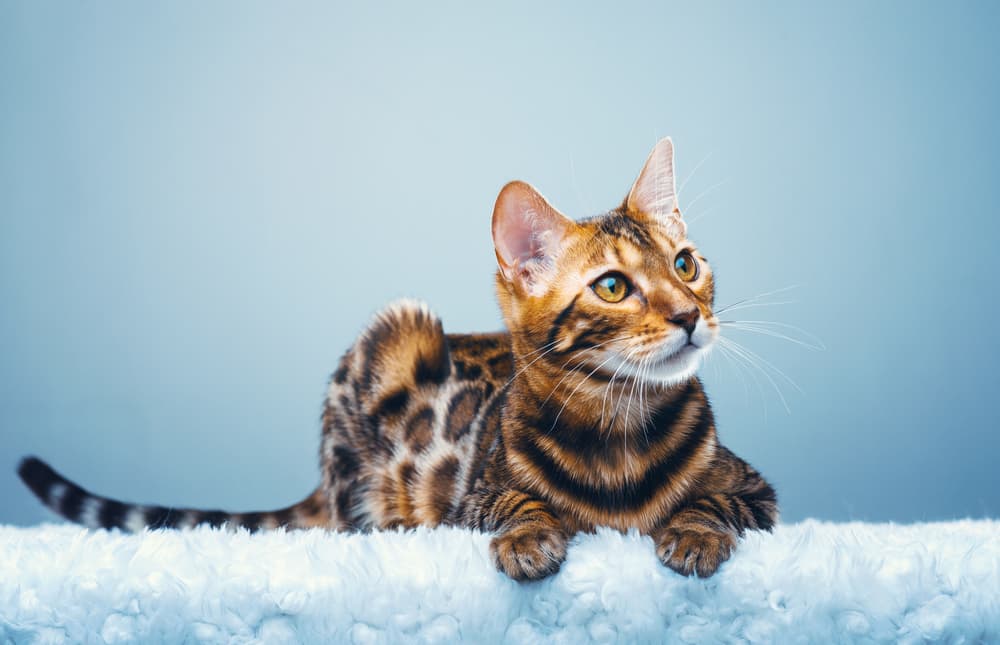
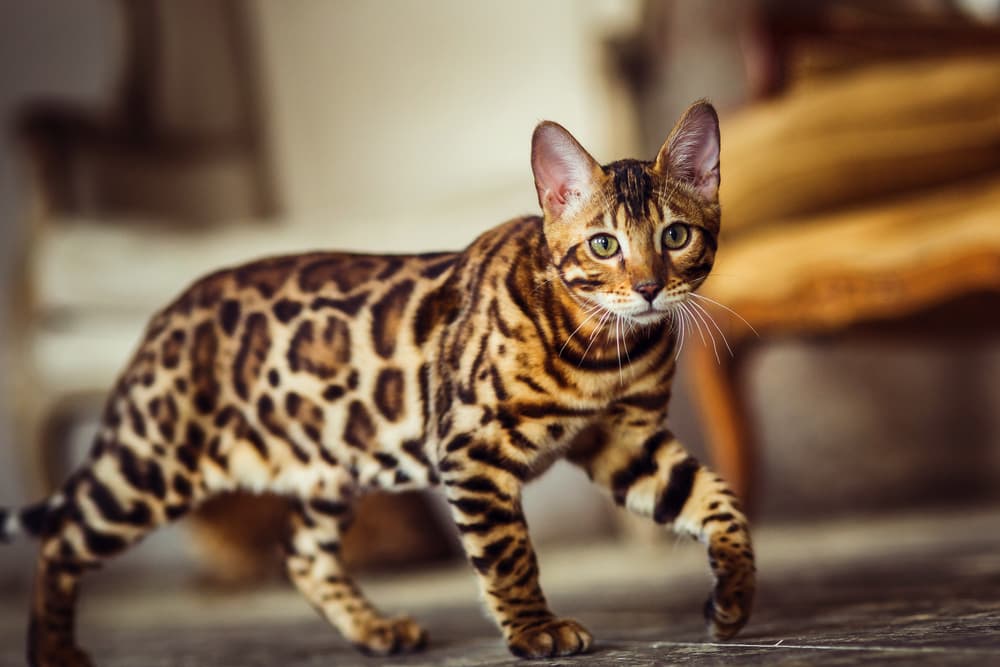
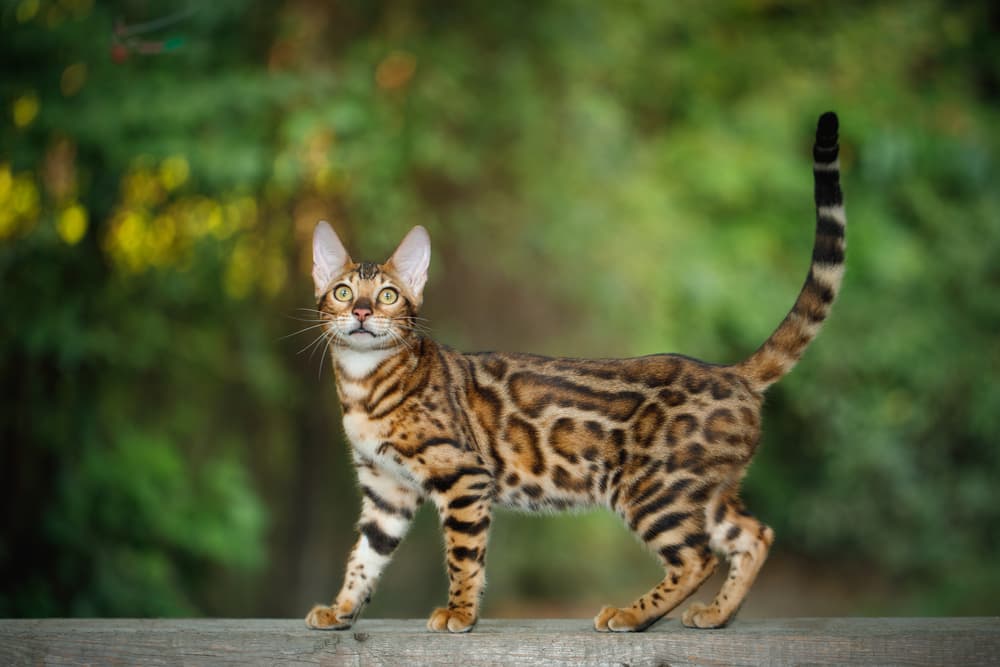
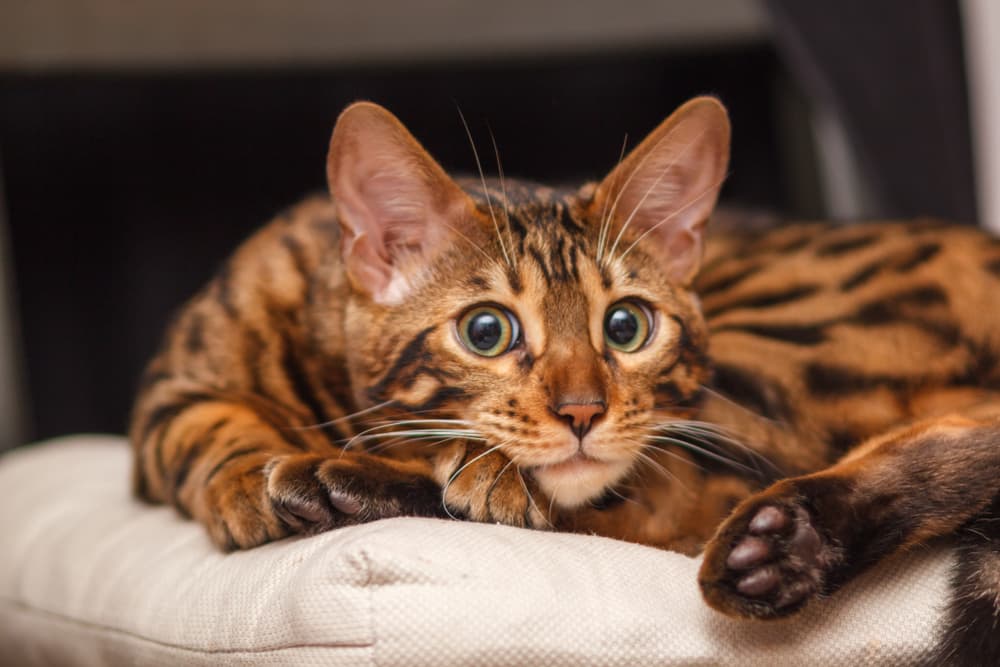
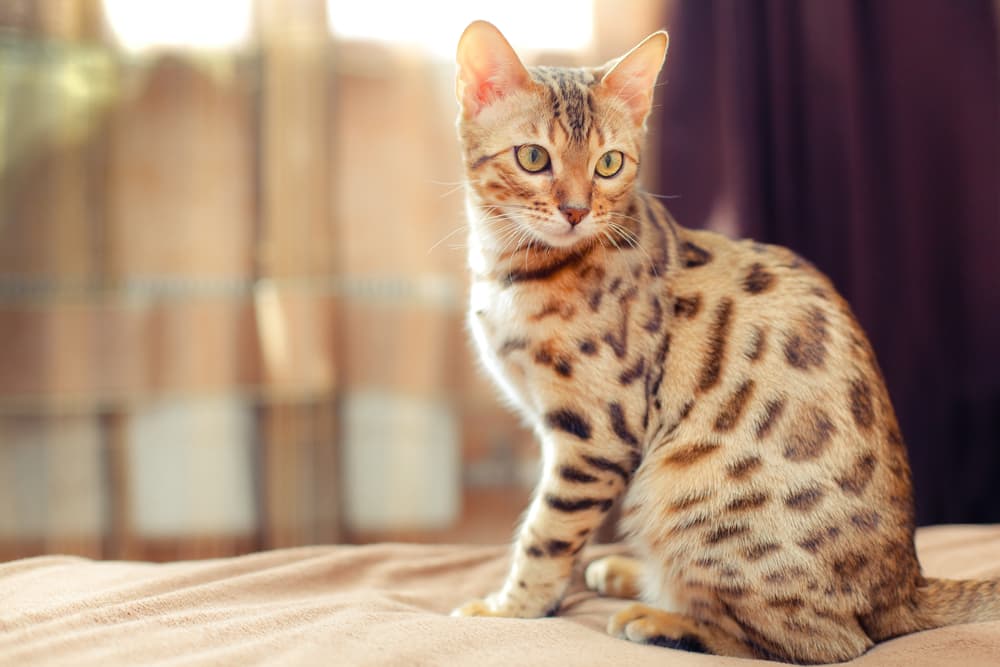
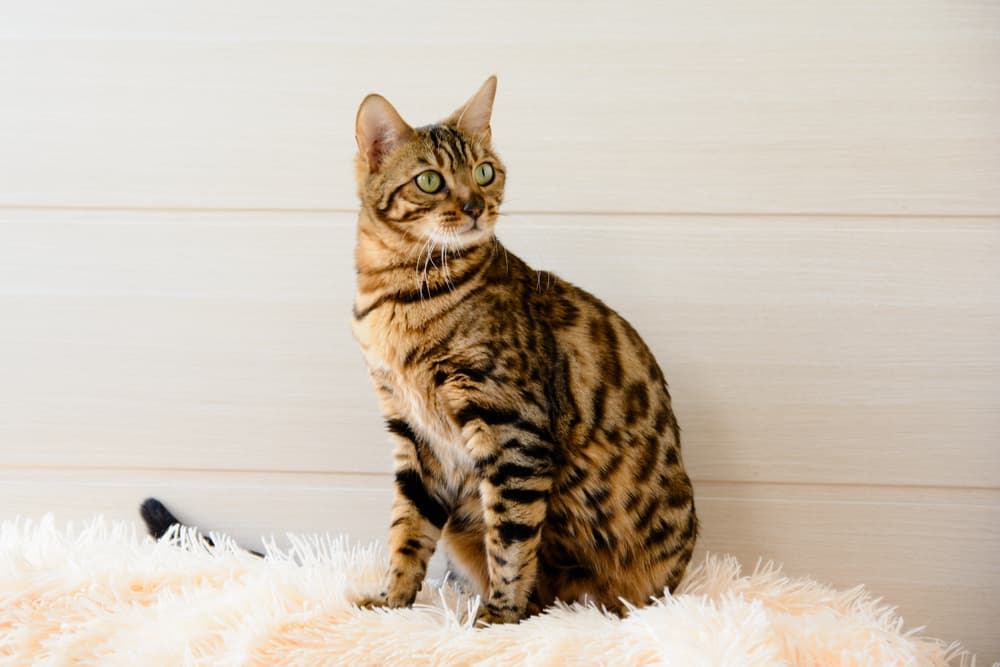
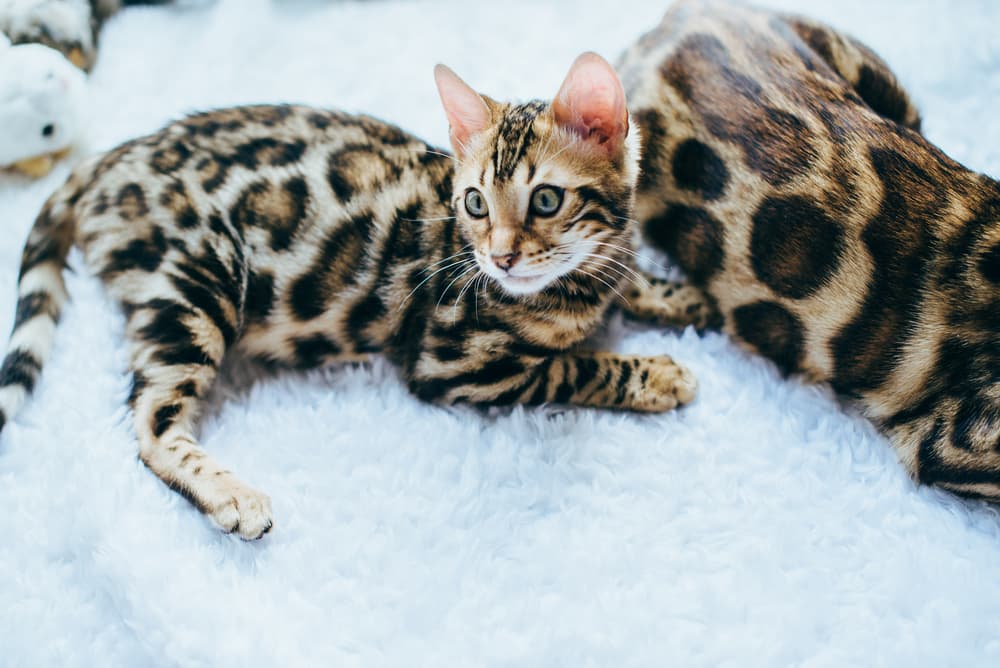
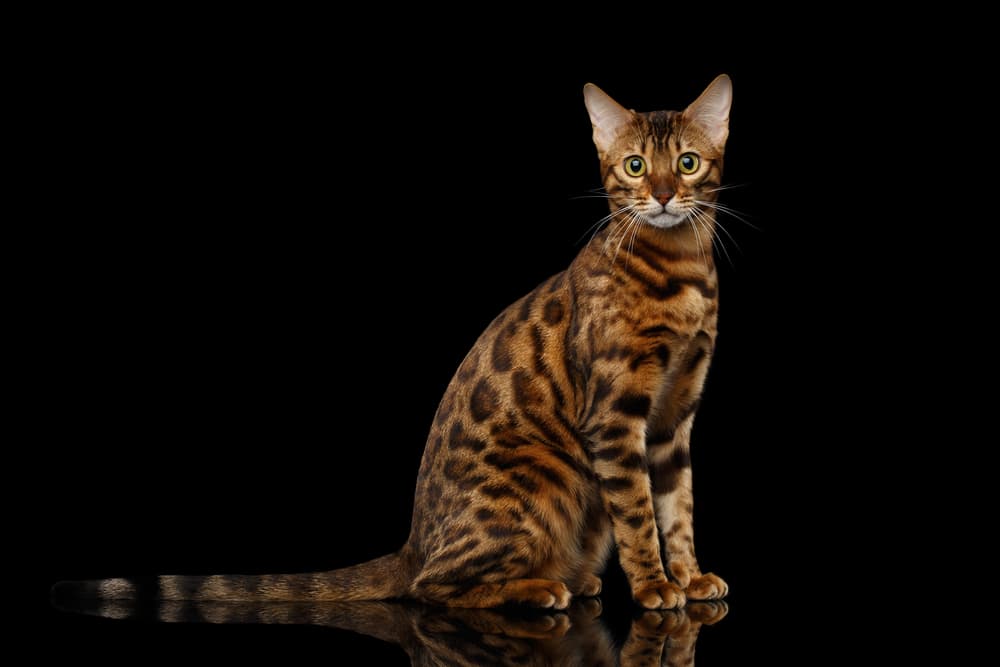
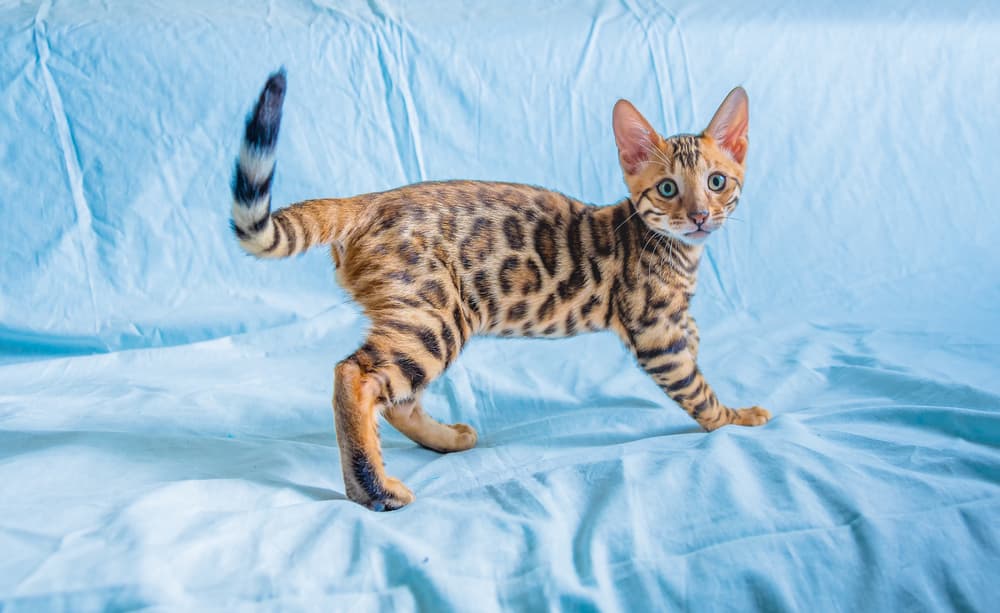
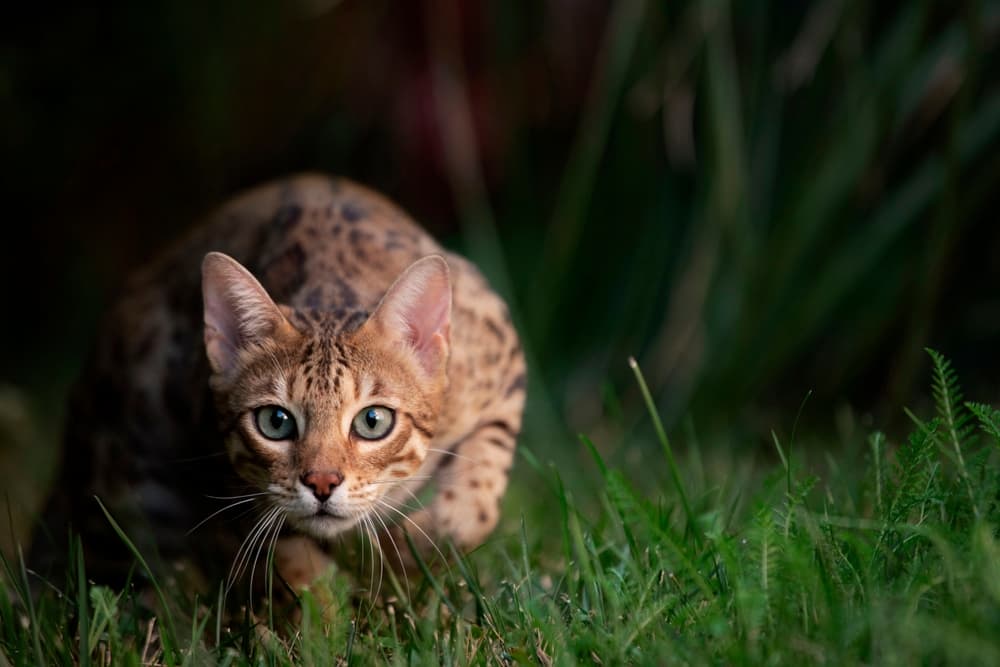
- The Bengal’s beautiful coat comes in many background colors, ranging from golden, rust, brown and orange to sand, buff and ivory. Bengal spots also vary in color, from rust or cocoa and chocolate brown to charcoal or black.
- Some Bengal coats have striking rosettes or spots made up of more than one color, usually a secondary color forming a dark outlining to the spot. Bengal coats also come in a marbled pattern: one or more colors swirled into the background color. While most commonly seen in the brown spotted tabby pattern, they may also be found in the marbled pattern (classic tabby).
- A Bengal’s coat can have hairs with an iridescent sheen, making it look as if it has been sprinkled with glitter.
History of the Bengal
People have always been attracted by the beauty and independence of wild cats and have even tried to keep wild cats such as ocelots, cheetahs, and lions, usually with little success and a lot of heartbreak. The Bengal was developed to try to meet that desire for a wild look in a safe way by crossing small wild Asian Leopard Cats and domestic shorthairs. Jean S. Mill began the Bengal breeding program in 1963, and Bengals today descend from cats bred by her in the early 1980s.
The International Cat Association recognized Bengals in 1991. The breed is not recognized by the Cat Fanciers Association.
Bengal Temperament and Personality
Bengals are a lot of fun to live with, but they’re definitely not the cat for everyone, or for first-time cat owners. Extremely intelligent, curious and active, they demand a lot of interaction. If you won’t be home during the day to entertain your Bengal, plan to have two of them or don’t get one. When a Bengal gets bored, he is capable of taking things apart to see how they work and opening drawers and cabinets to see what interesting toys or food might be available for him.
The Bengal loves his people and will do anything for attention from them. If he figures out that you don’t like something he does — jumping on the kitchen counter, for instance — he will start doing it all the time because it will get your attention and force you to interact with him. He also likes to take things and hide them. Put your jewelry away in a place where he can’t get it (you hope).
Every cat is an individual, but most Bengals get along with other pets, including dogs. They are best suited to homes with older children who will enjoy playing with them, but as long as they have an escape route from toddlers they should do well with them.
This is a cat who needs a lot of vertical territory. Bengals love to climb, the higher the better. Provide them with tall cat trees and window perches. They are also fond of playing water. Don’t be surprised if your Bengal wants to join you in the shower or bathtub. You may find yourself installing a motion-sensitive faucet in your bathroom or kitchen so he can turn the water on and off for himself. If that’s not on your agenda, he will appreciate having a pet fountain to drink from.
They are also highly intelligent and enjoy the attention that comes with being clicker-trained. Challenge their brain and keep them interested in life by teaching them tricks and games and providing them with interactive toys or puzzle toys that will reward them with kibble or treats when they learn how to manipulate them.
Always choose a kitten from a breeder who raises litters in the home and handles them from an early age. Meet at least one and ideally both of the parents to ensure that they have nice temperaments.
What You Need To Know About Bengal Health
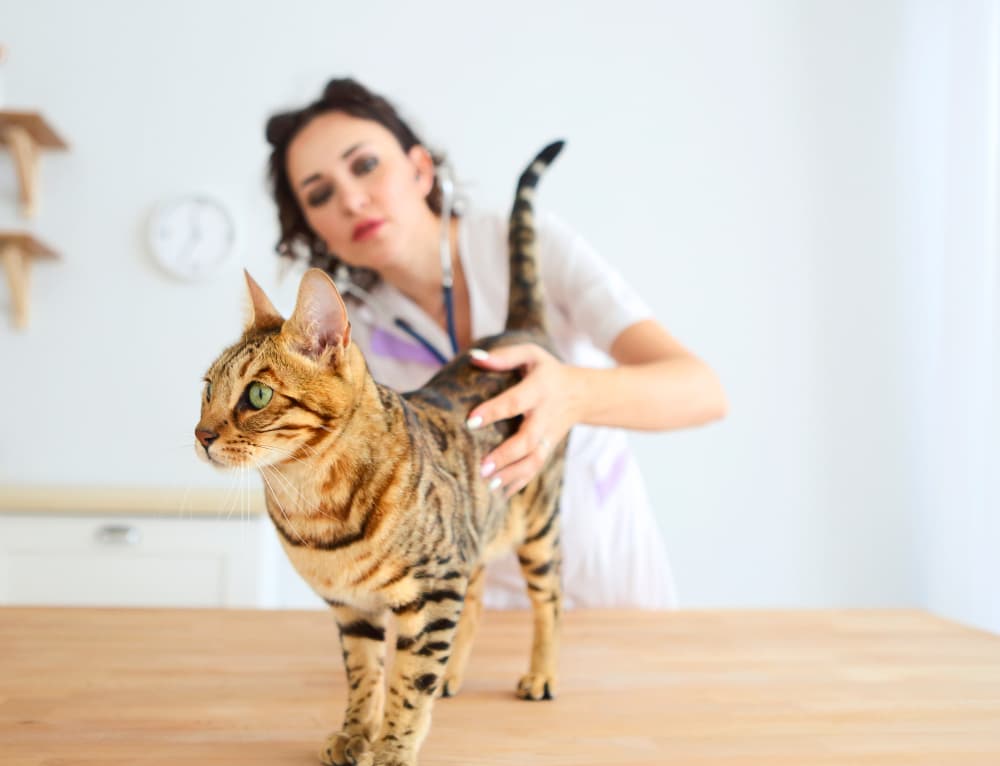
All cats have the potential to develop genetic health problems, just as all people have the potential to inherit diseases. Any breeder who claims that her breed has no health or genetic problems is either lying or is not knowledgeable about the breed. Don’t work with a breeder who does not offer a health guarantee on kittens, who tells you that the breed is 100 percent healthy and has no known problems, or who tells you that her kittens are isolated from the main part of the household for health reasons.
Bengals have hereditary health issues that can be a concern, especially if you aren’t cautious about who you buy from. One possible condition is polycystic kidney disease, but DNA tests are now available to help remove affected cats from the breeding pool. Bengals may also be more prone to some infectious diseases such as feline infectious peritonitis (FIP) and trichimonas foetus, a protozoal infection that causes diarrhea. Responsible breeders take steps to identify or avoid these problems.
Keeping a Bengal at an appropriate weight is one of the easiest ways to protect his overall health. Make the most of your preventive abilities to help ensure a healthier cat for life.
The Basics of Bengal Grooming
Bengals have a short, luxurious, soft coat that is easy to care for with weekly brushing. He will love the attention, and if you brush him more often you will find fewer dust bunnies and hairballs around the house.
The rest is basic care. Trim the nails as needed, usually weekly. Check the ears every week for redness or a bad smell that could indicate an infection. If the ears look dirty, wipe them out with a cotton ball dampened with a gentle cleanser recommended by your veterinarian. Brush his teeth frequently at home with a vet-approved pet toothpaste and schedule veterinary cleanings as needed. Start brushing, nail trimming and teeth brushing early so your kitten becomes accepting of this activity.
Choosing a Bengal Breeder
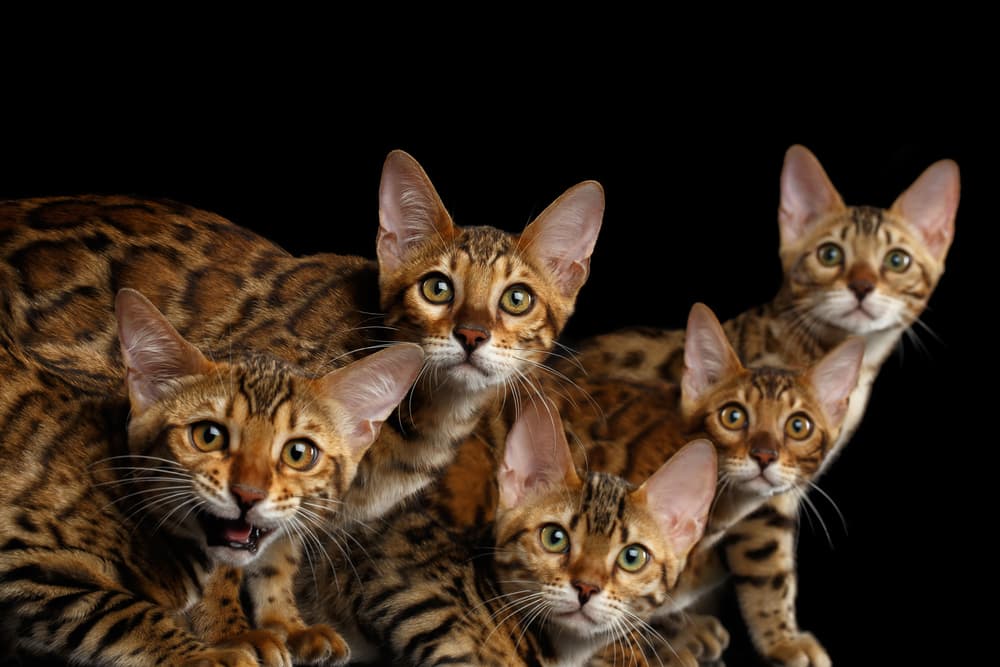
You want your Bengal to be happy and healthy so you can enjoy your time with him, so do your homework before you bring him home. For more information on the history, personality and looks of the Bengal, or to find breeders, visit the websites of the Fanciers Breeder Referral List and The International Cat Association.
A reputable breeder will abide by a code of ethics that prohibits sales to pet stores and wholesalers and outlines the breeder’s responsibilities to their cats and to buyers. Choose a breeder who has performed the health certifications necessary to screen out genetic health problems to the extent that is possible, as well as one who raises kittens in the home. Kittens who are isolated can become fearful and skittish and may be difficult to socialize later in life.
Don’t shop at a breeder that allows you to buy kittens online with a credit card or has multiple litters of kittens available. These are red flags that demonstrate a breeder may not be reputable.
Disreputable breeders and unhealthy catteries can be hard to distinguish from reliable operations. There’s no 100% guaranteed way to make sure you’ll never purchase a sick kitten, but researching the breed (so you know what to expect), checking out the facility (to identify unhealthy conditions or sick animals), and asking the right questions can reduce the chances of heading into a disastrous situation. And don’t forget to ask your veterinarian, who can often refer you to a reputable breeder, breed rescue organization, or other reliable source for healthy kittens.
Be patient. Depending on what you are looking for, you may have to wait six months or more for the right Bengal kitten to be available. Many breeders won’t release kittens to new homes until they are between 12 and 16 weeks of age.
Before you buy a kitten, consider whether an adult Bengal might be a better choice for your lifestyle. If you are interested in acquiring an adult cat instead of a kitten, ask breeders about purchasing a retired show or breeding Bengal cat or if they know of an adult cat who needs a new home.</p>
Adopting a Cat from Bengal Rescue or a Shelter
Sometimes pedigreed cats end up at the shelter after losing their home to an owner’s death, divorce, or change in economic situation. Check the listings on adoption websites including Petfinder, Adopt-a-Pet.com or the Fanciers Breeder Referral List, and ask breeders if they know of a Bengal who is in need of a new home.
Here are some tips to help you find and adopt the right cat from a rescue group or shelter:
Look online. Sites like Petfinder.com can have you searching for a Bengal in your area in no time flat. The site allows you to be very specific in your requests (house training status, for example) or very general (all the Bengals available on Petfinder across the country). AnimalShelter.org can help you find animal rescue groups in your area. Also some local newspapers have “pets looking for homes” sections you can review.
Use social media. Social media is another great way to find a cat. Post on your Facebook page that you are looking for a Bengal cat so that your entire community can be your eyes and ears.
Seek local pet pros. Start talking with all the pet pros in your area about your desire for a Bengal. That includes vets, cat sitters, and groomers. When someone has to make the tough decision to give up a cat, that person will often ask her own trusted network for recommendations.
Talk to a Bengal breed rescue. Networking can help you find a cat that may be the perfect companion for your family. Most people who love Bengals love all Bengals. That’s why breed clubs have rescue organizations devoted to taking care of homeless cats. A Bengal rescue network can help you find a cat that may be the perfect companion for your family. You can also search online for Bengal rescues in your area.
Key Questions to Ask
You now know the things to discuss with a breeder, but there are also questions you should discuss with shelter or rescue group staff or volunteers before you bring home a cat. These include:
- What is his energy level?
- How is he around other animals?
- How does he respond to shelter workers, visitors and children?
- What is his personality like?
- What is his age?
- Is he litter box-trained?
- Has he ever bitten or scratched anyone that they know of?
- Are there any known health issues?
Wherever you acquire your Bengal, make sure you have a good contract with the seller, shelter, or rescue group that spells out responsibilities on both sides.
Kitten or adult, take your Bengal to your veterinarian soon after adoption. Your veterinarian will be able to identify any potential problems and will work with you to set up a preventive regimen that will help your cat avoid many health issues.
Bengal Cat FAQs
How big do Bengal cats get?
Bengal cats can get quite large. They average between 8 and 15 pounds, but some male Bengals can weigh closer to 20 pounds. They stand between 13 and 18 inches tall.
How long do Bengal cats live?
Bengal cats — if kept indoors — have a healthy lifespan of about 12 to 16 years. This is variable depending on your cat’s overall health and genetics.
Are Bengal cats good pets?
Bengal cats are good pets, but they are best suited for an active family. Bengals crave attention and they like to be busy. For this reason, they aren’t ideal pets for families that work most of the day outside of the home. Bengals also do better in families with older children.
Bengal Cat Pictures
British Shorthair
- 2022-08-30T17:02:00
- Great Pet Care Team
The British Shorthair is solid and muscular with an easygoing personality. As befits his British heritage, he is slightly reserved, but once he gets to know someone he’s quite affectionate. His short, dense coat comes in many colors and patterns and should be brushed 2-3 times a week to remove dead hair.
The British Shorthair is a study in roundness. He has a large round head, round eyes, and rounded paws. Even his tail has a rounded tip. He was once known as the British Blue because he came only in that color, but these days his short, plush coat comes in many different colors and patterns. There is also a longhaired variety, called the British Longhair. Except for his coat, the British Longhair is the same as the British Shorthair.
These cats are dignified, intelligent, and affectionate companions. He’s not generally a lap cat, but he will want to be at your side on the sofa or at least nearby. Females tend to have a serious demeanor, while males are more happy-go-lucky. These laidback cats can get along well with dogs and are calm around children, but they don’t enjoy being hauled around. It’s important to teach children to treat them with respect.
The British Shorthair is big, but he shouldn’t be fat. Watch his food intake to make sure he doesn’t become obese. Encourage him to chase fishing-pole toys or peacock feathers for exercise.
Brush or comb the British Shorthair’s coat two or three times a week to keep loose hair at a minimum. You’ll need to brush him more often in the spring when he sheds his winter coat. Trim the nails as needed and keep his ears clean.
The British Shorthair is well suited to any home with people who will love him. Keep him indoors to protect him from cars, diseases spread by other cats and attacks from other animals.
Other Quick British Shorthair Facts
- The British Shorthair has a stocky, sturdy, square body with a broad, full chest, short, strong legs, and a short, thick tail that tapers to a rounded tip.
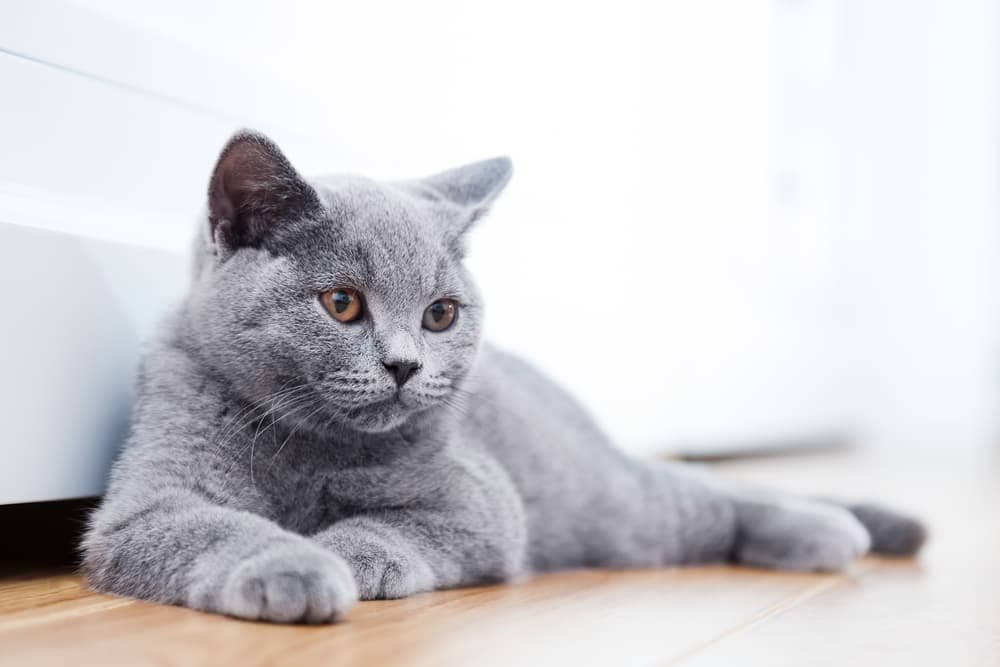
- He wears a plush, luxurious coat that makes you want to roll around in it. He has a round head with a short nose, chubby cheeks and round eyes, all of which combine to give him a smiling expression.
- Blue is the most popular color for British Shorthairs, so much so that the “British Blue” almost seems as if he is his own breed. Other colors and patterns include white, black, blue, cream, various tabby patterns, tortoiseshell, calico and bi-color (a color plus white). His eyes can be deep gold, copper, blue or green, depending on which of his many coat colors or patterns he sports.
The History of the British Shorthair
When the Romans invaded Britain, they brought cats with them to help protect their food supplies from rodents along the way. The Romans eventually left, but the cats remained behind, conquering a country with only their charm. When the breeding of pedigreed cats became a fad in Victorian England, the British Shorthair (known simply as the Shorthair in Britain) was one of the first varieties to be developed. The British Longhair came about when breeders made crosses with Persians during World War I.
As with so many cat breeds, British Shorthairs almost died out during World War II. They were victims of food shortages that left breeders unable to feed their cats. After the war, the breed was revived with crosses to domestic shorthairs, Russian Blues, Persians and other cats.
The American Cat Association recognized the British Blue in 1967, The International Cat Association in 1979, and the Cat Fanciers Association in 1980. In 2009, TICA recognized the British Longhair as a variety, the only cat association to do so.
British Shorthair Temperament and Personality
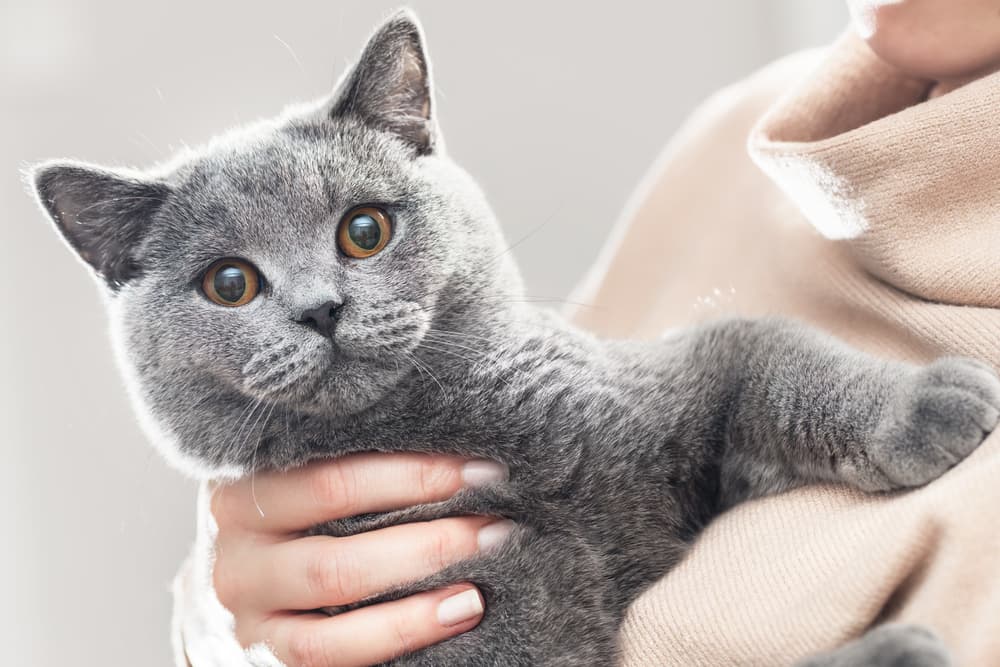
The Cheshire Cat was undoubtedly a British Shorthair. These smiling cats enjoy attention, are normally quiet, but occasionally have bursts of crazed activity before changing back into your affectionate, dignified friend. They get along with children and cat-friendly dogs.
British Shorthairs are calm and undemanding. Males are big, easy lugs with a happy-go-lucky nature but a natural air of command. Females are more serious. Both want only to be with their people, not necessarily in a lap or being carried around, but next to them or in the same room with them. When you’re not home, they are satisfied to entertain themselves until you return.
This is not a very active cat. You won’t find him on top of the refrigerator but instead solidly on the floor. He is smart and will enjoy having toys to play with, especially if they are interactive.
He might be laidback, but the British Shorthair is smart. Challenge his brain and keep him interested in life by teaching him tricks and providing him with puzzle toys that will reward him with kibble or treats when he learns how to manipulate them.
Always choose a British Shorthair kitten from a responsible breeder. Meet at least one and ideally both of the parents to ensure that they have nice temperaments.
What You Need to Know About British Shorthair Health
All cats have the potential to develop genetic health problems, just as all people have the potential to inherit diseases. Any cat breeder who claims that her breed has no health or genetic problems is either lying or is not knowledgeable about the breed. Run, don’t walk, from any breeder who does not offer a health guarantee on kittens, who tells you that the breed is 100 percent healthy and has no known problems, or who tells you that her kittens are isolated from the main part of the household for health reasons.
The British Shorthair is generally healthy, but he’s prone to hypertrophic cardiomyopathy (HCM) and hemophilia B, a hereditary bleeding disorder. A DNA test has been developed that allows breeders to identify hemophilia B carriers or affected cats.
Hypertrophic cardiomyopathy (HCM) is the most common form of heart disease in cats. It causes thickening (hypertrophy) of the heart muscle. An echocardiogram can confirm whether a cat has HCM. Avoid breeders who claim to have HCM-free lines. No one can guarantee that their cats will never develop HCM. British Shorthairs that will be bred should be screened for HCM, and cats identified with HCM should be removed from breeding programs. Do not buy a kitten whose parents have not been tested for this disease. Do not buy from a breeder who does not provide a written health guarantee.
Remember that after you’ve taken a new kitten into your home, you have the power to protect him from one of the most common health problems: obesity. Keeping a British Shorthair at an appropriate weight is one of the easiest ways to protect his overall health. Make the most of your preventive abilities to help ensure a healthier cat for life.
The Basics of British Shorthair Grooming
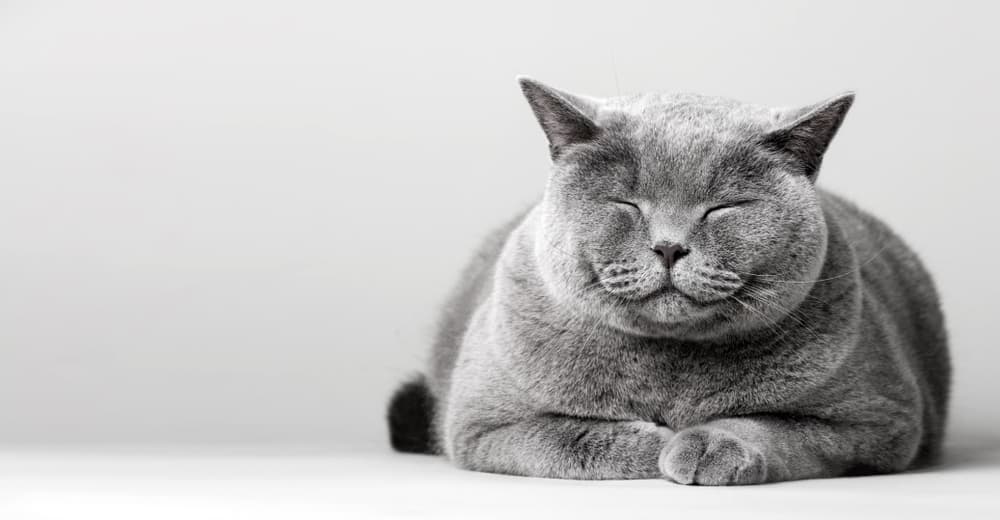
The British Shorthair’s plush coat is easy to groom with weekly combing or brushing to remove dead hair and distribute skin oils. You’ll need to brush him more often in the spring and fall when he sheds his coat in preparation for new growth. Comb the British Longhair daily to prevent or remove any tangles or mats.
The rest is basic care. Trim the nails as needed, usually weekly. Check the ears every week for redness or a bad smell that could indicate an infection. If the ears look dirty, wipe them out with a cotton ball dampened with a gentle cleanser recommended by your veterinarian. Brush the teeth frequently with a vet-approved pet toothpaste and cat toothbrush for good overall health and fresh breath. Start brushing, nail trimming, and teeth brushing early so your kitten becomes accepting of this activity.
Choosing a British Shorthair Breeder
You want your British Shorthair to be happy and healthy so you can enjoy your time with him, so do your homework before you bring him home. For more information on the history, personality and looks of the British Shorthair, or to find breeders, visit the following websites:
- Cat Fanciers Association
- Cats Center Stage
- Fanciers Breeder Referral List
- The International Cat Association
A reputable cat breeder will abide by a code of ethics that prohibits sales to pet stores and wholesalers and outlines the breeder’s responsibilities to their cats and to buyers. Choose a breeder who has performed the health certifications necessary to screen out genetic health problems to the extent that is possible, as well as one who raises kittens in the home. Kittens who are isolated can become fearful and skittish and may be difficult to socialize later in life.
Lots of reputable breeders have websites, so how can you tell who’s good and who’s not? Red flags include kittens always being available, multiple litters on the premises, having your choice of any kitten, and the ability to pay online with a credit card. Those things are convenient, but they are almost never associated with reputable British Shorthair breeders.
Whether you’re planning to get your feline friend from a breeder, a pet store, or a breed rescue or adoption agency, don’t forget that old adage “let the buyer beware.” Disreputable breeders and unhealthy catteries can be hard to distinguish from reliable operations. There’s no 100 percent guaranteed way to make sure you’ll never purchase a sick kitten, but researching the breed (so you know what to expect), checking out the facility (to identify unhealthy conditions or sick animals), and asking the right questions can reduce the chances of heading into a disastrous situation. And don’t forget to ask your veterinarian, who can often refer you to a reputable breeder, breed rescue organization, or other reliable source for healthy kittens.
Put at least as much effort into researching your kitten as you would into choosing a new car or an expensive appliance. It will save you money in the long run.
Be patient. Depending on what you are looking for, you may have to wait 6 months or more for the right kitten to be available. Many breeders don’t release kittens to new homes until they are between 12 and 16 weeks of age.
Before you buy a kitten, consider whether an adult British Shorthair might be a better choice for your lifestyle. Kittens are loads of fun, but they’re also a lot of work and can be destructive until they reach adulthood. With an adult, you know more about what you’re getting in terms of personality and health. If you are interested in acquiring an adult cat instead of a kitten, ask breeders about purchasing a retired show or breeding cat or if they know of an adult cat who needs a new home.
Adopting a Cat from a British Shorthair Rescue or a Shelter
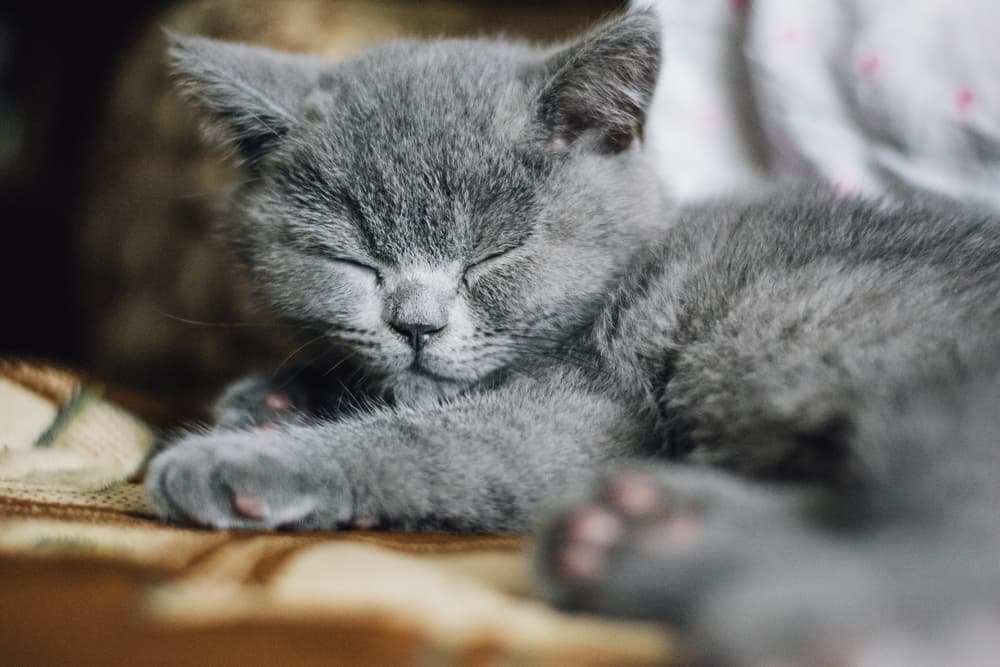
The British Shorthair is an uncommon breed. It is unlikely that you will find one in a shelter or through a rescue group, but it doesn’t hurt to look. Sometimes pedigreed cats end up at the shelter after losing their home to an owner’s death, divorce, or change in economic situation. Check the listings on Petfinder, Adopt-a-Pet.com or Fanciers Breeder Referral List, and ask breeders if they know of a British Shorthair who is in need of a new home.
Wherever you acquire your British Shorthair, make sure you have a good contract with the seller, shelter, or rescue group that spells out responsibilities on both sides. In states with “pet lemon laws,” be sure you and the person you get the cat from both understand your rights and recourses.
Kitten or adult, take your British Shorthair to your veterinarian soon after adoption. Your veterinarian will be able to spot problems, and will work with you to set up a preventive regimen that will help you avoid many health issues.
British Shorthair Cat Breed FAQs
Are British Shorthair cats hypoallergenic?
No, British Shorthairs are not hypoallergenic cats. They have a dense coat and do shed in the spring and fall. No cat is truly hypoallergenic.
Are British Shorthair cats friendly?
While they are not considered overly affectionate or lap cats, British Shorthairs are friendly. They enjoy the company of their pet parents and get along well with other cats and cat-friendly dogs.
How big does a British Shorthair get?
British Shorthair cats are considered medium-to-large cats. They tend to weigh between 7-17 pounds, and males are typically more hefty than females. They usually have a length of 22-25 inches and a height of 12-14 inches. British Shorthairs don’t reach their full size until about 3 years of age.
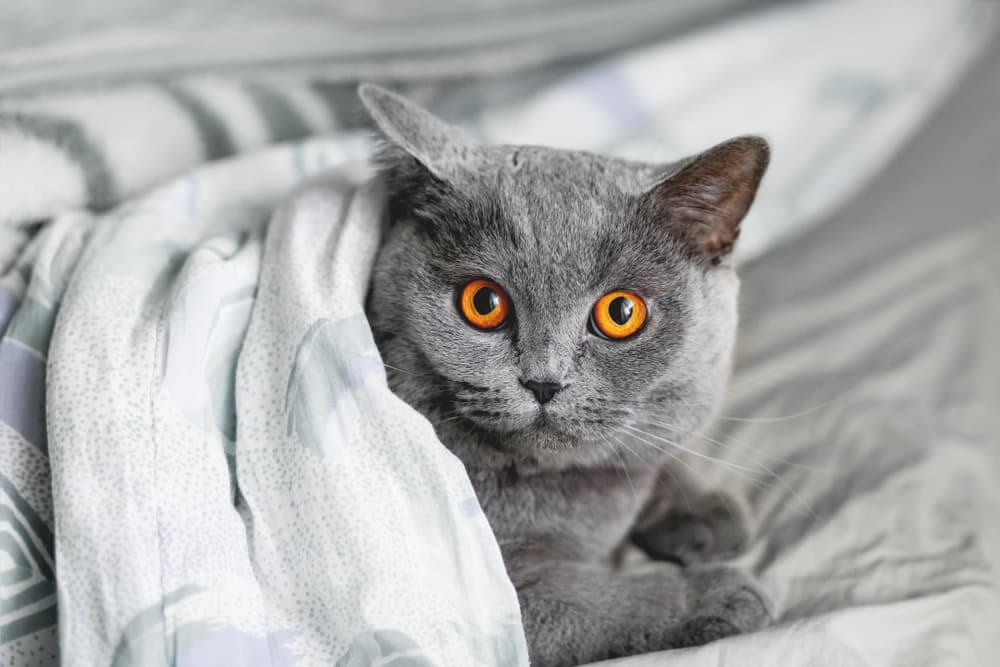
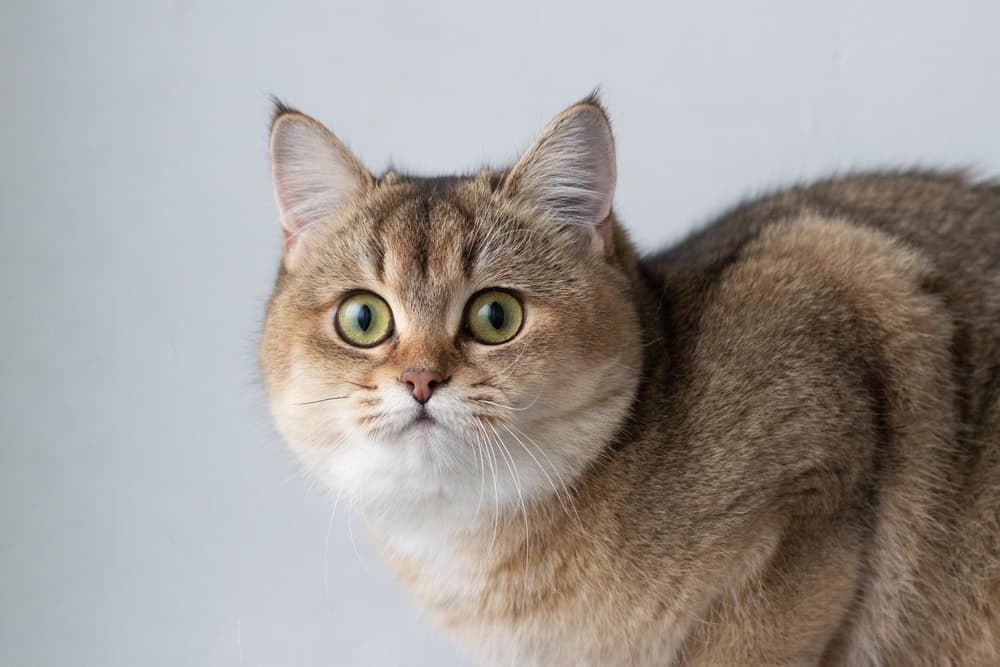
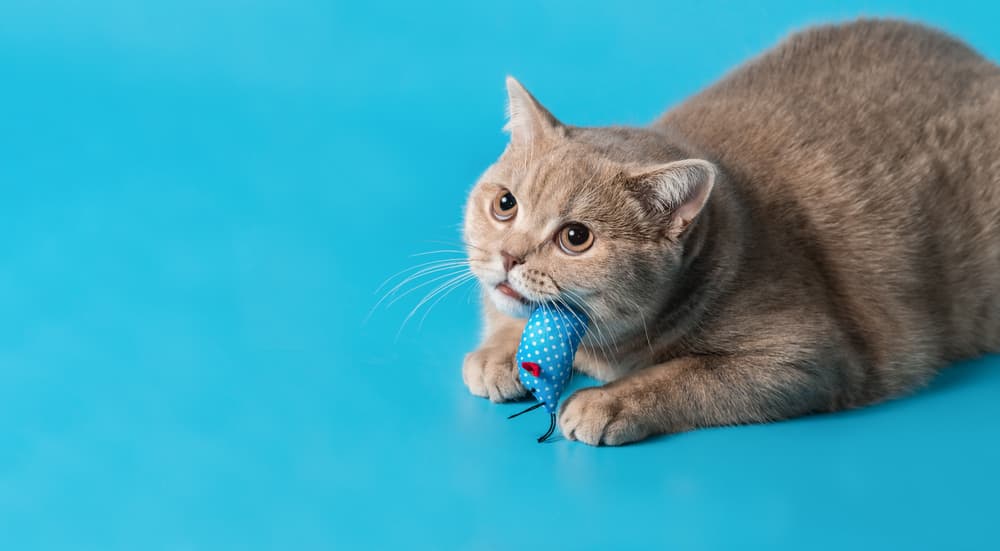
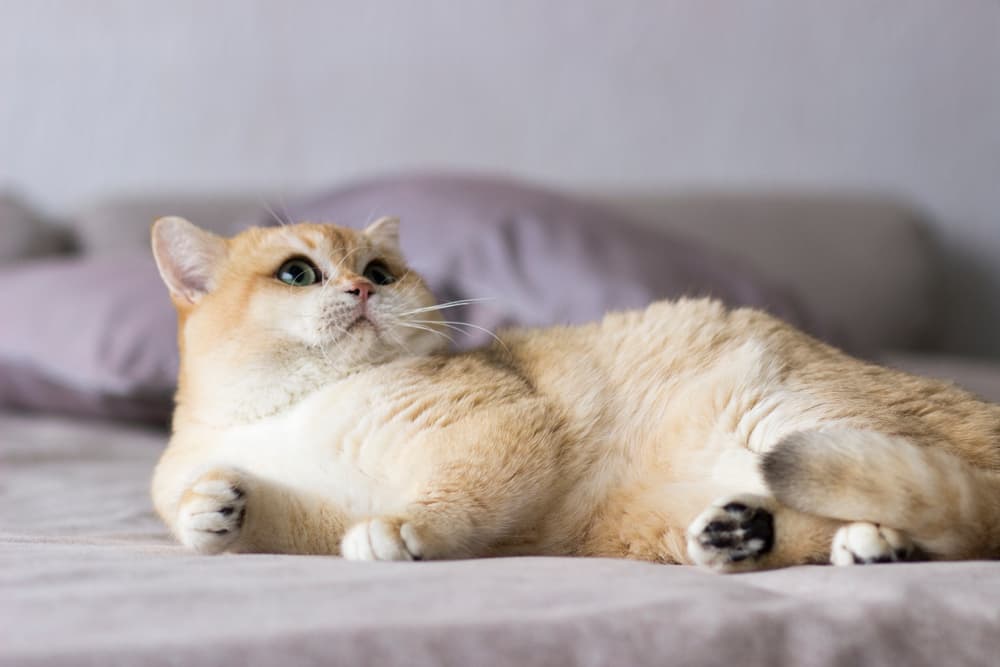
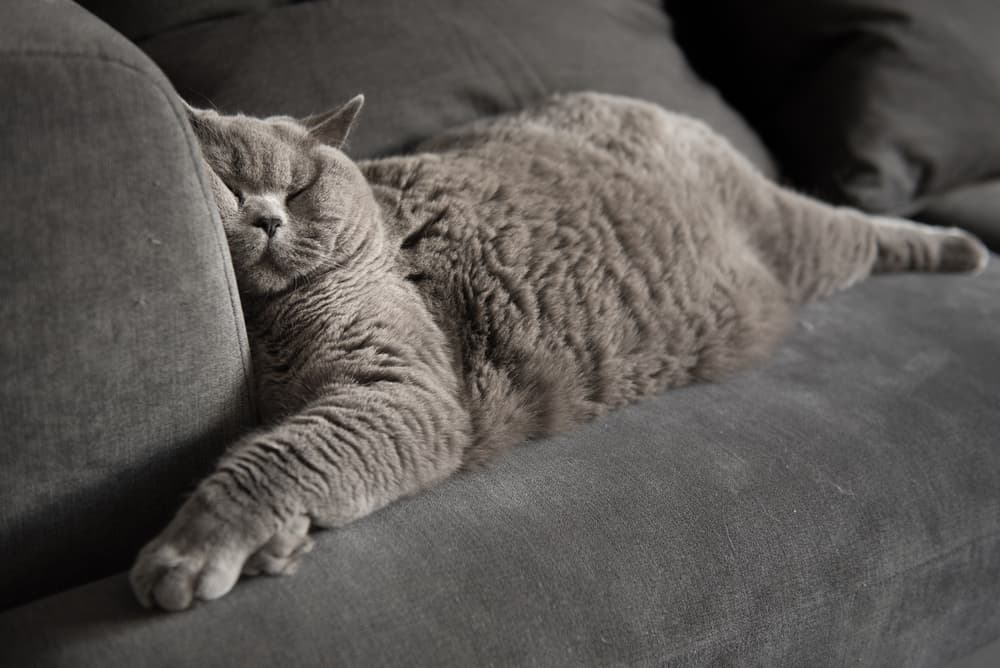
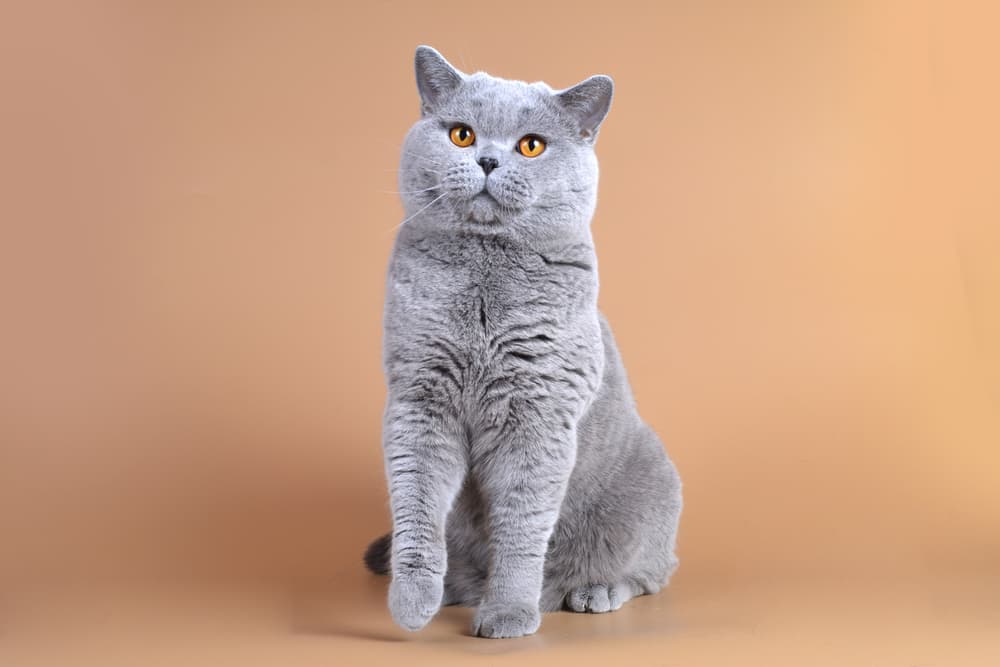
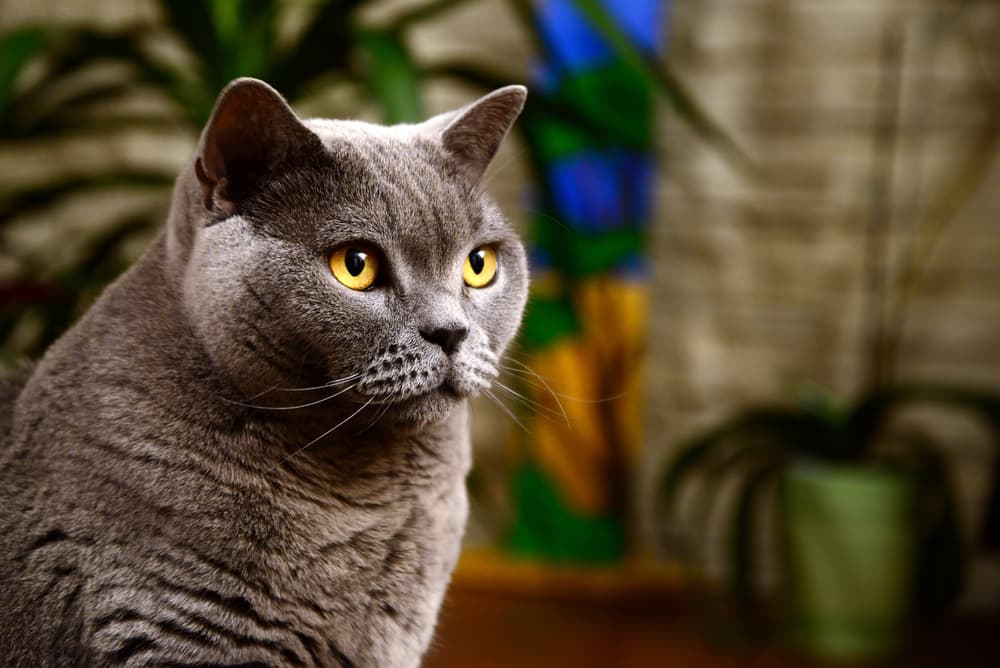
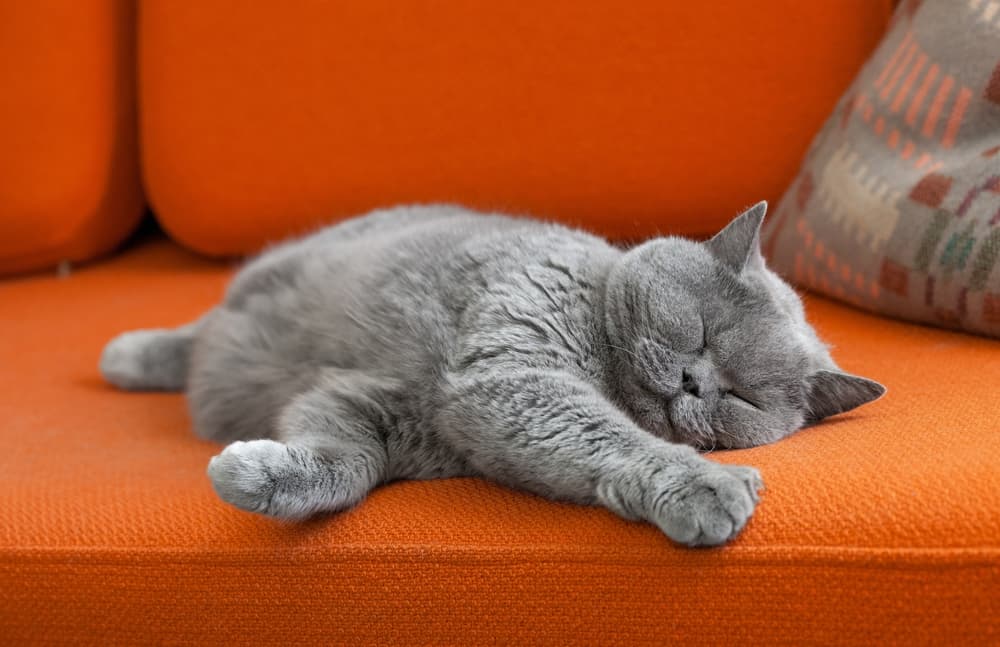
Pictures of British Shorthairs
9 Curly Haired Cat Breeds With Looping Locks
- 2022-07-01T17:28:06
- Monica Weymouth
Cat coats span the spectrum. From fabulously floofy to super sleek to barely there (we’re looking at you, Sphynx), our feline friends enjoy quite the range in the wardrobe department. In fact, some cats even have curly coats.
Curly haired cat breeds are as unusual as they are adorable. Read on for everything you need to know about these well-coiffed kitties, from breed characteristics to grooming tips.
Why Do Some Cat Breeds Have Curly Hair?
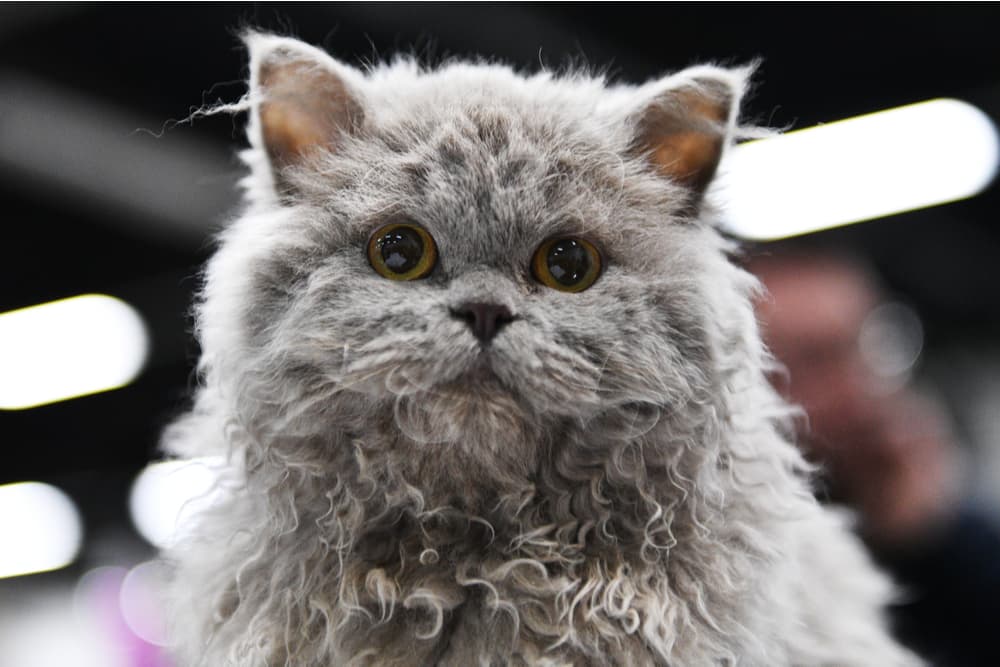
Some cats have curly hair for the same reason some people have curly hair: genetics.
“The curly coat is a result of a natural genetic mutation,” says Dr. Jamie Whittenburg, director of Kingsgate Animal Hospital in Lubbock, Texas. “Curly coats are fairly rare in cats but are selected for the genetic mutation, and then bred together to continue it.”
Curly coats occur in a variety of lengths and textures. The hair can be long or short. Some curly haired cat breeds lack an undercoat, leading to a sparse appearance.
9 Curly Haired Cat Breeds
- Selkirk Rex
- Devon Rex
- Cornish Rex
- LaPerm
- Ural Rex
- German Rex
- Tasman Manx
- Tennessee Rex
- Skookum
Officially speaking, The Cat Fanciers’ Association (CFA) only recognizes four breeds of cats with curly hair: Selkirk Rex, Devon Rex, Cornish Rex, and LaPerm. However, there are also a handful of unrecognized cat breeds with curly hair.
Here are some amazing curly haired cat breeds to read up on:
Selkirk Rex
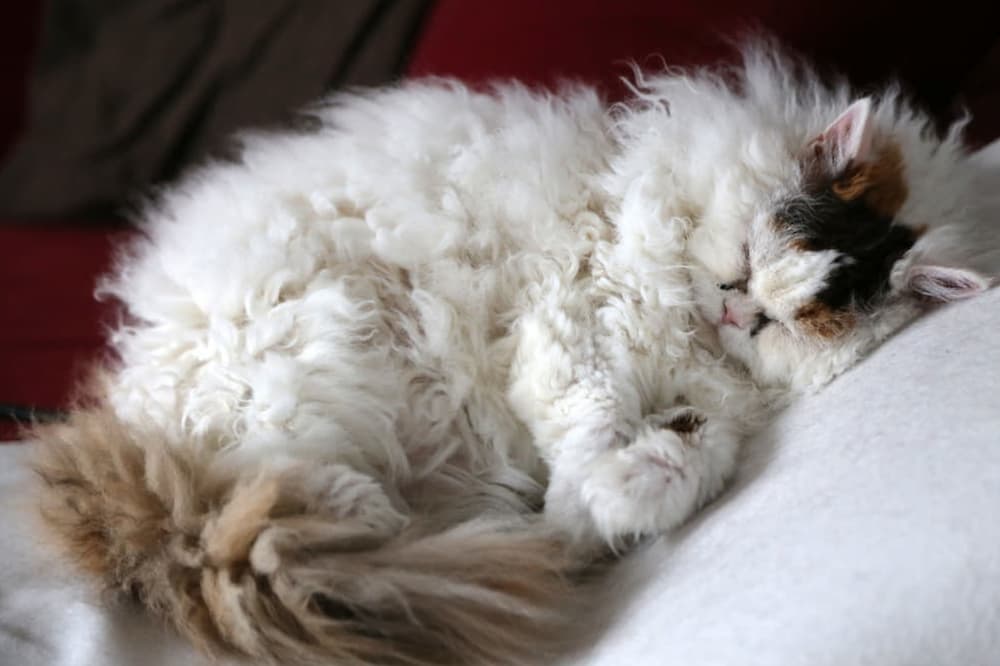
If you can’t decide between a cat or a teddy bear, this is your kitty. The Selkirk Rex traces its origins to an unusual looking shelter kitten named Miss DePesto, who was adopted by a curious Persian breeder in Montana in the 1980s. When bred with a Persian, three of Miss DePesto’s kittens had their mother’s curly coat, and a breed was born.
Big-boned and fluffy, the Selkirk Rex has plush, dense, curly hair, as well as curly whiskers. Coats can be long or short, with long coats having the most noticeable waves. A single copy of the genetic variant that causes the Selkirk Rex coat results in loosely waved hair, while two copies produce a tighter curl.
The Selkirk Rex is known to be affectionate, which is good news for everyone who can’t resist snuggling a teddy kitty.
Devon Rex
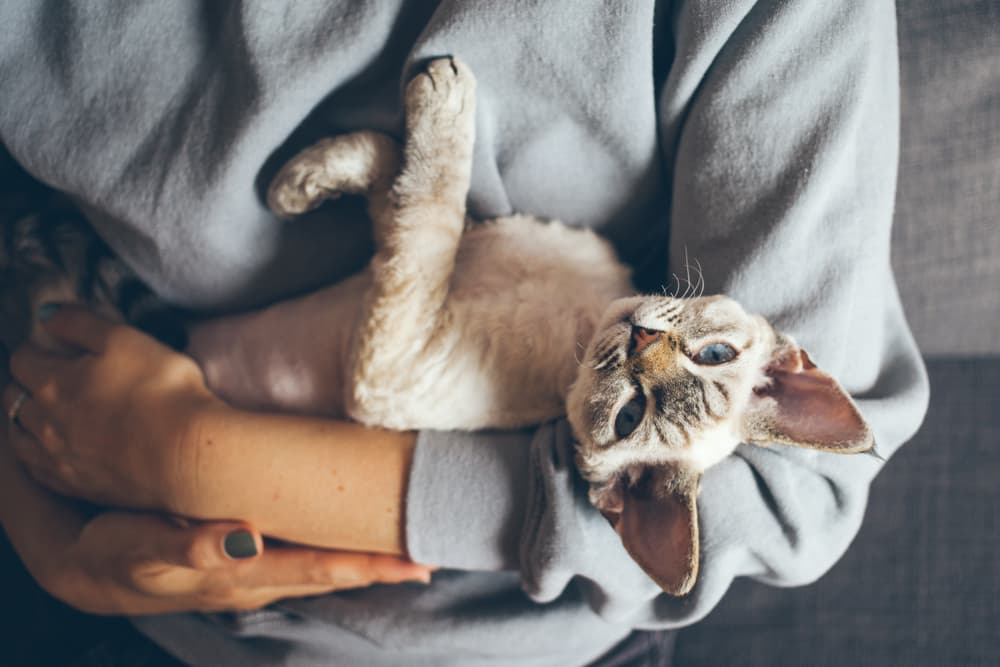
Originating in Devonshire, England in the 1950s, the Devon Rex is an unusual looking cat by all measures. Elfin in appearance, the breed is distinguished by large eyes, high cheekbones, low, prominent ears, and soft, short, rippled fur. The Devon’s distinctively wavy coat can be a wide variety of colors and patterns.
Surprisingly, the Devon Rex’s one-of-a-kind personality overshadows its unique appearance. Affectionately referred to by breed enthusiasts as “a monkey in a cat suit,” the Devon is known to be extremely playful, affectionate, people-oriented, and active. Skilled jumpers, these athletic cats enjoy finding unusual hiding places, and like to spend time wrapped around their humans’ shoulders.
Cornish Rex
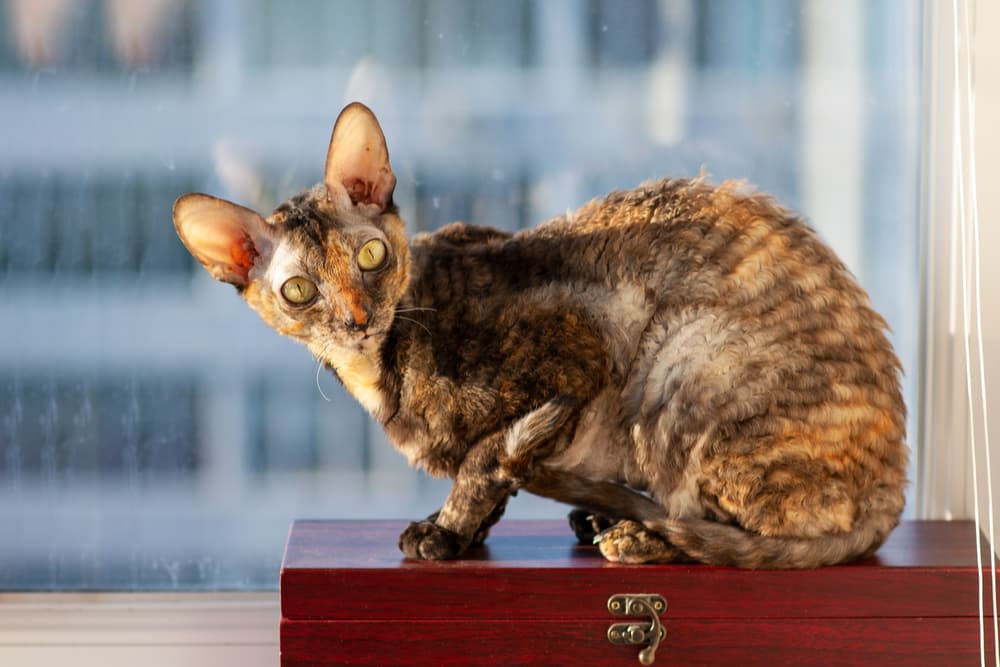
The Cornish Rex is another curly haired cat breed with roots in the English countryside. As a curly kitten, Kallibunker was clearly different from his barn cat siblings. Kallibunker was bred to produce wavy coated kittens, which were then bred with Burmese, Siamese, and British domestic shorthair cats. The result? An exotic new breed with large, bat-like ears and incredibly soft, curly fur.
The Cornish Rex’s fine, short curls fall in “Marcel waves” – a term usually reserved for the glamorous Old Hollywood hairstyle – and are velvety soft. Although the breed sometimes appears on lists of “hypoallergenic” cats, the Cornish Rex does indeed shed (although minimally) and produces allergens.
LaPerm
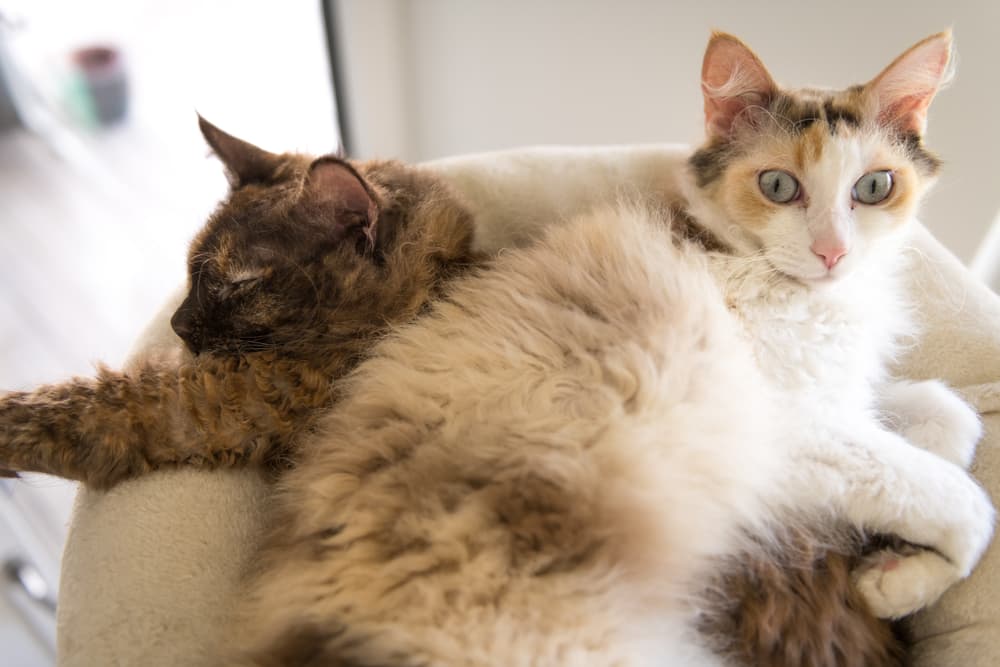
In the 1980s, the owner of a farm in Oregon noticed that many of the barn cats had curly hair. She began to breed them selectively, resulting in a striking new wavy cat breed now known as the LaPerm.
LaPerm cats can have a wide range of curls, from soft waves to tight ringlets to long corkscrews. Longhair LaPerms have full, flouncy, curled tails, while the shorthair variety has a “bottlebrush” tail. A LaPerm’s coat may change density and curl patterns throughout their lifetime, and many LaPerms have distinctive “parts” down their back fur.
Ural Rex
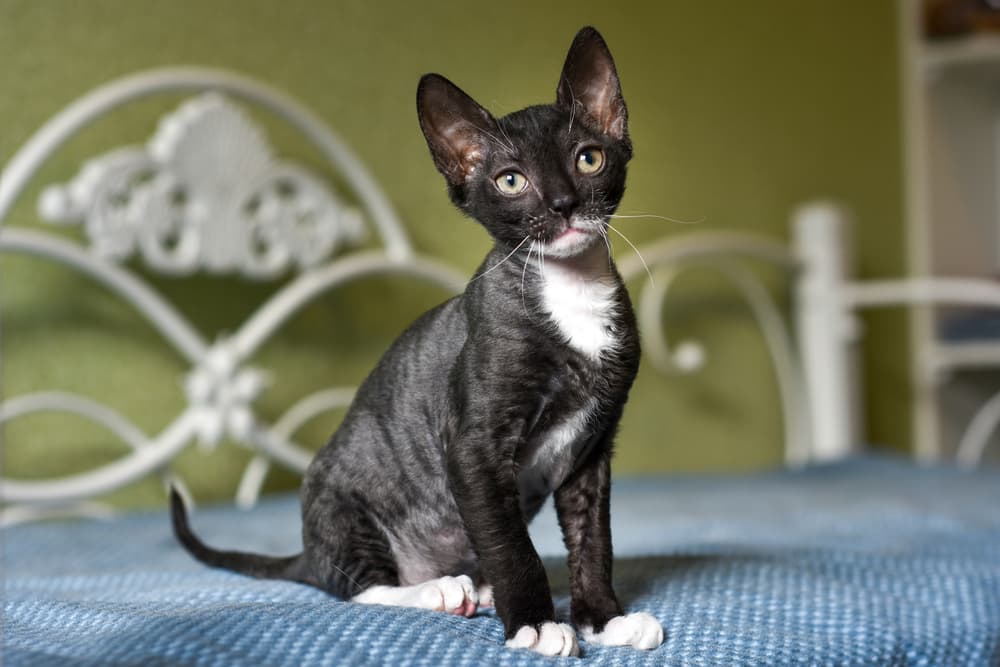
Recognized by the German-based World Cat Federation in 2006, the Ural Rex is a relatively new breed defined by its soft, silky, gently curled coat. Although the Ural Rex appears similar to other Rex breeds, a 2020 study found that its curly coat has a unique genetic variant not present in other breeds. Rarely found outside of their native Russia, the Ural Rex’s oversized eyes and sweet personality have earned the breed plenty of fans at home.
German Rex
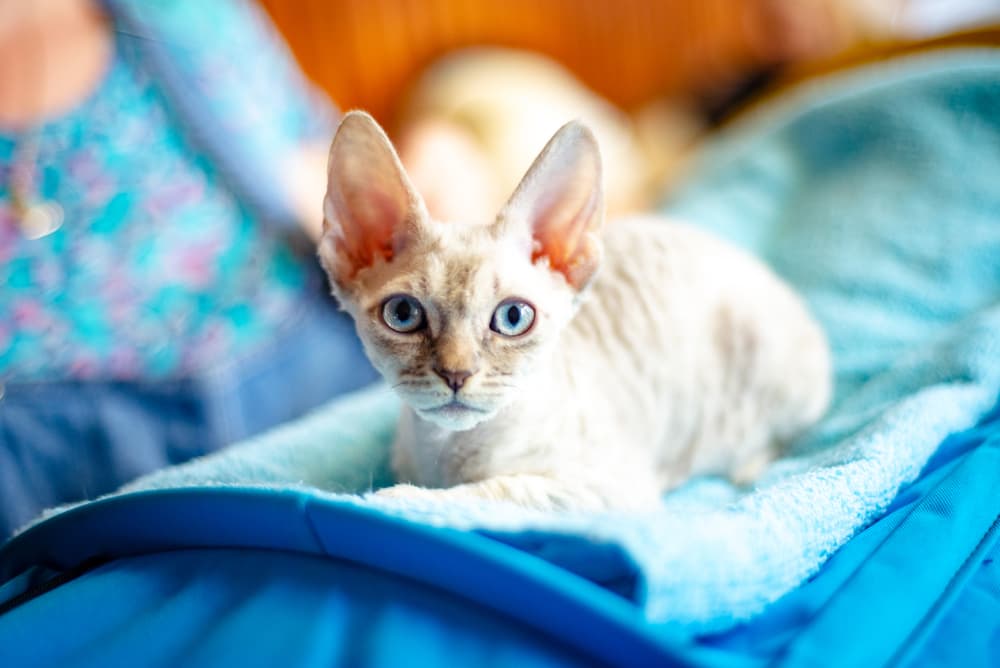
The German Rex is a rare curly fur cat breed formally recognized by the International Cat Federation, which bills itself as the “United Nations of Cat Federations.” Distinguished by its waved, velvety coat and short, curly whiskers, the German Rex also boasts lovably oversized ears.
Tasman Manx
Why stop at one highly unusual characteristic? The Tasman Manx is notable for having two rare qualities: a curled coat and an absent tail. Recognized by New Zealand Cat Fancy, the Tasman Manx is native to Australia and New Zealand, borrowing its name from the Tasman Sea. Like all Manx cats, the Tasman is either tailless – a quality known in cat breeding circles as “rumpy” – or almost tailless, aka “stumpy.” (Per the breed’s official standards, “both rumpy risers and stumpys are acceptable on the show bench.”) In addition to a soft, rippled coat, the Tasman also has kinked whiskers.
Tennessee Rex
Originating in the Tennessee Valley in 2004, the Tennessee Rex is an all-American breed newly recognized by The International Cat Association (TICA). Curly coated from birth, these large cats have lustrous fur with a “satin-like” appearance that almost appears to shimmer in the light.
Skookum
The Skookum cat is a so-called “dwarf” breed developed in the 1990s by crossing curly-haired LaPerms with short-legged Munchkin cats. While striking, Skookums and Munchkins are controversial. Although recognized by TICA, most cat registries and cat associations, including the International Cat Federation, consider it unethical to breed Munchkins due to health and mobility concerns.
Curly Haired Cat Breeds: Grooming and Care Tips
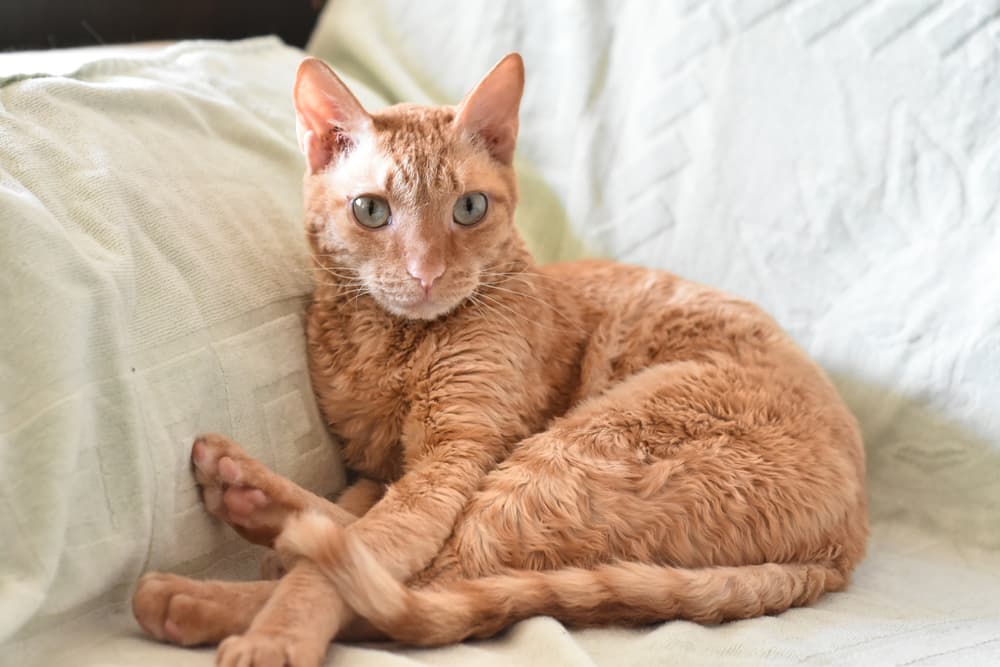
Like all feline friends, curly haired cats benefit from brushing to keep their coats and skin healthy.
“Cats with longer curly hair likely need regular, gentle brushing at least a couple of times a week to help prevent any matting,” says Janet Cutler, PhD, a Certified Applied Animal Behaviorist (CAAB) and owner of Landmark Behavior. “Shorter curly hair may require the occasional brushing, or simply brushing with your hand.”
Additionally, some curly haired cat breeds with sparse coats can be at risk of sunburn, notes Cutler, especially on their ears. These cats should have limited outdoor exposure during the sunniest times of day. UV-blocking window films can be helpful for protecting sunbathing kitties inside.
If you choose to purchase a curly haired cat, it’s important to select a responsible, registered breeder who ensures the health and welfare of the parent cats and kittens. In particular, Selkirk Rex cats are prone to kidney disease, and these cats should be tested before breeding, notes Cutler.
Every breed (and cat!) is unique, so be sure to check in with your veterinarian about any health or grooming concerns to keep your curly-coated friend looking and feeling their best.
7 Black and White Cat Breeds
- 2022-05-14T14:51:52
- Emily Shiffer
Choosing a cat comes down to many factors: personality, grooming needs, size and, of course, color. Whether you prefer fluffy fur or a smooth coat is one detail, but color is another.
One popular color combination many people love is black and white cat breeds. Often referred to as “tuxedo cats,” you may be on the hunt for a bicolor cat that combines the infamous dark and light mix.
Here’s what you need to know and black and white cat breeds.
Black and White Cat Breeds: Are They Rare?
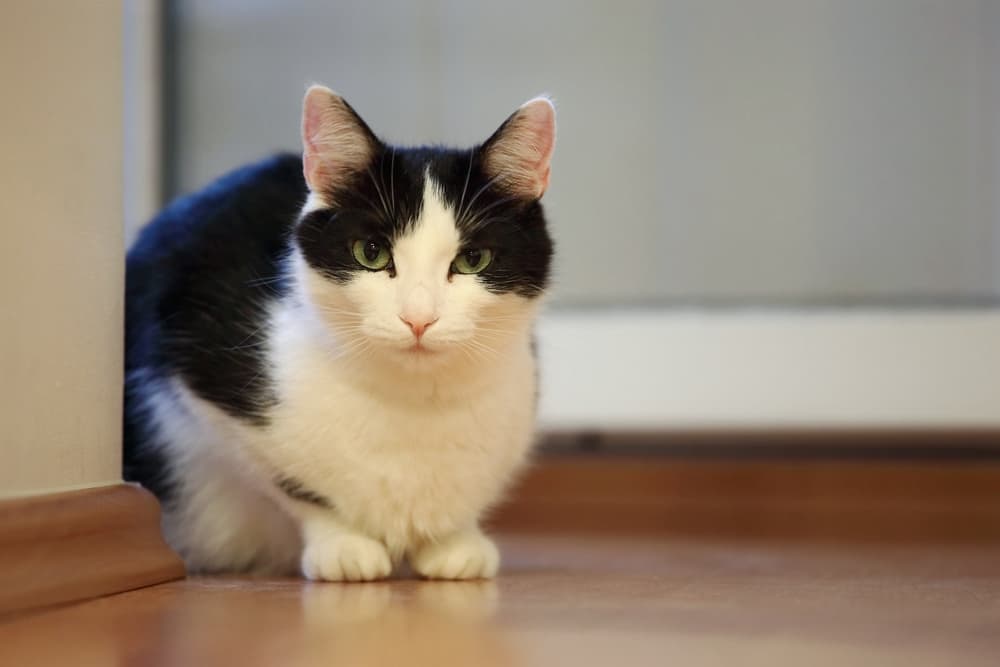
When it comes to solid black or white cat breeds, they are rare. “Only two CFA-recognized breeds come in solid black or solid white,” says Teresa Keiger, a Cat Fanciers’ Association (CFA) allbreed judge. These are the Bombay (solid black) and the Khao Manee (solid white).
While these are the only two solid-colored black and white cat breeds, if you’re looking for a black and white color combination, many breeds have this coloring.
What is a Tuxedo Cat?
According to Keiger, black and white cats may be called “tuxedo cats,” but this is not an actual breed.
“It’s a term for a specific type of bicolor pattern,” she says. “The pattern reminded folks of someone dressed up in a (black) tuxedo with white gloves and spats.”
7 Black and White Cat Breeds
If you’re looking for a tuxedo cat breed, here are eight options to consider:
Persian
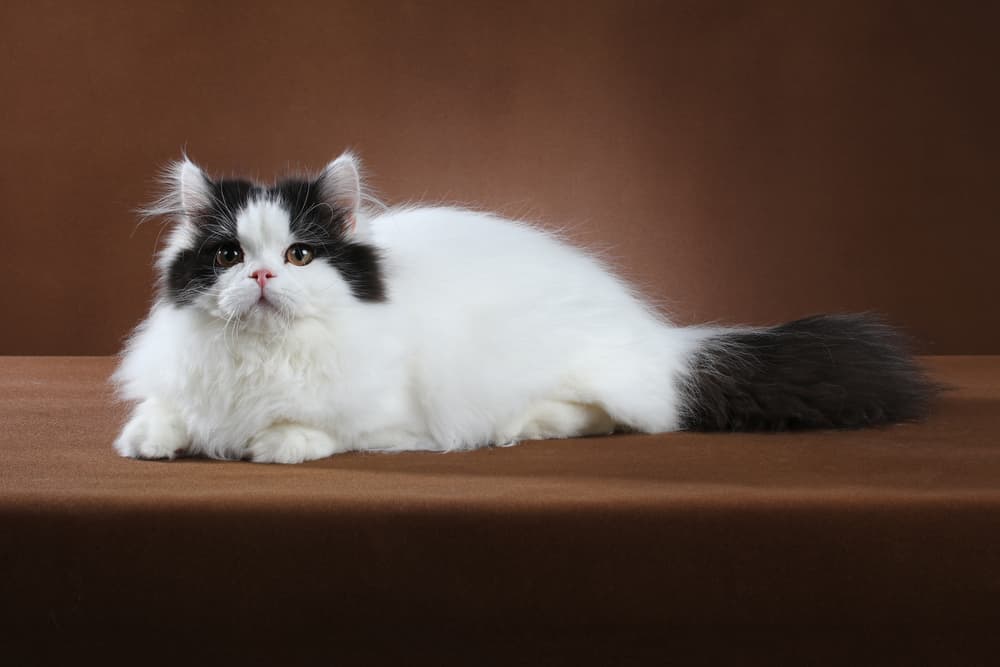
When picturing a Persian, you may be envisioning an all-white cat. But Persians come in a variety of color combinations, including black and white.
“The Persian has ancient roots, but the fanciers of the late 1800s laid the foundation for the breed as we know it today,” says Keiger. Persians are sweet, loving and generally do not require a high level of activity, she adds.
These cats require regular grooming to keep their coats free of mats, but Keiger says most Persians enjoy grooming time with their pet parents.
Norwegian Forest Cat
Norwegian Forest Cats are semi-long-haired cats with a double coat meant to help them withstand harsh Scandinavian winters. They are relatively large, with males weighing between 12 and 16 pounds and females weighing between 9 and 12 pounds.
Norwegian Forest Cats come in many colors, including black and white, blue, red, cream, silver and golden. As for temperament, the CFA says that these cats are “sensitive yet social,” and while they may be interested in sitting in your lap, they’ll only do so on their terms.
Maine Coon
The Maine Coon is sometimes mistaken for the Norwegian Forest Cat. However, it is a long-haired breed native to America that can come in 75 different color combinations, including black and white. They are extremely intelligent yet kind and friendly.
The CFA dubs Maine Coons “gentle giants,” with full-grown males weighing 25 pounds and standing up to 16 inches tall (females are smaller).
Exotic
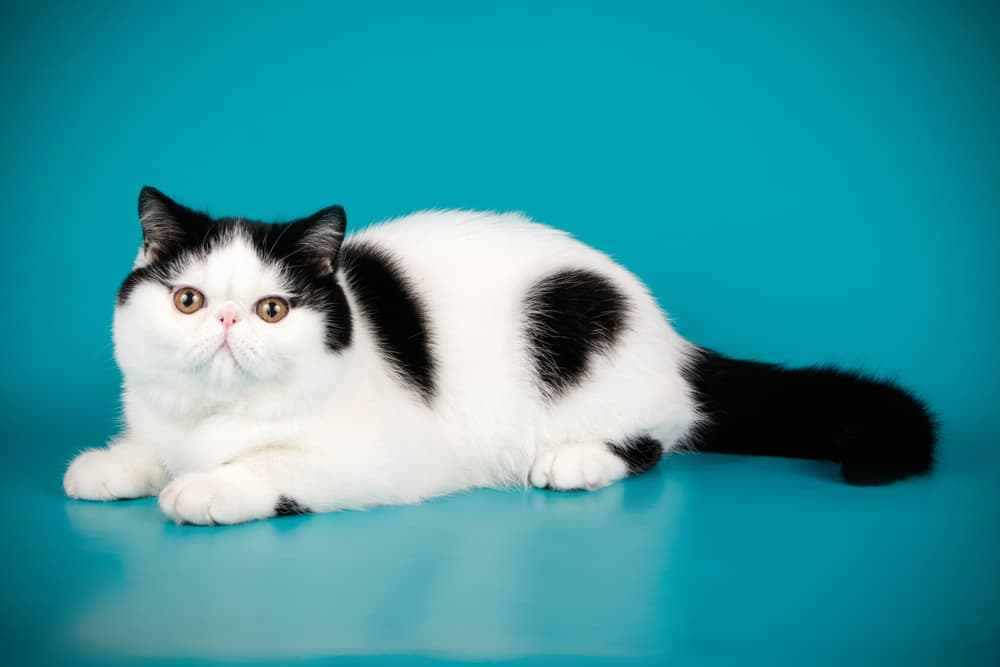
If you love the look of a Persian cat but don’t want to commit to that level of grooming, an Exotic cat breed might be a good fit, Keiger. Described as peaceful and affectionate, the breed was created several decades ago by breeding an American Shorthair with a Persian to introduce the short hair gene, she said.
They have plush Persian-like coats that aren’t as long but still require some level of maintenance.
American Curl
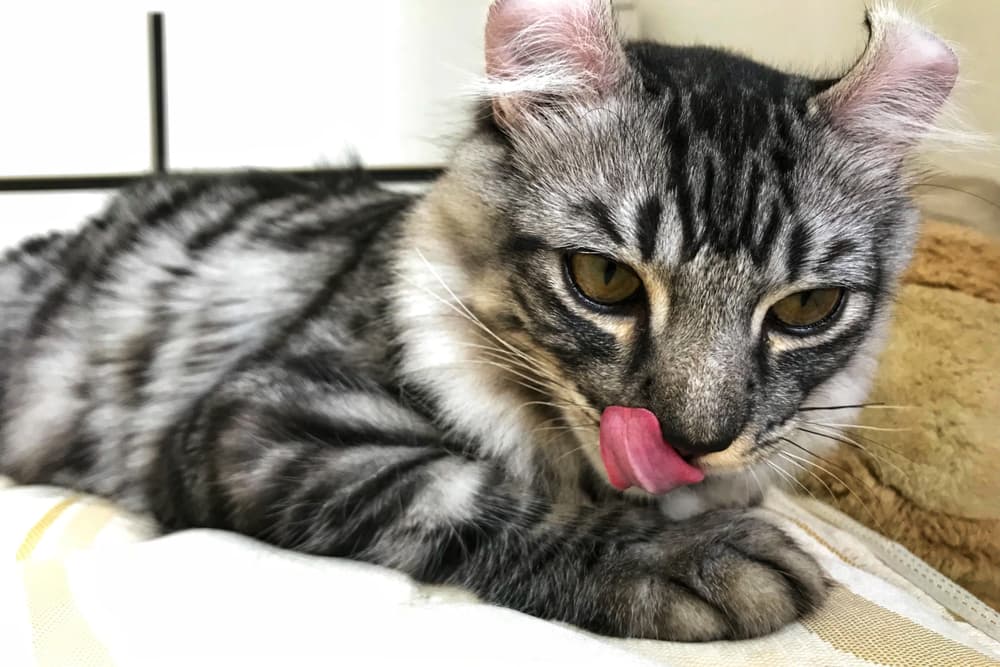
The thing that sets the American Curl apart from other cats is its ears– likened to those of a Lynx, they take on a “curl” with a rounded appearance. According to the CFA, they are very people-oriented and are described as “dog-like.” American Curls can have long and short hair and come in many colors and patterns, including black and white. They require minimal grooming.
Japanese Bobtail
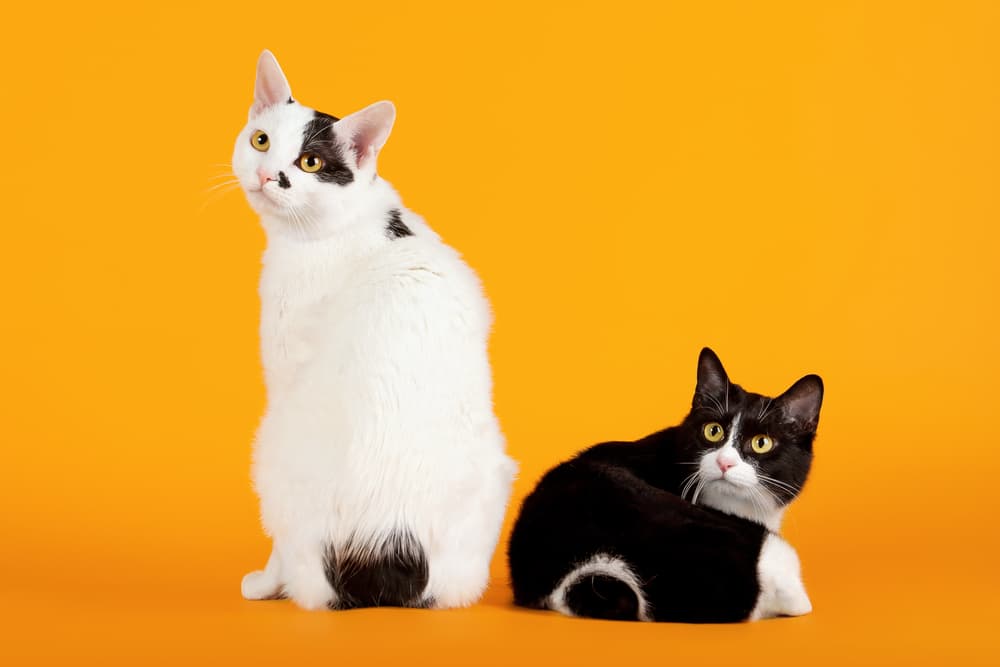
Native to Japan, the Japanese Bobtail can still be found there and can easily adapt to nearly any household, Keiger says.
“This breed comes in various colors and patterns, but two of the most striking patterns are solid white and white with black on the head and tail. The most popular pattern is probably the calico or ‘mi-ke’ pattern,” says Keiger.
She adds that Japanese Bobtails have a lot of energy and love to play. Their coats can be short or long but require minimal grooming.
American Shorthair
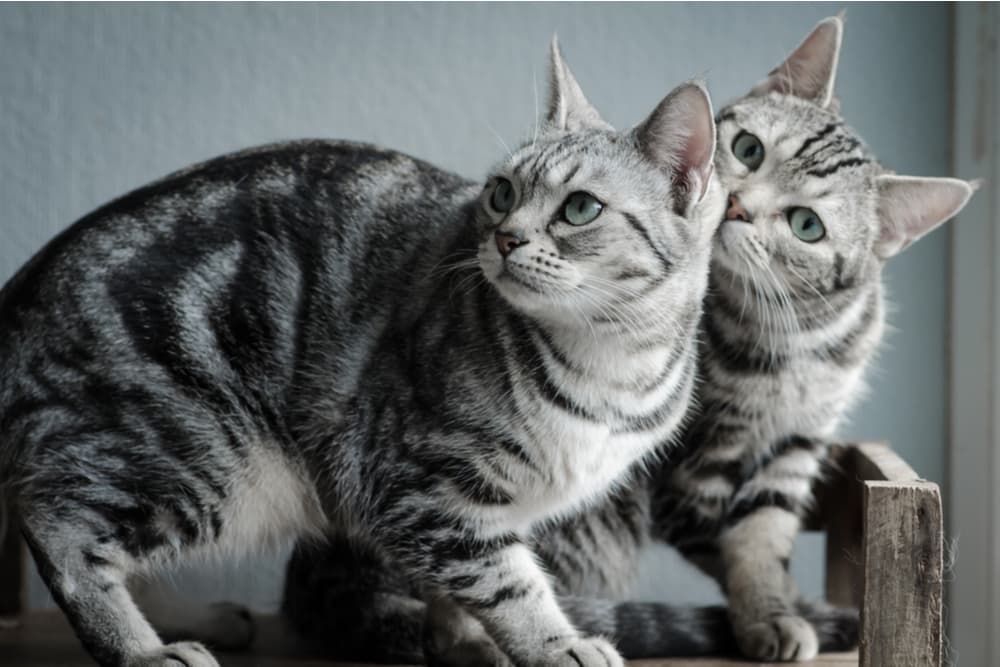
According to the CFA, the American Shorthair breed is known as a “working cat” that originated from cats following settlers from Europe to North America (they were also on the Mayflower ship). American Shorthairs are one of the most popular cat breeds in the US.
Size-wise, males are usually larger than females, and average between 11 and 15 pounds, with females weighing between 6 and 12 pounds. They are gentle companions that come in many colors, including black and white.