

Category: Dog Breeds
Great Pet Care - Pet health information — simplified.
10 Dog Breeds Prone to Seizures
- 2024-04-30T22:07:28
- Sylvalyn Hammond, DVM
Witnessing your beloved pet experience a seizure is a distressing and frightening experience for any pet parent. While seizures can affect any dog regardless of breed, understanding the predispositions of specific breeds can empower pet parents to provide the best possible care for their furry companions.
Seizures in dogs are not uncommon. In fact, it’s estimated that up to 5 percent of all dogs may experience seizures at some point in their lives (1). While the exact causes of seizures can vary, certain breeds are known to have a higher prevalence of this neurological disorder.
In this article, we will discuss which dog breeds are prone to seizures, shedding light on why certain breeds are more susceptible to this condition than others. We’ll also provide practical care tips for dog breeds prone to seizures.
10 Dog Breeds Prone to Seizures
Several factors can contribute to a dog’s likelihood of experiencing seizures. While genetics and breed predispositions play a significant role, other factors such as environmental influences, underlying health conditions, and trauma can contribute to the development of seizures in dogs. Generally, smaller breeds tend to be more predisposed to certain types of seizures, while larger breeds may be prone to others.
While seizures can affect dogs of any breed, some breeds are more commonly associated with this condition. Let’s take a closer look at a few breeds known to be prone to seizures (2, 3):
Australian Shepherds
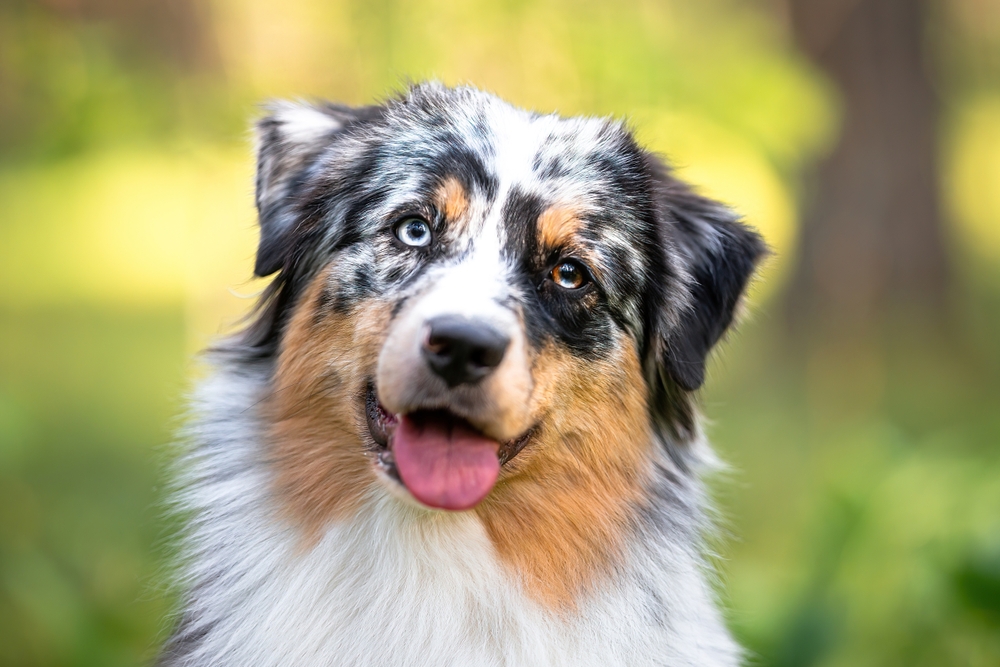
Known for their intelligence and agility, Australian Shepherds are unfortunately predisposed to seizures. While the exact cause of this susceptibility is not fully understood, genetic factors likely play a significant role.
Border Collies
Another highly intelligent breed, Border Collies are also prone to seizures. Their high energy levels and hereditary factors may contribute to their increased risk of experiencing seizures.
Retrievers
Labrador Retrievers and Golden Retrievers are beloved family pets, but they are also among the breeds prone to seizures. While these breeds are generally healthy, they may be predisposed to certain neurological conditions that can lead to seizures.
Boxers
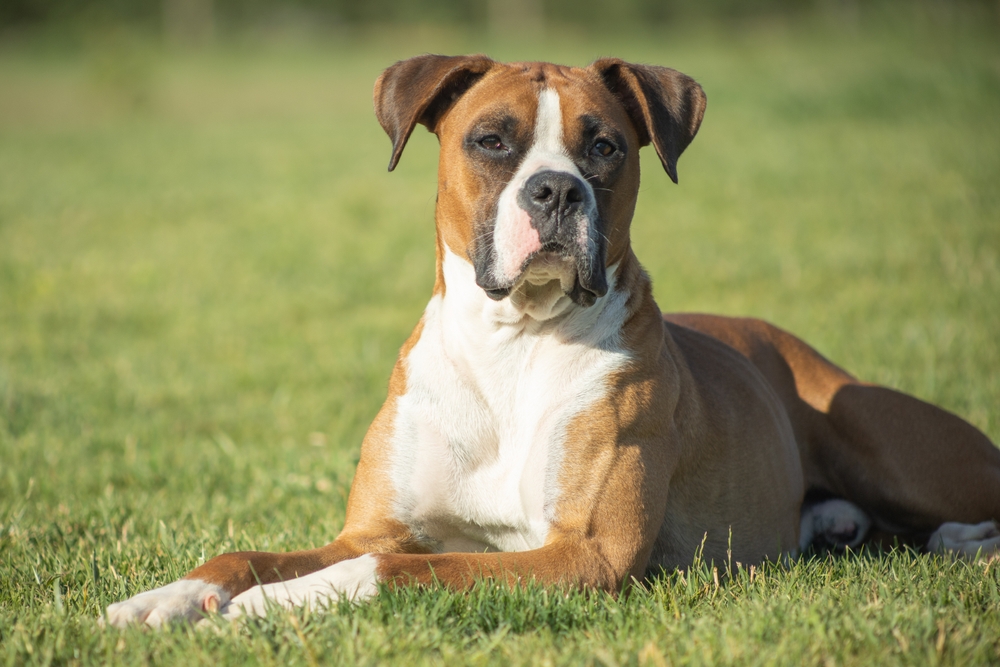
Boxers are known for their boundless energy and playful nature, but they are also predisposed to seizures. Genetic factors and certain health conditions may contribute to their increased risk of experiencing seizures.
Dachshunds
Known for their distinctive elongated bodies, Dachshunds are susceptible to various health issues, including seizures. Genetic factors and chondrodystrophy, a cartilage disorder, may contribute to their increased risk of seizures.
Boston Terriers
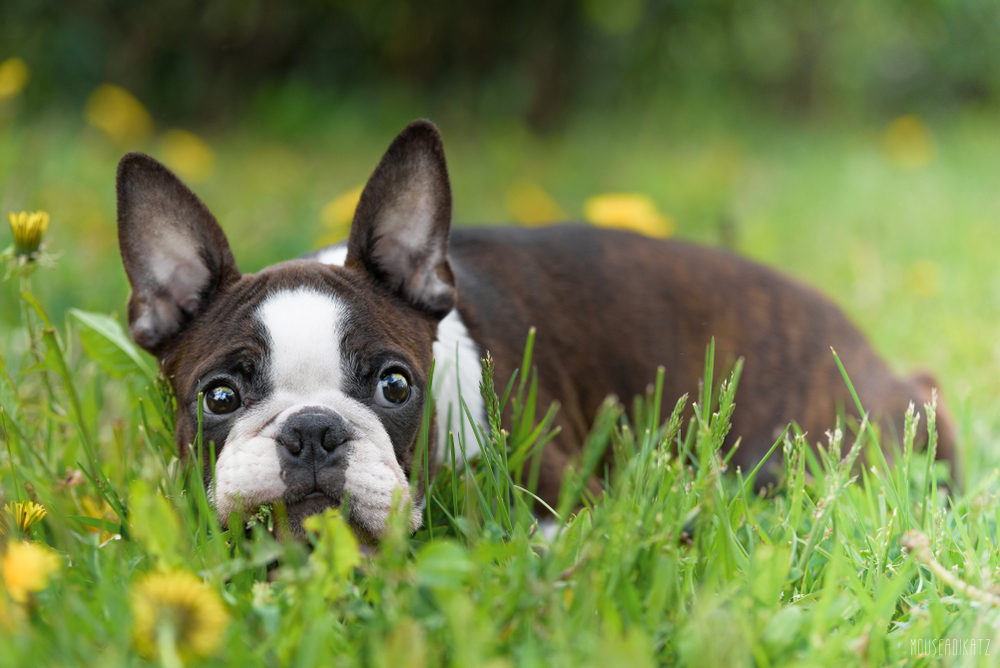
With their affectionate and lively personalities, Boston Terriers are popular companions. However, they are also prone to seizures, which may be linked to genetic predispositions and certain health conditions.
Beagles
Beagles, known for their keen sense of smell and friendly demeanor, are also among the breeds prone to seizures. While the exact reasons for their susceptibility are not fully understood, genetic factors are believed to play a significant role.
Cavalier King Charles Spaniels
These charming and affectionate dogs are beloved companions, but they are also prone to seizures. Genetic factors, particularly related to their skull structure, may contribute to Cavalier King Charles Spaniels’ susceptibility to seizures.
Border Terriers
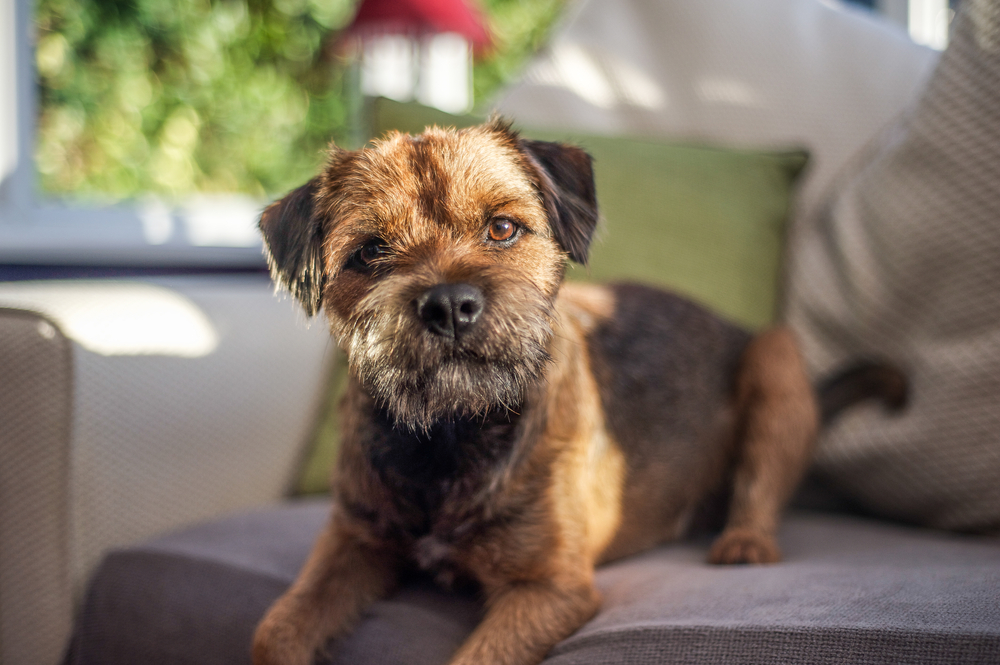
Border Terriers, known for their adventurous spirit and tenacity, may also be prone to seizures. While the exact reasons for their susceptibility are not fully understood, genetic factors and certain health conditions may play a role.
Poodles
Poodles are intelligent and versatile dogs. Unfortunately, they are also prone to seizures, which may be associated with genetic predispositions and certain health conditions. Miniature and Toy Poodles are more likely to experience seizures than Standard poodles, but all poodles are prone to seizures.
While the aforementioned breeds are commonly associated with seizures, it’s important to note that seizures can occur in any dog, regardless of breed. If you suspect that your dog may be experiencing seizures, it’s essential to seek prompt veterinary care for an accurate diagnosis and appropriate treatment. Try to capture the incident on video, as this is the best way for your veterinary team to truly decipher if the event was seizure activity or something different.
Care Tips for Dog Breeds Prone to Seizures

Caring for a dog prone to seizures requires vigilance and proactive measures from pet parents. Here are some essential care tips to help manage seizures in susceptible breeds:
Monitor for warning signs. Familiarize yourself with the warning signs of seizures, such as uncontrolled shaking, loss of consciousness, and drooling. Keeping a journal of your dog’s seizure episodes can help track patterns and frequency, aiding in their management.
Regular veterinary check-ups. Schedule regular check-ups with your veterinarian to monitor your dog’s overall health and discuss any concerns related to seizures. Your vet may recommend specific diagnostic tests or adjustments to your dog’s treatment plan based on their individual needs.
Medication management. In some cases, medication may be prescribed to help manage seizures in dogs. Examples of commonly prescribed medications include phenobarbital, potassium bromide, and gabapentin. It’s essential to administer medications as directed by your veterinarian and to report any adverse reactions promptly.
Invest in a dog camera. Seizures can occur when you aren’t home. Investing in a dog camera, such as the Furbo, can be helpful in pet parents monitoring their canine companion’s seizure activity.
Pet insurance. Considering the potential medical expenses associated with managing seizures in dogs, pet insurance can provide financial peace of mind. These options can help offset the costs of veterinary care, including diagnostic tests, medications, and emergency treatment.
In conclusion, understanding the predispositions of dog breeds prone to seizures and implementing proactive care strategies can help pet parents effectively manage this challenging condition. By staying informed, vigilant, and proactive, pet parents can provide their furry friends with the support and care they need to lead happy and healthy lives despite their predisposition to seizures.
References
- Rundfeldt, Chris et al. “Efficacy, safety, and tolerability of imepitoin in dogs with newly diagnosed epilepsy in a randomized controlled clinical study with long-term follow up.” BMC veterinary research vol. 11 228. 2 Sep. 2015, doi:10.1186/s12917-015-0548-9
- Erlen, Alexander et al. “Seizure occurrence in dogs under primary veterinary care in the UK: prevalence and risk factors.” Journal of veterinary internal medicine vol. 32,5 (2018): 1665-1676. doi:10.1111/jvim.15290
- Beuchat, Carol. “Epilepsy incidence and mortality in 35 dog breeds.” The Institute of Canine Biology. Nov. 2014. Retrieved from https://www.instituteofcaninebiology.org/blog/epilepsy-incidence-and-mortality-in-35-dog-breeds
12 African Dog Breeds With Awesome Personalities
- 2024-02-08T17:41:59
- Kirsten Adams
From the vast landscapes of Africa come some remarkable dog breeds that captivate with their unique qualities and rich history. With a heritage deeply intertwined with the continent’s diverse cultures, these African dog breeds showcase striking physical characteristics, impressive skills, and unwavering loyalty.
“Many African dogs have adapted to the diverse climates and terrains of the continent, from dense forests to vast savannahs,” says Dr. Sabrina Kong, a veterinarian based in California. “Their histories are deeply intertwined with the cultures and communities they originated from, making them not just pets, but symbols of their native regions.”
Whether they originated as courageous hunters, devoted guardians, or beloved companions, these African dog breeds offer a fascinating glimpse into the richness and diversity of canine heritage.
What is Considered an African Dog Breed?
An African dog breed refers to a type of dog that originated from the continent of Africa. These breeds can be found in different parts of the world, not just in Africa. Some African dog breeds have deep roots in Africa and have been present there for thousands of years. Some breeds have also been introduced to other regions and have gained popularity globally.
“Not only are African dogs a testament to adaptability, but they also showcase a stunning array of features forged in an equally varied set of environments,” says Dr. Daisy May, MRCVS BVSc. “The genetic diversity is as vast as the African continent itself, encompassing every extreme from the thirst-quenching deserts to the rain-drenched jungles.”
Let’s take a closer look at twelve exotic dog breeds from Africa.
12 African Dog Breeds
With their distinctive physical features, such as sleek and hairless bodies, unusual coat patterns, or strikingly expressive eyes, African dog breeds stand out from other breeds, making them a source of fascination and admiration. Here are twelve dog breeds who originated in Africa.
Boerboel (South African Mastiff)
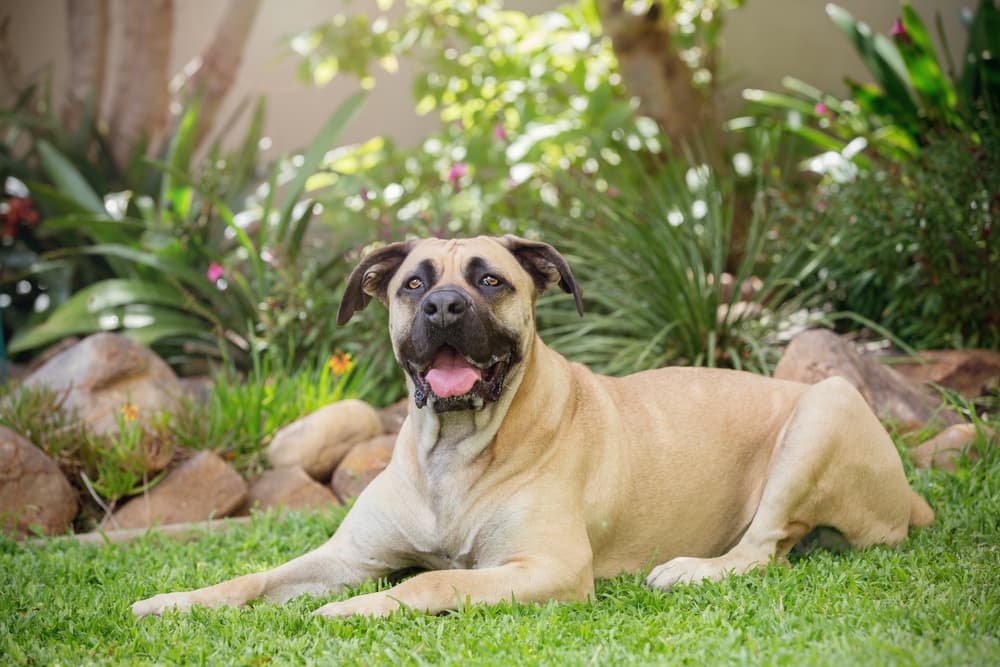
Boerboel dogs, also known as the South African Mastiff or African Mastiff, are a remarkable African breed known for their powerful build and imposing presence. Originating from South Africa, Boerboels have a rich breeding history as farm dogs. They were bred to be guardians and protectors, capable of defending livestock and their human companions from predators. As such, they possess a natural protective instinct and are incredibly loyal and devoted to their families. The South African Boerboel temperament is calm, confident, and steady, making them excellent family companions.
Boerboels are moderately active dogs that benefit from daily walks or play sessions. However, it’s important to note that they do not require intense exercise or long-distance running. A securely fenced yard is essential as they are known to be territorial and may try to protect their property. Boerboels have relatively low-maintenance coats. Regular brushing to remove loose hair and occasional baths are usually sufficient. However, it’s important to pay attention to their facial folds and keep them clean and dry to prevent infections. One of the most popular dog breeds from South Africa, Boerboels make wonderful companions for experienced dog owners who understand their needs and are committed to providing them with love, guidance, and a stable home environment.
Abyssinian Sand Terrier (African Hairless)
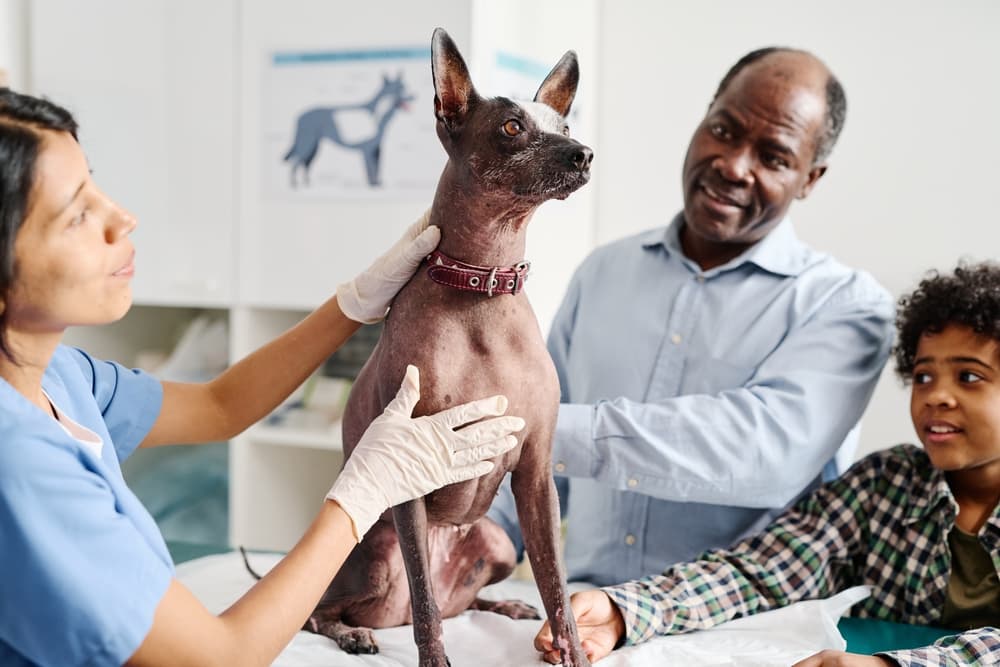
Abyssinian Sand Terriers, also known as African Naked Dogs or African Hairless Dogs, are a rare dog breed that originated in Africa. They have a unique appearance with a smooth, hairless body and wrinkly skin. Abyssinian Sand Terriers have a long history of breeding in Africa, where they were bred as working dogs. They were used as hunters, guard dogs, and were even used for pest control.
Abyssinian Sand Terriers are known for their loyalty and protective nature. They can be reserved around strangers but are usually relaxed and friendly with their families. Abyssinian Sand Terriers require regular physical activity to keep them happy and healthy, such as daily walks and playtime. However, they do need to be protected from extreme weather conditions since their hairless bodies are sensitive to temperature changes. Skincare is crucial, and regular bathing with mild, hypoallergenic shampoos and moisturizing is recommended. Since they are hairless, they can be prone to sunburn, so sunscreen application is necessary to prevent skin damage when outdoors.
Pharaoh Hound
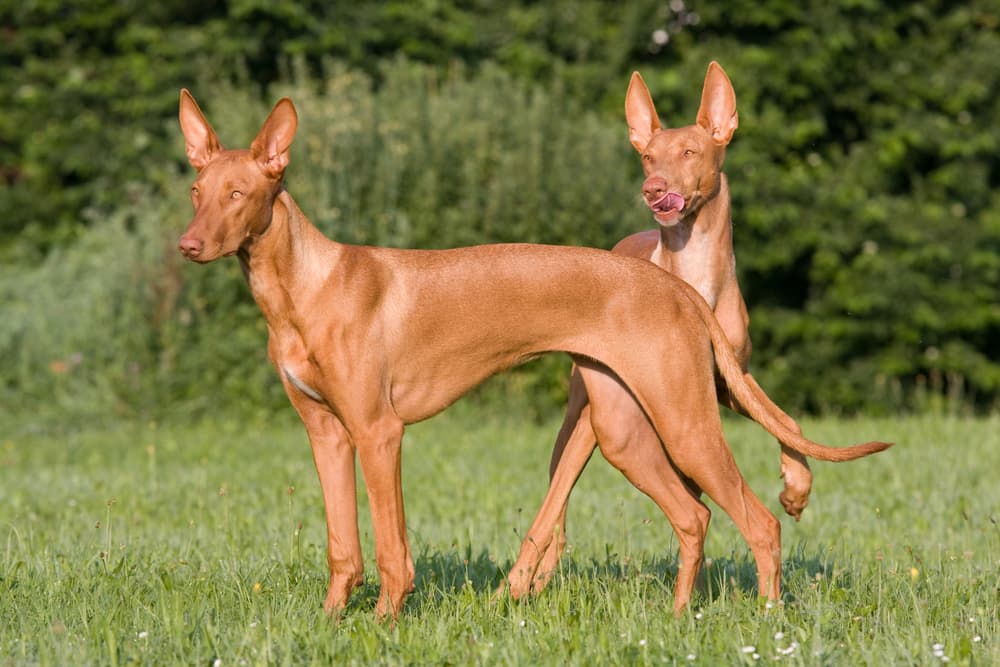
The Pharaoh Hound is a striking and elegant breed that traces its roots back to ancient Egypt. They were initially used for hunting rabbits. However, they made their way to other countries and have gained popularity worldwide as devoted family pets. Pharaoh Hounds are known for their affectionate and gentle nature. They form strong bonds with their family members and can be reserved but not aggressive with strangers. These dogs are intelligent, trainable, and have a strong independent streak.
Pharaoh Hounds are active and energetic dogs that require regular exercise to keep them happy and healthy. They enjoy activities such as running, walking, and playing games. Mental stimulation through training or puzzle toys is also important to prevent boredom. Pharaoh Hounds have a short coat and they do not require a special diet. These dogs generally thrive in a loving and active household, where they receive plenty of attention and exercise.
Rhodesian Ridgeback
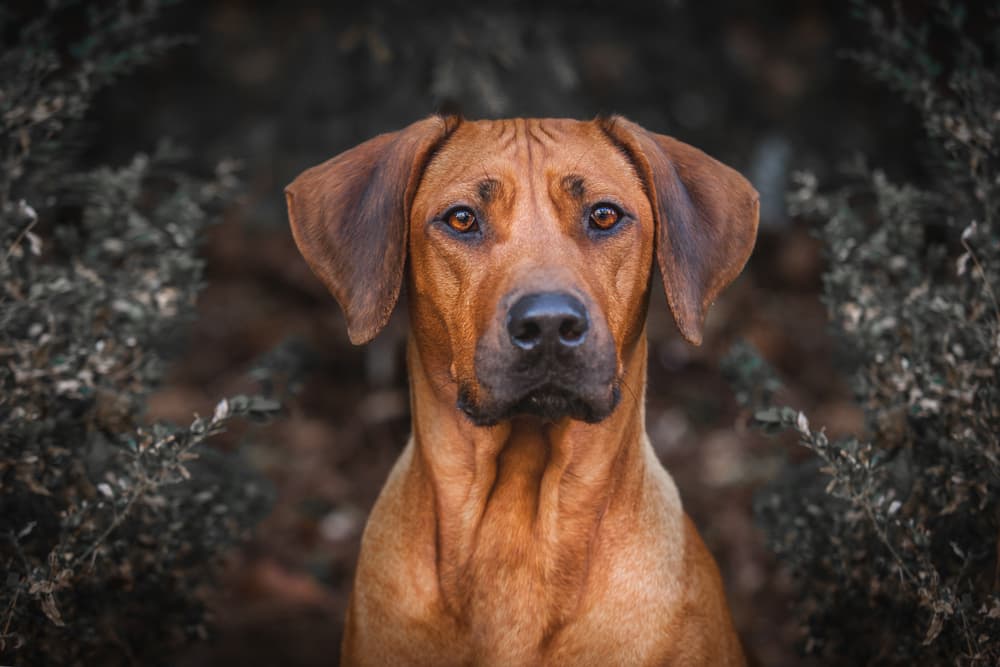
Rhodesian Ridgeback dogs are a powerful and athletic breed known for their distinctive ridge of hair along their back. Originally bred in South Africa for lion hunting, Rhodesian Ridgebacks have a rich and storied breeding history. They were developed by crossing various breeds, including European hunting dogs and native South African dogs, to create a versatile and courageous hunting companion. Despite their hunting origins, modern Ridgebacks are cherished family pets known for their gentle and affectionate temperament.
Due to their hunting background, Ridgebacks are an active breed that requires regular exercise to keep them physically and mentally stimulated. They thrive with daily walks, playtime, and opportunities for running off-leash in a secure environment. Ridgebacks have a short coat that is relatively low maintenance, and they require a high-quality, balanced diet that helps maintain their weight.
Africanis
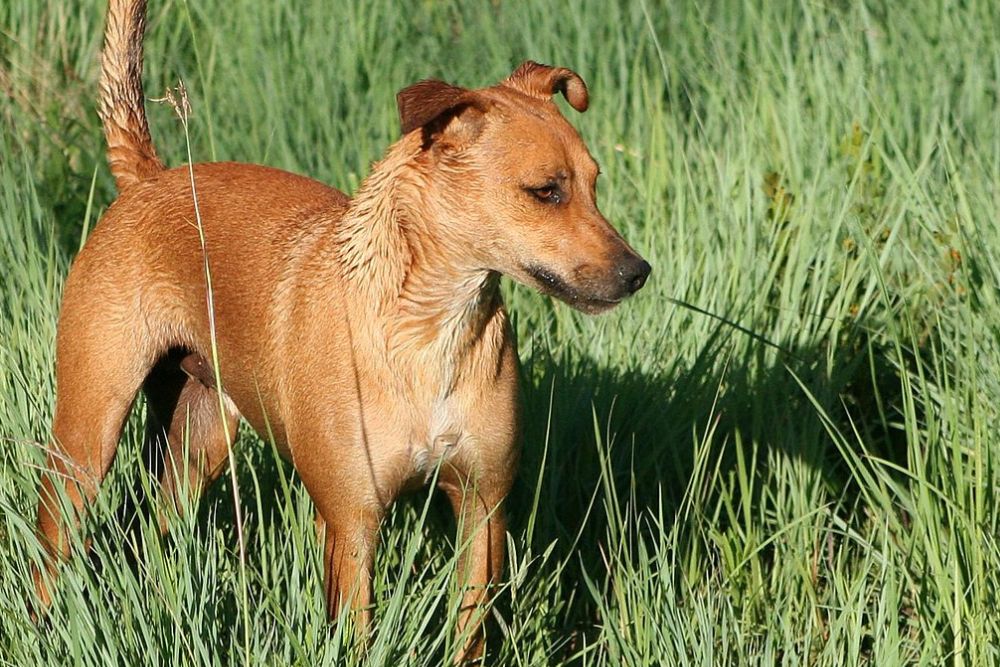
Africanis dogs are a type of dog breed indigenous to Africa, known for their natural adaptability, resilience, and independence. Africanis dogs originated as street and village dogs found throughout the African continent, where they evolved as a result of natural selection and interbreeding between indigenous dogs and European breeds. Today, they are recognized as a distinctive breed in South Africa and are becoming increasingly popular as both pets and working dogs for their versatility, agility, and loyalty.
Africanis dogs are known for their social, loyal, and affectionate disposition. They are intelligent and adaptable, able to adjust to changing environments and situations with ease. Despite their independent streak, they are very trainable and bond strongly with their owners. Africanis dogs need regular exercise to stay healthy and happy. They require minimal maintenance, and their short coats do not require special attention. Africanis dogs require a nutritionally balanced diet that meets their individual needs, as obesity can be a concern.
Basenji
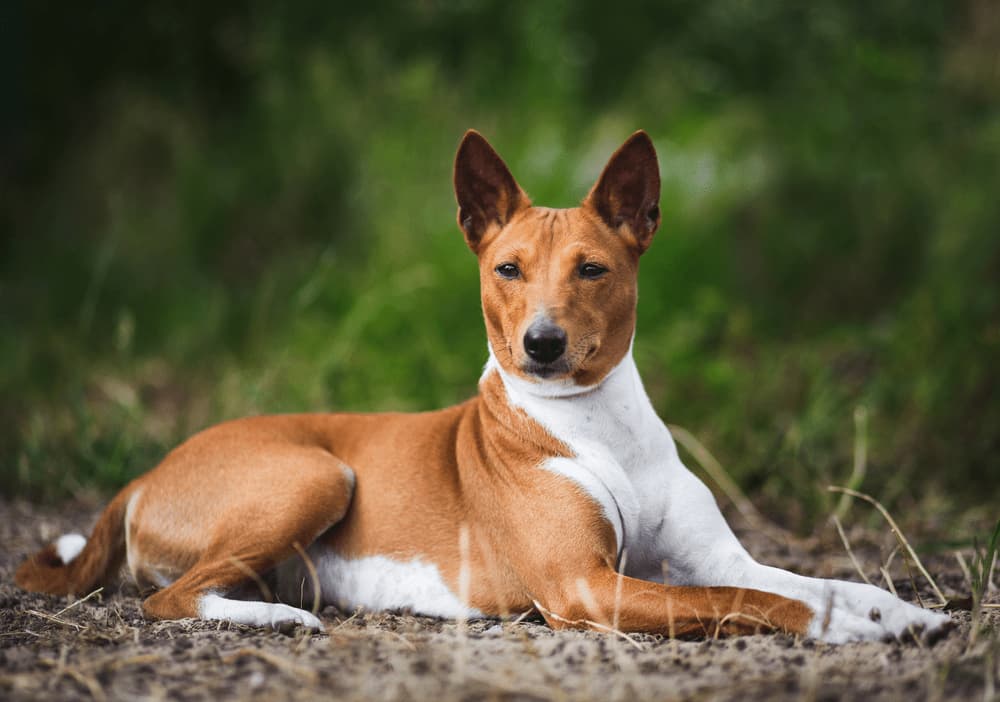
Originating from Central Africa, Basenjis are one of the oldest dog breeds, with a rich breeding history dating back thousands of years. They were highly regarded by ancient civilizations as hunting dogs, particularly known for their exceptional tracking skills and ability to flush out small game. Today, they are beloved companions known for their intelligence, curiosity, and independent nature.
“The Basenji is often called the barkless dog due to its unique yodel-like sound, known as a barroo,” says Dr. Kong. Basenji dogs have a reputation for being cat-like in their behavior, as they are known to groom themselves and even climb on furniture. As self-groomers, they are known for their cleanliness and lack of dog smell. They are alert, energetic, and can be reserved with strangers, but form strong bonds with their family. They are often described as both loyal and reserved, possessing a sense of self-reliance and an independent streak. Basenjis are a high-energy breed that benefit from daily walks, playtime, and opportunities to run in safe, enclosed areas.
Aidi
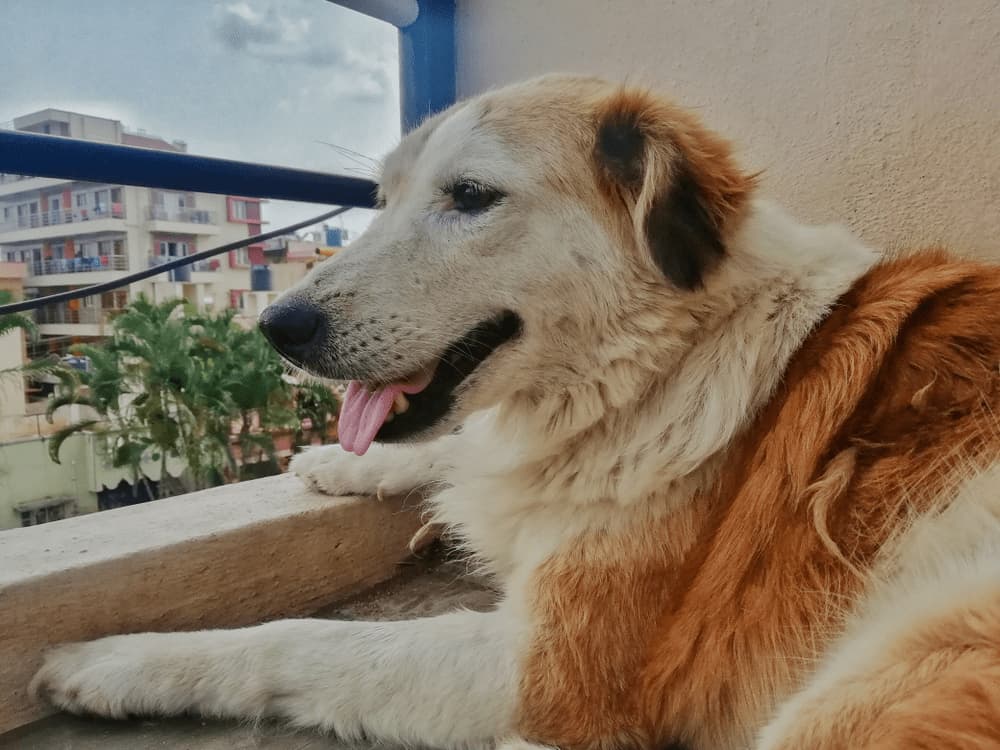
The Aidi, also known as the Moroccan Atlas Shepherd Dog, originates from the Atlas Mountains of Morocco. Aidi dogs have a long breeding history and were traditionally used by the Berber tribes as herding and guarding dogs. They are known for their strong protective instincts and loyalty towards their families. Aidi dogs are alert, confident, and courageous, making them excellent guard dogs. They are typically reserved and standoffish with strangers but bond deeply with their owners.
Aidi dogs are loyal and protective companions that require an active lifestyle and regular grooming. They enjoy long walks, hikes, and engaging in interactive play sessions. Aidi dogs have a dense double coat that needs regular brushing to prevent matting and to keep their fur in good condition. They shed seasonally, and during that time, more frequent brushing may be necessary to manage the shedding.
Saluki
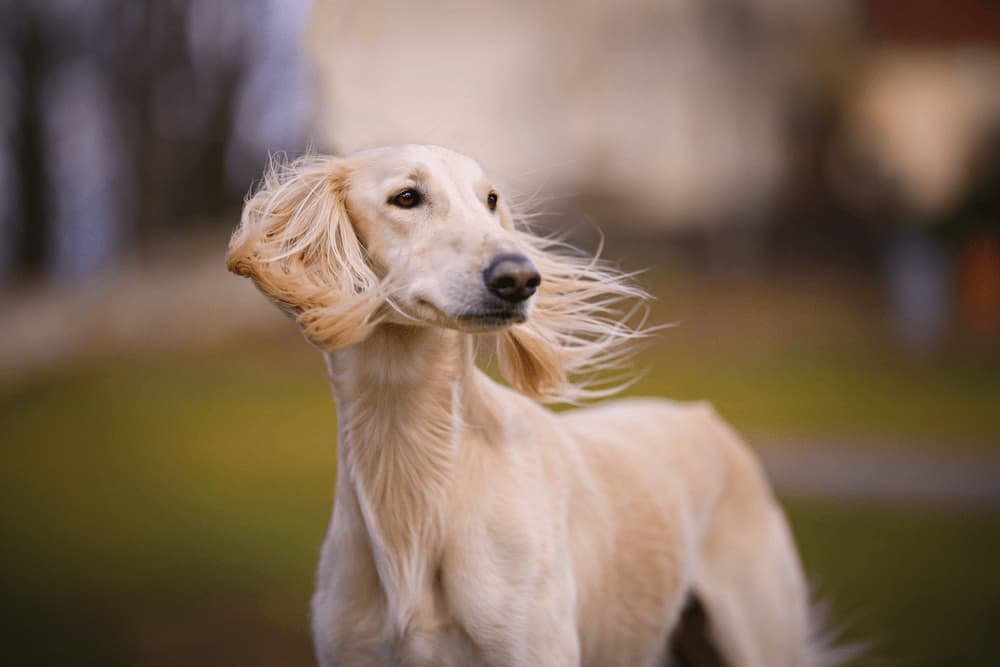
Salukis have a long and rich breeding history, dating back thousands of years in the Middle East. They were treasured by ancient civilizations such as the Egyptians and Persians, who considered them to be noble and sacred dogs. Salukis were primarily used for hunting game in the desert, showcasing their incredible speed, endurance, and agility. Salukis are gentle, sensitive, and have a calm and reserved nature. Often described as independent and aloof, they may be cool with strangers but are typically devoted to their families.
Salukis have a strong hunting instinct, and caution should be taken when keeping them around small animals due to their prey drive. Exercise is crucial for Salukis as they are bred for speed and endurance. They enjoy regular opportunities to stretch their legs in a safe and securely fenced area. Their short, smooth coat requires minimal brushing to remove loose hair and prevent matting. Salukis are generally clean dogs and have little to no dog odor.
Armant
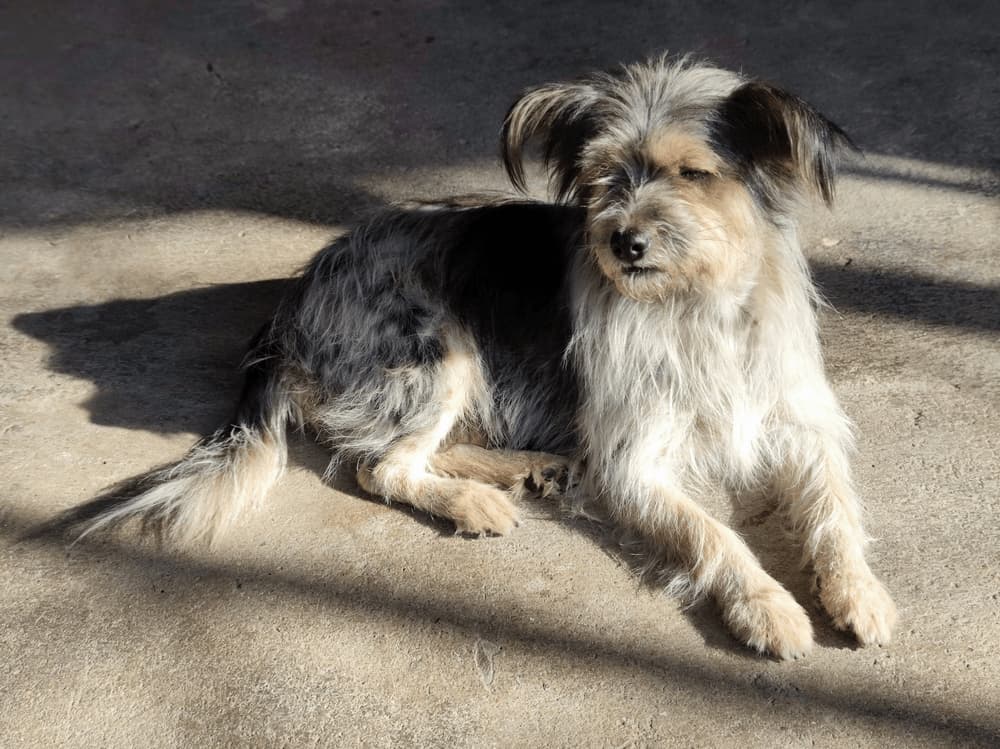
Armant dogs, also known as Egyptian Sheepdogs or Egyptian Greyhounds, have a long history in Egypt, believed to be one of the oldest indigenous breeds of the region. They were primarily used as herding dogs and guardians of livestock. In ancient times, they were highly valued for their intelligence, loyalty, and versatility in various working roles.
Armant dogs are known today for their affection towards their families. They are typically gentle, friendly, and tolerant, making them great companions. They have a strong protective instinct and can be somewhat unfriendly with strangers. Armant dogs have high energy levels and require daily walks, playtime, and opportunities to run in a secure and enclosed space. Armant coats are relatively low maintenance and require regular brushing to keep clean and remove loose hairs.
Coton de Tulear
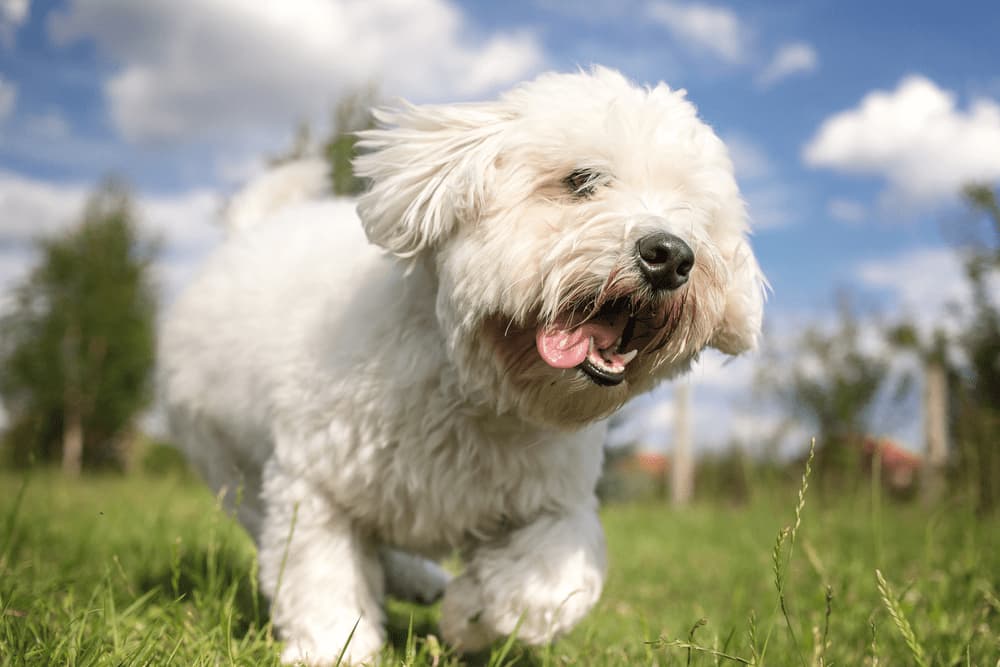
Coton de Tulear dogs are named after the city of Tulear in Madagascar, where they were originally bred. They were favored by the royal families and nobility of Madagascar as loving companions. These dogs were treasured for their friendly and sociable nature. Coton de Tulears are affectionate, playful, and highly sociable. They enjoy being part of the family and are known for their happy and clownish personalities. They are typically great with children and get along well with other pets, making them excellent family dogs.
Coton de Tulears are recognized for their adaptability to different environments and are often described as highly trainable. They enjoy daily walks and playtime but do not require intense or vigorous exercise. Grooming is an important aspect of caring for Coton de Tulear dogs due to their unique coat. They require regular brushing to prevent matting and tangling of their hair. Regular bathing is also necessary to keep their white coat clean and free from staining. One of the most popular originating from Africa dog breeds, Coton de Tulear dogs can bring joy and laughter to their families with their happy and affectionate nature.
Azawakh
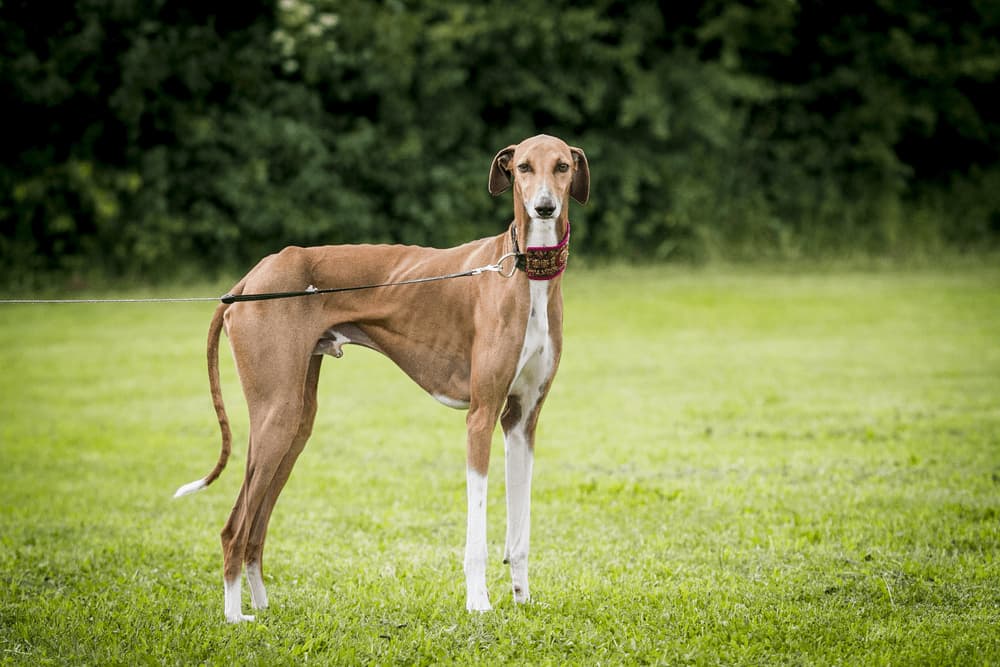
Azawakh dogs originated in West Africa, specifically in the Sahara and Sahel regions, where they were primarily bred for hunting purposes. They were valued for their speed, stamina, and courage, excelling in tracking and coursing game such as hares, gazelles, and antelopes. Azawakh are known for being independent, reserved, and somewhat distant. They are loyal to their families but may be wary of strangers.
Azawakh dogs also have a strong prey drive and should be kept in a securely fenced area. Exercise is essential for Azawakh dogs as they are sighthounds bred for speed and agility. Grooming for Azawakh dogs is relatively low maintenance as their short coat requires minimal brushing to remove loose hair and dirt.
Sloughi
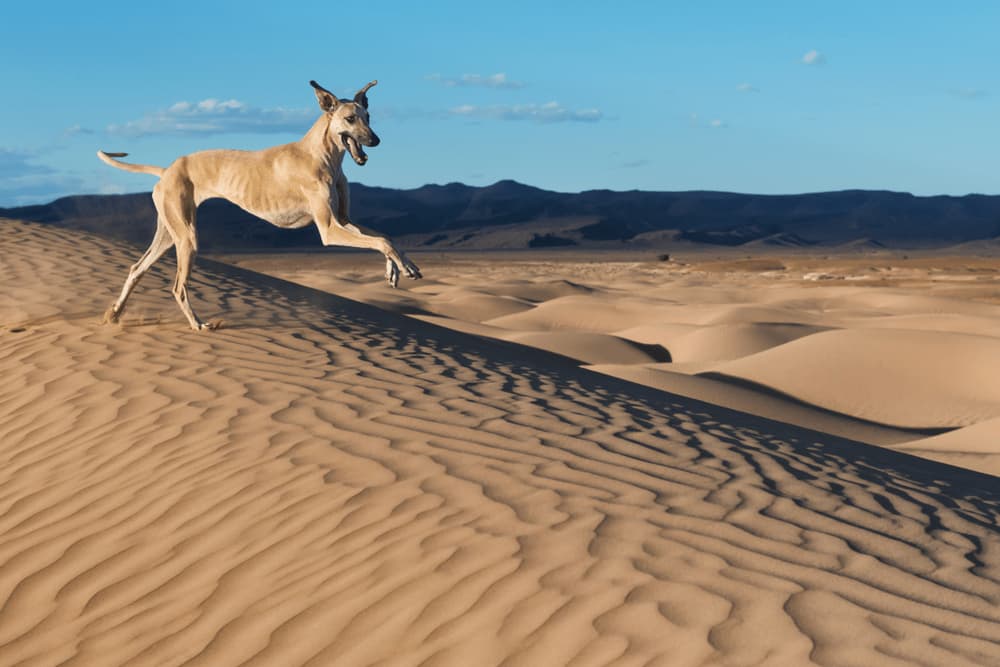
Sloughi dogs are a breed with ancient origins, hailing from Morocco. They have a long history as prized hunting companions, known for their speed, agility, and endurance. Sloughis were highly valued by nomadic tribes for their ability to track down and capture game such as desert hares, gazelles, or foxes.
Sloughis are known for their reserved and dignified nature. They are generally gentle and affectionate, forming strong bonds with their loved ones. Activity is essential for Sloughis as they are sighthounds bred for speed and endurance. Off-leash exercise in an enclosed space is ideal for them to fully utilize their athletic abilities. Sloughi coats require minimal brushing to remove loose hair and maintain their sleek appearance.
African Dog Breed Care Tips
Before taking on the responsibility of an African dog breed, there are several factors to consider. African dogs may require a high-quality, nutrient-rich diet to support their energy levels and overall health. Their living space should be suitable for the size and activity level of the dog. African dogs tend to be medium to large in size, so ample space to move around and play is essential. They may not be suitable for small apartments or homes with limited outdoor areas.
Exercise is another important consideration. African dogs are typically active and energetic, requiring regular exercise to keep them physically and mentally stimulated. They may benefit from daily walks, runs, or other activities that cater to their high energy levels. Additionally, African dog pet parents should be prepared for the time and effort required for training and socialization. Consistency and patience are key when working with these intelligent and independent dogs.
Taking all these factors into consideration will ensure that you can meet the needs of an African dog breed and provide them with a loving and suitable home.
African Dog Breed Training Tips
Training African dog breeds can be a rewarding experience. These dogs are highly intelligent, independent, and can have a strong prey drive. When training African dogs, it is important to establish clear boundaries and consistent rules from a young age.
Positive reinforcement methods work best with these intelligent dogs, providing treats, praise, and rewards for desired behaviors.
Due to their independent nature, African dog breeds may require patient and persistent training efforts. Socialization is crucial, exposing them to various environments, people, and other animals to help them become well-rounded and confident.
Regular mental stimulation and challenging activities like scent work or agility training can help channel their energy and keep them engaged. With proper training and socialization, African dog breeds will become well-behaved and loyal companions.
12 Dogs With Long Ears
- 2023-12-14T15:23:22
- Jodi Helmer
Dog ears, no matter their shape or size, are undeniably adorable, but there’s something about a dog with long ears that really turns heads. Maybe it’s the way they sway to and fro, or the “flap, flap, flap” sound they make with the shake of the head, but either way, long ears on dogs create a serious cuteness factor.
Long ears aren’t just adorable, however; they also serve an important purpose. Long ears that touch the ground help stir up a lot of different smells, making it easier for dogs to follow a scent. In fact, it’s the reason that tracking breeds like Bloodhounds, Beagles, and Dachshunds all have long ears.
Read on to discover some of the best dog breeds with floppy ears.
12 Dog Breeds With Long Ears
Love dogs with long, floppy ears? These 12 breeds fit the bill.
Afghan Hound
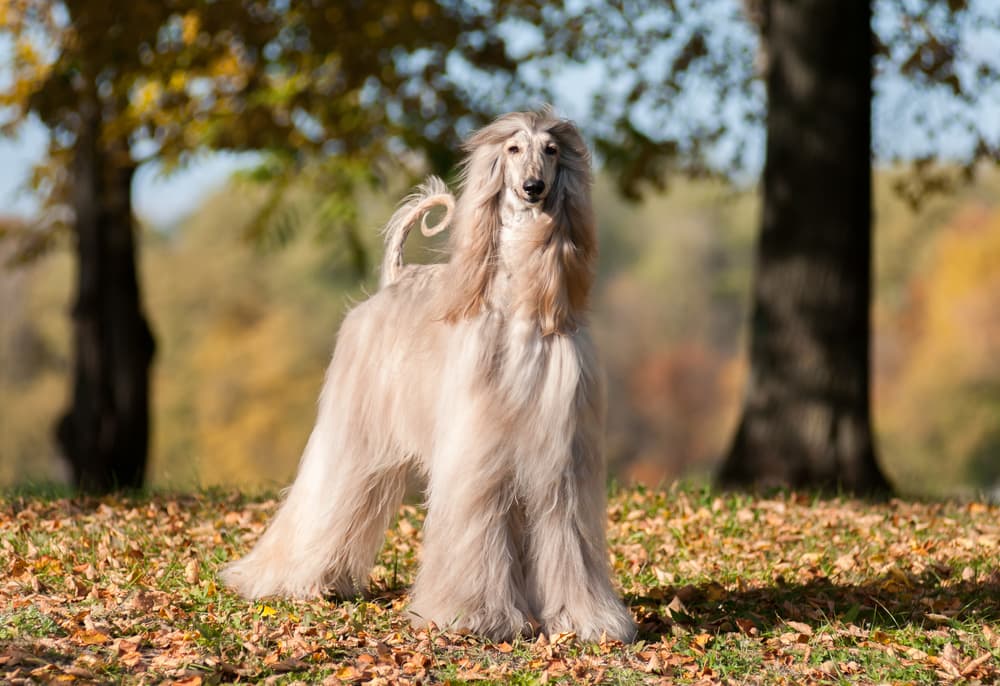
Equal parts affectionate and athletic, these sighthounds were bred to hunt, making them skilled at running and jumping in pursuit of their prey. Afghan Hounds weigh up to 60 pounds, and their looks (including their long ears) definitely turn heads.
“Afghans have thick, silky, flowing coats that may look glamorous but [were also] practical, as [they] served as protection from the harsh climate in the mountainous regions where Afghans originated,” explains Jerry Klein, DVM, chief veterinary officer for the American Kennel Club.
Although their coats require regular grooming to keep them tangle- and mat-free, Afghan Hounds have the distinction of being both long-haired and low dander, making them a good choice for pet parents with allergies.
Basset Hound
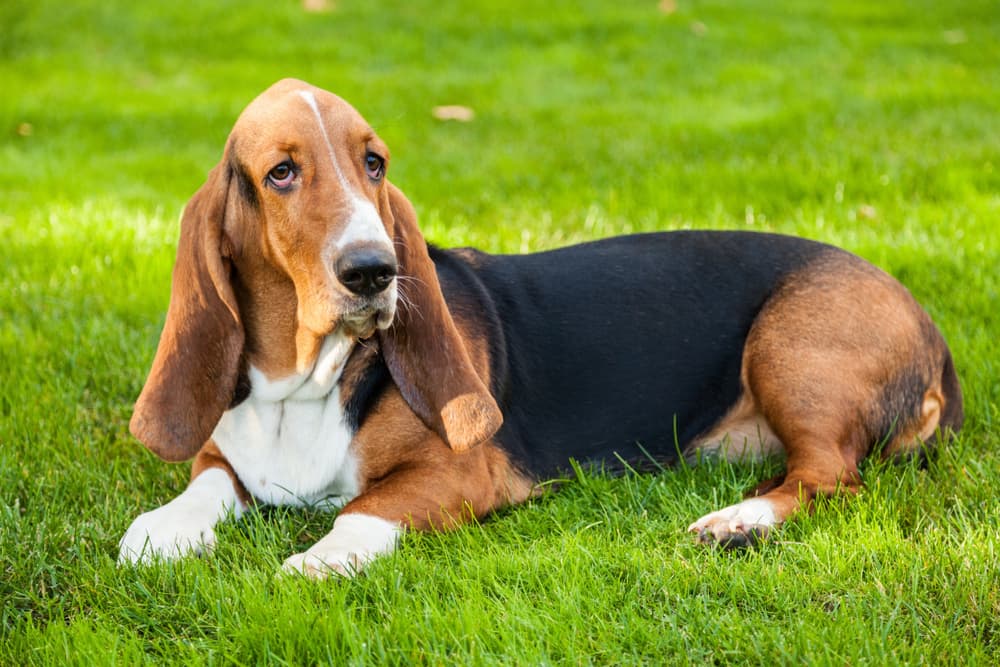
With their long ears and lumbering gait, Basset Hounds are among the most “awww” inspiring breeds. The low-riders were bred to track scents over rough terrain but have become a breed more apt to follow their owners to the couch. Dr. Klein likens their appearance to “a sad clown with long, velvety ears, mournful eyes, and a wrinkled brow.”
Basset Hounds have short coats but are known for profuse shedding, so be sure to break out the brush and indulge them in regular grooming sessions to remove excess hair. In exchange for attention, affection, and lots of pampering, Basset Hounds will be your best buddies. “Basset Hounds can be stubborn,” Dr. Klein notes, “but make for loyal and agreeable companions.”
Beagle
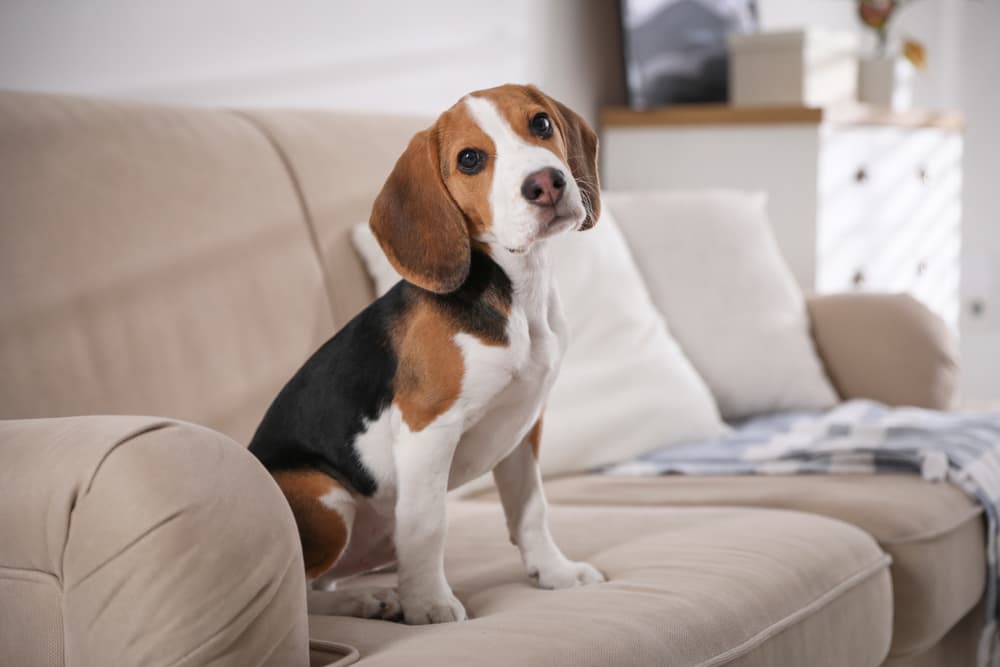
The compact hunting dogs are equal parts a working breed and amiable companion. Beagles are outgoing, smart, curious, and athletic, and pet parents must devote time to exercise and training to ensure the dogs receive enough physical and mental stimulation.
In addition to their floppy ears, Beagles are known for their white coat that may have patches of brown, tan, or lemon, as well as the white tip of their tail (which indicates that they are purebred).
Their hunting instincts remain strong, so secure fencing that prevents Beagles from climbing over or tunneling under to follow their noses is a must. Thanks to their strong work ethic and serious smarts, Beagles excel in agility, tracking and other dog sports.
Black and Tan Coonhound
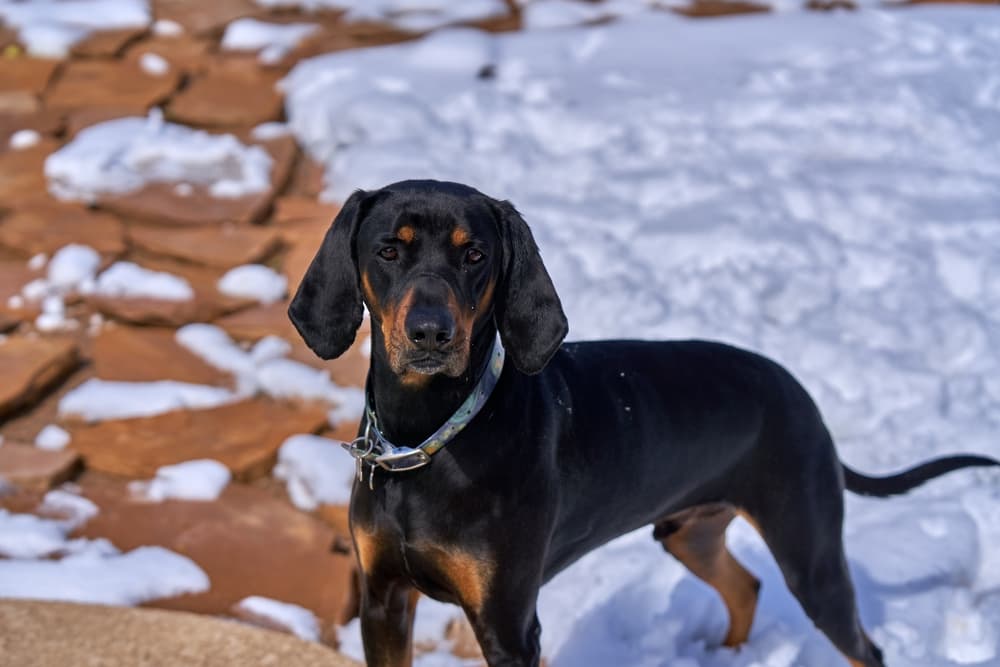
Like other hound dog breeds, the Black and Tan Coonhound excels at following their noses. The breed originated on the American frontier, where it helped the earliest settlers hunt raccoons for meat and fur.
These long-eared pups are still a prized hunting breed, but their social natures and easygoing personalities make them favorite companions for active pet parents.
Black and Tan Coonhounds are large dogs who can weigh more than 100 pounds. They have an independent streak and a desire to follow their noses, which can make them stubborn.
Bloodhound
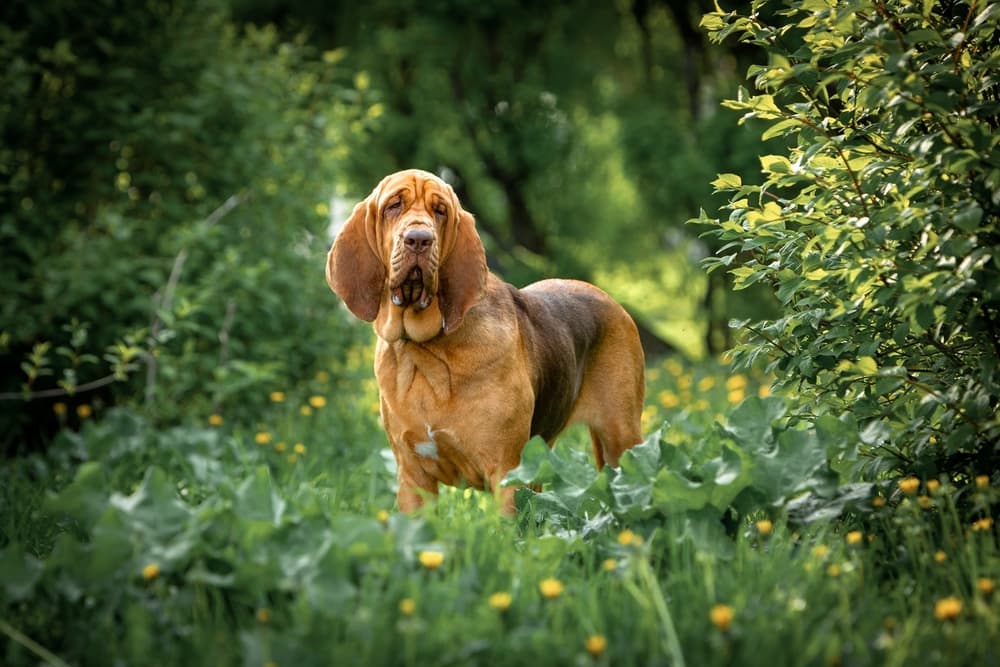
The breed might be best known for their unique appearance, but there is more to a Bloodhound than drooping ears and a wrinkled face.
Bloodhounds are intense, focused, skilled working dogs that excel in search and rescue missions, thanks to their abilities to trace scents over vast and difficult terrain. They also need lots of exercise and training to keep their stubborn tendencies in check.
Cavalier King Charles Spaniel
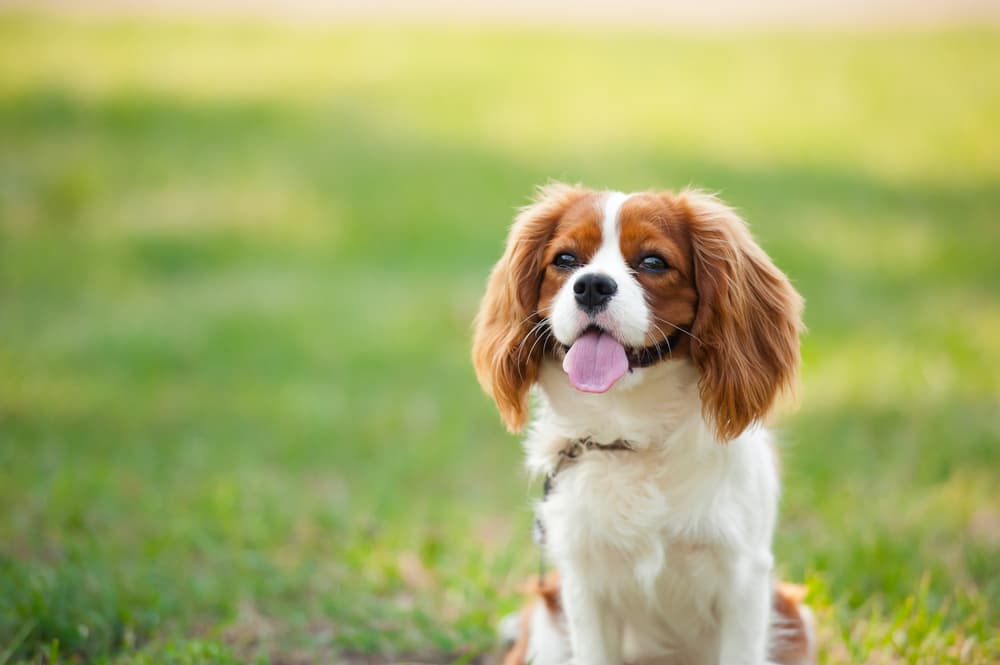
Named for the British monarchs who fancied the black and tan Toy Spaniels, the Cavalier King Charles Spaniel is small enough to be a lap dog and athletic enough to keep up with other sporting breeds. Dr. Klein calls the breed “the best of two worlds.”
“Cavaliers are adaptable and do equally well with active owners and homebodies,” he adds.
Cavalier King Charles Spaniels come in four color patterns: white with chestnut markings, white with black markings, black and tan, and ruby. Their medium-length silky coats require regular brushing, but the effort is worth it to keep your Cavalier looking their best. Plus, their wavy-haired, floppy ears are just too cute!
Cocker Spaniel
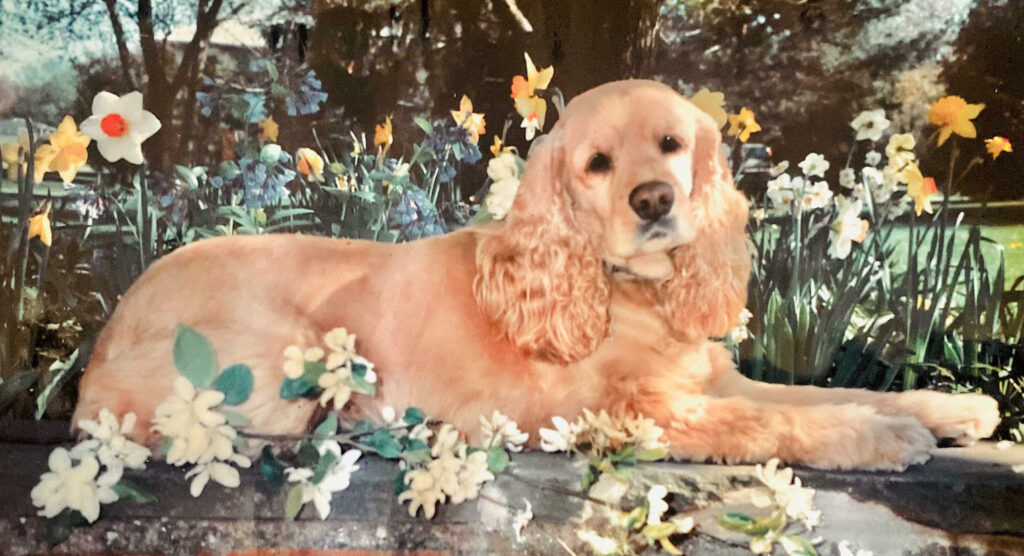
With a temperament that Dr. Klein describes as “gentle, happy, and smart,” it’s no surprise that the Cocker Spaniel is hailed as one of the best-loved breeds in the world.
“The word often used to describe Cocker Spaniels is ‘merry,’” Dr. Klein says. “They are great companions with loving personalities.”
Cocker Spaniels are among the smallest sporting spaniel breeds, standing fewer than 15 inches and weighing less than 30 pounds. The dogs come in multiple colors and markings, including black, black and tan, buff, red, buff and white, and brown and tan, but their long ears and medium-length (sometimes wavy) coats are part of their classic appearance.
Dachshund
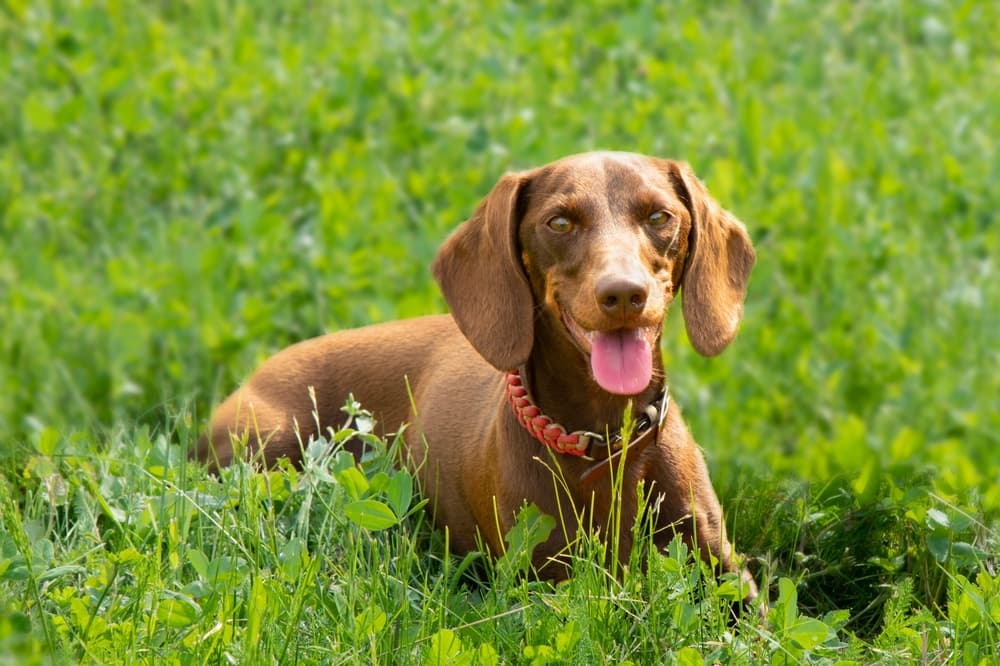
With short legs, long bodies, and drooping ears, Dachshunds are among the most recognizable dog breeds. The “low riders” were bred to dig into badger burrows in pursuit of the fierce little weasels.
Dachshunds are small dogs with long ears. The breed comes in two sizes (standard and miniature) and three coat types (smooth, wirehaired, or longhaired). Regardless of their appearances, Dachshunds are curious and stubborn and known for being tireless barkers who love to listen to the sound of their own voices.
Great Dane
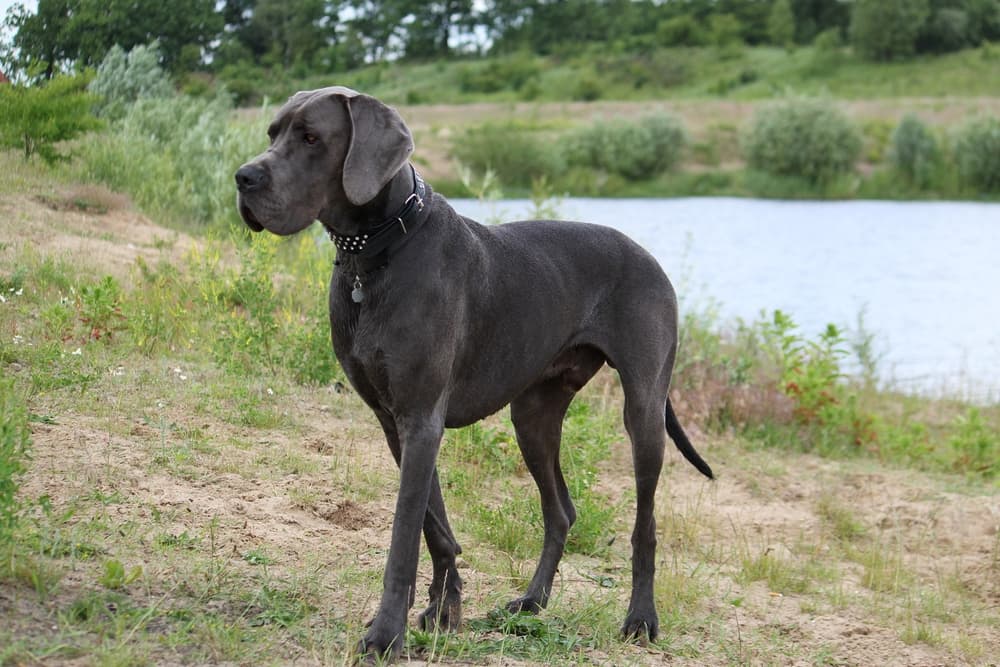
The large breed stands up to 32 inches tall and can tip the scales at 175 pounds, but Great Danes are true gentle giants (with large, floppy ears to match!). They are outgoing, playful, affectionate, and eager to earn lap dog status.
In addition to being laid back and sweet, Great Danes also make great guardians due to their protective nature and desire to watch over their families…plus, their imposing size and big bark help them seem fierce.
Great Danes come in several colors and patterns, including black, brindle, fawn, harlequin, and merle; their short, smooth coats are low maintenance, but regular brushing can help remove excess hair.
Irish Setter
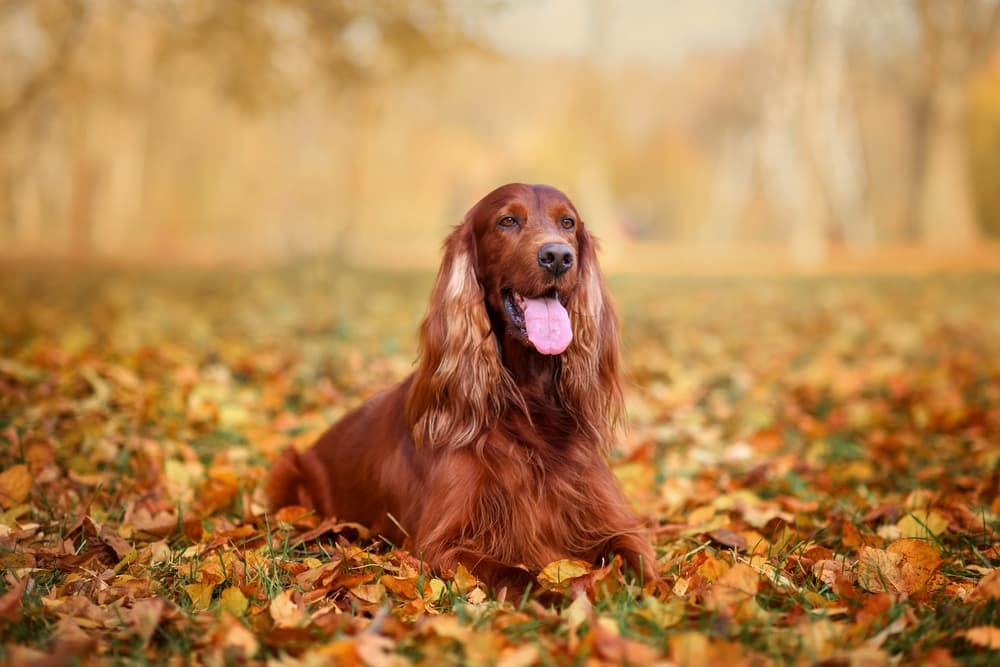
It’s hard to imagine a more skilled hunting dog than the floppy-eared Irish Setter. The dogs work alongside hunters, moving across vast terrain, sniffing out birds, and “setting” down on their bellies to alert hunters that their target is near. Pet parents need to provide lots of exercise and mental stimulation to keep Irish Setters happy.
Irish Setters are attractive, athletic dogs with long, fine hair in shades of chestnut, mahogany, and red. Their sweet personalities make them excellent companions who enjoy meeting strangers, tagging along on outings, or hanging out at home with children and other dogs.
Poodle
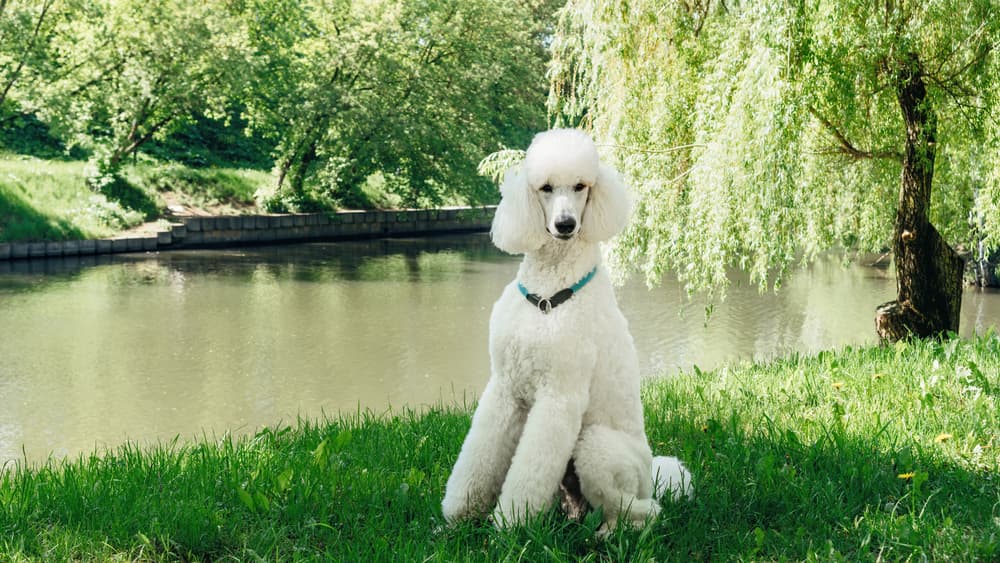
Whether their curly, coarse coats are black, white, or apricot and styled in a puppy cut, sporting clip, or teddy bear cut, Poodles have an unmistakable look.
Poodles are the aristocrats of the dog world and hold the distinction of being the National Dog of France. Standard, miniature, and toy poodles all have muscular bodies, square builds, and long ears; their coats require regular grooming, and keeping them clipped in a short or distinctive cut requires the help of a pro. Despite the effort, the hypoallergenic breed has a lot of fans thanks to their superior intelligence and athleticism (not to mention their pedigreed good looks).
Weimaraner
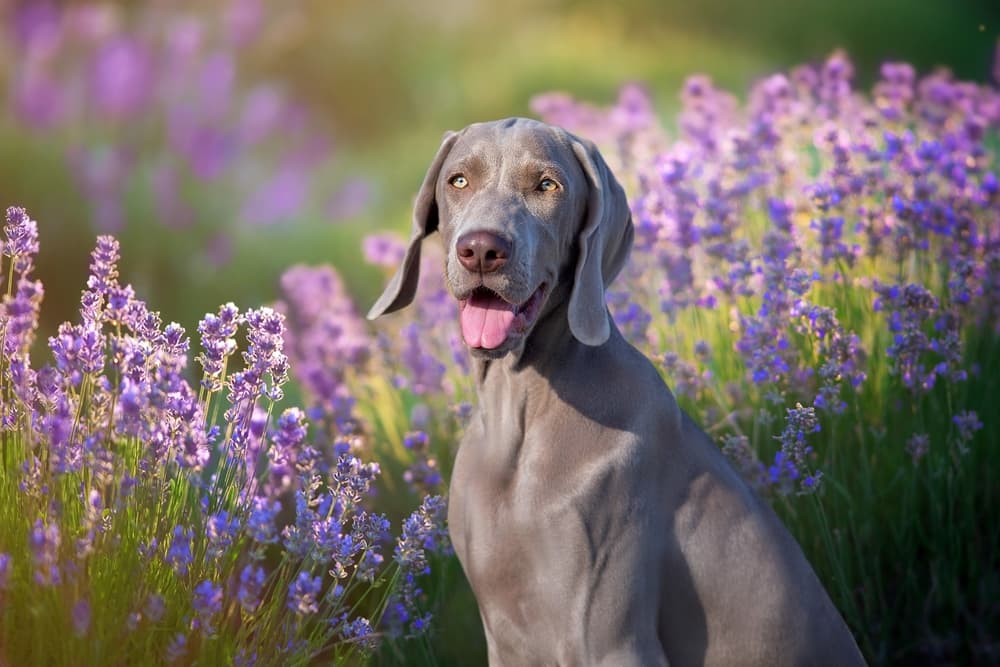
The large breed dogs might be best known for their long ears and distinctive silver-colored coats, but it wasn’t their coloring that made the Weimaraner popular. This breed, which dates back to the 1800s, was developed as a big game hunter that took down bears and mountain lions during hunting expeditions with noblemen.
The Weimaraner remains a fearless hunting dog, but traits like playfulness, adaptability, and trainability have made them beloved companions who are affectionate with their families and great with kids.
Caring for Dogs With Long Ears
It’s hard to resist the adorable appearance of a long-eared dog, but it’s important to note that some can require extra care.
Long-eared dogs like the Basset Hound, Beagle, and Poodle are more prone to ear infections than other breeds. [1] Ear infections are painful (not to mention smelly) and can cause serious damage if they aren’t treated.
To reduce the risk of infection, Dr. Klein advises thoroughly drying your dog’s ears after bathing or swimming and paying special attention if your dog is shaking their head more often, which could be a sign of pain or irritation.
“The most basic recommendation I give to all owners of dogs, but especially for owners of dogs with long ears, is to look at them on a regular basis,” he says. “Their ears should not be extremely red or irritated and should not have any discharge; ears should smell fresh, not fetid or musty.”
You should also be on the lookout for other abnormalities such as a swollen ear flap, which could indicate an aural hematoma or collection of blood – similar to a blood blister – that can affect the ear. In long-haired dogs, brush the hair on their ears to prevent painful matting.
If you notice any ear-related symptoms in your long-eared dog, make an appointment with your veterinarian.
References
- “Now listen ear: New RVC research reveals the dog breeds most affected by ear infections.” Royal Veterinary College. (2021, September) Retrieved from: https://www.rvc.ac.uk/vetcompass/news/now-listen-ear-new-rvc-research-reveals-the-dog-breeds-most-affected-by-ear-infections
10 Low Energy Dog Breeds to Relax With
- 2023-12-11T14:49:43
- Jodi Helmer
You’ve seen them at the dog park, on walks, and racing through the aisles at the pet store: dogs who want to be on the go all the time. Watching them is exhausting, and it probably makes you wonder if there are any dogs out there with a little less energy.
While all dogs need exercise and enrichment to thrive, some low energy dog breeds are content with a short walk around the block, followed by a puzzle feeder (plus lots of quality snuggle time).
It’s important to consider energy levels when adopting a dog, according to Amanda Farah, National Training and Behavior Coordinator at Best Friends Animal Society.
“While energy levels vary throughout an individual dog’s life, or even among members of the same breed types, it’s a good idea to try to pick a dog who has the best chance of fitting into their new family’s lifestyle,” she explains.
10 Dog Breeds With Low Energy
Looking to adopt a dog that’s more of a couch potato than a dock-diving, ball-catching, endurance racer? Here are 10 of the best lower energy dog breeds.
Basset Hound
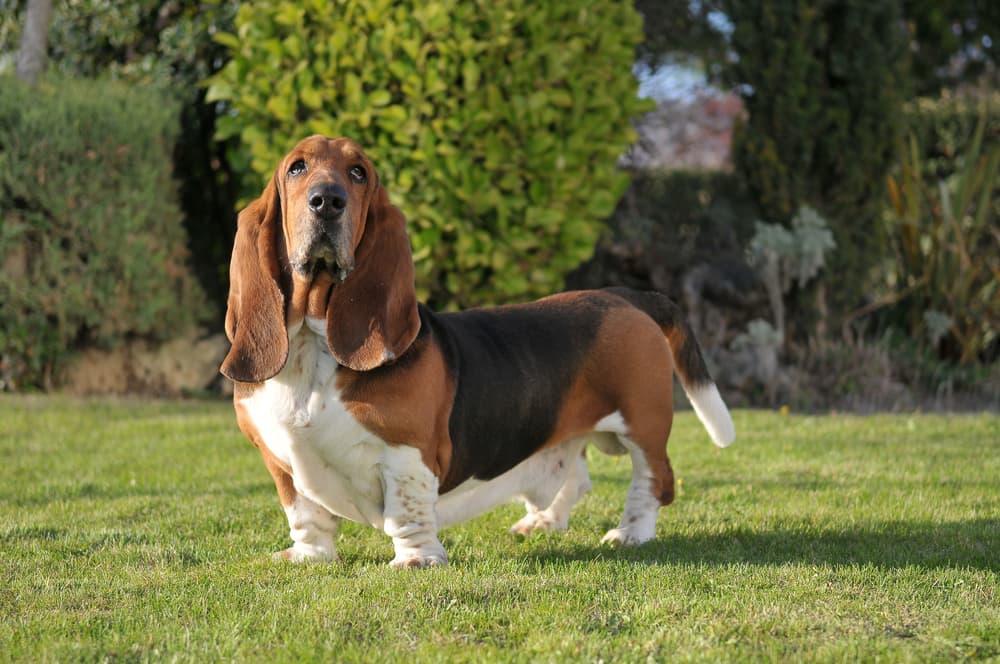
With their short legs and stout bodies, it’s no surprise that Basset Hounds aren’t natural athletes. This low energy dog breed will happily amble along on a short walk or sniff around the backyard, but their preferred activities include napping in soft beds, drooling, and howling. This breed also makes a great companion for children.
Bolognese
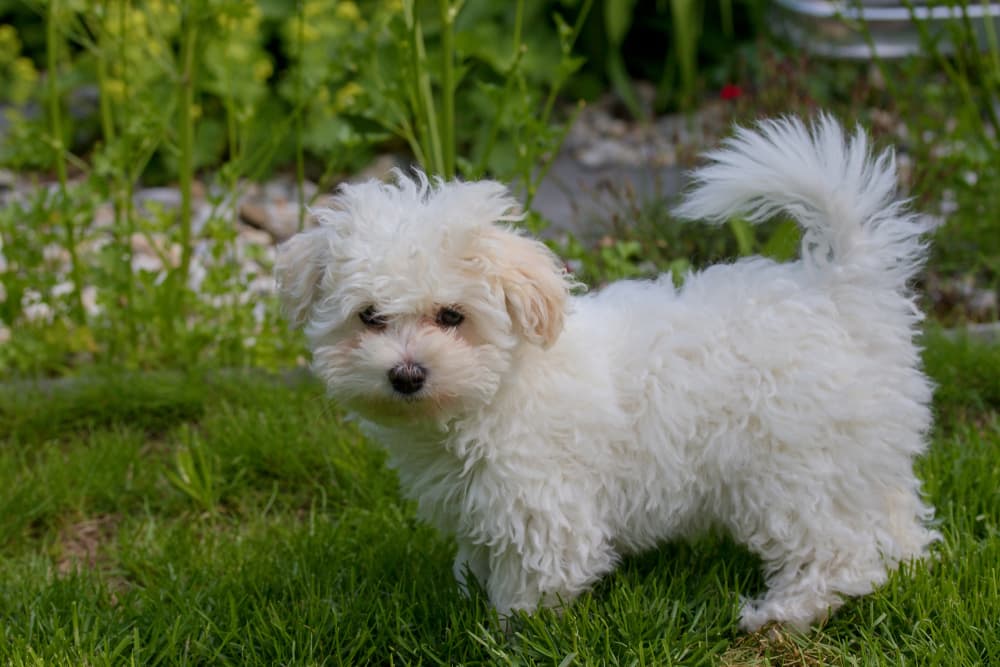
Named for the region of Bologna in Italy where the breed was developed, “Bolos” are equally gorgeous and gregarious. This dog is the epitome of a low energy breed that wants nothing more than a few short trips outside to take care of business, then a lot of time to lounge.
Their low-shedding coats also make Bolognese popular, though the coat does take regular upkeep, including professional grooming appointments, to help these fluffy white pooches maintain their good looks.
Mastiff
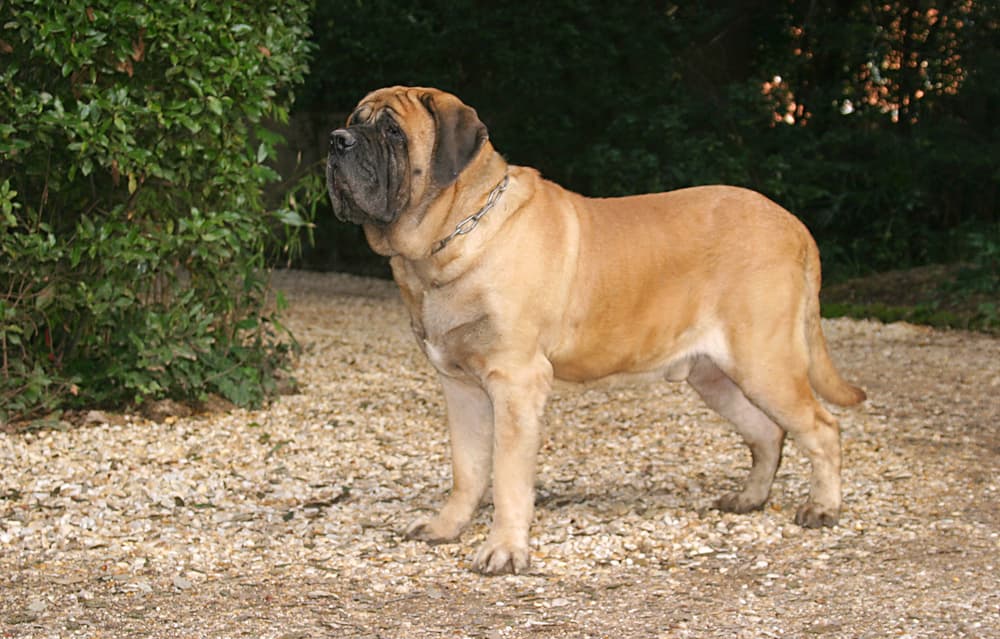
“Massive” is the best word to describe a Mastiff. Weighing in at 150 pounds, it’s one of the biggest low energy large dog breeds. Mastiffs were prized guard dogs during the Roman Empire and continue to retain their role as prized protectors with big barks.
“While Mastiffs’ exercise requirements aren’t great, their sheer space needs are,” says Farah. “No, you don’t need a huge house and yard, but your home will need wide open spaces for them to move around. Consistent socialization and training from the very start is critically important when your dog might overweigh you before their first birthday.”
When a Mastiff shakes their head, the thick folds of skin around their head and neck flap and drool flies, but it’s a small price to pay for their sweet, slobbery affection.
French Bulldog
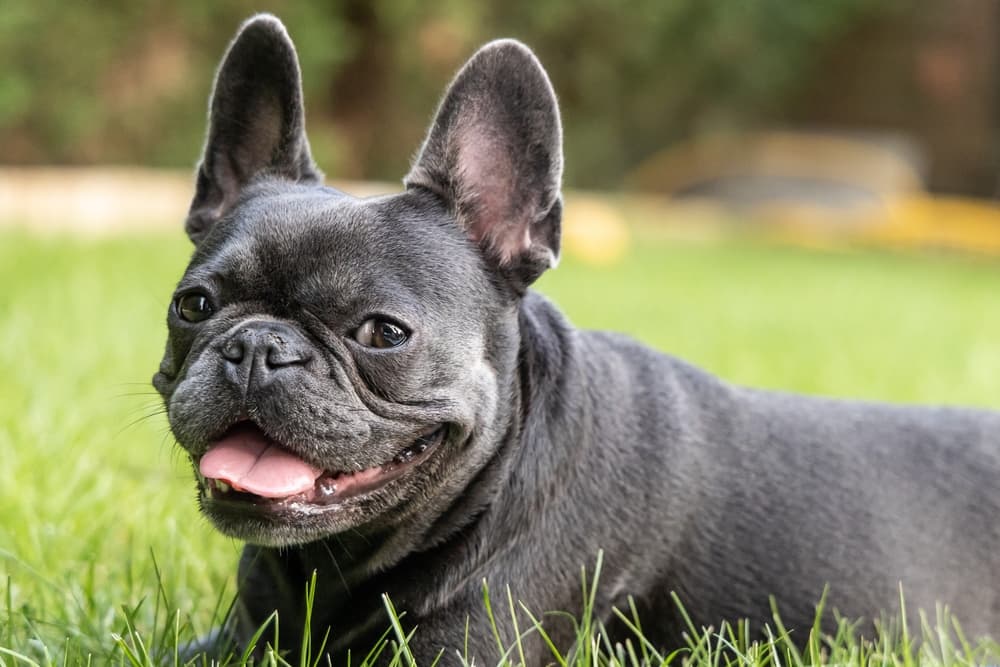
Looking for a lower energy dog breed with European heritage? Say “bonjour” to the French Bulldog.
Frenchies are adaptable, affectionate, and even-tempered. Their thick body and short legs mean that they prefer short walks and aren’t usually great swimmers, but their social nature makes them well-suited to tagging along for brunch on a patio or a picnic in the park.
Great Pyrenees
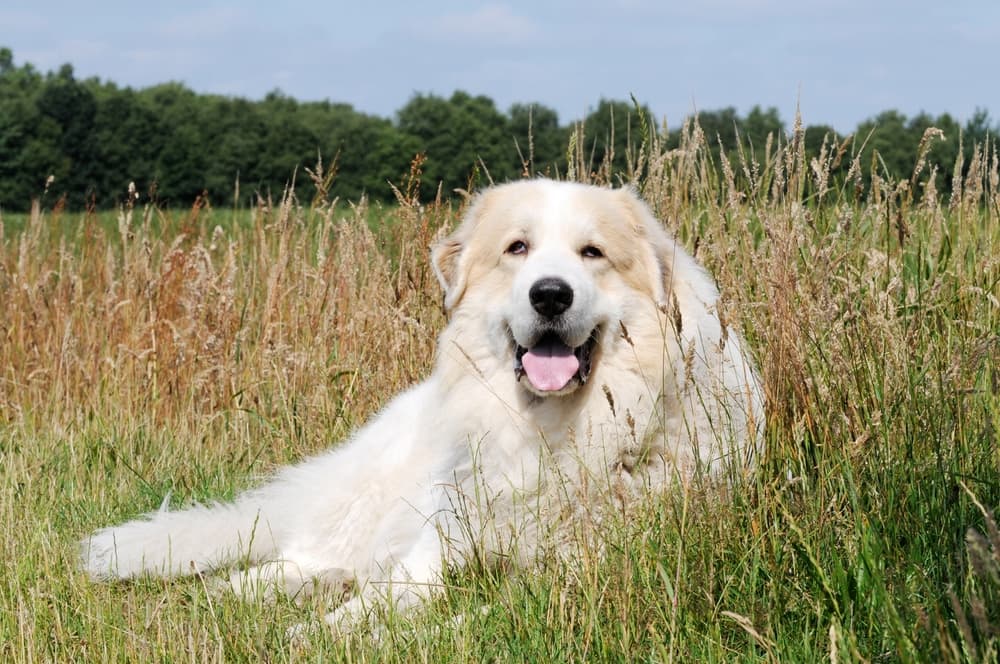
Although Great Pyrenees love having room to roam and have been invaluable as herding dogs and livestock guardians since 1800 B.C., they make a calm companion.
But don’t mistake this large breed’s laid-back nature for laziness. While Great Pyrenees need exercise and lots of mental stimulation, they will happily settle in for a night of British crime dramas after a good walk or romp in the park.
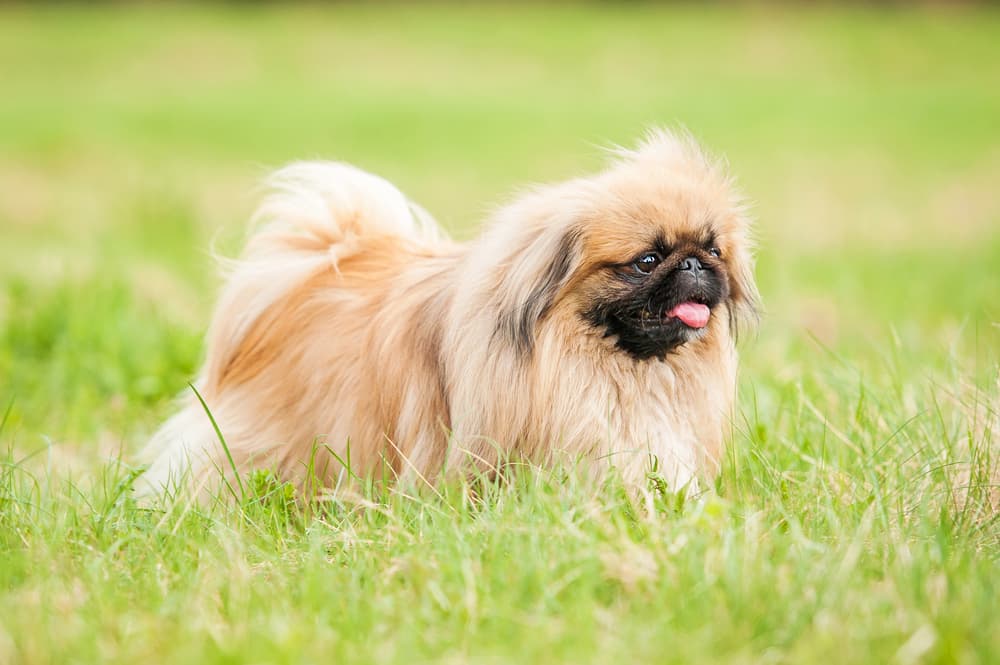
Pekingese
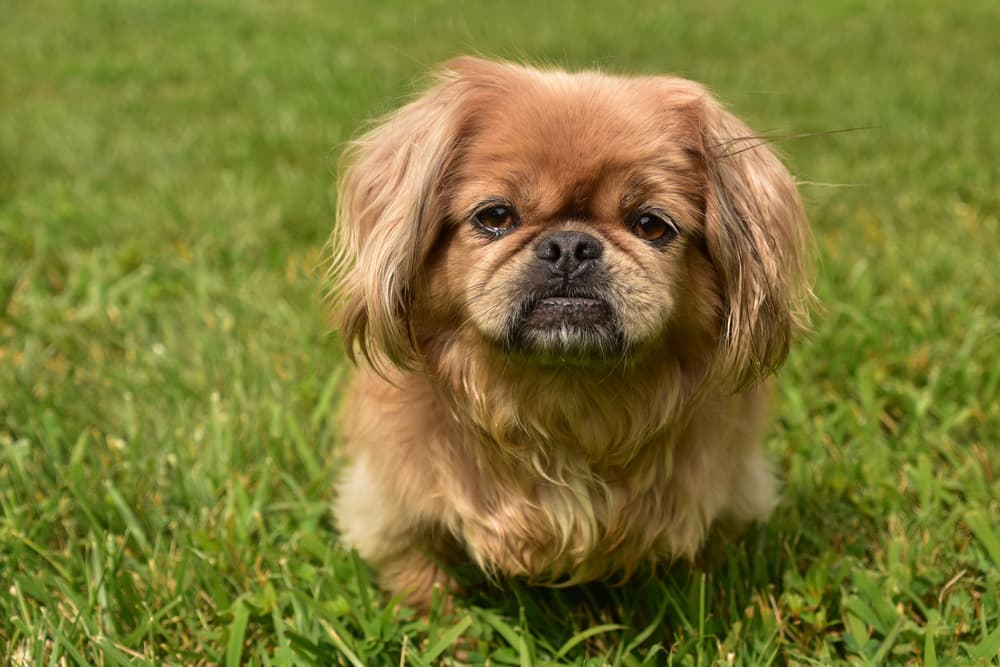
Once the pampered lap dogs of Chinese nobles, Pekingese have retained their regal bearing and place as spoiled companions, but these 14-pound pooches are more than just cuddle companions.
“Pekinese are both highly intelligent and not very trainable — not as unusual a combination as you may think, and sometimes very frustrating,” says Farah. “Using exclusively positive reinforcement training methods can help overcome that independent streak and convince a Peke that we have lessons worth learning.”
Pekingese are smart and confident, and despite their small size, they make good watch dogs. These dogs won’t patrol the perimeter, though; they are much happier watching for strangers while seated comfortably on the couch.
Great Dane
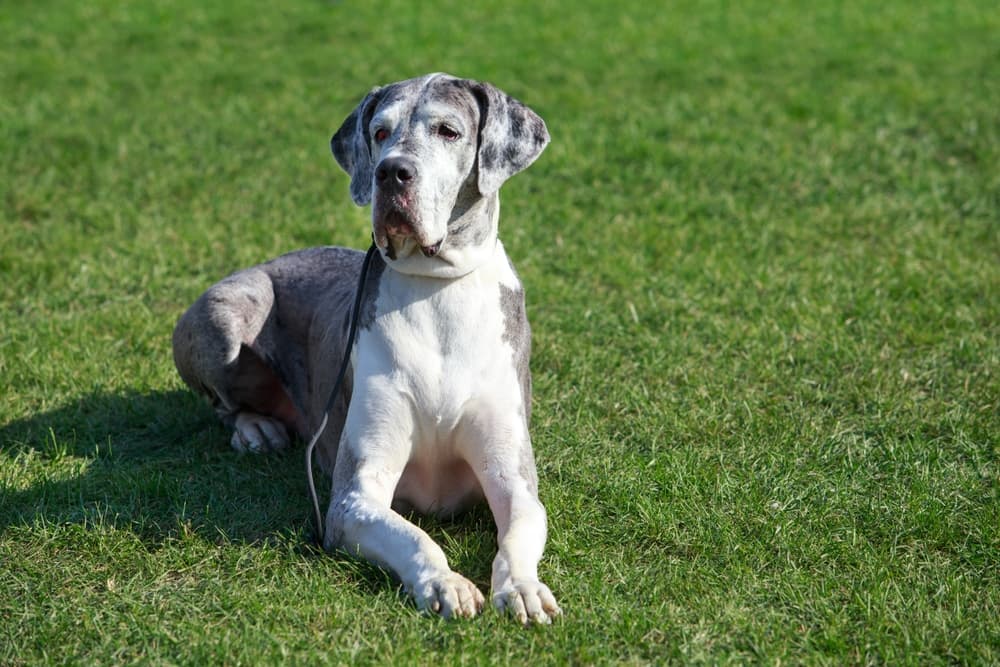
When it comes to low energy large dog breeds, Great Danes are head and shoulders above other breeds. The gentle giants are known for being calm, affectionate, playful, and protective in equal measure.
Invite Great Danes on outdoor adventures and watch them charm their admirers, show off a few tricks, and then go home and chill out with a food puzzle.
Havanese
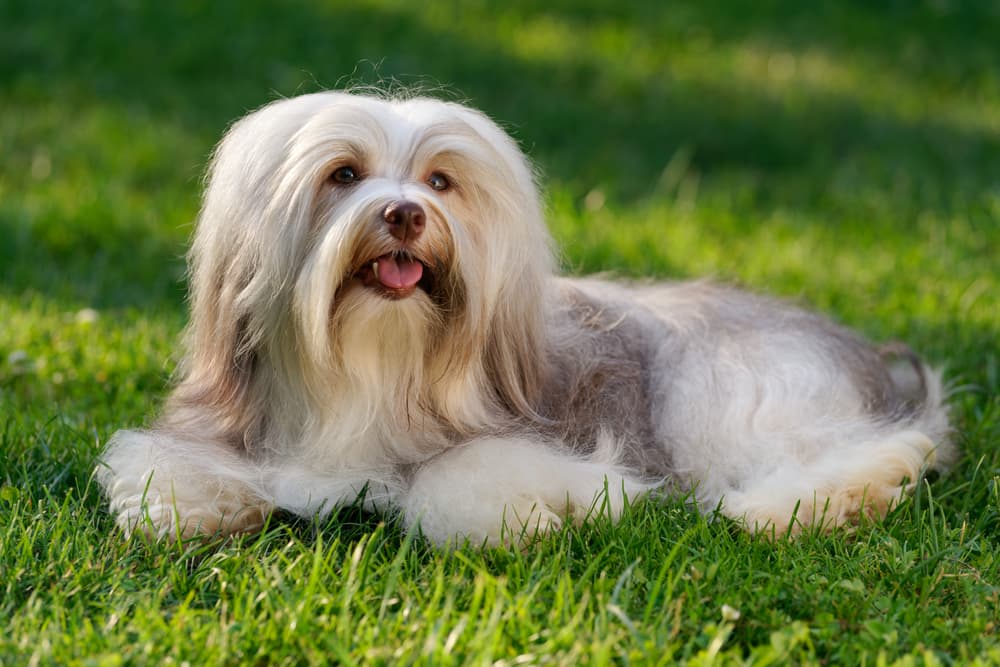
It’s not just their diminutive size and long, silken coat that makes Havanese popular. Native to Cuba, they are also known for being outgoing and adaptable companions that are happiest when they are the center of attention. They also happen to be one of the low energy small dog breeds out there.
Don’t be afraid to grab the leash and take your Havanese out on the town, but remember: they might need to be carried if the route is too long. And be prepared to regularly groom their long coats so they look their best when out and about.
Pug
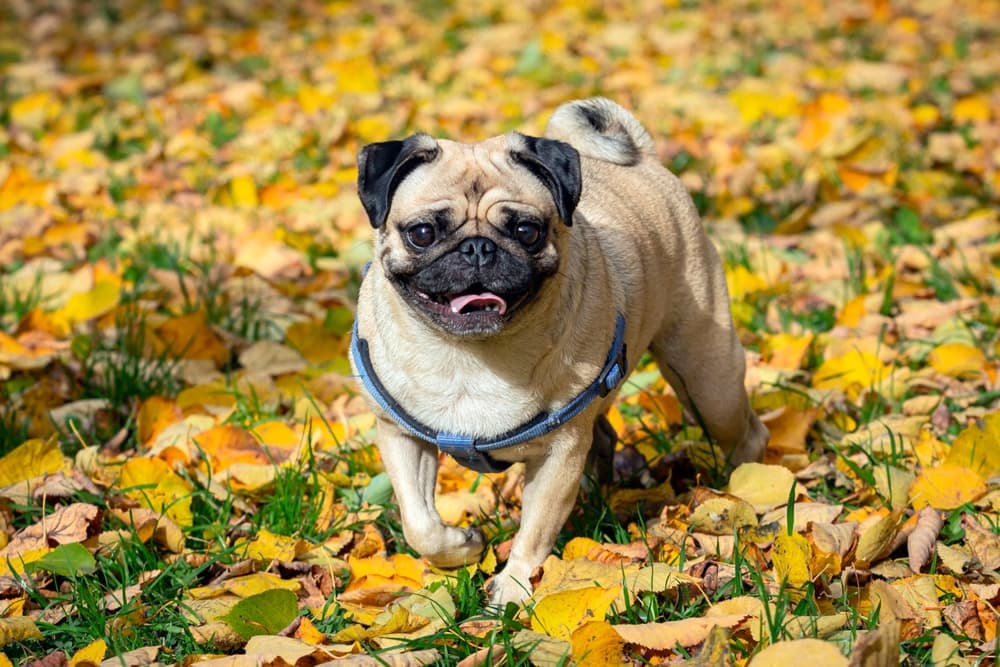
Their rotund bodies, round heads, wrinkled skin, and bulging eyes make Pugs among the most recognizable dog breeds. These cute, curious dogs are also among the best low energy dog breeds.
“Pugs are charming and generally very social dogs with stable temperaments,” Farah says. “They’ve remained very popular despite a myriad of health issues, and that might be because meeting a Pug is often like having an instant friend.”
It’s essential to provide Pugs with regular exercise — even short bursts of activity — to keep them from becoming overweight and suffering from health issues. Just remember that Pugs are also prone to overheating, so try to avoid hotter temperatures, if possible.
Shih Tzu
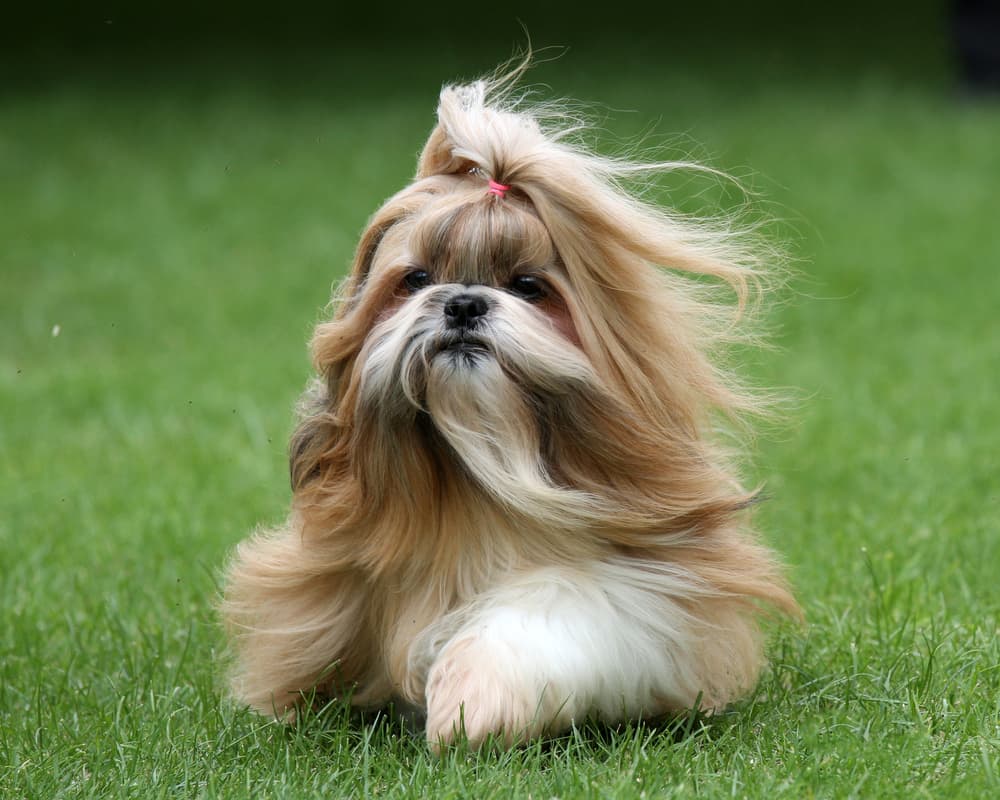
Hailed as affectionate, outgoing and adaptable, the Shih Tzu was developed in Tibet and was once a fixture in palaces throughout Asia and England. Now, these low energy dogs are equally beloved in cities and rural areas where their adorable appearances always turn heads.
Since they were bred to provide companionship to kings and queens, Shih Tzus expect the royal treatment at home. After a short walk, invite them onto your lap and brush their silken coats while telling them how pretty they are.
Low Energy Doesn’t Mean No Exercise
According to Farah, it’s a misconception that low energy dog breeds don’t require any exercise.
“Generally when we talk about ‘low energy breeds,’ we mean dogs who, relative to other dog breeds, require less daily physical exercise,” she says. “There is no dog breed that, when young and healthy, requires no exercise at all, [and] all dogs should be provided with the opportunity to explore the environment, take sniff walks at their own pace, and engage in mentally stimulating games and activities every day.”
Some low energy dog breeds are content with a walk around the block every morning, while others prefer interactive games like fetch or low-impact activities like swimming. Then there are those that like lots of mental stimulation from puzzle toys to challenge their minds. Whatever category they fall into, let your dog take the lead when it comes to the best exercise options, and be sure to watch for signs that they’ve had enough.
9 Australian Dog Breeds That Make the Best Mates
- 2023-12-07T19:33:50
- Rebecca Smithem
You might not look at the Kelpie, Cattle Dog, Bull Arab, Koolie and Miniature Fox Terrier and think the breeds have much in common. But despite their differences in appearance, there is a shared history. These Australian dog breeds (or “Aussie dogs”) all hail from Down Under – and their similarities extend beyond their Australian heritage.
History of Dog Breeds from Australia
Working dogs have long been essential for herding and guarding livestock and hunting snakes and rodents across the expansive Australian Outback and vast agricultural lands. This has led to the development of several Australian dog breeds that have the same boundless energy, independent spirits, and drive to work.
As a nod to their heritage, dog breeds such as the Australian Cattle Dog, Australian Kelpie, Australian Koolie and Australian Silky Terrier, honor their origins in their names. But there is one breed that breaks the mold: Australian Shepherds have no connection to their namesake.
The Australian Shepherd dog was developed to be a sheep-herding dog in the Basque region of Europe. The Basque shepherds who created the breed emigrated to Australia and later moved to the United States, where the breed was refined and the dogs came to be known as Australian Shepherds.
There are, however, a number of true Australian dog breeds that are native to the continent. Some of the more common dog breeds from Australia have become popular as pets, and without livestock to herd, these dogs will need lots of vigorous exercise, training, and mental stimulation.
9 Australian Dog Breeds
Looking for a new mate? These Australian dog breeds may fit the bill.
Australian Cattle Dog
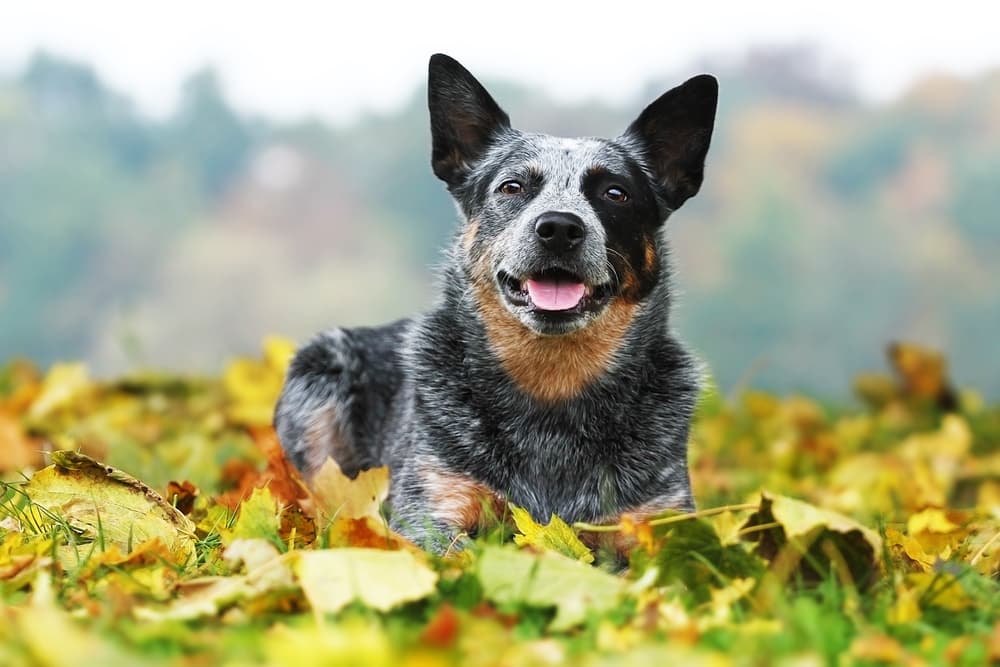
The well-known Australian dog breed is the result of the accidental mating of a Dingo with a smooth-coated Collie. Australian Cattle Dogs, also known as Blue Heelers or Queensland Heelers, quickly became popular for their stamina and herding skills.
Summer Whittaker, CPDT-KA, KPA-CTP, dog training manager at Animal Rescue League of Boston, describes the Australian Cattle Dog as a breed that is highly athletic and thrives on vigorous exercise, but is also eager to please and trainable.
“The best living situation for these dogs would be a family that hikes, jogs, [and] plans on doing agility, Frisbee, dock diving, or other performance sports,” she says. “Despite their size, they are not apartment dogs, [so] owners should have plenty of yard space.”
Australian Silky Terrier
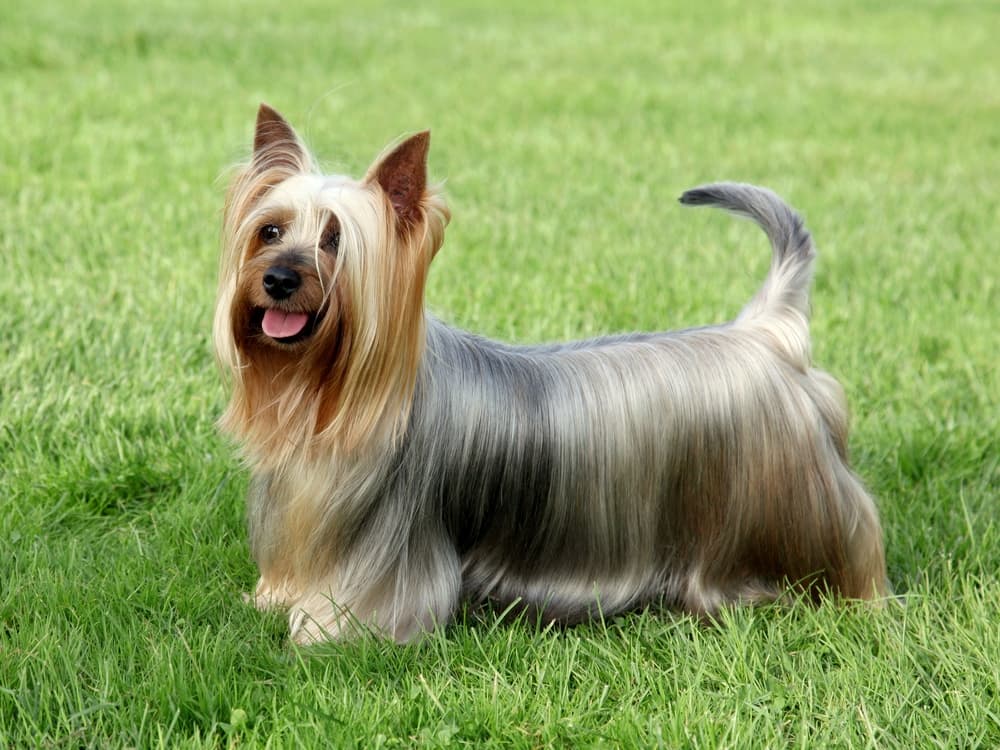
Thanks to their small stature and long, glossy coats, Australian Silky Terriers are often mistaken for Yorkshire Terriers. In fact, Yorkies were one of the breeds that Australian breeders used to develop the Silky.
Silkies weigh around 10 pounds, making them larger than Yorkies, and like other toy breeds, they have big personalities. They are high spirited, affectionate, playful and social; Silkies also have a strong protective nature and will bark to alert you to trouble.
Australian Kelpie
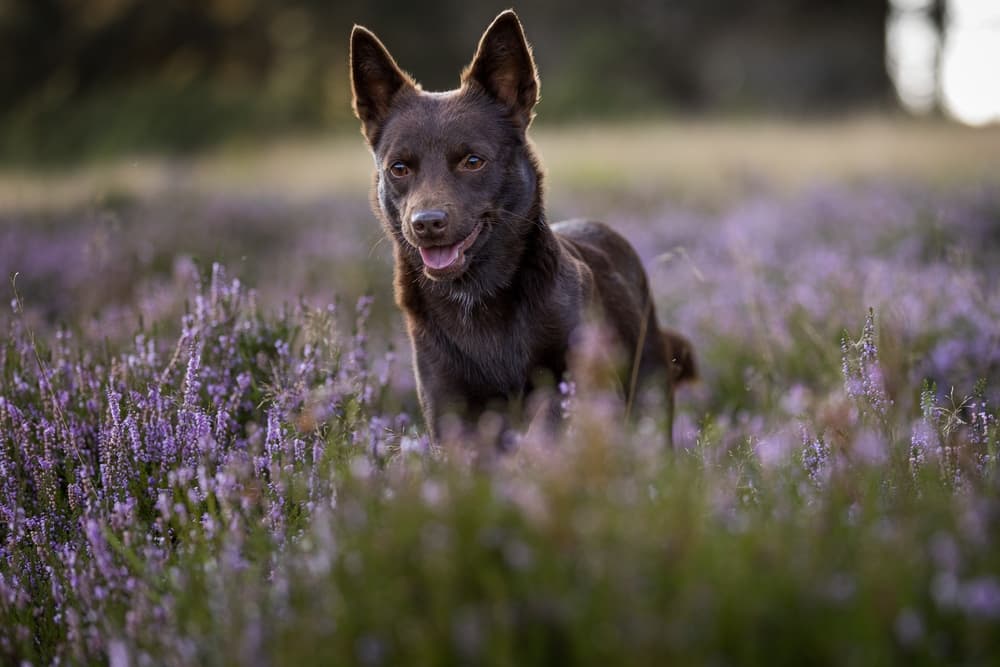
The exact origins of the breed are disputed (some say they possibly go back to 1870), but one thing is certain: Australian Kelpies were bred to herd sheep across long distances and rugged terrain.
The muscular dogs weigh up to 50 pounds, and their thick double coats require regular brushing to minimize shedding, but their biggest need is exercise. Kelpies have retained their working dog instincts and want to be on the go.
“Kelpies tend to have a lot of energy, [and] they can thrive in a variety of settings if their mental and physical energy needs are met,” says Amy VandenBerg, CPDT-KA, FPPE, professional dog trainer at the San Diego Humane Society. “If a Kelpie had their way, they would likely choose to live where they have a lot of space to run.”
Bull Arab
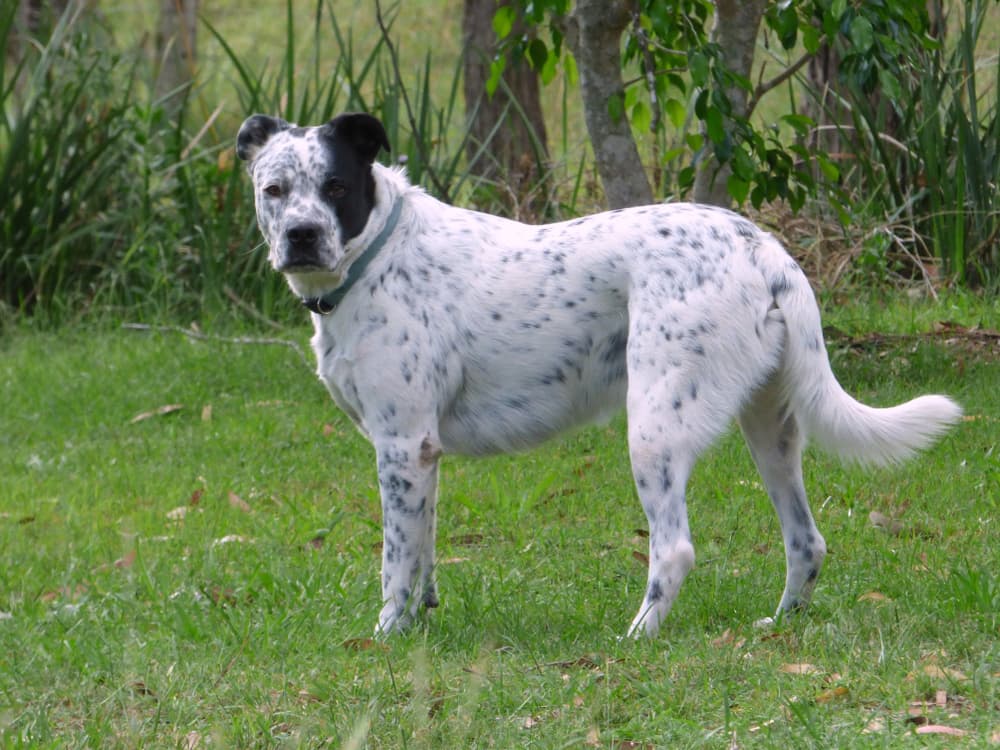
The Bull Arab isn’t a true dog breed; it’s believed to be a cross of multiple breeds, including the English Bull Terrier, Great Dane, Mastiff and shorthaired Pointer. The “breed” was developed in Australia to hunt wild pigs, earning it the nicknames Australian Pig Dog and Aussie Pig.
Bull Arabs tend to be large dogs that weigh between 60 and 90 pounds. Their origins as hunting dogs mean that they are strong and independent, and typically have high prey drives. These dogs are best suited to homes with experienced owners and no other pets or small children.
Australian Koolie
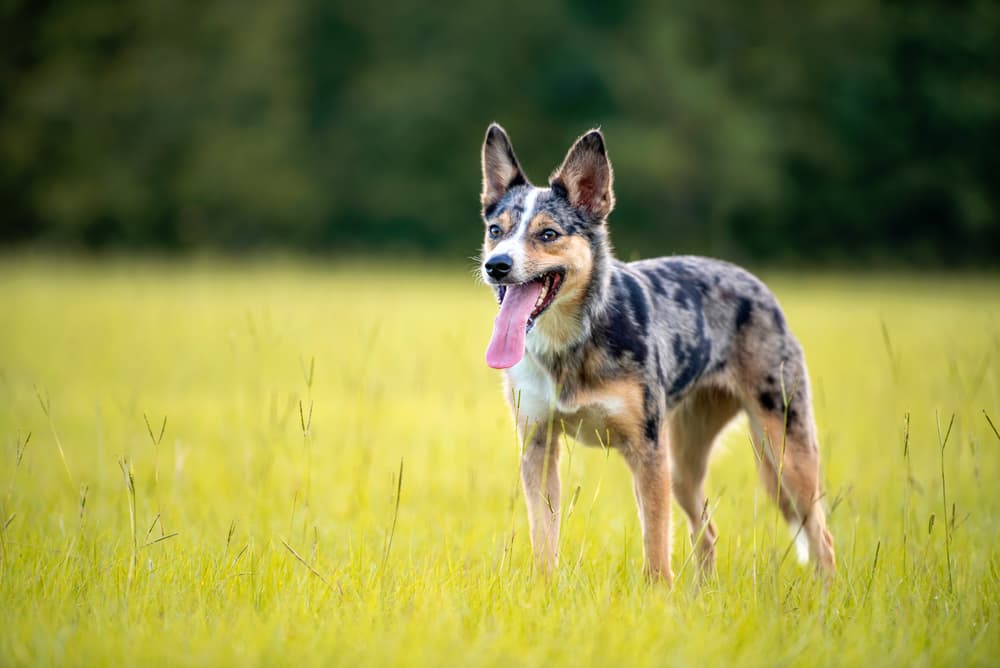
The crossbreeding of smooth-coated blue merle Collies with black and tan Collies resulted in a new breed known as the Australian Koolie. The double-coated Koolies have short-to-medium coats and excel as herding dogs in Australia.
Koolies are energetic, dedicated, and smart. They can be reserved around strangers and have natural herding instincts, which can lead them to round up children and smaller animals. For Koolies to be content, regular exercise is a must; they can channel their passion for work into success in competitive obedience, agility, flyball, or other dog sports.
Australian Stumpy Tail Cattle Dog
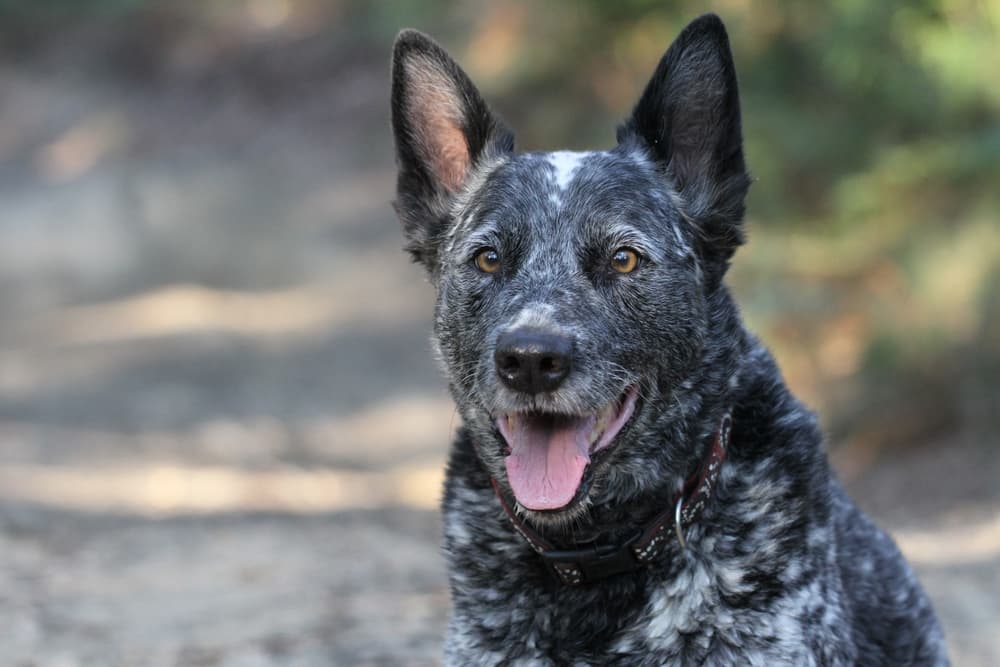
No, these dogs aren’t Australian Cattle Dogs with docked tails. Both breeds are working dogs that hail from Australia, but Whittaker points out that the Stumpy Tail Cattle Dog was developed from crossing native Dingoes with herding dogs. The result was a breed that was a skilled herder with extreme stamina.
Australian Stumpy Tail Cattle dogs are loyal and protective, making them excellent watch dogs. They are active and need a lot of exercise, so they do best in homes where they can hike, run, or participate in agility or other competitive sports.
Tenterfield Terrier
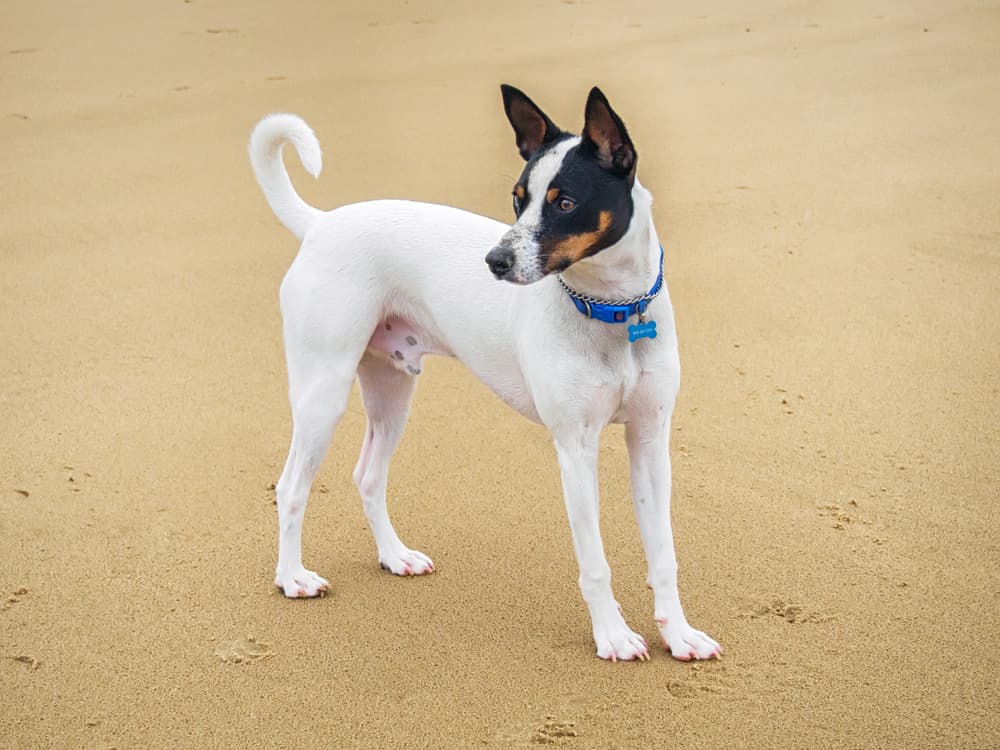
Best described as agile, fearless, independent and smart, these active little dogs have big exercise needs. Tenterfield Terriers originated in Australia and remain more popular there than in the United States, where the black and white terriers are still quite rare.
Although Tenterfield Terriers are confident, affectionate and eager to learn, these active working dogs require regular exercise and consistent training to channel their energy and provide mental stimulation. Tenterfield Terriers tend to bark and become destructive when they are bored.
Miniature Fox Terrier
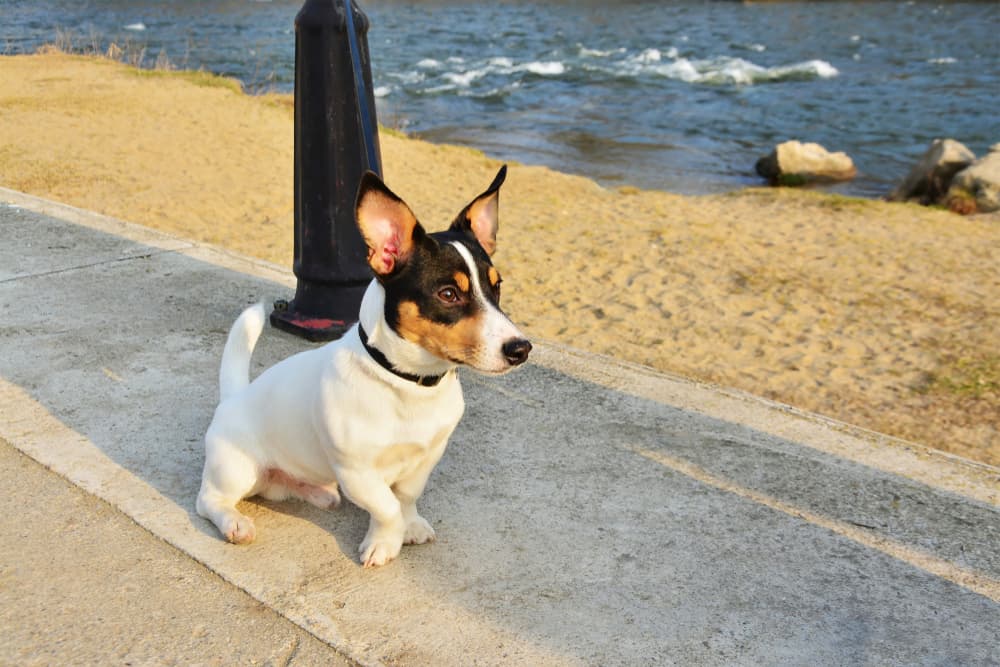
This breed is believed to be a cross between Smooth Fox Terriers and Manchester Terriers that English settlers brought to Australia. (In the U.S., the breed is known as a Toy Fox Terrier.) These so-called Mini Foxies are often found on Australian farms.
“They were bred to hunt rats, rabbits, and snakes on farms,” explains Whittaker
Their small stature and big energy mean that the dogs could easily squeeze into small spaces in pursuit of their prey. While Miniature Fox Terriers are skilled hunters, Whittaker believes they can also make great family dogs, adding, “They are very loyal, active, and affectionate.”
Australian Terrier
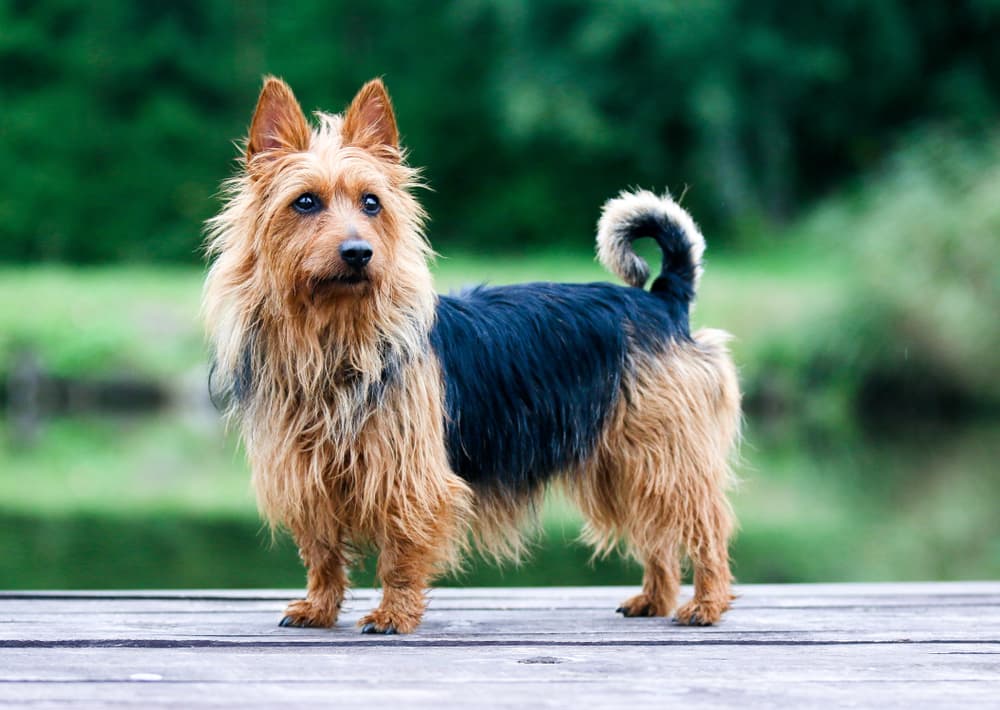
These dogs are the smallest working terriers and have the distinction of being the first native breed to be recognized in Australia. This breed is sometimes called “Australia’s Dog” and was developed to dispatch snakes, mice, rabbits, and other small mammals on farms.
There are some commonalities between the Australian Terrier and the Australian Silky Terrier: both are smart, trainable, working dogs, but the Australian Terrier is larger (weighing 15 to 20 pounds) and tends to be more active and stubborn than the more diminutive Silky.
Australian dog breeds are as diverse as the continent of Australia. There are plenty of different types to choose from, which means that it’s definitely possible to find a furry friend from Down Under that will make a great mate for you and your family.
Goofy Dogs: 11 Breeds That Are Super Silly
- 2023-03-31T22:18:00
- Jodi Helmer
Social media is filled with videos of dogs chasing their tails, diving into pools, riding skateboards, or engaged in other goofball behaviors – as well as those just showing off their silly smiles and offbeat appearances.
All dogs have the potential to entertain with their wacky personality or their kooky character, but these 11 goofy dog breeds definitely have it nailed.
11 Goofy Dog Breeds
Boxer
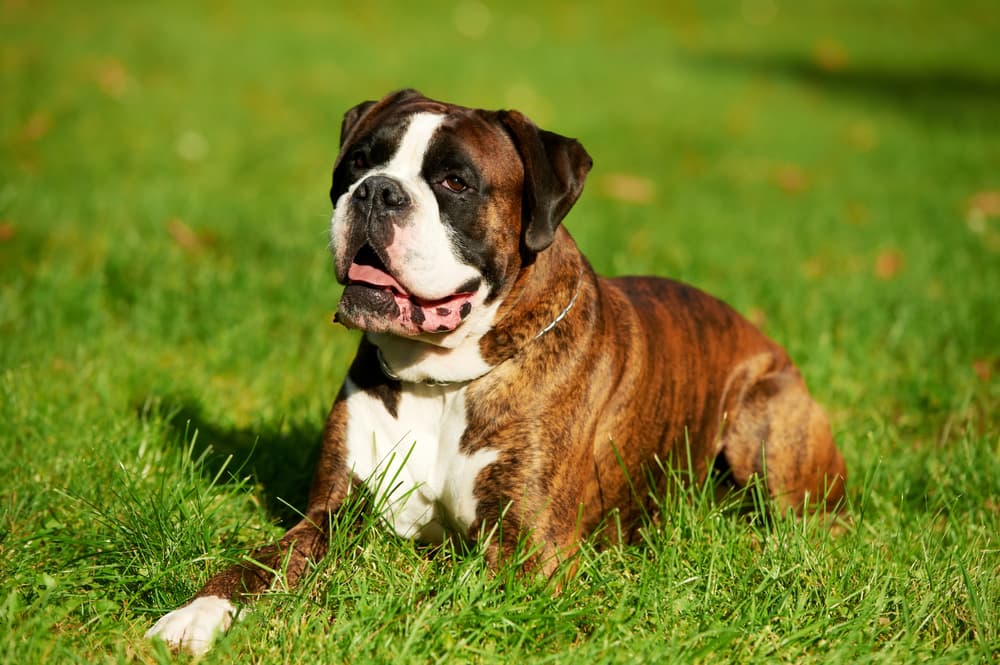
These large-breed dogs are big goofballs. With playful and outgoing temperaments, Boxers consider everyone they meet their next BFF and will happily trot out their favorite tricks in exchange for some attention.
Marissa Sunny, dog behavior specialist for Best Friends Animal Society, believes one of the Boxer’s most endearing traits is jumping in circles when they get excited. “The Boxer is an incredibly goofy breed,” she says, adding that they “…have a sense of adventure that leads them to running, jumping and playing all around.”
That being said, the breed has a serious side too. Boxers are often used as police dogs, guide dogs, and watch dogs.
Brussels Griffon
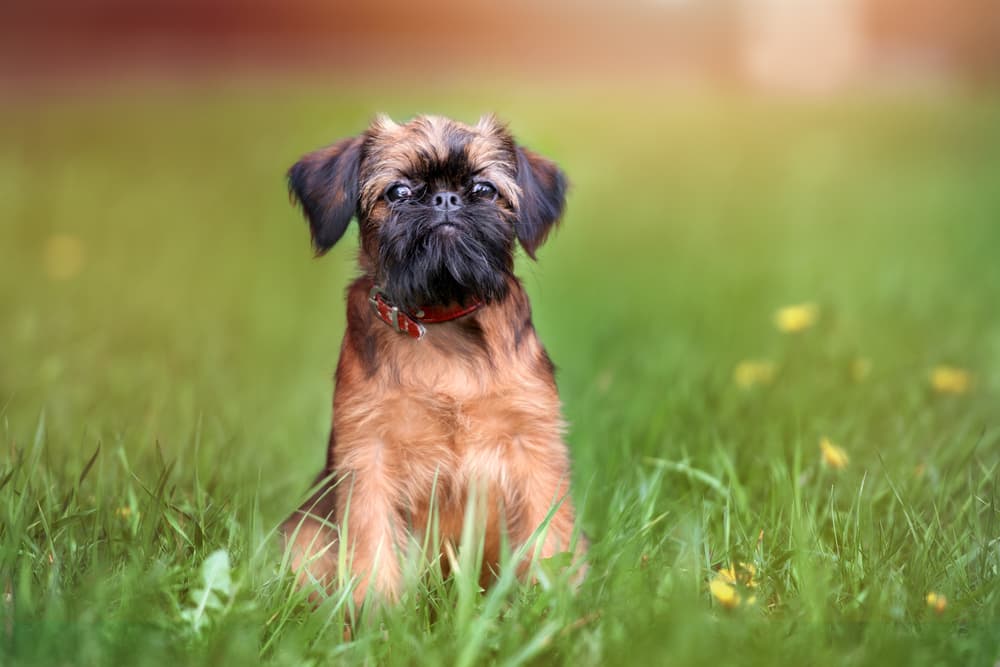
When it comes to looks, the Brussels Griffon – with its wiry beard, big eyes, pouty lips and pronounced underbite – always elicits an “awwwww.” Sunny calls it “a cute, scruffy appearance.”
Weighing in at less than 10 pounds, Brussels Griffons were once used as rat dogs but later earned the affections of Marie Henriette Anne, Queen of the Belgians, and became popular among the upper classes as lap dogs.
In addition to their eccentric looks, Brussels Griffons have been described as a “comically self-important” breed that prefers constant companionship.
Chihuahua
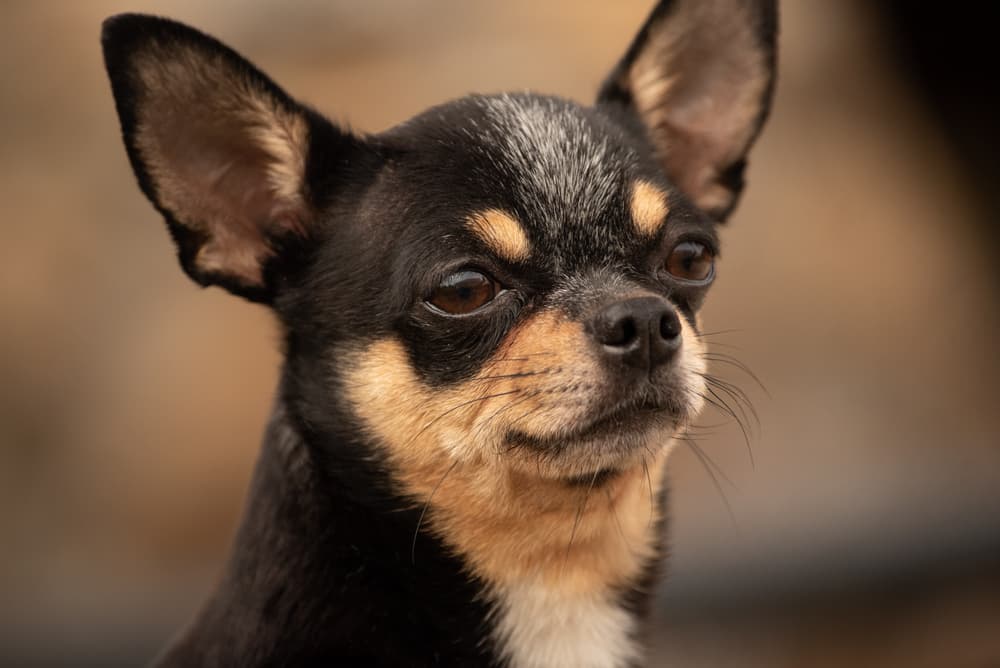
Chihuahuas are natural entertainers, appearing on the big screen in movies like Legally Blonde and Beverly Hills Chihuahua. And who can forget about those famous Taco Bell commercials? Although Chihuahuas are lap dogs, the breed is known for its big bark and willingness to play pint-sized guard dog.
Despite their small size, Sunny notes, “Chihuahuas can have quite a bit of energy, especially in their younger years, so they enjoy playing, brain games, and other activities.”
However, Chihuahuas don’t entertain just anyone. Sunny calls them “particular dogs” who often bond more closely with a single person and tend to be wary of strangers.
French Bulldog
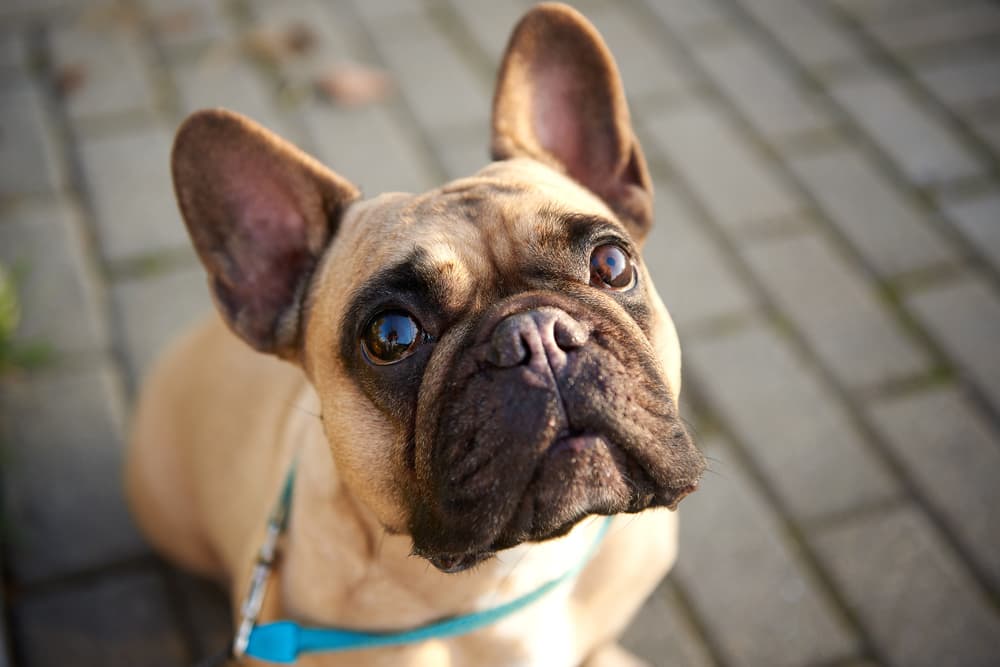
This breed, called “Bouledouge Francais” in their native country of France, are known for being playful and smart in equal measure.
Frenchies have sweet, easygoing personalities that make them great with people and other pets, but AKC Executive Secretary Gina DiNardo believes it’s not just their temperaments that make them stand out.
Frenchies are easily identified by their unique appearances, like their thick bodies and large, square heads with deep wrinkles – as well as another feature that captures attention. “Frenchies have large, bat-like ears which makes their physical appearance one of a kind,” DiNardo says.
Golden Retrievers
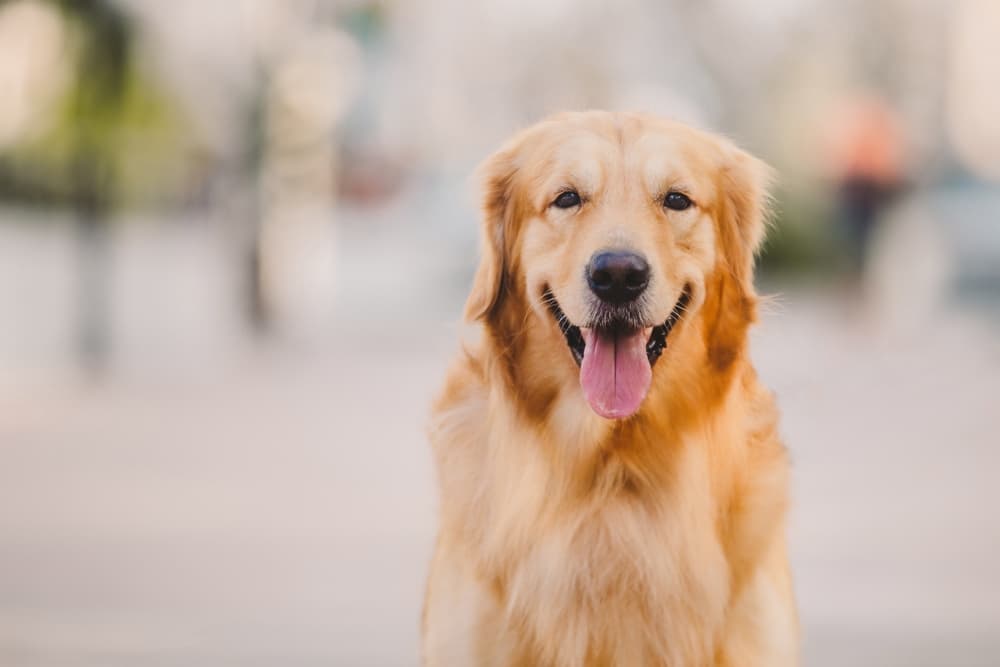
Sunny describes Golden Retrievers as “silly, goofy balls of love.”
In the 1800s, Golden Retrievers were bred as working dogs, but their gorgeous golden locks and sweet temperaments allowed them to become popular companions.
The longhaired lovebugs are affectionate with their families and great with kids, and they get along well with other pets, earning them a reputation for being loyal, gentle and patient. The breed is also highly trainable: Golden Retrievers can learn to dribble balls, twirl hula hoops, and walk tightropes.
Their exuberant personalities and zest for all tasks, from fetching and swimming to romping at the dog park, make Golden Retrievers a joy to watch.
Miniature Bull Terrier
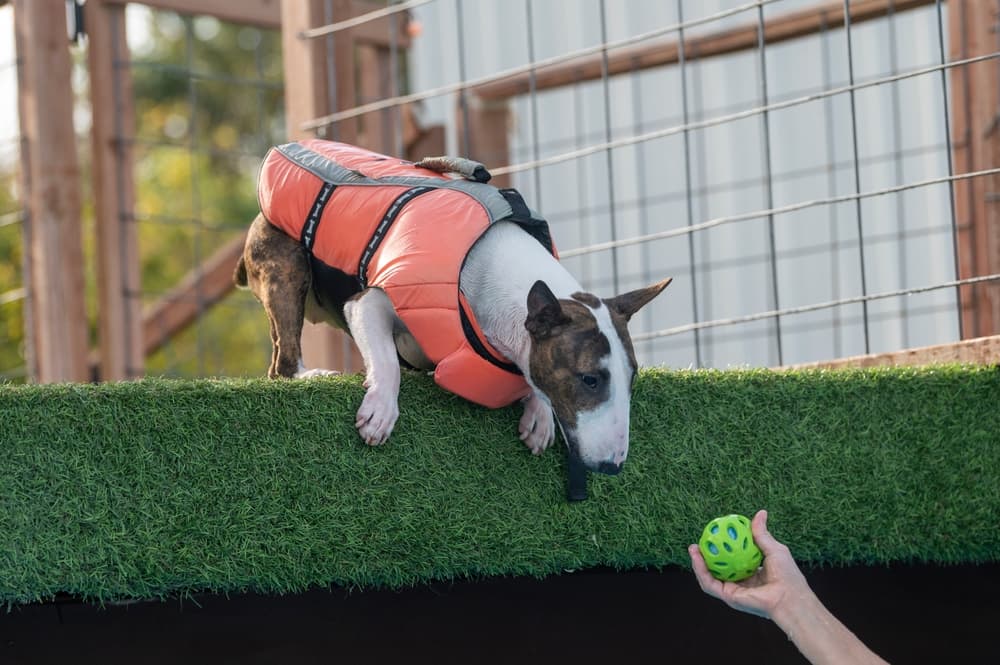
Bull Terriers were bred in England in the 1830s, but it took much longer to develop the Miniature Bull Terrier, a more diminutive version of the muscular breed. Minis quickly became popular companions known for their comical behavior and big energy.
“Miniature Bull Terriers are silly by nature,” DiNardo says. “They have square bodies and egg-shaped heads, and their personality can be described as upbeat, mischievous, and comical, like a class clown.”
The goofy dog breed is also fearless yet loving. Miniature Bull Terriers make excellent watchdogs but are affectionate and social with their families.
Pembroke Welsh Corgi
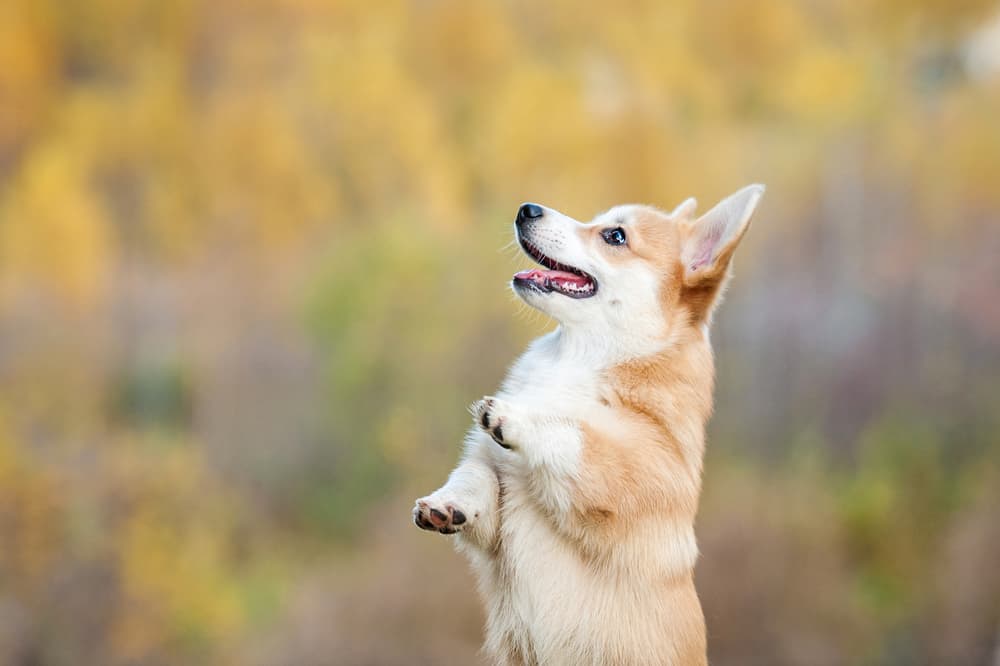
Pembroke Welsh Corgis might have been regal enough to reside in Buckingham Palace, but they have a silly side too. “They are very intelligent, which can lead to fun games and training,” says Sunny
Pembroke Welsh Corgis don’t just have quirky personalities; their appearances also attract attention.
The “long and low” breed has short, muscular legs and stout bodies, and are fast on their feet. In fact, Pembroke Welsh Corgis are among the most popular herding dogs in the world – and nothing elicits a laugh like watching a goofy little dog command a herd of sheep.
Pomeranian
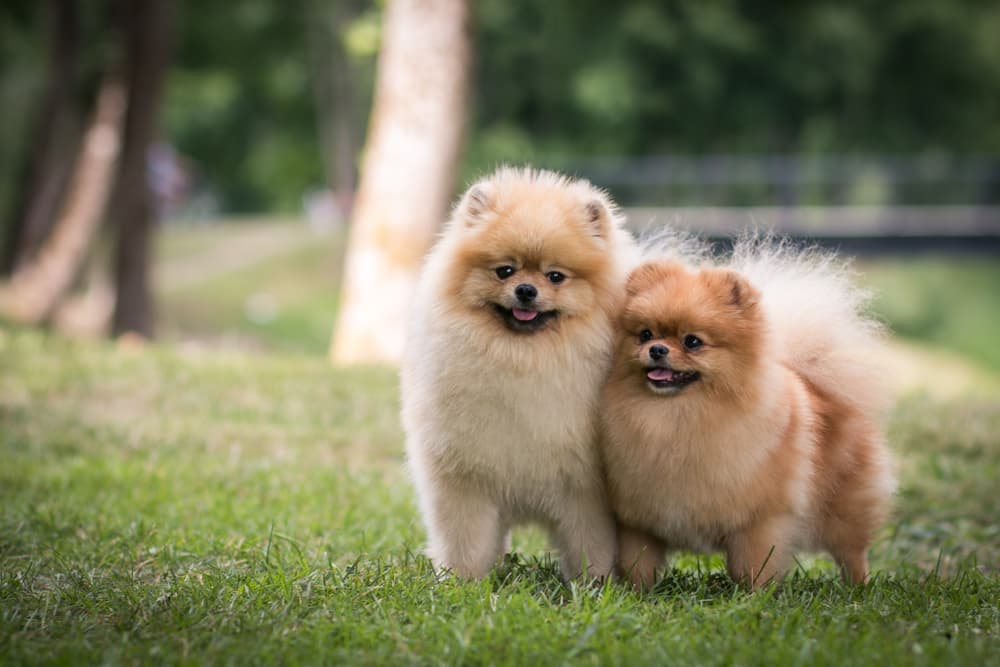
Poms are small dogs with big personalities. Weighing less than seven pounds, the breed is affectionate and protective in equal measure. It’s not uncommon to see Pomeranians as social media stars, delighting followers with their offbeat antics, from wearing costumes to pretending to play dead to avoid walks.
Pomeranians were prized for their regal appearances and even captured the attention of Queen Victoria, who owned many. Those fancy, fluffy coats do require regular grooming, though. “Pomeranians need consistent brushing as well as regular grooming appointments for hair trims and blowouts,” Sunny says. “Their thick double coats can be blown out with a blow dryer to give them a fluffy ‘just left the salon’ look and feel.”
Poodle
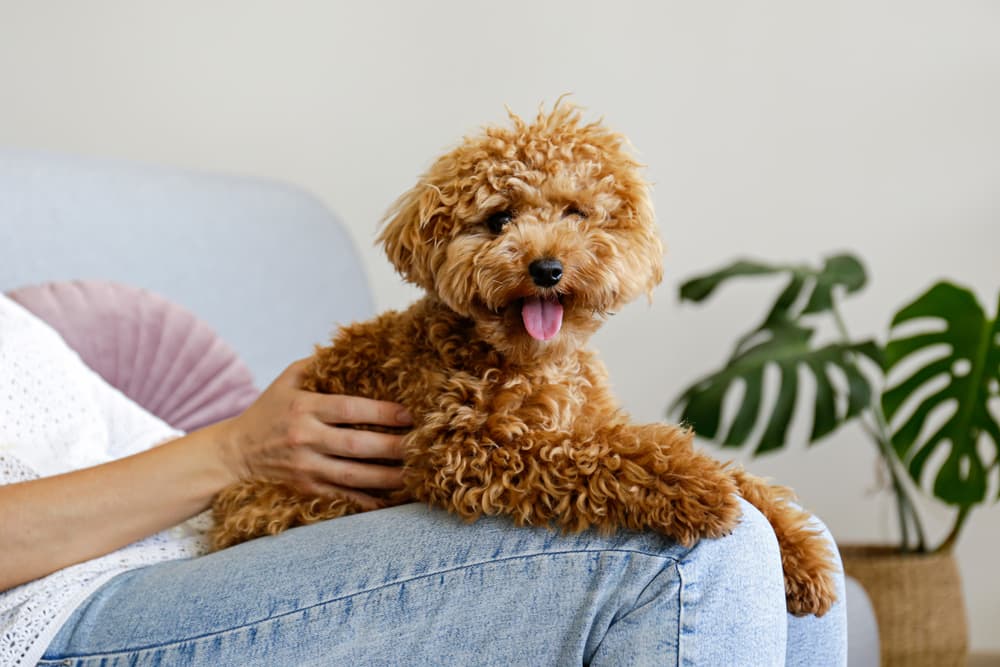
Poodles aren’t just one of the most intelligent dog breeds; they’re also one of the most entertaining. “Poodles are active and very smart dogs with an exceptional learning ability,” says DiNardo. “The Poodle’s personality lends itself to making them natural entertainers.”
Their supreme smarts have helped Poodles earn lead roles in movies like Best in Show and Look Who’s Talking Now, score a place in the spotlight on fashion runways (often with their hair dyed bright colors), and take top honors in national dog shows.
Pug
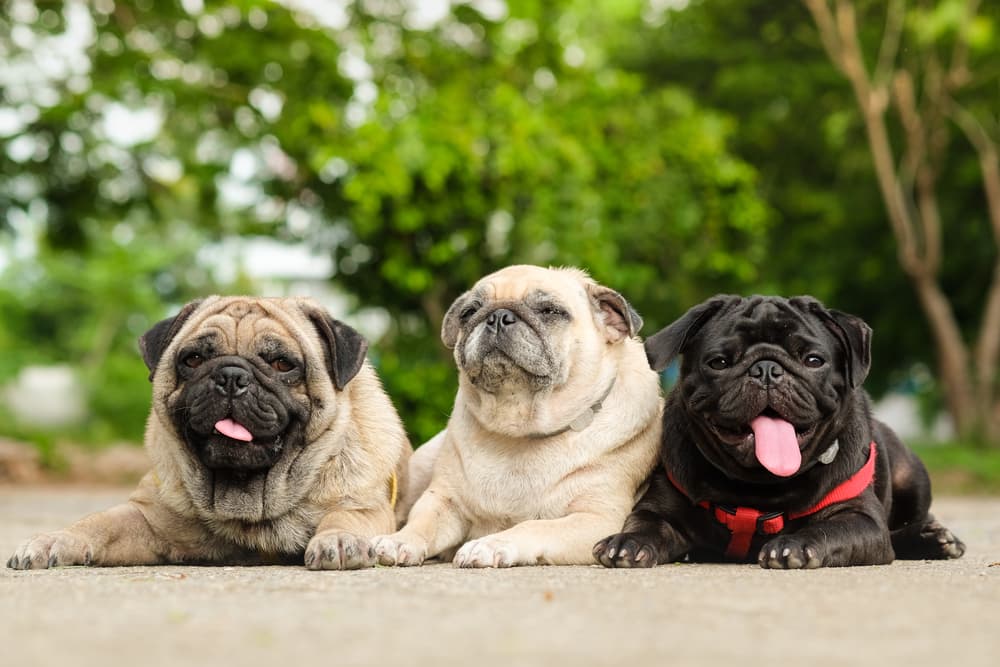
The Pug’s history dates back to the 1500s when it became the mascot of the Royal House of Orange in Holland, and it’s not hard to imagine the Prince of Orange LOLing while looking at the goofy-looking dog’s stout frame, black face mask, wrinkled brow, and bulging eyes.
Their personalities are as entertaining as their looks, according to DiNardo. “A pug has a loving and mischievous personality,” she says. “Pugs live to love and be loved and have a full range of expressions like surprise, happiness, and curiosity because of their wrinkled brow.”
Puli
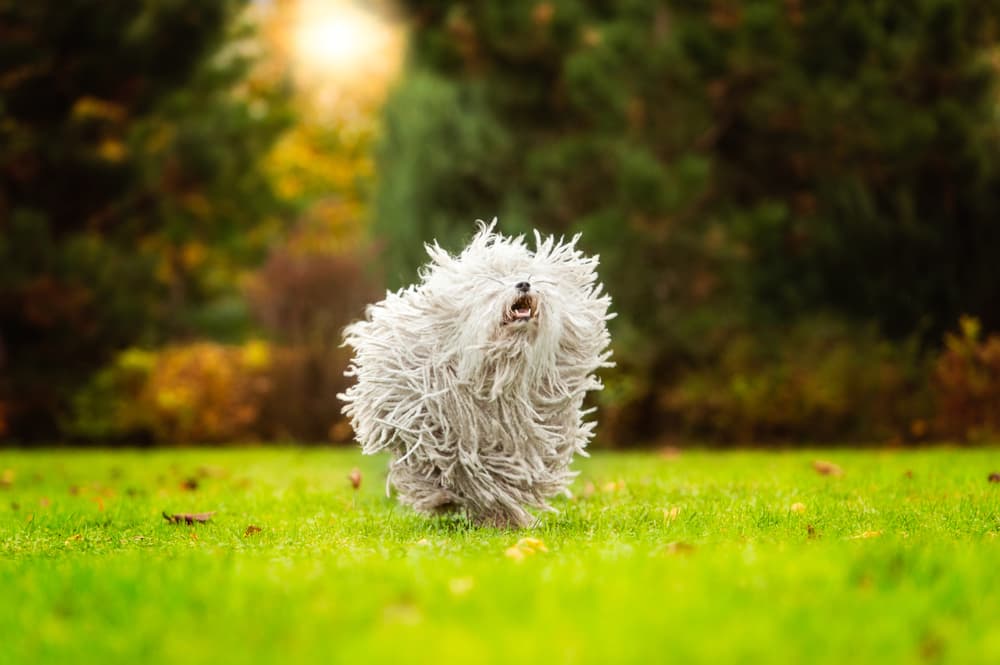
Few breeds stand out in a crowd (or herd!) like the Puli (pronounced “poo-lee”). These dogs have long, corded coats that look like dreadlocks; the cords are dense and weatherproof and often reach six inches long.
“Once a Puli’s coat has distinct cords, all you need to do in terms of grooming is bathe the dog when necessary and separate the cords,” says DiNardo.
The medium-sized breed once herded sheep for nomadic tribes, and those herding instincts remain strong, as Pulis need regular exercise and mental stimulation.
Pups come in all different shapes, sizes, and personalities, but goofy dogs never disappoint. Whether you’re looking for a dog with a unique, attention-getting appearance or one that will keep you laughing with their antics, these 11 breeds definitely fit the bill.
Flat Faced Dogs: 8 Breeds and How to Care for Them
- 2023-03-28T16:10:30
- Jackie Brown
In the eyes of many, dogs with flat faces are uniquely adorable. Some say their pushed-in faces and large, round eyes remind us of babies, while others can’t get enough of their distinctly human expressions.
According to Jerry Klein, DVM, chief veterinary officer for the American Kennel Club, the word that most often springs to mind when people talk about these celebs of the canine world is, undeniably and utterly, “cute.” And one such smoosh faced breed, the French bulldog, recently replaced Labrador Retrievers as the top US dog breed.
No doubt about it, flat faced doggos are incredibly lovable. However, these breeds have some equally unique care requirements caused by their distinctive looks. Read on to learn more about flat faced dog breeds, including how to ensure the best health for these special pups.
What Is a Flat Faced Dog?
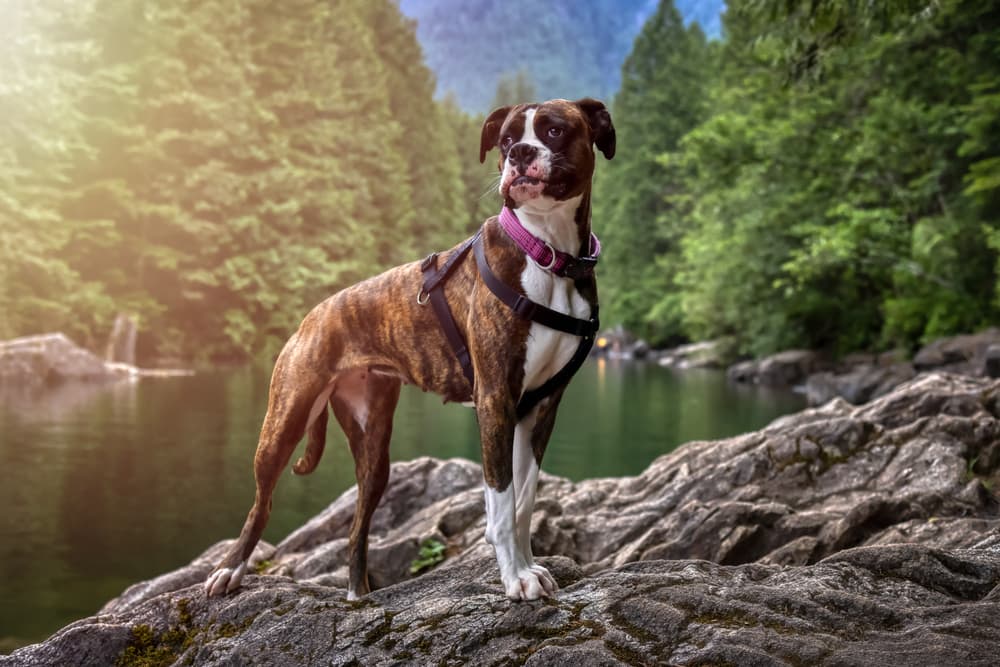
Dog breeds with flat faces are referred to as brachycephalic, a term that means “shortened head.” Though they do go by a wide range of names that are as endearing as they are, including:
- short snout dog
- squishy face dog
- smoosh face dog
- smushed face dog
- snub nosed dog
- flat nose dog
The skull bones of brachycephalic dog breeds are shorter than normal, which results in the pushed-in faces and noses that so many adore.
There are many different brachycephalic dog breeds of varying sizes, colors, and coat types. Some brachycephalic breeds are quite popular, including the Boston Terrier, Boxer, Bulldog, and French Bulldog. Other brachycephalic breeds are rare, such as the Affenpinscher, Brussels Griffon, and English Toy Spaniel.
Although flat faced breeds exist in a number of different countries, many brachycephalic breeds originated in Asia, including the Chow Chow, Lhasa Apso, Pekingese, Pug, Shih Tzu, and Tibetan Spaniel.
8 Awww-inspiring Flat Faced Dog Breeds
Although there are over 20 dog breeds classified as brachycephalic, some are more common than others. Let’s meet some of the most popular and well-known flat faced dog breeds.
Boston Terrier
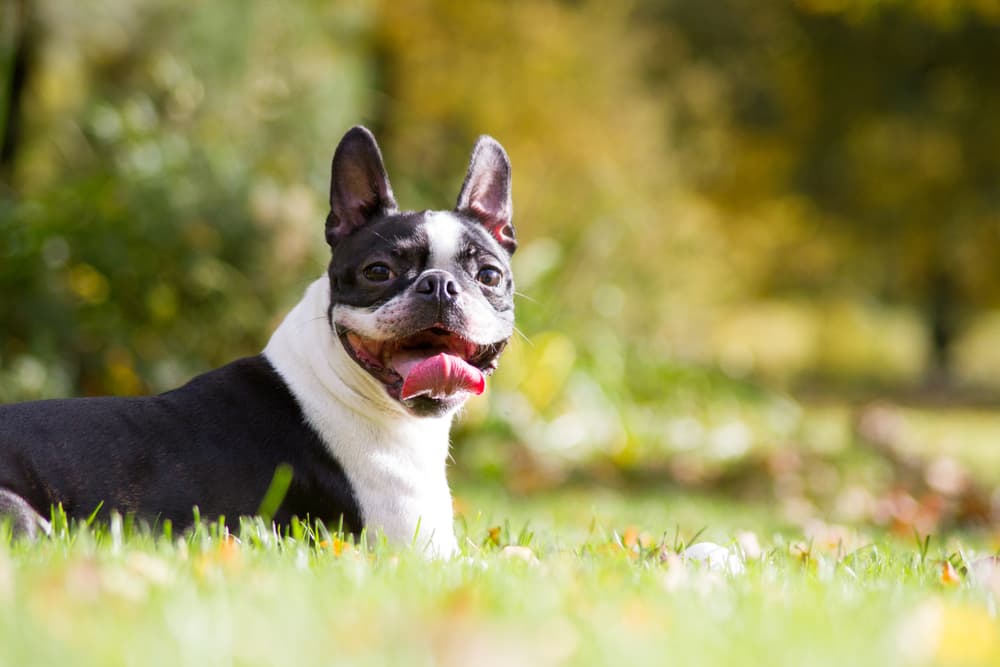
As its name suggests, the Boson Terrier was developed in Boston in the 1800s. All Boston Terriers can trace their roots back to the breed’s foundation dog, Judge, a cross between a Bulldog and the now-extinct white English Terrier. The Boston Terrier is sometimes called the American Gentleman because of how neat and dapper the dogs look, as well as their lively yet dignified personalities. Bostons weigh about 12 to 25 pounds and have a short, sleek, bi-colored coat (white with either black, brindle, or seal).
Boxer
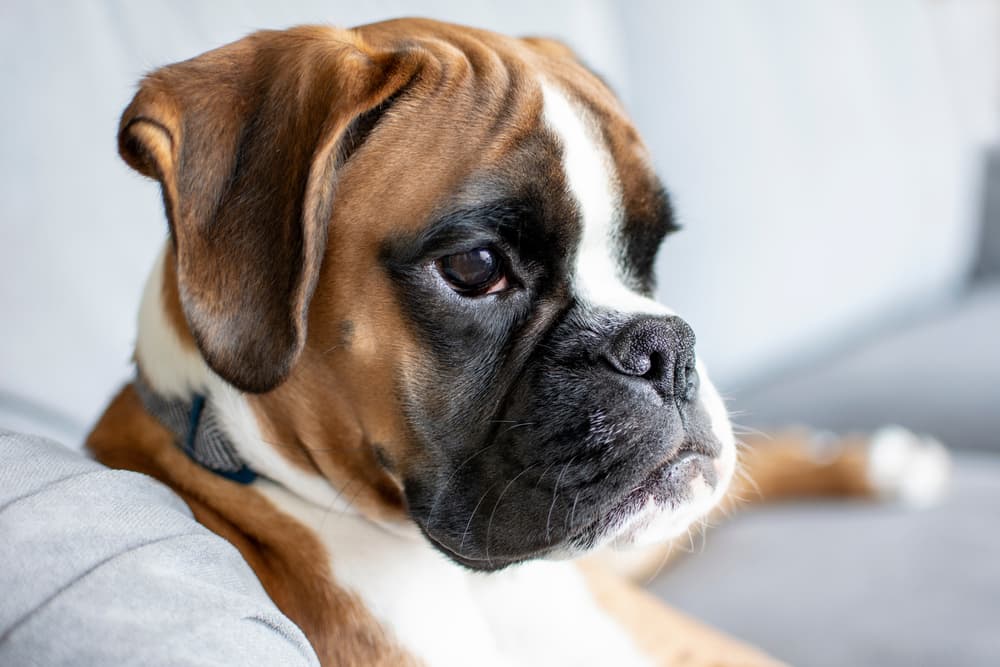
The Boxer hails from Germany, where it was likely bred down from a larger German hunting breed called the Bullenbeisser (now extinct). The modern Boxer emerged in the late 1800s and has had many jobs, including being used as a police and military dog. Boxers are friendly but protective if the need arises. Boxers weigh about 50 to 70 pounds. Their short, sleek coat comes in fawn and brindle.
Bulldog
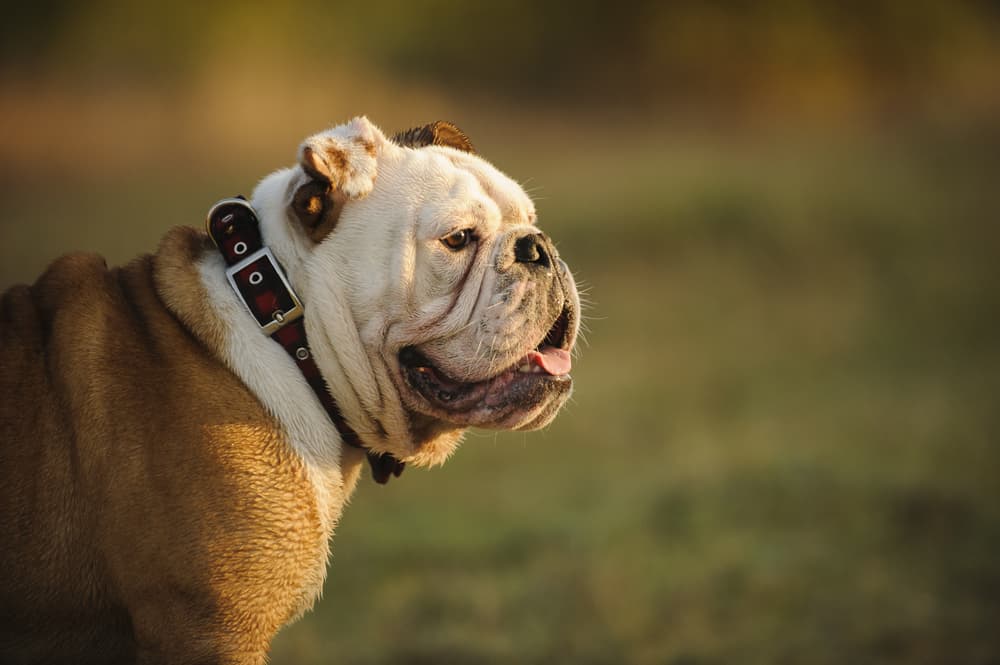
The Bulldog is one of the best-known and most extreme flat faced dog breeds. Bulldogs, sometimes called English Bulldogs in reference to their homeland, are short and heavily built, weighing in at 40 to 50 pounds. The Bulldog’s severe underbite gives them their trademark dour expression. But, contrary to their looks, Bulldogs are known for being friendly and affectionate dogs. Their short, glossy coat comes in red, white, fawn, or fallow (pale brown) with or without patterns and markings.
French Bulldog
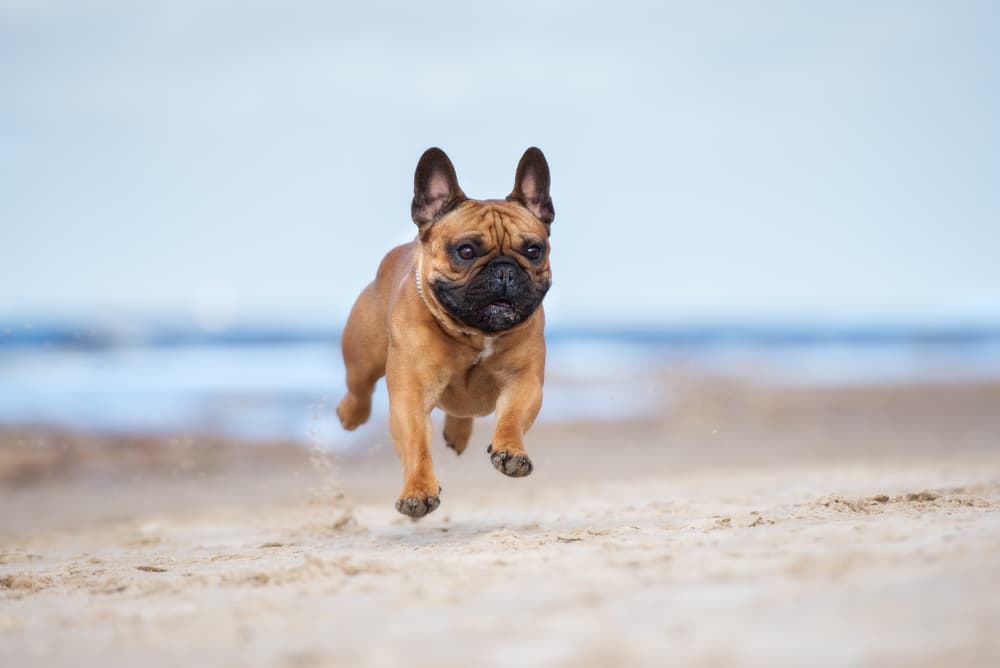
The French Bulldog was developed in France with Bulldogs brought from England. The result is a smaller version of the Bulldog but with large, upright “bat” ears. Frenchies are affectionate clowns who love to be with their favorite humans. They typically weigh between 19 to 28 pounds. Their short, smooth coat comes in brindle, fawn, white, or combinations of brindle and white or fawn and white.
Lhasa Apso
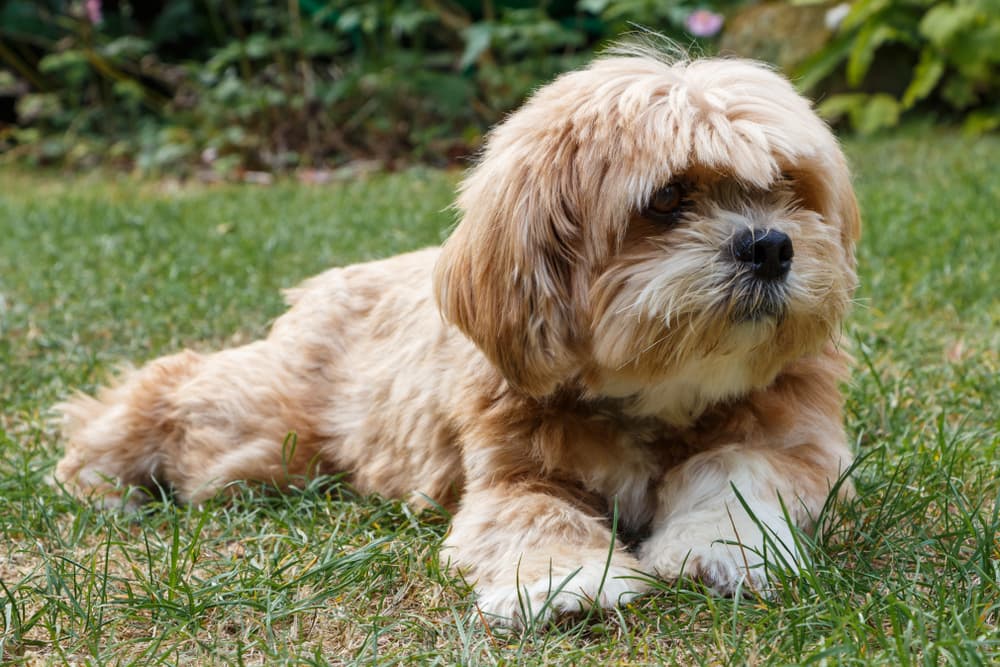
Lhasa Apsos originated in the Himalayan mountains of Tibet, where they were used as helpful watchdogs in Buddhist monasteries and palaces. The breed gets its name from the sacred city of Lhasa. The “apso” part of the name means “longhaired dog.” Lhasa Apsos are alert, loyal, and calm indoors. They weigh 12 to 18 pounds and have a heavy, straight, long coat that comes in almost any color, though the most typical coats are black, white, gold, gray, cream, and various combinations of these colors.
Pekingese
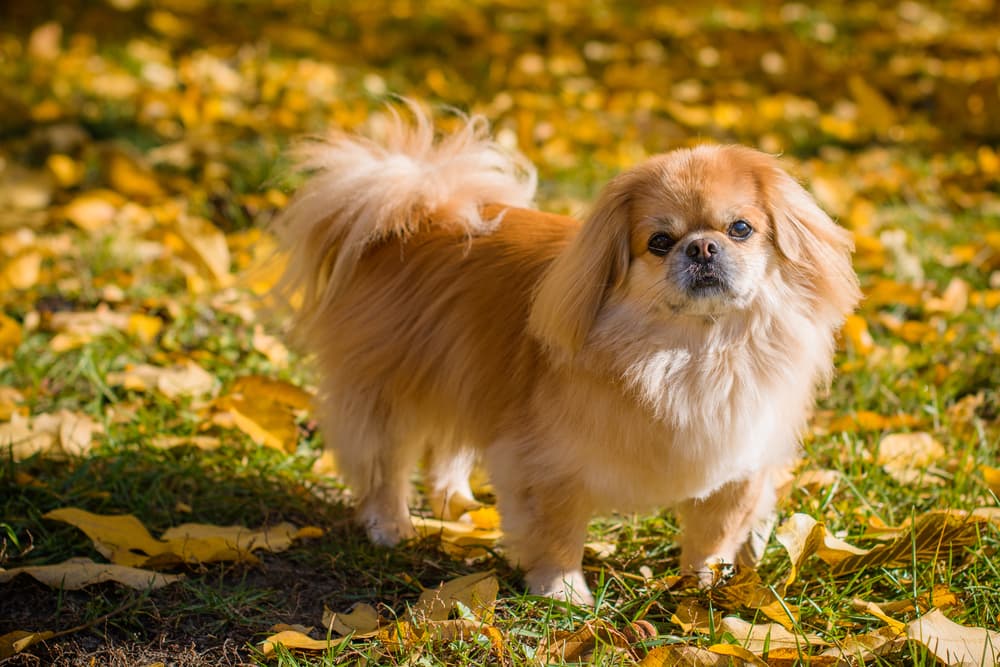
The long and low Pekingese is another ancient breed valued for centuries by Chinese royalty. They were once called “sleeve dogs,” as emperors liked to carry them around in the voluminous sleeves of their robes. Although Pekes are loving and loyal to their human family, they might be standoffish with strangers. The Pekingese, which weighs up to 14 pounds, has a very long, thick, straight coat that forms a ruff around the neck like a lion’s mane. Pekes come in several colors, including gold, red, sable, black and tan, white, cream, and gray.
Pug
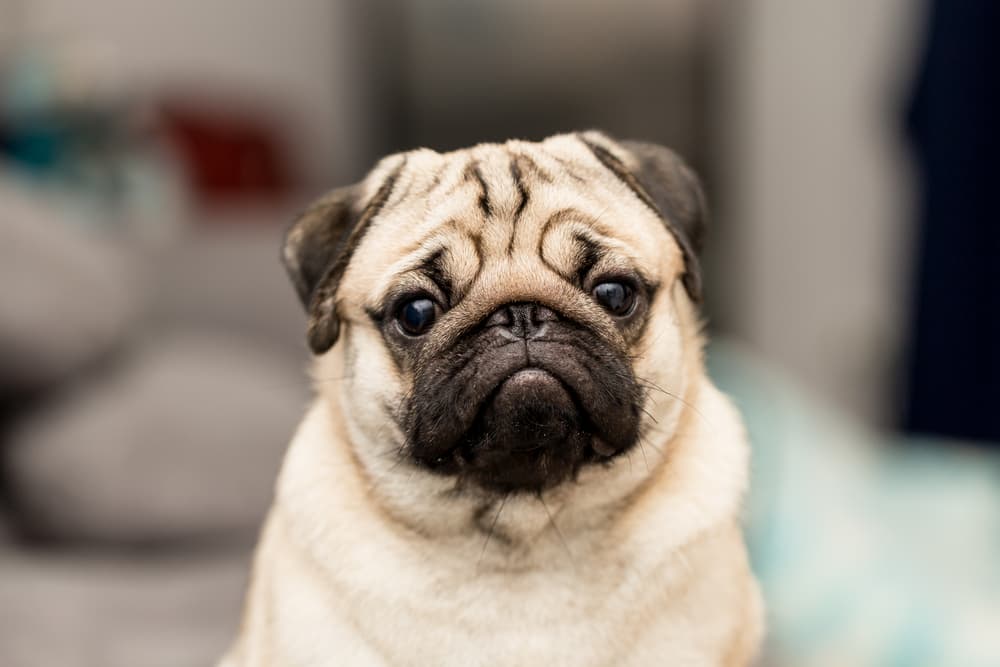
The Pug has existed in China for thousands of years where they have long been cherished by royalty. Silly and outgoing, these charming companions are friends to all. Weighing 14 to 18 pounds, Pugs are small but cobby and with large bone structures. The short coat comes in just two colors: fawn (light yellow with black ears and a black mask on the face) or solid black.
Shih Tzu
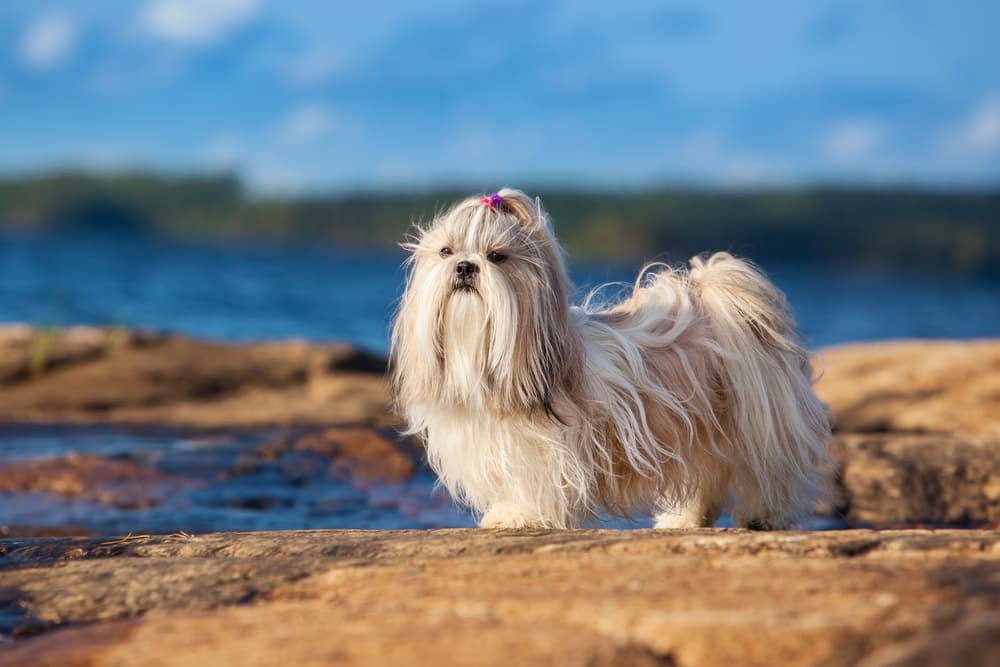
Like the Pug, the Shih Tzu dog breed has been around for thousands of years, both in its native land of China, where it was treasured by Chinese royalty, as well as in other countries. Outgoing and adorable, Shih Tzus tend to make friends wherever they go. Their long silky coat comes in almost any color. Weighing in at just 9 to 16 pounds, the Shih Tzu is small…but mighty cute!
Health Conditions Impacting Flat Face Dogs
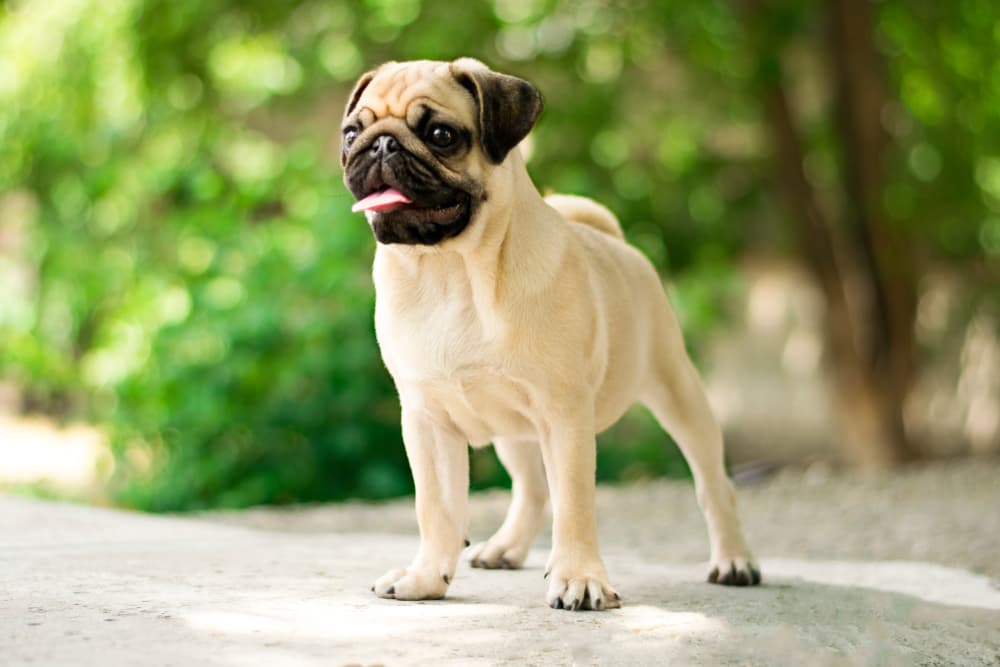
One very important thing to know about these beloved dog breeds is that those adorable, pushed-in faces can lead to possible health concerns. While not present in all snub nosed dogs, some have a harder time breathing and are prone to develop respiratory diseases. The disorders caused by the upper airway abnormalities common to these breeds are known as brachycephalic airway syndrome (BAS) or brachycephalic obstructive airway syndrome (BOAS).
“Flat faced dogs tend to have more medical problems,” says Jennifer Lopez, DVM, at URvet Care in New York City. “Although everyone loves their snorty noises, this could mean that they have a smaller than normal trachea.” According to Lopez, this can be the reason why some flat faced dogs’ breathing can sound strange, “like a horse roaring.”
Other abnormalities common to brachycephalic dogs include:
- elongated soft palate – soft part of the roof of the mouth partially obstructs airway
- narrow trachea – windpipe too small for dog’s size
- stenotic nares – narrow and small nostrils
- everted laryngeal saccules – tissue in front of the vocal cords that obstructs breathing
Some signs of BAS include snorting, snoring, and loud breathing, especially during exercise. In severe cases, dogs could get so tired while exercising that they collapse. Coughing, gagging, and vomiting are also common in these breeds. The conditions associated with BAS can sometimes affect the gastrointestinal tract as well as the airway, causing vomiting or decreased appetite.
According to Lopez, brachycephalic breeds are also prone to suffer from allergies, including food allergies, flea allergies, and environmental allergies to allergens such as grasses, trees, and weeds. Flat faced dogs may also have congenital eye problems such as cherry eye, ulcers, and everted eyelashes or inverted eyelids that can damage the cornea.
“They are also more likely to have intervertebral disc disease, where they can become paralyzed,” Lopez says. She cautions that pet parents may want to minimize jumping in flat faced breeds, “as they are more likely to have issues with their spinal cord, slipped discs, etc.”
Due to their unique physical traits, brachycephalic breeds tend to overheat easily, which means pet parents should be extra conscious of the temperature and humidity, as it can affect their breathing. “Walks and exercise should be done in the early morning or late afternoon and dusk, never anytime near the hottest part of the day,” Klein says.
With the right care, most flat-faced dogs can live happy and healthy lives. However, because of the potential health brachycephalic dogs may face, some controversy surrounds the continued breeding of flat faced dogs.
Responsible breeders make it a point to breed the healthiest dogs possible to reduce the likelihood of BOAS while still retaining the unique features of their given breed. And, according to Klein, specific health checks are recommended by each breed’s national breed club (also called the parent club). So prospective dog parents can ask breeders to ensure these checks were performed before the selection of breeding pairs.
“For example, the Bulldog Club of America recommends testing to make sure the prospective sire and dam of each litter have been checked against patellar luxation (knee) and tracheal hypoplasia (narrow tracheal lumen), as well as recommending a cardiac exam,” Klein says. “There are more tests that can be performed on an optional basis.”
When considering a brachycephalic breed, it’s important to research the breed’s potential health issues and know what health conditions your cute canine could develop. You can also find the parent club for your preferred breed using the AKC search tool and familiarize yourself with breeders who adhere to the club’s recommendations.
Caring for Flat Faced Dog Breeds
No pet parent wants to see their dog suffer. So if you have a flat face dog or dream about getting one, preventative care plays an important role in ensuring the best possible health for your pet.
Talk with your veterinarian about how you can address your pup’s specific health needs. And consider these expert tips to help ensure a long, healthy, happy life for your flat faced friend.
- Maintain a healthy weight. While this is a good rule for all dogs, it’s especially important for flat face breeds. Not only do obese dogs face an increased risk of serious health issues, but excess weight can also make it even harder for your dog to breathe. So be sure to choose a diet that’s geared toward your pup’s specific nutritional needs, activity level, and recommended calorie intake.
- Consider supplements. Ask your veterinarian about supplementing your dog’s diet to address any health concerns. A brand called Snubbies recently launched a line of five veterinarian-recommended, research-driven supplement formulas created to meet the unique needs of brachycephalic breeds — Skin + Immune Seasonal Support, Cognitive and Immune Support, Calming and Immune Support, Hip + Joint and Immune Support, and Eye Health and Immune Support.
- Guard against overheating. Even if it doesn’t seem particularly hot out, always ensure flat faced dogs have easy access to a cool, shady place and access to plenty of fresh cool water. “Flat-nosed breeds are best if kept inside during the day, but if they do go outside, be careful and monitor the dogs’ behavior,” Klein says. Cooling fans and cooling mats can also help dogs stay safe. And if you are planning to drive anywhere, consider running the air conditioning to cool down your car before bringing your dog out on the road.
- Don’t forget oral care. It’s important to stay on top of your dog’s dental health with daily at-home brushing and regular professional cleanings since brachycephalic breeds tend to have crowded mouths.
- Monitor skin and ears. Lopez recommends daily cleaning of skin folds, especially any folds around the face, nose, and neck, as the moist skin inside the folds can be a breeding place for fungal or bacterial infections. “Also provide ear cleanings weekly to remove waxy debris that commonly builds up,” she says.
According to the Humane Society Veterinary Medical Association, addressing potential health concerns in brachycephalic dogs through preventative care is far more effective than waiting for an illness to arise. So be sure to keep the special health needs of your smoosh faced breed in your sights to help ensure a long, healthy life with your extra special pet.
14 Velcro Dog Breeds That Cling to Their Pet Parents
- 2023-03-13T15:56:48
- Monica Weymouth
Does your dog only have eyes for you? Do they follow you everywhere? Are they on your lap as you’re reading this? Your dog may be what’s known as one of the “Velcro dog breeds.”
While many dogs love having independence and appreciate personal space, others tend to be drawn to their humans at all times. Every dog is an individual, of course, but some breeds are known to be especially clingy.
It’s important for pet parents to recognize so-called “Velcro” behaviors and understand how to help their pups live their happiest, healthiest lives. Read on for everything you need to know about Velcro dogs, from classic characteristics to expert training tips.
What Is a Velcro Dog?
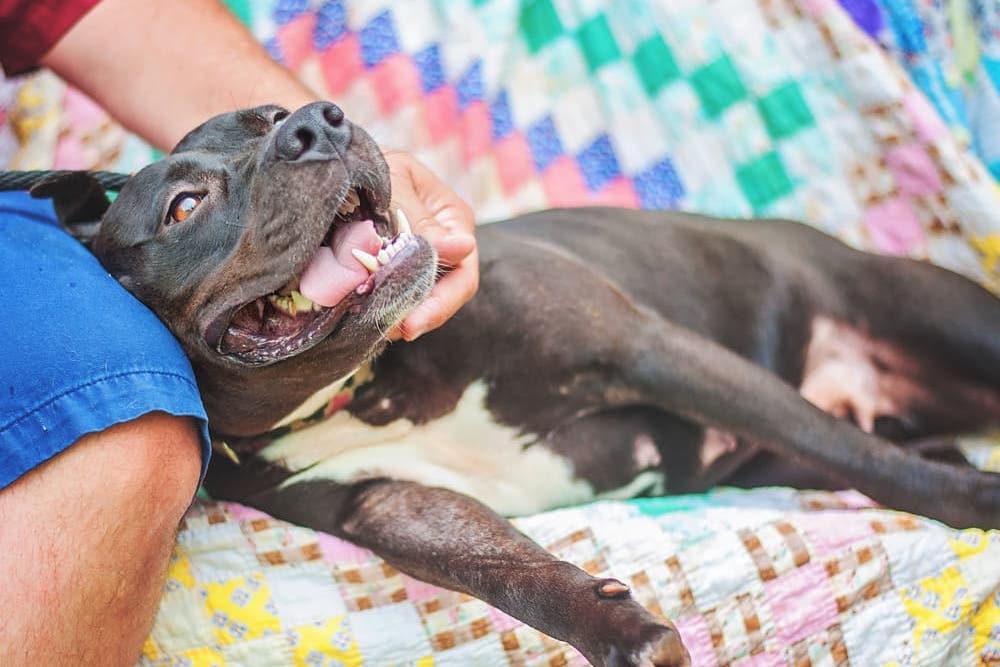
First things first: Where does the term “Velcro dog” come from, anyway?
Like the famously clingy fastener, so-called Velcro dogs like to stick very close to their humans. Behaviors may range from eager couch snuggles to concerning behaviors that are symptoms of separation anxiety.
When not receiving the proper amounts of exercise, mental stimulation, and companionship, some breeds are more likely to become clingy.
It’s important to understand your breed’s unique needs, history, and characteristics to ensure they’re receiving the proper care. Learn more about the clingiest dog breeds below.
14 Velcro Dog Breeds
Which breeds are Velcro dogs? Clingy dogs come in every shape and size, but the following breeds are especially prone to Velcro behaviors.
Pomeranian
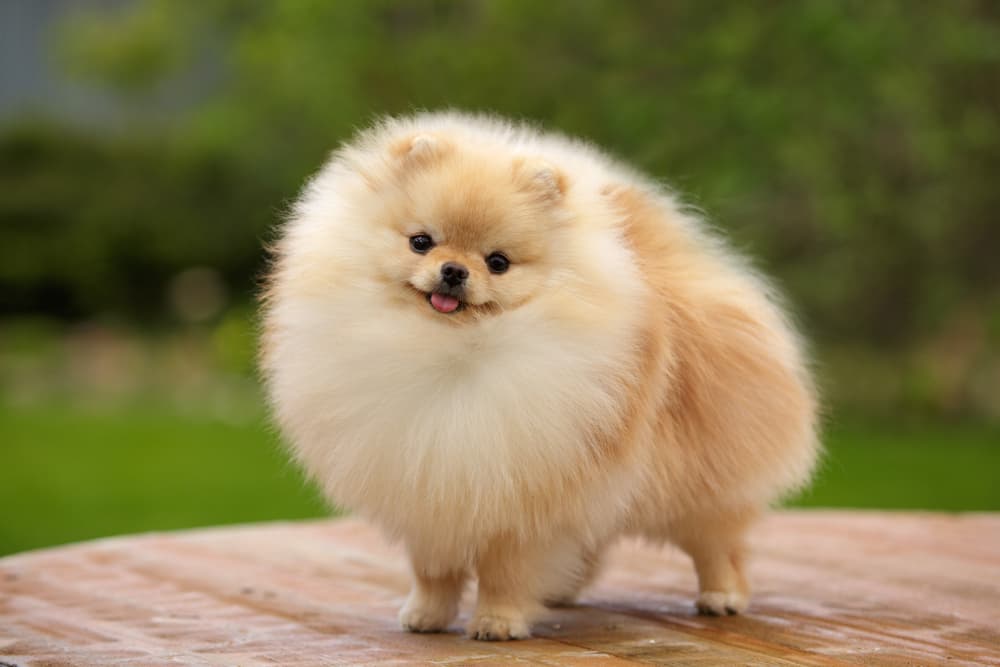
The quintessential lap dogs, Pomeranians have a reputation for being extra snuggly (and “extra” in general). Beloved by Queen Victoria, the foxy breed has a pampered pedigree.
“They’re actually related to some of the sledding and working Spitz-type dogs of Europe, but were bred down to become lap dogs and never looked back,” says Kimberlee Tolentino, owner and head trainer at Lugaru K9 Training. “Every Pomeranian I’ve ever met has had an innate desire to be close to their favorite human as often as possible.”
Chihuahua
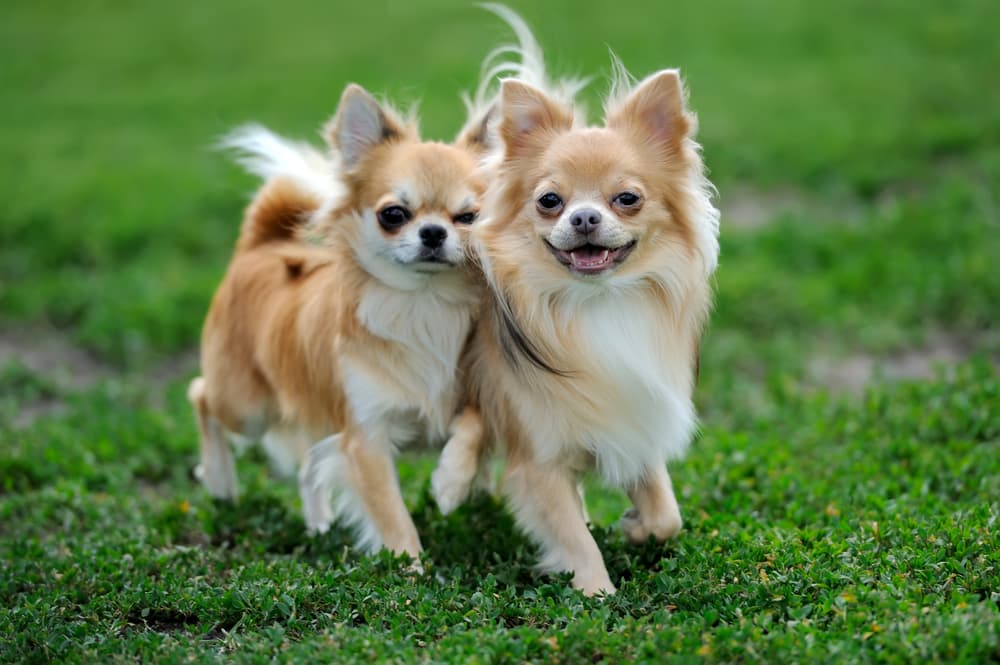
Similar to Pomeranians, Chihuahuas are pint-sized pups with a long history of lap-time: the breed is one of the oldest in the Americas, tracing its lineage to pre-Colombian times. While small in size, Chihuahuas have large personalities and aren’t shy about requesting attention from their favorite humans, notes Dr. Corinne Wigfall, resident veterinarian at SpiritDog Training.
German Shepherd
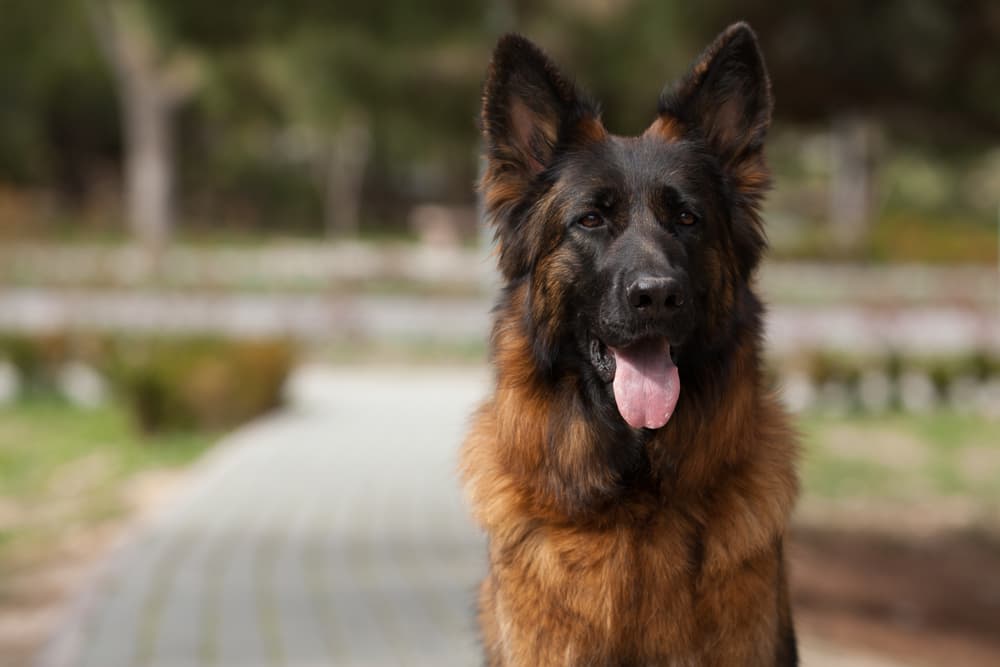
Not all clingy dog breeds are traditional lap dogs. Originally bred for herding, German Shepherds excel as working dogs – but can become “needy” when not challenged. “The German Shepherd is surprisingly clingy, and in modern society can develop severe separation anxiety if not properly trained and socialized,” says Dr. Wigfall. “This separation anxiety can lead to destructive behaviors around the home, or attempts to escape, which can lead to injury.”
Border Collie
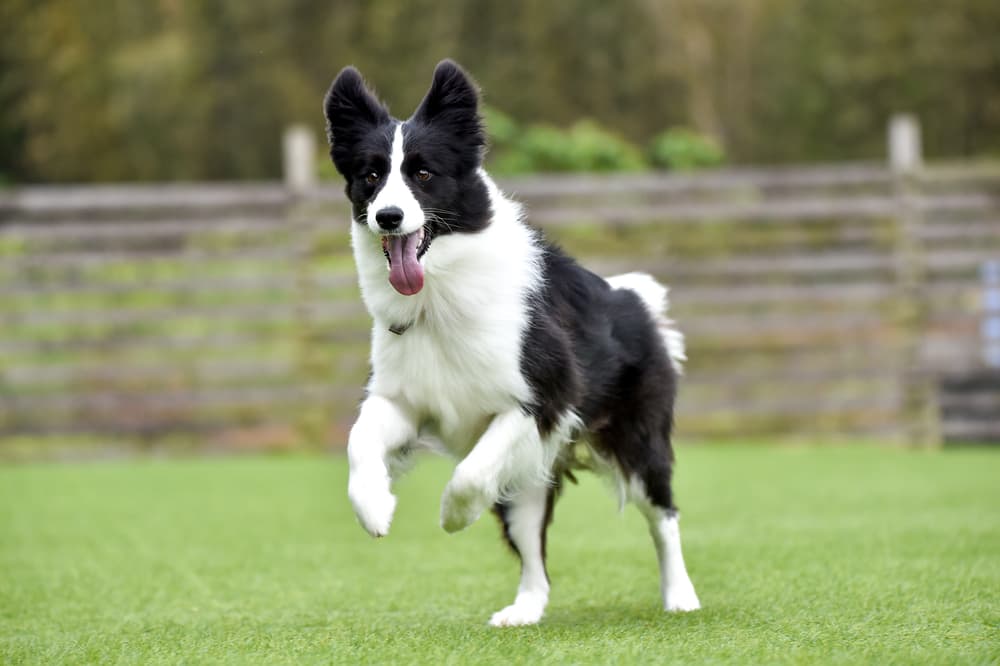
Like German Shepherds, many herding breeds run the risk of becoming clingy when they stray too far from their hardworking roots. Border Collies are near the top of the list, says board-certified veterinarian Dr. Melissa M. Brock. “These breeds are known for their intelligence and desire to work alongside humans,” she says. “They also have a very strong sense of loyalty to their owners.”
Australian Shepherd
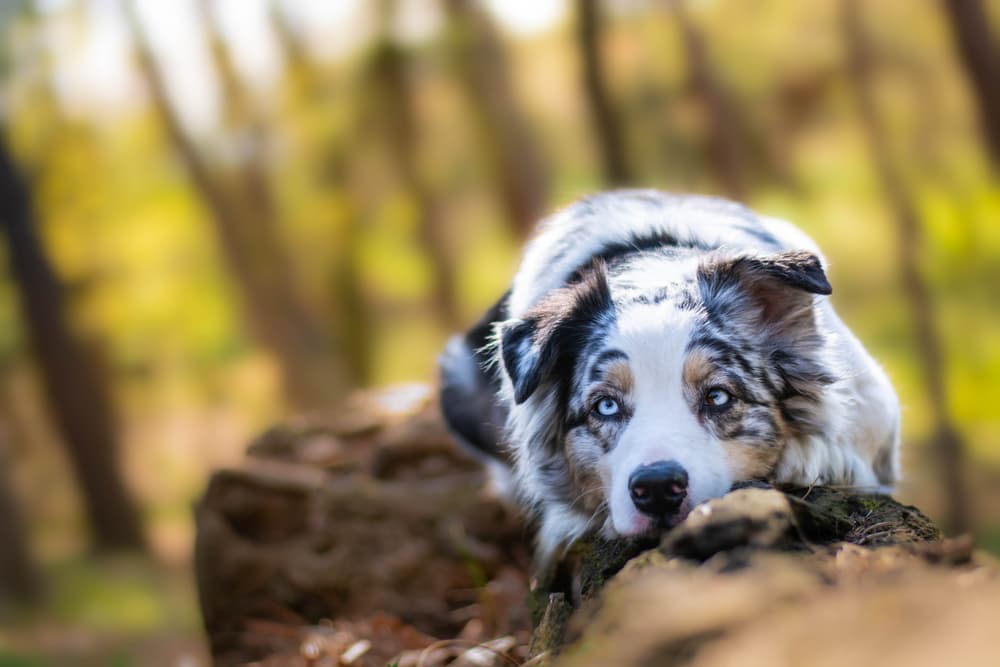
Before taking over Instagram with their couture coats and sparkling blue eyes, Aussies were cowboy companions, prized for their boundless energy and unparalleled herding skills. They make excellent working dogs, but can become prone to Velcro behavior in less stimulating environments, notes Dr. Brock.
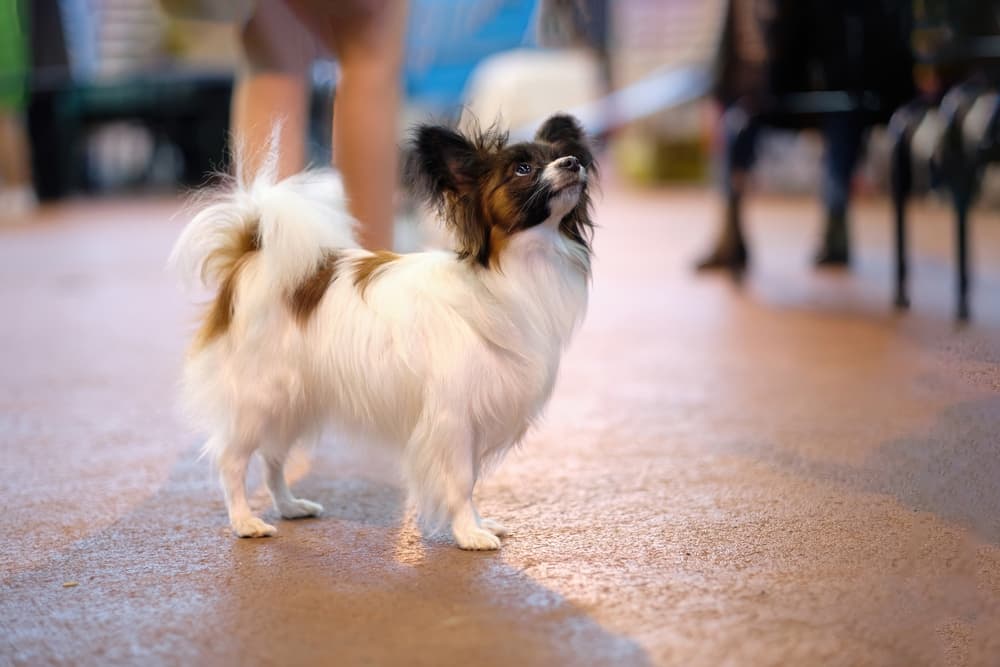
Papillon
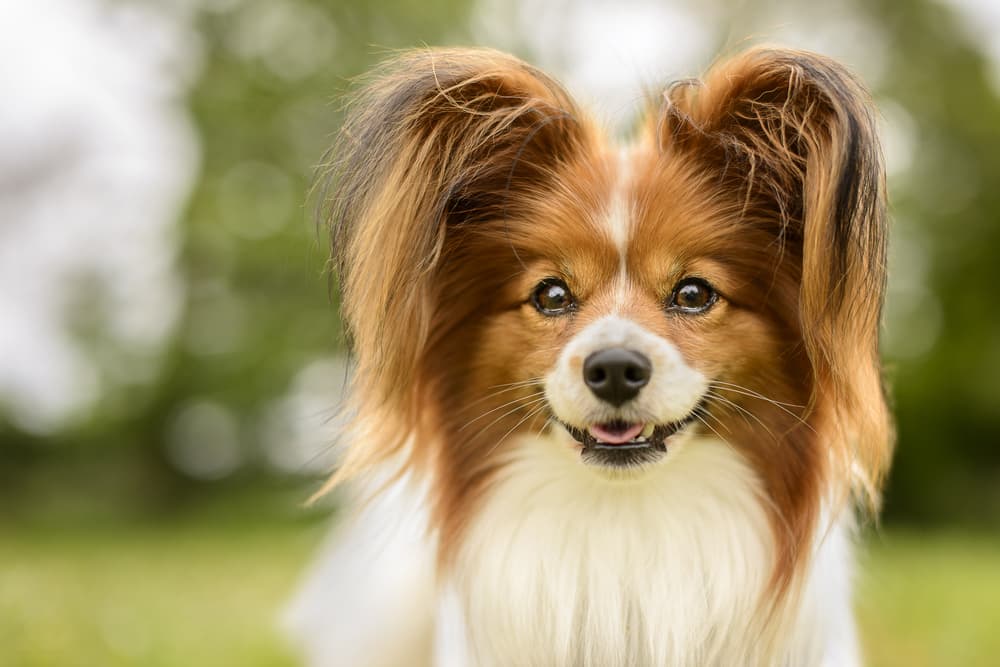
The very definition of “cute and cuddly,” Papillons charmed their way into the royal courts of Europe, counting Madame de Pompadour, Louis XIV, and Marie Antoinette among their admirers. Bred for centuries to be adorable lap warmers, they bond strongly and enthusiastically with their humans – and, perhaps unsurprisingly, are card-carrying members of the Velcro dog club.
French Bulldog
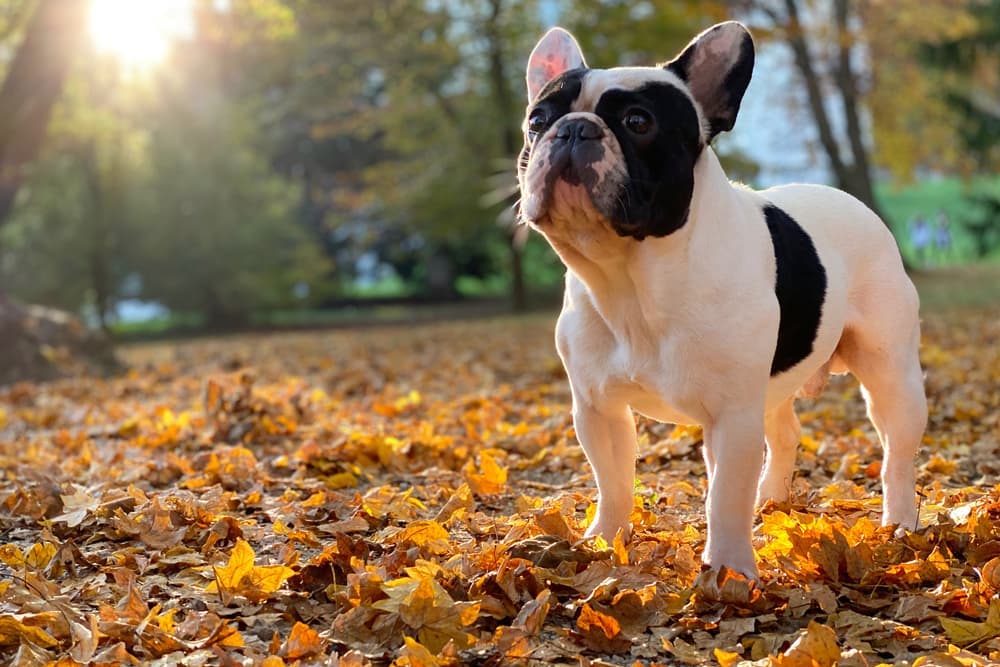
Who can resist a Frenchie? Petite and polite, French Bulldogs were the “It Dogs” of 19th century Parisian café society, making appearances in paintings by Degas and Toulouse-Lautrec. Their je ne sais quoi is undeniable – as is their penchant for keeping close tabs on their humans.
Pug
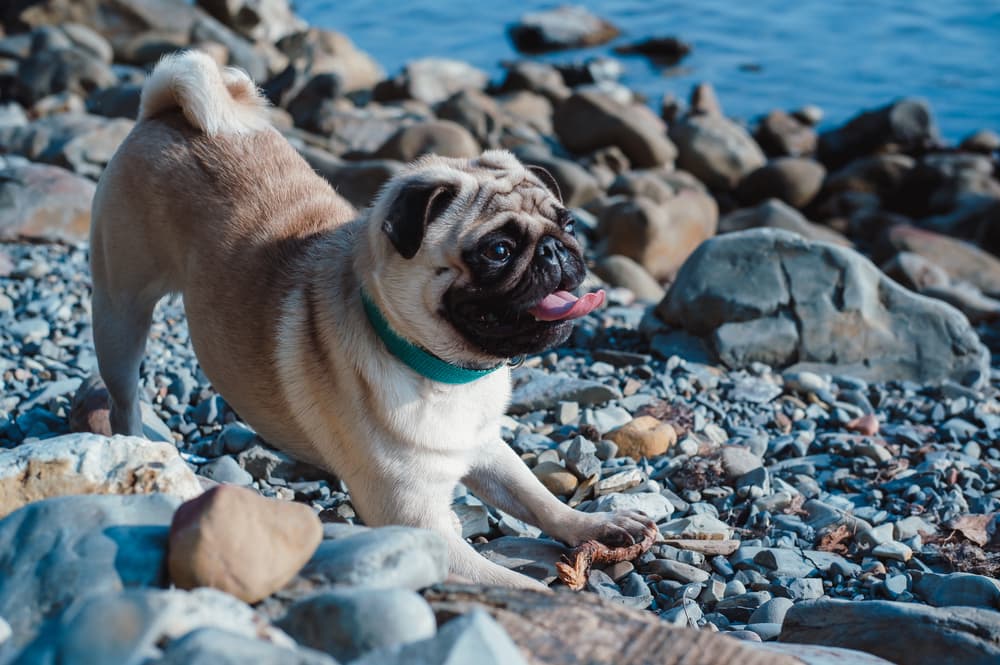
Tracing their roots back 2,000 years to ancient China, Pugs were bred as companions for emperors and the royal court. Today, they’re still beloved for their sweet, sensitive dispositions and people-pleasing ways. The only potential “downside”? Pugs thrive on being with their families and do not like being left alone.
Pit Bull
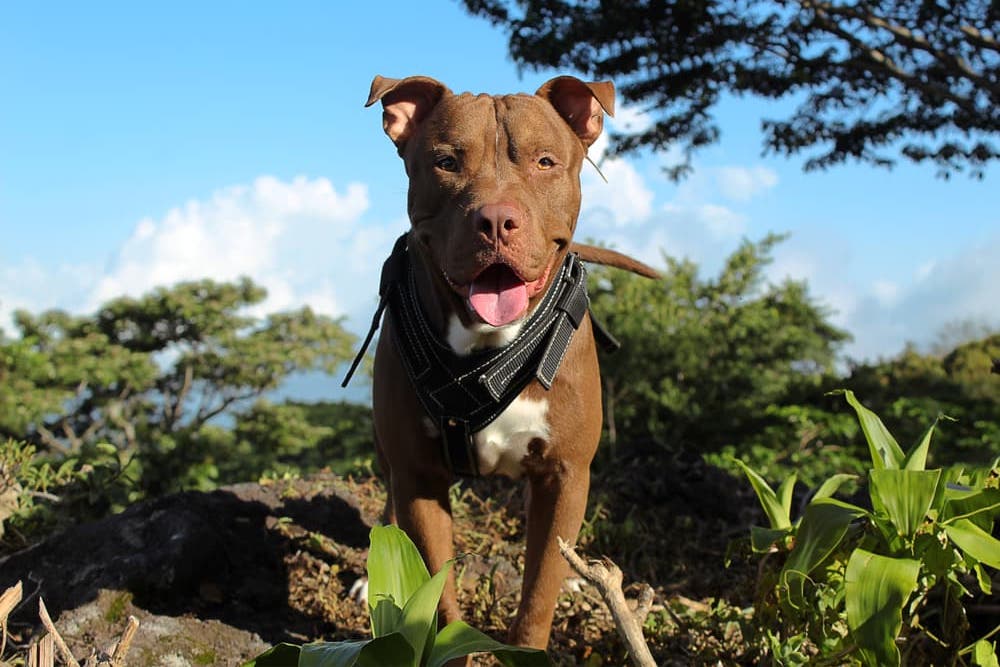
As Pittie parents will tell you, Pit Bulls are certified love bugs. But for rescues, Velcro behavior points to separation anxiety, says Tom Bohne, founder of Pit Bull advocacy organization Kennel to Couch. “Pit bulls are often very attached to their owners, but this is more likely related to their shelter experience and not an inborn trait. When they are rescued, they hold on tight to their new family members,” he explains. “They also tend to have the longest shelter stays, which can make them prone to extreme separation anxiety, even after they are adopted.”
Yorkshire Terrier
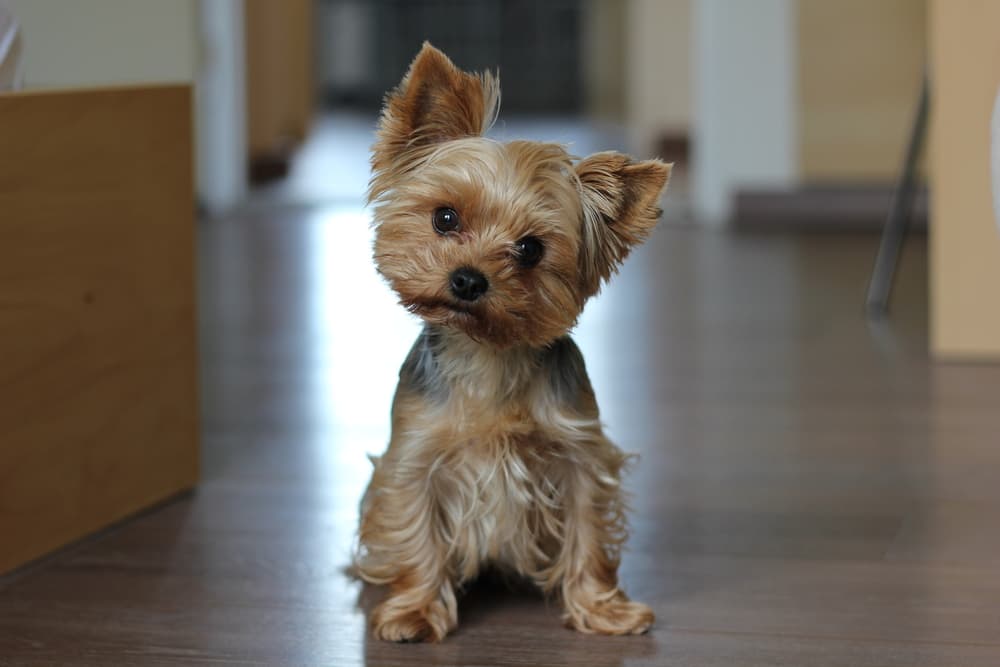
With roots as both workers and cuddlers, Yorkshire Terriers are extremely people-oriented. Originally bred to hunt rats in mines, they eventually became the fashionable companions of Victorian women – and have been purse pups ever since.
Labrador Retriever
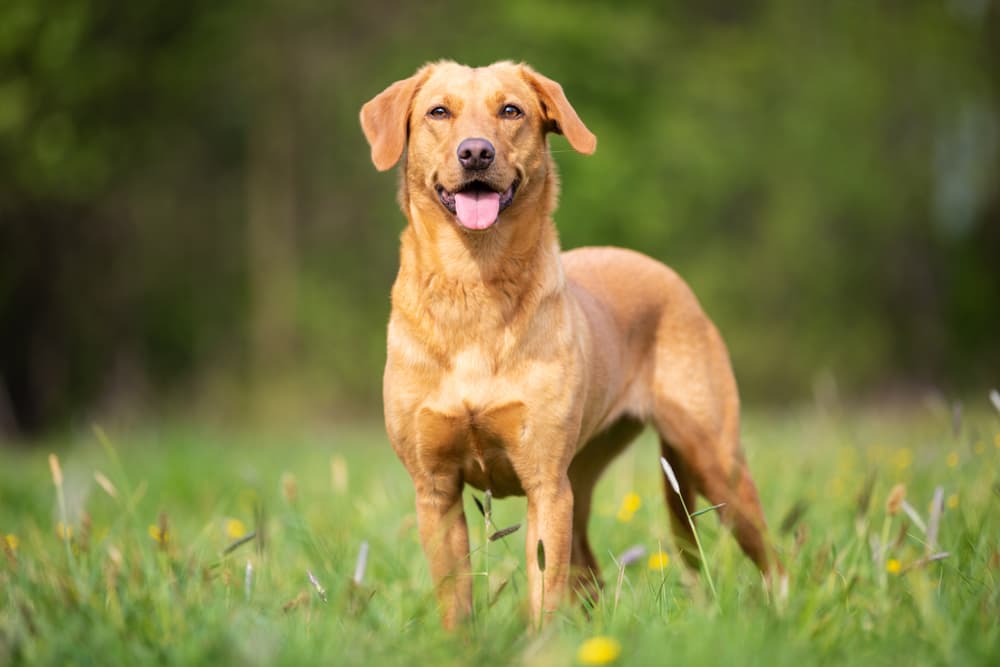
Endlessly affectionate and famously friendly, the Labrador Retriever is the most popular breed in the United States for good reason. But many people don’t realize that this social butterfly can be on the needy side. “Labrador Retrievers are surprisingly clingy,” says Dr. Brock. “They love to snuggle with their humans and are often referred to as Velcro dogs.”
Vizsla
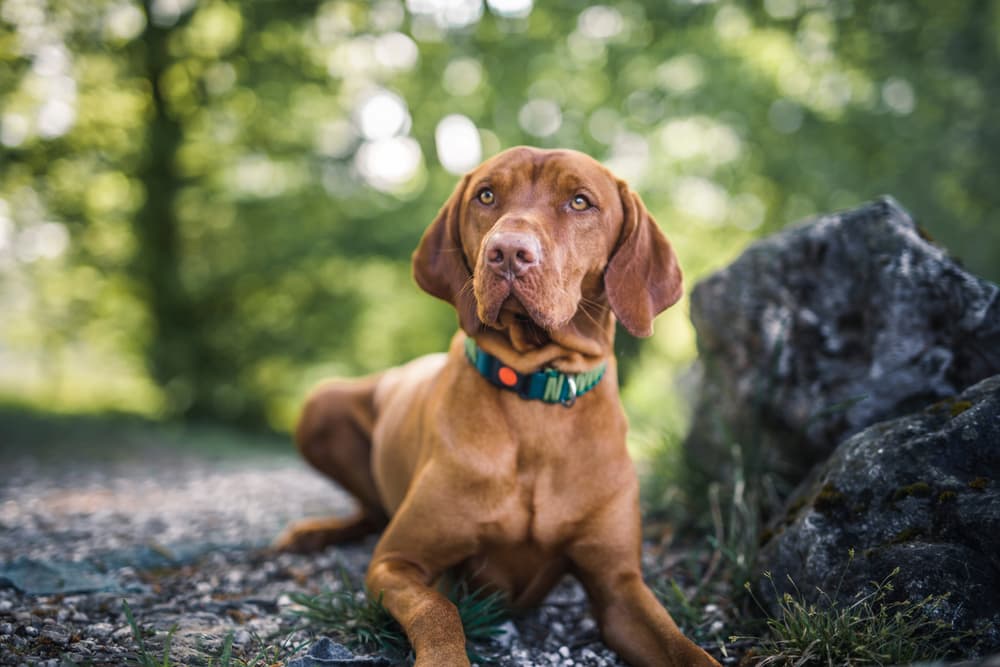
With their athletic builds and serious expressions, Vizslas may not seem to be Velcro material. But looks can be deceiving – the hunting breed is widely recognized to be among the most dependent on human companionship, and should not regularly be left alone. “The Vizsla is perhaps the clingiest dog breed,” says Dr. Sabrina Kong. “They rarely leave their owners’ sides and love to share time with them, especially if that time involves sports and physical activities.”
Doberman
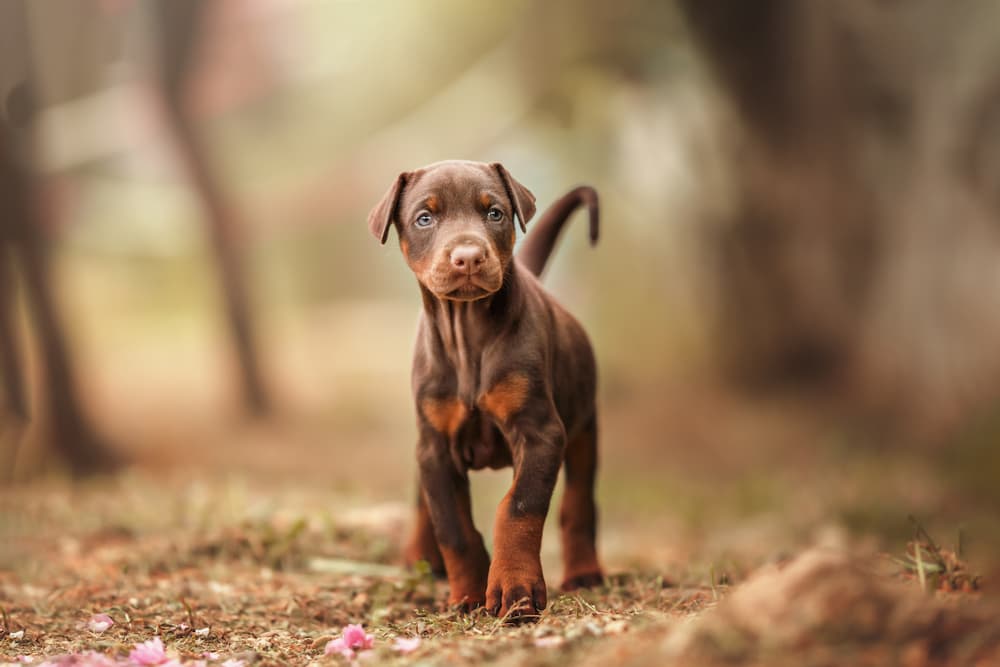
Don’t let the Doberman’s intimidating stare and all-business build fool you – like the Vizsla, this powerful breed is a serious softie. “They might look scary, but their guardian personality comes from the intense love and protection instinct they feel for their owners,” says Dr. Kong.
Dachshund
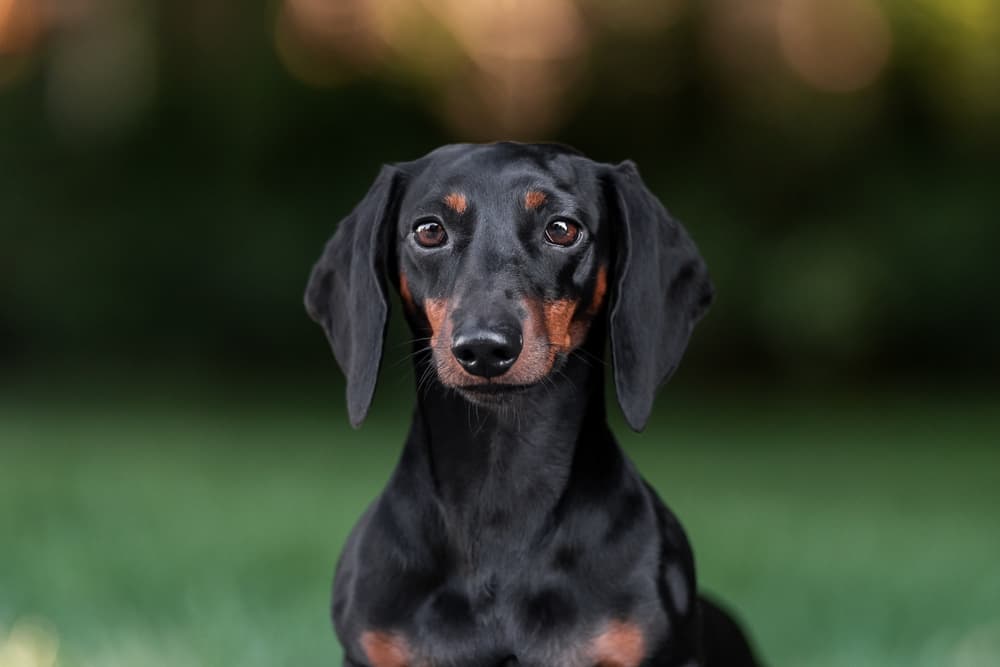
First and foremost, Dachshunds are famous for their signature shape and often-mispronounced name. Next up? Their Velcro tendencies. These fiercely loyal low-riders prefer to be with their families at all times. “Dachshunds are known for their intolerance for being left alone, which could make them difficult to have in a single-parent household,” says trainer Jen Jones. “The clingy nature of the Dachshund can be overwhelming for the owner.”
What to Do If You Need Some Space
As “man’s best friend,” dogs develop strong, important bonds with their families and thrive alongside their human companions. But if your pup is a little too close for comfort, it’s important to foster independence and ensure they’re not suffering from separation anxiety.
Could you (and your pup) use a little space? Consider the following tips from Dr. Wigfall:
Create a “safe space” for your dog. For needy dogs, crates are havens. “Crate training can help dogs feel secure in their space when you leave the home,” she says. “Start small and use lots of positive reinforcement before building up to leaving.”
Train early and often. Training isn’t only for puppies – lifelong training provides dogs with valuable mental stimulation and creates good habits. “Obedience training, particularly sitting and staying in an area such as on their bed, helps them feel confident and independent in a safe space setting,” explains Dr. Wigfall.
Practice active, calm separation. When home, have your dog stay alone in a room for five minutes, then gradually build up the time and distance between you and your dog. Some advice from Dr. Wigfall: “When you go back into the room, do not make a big fuss. If you are leaving the home, try to just leave without lots of cuddles.”
Provide enriching toys. When leaving the room or your home, make sure your pup has plenty of engaging toys, says Dr. Wigfall. “Using stuffed KONGs, Nylabones, or puzzle toys can help keep your dog entertained”
Consult your veterinarian. Separation anxiety is a serious condition that can negatively impact your dog’s health and happiness. If you’re concerned about your pet, Dr. Wigfall recommends talking to your veterinarian about professional training, and possibly even medication options. “Medications are best used in combination with a training program that involves desensitization to being left alone. Working with a veterinary behaviorist can help tailor a program to suit your dog’s needs.”
Velcro Dogs & Pet Parents: Sticking by Each Other
From small Velcro dog breeds to large Velcro dog breeds, some pups just like to stay extra-close to their humans. Clingy can be cute, but if your “shadow” is a little too close, it’s important to ensure that your dog isn’t experiencing stress or separation anxiety. The more you know about your dog and their breed, the more you can enjoy those cuddles!
Cocker Spaniel
- 2023-02-27T21:10:06
- Great Pet Care Team
The Cocker Spaniel will happily go hunting for birds or hang around the house. He is easily trained, gentle, and playful, and loves splashing around in water. His tail is always wagging whether he’s following a scent or checking to see what’s under the couch.
Before the Golden Retriever and Labrador set the modern bar for the “great with kids” family companion, no breed was more beloved or popular than the Cocker Spaniel. Beautiful, sweet-natured and moderately sized, the Cocker’s popularity bounded happily forward after World War II with the two-time Westminster Best in Show winner Ch. My Own Brucie. At his best, the Cocker is a gentle, affectionate and healthy dog with soft, dark eyes.
Weighing less than 30 pounds (albeit with a tendency to gain more) with a soft, wavy coat in many colors and patterns, long ears and the most expressive eyes in dogdom, the Cocker is an excellent family pet — lively, affectionate, sweet and trainable. But at his worst, he’s a nightmare. Popularity has truly been a curse to the Cocker Spaniel, and he’s one of the favorite breeds of puppy millers, Internet retailers, and pet stores, who sell sad-eyed, floppy-eared, adorable puppies that too often grow up to be unstable, noisy, nervous dogs who are difficult to house train and have a tendency to snap and even bite.
If you’re lucky enough to find a puppy from a good breeder, get him off on the right foot with gentle and consistent training right from the start. A well-bred Cocker should be easy to house train, happy to be with you, and eager to experience new things even if it means walking on a leash, riding in the car, or going to puppy classes.
Because Cocker Spaniels are extremely people-oriented, even the best-bred and socialized dogs tend to be a bit unhappy when left alone. For some, this takes the form of full-blown separation anxiety, with the barking, crying, and destructive behavior that usually accompanies it. Accustom your dog from puppyhood to being left alone from time to time. However, if you expect long hours left on his own to be part of your dog’s usual routine, this is probably not the breed for you.
Cocker Spaniels are typically friendly with other dogs and with cats. They are moderate shedders, and their coats require brushing several times a week. They can also be kept clipped, in which case they’ll need to be professionally or home-groomed every four to six weeks.
While the Cocker Spaniel is on the small side, don’t forget that he is a Sporting breed. Although he doesn’t need the hard-core exercise of some of the other sporting breeds, he still needs to burn off a lot of steam as he could run all day – after all, he’s bred to do so. However, a half hour walk or game of fetching the ball once or twice a day is appropriate, although he’d love to go on longer walks with you. You could also substitute a solid 15 minutes per day of obedience training, which stimulates his mind as well as his body. He’s a busy little guy, sniffing all day to follow a scent.
The different colors within the breed are considered separate varieties. A Black Cocker includes solid black as well as black and tan. The acronym ASCOB stands for “any solid color other than black,” which can include buff, brown, silver, and so on. The parti-color Cocker is either black and white, brown and white, red and white, or tri-color.
Other Quick Facts
- Loving, affectionate and gentle, a well-bred Cocker is a terrific family pet and fits comfortably into any size home.
- A poorly bred Cocker is snappy and afraid of people. This breed is one in which it pays to work with a responsible, experienced breeder.
- The Cocker can compete in field trials, hunt tests, obedience, rally, agility, freestyle, and other forms of dog performance activities. He makes a good therapy dog.
- The Cocker tail is typically docked, or cut short, when puppies are three or four days old. This is a point of controversy to some because it is a cosmetic procedure, although people in the breed note that it helps protect the tail from injury in the field.
- Even well-bred Cockers are sensitive, so it’s important to use positive reinforcement and praise during training.
The History of Cocker Spaniels
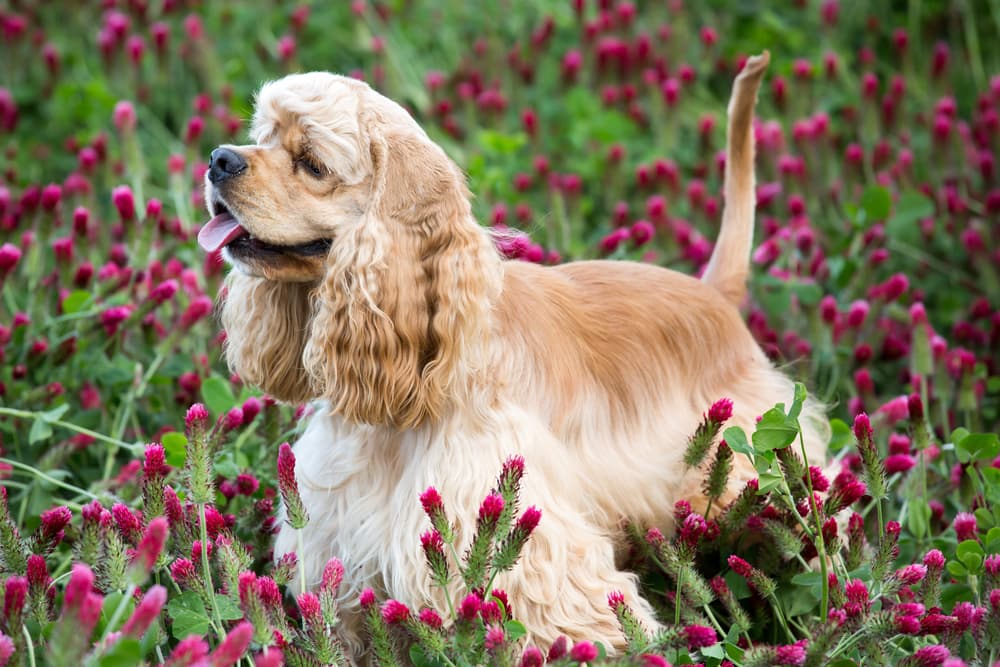
References to “Spanyells” date to the 14th century. Different types of spaniels evolved over the centuries, some working on land and some retrieving from water. The Cocker, which flushes game and retrieves it under command, derives his name from his skill at hunting woodcock, a type of wading bird. He is the smallest dog in the Sporting Group.
Spaniels used to be classified by size, and different types of spaniels might be born in the same litter. Eventually, the various spaniel types became individual breeds, and so it was with the Cocker. By 1946 the size and appearance of the Cocker and what is now the English Cocker Spaniel had changed enough that the two were split off into separate breeds.
The popularity of the Cocker skyrocketed after the release of Disney’s classic movie “Lady and the Tramp” in 1955. The immense popularity fueled a rise in poor breeding that resulted in some bad temperaments, but Cocker breeders have worked hard to correct the situation. It is still important today, however, to find a responsible breeder who maintains the breed’s hallmark cheery disposition rather than continuing to put out the fearful and snappish dogs that nearly ruined the breed.
Until 1990, the Cocker was the most popular breed registered by the American Kennel Club. Today he ranks 25th, but he will always have a place among people who appreciate his moderate size, sweet nature and intelligence.
Cocker Spaniel Temperament and Personality

Merry and lively, the Cocker Spaniel is also intelligent and trusting. Although he still retains a strong instinct to hunt, he is most often a house companion. With his family he is affectionate and docile. He can be a bit reserved at first with strangers, but he soon makes friends. Cockers can be good companions for children: not so big that they bowl them over and not so small that they are easily harmed by them. When raised together, they can buddy up with other pets, including cats, but birds may be an irresistible lure — and not in a good way.
The Cocker is highly trainable, but he has a sensitive soul. Early socialization is critical, and even with it some Cockers will urinate submissively when their people come home or when they meet new people or dogs or go new places. Approach training with positive reinforcement methods, especially praise and high value food rewards.
The Cocker can be good at field trials and as a gun dog, although for years he was thought of as “just” a companion. A Cocker is versatile and can do so much more than just hanging around the house, but he’s quite content to do that too because he loves being with you.
Any dog, no matter how nice, can develop obnoxious levels of barking, digging and other undesirable behaviors if he is bored, untrained or unsupervised. And any dog can be a trial to live with during adolescence. In the case of the Cocker, the “teen” years start at six months and continue until the dog is about a year old. His barking can be a problem unless you curb it early.
The perfect Cocker Spaniel doesn’t spring fully formed from the whelping box. He’s a product of his background and breeding. Cockers have been overbred in the past, sometimes resulting in a fearful, slightly scary dog that in no way represents a well-bred Cocker. Look for one whose parents have nice personalities and who has been well socialized from early puppyhood.
What You Need to Know About Cocker Health
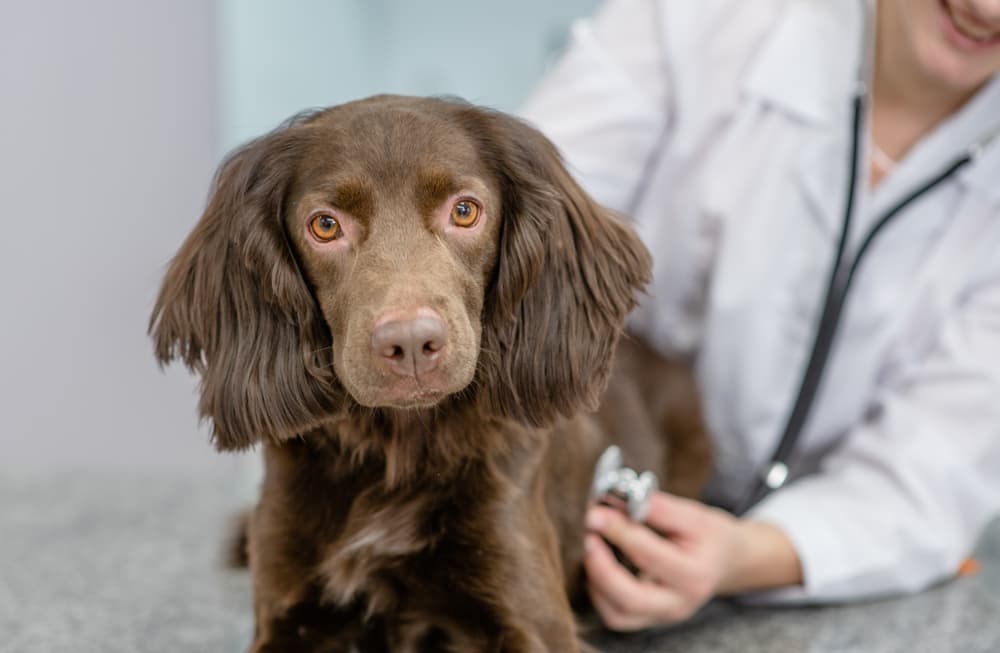
Cocker Spaniels are susceptible to a number of health problems that are at least partly genetic. These include many different eye disorders including cataracts and glaucoma, as well as painful defects of the hips and knees. Just like people, all dogs have the potential to develop genetic health problems. Many problems can be avoided by working with a reputable breeder who offers a health guarantee, but even the most responsible breeding practices can’t protect dogs from everything.
The Most Common Health Issues in Cocker Spaniels
Disc disease can make movement painful for the Cocker Spaniel, who is by nature an active dog who loves to run and play. Heart disease, liver disease, epilepsy – the Cocker is at risk for all of them.
The variety of eye problems that can afflict the Cocker Spaniel ranges from the cosmetic – a condition called “cherry eye” that can be corrected by surgery – and the sight-threatening, including cataracts and glaucoma. While many Cockers lose their vision entirely in old age, some can lose their sight as early as two years of age due to progressive retinal atrophy. Cockers are also prone to keratoconjunctivitis sicca, a condition known as dry eye, a deficiency of tears that can lead to corneal problems.
Make sure to have your Cocker Spaniel’s eyes examined once a year by a board-certified veterinary ophthalmologist, and seek veterinary care immediately at any signs of vision loss, cloudiness, redness, irritation of the eyes or if the dog is squinting or pawing at them.
Cockers can also have hypothyroidism, which is the underproduction of thyroid hormone. This can cause weight gain, lethargy, hair loss, shivering and skin infections. Cockers should have their thyroids checked with a simple blood test any time thyroid disease is suspected. Skin problems may also indicate allergies, which are common in the breed, as are skin masses, which may be benign or cancerous.
Some Cocker Spaniels seem to be prone to congenital deafness, associated with white hair and blue eyes. At the age of three or four weeks, in some of these dogs the blood supply to the inner ear degenerates. It can occur in one or both ears and is permanent.
Those long spaniel ears tend to trap warm, moist air inside the ear canals, creating the perfect environment for growth of bacteria and yeast, which lead to ear infections. Ear infections can be chronic in some dogs with long ears, so it’s necessary to stay on top of ear care and clean them religiously. Repeated infections can cause so much damage to the ear canal that the dog will lose his hearing. Severely affected ears may require surgery. Follow-up care is especially important in matters of the ear to prevent new flare-ups of old problems.
Cockers have more autoimmune diseases than many other breeds, for reasons that aren’t clear. Many Cocker Spaniels are prone to autoimmune hemolytic anemia (AIHA), in which the dog’s immune system attacks his own red blood cells to the point that the dog becomes anemic. While there is treatment, the mortality rate is high.
What You Can Do to Prevent Health Issues
Choosing a healthy dog starts with choosing a responsible breeder. There are a number of genetics tests and screenings available to help breeders weed out health issues in their lines. If a breeder tells you she doesn’t need to do those tests because she’s never had problems in her lines and her dogs have been “vet checked,” then you should go find a breeder who is more rigorous about testing.
Before individual Cockers can be included in the Canine Health Information Center (CHIC) database, the ASC requires them to have a clearance from the Canine Eye Registry Foundation or a board-certified veterinary ophthalmologist (to check for cataracts, glaucoma, and progressive retinal atrophy); hip evaluations from the Orthopedic Foundation for Animals or PennHIP; a thyroid profile; and a profile for blood factor X and von Willebrand’s disease. You can search the OFA and CHIC websites yourself to see if a pup’s parents are listed.
Your breeder has to agree to have all test results, positive or negative, published in the CHIC database. Dogs don’t need to earn good or even passing scores on the evaluations to obtain a CHIC number, so CHIC registration alone is not proof of soundness or absence of disease, but all test results are posted on the CHIC website and can be accessed by anyone who wants to check the health of a puppy’s parents.
Beyond preventative testing, remember that you also have the power to protect your Cocker Spaniel from one of the most common health issues: obesity. If you’re looking for the easiest way to extend your Cocker’s life, keep him at a healthy weight through proper diet and exercise.
The Basics of Cocker Grooming
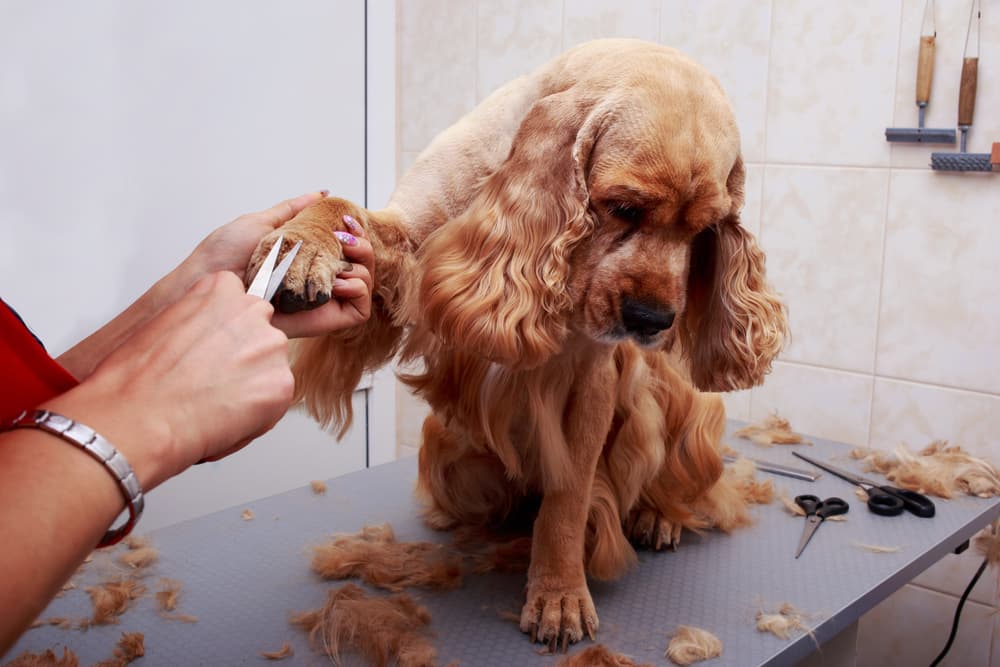
The beautiful, silky Cocker coat that you see on dogs in the show ring doesn’t just happen. It takes a lot of work to keep it shiny and tangle-free. For good reason, most people keep their pets in a short cut all over, known as a puppy cut. Even that requires a fair bit of maintenance. Dogs with puppy cuts should be bathed, brushed and trimmed about every two weeks.
If you want the flowing long coat, more care and time must be taken, and typically the bathing, brushing and trimming happens once a week. Most people choose to take their Cocker to a professional groomer, but you can learn to do it yourself. The cost of the equipment is equivalent to only a few grooming sessions, you won’t have to schedule appointments and you will find that you increase your bond with your Cocker. However, grooming isn’t for everyone, so if you don’t want to do it, find a groomer you like because it’s an absolute requirement for a Cocker.
Because Cocker ears are prone to infection, check them weekly to make sure the inside is a healthy, vibrant pink and doesn’t have a foul odor. If not, get to the vet quickly before the ear infection becomes a major issue. Be particularly careful to check the ears of a puppy as there is a significant wax buildup while the ear canal develops. Clean the ears using a vet-approved cleaning solution.
The rest is basic care. Trim the toenails every few weeks. They should never get long enough that you hear them clacking on the floor. Long nails can make it uncomfortable for the Cocker to walk, and they can get caught on things and tear off. That’s really painful, and it will bleed a lot. Brush the teeth frequently for good dental health and fresh breath.
Choosing a Breeder for Your Cocker Spaniel
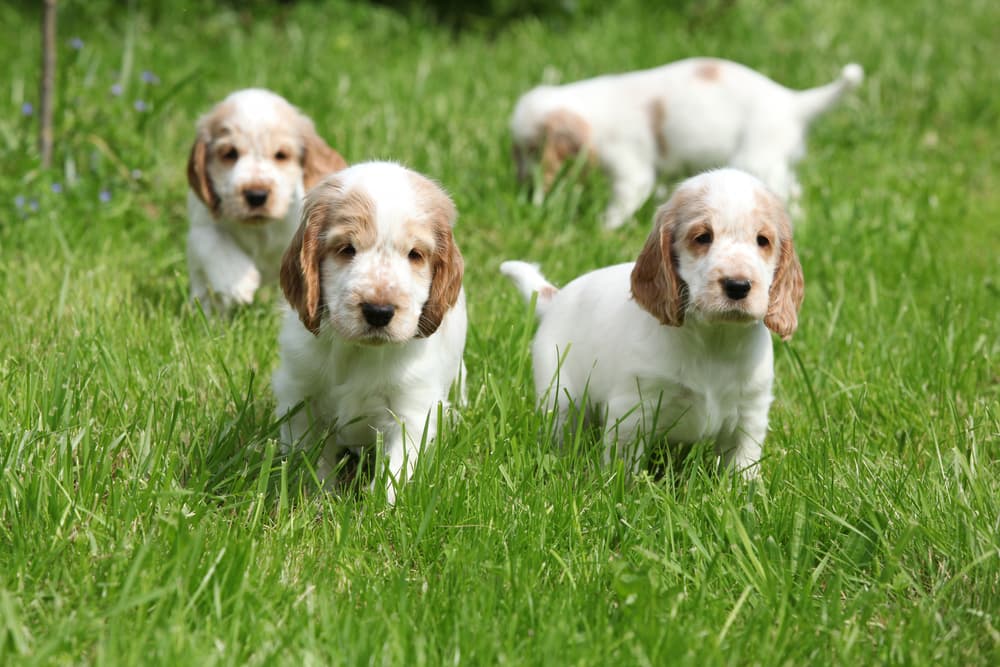
So, you’ve made the choice to bring home a Cocker Spaniel—awesome! There are many excellent Cocker Spaniel breeders to choose from, and just as many not-so-excellent ones, too. Choosing a reputable breeder is key to finding the right puppy. Knowing how to spot a good one is half of the battle.
What are Signs of a Reputable Breeder?
A good breeder will match you with the right puppy, and will without question have done all the health certifications necessary to screen out health problems as much as is possible. He or she is more interested in placing pups in the right homes than in making big bucks. Good breeders will:
- Welcome your questions about temperament, health clearances, and breed history
- Ask their own questions about the type of home you can provide for your Cocker Spaniel
- Prove they are in good standing with The American Spaniel Club, Inc, meaning they have agreed to abide by a particular code of ethics
- Offer a health guarantee on their puppies
- Be able to produce documentation on genetic testing to identify health issues present in their lines
What are Signs of a Bad Breeder?
Unfortunately, there are plenty of Cocker Spaniel breeders who are just out to make a quick buck and do not care about the health and welfare of the dogs they breed. Disreputable breeders may:
- Claim genetic health testing is not necessary because their dogs have never had problems or because they have been “vet checked”
- Seem only interested in how fast they can unload puppies
- Offer your choice of any puppy available online, purchasable sight unseen with a credit card
- Have multiple litters on the premises
Is an Adult Cocker Spaniel Right for You?
Many people dive headfirst into puppy parenthood before understanding the work and commitment involved. An adult Cocker, who is likely more trained, less active and less destructive than a puppy, may better suit your lifestyle. With an adult, you know more about what you’re getting in terms of personality and health and you can find adults through breeders or shelters. If you are interested in acquiring an older dog through breeders, ask them about purchasing a retired show dog or if they know of an adult dog who needs a new home. If you want to adopt a dog, read the advice below on how to do that.
Adopting a Cocker Spaniel From a Rescue or Shelter

Adopting a Cocker Spaniel can be a great way to give a deserving dog a new, loving home. From animal shelters, to breed rescues and more, there are several great options for finding an adoptable Cocker Spaniel to bring home.
Head Online. Web Sites like Petfinder.com and Adopt-a-Pet.com have helped thousands of pet owners find the perfect adoptable dog. You can use these site to filter Cocker Spaniels by specific geographic region, and by certain attributes like housetraining status. Also, AnimalShelter is another great website that can help you find animal rescue groups in your area. You may be surprised by what you find!
Talk to the Pet Pros. Vets, dog walkers, and groomers in your area are often more in-the-know about adoptable dogs than the average person. They are commonly the first network someone reaches out to when they make the tough decision to give up a dog. Also, these professionals may have connections with rescue groups and adoption agencies you weren’t aware of.
Talk to Breed Rescue. Networking can help you find a dog that may be the perfect companion for your family. You can also search online for other Cocker rescues in your area. Breed clubs have rescue organizations devoted to taking care of homeless dogs. The American Spaniel Club’s rescue network can help you find a dog that may be the perfect companion for your family. These types of rescue groups tend to be transparent about any health conditions the dogs have, making them a valuable resource for advice and support. Even more, they often offer fostering opportunities for dogs in need of a home, which is a great option for people looking to see what the experience of dog ownership is like before fully commiting.
Whether you bring home a puppy from a breeder, an adult from a rescue, or anything in between, take your Cocker to your veterinarian as soon as you can. Your veterinarian will be able to spot problems, and will work with you to set up a preventive regimen that will help you avoid many health issues.
Cocker Spaniel FAQs
Do Cocker Spaniels shed?
When it comes to shedding, Cocker Spaniels most often shed very little or not at all. However, the amount of hair they slough off depends on both the length of hair your Cocker Spaniel has as well as how often you get him groomed. Cockers who shed are more likely to do so around the spring and fall as they transition into or out of their seasonal coats.
Are Cocker Spaniels hypoallergenic?
Despite some anecdotal evidence suggesting otherwise, Cocker Spaniels are not hypoallergenic. Though Cockers tend to shed very little, this does not prevent allergy sufferers from being affected as the allergens exist in a dog’s dander, not his hair.
How long do Cocker Spaniels live?
The average lifespan for a Cocker Spaniel is between 12 and 15 years
How big do Cocker Spaniels get?
Adult Cocker Spaniels usually grow to be 14 to 15 inches at the shoulder, and weigh between 20 and 30 pounds.
Are Cocker Spaniels smart?
Yes, Cocker Spaniels are known to be incredibly smart dogs that are highly trainable. This intelligence is due in part to its lineage as a working breed. Cocker Spaniels respond well to positive reinforcement training methods, and love to be put to work.
Cocker Spaniel Pictures
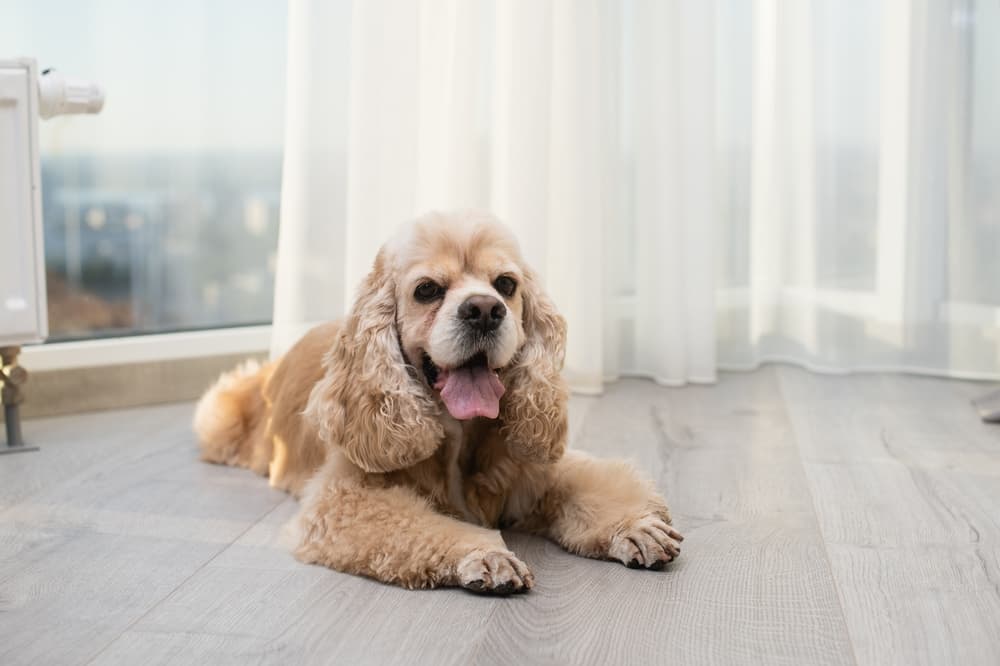
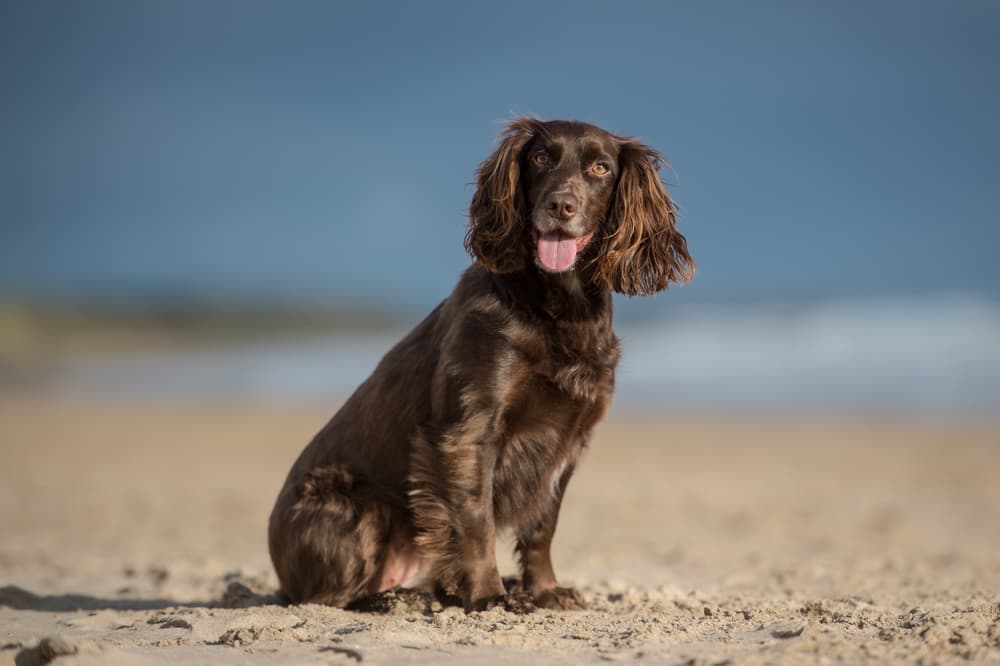
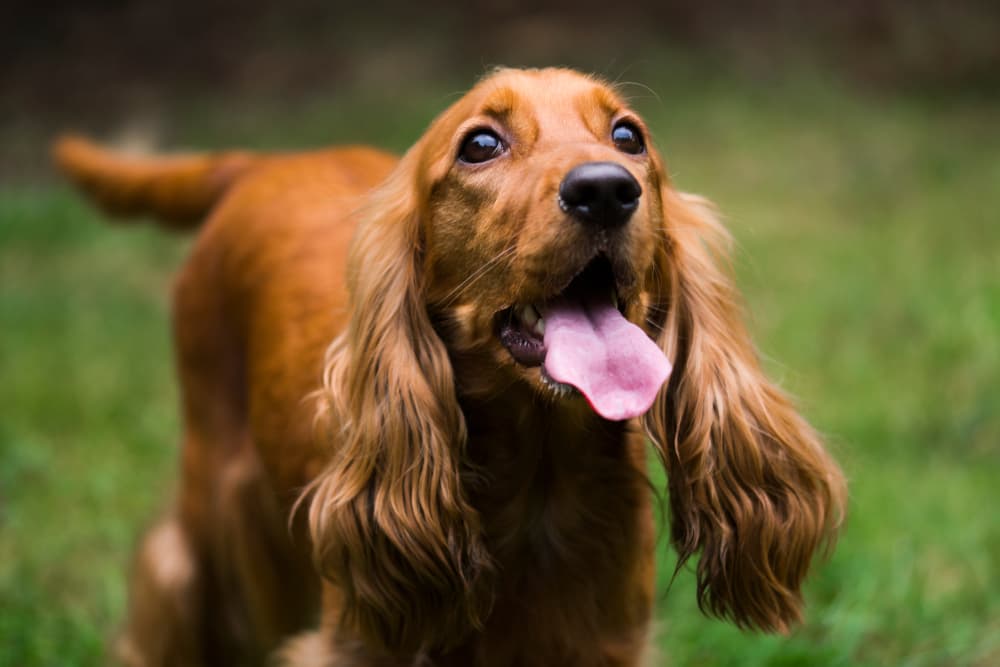
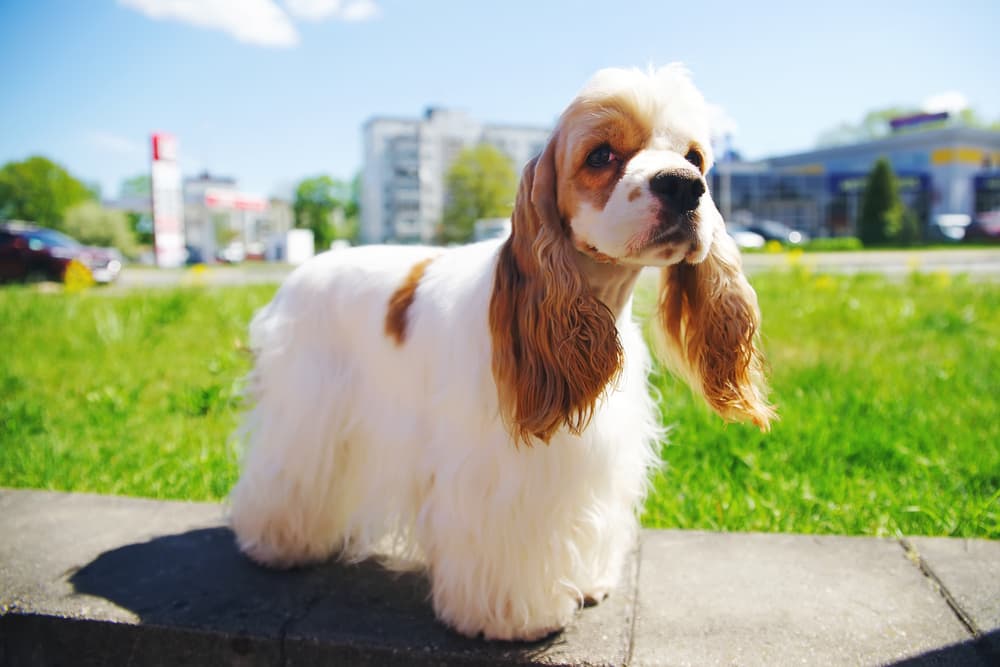
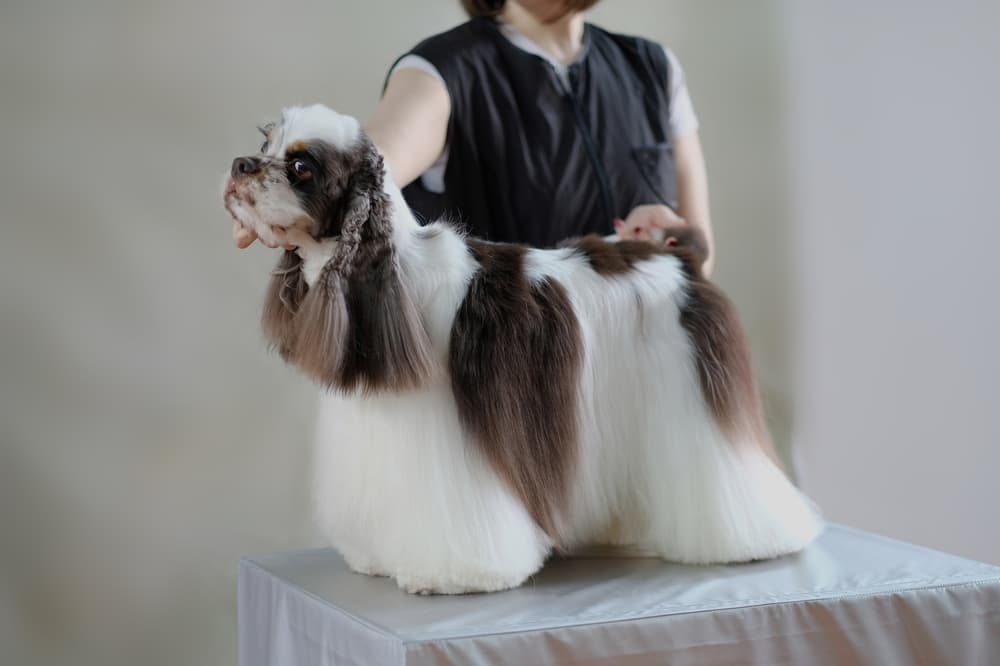
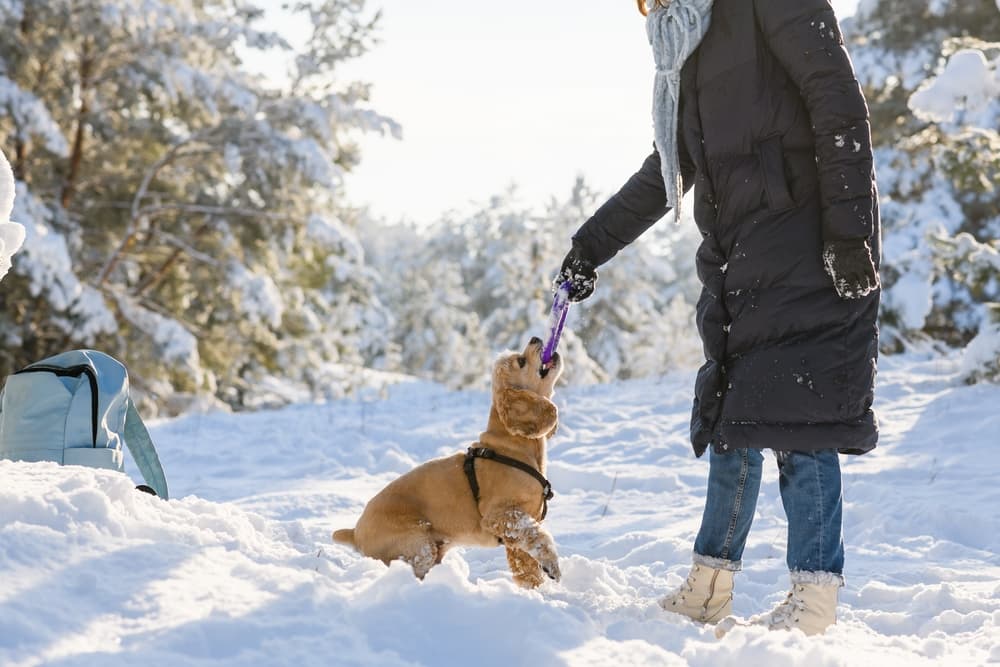
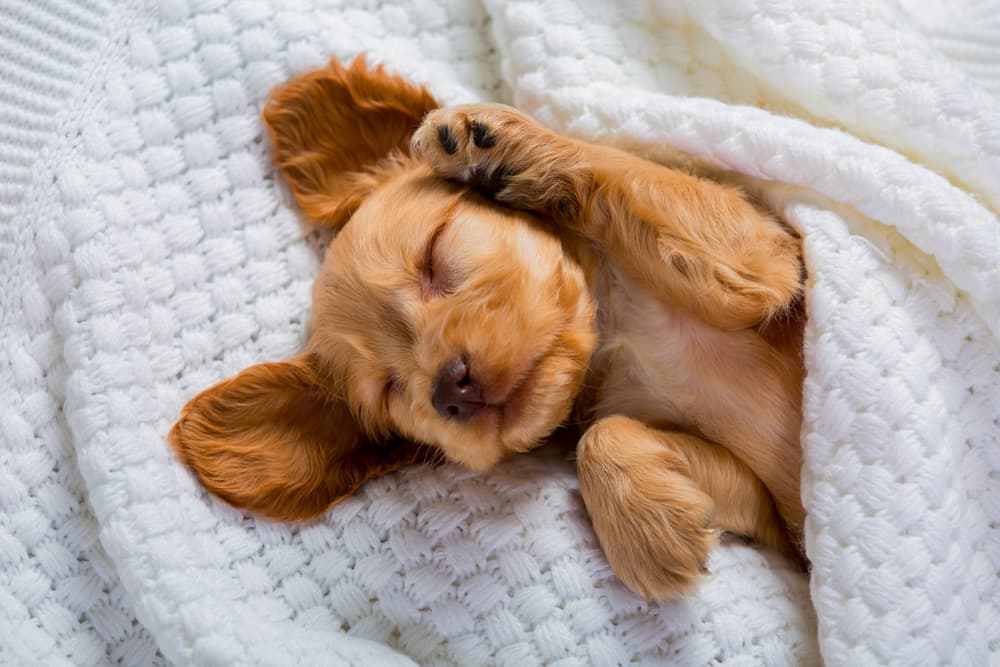
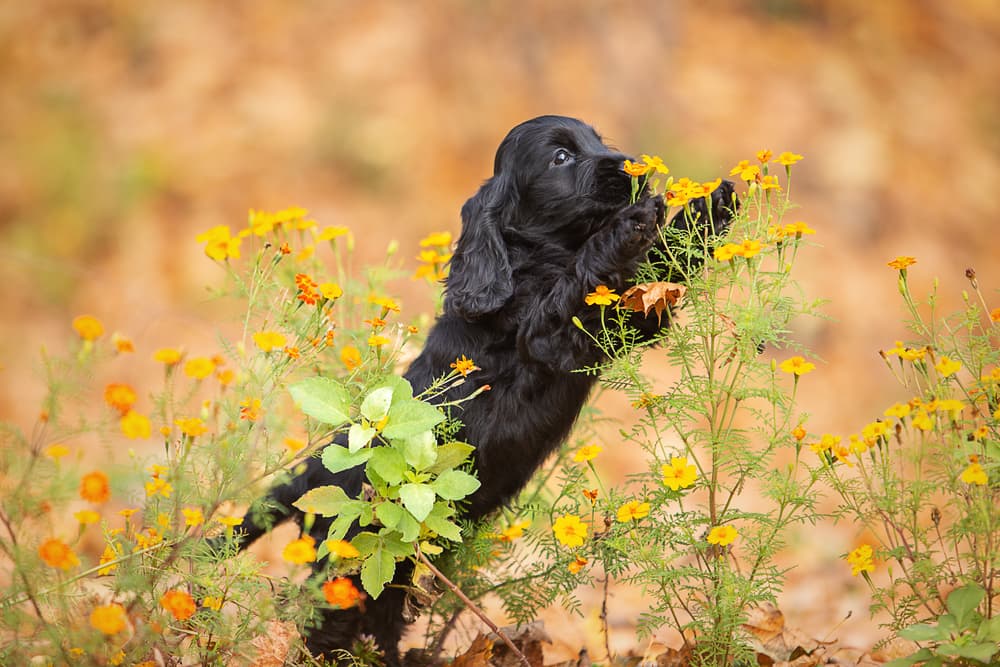
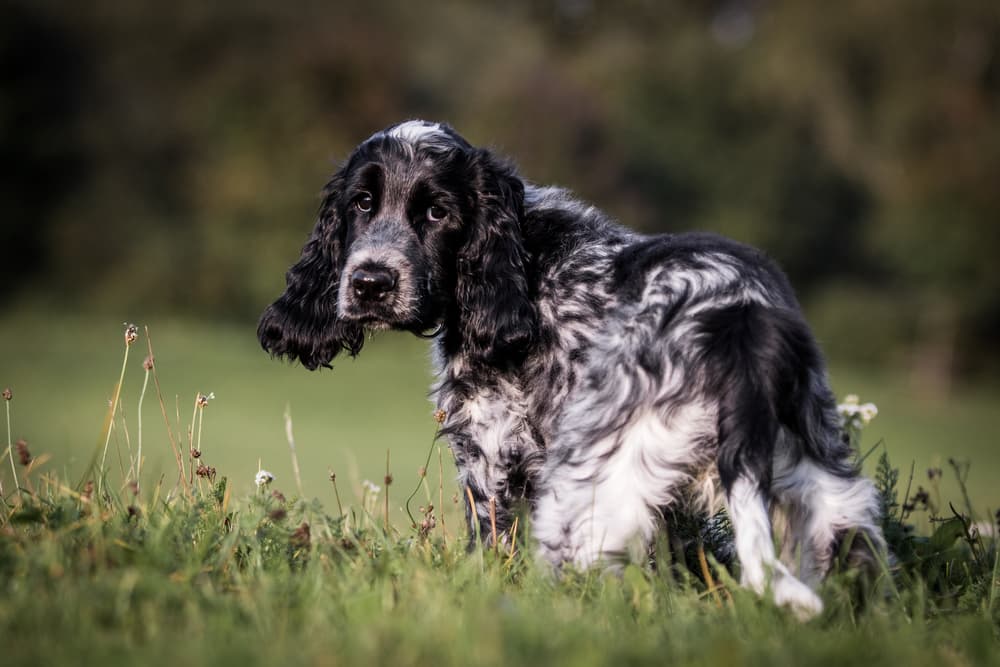
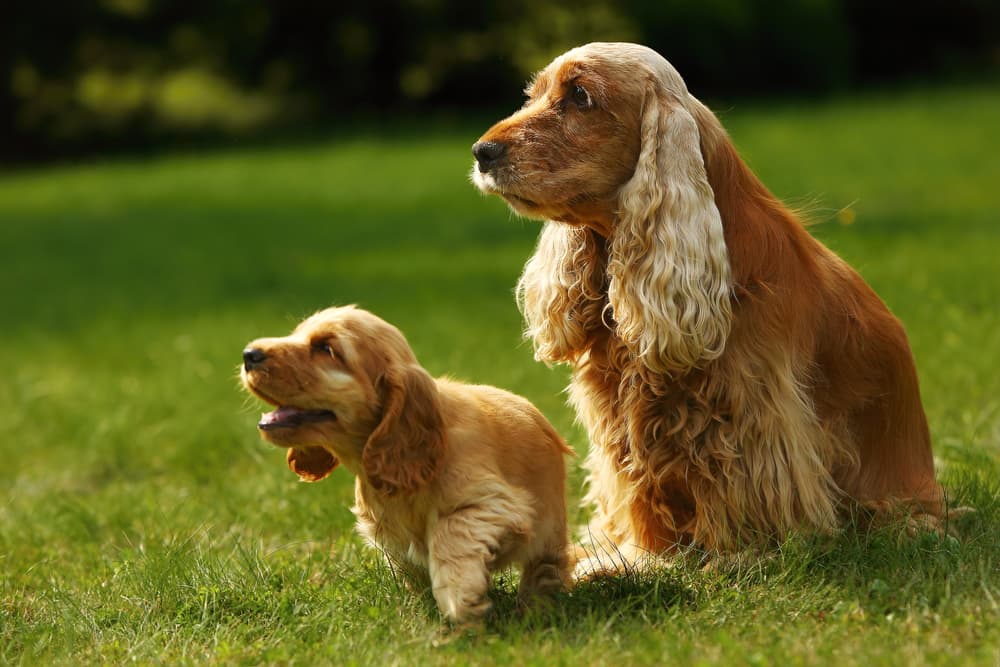
Goldendoodle vs. Labradoodle: Comparing These Doodle Breeds
- 2023-02-15T16:22:39
- Cheryl Lock
Soft and fluffy, intelligent, loveable, and quirky, the Labradoodle and Goldendoodle breeds are full of traits that dog owners covet. But when it comes to Labradoodle vs. Goldendoodle, which breed is the better option for you?
Like you would when deciding on any dog to bring home to your family, it’s important to consider the full picture. What sets the Labradoodle apart from the Goldendoodle? Are there personality characteristics, care and/or health concerns that differ?
To help you decide whether the Goldendoodle or Labradoodle is best for you, we did our research, utilizing organizations like the Goldendoodle Association of North America (GANA) and experts like Miles Lewis, vice president of public relations for the Australian Labradoodle Association of America (ALAA).
Goldendoodle vs Labradoodle: What’s the Difference?
At first glance, Goldendoodles and Labradoodles appear very similar. And in many ways, they are. However, there are a few things that set each breed apart from the other.
Goldendoodles
Goldendoodles were created in Australia more widely in the 1990s as a mixture of a Golden Retriever and a Poodle. They come in four sizes — petite, miniature, medium, and standard — and their non- to light-shedding coats (often touted as being a better option for people who suffer from dog allergies) come in a variety of colors and patterns.
Labradoodles
Created in Australia in the 1980s, Labradoodles are a mixture of a Labrador Retriever and a Poodle. While the Australian Labradoodle started the craze, Australian and American Labradoodles are very similar, with a few slight differences. American Labradoodles are made up of only Labrador Retrievers and Poodles, for example, while Australian Labradoodles tend to have a small percentage of Cocker Spaniel in them, as well.
Labradoodles can be miniature, medium, or standard in size, and their low- to non-shedding coats (also supposedly better for people with dog allergies) are either wool or fleece and come in a variety of colors and patterns.
Goldendoodle/Labradoodle Comparison Chart
Here’s a quick visual breakdown of some of the main characteristics of each breed.
| Characteristic | Goldendoodle | Labradoodle |
| Average Height | Less than 14 inches (petite) 14 to 16 inches (miniature) 17 to 20 inches (medium) Over 20 inches (standard) | 14 to 16 inches (miniature) 17 to 20 inches (medium) 21 to 24 (standard) |
| Average Weight | 25 lbs or less (petite) 26 to 35 lbs (miniature) 36-50 lbs (medium) 51 lbs or more (standard) | 15-25 lbs (miniature) 25-45 lbs (medium) 45-75 lbs (standard) |
| Coloring | Golden Retriever ancestry brings shades of cream, apricot, and red. Poodle heritage brings shades of cream, apricot, red, black, chocolate (dark brown), silver, and gray. Patterns in the colors include: Parti, merle, phantom, and brindle | Official black-pigmented dogs are: Chalk, cream, apricot, gold, red, black, blue, silver Official brown-pigmented dogs are: Caramel ice, caramel cream, caramel, caramel red, chocolate, lavender, café, parchment Patterns in the colors include: Parti, tuxedo, sable, phantom, tri-phantom, merle |
| Coat Type | Low- to no-shedding curly, wavy, or straight | Low- to no-shedding fleece or wool (curly or straight) |
| Dog Breed Group | Hybrid mixture of Golden Retriever (sporting) and Poodle (non-sporting) | Hybrid mixture of Labrador Retriever (sporting) and Poodle (non-sporting) |
| Average Lifespan | 10-15 years | 10-14 years |
| Key Personality Traits | The breed is known to be friendly and trustworthy, as well as stable in most environments, including with children. They make excellent options for trained service and therapy dogs because of their reliable demeanor. | Bred to be service dogs specifically for people who suffer from dog allergies, this breed excels in terms of their loyalty and ease of training. |
History of Goldendoodles and Labradoodles
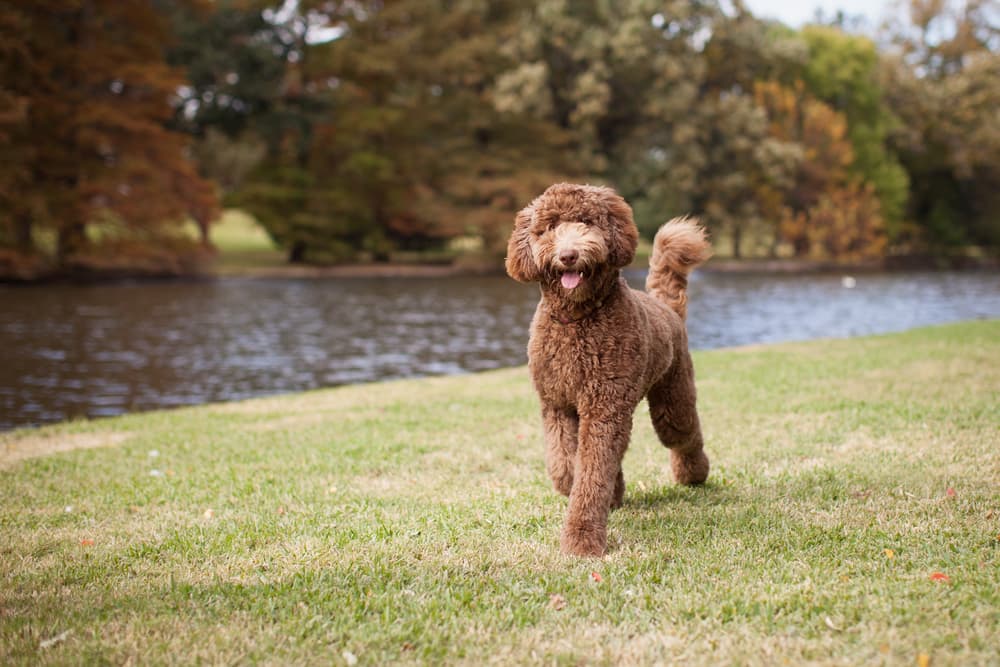
As far as dog breeds go, both Goldendoodles and Labradoodles are relatively new, and neither are currently recognized by the American Kennel Club (AKC). Let’s get into more specifics about their origins.
History of Goldendoodles
Although the exact date of development is unknown, we do know that a handful of breeders emerged in the late 1990s with the hybrid cross of a Golden Retriever and a Poodle, creating the Goldendoodle. As their popularity grew, breeders started developing different size variations, which led to the four categories of sizes — petite, mini, medium, and standard — that we see today. These social, intelligent dogs have a low- to non-shedding coat, which supposedly makes them easier for people with dog allergies to live with.
History of Labradoodles
The Labradoodle was carefully developed in Australia starting in the 1980s and was bred over generations with a focus on temperament, coat quality, health testing, and planned mating. The Australian Labradoodle was created by a Royal Guide Dogs Association trainer to be an allergy-friendly guide/service dog, and their appearance and temperament has remained steady since then. They are a people-focused dog with a strong desire to please.
Goldendoodle vs. Labradoodle: Breed Characteristics
As with any breed, having a Goldendoodle or Labradoodle as a pet comes with pros and cons to consider.
Goldendoodle Characteristics
Goldendoodles have grown in popularity thanks to their social, outgoing nature. Their people-pleasing personality and intelligence make them easy to train. On the flip side, Goldendoodles need a lot of stimulation to help keep them from becoming destructive and getting into trouble. Their social personality can also make them more prone to separation anxiety, and they tend to be considered more energetic and hyper than the Labradoodle. Additionally, their low-shed coats can be curly, wavy, or straight in a variety of colors and patterns.
Labradoodle Characteristics
Labradoodles are very social with people and other animals alike, and they’re great with kids. Their above-average intelligence also makes them easy to train. As previously mentioned, they are a low- to no-shedding breed that can have one of two types of coat: wool or fleece. Wool coats resemble lamb’s wool and are typically a wavy (not too curly texture, while fleece coats are very soft and can be straight, wavy, or spiral-curly.
Goldendoodle vs. Labradoodle: Caring for Your Doodle Dog
Both Goldendoodles and Labradoodles come with their own special set of care instructions and potential issues to look out for.
Goldendoodle Care and Feeding
The health issues that you would normally find in Golden Retrievers and/or Poodles may be found in Goldendoodles as well, like hip dysplasia. Because of the structure of their ears, they may also get ear infections. Many Goldendoodles are prone to having sensitive stomachs, so it’s best to avoid changing their diet frequently or giving them food other than what’s specifically formulated for dogs and/or their health needs. This breed tends to have a life expectancy of anywhere from 10 to 15 years.
Labradoodle Care and Feeding
Labradoodles that come from registered, quality breeders should have few serious health considerations. Things to ask if your breeder has tested for include hip dysplasia and eye disease. Like all floppy-eared dogs, the Labradoodle is prone to ear infections, and proper maintenance and grooming is needed to keep their ears — as well as the rest of their body — healthy. Some Labradoodles have also been known to have sensitive stomachs, but in general they are a breed that’s shown that they can self-regulate their diet well. (In other words, they don’t tend to overeat.) They have a very similar life expectancy to the Goldendoodle, typically living to be 10 to 14 years old.
Goldendoodle vs. Labradoodle: Grooming
When it comes to Labradoodle or Goldendoodle grooming, don’t let the “minimal/no shedding” nomenclature fool you. Both doodle mixes require extra grooming and coat care to stay healthy. It’s also worth noting that while there’s no such thing as a completely hypoallergenic dog, these two breeds are known to be less likely to shed and to produce less dander.
Goldendoodle Grooming Needs
Whether they have curly or straight fur, Goldendoodles should be combed daily and groomed either monthly or every six to eight weeks (for long-haired Goldendoodles). Brushing or combing every day helps spread natural oils that keep the dog’s hair shiny and hydrated and prevent matting and tangles, which they are prone to get.
Labradoodle Grooming Needs
To keep their coats healthy, Labradoodles require heavy grooming every five to six weeks, along with frequent brushing in between. Wool-coated Labradoodles have a tighter curl that is sometimes coarser, as well. Some people find their allergies tend to better with the wool coat type. The loose, wavy fleece coats, however, have become more popular and tend to be associated with the traditional Australian Labradoodle. Both coat types can be better for people with allergies, but it really depends on the individual dog and owner. If you have severe allergies, consider interacting with a specific Labradoodle to test your response before bringing them home.
Goldendoodle vs. Labradoodle: Which Breed is Most Popular?
Both Goldendoodles and Labradoodles have grown in popularity over the past decade, and with popularity comes a rising price tag. Since neither Doodle breed is recognized by the AKC, it’s hard to follow exact statistics to say which is more popular, but both breeds have the characteristics that make them great options for families.
“Labradoodles are so lovable, mostly because of their wonderful disposition and their great looks,” says Lewis. “Paired with a snuggly personality, they have been steadily increasing in popularity as they have become known as the ultimate family dog.”
Sharing so many similar characteristics, the Goldendoodle has also been charming pet owners since it arrived on the scene a few decades ago.
Goldendoodle vs. Labradoodle: Which Breed is Right for You?
With all the above considerations in mind, it should be a little bit easier to determine if the Goldendoodle or Labradoodle is a better fit for your family’s needs.
The next step is finding the right breeder. Start with one that’s in good standing with a breed club, like the ALAA or GANA, and just know that a shelter may not be the best place to look for your Doodle. “Healthy and well-temperamented Labradoodles are often very difficult to find in a shelter situation, as many of the breeders of Labradoodles require buyers to sign a contract that a dog never be surrendered to a shelter,” explains Lewis.
When it comes to your living situation, keep in mind the overall size of the dog you choose (Labradoodles tend to be a little larger than Goldendoodles, but it depends on the type of you go with) and remember that Goldendoodles may have a bit more energy than Labradoodles, which tend to be more reserved. Both breeds, however, require mental and physical stimulation to stay out of trouble, as well as the proper grooming to keep their coats healthy and shiny.
You really can’t go wrong with either a Goldendoodle or a Labradoodle. Now it’s just a matter of deciding which intelligent, friendly, furry ball of love you’d prefer to bring home.