

Category: Cat Nutrition
Great Pet Care - Pet health information — simplified.
What Is Hydrolyzed Protein Cat Food? Information and Product Picks
- 2024-10-25T00:37:24
- Catherine Barnette, DVM
Hydrolyzed protein diets can offer significant benefits for cats and dogs with dietary sensitivities. In these pets, the immune system reacts to proteins that are found in the diet, such as beef or chicken, seeing them as a foreign substance that must be attacked. A hydrolyzed protein diet prevents this immune response by only including proteins that are broken down to a size that is too small to be recognized by the immune system.
Whether your veterinarian has recommended switching to hydrolyzed protein cat food or you’re researching dietary options for a cat with a medical condition, we’ve rounded up everything you need to know about this type of diet.
What Is Hydrolyzed Protein Cat Food?
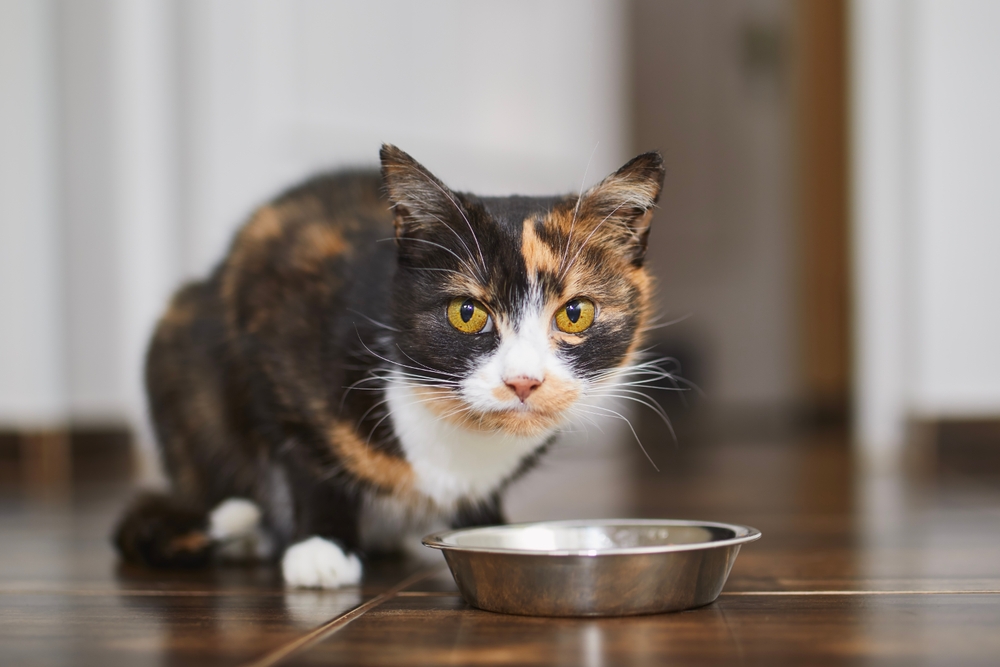
Hydrolyzed protein food for cats is a prescription diet that is prescribed for cats with specific medical conditions. Hydrolyzed protein food is not beneficial for every cat; instead, it is available only on the recommendation of a veterinarian.
In a hydrolyzed protein cat food, the proteins have undergone a process known as hydrolysis. This process uses water to break proteins down into their smallest building blocks. Instead of containing normal beef, chicken, or fish proteins, hydrolyzed protein cat food contains protein fragments that cannot be recognized by the immune system. These protein fragments serve as a valuable source of nutrition, but they are too small to trigger an allergic response in cats who eat these diets.
Why Vets Might Recommend Cat Food with Hydrolyzed Protein
Veterinarians typically recommend hydrolyzed protein diets for cats who have had a confirmed or suspected immune response (allergic response) to their diet. This typically includes two categories of cats: cats with food allergies and cats with inflammatory bowel disease.
Hydrolyzed protein diets are often used to manage food allergies. In cats, food allergies are one cause of allergic skin disease, which may result in red, itchy skin and recurrent ear infections. These cats experience an immune reaction to proteins in their diet, and this reaction causes skin and ear inflammation. Feeding these cats a hydrolyzed protein diet (with no other food or treats) prevents that immune reaction. This typically alleviates the signs of food allergy, without a need for other medications or treatments.
Inflammatory bowel disease (IBD) is also often treated with hydrolyzed protein diets. Cats with IBD may experience a number of gastrointestinal signs, including vomiting, diarrhea, and weight loss. Many cats with IBD develop intestinal inflammation as an immune response to proteins in their diet. Feeding a hydrolyzed protein diet (without any other food or treats) can aid in the management of IBD by reducing intestinal inflammation.
Pros and Cons of Hydrolyzed Protein Cat Food
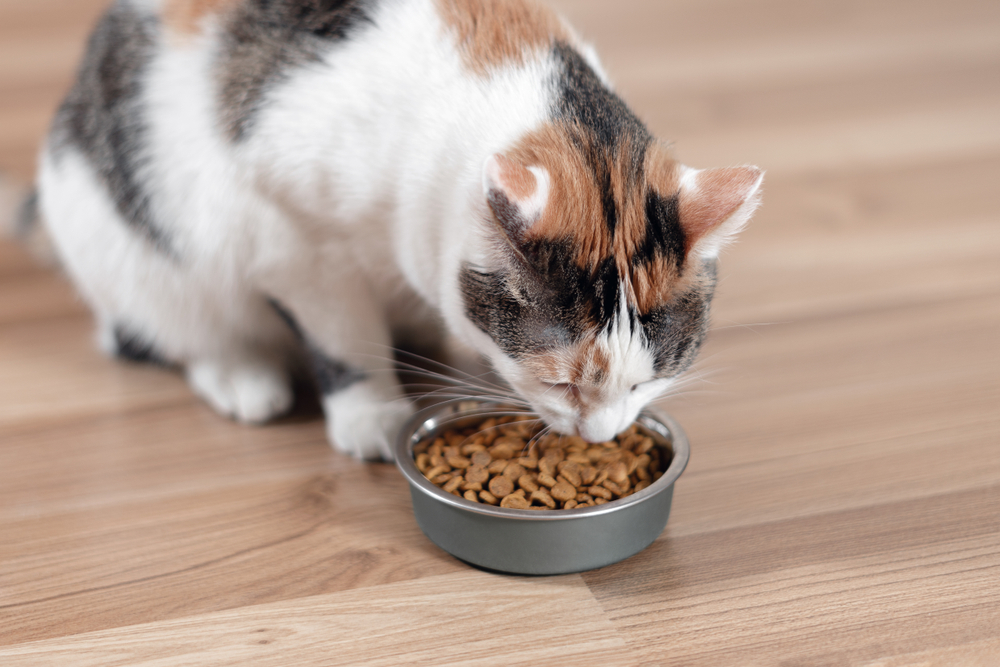
Hydrolyzed protein cat food can offer significant benefits for cats with food sensitivities. However, there can also be disadvantages to feeding hydrolyzed protein cat food. Let’s look at both the pros and cons:
Pros
- Successfully manage common conditions like food allergic dermatitis and IBD
- Nutritionally complete and well-balanced
- Available in dry and canned formulations
- Manufactured by several trusted diet manufacturers
Cons
- Cost is often significantly higher than over-the-counter diets
- Limited number of flavor choices
- Limited number of texture choices
Switching to a Hydrolyzed Protein Cat Food
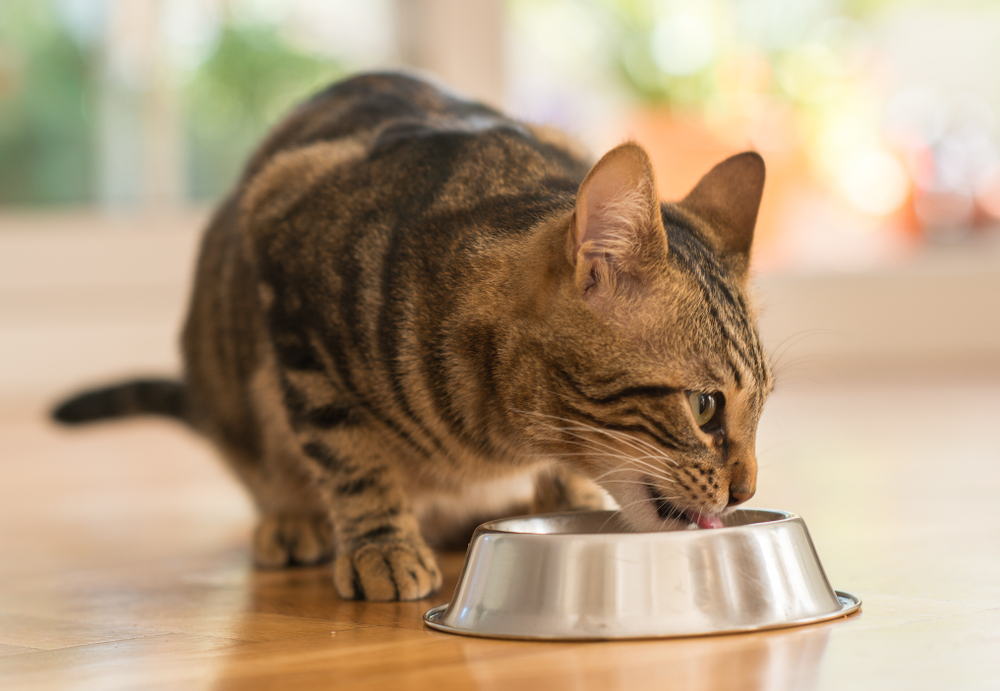
If your cat may have food allergies or IBD, talk to your veterinarian about the use of hydrolyzed protein cat food. Many of these diets are available only with a veterinarian’s prescription, so you will need your veterinarian’s approval to start your cat on a hydrolyzed protein diet.
In order for a hydrolyzed protein to offer benefits, you need to be sure that it is the only food your cat is eating. Cats with dietary sensitivities are often sensitive to very small quantities of ingested allergens. Feeding a hydrolyzed protein diet while continuing to offer table food and over-the-counter cat treats is unlikely to offer any benefits for your cat. Instead, consider avoiding typical cat treats and using hydrolyzed protein treats. Some pet parents choose to bake their own treats, using hydrolyzed protein wet cat food.
When switching to a hydrolyzed protein cat food, it is best to make this transition gradually. Transition your cat from their old food to a hydrolyzed protein cat food gradually, over a period of approximately one week, to reduce the risk of diarrhea and other gastrointestinal effects. Each day, feed your cat a little bit more of the hydrolyzed protein cat food and a little bit less of their original diet, feeding a 50/50 mix of both foods by mid-week and transitioning entirely to the hydrolyzed protein cat food by the end of the week.
In some cases, your veterinarian may advise making a more abrupt transition, to more rapidly alleviate your cat’s clinical signs. If this is the case, follow your veterinarian’s advice when transitioning to a hydrolyzed protein cat food.
Cats with food allergies or IBD will often remain on a hydrolyzed protein for the rest of their life. These diets offer a safe and balanced source of nutrition, and they are appropriate for long-term, lifelong feeding.
Hydrolyzed Protein Cat Food Brands to Consider
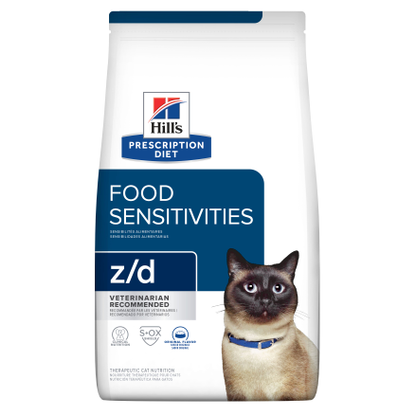
Hydrolyzed protein cat foods are available from a number of different pet food manufacturers. Veterinarians often recommend prescription diets made by Hill’s, Royal Canin, or Purina Pro Plan. These three brands are known for their nutritional quality and their extensive research on pet foods. Hydrolyzed protein diets available from these three pet food manufacturers include:
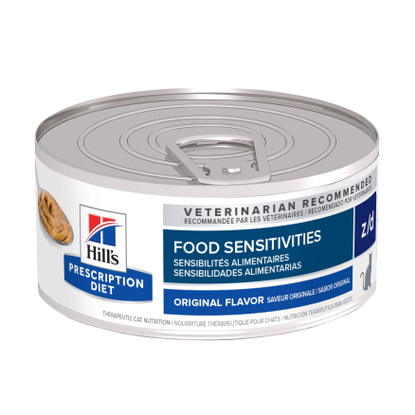
Hill’s Hydrolyzed Protein Cat Food
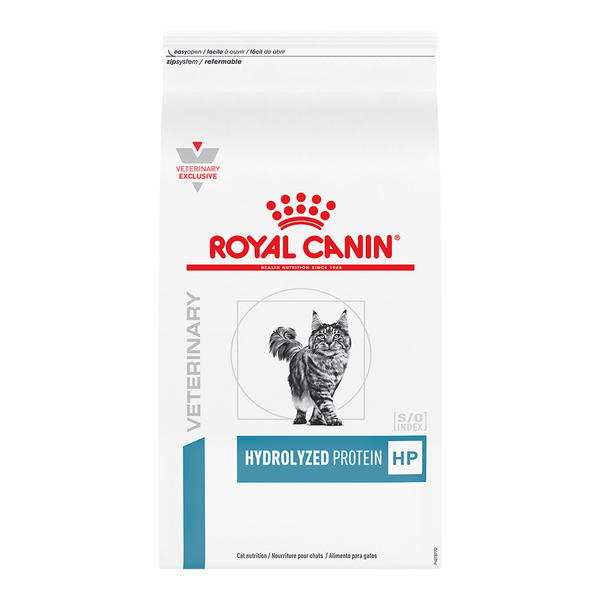
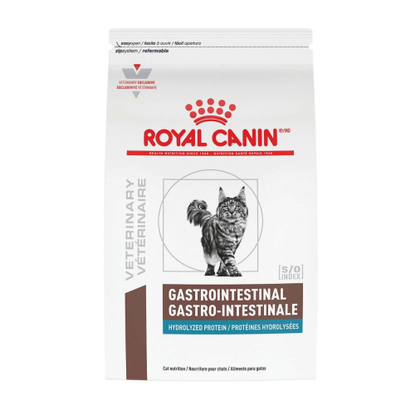
Royal Canin Hydrolyzed Protein Cat Food
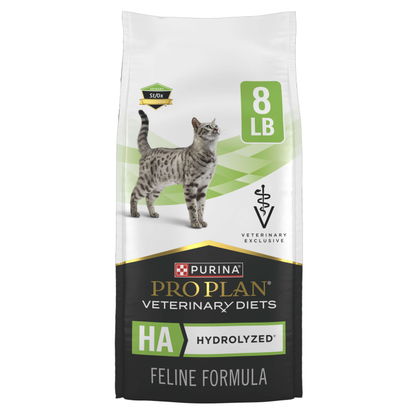
Purina Hydrolyzed Protein Cat Food
If you are looking to purchase a hydrolyzed diet from an alternative brand, Blue Buffalo hydrolyzed protein cat food is also available:
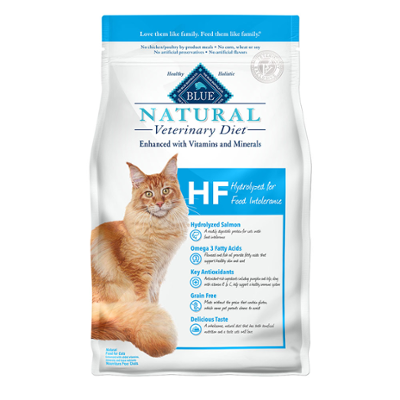
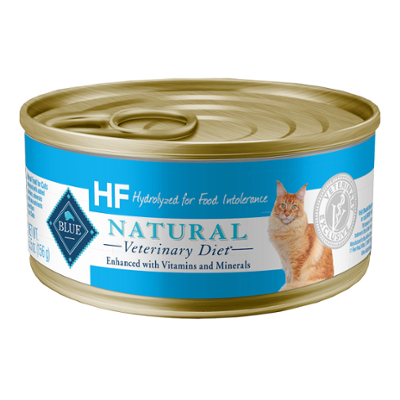
Talk to your veterinarian if you are interested in feeding your cat a hydrolyzed protein diet. Your veterinarian can help you determine whether a hydrolyzed protein diet is necessary and can help you select the best diet for your cat.
15 Poisonous Foods for Cats
- 2024-05-20T02:09:13
- Emily Swiniarski, DVM
When your kitty begs for a taste of your food in the kitchen, it can be tempting to share a small bite of what you’re cooking. However, many foods humans love to eat are poisonous foods for cats.
According to a report released by the Pet Poison Helpline, three out of the top five pet poisons for cats in 2023 were common ingredients found in most homes — chocolate, onions, and garlic!
To protect your feline friend from poisonous foods hiding in your own home, here’s what you need to know about foods harmful to cats. Plus, we’ll share helpful tips about how to prevent accidental ingestion.
Dangerous Foods for Cats
The best thing pet parents can do to prevent cat poisoning is to prevent cats from gobbling down toxic foods in the first place.
That requires understanding what foods are poisonous to cats and adopting tactics to restrict your cat’s access to these foods.
Here are 16 foods you should keep away from your cat:
Alcohol
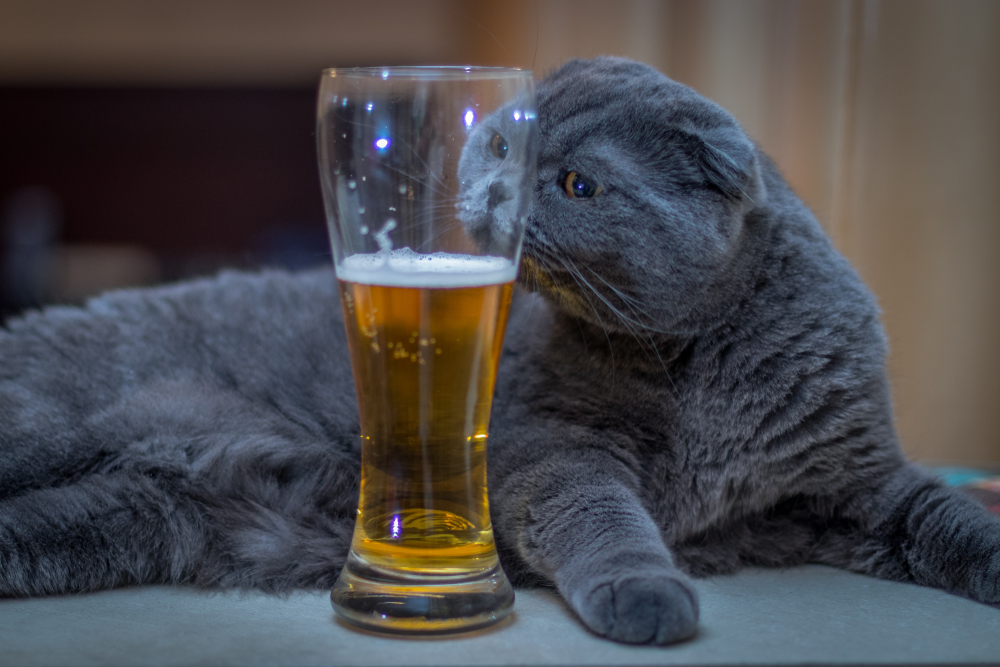
In addition to vomiting and diarrhea, even small amounts of alcohol can cause neurologic symptoms in cats. These include stumbling, trouble breathing, tremors, coma, and even death.
Caffeinated drinks and foods
This stimulant can cause vomiting and diarrhea, hyperactivity, abnormal heart rhythm, tremors, seizures, and possibly death.
Cannabis-containing items
Not only is nibbling on the cannabis plant a no-no for cats, but they should also avoid consuming any items that contain cannabis. This includes baked goods, gummies, and even second-hand smoke. In cats, cannabis often causes dribbling of urine, nausea, and sensitivity to noise and light. It can also trigger decreased heart rate, shallow breathing, impaired consciousness, and death.
Chocolate
When it comes to leading causes of toxicity in cats, chocolate is one of the most common culprits. Chocolate contains a double dose of stimulants — theobromine, which stimulates the heart, and caffeine, which stimulates the brain and central nervous system. The higher the percentage of cacao in the chocolate, the greater the risk to your cat. Felines are generally more sensitive to chocolate poisoning than canines. Symptoms of chocolate toxicity in cats include vomiting, diarrhea, restlessness, and hyperactivity. More severe cases can cause tremors, frequent urination, and seizures. Severe or untreated cases can end in coma or death.
Citrus
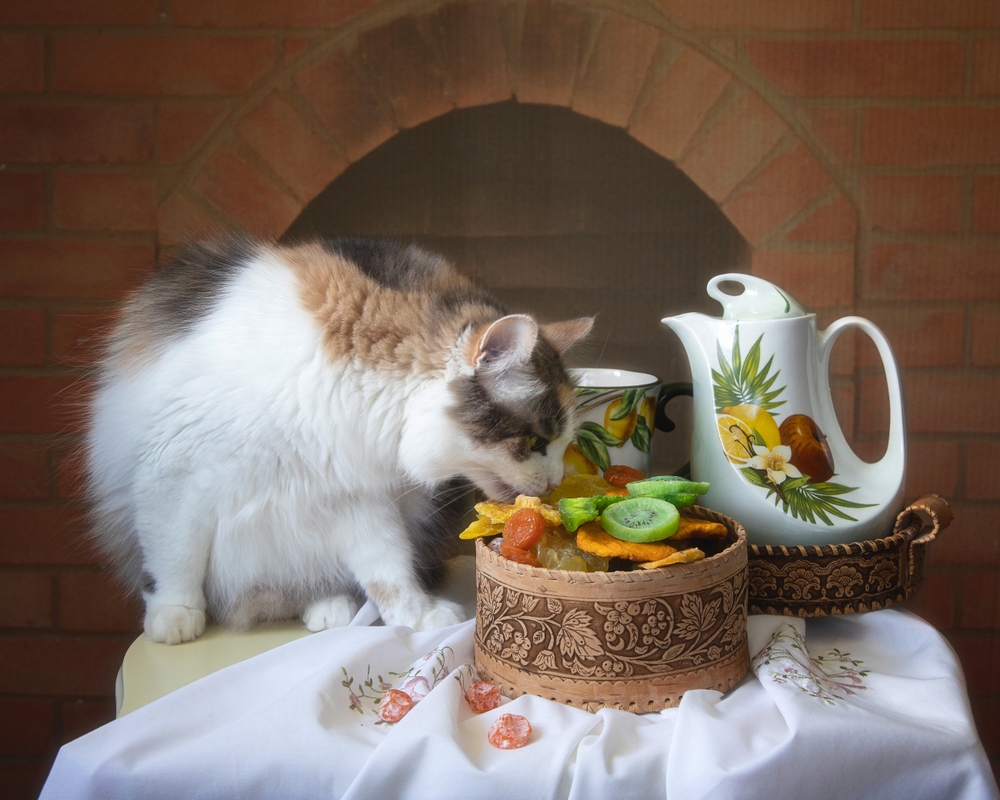
Eating small amounts of citrus fruit, such as lemon slices or orange segments, could cause your cat mild stomach upset. However, the stems, leaves, peels, and seeds of citrus fruits pose a greater danger to your cat because they contain concentrated amounts of citric acid. In large quantities, citric acid can irritate your cat’s stomach and impact your cat’s behavior and consciousness.
Coconut
The flesh and milk of fresh coconut contain oils that can cause stomach upset and diarrhea in cats. While coconut water is rich in potassium, a mineral essential to your cat’s health, drinking it could lead to a dangerous potassium imbalance (hyperkalemia) that can cause low heart rate (bradycardia) and irregular heart rate (arrhythmia).
Garlic and onions
Garlic and onions (along with leeks, shallots, and chives) are members of the Allium genus of plants, which are toxic to cats. These foods all contain a compound that gives them their signature strong aroma. But the compound can also damage red blood cells in cats who eat these ingredients (in any form — raw, cooked, and even powdered spices). This can cause life-threatening anemia. Symptoms of toxicity in cats who eat onions or garlic include pale gums, discoloration of urine, vomiting, and weakness.
Grapes and raisins
In both fresh and dried forms, these sweet, petite treats may seem like a healthy option. But even in small quantities, grapes and raisins can be deadly to cats. Eating them can cause vomiting, lethargy, and diarrhea…or, worse, kidney damage and even kidney failure in cats. It is difficult to predict how severe any cat’s reaction will be. So it is best to prevent your cat from eating any grapes or raisins at all.
Milk and dairy products
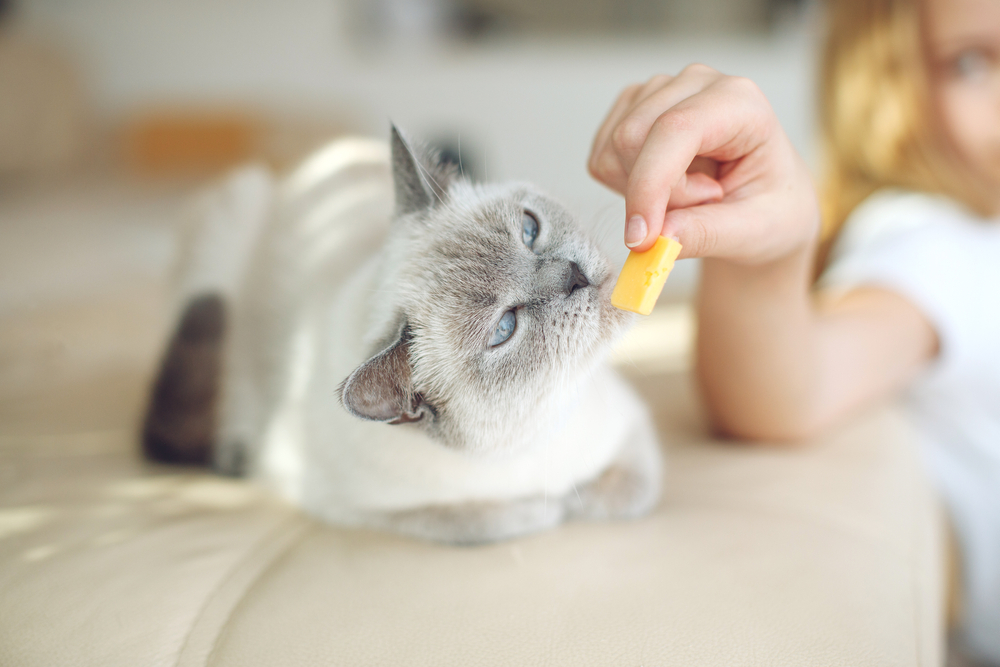
What could be more wholesome than the image of a cat contentedly lapping up a saucer full of milk? Unfortunately, this common misconception could be hazardous to your cat’s health. After they are weaned from their mother’s milk, cats do not produce much lactase, the enzyme needed to break down lactose in milk. So consuming milk and other dairy items can cause stomach upset and diarrhea.
Mold foods
While the idea of eating moldy food might seem repellant to us, there’s no telling what a curious cat will consume if given the opportunity. Moldy or spoiled foods may contain mycotoxins that can cause harmful chemical reactions in your cat’s body. In mild cases, symptoms may include vomiting and digestive upset. In severe cases, your cat might act almost drunken — staggering about, exhibiting muscle tremors and even convulsions.
Nuts
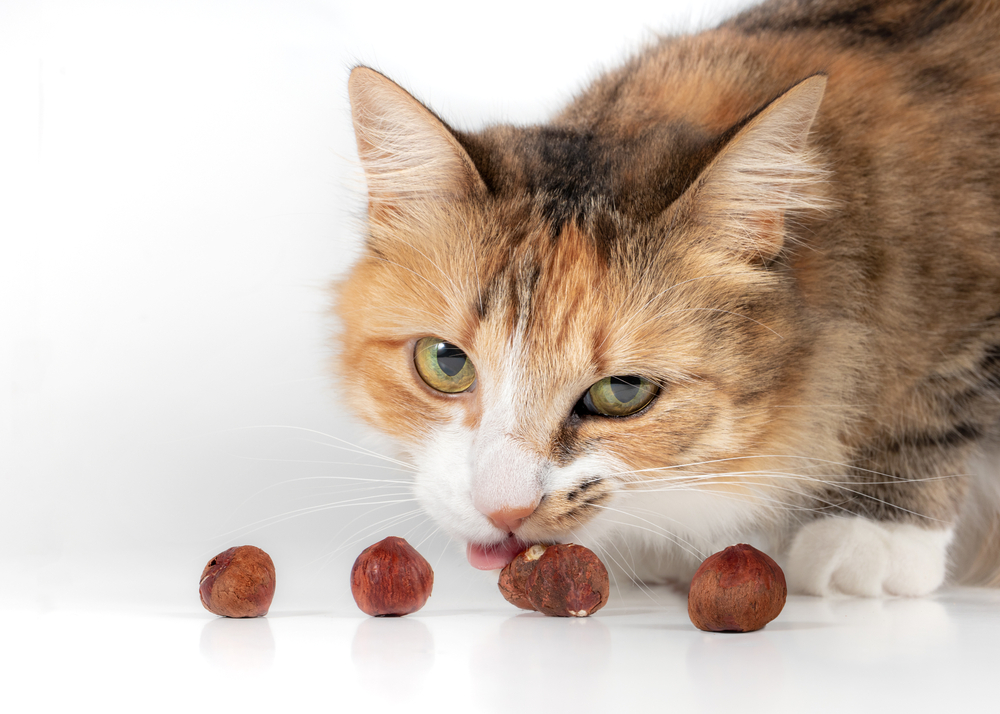
In general, nuts are not a good choice for cats due to their high fat content, which makes them hard to digest and can cause pancreatitis. They can also be a choking hazard for your cat. However, some nuts pose an even greater risk, such as macadamia nuts, which are highly toxic to pets, causing lethargy, loss of coordination, and even paralysis. Nuts that are prone to molding, such as walnuts, peanuts, and pecans, should also be avoided at all costs.
Raw eggs
Raw eggs can contain hazardous bacteria, including Salmonella and E. coli, which can cause vomiting, bloody profuse diarrhea, dehydration, and weakness in cats. Though the impact is not as immediate, raw egg whites contain an enzyme called avidin that could cause a vitamin deficiency over time.
Raw meat and fish
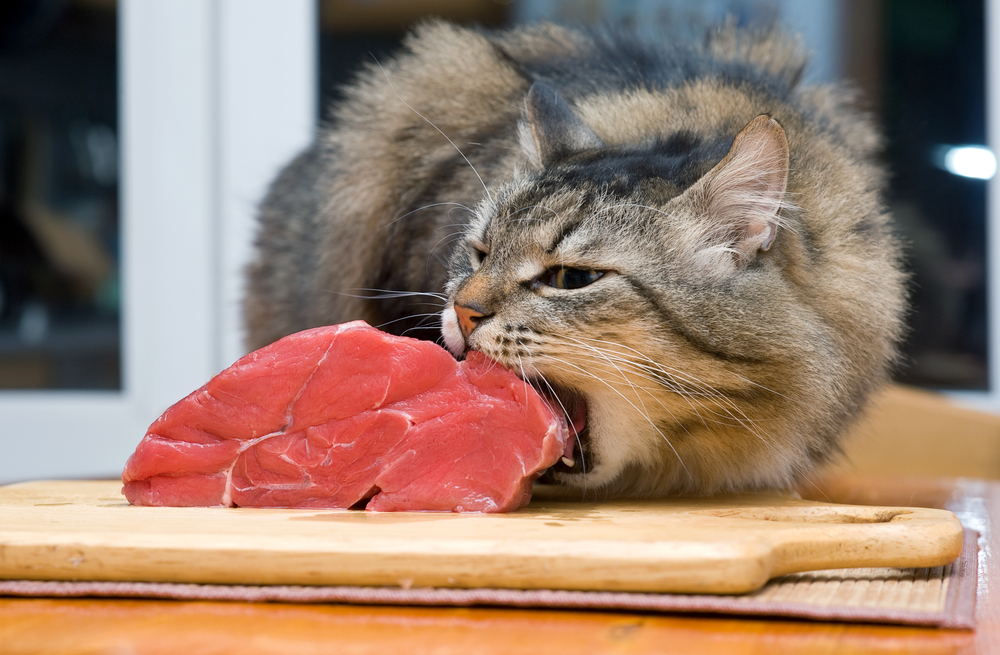
Salmonella and E. coli can also flourish in uncooked raw meat and fish. In addition to toxicity risks, these foods can also contain bones that could splinter and perforate your cat’s esophagus or intestines.
Salt
Trace amounts of salt in your cat’s diet are not a problem. But if your cat eats too much salt, it could be toxic. This includes salt from high-sodium human foods, such as meat jerky, table salt, as well as road salt used to melt ice. Signs of salt poisoning in cats include increased thirst, frequent urination, vomiting, diarrhea, and loss of consciousness. If your cat’s kidneys cannot get rid of the excess sodium fast enough, it could cause an electrolyte imbalance called hypernatremia. In extreme cases, salt toxicity in cats can lead to tremors, increased body temperature, seizures, and death.
Yeast dough
Uncooked dough expands due to body heat and can cause gas to build up in your cat’s stomach. This is very painful and may cause bloat which can lead to life-threatening consequences. In addition, yeast produces ethanol as a by-product and may cause alcohol poisoning, as well.
Protecting Cats from Harmful Foods

Awareness plays a big part in helping keep your cat safe from toxic foods. However, even knowing what toxic and dangerous foods to avoid feeding your cat may not be enough to protect them.
Cats have a reputation for agility and resourcefulness. So, you’ll need to go the extra mile to ensure hazardous foods stay off-limits. Here are some pointers on how best to keep your cat out of harm’s way:
- If possible, keep your cat out of the kitchen while you cook. It’s too easy to drop dangerous ingredients on the floor or turn your back and risk your cat gobbling up something they shouldn’t.
- Store off-limits ingredients in cat-proof containers or behind closed doors. Cats can easily jump onto counters, remove lids, chew through bags, and even open some plastic containers.
- Make sure guests know it’s not okay to share food and drink with your cat. Friends and family may mean well, but you know what is best for your cat!
- Use lidded cups for your drinks and do not leave them unattended…especially alcoholic beverages. Not only will this keep your cat safe from dangerous ingredients, but it also prevents them from sticking a paw in there or spilling it all over!
- Consider pet-proof locks for your kitchen and pantry. Some cats can open cupboards and even get into the refrigerator. If you have a feline Houdini in the household, locks that limit access to toxic foods could be a lifesaver!
Even with these precautions, it’s hard to eliminate the risk of foods toxic to cats completely. If you suspect your cat consumed something dangerous, or if you recognize signs of toxicity in your cat, seek emergency veterinary care immediately. Acting quickly could mean the difference between a mild reaction and a severe — or even deadly — outcome.
When it comes to your cat and toxic foods, it’s always better to be safe than sorry!
9 Reasons Your Cat Is Always Hungry
- 2024-05-13T17:27:47
- Brittany Kleszynski, DVM
Most cats happily eat whatever is offered, whether it be a meal or a delicious treat. However, if they suddenly begin scarfing down their food and meowing constantly for more, it may indicate an underlying problem that should be addressed by a veterinarian. Here we will discuss normal appetites in cats, signs of hunger, and possible causes for changes in a cat’s appetite.
Hunger in Cats: What’s Normal?
cats should be satisfied after finishing a meal as long as the proper amount of food has been offered. Constant vocalizing or scarfing down food when that is not the cat’s typical behavior could indicate a problem.
Kittens are more likely to be hungry because they are in the growth phase, which means they need more calories to meet their bodies’ demands. Pet parents may also wonder “Why is my senior cat always hungry?” Senior cats may have increased appetites due to normal physiological changes that occur as cats age.
There are no cat breeds that are hungrier than others. However, similar to people, cats are individuals with unique feeding habits. What is normal for one cat may be abnormal for another. What’s most important is knowing what is typical for your individual cat. If you have any concerns, promptly bring them to your veterinarian’s attention so that appropriate treatment can be given.
Do Cats Get Full?
Cats normally stop eating when they are full. Unlike most dogs who will eat until they are miserable, most cats are not necessarily obsessed with food. The majority of cats eat slowly and stop when they feel content.
Signs a Cat Is Always Hungry
Normally, cats vocalize when they are anticipating a meal. Pet parents may hear long, loud meows until the food bowl is filled, and then the cat sits calmly and eats.
Polyphagia, or extreme hunger, in cats can cause abnormal behaviors. If a cat is excessively hungry, they may ravenously eat their food, and then promptly vocalize for more. They may also become aggressive when a pet parent or other household pet is near their food bowl. Some cats may seek out food by rummaging through garbage cans. A cat may be found directly eating out of the cat food bag if it is left within reach. Stealing food from a housemate’s bowl or even the dog’s food bowl may also indicate a problem.
Why Is My Cat Always Hungry? 9 Possible Reasons
There are various reasons for cats to appear constantly hungry, which range in severity from mild causes, such as boredom, to more serious concerns, such as underlying health issues. Let’s take a look at the nine most common causes of increased appetite in cats.
Poor Diet
If a cat is not receiving a nutritionally complete diet, they may be lacking in certain nutrients or protein. Some lower quality foods contain filler ingredients, such as corn or wheat, that may initially fill a cat up but leave them unsatisfied shortly after. To avoid this, pet parents should choose a diet that meets AAFCO standards and has protein listed as the first ingredient. (Unless the cat has special dietary needs, in which case pet parents should work with their veterinarian to choose the right diet.) Likewise, if a pet parent is not feeding enough food, a cat may appear constantly hungry because they are not getting enough calories. To avoid this, pet parents should look at the label on the back of the cat food and feed according to the cat’s weight.
Boredom
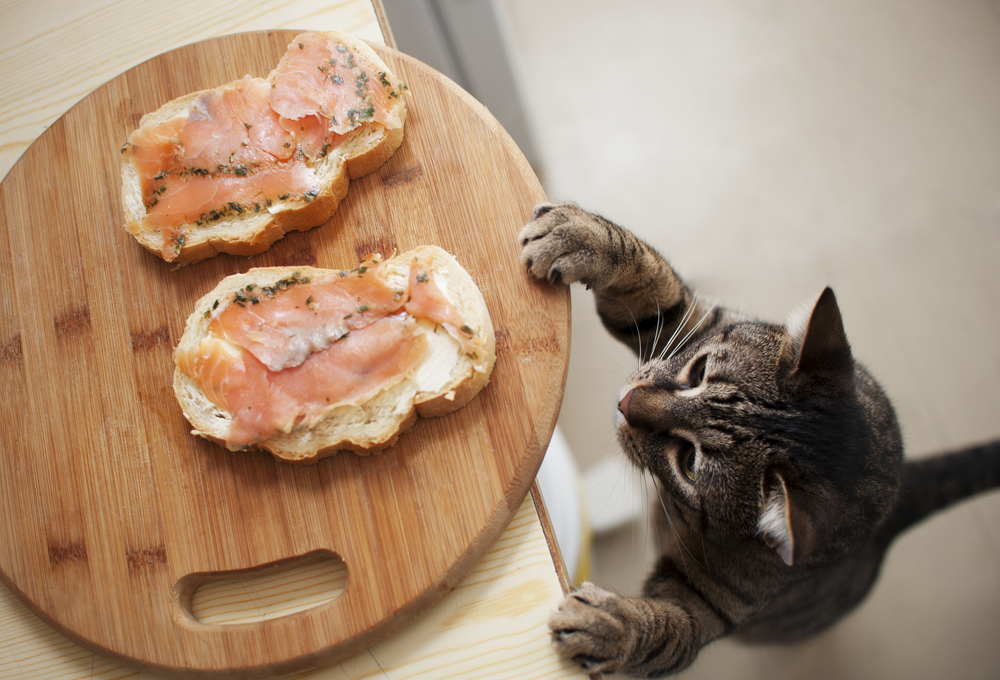
Cats may be seeking out food simply to give themselves something to do. Cats need mental stimulation throughout the day to prevent boredom and improve well-being. This can be achieved through play, climbing, socialization, training, and quality time with a pet parent.
Increased activity
Cats who are more active burn more calories and therefore need more food. If a cat is provided more vertical climbing space or a new cat is introduced into the home, for example, calorie needs will increase as play time increases.
Age
Kittens are growing fast so they require more calories than adult cats and tend to eat more frequently. Likewise, as cats age, their metabolisms and body processes also change, which can result in increased appetites in seniors.
Hyperthyroidism
Senior cats are commonly diagnosed with hyperthyroidism, which is an endocrine disorder that causes high levels of thyroid hormones in the body. Thyroid hormones increase metabolism, which results in increased appetite for hyperthyroid cats.
Diabetes
Middle-aged and older cats may be diagnosed with diabetes mellitus, a condition marked by insulin deficiency. Without enough insulin, cells in the cat’s body do not receive adequate glucose for energy. Since the cells are essentially starving, a cat feels excessive hunger.
Cancer
Many types of cancers in cats can alter metabolism and increase hunger. For example, gastrointestinal lymphoma can prevent nutrient absorption and increase caloric needs thereby increasing appetite.
Intestinal parasites
These parasites may prevent nutrient absorption and lead to vomiting and diarrhea. A cat may feel increased hunger as the parasite feeds on what the cat eats. Tapeworms are a type of intestinal parasite that may cause increased hunger.
Medications
Certain medications can cause hunger as a side effect. Appetite stimulants, corticosteroids, benzodiazepines, and vitamin B are examples of medications that may make cats more hungry.
How to Deal With a Cat That Is Always Hungry
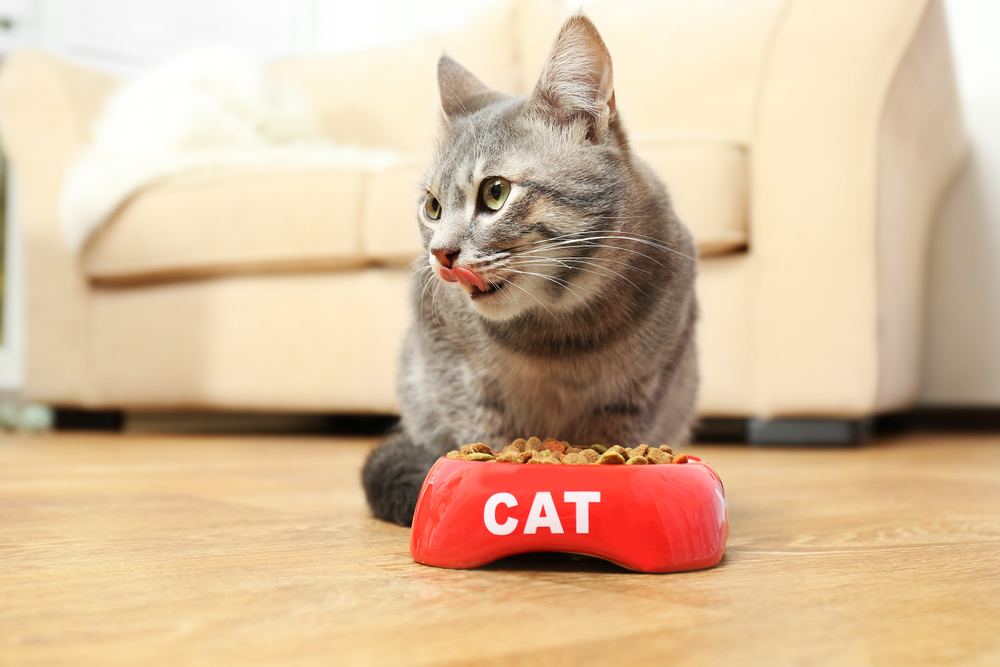
Having a cat who is always hungry can be concerning as well as a bit frustrating. If your cat suddenly seems like they can’t get enough food, it’s time to visit the veterinarian to determine the underlying cause of your cat’s hunger. A veterinarian can rule out medical conditions, such as hyperthyroidism, diabetes, and cancer that may be contributing to your cat’s increased appetite. To do so, blood work and urinalysis may be completed. Additional imaging tests, such as radiographs (X-rays) or ultrasound may also be necessary. If a medical condition is diagnosed, it can be treated with appropriate medication so that your cat’s appetite will return to normal.
If medical conditions are ruled out, pet parents may benefit from discussing appropriate feeding guidelines with their veterinarian, including choosing a well-balanced diet and feeding the proper daily amounts at the right frequency.
Additional measures that can be taken include ensuring your cat is getting enough mental stimulation and exercise throughout the day to stave off boredom.
Can Cats Eat Carrots?
- 2024-01-23T16:01:25
- Kate Hughes
Carrots are one of the most popular vegetables in the United States. In fact, it’s estimated that a person in the U.S. eats almost 8.5 pounds of carrots per year! [1] When humans are enthusiastic about a certain snack, they often want to share it with their furry friends. However, this might leave you wondering, “Can cats eat carrots?”
Read on for everything you need to know about cats and carrots.
Can Cats Eat Carrots?
Cats can eat carrots, but they should be considered a special treat rather than a main course. “Cats are obligate carnivores and carrots do not hold any of the essential proteins that they need to thrive. You should always offer carrots in moderation,” explains Emily Swiniarski, DVM, medical director at the Anti-Cruelty Society in Chicago, Illinois.
Dr. Swiniarski notes that treats should constitute less than 10 percent of a cat’s daily food intake and that for an average 10-pound cat, one baby carrot is the maximum you should offer per day.
Can cats eat raw carrots?
Yes, cats can eat carrots raw or cooked – you’ll just have to see which they prefer. “It depends on the cat,” Dr. Swiniarski says. “Some cats really enjoy crunchy, others like softer textures. It’s a matter of individual taste.”
It’s also important to note that raw carrots and cooked carrots do have different nutritional profiles. “When you cook a carrot, some nutrients become more bioavailable for digestion, other nutrients less,” Dr. Swiniarski explains. However, since carrots should only be given as treats, it really doesn’t matter how you serve them to your cat.
Can cats eat carrot greens?
Dr. Swiniarski does not recommend feeding your cat carrot greens, noting that it will almost certainly lead to stomach upset. “They’re very high in fiber and not a plant that cats typically eat,” she says.
Can kittens eat carrots?
Yes, kittens can technically eat carrots, but the amount should be minimal. “Kittens have very specific nutritional requirements and need a diet that is high in protein and fat. If you feed a kitten too many treats or foods that do not meet those standards, that kitten is not getting the nutrients she needs,” notes Dr. Swiniarski.
“A kitten could certainly taste a baby carrot, maybe a quarter of a baby carrot,” she adds, “but you should really focus on serving your kitten a high-quality kitten diet and keep the treats to a minimum.”
Are Carrots Good for Cats?
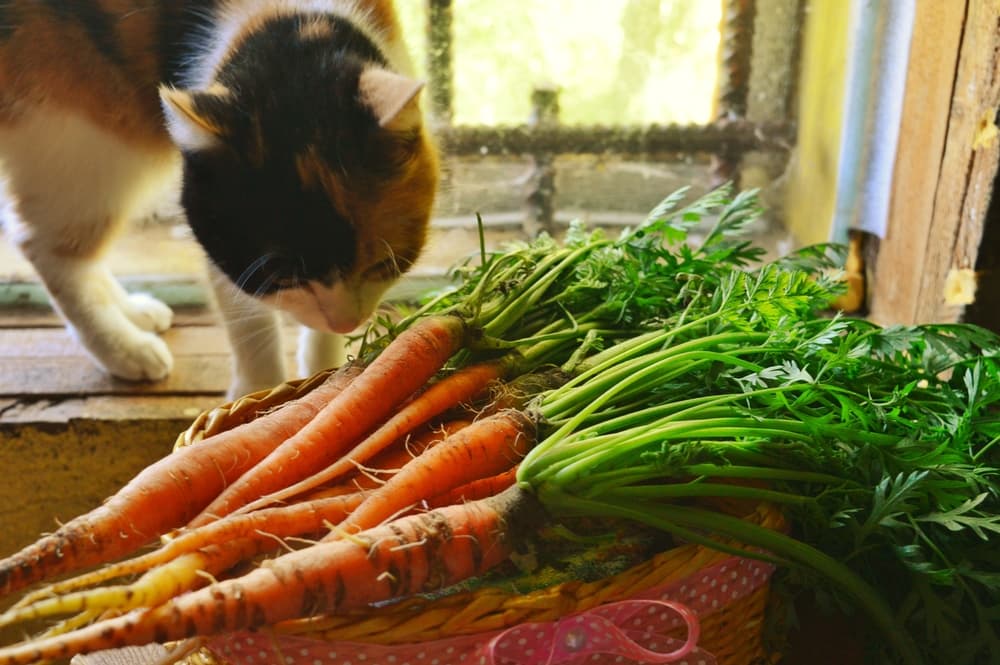
Carrots are not bad for cats, but, generally speaking, they don’t offer much in terms of nutrition that the cat isn’t getting elsewhere. “All of the nutrients that carrots have, cats should be getting from balanced cat diets,” Dr. Swiniarski says.
That said, raw carrots can be good for a cat that is having trouble pooping. This is because carrots are high in fiber, which assists in digestion and can combat constipation.
Are carrots good for cats who need to lose weight?
Carrots are not necessarily beneficial for cat weight loss. Dr. Swiniarski says that while carrots are a popular treat for dog parents who are looking for Fido to shed a few pounds, she wouldn’t recommend a similar approach in cats. “Since cats have such specific nutritional requirements, you don’t want to start replacing the small amount of cat food they get each day with carrots,” she says. “Baby carrots are not a substitute for nutritious cat food.”
Are Carrots Safe for Cats?
Carrots are very safe for cats to eat in small quantities. The exception to the rule is if you have a diabetic cat. “Diabetic cats should avoid carrots altogether because they have very high protein and low carbohydrate requirements,” Dr. Swiniarski explains. “Carrots contain sugar and carbohydrates that are completely unnecessary for cats, and that could throw off their blood sugar.”
Tips for Feeding Carrots to Cats
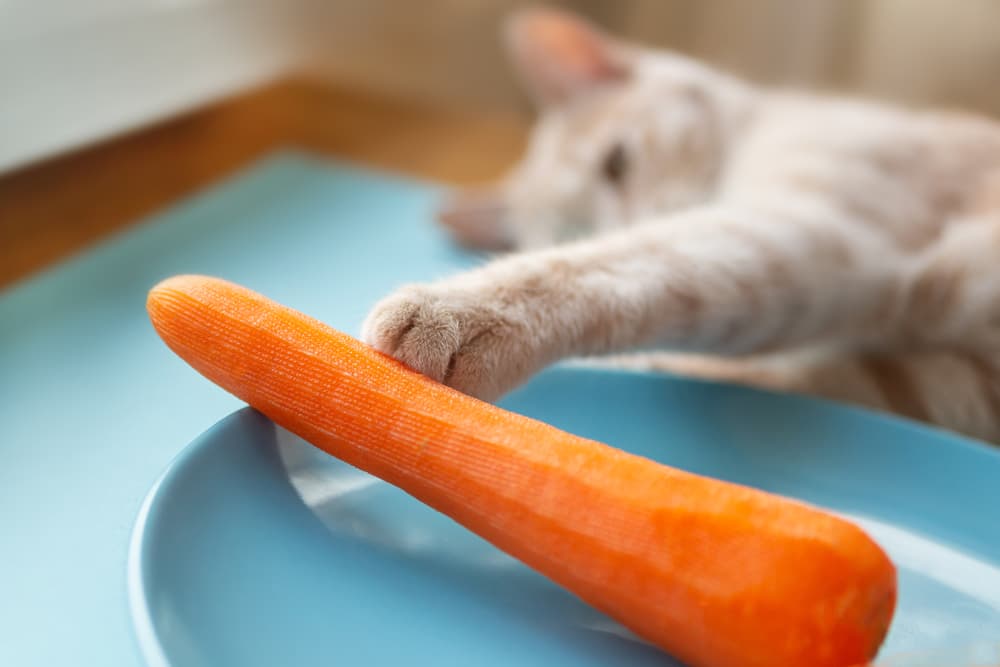
Cats are notoriously picky eaters, so if you would like to introduce carrots to your cat, take it slow. Offer tiny pieces to see if they enjoy it. Try both cooked and raw to see if they have a preference. And don’t force it if your cat vomits or experiences some other type of stomach upset.
“Every cat has their own sensitivities,” Dr. Swiniarski notes. “Foods that are high in fiber can be difficult to digest, so start very small, way less than a baby carrot in amount. If they don’t have any stomach upset, try a bit more the next time.”
Dr. Swiniarski once again stresses that carrots should be treats, not diet staples. “Carrots are an add-on to an already balanced diet. If your cat likes carrots, cut them up and put them on top of their food. Or put some pieces inside of a food puzzle. Make them a fun snack they get on occasion, not a part of their daily diet.”
Reference:
- Statistica.com. Retrieved from: https://www.statista.com/statistics/257333/per-capita-consumption-of-fresh-carrots-in-the-us/
Can Cats Eat Tomatoes?
- 2024-01-17T22:13:57
- Liz McCalley, DVM, CCRT
Whether you consider tomatoes to be a vegetable or a fruit, most of us love this juicy food eaten fresh on a salad or in a sandwich, cooked into a pasta sauce, or used as a topping on a margherita pizza. But if you’ve ever dropped a cherry tomato on the ground only to have your cat chase it around like their favorite new toy, you may have worried and thought to yourself, “Can cats eat tomatoes?”
In this article, we will explain whether cats can eat tomatoes, if tomatoes have any benefits for cats, and what pet parents should know before feeding their cats tomato-based dishes.
Can Cats Eat Tomatoes?
Ripe tomatoes are non-toxic to cats and can be fed to them in small amounts as an occasional treat. However, knowing what parts of the tomato can be fed to cats and how tomatoes should be prepared for cats is important, as there are some health concerns with feeding cats tomatoes.
Can Cats Have Tomatoes Raw?
Raw, ripe tomatoes of all kinds can be fed to cats in small quantities as long as the leaves and stems are removed (more on this later). When feeding tomatoes to cats, especially small varieties such as grape and cherry tomatoes, it’s important to chop them up into tiny pieces so that your cat doesn’t choke. And as with any unfamiliar food, it’s possible that some cats may not like or tolerate eating tomatoes.
Can Cats Eat Green Tomatoes?
Unripe green tomatoes should not be fed to cats, as they contain much higher levels of solanine, a compound that is toxic to cats, humans, and many other animals [1]. You may be wondering why you haven’t felt ill after eating fried green tomatoes, a staple food item in the southern parts of the United States. Solanine is destroyed when it is cooked, which allows for the enjoyment of this food. So, theoretically, cats should also be able to eat cooked green tomatoes in small quantities, but they should not be fed fried green tomatoes, as the salt and fat content may cause an upset stomach.
Can Cats Eat Tomato Sauce?
Certain kinds of tomato sauce may be fine to feed your cat, but you must be careful that it doesn’t contain certain ingredients. Tomato sauce often has high levels of sodium, which can upset your cat’s stomach and may be risky if they have a health condition such as heart disease.
Toxic ingredients often found in tomato and pasta sauces include onions and garlic, which can cause anemia in cats [2]. Many tomato sauces also contain added sugars, which can lead to tooth decay and obesity in cats.
Due to the potential risks associated with these common ingredients in tomato sauce, it’s safest to skip feeding it to your cat. This goes for ketchup and tomato soup as well.
Are Tomatoes Good for Cats?
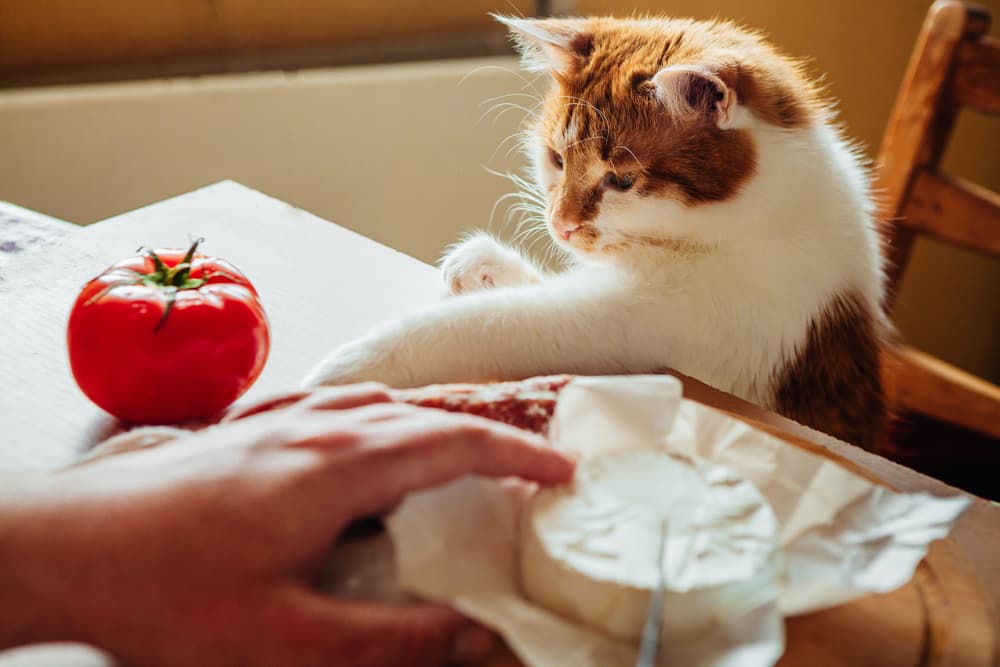
Cats are obligate carnivores, meaning they require certain compounds contained in meat in order to survive. For this reason, many cats are not even interested in eating tomatoes or other fruits and vegetables.
However, some cats like to eat a variety of foods and may benefit from nutrients contained in plant-based options. While cats cannot convert the beta carotene contained in tomatoes into vitamin A, they can benefit from the fiber, water, and antioxidants. In fact, tomato pomace, a byproduct of tomato manufacturing consisting of tomato peels and seeds, is a common additive in dry cat food. One recent study found that cat food containing a blend of fiber sources, which included tomato pomace, improved the beneficial gut bacteria in senior cats and reduced levels of certain harmful compounds associated with aging and kidney disease [3].
Tomatoes are also rich in a compound called lycopene. High lycopene consumption has been linked to a reduced risk of certain cancers in humans [4]. However, it is unknown whether cats can also benefit from this compound.
Are Tomato Plants Toxic to Cats?
The leaves and stems of tomato plants (like the green version of the fruit) also contain solanine, which is toxic to cats. However, according to the Pet Poison Helpline, the amounts of the plant that a cat would typically ingest are unlikely to cause severe illness, and its toxicity level is considered to be low [2].
If your cat ingests any green parts of the tomato plant, they will likely develop symptoms of gastrointestinal upset, including vomiting, diarrhea, and a reduced appetite. If you suspect your cat has eaten tomato plants, keep a close eye on them and be sure to contact your veterinarian if they develop any abnormal symptoms.
Precautions When Feeding Tomatoes to Cats
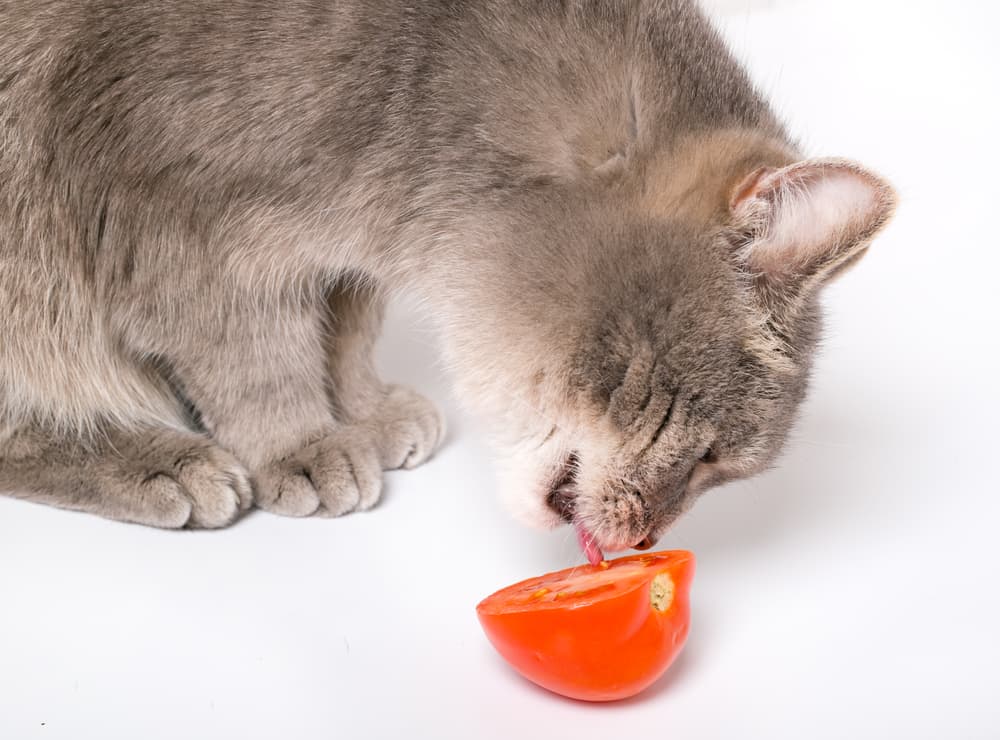
Start slow. If your cat does show interest in eating tomatoes, only offer them a small bit of a fresh tomato to start. If they like it and don’t have any stomach upset symptoms afterward, it’s okay to offer tomatoes as an occasional low-calorie treat.
Keep portions small. When feeding your cats tomatoes, make sure to dice them up into bite-size pieces to prevent choking and stick to small servings of no more than about one quarter of a cup per day.
Go simple. It’s best to feed raw or plain cooked tomatoes to your cats without the addition of any salt, oil, sugar, or other seasonings.
Consider other conditions. If your cat has any chronic health conditions, speak to your veterinarian first before feeding tomatoes to your cat.
References:
- ASPCA. Toxic and Non-toxic Plants. Retrieved from: https://www.aspca.org/pet-care/animal-poison-control/toxic-and-non-toxic-plants/tomato-plant
- Pet Poison Helpline. Garlic. Retrieved from: https://www.petpoisonhelpline.com/poison/garlic/
- Ephraim, Eden and Jewell, Dennis. “The Influence of Fiber Source on Circulating Concentration of Age-Related Metabolites and the Gut Microbial Composition in Senior Cats.” Current Developments in Nutrition vol. 5 (Jun. 2021). doi:10.1093/cdn/nzab033_013. Retrieved from: https://www.sciencedirect.com/science/article/pii/S2475299123105312
- Story, Erica N et al. “An Update on the Health Effects of Tomato Lycopene.” Annual Review of Food Science and Technology vol. 1 (2010): 189-210. doi:10.1146/annurev.food.102308.124120. Retrieved from: https://www.ncbi.nlm.nih.gov/pmc/articles/PMC3850026/#:~:text=Lycopene%20is%20a%20non%2Dprovitamin,source%20in%20the%20United%20States
Cat Digestive System: A Closer Look at How It Works
- 2023-12-14T15:17:38
- Maranda Elswick, DVM
As pet parents, we’re usually on top of what we feed our cats, working hard to ensure that they don’t ingest anything that has a chance of upsetting their delicate tummies. But while we are concerned with what goes into their bodies, we don’t always have a clear view of how the cat digestive system actually works, or how long it takes for our kitties to digest their food.
In this article, we’ll discuss the domestic cat digestive system in detail, including its anatomy, how food is digested, and how to optimize your cat’s gut health.
Understanding the Cat Digestive System
Before we get into how it works, let’s first break down the parts of a cat’s digestive system.
The “alimentary system” includes the:
- Mouth
- Esophagus
- Gastrointestinal tract
The gastrointestinal system (or GI tract) is made up of the:
- Stomach
- Intestines
- Rectum
- Anus
Lastly, the GI tract receives further digestive support from abdominal organs, such as the:
- Pancreas
- Liver
- Gallbladder
As a whole, these organs make up the digestive system of a cat.
Differences Between Cat and Human Digestive System
The digestive system of cats contains the same organs and produces the same digestive enzymes as us humans. However, although certain enzymes (such as hydrochloric acid) are the same, cats’ stomachs produce six times more hydrochloric acid than humans do.
The feline intestinal tract is also not as long or coiled as it is in humans (or dogs for that matter), and cats lack an appendix. Additionally, the transit time of ingested food (ingesta) through the intestines is much longer in humans, reaching up to five days, whereas ingesta may move through a cat’s intestines within 12 to 24 hours.
How Do Cats Digest Food?
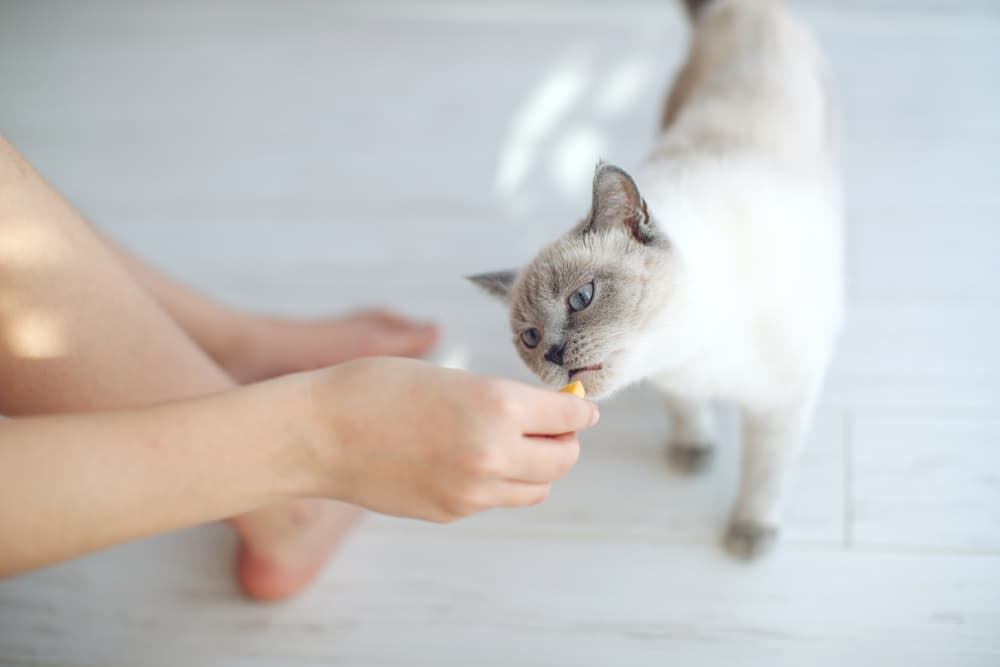
Next, let’s get into some specifics about how the feline digestive system works.
The alimentary system is constantly at work to help cats ingest and digest food, absorb nutrients, eliminate waste and toxins from the body, and assist the immune system (in part by keeping ingested bacteria out of the bloodstream). The digestive tract also secretes various chemicals, enzymes, and hormones to assist with digestion and nutrient use.
Mouth
The process of digestion initially begins in the mouth when the teeth begin to break up large chunks of food, and the salivary glands produce amylase to help tackle any starch your kitty may have ingested (however limited in a predominately carnivorous diet).
Esophagus
Ingesta then slides down the esophagus to the stomach where it undergoes the most significant aspect of digestion as it is immersed in a chemical vat of hydrochloric acid and various enzymes in the stomach to help break it down into tiny usable nutrient molecules.
Stomach
Once ingesta enters the stomach, it is inundated by a variety of enzymes and other chemicals to further break it down into usable nutrients. Ingesta is also mixed and squeezed to further aid in mechanical digestion.
Small and Large Intestine
Ingesta continues its cruise down the digestive tract to the small intestine, where it is broken down further by additional enzymes and bile. By this stage, the majority of ingesta has been broken down into small enough nutrients that can be absorbed through the small intestinal lining into the bloodstream, which carries them off to cells all over the body.
These nutrients act as cellular building blocks to help construct tissues and organs and carry out their vital functions to keep the body working as well as possible.
Products that cannot be digested, such as insoluble fiber, and any additional waste products are then further processed by the large intestine. Such waste is dehydrated when excess water is reabsorbed through the large intestinal lining into the bloodstream to maintain hydration, and then the solid waste exits from the body during a bowel movement.
Rectum
The rectum is a small holding area at the end of the large intestine that stores feces until exit through the anus.
Pancreas, Liver and Gallbladder
While ingesta does not enter the pancreas, liver, or gallbladder, these organs produce substances to help support the stomach and intestines with digestion.
The pancreas contains digestive enzymes that enter the small intestine, and it also produces insulin to help utilize and regulate glucose, the body’s top nutrient for energy use.
The liver is a large organ in the upper portion of the abdomen that, among its many functions in the body, is involved in metabolism, detoxifying the body, storing nutrients (such as glycogen and fat), and assisting in protein and glucose synthesis.
The liver also produces bile, which aids in fat digestion. Bile is then stored and later released when needed by the gallbladder, a small sac off the liver.
The pancreas, liver, gallbladder, and small intestine are all in close proximity to one another, so infection or inflammation of one can often affect the others.
How Long Does It Take for a Cat to Digest Food?
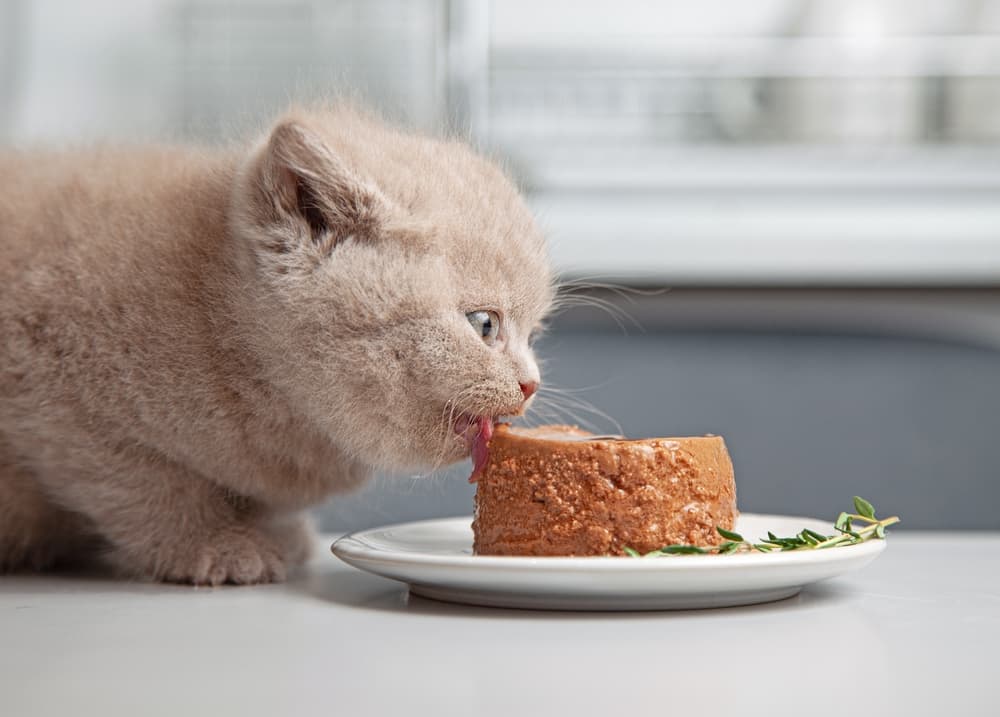
In the average domestic feline, digestion occurs more quickly than in humans. The entire duration of food from entry to exit can reach 26.5 to 35.7 hours. [1] During this time, ingesta spends approximately 10 to 24 hours being digested (by the stomach for four hours and then the intestines for 12 to 24 hours), then is further processed before waste is eliminated.
The average timeline of digestion varies depending on a cat’s age, breed, size, weight, and diet. Kittens and smaller-sized cats tend to digest food more quickly, whereas digestion time is more variable among senior cats. (And speaking of kittens, very young kittens are initially unable to digest anything other than their mother’s milk or a similar substitute. They gain more digestive function by weaning age, which is 8 weeks old.)
Digestion also occurs more quickly with smaller meals. For instance, multiple mini meals throughout the day can decrease digestion time, while feeding larger amounts less frequently can lead to increased digestion time (as well as an increased risk of “scarf and barf,” in which cats can regurgitate their food if it’s gobbled up too rapidly). Additionally, wet food diets are digested more quickly than dry kibble.
Caring for Your Cat’s Digestive System
There are many ways you can care for your cat’s digestive system. Let’s go over some of the most common ones.
Diet
As cats are obligate carnivores, they require particular nutrients that only an animal-based diet can provide. A vegetarian diet can be deadly to cats, as deficits in taurine, arachidonic acid, vitamin A, and vitamin B3 occur when cats are solely fed a plant-based diet. That’s why it’s important to choose an appropriate cooked commercial cat food or other veterinary-guided diet to optimize your pet’s nutritional health.
Reputable quality cat food brands include Purina, Hill’s, Iams, Royal Canin, and Eukanuba. These companies have a veterinary nutritionist on staff to formulate diets, conduct extensive studies and feeding trials, and ensure good quality control.
For kitties with sensitive tummies, ask your veterinarian about:
A sensitive skin and stomach diet:
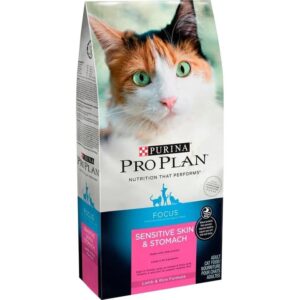
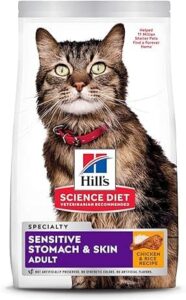
A lower fat diet:
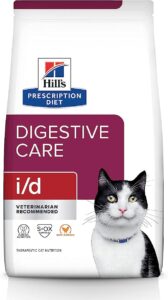
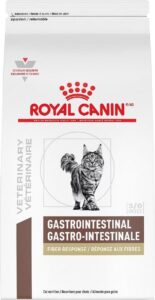
Diets higher in fiber:
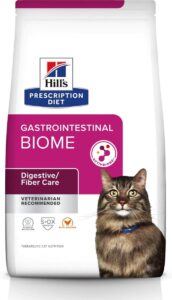
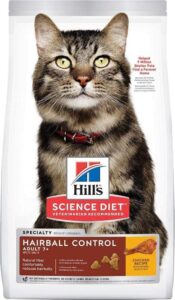
Kitties with hairball concerns can also benefit from a specialty hairball control diet, along with regular coat brushing.
Always seek nutrition advice from your personal vet before making a switch, and if you’re greenlit with advice to make the change, slowly transition from your cat’s current diet to a new one over 10 days to prevent GI upset.
Supplements
Certain supplements, if recommended by your vet, can be helpful to certain kitties. For instance, those with pancreas issues (such as exocrine pancreatic insufficiency, or EPI), may require digestive enzyme supplementation. Most healthy cats do not need this supplement, however.
Furthermore, probiotics and prebiotics can be helpful to many cats, especially those with chronic diarrhea as caused by dysbiosis (an imbalance of good and bad bacteria in the gut). Not all probiotics are created equally, so always seek counsel from your veterinarian before introducing them to your cat.
Cat-Safe Grass
Although your cat is a carnivore, they may occasionally like to nibble a bit of cat-safe grass. Consuming cat grass in small amounts can aid your cat’s digestion, improving hairball concerns and constipation. Moderation is key, however, since kitties lack enzymes to fully break down a lot of grass, and too much can cause harm.
Mini Meals
If your cat eats too quickly and upchucks their food, switching to multiple mini meals or canned food can help. Additionally, switching your cat’s food bowl to a slow feeder can slow down their food ingestion to help improve overall digestion.
Weight Management
Aside from feeding your cat a good quality diet, the most important thing pet parents can do to protect their cat’s digestive and overall health is to keep their cats at a healthy weight. Obesity can not only worsen digestive issues, but it can further impair your cat’s health. Maintaining a healthy weight is an ideal way to keep your kitty’s tummy soothed and them purring for longer.
References
1. Peachey, S E et al. “Gastrointestinal transit times in young and old cats.” Comparative Biochemistry and Physiology. Part A, Molecular & Integrative Physiology vol. 126,1 (2000): 85-90. doi:10.1016/s1095-6433(00)00189-6
Weight Management Cat Food: 10 Vet-Recommended Options
- 2023-11-17T19:00:21
- Maranda Elswick, DVM
We hear a lot about the obesity epidemic these days. But humans aren’t the only species at risk. Cat obesity cases are also on the rise. According to the latest Association for Pet Obesity Prevention (APOP) report, 61 percent of cats in the United States are overweight or obese [1], up from 57 percent a decade ago. [2] What’s more, overweight pets have become so prevalent, it can be difficult to tell whether your cat is at a healthy weight, or if they could benefit from a switch to weight management cat food.
Scheduling regular veterinary exams for your cat can help you track your pet’s weight fluctuations. But if your cat faces certain risk factors for obesity, a proactive approach to weight management could help you avoid larger health implications in the future.
Some cat breeds, such as American and British shorthairs, may have an increased likelihood of obesity compared to other breeds. Your cat’s sex may also be a factor, as male cats are more likely to gain weight than females. While the benefits of spaying or neutering your cat far outweigh any potential negatives, the procedure can alter feline metabolism rates, which may lead to weight gain. And though experts agree that keeping your cat indoors is safer, indoor cats do face a greater risk of weight gain than outdoor cats.
Even if your cat does not have any of these risk factors, the potential health issues associated with obesity in cats can be daunting. Feline obesity can increase the risk of osteoarthritis, feline lower urinary tract disease (FLUTD), diabetes mellitus, and various cancers. Obesity can also complicate the management of chronic kidney disease (CKD), liver disease, heart disease, as well as asthma, and other respiratory disorders.
Research shows that cat obesity can reduce lifespan by nearly two years. [3] So, if your cat is overweight, switching to a weight management cat food diet could help increase both the quality and longevity of your cat’s life.
Our Top Picks
All featured products are chosen at the discretion of the Great Pet Care editorial team and do not reflect a direct endorsement by the author.
Best Prescription Weight Management Cat Foods
- Hills Prescription Diet Metabolic Weight Management Cat Food
- Royal Canin Satiety Support Weight Management Cat Food
- Royal Canin Weight Control Cat Food
- Hill’s Prescription Diet r/d Weight Reduction Cat Food
- Hill’s Prescription Diet w/d Multi-Benefit Cat Food
- Purina Pro Plan OM Overweight Management
- Blue Natural Veterinary Diet W+U Weight Management + Urinary Care Cat Food
Best Non-Prescription Weight Management Cat Foods
- Royal Canin Weight Care Cat Food
- Hills Science Diet Perfect Weight Cat Food
- Purina Pro Plan Weight Management Cat Food
What Is Weight Management Cat Food?
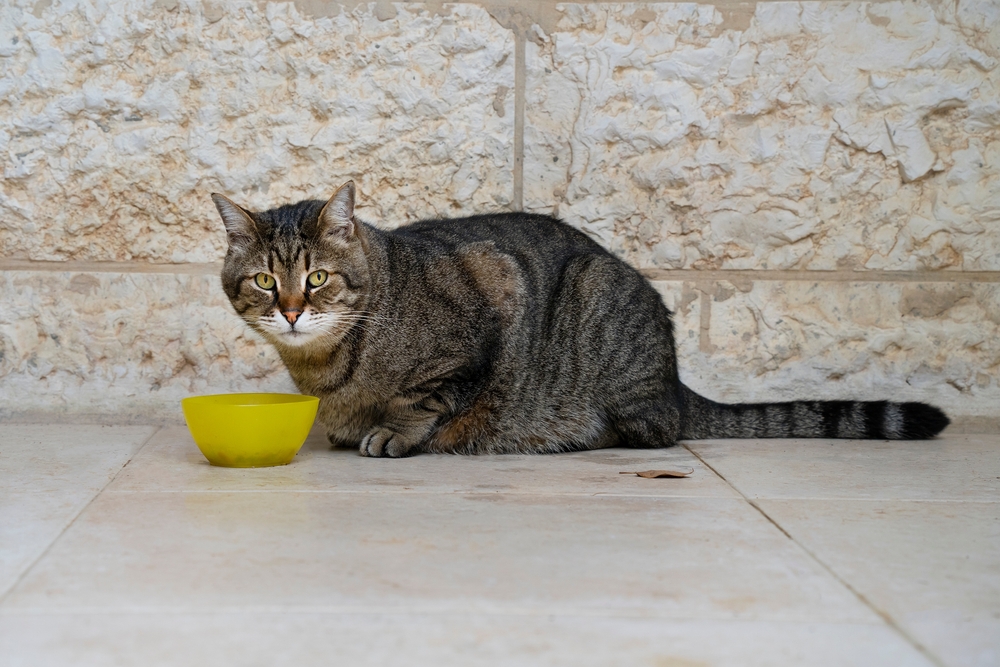
While portion control and increased exercise are proven tactics in the battle of the bulge (both for felines and their human counterparts), some cats may require a different approach, especially if they have more than a few pounds to lose. So if the scale isn’t budging (or is moving in the wrong direction) for your cat, it’s a good idea to chat with your veterinarian about switching your pet to a special weight management diet.
Weight management cat food comes in both prescription and non-prescription (over-the-counter) options that are specially formulated to help cats lose weight. Both types typically contain fewer calories than standard cat food formulas, with macronutrient ratios that are lower in fat while maintaining high levels of protein.
These diets usually work by optimizing fat metabolism and helping to induce a state of ketosis, which is when the body burns fat instead of glucose (sugar from carbohydrates) for energy. Weight management cat diets also tend to contain more water and/or fiber than other cat food. This increased volume or bulk helps cats feel full so they don’t eat as much.
Prescription Weight Management Cat Food vs Non-Prescription
Non-prescription weight management formulas can benefit cats with smaller weight loss goals, but primarily function as a maintenance diet to help cats stay at a healthy weight. In contrast, prescription options (also known as veterinary therapeutic diets) work both as a treatment to help facilitate substantial weight loss, as well as a diet to help maintain a healthy weight once those pounds are shed. Prescription formulas also contain added ingredients to help improve metabolism.
Although they may whittle as many pounds off your cat’s waist, non-prescription options are also easier on your wallet. Prescription diets tend to promote more dramatic weight loss, but they typically come with a bigger price tag.
Why Your Vet Might Recommend a Weight Management Cat Food
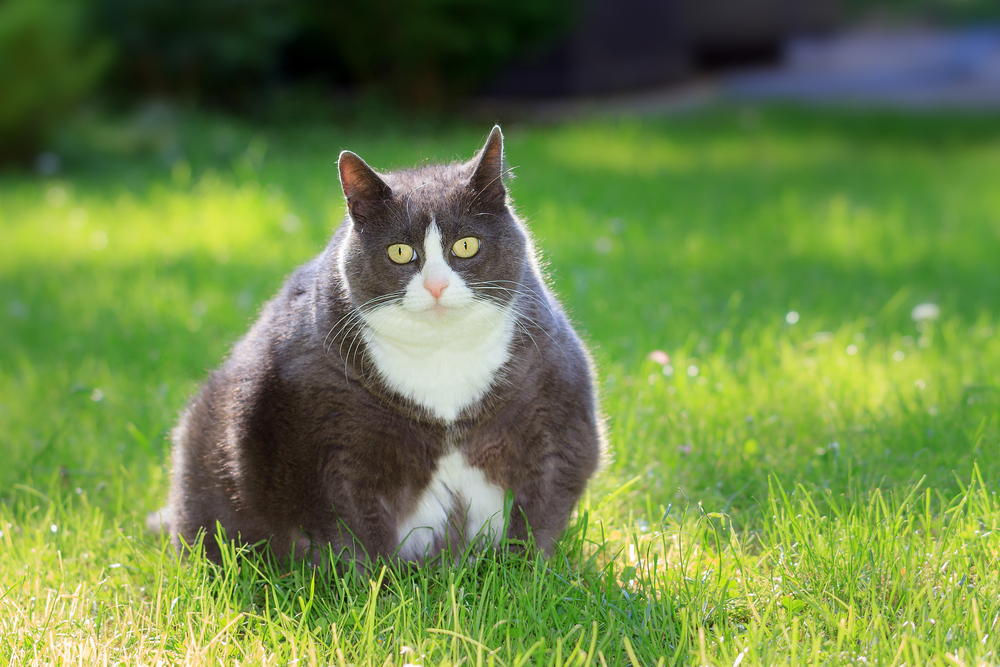
Some pet parents may be tempted to take a DIY approach to helping their cat lose weight. But it’s best to involve your veterinarian in your plan, no matter how simple it may seem.
While reducing the amount of regular cat food you serve up at mealtime could help your “fluffy” feline slim down, veterinarians caution against substantial portion reduction, especially in very obese cats. That’s because drastically reducing portion sizes not only cuts calories, it can also inadvertently cause malnutrition by limiting vital nutrients that your cat needs to thrive.
Additionally, if you suddenly switch a morbidly obese cat to a calorie-restricted diet, they can face an increased risk of developing a fatal liver disease called hepatic lipidosis.
Your veterinarian can help you make changes to your cat’s existing diet and lifestyle to promote healthy, gradual weight loss. But, if smaller portions, fewer treats, and more exercise don’t move the scale, or if your cat has a substantial amount of weight to lose, your veterinarian will likely advise a weight management cat food.
In addition to promoting healthy weight loss, specialty weight management cat food can also make the process of losing weight easier…for both you and your cat. Because the formulas contain fewer calories, you can still feed your cat a “normal” portion size, so they don’t feel deprived. And, thanks to extra fiber, weight loss cat food tends to expand in the tummy, giving cats a sense of fullness. The formulas are also designed to be quite tasty and palatable.
As a result, cats often feel more satisfied and less “hangry” when they eat weight management formulas. That can also help reduce the risk of unwanted side effects that often accompany restriction diets, such as begging for food or destructive behavior.
What Weight Management Diet is Best for Your Cat?
There is a wide variety of weight management cat food options designed to work for a wide range of cats — from very obese and overweight cats, to those on the cusp of being overweight, and those who have lost weight and need help maintaining their new healthy physique.
Your veterinarian will determine what type of weight management diet is most appropriate for your cat’s specific needs. First, they’ll calculate your pet’s ideal weight, daily calorie needs, and weight reduction pacing using a variety of factors specific to your pet. These include breed, age, metabolic rate, activity level, nutritional requirements, and any physical or internal ailments that may require careful monitoring throughout the weight loss process.
Top 10 Vet-Recommended Weight Management Cat Foods
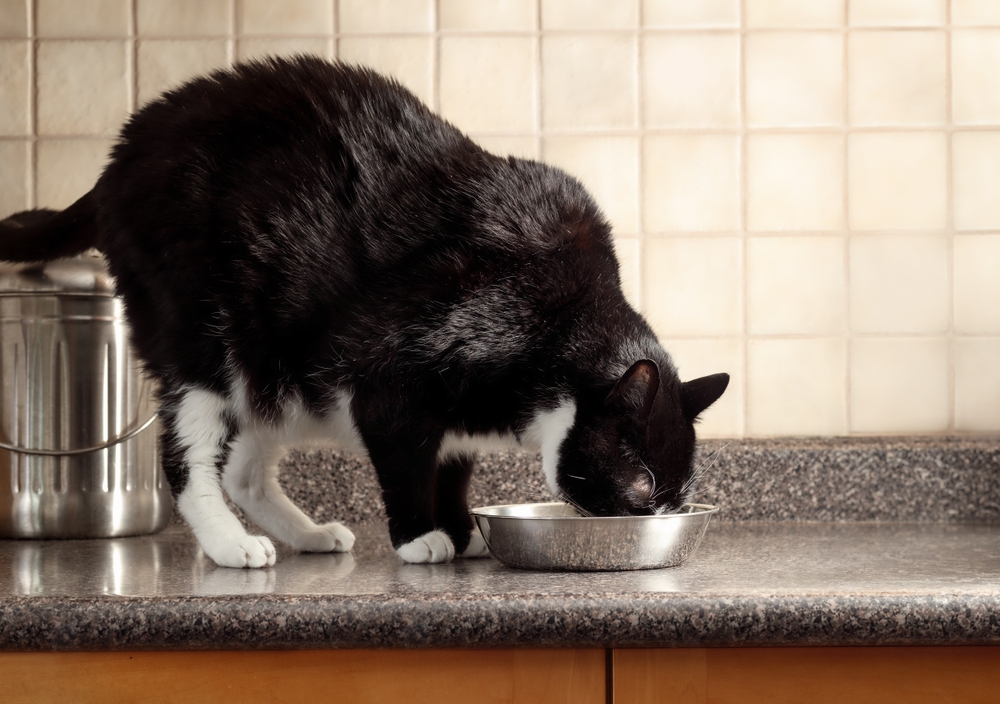
There’s no shortage of cat food diets on the market promising to help your cat achieve or maintain a healthy weight. To help pet parents navigate the sea of choices, here are the options veterinarians most commonly recommend. Most are available in both dry (kibble) and canned (wet) food options. And many also offer low-calorie treats your cat can enjoy without jeopardizing their weight loss journey. Ask your vet if one of the following diets is optimal for your cat’s specific health and weight management needs.
Best Prescription Weight Management Cat Foods
Hills Prescription Diet Metabolic Weight Management Cat Food
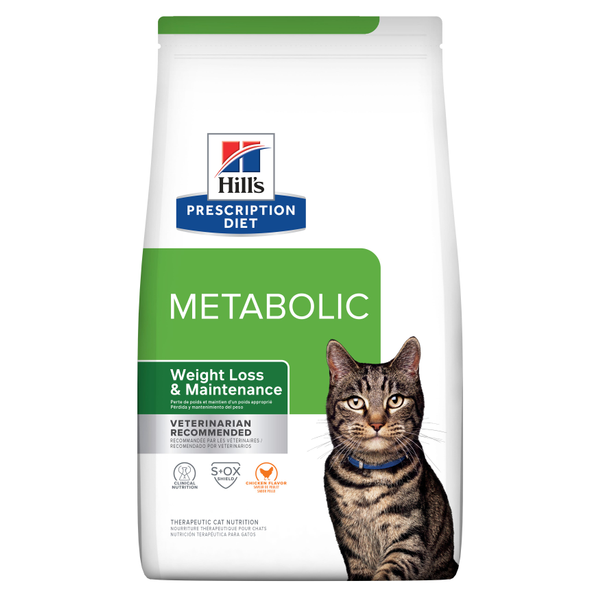
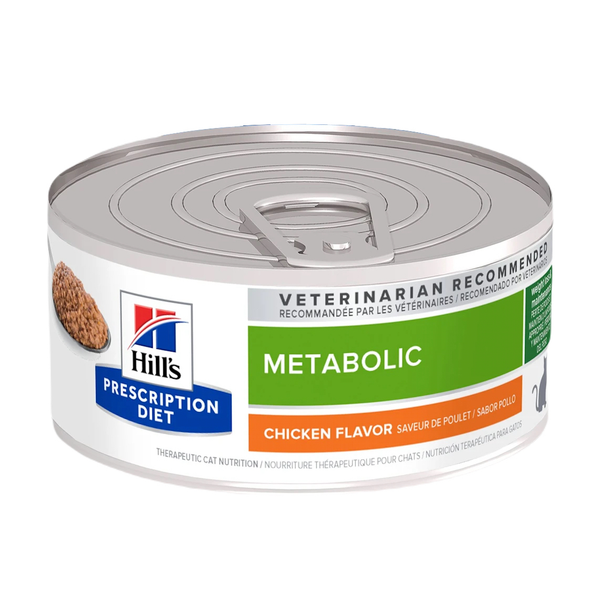
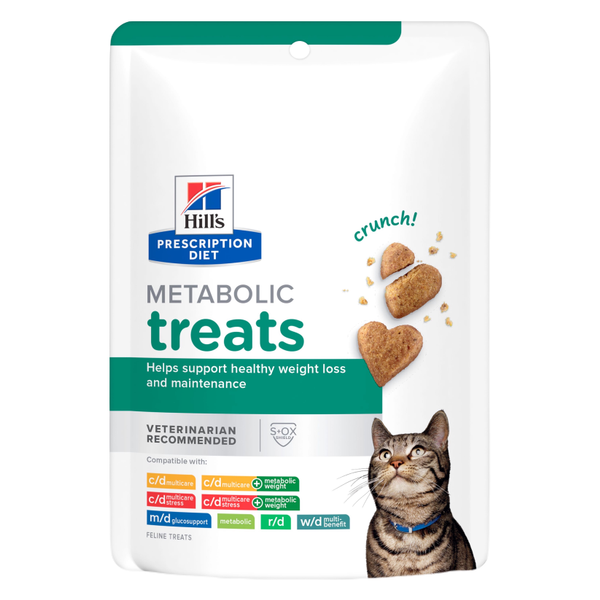
Hill’s Prescription Diets are well known as trusted mainstays when it comes to disease management through veterinary therapeutic diets. The Hill’s Metabolic Weight Management formula promotes healthy, effective weight loss in cats who are overweight or obese using a proven blend of high-quality ingredients. And the results speak for themselves: According to Hill’s, 88 percent of pets fed this diet at home lost weight in two months. It is available in a variety of textures to keep cats interested and also helps support urinary tract health by minimizing urinary crystal formation.
Pros
- Clinically proven formula developed by Hill’s veterinarians and nutritionists
- According to the brand, 88 percent of pets lost weight in two months when fed this diet at home
- Supports both healthy weight loss and weight maintenance
- Comes in a variety of flavors and canned food textures, including a tasty stew
- Made with a unique blend of fibers to help cats feel full and L-carnitine to help metabolize fat and support lean muscle mass
- Available exclusively through veterinarians
- Contains S+OXSHIELD to promote urinary health
- Also available as Hill’s Prescription Diet c/d Multicare + Metabolic for cats with clinical urinary issues
Cons
- Among the most expensive weight loss diets
- Formulated to support adult and senior cats only
Royal Canin Satiety Support Weight Management Cat Food

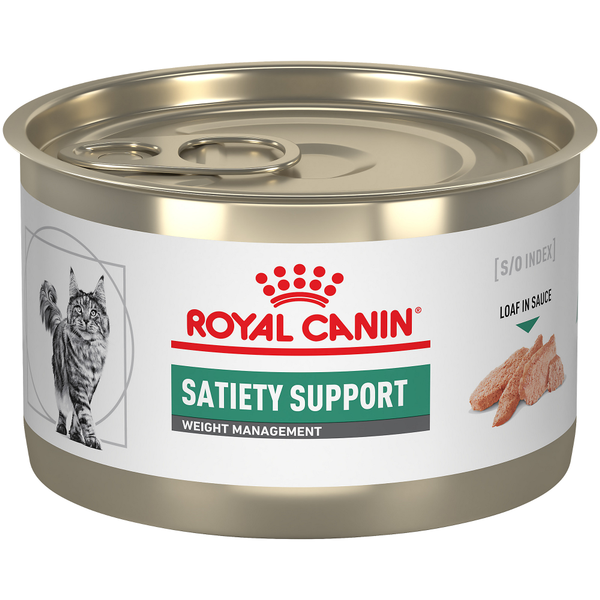
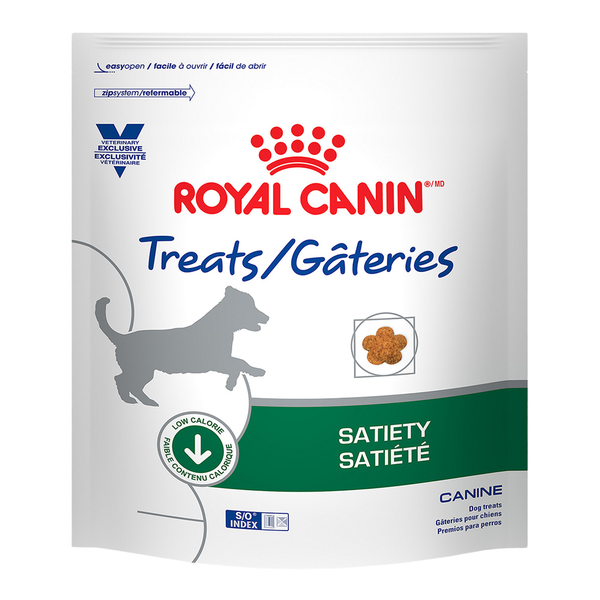
As a brand built on a solid foundation of scientific research, Royal Canin is known for its precision approach to nutrition, offering formulas tailored to a pet’s age, size, and even breed. The brand’s Satiety Support Weight Management diets are similarly tailored to meet the weight loss needs of cats with body condition scores of 7-9. This prescription diet is specially formulated to support substantial weight loss in cats that face an increased risk of health issues due to being overweight or obese. Made with quality, veterinarian-recommended ingredients and high fiber, to help keep cats satisfied between meals. It also optimizes bone and joint health, which is key in heavier cats, as extra weight increases stress on the musculoskeletal system which can worsen osteoarthritis.
Pros
- Formulated to facilitate weight loss in overweight to obese cats
- According to the brand, in a clinical trial, 97 percent of cats lost weight in three months, and the diet effectively controlled begging in 82 percent of cats
- Reduces calories while ensuring adequate nutrient availability
- Low fat, high protein, high fiber
- Helps prevent regain of weight lost
- Helps cats stay full (satiated) to reduce unwanted overeating and begging behavior
- Contains glucosamine, chondroitin, and omega-3 fatty acids from fish oil to help support joint health
- Helps improve urinary tract health by preventing struvite and calcium oxalate crystal formation
- Available in wet and dry formulas
Cons
- Pricier than most other prescription weight formulas
Royal Canin Weight Control Cat Food
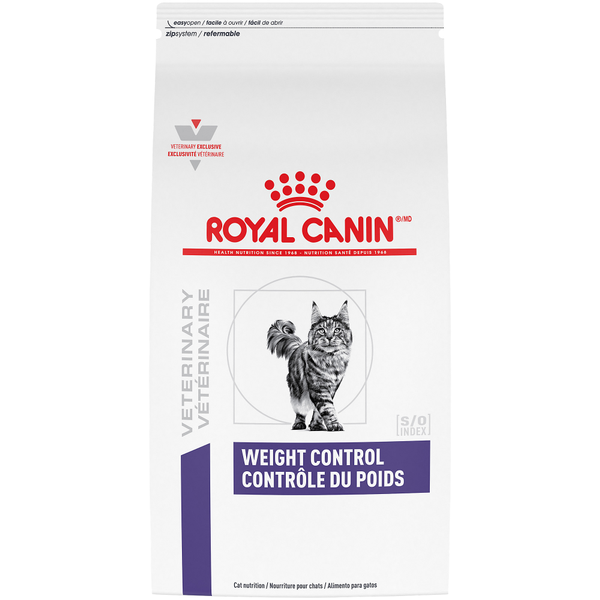
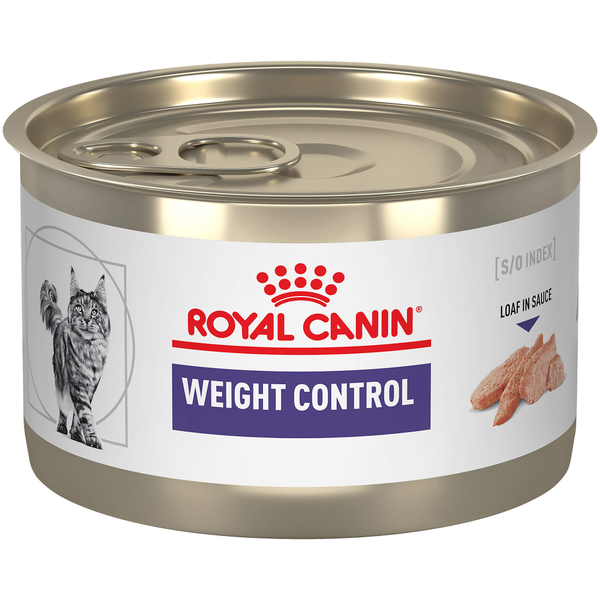
Not all cats require a heavy-duty diet designed to help drop pounds. Specifically designed to support weight management, Royal Canin Weight Control cat food offers a balanced blend of nutrients, as well as high levels of protein and fiber, to aid in gradual, healthy weight loss. This prescription diet helps maintain a leaner weight in spayed and neutered adult cats, who often have a tendency to gain weight due to hormonal changes. It also supports urinary health by reducing urinary crystal development.
Pros
- In an internal study conducted by Royal Canin, over 90% of cats lost weight within two months
- Helps spayed and neutered adult cats with an increased risk for weight gain maintain a healthy weight
- Made with high protein (plus extra L-carnitine), high fiber, and balanced fats
- Promotes a feeling of fullness to help reduce overeating
- Available exclusively with a veterinarian’s prescription
- Helps improve urinary tract health by preventing struvite and calcium oxalate crystal formation
Cons
- Premium price
- May not be appropriate for very overweight or obese cats
Hill’s Prescription Diet r/d Weight Reduction Cat Food
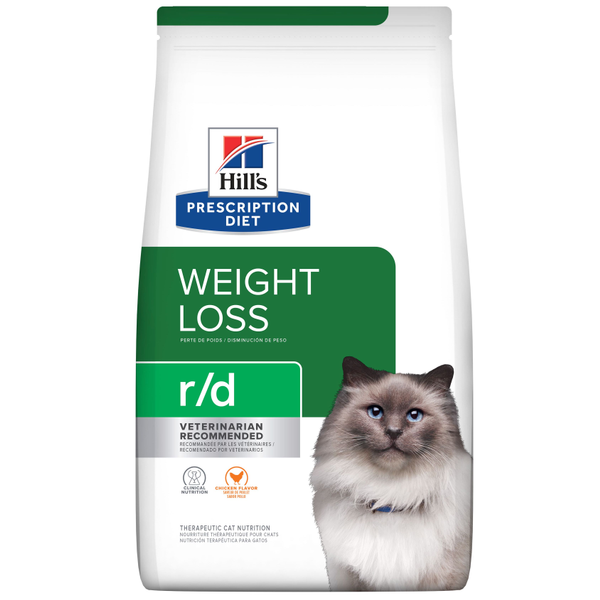
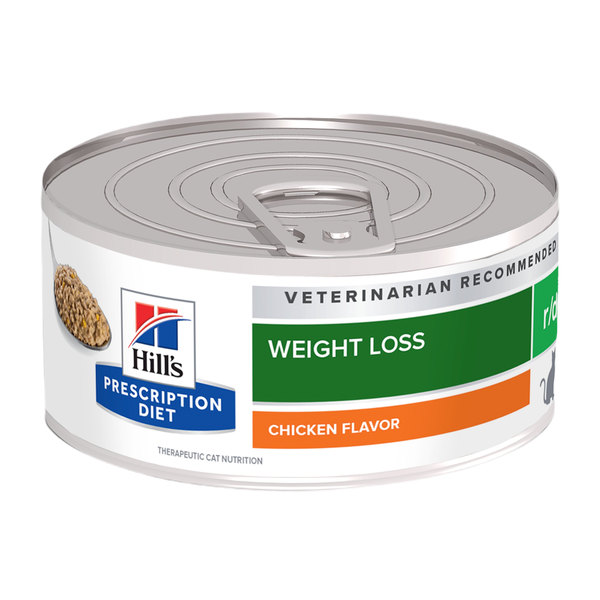
While this veterinarian-recommended prescription diet from Hill’s is not intended for long-term use past 6 months, it is designed to help cats substantially whittle their waistlines within 4 to 8 weeks. The clinically tested formula contains therapeutic levels of L-carnitine, plus an optimized blend of fibers to help your cat metabolize fat, maintain lean muscles, and feel full longer.
Pros
- Clinically proven to help cats lose weight within 4-8 weeks
- Requires veterinarian approval to purchase
- Formulated for safe and effective weight loss
- Helps induce ketosis to burn fat while maintaining muscle mass
- Contains L-carnitine to aid fat metabolism in the liver
- Made with optimized levels of soluble and insoluble fiber
- Contains antioxidants, such as Vitamins E and C, to help support immune system health
Cons
- Less expensive than other prescription diets, but still pricey
- Does not also function as a long-term maintenance diet
- For intermittent feeding only; not intended for long-term use over 6 months duration
Hill’s Prescription Diet w/d Multi-Benefit Cat Food
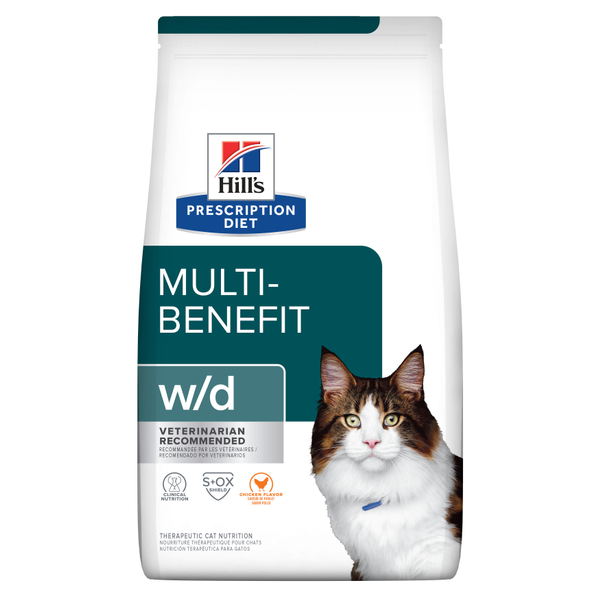
For cats who struggle with excess weight in addition to other health conditions, Hill’s offers a multi-tasking prescription cat food designed to tackle more than just extra pounds. In addition to helping cats lose weight, Hill’s Prescription Diet w/d Multi-Benefit cat food also helps promote healthy digestion, urinary health, and blood sugar management. Since obesity can lead to type 2 diabetes mellitus in cats, that’s great news for cats with blood glucose readings on the high end of normal. Cats prone to gastrointestinal issues that respond to fiber and urinary tract diseases can also benefit from this extra-helpful formula.
Pros
- Unique formula benefits cats on multiple fronts
- Clinically tested nutrition for weight management, digestive health, urinary health, and blood sugar management
- Reduced-calorie, low-fat formula helps metabolize fat
- Packed with fiber to help manage blood sugar and promote healthy digestion
- Lower magnesium and sodium to promote urinary tract health
- Contains antioxidants, such as Vitamins E and C, to help support immune system health
- Also helps fiber-responsive GI issues, including aiding in maintaining formed stools
Con
- Some pet parents find the cost prohibitive
Purina Pro Plan OM Overweight Management
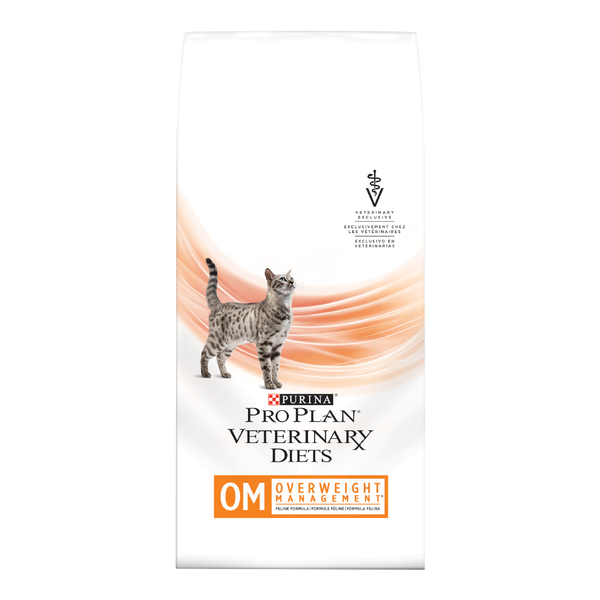
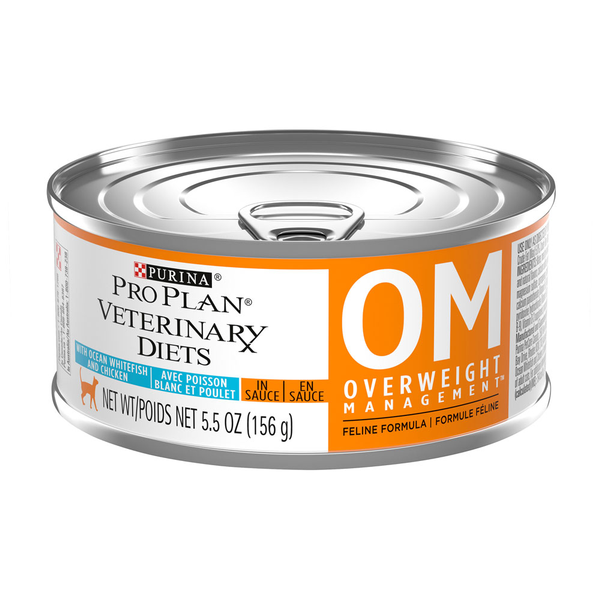
Purina Pro Plan OM Overweight Management is a prescription weight loss diet for more impactful weight loss and long-term management of a trim feline physique. It’s formulated with a high protein-to-calorie ratio to ensure cats get the proper balance of nutrients, even when losing or maintaining weight. Plus, its yummy variety of flavors will help entice your cat’s tastebuds while reducing their body fat and maintaining muscle mass.
Pros
- For weight loss or maintenance
- Low calorie, high protein, low fat, high fiber
- Promotes loss of body fat while maintaining muscle mass during weight loss
- Helps improve urinary tract health by preventing struvite and calcium oxalate crystal formation
- High in antioxidants
- Highly palatable
- Comes in a variety of flavors
Cons
- Less expensive than most prescription diets, but still steep
Blue Natural Veterinary Diet W+U Weight Management + Urinary Care Cat Food
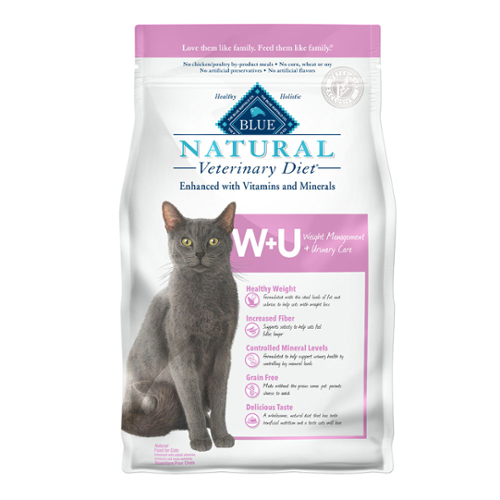
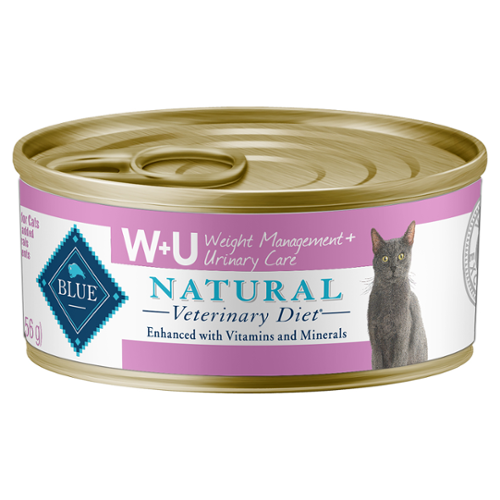
One of the more budget-friendly prescription diets, BLUE Natural Veterinary Diet W+U formula delivers the dual benefit of weight management and urinary care in one delicious diet. The grain-free formula features natural ingredients, including deboned chicken and wholesome, fiber-rich fruits and veggies to help cats feel fuller longer. Plus, the diet contains carefully controlled mineral levels designed to prevent bladder stones and promote urinary health.
Pros
- Ideal levels of fat, calories, and fiber to promote weight loss and help cats feel full
- High in L-carnitine to help support the maintenance of a healthy weight
- High in omega-3 fatty acids to promote immune health
- Helps improve urinary tract health by preventing struvite and calcium oxalate crystal formation due to lower magnesium and sodium content
- Made with LifeSource Bits, BLUE Natural’s blend of antioxidants, vitamins, and minerals that help support immune health
Cons
- May not be effective enough to facilitate weight loss in very overweight or obese cats
- Not all brand products meet World Small Animal Veterinary Association (WSAVA) guidelines
Best Non-Prescription Weight Management Cat Food Picks
Royal Canin Weight Care Cat Food
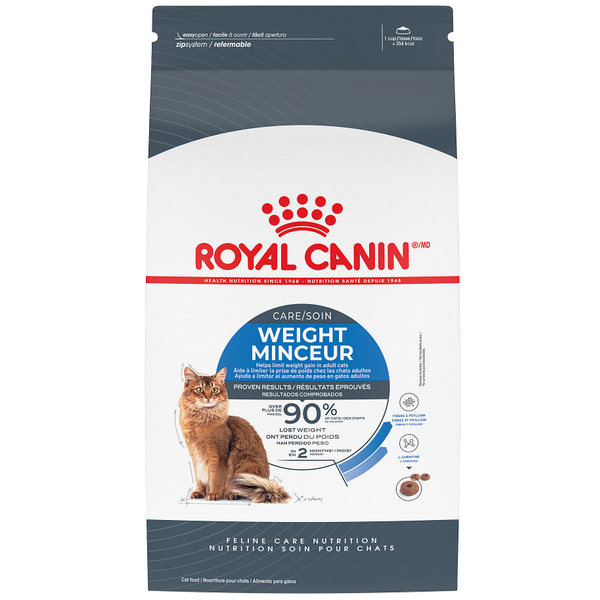
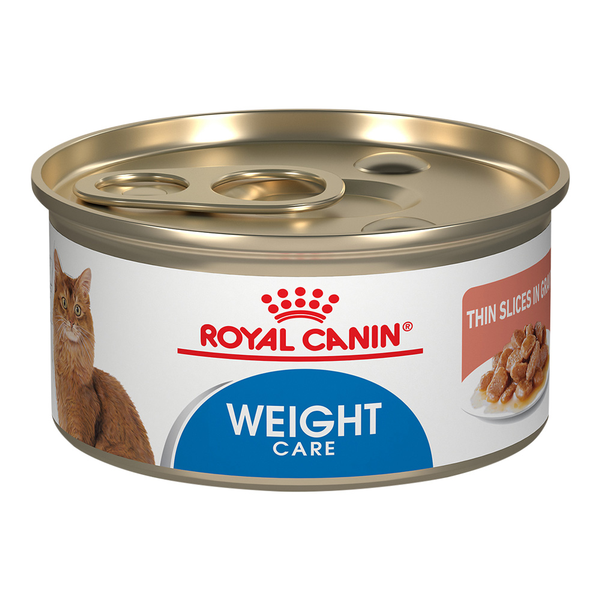
Good news: No prescription is required to provide your kitty with the weight management benefits of this over-the-counter diet. And because it’s formulated by Royal Canin, a company known for extensive feeding trials, nutrition research, and quality control, you can trust that it will help keep your kitty in shape. While not intended for significant weight loss, this basic weight support diet can help the average kitty (with a body condition score between 4-6) lose a bit of weight or maintain a healthy weight.
Pros
- Benefits cats that are either slightly overweight or standard-sized with a tendency to gain weight maintain a healthy size
- High in protein and fiber to help cats feel full
- L-carnitine aids in fat metabolism
- More budget-friendly than prescription options
Cons
- May not be effective enough to facilitate weight loss in very overweight or obese cats
- No mention of added urinary tract support unlike the other Royal Canin feline weight-loss products
Hills Science Diet Perfect Weight Cat Food
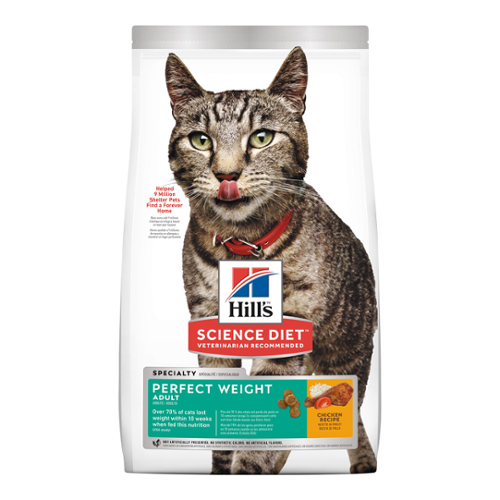
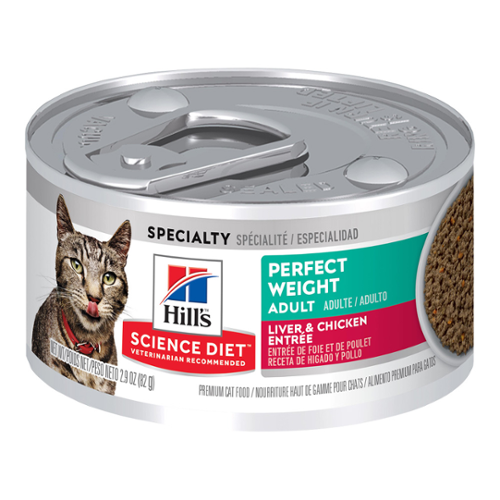
Hill’s is another pet food company with boarded veterinary nutritionists on staff who formulate balanced and nutritious diets, perform feeding trials, and ensure quality control. This non-prescription option has added antioxidants and vitamins to support a cat’s immune system while simultaneously helping slightly heavier cats maintain a healthier weight.
Pros
- Lower in calories to aid cats in gentle weight loss or to support a healthy weight in cats who tend to pack on pounds
- Antioxidants and vitamins help support immune system health
- Free of artificial flavors, colors, and preservatives
- More budget-friendly than prescription options
Cons
- May not be effective enough to facilitate weight loss in very overweight or obese cats
- No mention of added urinary tract support unlike some other Hills feline weight loss products
Purina Pro Plan Weight Management Cat Food
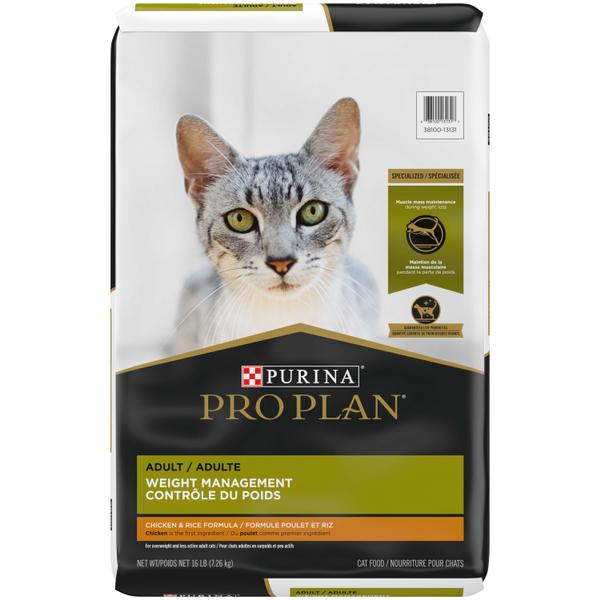
Designed for slightly overweight or less active cats, this Weight Management formula is a non-prescription option in Purina’s Pro Plan line of products designed to help cats achieve or maintain a healthy weight. It has 10 percent fewer calories than most other regular adult formulas, plus it’s 20 percent lower in fat. Best of all, it’s highly tasty to keep cats happy while assisting in mild weight loss and maintaining muscle mass. This product also contains live probiotics to optimize a happy gut.
Pros
- Contains fewer calories and lower fat than regular adult cat food formulas
- High protein to help maintain muscle mass while promoting weight loss
- Highly palatable formula keeps your kitty’s taste buds happy
- Contains live probiotics to support gut health
- More affordable than a prescription weight loss diet
Cons
- May not be effective enough to facilitate weight loss in very overweight or obese cats
- No mention of added urinary tract support unlike some other Purina feline weight loss products
Switching to a Weight Management Food for Cats
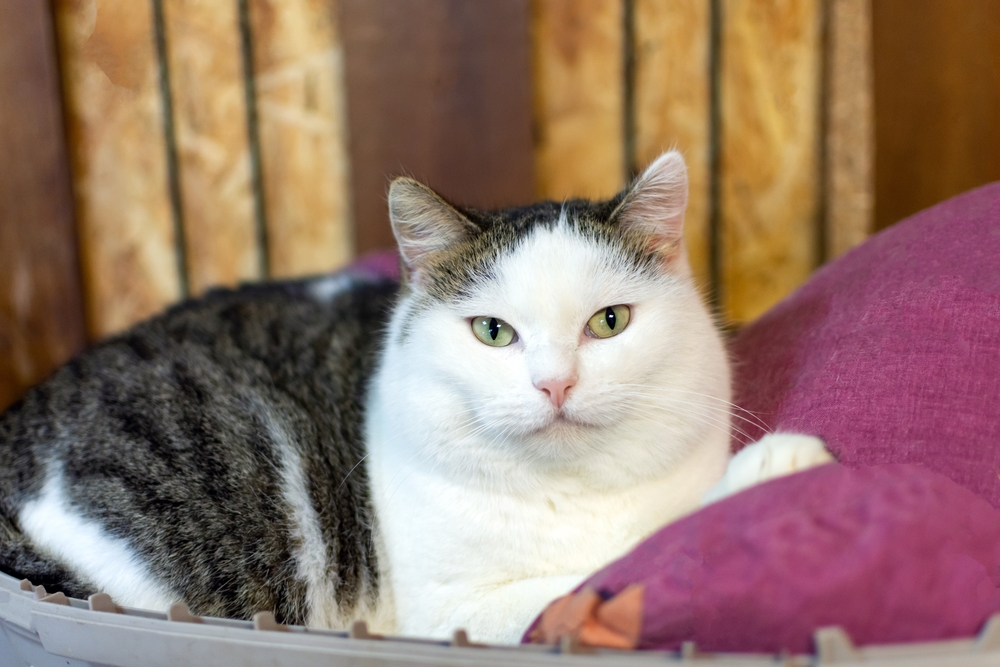
Ready to make a switch to ensure your fluffy feline gets or stays fit? Here are some additional factors to consider when switching to a weight management diet for cats:
- Transition gradually. To help minimize GI upset, such as vomiting or diarrhea, don’t switch your cat’s diet abruptly. Allow their gut to get used to the new food by gradually mixing in increasing amounts of the new diet during a 7- to 10-day transition period.
- Speaking of GI changes, be prepared for increased flatulence (gas). Due to the high amounts of natural soluble and insoluble fiber in most weight management foods, your cat may be extra stinky for a while. Some cats may also have a change in their stool consistency. Fortunately, GI changes tend to stabilize after a few weeks on the new diet. If you have any concerns, discuss them with your vet.
- Don’t cut calories too quickly. As discussed, nothing too fast or drastic! To ensure your cat’s weight loss is safe and healthy, don’t eyeball their portions. Be sure to use an accurate, consistent measuring device (either cup or scale) as instructed by your vet to dispense your cat’s food.
- Limit treats. Calories from treats add up and can completely skew your cat’s weight loss results. Either cut out treats completely or reduce them significantly, and be sure to include their caloric content in your daily plan. If you do choose to treat your kitty now and then, look for low-cal options offered by many weight management cat food manufacturers.
- Get physical! Pair food changes with exercise and playtime for the biggest positive impact.
- Explore the best feeding options for your feline. Some cats may fare better with free choice feeding or multiple mini meals (while maintaining the same daily caloric intake) versus one or two large meals per day.
- Pro Tip: The same psychological tricks that can help humans in their weight loss efforts may work for your cat. Many cats prefer their food in a smaller bowl instead of a large bowl because the smaller bowl looks fuller when filled with the same amount of food. This tactic can help improve your cat’s mental satisfaction at meal times.
Questions to Ask Your Vet About Weight Management Cat Foods
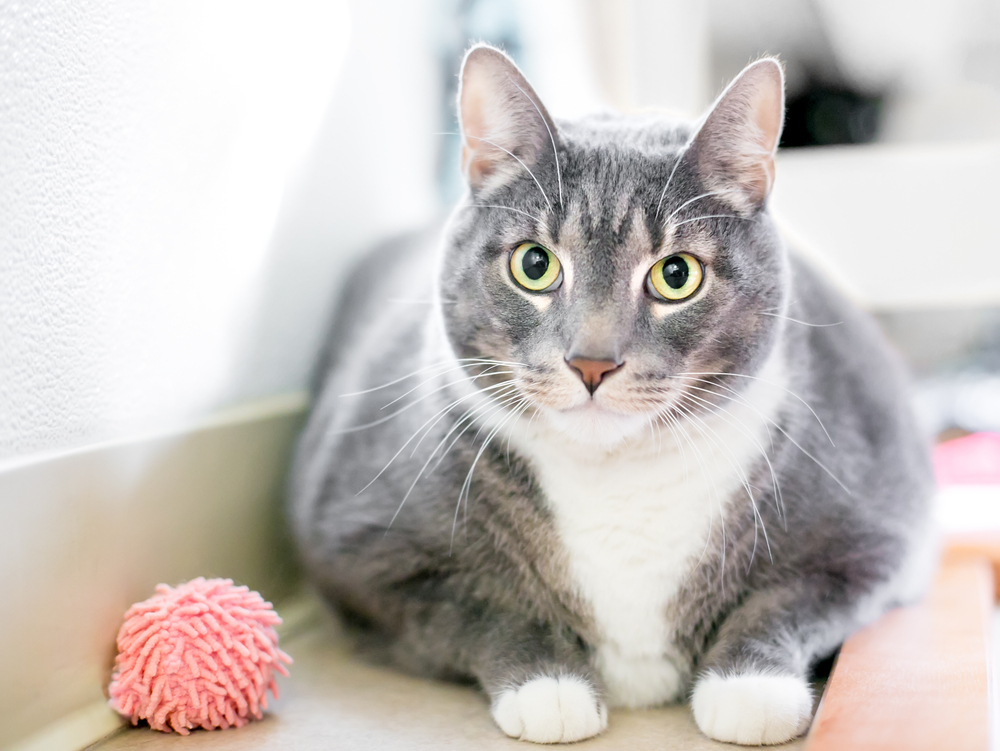
Structure, accuracy, consistency, and regular tracking are important for any weight loss plan. Before and during your cat’s weight loss journey, here are some question prompts that pet parents can ask their veterinarian. The answers may vary based on your cat’s specific weight loss needs, health status, and lifestyle.
- What is my cat’s current weight, and what does a healthy weight look like for him? The ideal cat should have a body condition score (BCS) of 5/9. This means a cat’s frame should be well-proportioned, a tucked waist can be observed behind the ribs, his ribs can be felt with only a slight fat covering, and he should have only a minimal abdominal fat pad.
- What diet plan is best for my cat? Every cat is different, so be sure to ask your vet for guidance on what brand of weight loss or weight management cat food would be best for your kitty. They can advise whether your cat needs a prescription or non-prescription diet and how much they should eat to lose weight. Remember, the number of cups or cans of food may vary, depending on the brand you choose and how many calories your cat needs per day.
- What are the anticipated costs of my cat’s new diet?
- What if other cats in the house eat diet cat food? A few bites are unlikely to cause harm to other cats in the household, but avoid consistent or sole use in kittens, pregnant and nursing cats, as well as those with certain health issues (such as cancer, kidney disease, hyperthyroidism, and liver disease).
- How quickly should my cat lose weight? Cats should lose 0.5-1.5% of his or her body weight weekly until the goal is met. Your vet may wish to weigh and reassess your pet every 2-4 weeks to ensure the current plan works as intended.
- Once my cat has met their goal weight, how can I help them maintain it? through diet and activity? Is this a temporary or long-term consideration?
Best of luck on your cat’s weight loss journey. As a pet parent, you’re now empowered to speak with your vet about how to aid your kitty in safely achieving their weight loss goals. With some time and effort, you could help add life to her years and years to her life!
References
- “2022 U.S. Pet Obesity Prevalence Survey.” Association for Pet Obesity Prevention, Retrieved from www.petobesityprevention.org
- “2013 Summary of the Veterinary Clinic: Pet Obesity Prevalence Survey.” Association for Pet Obesity Prevention. Retrieved from https://www.petobesityprevention.org/2007-2013
- Teng, Kendy T et al. “Strong associations of nine-point body condition scoring with survival and lifespan in cats.” Journal of feline medicine and surgery vol. 20,12 (2018): 1110-1118. doi:10.1177/1098612X17752198
4 Best Cat Foods for Kidney Disease
- 2023-11-01T14:03:52
- Linda Childers
Having your cat diagnosed with kidney disease can be scary. However, with early detection, appropriate medical treatment, and a kidney diet designed for cats, you can slow the progression of the disease and minimize symptoms, while also helping your cat live a longer and happier life.
“When your cat has kidney disease (also called chronic renal failure), the food you feed them is extremely important,” says Dr. Carly Fox, senior veterinarian at Schwarzman Animal Medical Center in New York City. “Feeding a kidney-friendly diet has been shown to almost double survival time in cats with chronic kidney disease (CKD).”
Dr. Fox says kidney disease foods for cats contain less protein, phosphorus, and salt than a normal maintenance adult cat food, as well as increased omega-3 fatty acids from fish oil.
“If your cat is diagnosed with kidney disease, speak to your veterinarian about which foods they recommend,” Dr. Fox explains. “Often, it will be a prescription diet, as commercially based diets generally have too much phosphorus and salt.”
Why Your Cat Might Need a Kidney Disease Food
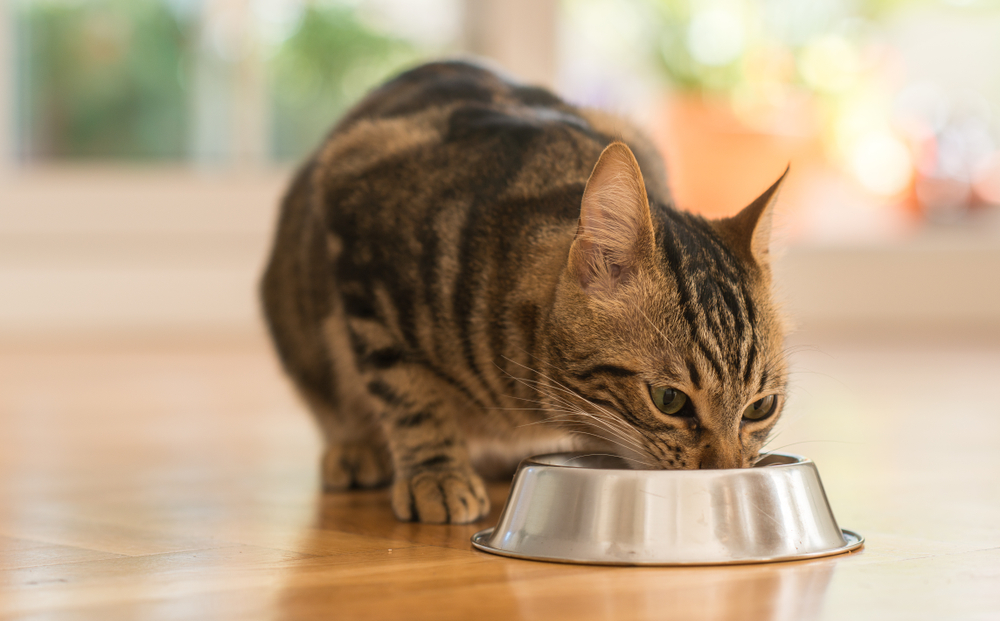
If your cat has been diagnosed with CKD, you may notice they’ve lost weight, lack energy, urinate more frequently, and don’t have an appetite.
By feeding them specially formulated cat food for kidney disease, you can help protect your cat’s kidney function, while also ensuring they get the essential nutrients they need. One study found that cats with kidney disease who were fed a special diet restricted in phosphorus and protein survived longer than cats with kidney disease who weren’t fed a special diet [1].
Feeding your cat a kidney-support cat food can also help to relieve any nausea they may experience, increase their energy levels, reduce phosphate levels in their blood, and minimize protein loss through their kidneys.
Best Cat Food for Kidney Disease: Top Picks
All featured products are chosen at the discretion of the Great Pet Care editorial team and do not reflect a direct endorsement by the author.
- Best Overall: Royal Canin Vet Diet Renal Support Canned Cat Food
- Best Dry Cat Food for Kidney Disease: Hill’s Prescription Diet k/d Kidney Care Cat Food
- Best Wet Cat Food for Kidney Disease: Purina Pro Plan Veterinary Diets NF Kidney Function
- Best Grain-Free Cat Food for Kidney Disease: Blue Buffalo Natural Veterinary Diet Kidney and Mobility Support Dry Cat Food
How We Ranked Our Picks
We spoke to veterinarians to find the best kidney-support cat foods on the market, taking into consideration factors including taste, availability, and value.
4 Best Vet-Approved Cat Foods for Kidney Disease
There is no one specific diet that is appropriate for all cats with kidney disease. Since some cats are picky eaters, and others experience a reduced appetite with kidney disease, it’s important to find cat food your feline will consistently enjoy eating.
Here are some top-tier options to discuss with your veterinarian.
Best Overall Kidney-Support Cat Food
Our Pick: Royal Canin Vet Diet Renal Support Canned Cat Food

A reluctance to eat is a common symptom of kidney disease in cats, so Royal Canin decided to address this right out the gate by offering a tasty formula that cats find hard to resist. Their renal support canned cat food contains D-morsels, made from slices of pork and chicken soaked in gravy. The D stands for “delectable” and may help stimulate your cat’s appetite. We love that this formula offers fatty acids from fish oil, antioxidants, and targeted protein levels, all designed to support your furry loved one’s kidney function.
Key Benefits
- Served as a low-phosphorus pate in gel form that appeals to cats
- Designed to stimulate your cat’s appetite
- Some reviewers say it’s the only CKD food their cat will eat consistently
- Available in 3-ounce cases of 24 cans
Best Dry Cat Food for Kidney Disease
Our Pick: Hill’s Prescription Diet k/d Kidney Care Cat Food

While it can sometimes be hard to get a cat with kidney disease excited about a meal, Hill’s does a good job of enticing even the pickiest cats. This dry cat food for kidney disease is formulated with the brand’s Enhanced Appetite Trigger (E.A.T.), which is shown to stimulate appetite in cats. This veterinarian-endorsed cat food contains the important nutrients needed to support their kidney health.
Key Benefits
- Targeted levels of high-quality protein
- Low in sodium
- Uses a proprietary blend of ingredients designed to stimulate a cat’s appetite
- May boost vitality and energy
Best Wet Cat Food for Kidney Disease
Our Pick: Purina Pro Plan Veterinary Diets NF Kidney Function

If your cat has just been diagnosed with kidney disease, this Early Care wet cat food with reduced phosphorus and sodium levels is a good starting point to help them better manage their disease. Cat owners can feel good knowing Purina employs full-time veterinary nutritionists and strives to deliver high-quality food. Over time, as your cat’s kidney disease progresses, Purina Pro Plan also makes an Advanced Care formula to continue supporting your feline’s kidney health.
Key Benefits
- Contains antioxidants and a prebiotic fiber that help to nourish a healthy GI tract
- No artificial colors
- Pate texture
- Contains B-complex vitamins to support your cat’s metabolism and energy levels
- Good taste for cats with limited appetites
Best Grain-Free Cat Food for Kidney Disease
Our Pick: Blue Buffalo Natural Veterinary Diet Kidney and Mobility Support Dry Cat Food

If your cat turns their nose up at canned cat food, Blue Buffalo offers a delicious dry kidney-support cat food. This grain-free formula offers controlled levels of protein (high-quality deboned chicken) and minerals to aid kidney function. It’s also low in phosphorus and sodium. We like this diet for aging cats with kidney issues because it also contains glucosamine and chondroitin to benefit joint health and mobility.
Key Benefits
- Controlled protein and mineral levels to aid kidney function
- Contains glucosamine and chondroitin to support joint health and mobility
- Pet parents may like that this food is grain-free
Kidney Disease Cat Food Buyer’s Guide
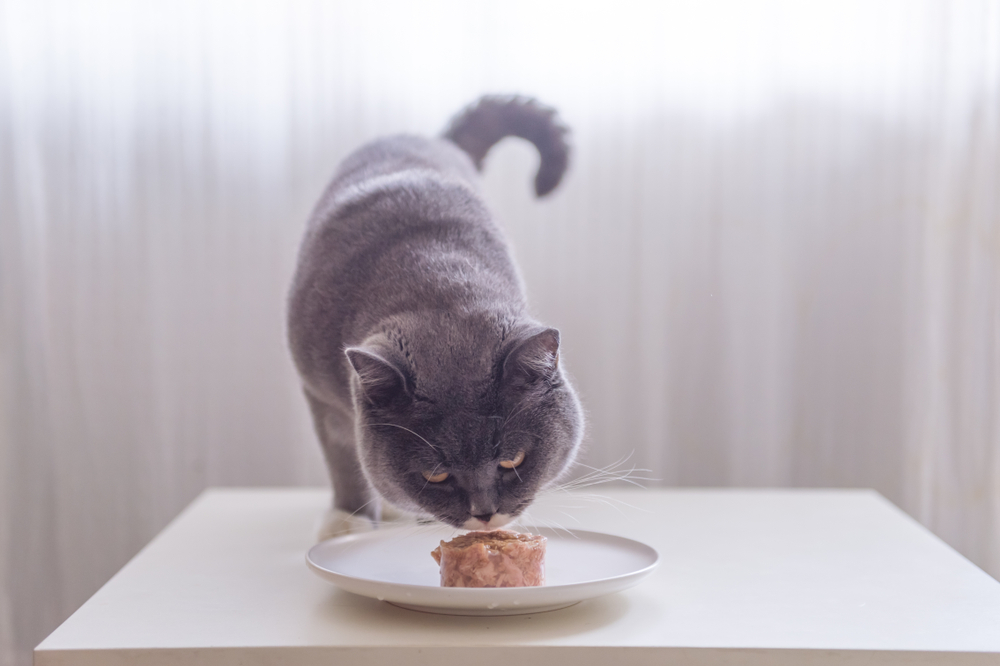
If your cat has been diagnosed with kidney disease, it’s important to work with your veterinarian to find the right kidney care diet. Here are some tips and things to consider when making a choice for your feline family member:
Follow your vet’s recommendations. A veterinarian will guide you to a choice they recommend based on your cat’s health needs and lifestyle. However, if you’re interested in a dry food vs. a wet food, a specific texture or flavor, or are concerned about cost, you can have a conversation with your veterinarian to come up with a few options.
Ask for samples. Some cats with kidney disease may have a decreased appetite, so finding a food that your cat enjoys and wants to eat is important. “It might just be a matter of finding the right one for your cat,” Dr. Fox says. “Many cats prefer certain textures or flavors, so trialing diets with different textures, tastes, and forms will likely find the right diet if your cat is picky.”
Most veterinary clinics have samples of feline kidney diets because of this issue. Ask your vet if they have any samples of kidney diets for cats that you might be able to try at home before purchasing a larger amount of food.
Transition your cat to a new food slowly. When starting your cat on a new food designed to support their kidney function, it’s beneficial to transition slowly to avoid gastrointestinal upset. Start by mixing 25 percent of the new food with their current food and gradually increase the quantity of new food over the next week.
Monitor your cat’s weight. Diets designed for cats with kidney disease are often high in calories, which can help picky felines maintain their weight. However, it’s important to monitor your cat for unwanted weight gain. If your cat is gaining weight on a kidney-care diet, talk to your veterinarian about adjusting their portion size.
References:
Urinary Cat Food: 5 Best Vet-Approved Formulas for 2024
- 2023-10-25T13:55:17
- John Gilpatrick
From urinary tract infections to crystals and stones, a cat’s urinary health faces many potential hazards. Luckily, many of these painful and uncomfortable conditions can be managed effectively with veterinary-prescribed diets.
The best urinary cat foods are formulated to help resolve the nagging issues that cause your cat to pee more frequently and painfully, as well as stop blockages that can be potentially life-threatening.
What Is Urinary Cat Food?
The goal of most urinary cat food formulas is to acidify urine. Dr. Victoria Guillen of Pleasant Ridge Pet Hospital and Cat Care Clinic in Cincinnati says, “Prescription diets used for cats by veterinarians are usually to help prevent urinary stone development, lower irritation to the bladder, and dissolve bladder stones.” In many cases, this goal is achieved through the production of acidified, dilute urine. However, urinary diets may also offer other benefits.
Dr. Byron De La Navarre, the chief of staff at Animal House of Chicago, says, “Urinary diets will also restrict some minerals like magnesium, potassium, and calcium, which can stop the development of an infection or more broad conditions that lead to feline urinary syndrome, or FUS.”
Cat food that touts urinary health benefits is available in both prescription and non-prescription form. De La Navarre recommends consulting with your veterinarian before deciding to put your cat on a urinary diet. Different foods are designed to help with different specific urinary problems.
Top Prescription Urinary Cat Food
All featured products are chosen at the discretion of the Great Pet Care editorial team and do not reflect a direct endorsement by the author.
- Best Overall: Hill’s Prescription Diet c/d Multicare Urinary Care Stress Dry Cat Food
- Best Wet Urinary Cat Food: Royal Canin Urinary SO Canned Cat Food
- Best for Management of Stones: Purina Pro Plan Veterinary Diets Cat UR Urinary St/Ox
- Best For Urinary Care and Joint Support: BLUE Natural Veterinary Diet K+M Kidney + Mobility Dry Cat Food
- Best For Urinary Care and Weight Management: Royal Canin Urinary SO Moderate Calorie Dry Cat Food
How We Made Our Selections
The following dietary advice, including specific product recommendations, is being offered after consultation with practicing veterinarians who see feline patients with urinary problems on a regular basis.
General recommendations are also supported by scientific studies, which are cited where appropriate.
Your veterinarian will determine the best diet for your individual cat, based on your cat’s individual risk factors.
Best Urinary Cat Food Diets
Best Overall Urinary Cat Food
Our Pick: Hill’s Prescription Diet c/d Multicare Urinary Care Stress Dry Cat Food
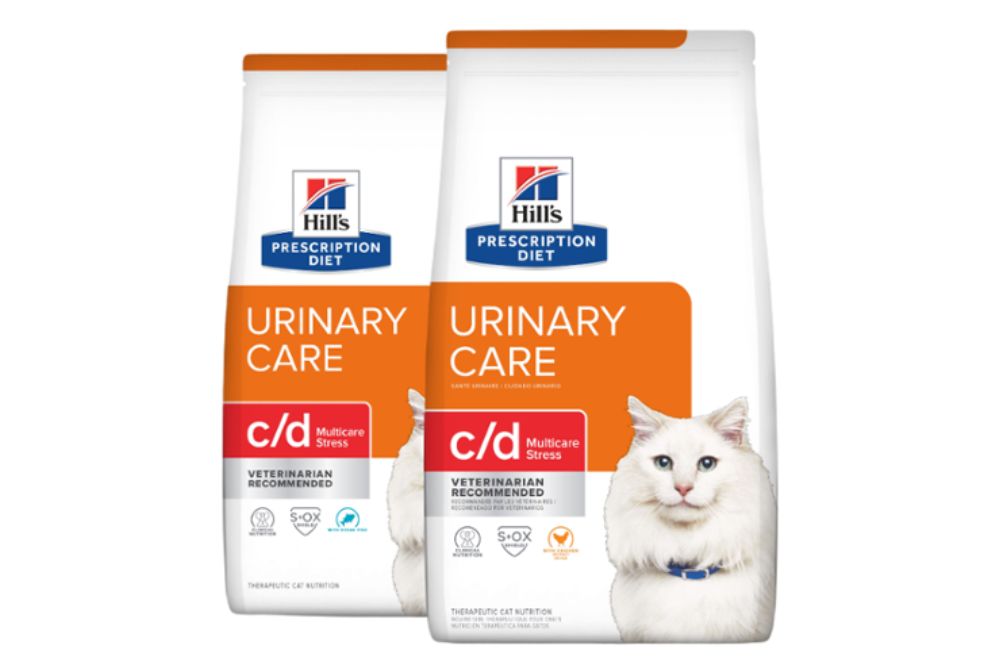
Hill’s offers a number of different urinary formulas to treat specific urinary problems, according to De La Navarre, including k/d (a kidney health diet) and s/d (a diet for cats with urinary stones). This formula, c/d, is more of a catch-all that acidifies urine, makes the urinary tract more hostile to unwanted bacteria, and helps dissolve stones and prevent their long-term formation.
Additionally, the multicare formula touts stress-reducing benefits. Stress is known to cause urinary health problems, including cystitis, which is an inflammatory condition in the bladder.
Key Benefits
- It helps a wide variety of urinary symptoms and conditions.
- It controls minerals that can lead to stone formation.
- Protein content is higher than most comparable products.
- Long-term stress reduction has added benefits, including preventing infections and maintaining a healthy weight [1].
Best Wet Urinary Cat Food
Our Pick: Royal Canin Urinary SO Canned Cat Food
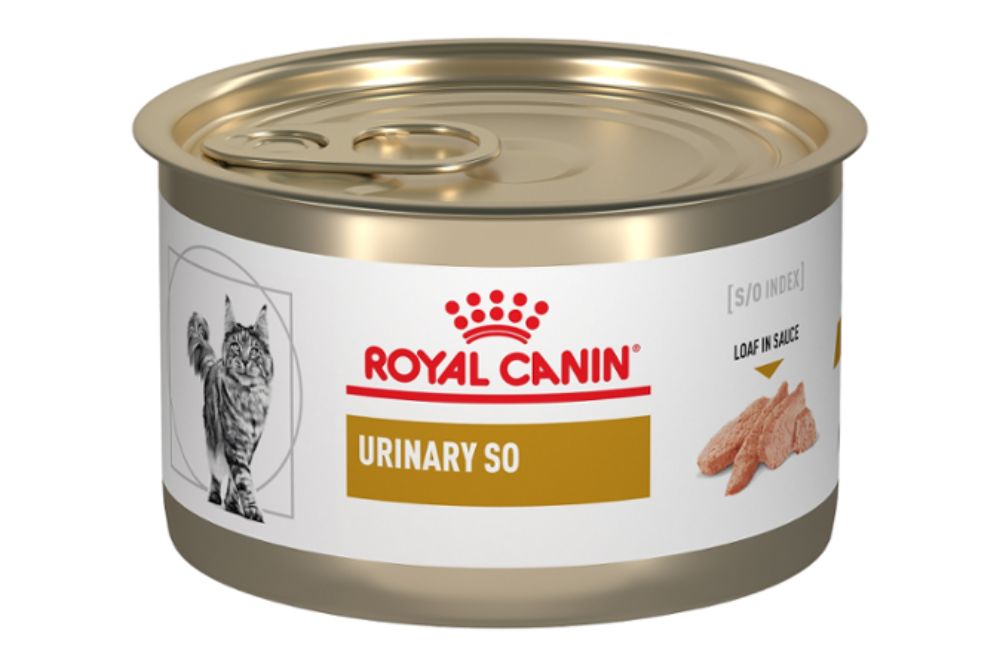
This prescription wet food from Royal Canin Canin offers many of the same benefits as the Hill’s formula above but without the added stress-reducing benefits. It increases the amount of urine produced by your cat and lowers the ion concentration in the urine – both of which help prevent crystals and stones.
Key Benefits
- It controls magnesium levels for stone dissolution and prevention.
- Parents suggest their cats absolutely love the taste.
Best for Management of Stones
Our Pick: Purina Pro Plan Veterinary Diets Cat UR Urinary St/Ox
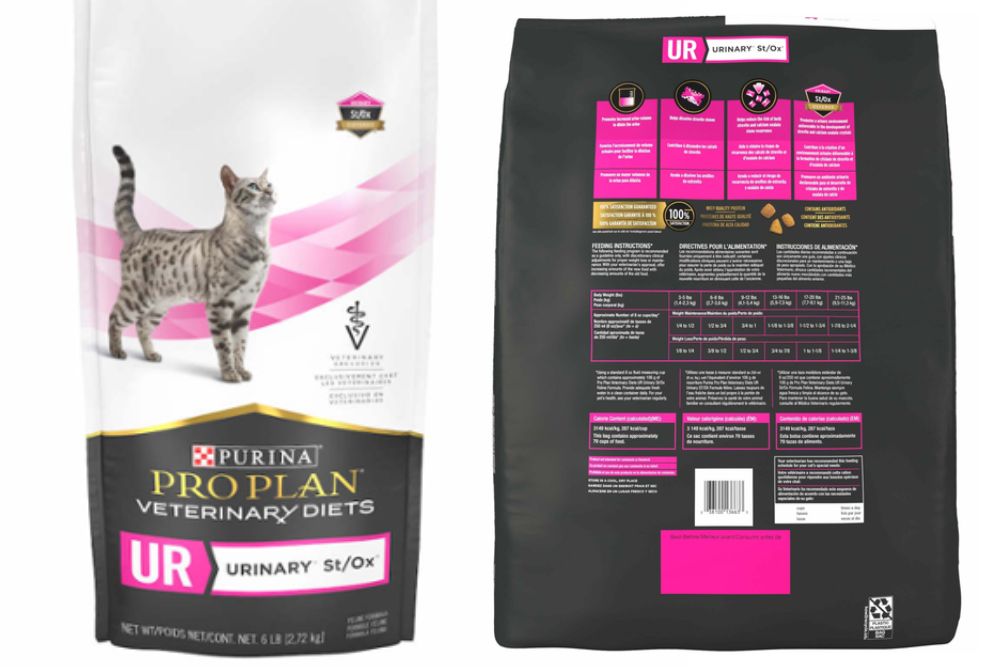
If your feline companion is prone to stones, this diet from Purina may be recommended by your veterinarian. In addition to diluting the urine, Purina Pro Plan UR Urinary St/Ox helps to dissolve struvite stones and can reduce the formation of both struvite and calcium oxalate stones. This formula is available in both dry and wet versions, so pet parents have a choice based on their cat’s preferences.
Key Benefits
- Can help dissolve struvite stones.
- Prevents the formation of struvite and calcium oxalate stones.
- Purina Pro Plan diets are developed by nutritionists, researchers, and veterinarians.
Best for Urinary Care and Joint Support
Our Pick: BLUE Natural Veterinary Diet K+M Kidney + Mobility Dry Cat Food
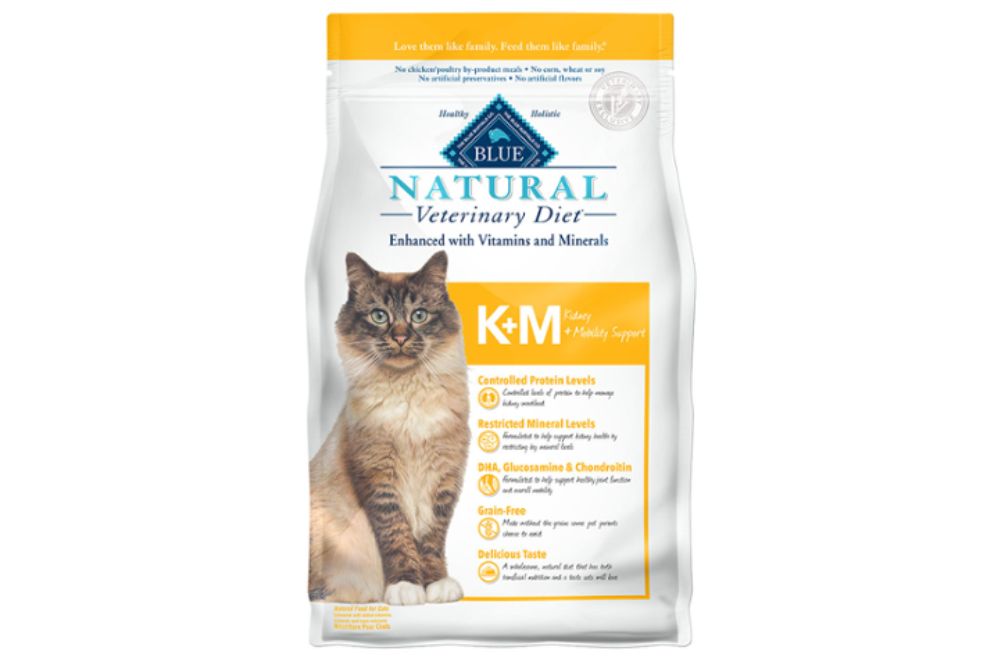
In addition to urinary issues, many cats also suffer from arthritis and joint problems – especially as they age. This veterinary diet from Blue Buffalo helps control phosphorus and sodium levels to support kidney function and it’s formulated with glucosamine and chondroitin to protect your cat’s joints.
Key Benefits
- Features glucosamine and chondroitin to help mobility.
- Grain-free food, which may be important to some pet owners.
- May be more affordable than other prescription urinary cat foods
Best for Urinary Care and Weight Management
Our Pick: Royal Canin Urinary SO Moderate Calorie Dry Cat Food
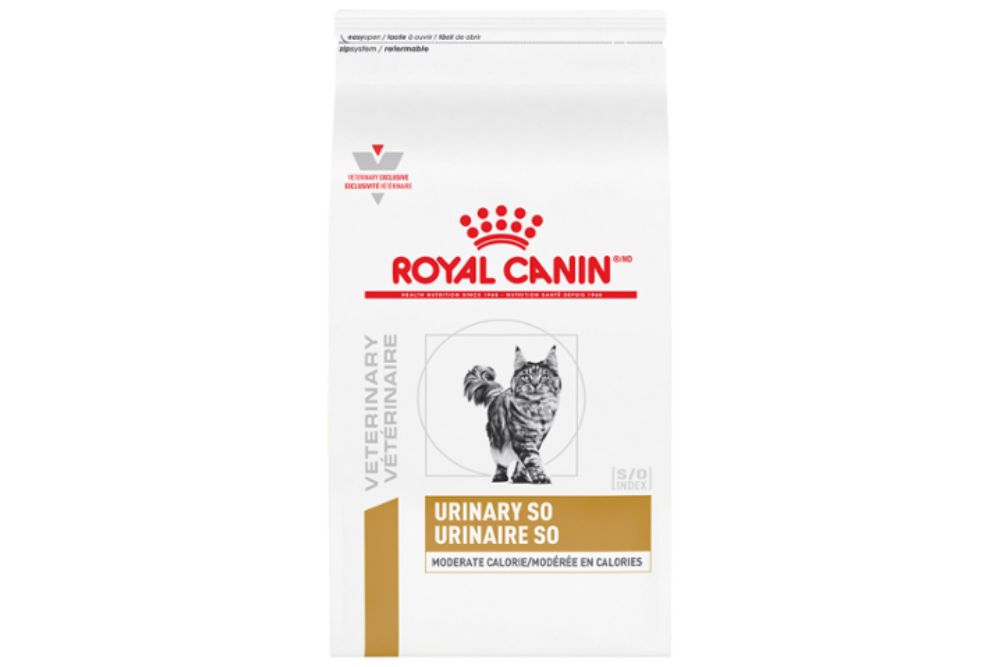
Royal Canin offers a standard dry formula that touts a variety of urinary health benefits, including increased urine production for flushing excess stone-creating minerals, but this tweaked version of the formula is ten percent less caloric.
“Many urinary cat foods will pack in fat and calories in order to make them more appealing taste-wise, so it’s great when one actively tries to manage weight and urinary health at the same time,” Dr. De La Navarre says.
Key Benefits
- It controls magnesium, calcium, and phosphorus levels for robust stone and crystal prevention.
- Formulated with less calories than the regular Royal Canin Urinary SO formula.
- Can help manage and control weight in addition to providing urinary support.
Tips for Switching Your Cat to a Urinary Diet
Dr. Guillen says cats generally don’t need diets designed for urinary health unless their vet recommends it for treating a specific problem. If cat parents want to look out for their feline’s urinary health, adding more wet food to their regular diet may increase the amount of moisture their cat consumes on a daily basis. This, in turn, can dilute their urine and help flush out unwanted bacteria from the urinary tract and help prevent the formation of stones and crystals.
That said, Dr. De La Navarre says dry food can still have a place in a cat’s diet. It’s generally less expensive than canned food, which will be a factor for some cat parents, but other cats just like to graze on dry food. “I think a mix of wet and dry is a good way to go for a lot of cats, but if the cat has urinary problems, and they really like dry food more, they should be on a urinary diet, which the cat’s vet can help with,” he says.
Another reason cat parents should speak with their vet before changing to a urinary diet for their cat is that urinary diets sometimes reduce the amount of certain nutrients. If your cat has any other underlying health problems, Dr. De La Navarre says, a sudden decrease in the amount of calcium or potassium they consume on a daily basis can be a problem for them.
In any case, after switching to a urinary food, it’s important to monitor your cat for any unusual symptoms and contact your vet if you notice anything concerning.
References:
How Many Calories Should a Cat Eat?
- 2023-10-24T16:28:05
- Lauren Krouse
You’d think it would be easy to figure out how many calories your cat needs or that she could manage portions if you just let her graze. But life in the wild for our cats’ ancestors meant hunting for multiple small meals throughout the day. And they likely got a lot more exercise than current-day kitties usually do (unless we count padding between bed and food bowl as reps). How much food your cat should eat can also change as she ages. For these reasons, it’s important to be mindful of how much you feed your cat throughout her life.
Ensuring your cat gets the right amount of calories is key for her growth as a kitten, keeping her energy up as an adult, and, most importantly, maintaining a healthy weight throughout her life. Over 60 percent of cats are classified as overweight or obese, according to 2022 survey results from the Association for Pet Obesity Prevention. And, despite the viral appeal of chubby cat videos on TikTok, weight control problems in cats often lead to reduced lifespans and increased risk of expensive health problems like diabetes, mobility issues, and cancer.
No matter your cat’s current weight, you can ensure she’s getting the calories she needs with a quick lesson in cat nutrition and some help from your veterinarian. Learn about how many calories cats generally need, how to figure out the best calorie goal for your pet, and what you can do if you suspect it’s time for a weight-loss plan.
Calories in Cat Food: A Brief Overview
Calories measure the energy released when your body breaks down food. The calories in cat food are calculated the same way as calories in human food. The type of calories a cat eats matters, too. Cats are obligate carnivores, meaning they need lots of protein and fat from meat sources with only moderate amounts of carbohydrates.
You can ensure your cat gets the nutrients she needs by checking the nutritional adequacy statement on her pet food for the phrase “complete and balanced nutrition,” a standard set by the Association of American Feed Control Officials. If you see that statement and follow the instructions on the label, you can rest assured that you’re giving her the calories, nutrients, and protein she needs to thrive.
Different types of cat foods can have different calorie levels. And, sometimes, comparing nutrition labels can create more confusion than clarity. For example, canned cat food is generally lower in calories per volume than dry cat food — but that’s simply due to their higher water content. Limited research exists on raw cat food diets (which might pose health risks for cats and pet parents alike) so it’s unclear how calorie counts in raw cat foods compare to more traditional cat foods. As you may have guessed, kitten food has more calories than adult cat food.
Because a cat’s energy needs are so individualized, talk to your veterinarian if you’re concerned about how many calories your cat gets from her food. They can help direct you to the best choice for your cat’s unique needs and your budget.
How Many Calories Should a Cat Eat?
“The ballpark calorie needs for an average 9- to 10-pound cat are around 200 calories, or about half a cup of food, per day,” says Dr. Nancy Welborn, an assistant professor of veterinary clinical sciences at the LSU School of Veterinary Medicine in Baton Rouge. She says pet parents are often surprised when they hear such a small estimate, but cats typically need far fewer calories than many might assume.
That said, this is a very rough estimate. Welborn says many factors can impact a cat’s energy needs, including age, size, activity level, and underlying health conditions.
How Many Calories Do Kittens Need?
Life with a kitten looks like life with an adult cat — nap, play, eat, repeat — all on fast forward.
“Kittens have a higher metabolism than adult and senior cats and are usually more active, so they will need more food per pound of body weight,” says Dr. Kelly Gehlhaus, managing clinic veterinarian at Animal Humane Society, a nonprofit organization with adoption and veterinary centers in the Twin Cities.
For example, a 6-week-old kitten that weighs ⅔ of a pound may need ¼ cup of dry food for about 129 calories per day. By the time she’s 5 months old and weighs 5 ¾ pounds, she could be up to ¾ cup of dry food for about 386 calories per day. That’s far more calories than her adult counterpart would need.
Because kittens grow fast and their calorie needs can change drastically quickly, it’s important to give a kitten food specifically formulated for their age and follow pet food label feeding charts carefully to avoid under or overfeeding.
How Many Calories Should Senior Cats Eat?
As they grow older, cats’ calorie needs change in interesting ways. Mature cats between the ages of 7 and 10 often gain weight and may need about 20 to 30 percent fewer calories due to age-related dips in their metabolism. Senior cats (11+) start having higher calorie needs because it’s harder to digest calories from proteins and fats as they age.
Choosing the right cat food for a senior can be incredibly challenging because there’s no agreement on what counts as a “senior” label-wise, and calorie counts may be lower or higher depending on the age of the cat they’re intended for. Sometimes, there’s no difference in calorie counts between adult and senior foods. In other cases, foods for cats aged 7+ may be lower in calories. In contrast, those for cats aged 11+ may be higher in calories, according to a 2020 review of senior cat foods published in the Journal of Internal Veterinary Medicine. Moreover, Welborn says senior cats may also have health problems like chronic kidney disease, which requires a prescription veterinary diet.
For these reasons, it’s best to choose a senior cat food and daily calorie goal based on your veterinarian’s recommendation rather than relying solely on generalized calorie counts and arbitrary marketing labels to guide your choice.
Calories for Cats Trying to Lose Weight
If your cat is overweight or obese and you want to help her get back to a healthy weight, step one is to know how much you’re feeding her now versus how much you should feed her with help from your veterinarian and a cat calorie calculator.
“Cats should lose weight over a very long period—anywhere from six months to a year,” says Welborn. While you might be tempted to drastically reduce your cat’s kibble rations, doing so could lead to a life-threatening health problem called fatty liver syndrome (hepatic lipidosis).
While it might also seem like you should start with a cat food specially formulated for weight loss, Welborn says veterinarians generally try to stick with the food your cat is already used to and gradually reduce her calorie intake.
Gradually switching to a weight-loss cat food is another option. In many cases, weight-loss formulas are higher in fiber because this may help cats feel full and satisfied with fewer calories. You might also ask about metabolism-boosting cat foods like Hills Prescription Diet Metabolic, which may help your cat burn more calories with a revved-up metabolism.


Besides slowly lowering her daily calorie intake, replacing your cat’s bowl full of food with new options that better imitate life in the wild can also help support weight loss.
Welborn recommends feeding your cat multiple small meals with the help of automatic feeders or food-dispensing toys hidden throughout your home. As a bonus, your cat will get extra mental stimulation and exercise—a plus for maintaining that weight loss and boosting her overall health and wellness.
The bottom line with cat weight loss and calorie counting is that it’s essential to do it under the guidance of a professionally trained veterinarian. With one call and a quick consultation, you can skip hours of label-reading, price comparisons, and complex calculations to get personalized advice based on your cat’s unique needs.