

Category: Dog Nutrition
Great Pet Care - Pet health information — simplified.
What is Gastrointestinal Dog Food? Info and Veterinarian Product Picks
- 2024-11-29T21:07:24
- JoAnna Pendergrass, DVM
Tummy troubles are no fun for dogs. And that goes double for pet parents, especially if there’s a stinky mess to clean up. However, here’s some hopeful news for both pets and parents. Depending on the cause, gastrointestinal dog food could be an effective treatment option for your dog’s digestive upset.
Healthy digestion in dogs can go awry for various reasons, from dietary imbalance to food allergies or medical conditions. Your veterinarian can help you get to the root cause of your dog’s digestive issues. And if they recommend a gastrointestinal (GI) diet for your dog, here’s what you need to know before you switch.
What is Gastrointestinal Dog Food?
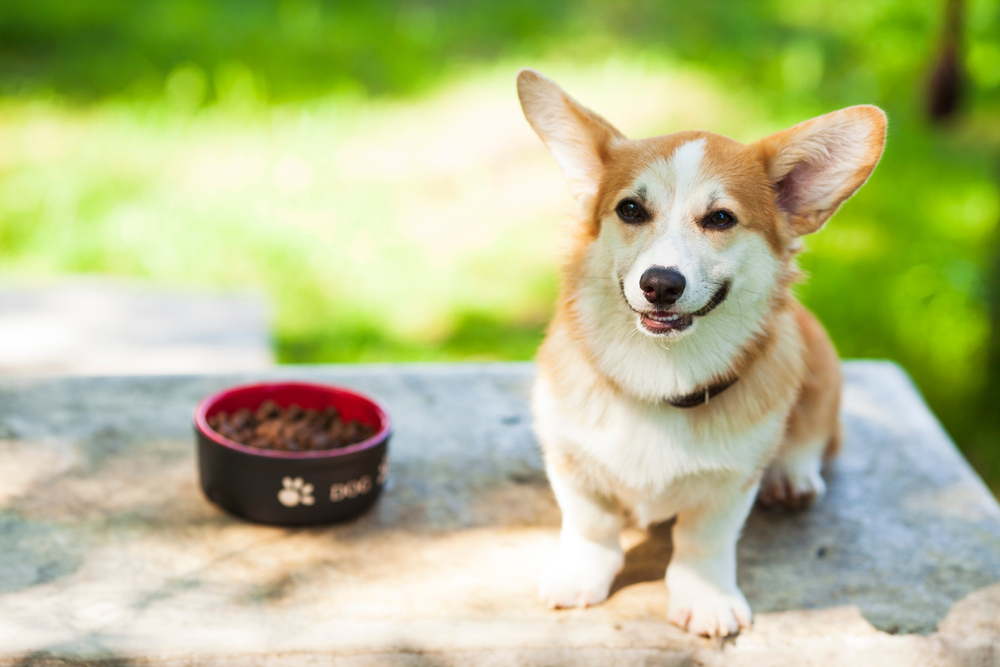
GI dog food — also known as dog food for sensitive stomachs — is specially formulated to be easy on a dog’s digestive tract. These diets contain easily digestible ingredients that deliver a variety of benefits, such as:
- Rice and/or oatmeal provide carbs for energy and fiber for stool quality
- High-quality animal protein (e.g., chicken, turkey) to promote digestion
- Omega-3 fatty acids to help reduce gastritis or gut inflammation
- Prebiotics to feed healthy gut bacteria
- Probiotics to replenish healthy gut bacteria
Foods for dogs with gastrointestinal problems are available over the counter (OTC) or by prescription. Your vet may recommend one over the other, depending on what’s causing your dog’s stomach issues. In some cases, a vet may recommend an OTC gastro dog food first, then switch to a prescription food if the OTC version doesn’t resolve a dog’s GI symptoms.
Gastrointestinal Dog Food: How It Helps

Gastrointestinal food for dogs can help relieve uncomfortable symptoms often associated with digestive issues, including:
- Gas
- Vomiting
- Diarrhea
- Bloating
- Reduced appetite
- Itchy skin (due to food allergies)
A veterinarian may recommend this type of food when a dog is experiencing persistent GI symptoms or has a chronic GI condition that could benefit from the food. These chronic conditions include:
- Inflammatory bowel disease
- Pancreatitis
- Food allergies: an allergic reaction to a specific ingredient, commonly an animal protein like chicken
- Food sensitivity or intolerance: difficulty digesting any ingredient
Gastrointestinal dog foods usually aren’t recommended for short-term tummy problems like acute vomiting. In these cases, a veterinarian may suggest a bland homemade diet that includes unseasoned, stomach-soothing ingredients like plain, boiled chicken, sweet potatoes, and canned pumpkin.
In addition to relieving GI symptoms, a gastrointestinal diet for dogs has many other benefits:
- Easy on the GI tract
- Improves stool quality
- Supports immune health
- Reduces gut inflammation
- Restores healthy gut bacteria
- Provides complete and balanced nutrition
Even if you think your dog could benefit from gastrointestinal canine food, it is always best to talk to your veterinarian first. Your vet will review your dog’s medical history and perform a physical exam. They will also perform diagnostic testing to determine what’s causing your dog’s GI issues and decide if gastrointestinal food would be appropriate for your dog.
Dog Food for Gastrointestinal Health: 7 Vet-Recommended Picks
Many gastrointestinal dog foods are available, so deciding on just one can be challenging. Remember, though, that there’s no one “best” food for dogs with gastrointestinal problems. We recommend the formulas listed below, all providing complete and balanced nutrition.
Royal Canin Gastrointestinal Dry Dog Food
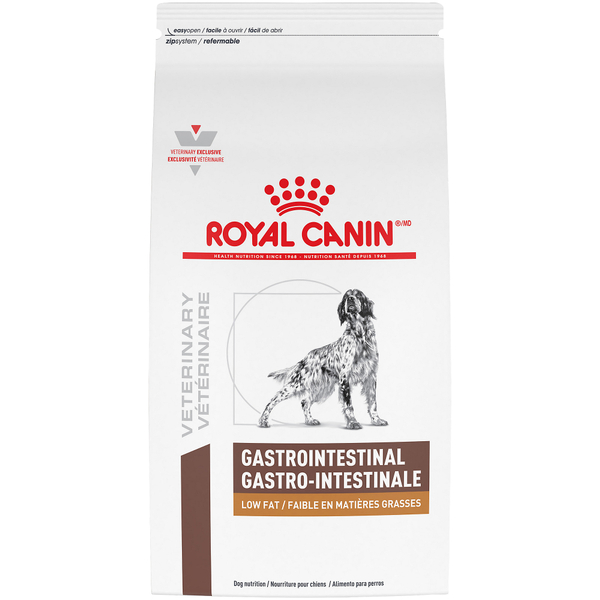
Royal Canin, a brand well known for high-quality dog food, offers a range of gastrointestinal formulas to help support healthy digestion. This low-fat diet is an excellent option for dogs with pancreatitis because the condition makes it difficult to absorb fat. Royal Canin Gastrointestinal Low Fat Dry for Dogs contains a reduced level of fat and enhanced levels of essential fatty acids, plus a tasty mix of highly digestible proteins, balanced dietary fibers and prebiotics to support a healthy gut.
Highlights
- Low fat
- Contains two types of fiber (soluble and insoluble) to improve stool quality and promote healthy digestion
- Contains omega-3 fatty acids, prebiotics, and highly digestible proteins
- Additional gastro diets available: Royal Canin Gastrointestinal High Fiber, Royal Canin Gastrointestinal Moderate Calorie
Things to Consider
- Available only with a veterinary prescription
- Pricier than OTC GI dog food diets
Hill’s Prescription Diet Gastrointestinal Biome Dry Dog Food
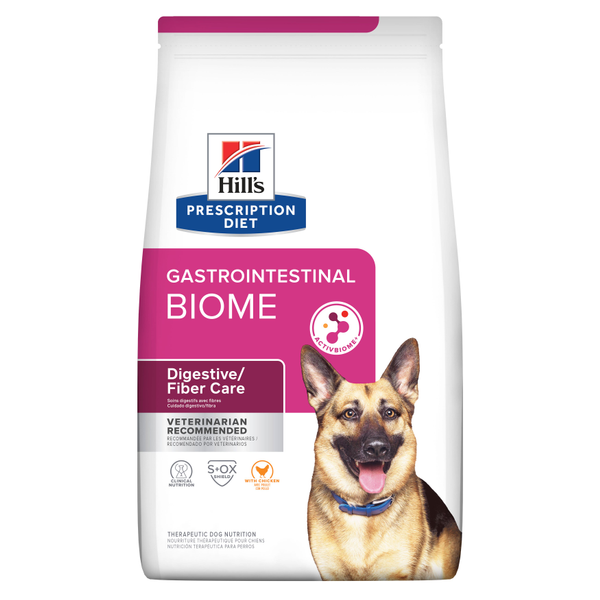
The digestive tract contains billions of microorganisms that make up the gut microbiome. When these elements work together, they help ensure healthy digestion. When they get disrupted, dogs often experience GI upset.
This Hill’s diet is specially designed to help restore a healthy gut microbiome and promote healthy digestion. It is recommended for dogs with GI issues that respond well to fiber.
Highlights
- Contains an ingredient technology — ActivBiome+ TM — that promotes good gut health
- Has omega-3 fatty acids and two types of fiber (soluble and insoluble)
Things to Consider
- Requires a veterinary prescription
- Pricier than OTC GI dog food diets
Purina Pro Plan Veterinary Diets Dog HA Hydrolyzed Dry
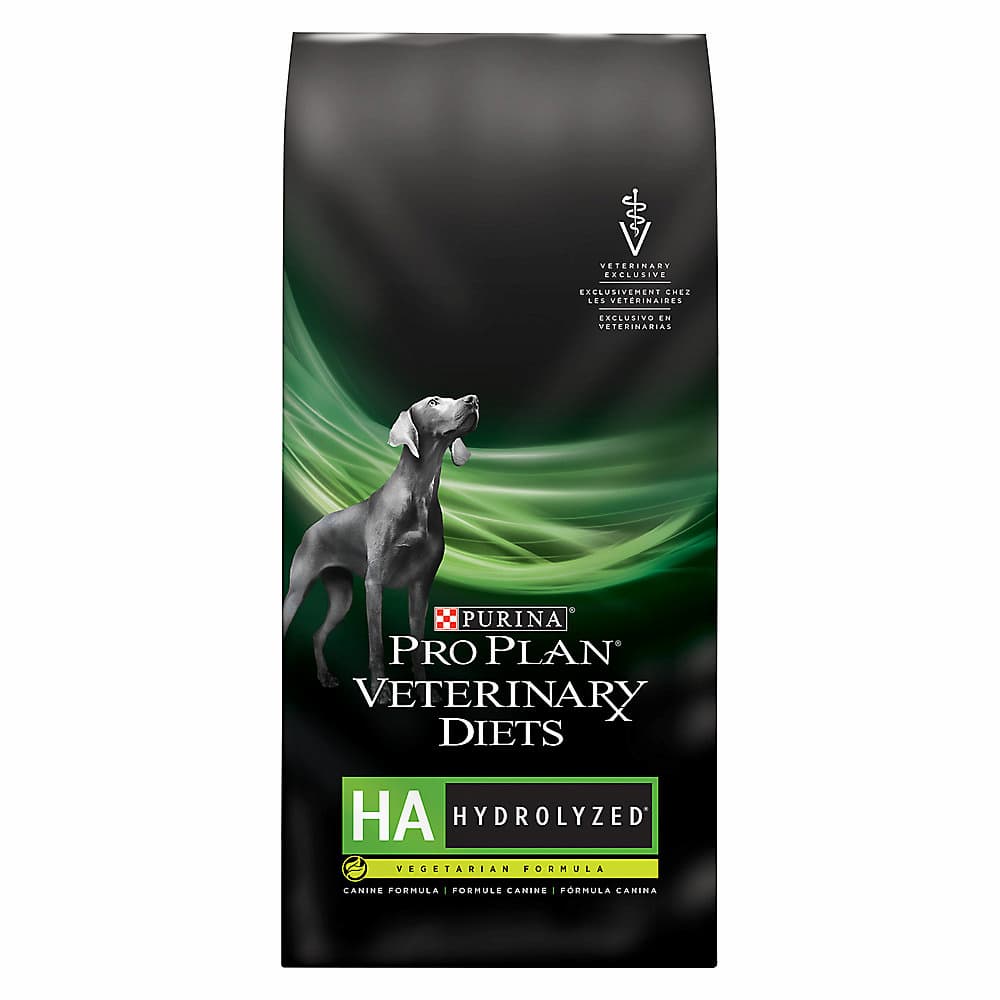
Animal proteins are a great source of essential nutrients dogs need to thrive. However, they can also be a common source of food allergies in dogs.
Thankfully, a process called hydrolysis can break animal proteins down into pieces so small, they won’t trigger an allergic reaction. This diet from Purina contains hydrolyzed proteins and is a great option for dogs allergic to animal proteins.
Highlights
- Highly digestible
- Contains hydrolyzed proteins that won’t trigger an allergic reaction
- Formulated for puppies and adult dogs
- Two flavor options: chicken flavor and vegetarian
Things to Consider
- Requires a veterinary prescription.
- Pricier than OTC GI dog food diets
Hill’s Prescription Diet Dog i/d Canned Stew
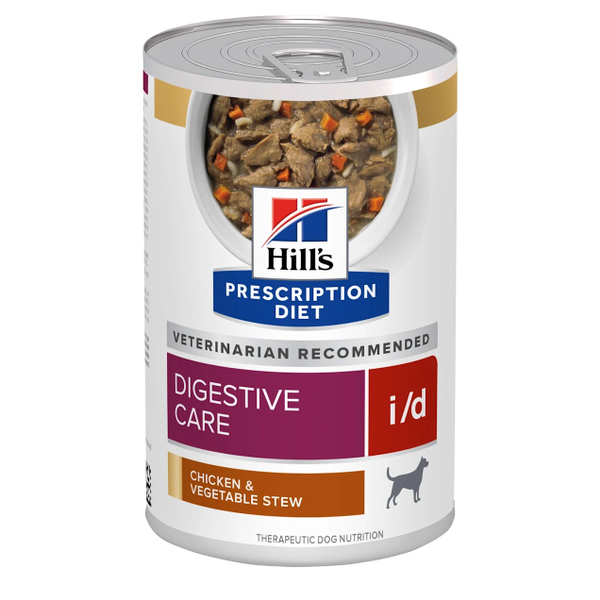
Gastrointestinal dog foods are also available as wet food. This Hill’s diet is packed with nutritious ingredients that support healthy digestion for dogs with tummy issues, including omega-3 and -6 fatty acids and dietary fiber. It also contains antioxidants, which support immune health, as well as vitamins and electrolytes.
Highlights
- Easily digestible
- Omega-3 and -6 fatty acids to reduce inflammation
- Antioxidants to support a healthy immune system
- Fiber to improve stool quality and digestion
- Tasty chicken and vegetable flavor
Things to Consider
- Requires a veterinary prescription.
Purina Pro Plan Veterinary Diets Dog EN Gastroenteric Dry
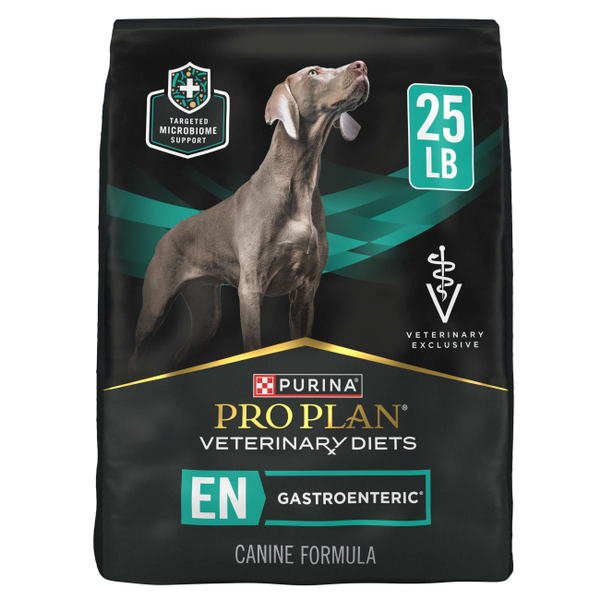
This diet from Purina is full of ingredients to support your dog’s digestive and immune system, including prebiotics, antioxidants, and high-quality protein. It is also highly digestible and has a great flavor for dogs.
Highlights
- Highly digestible
- Prebiotics to feed healthy gut bacteria and support a balanced gut microbiome
- Antioxidants to support the immune system
- High-quality animal protein
- Fiber to improve stool quality and promote healthy gut motility
Things to Consider
- Requires a veterinary prescription
- Pricier than OTC GI dog food diets
Royal Canin Puppy Gastrointestinal Diet Dry
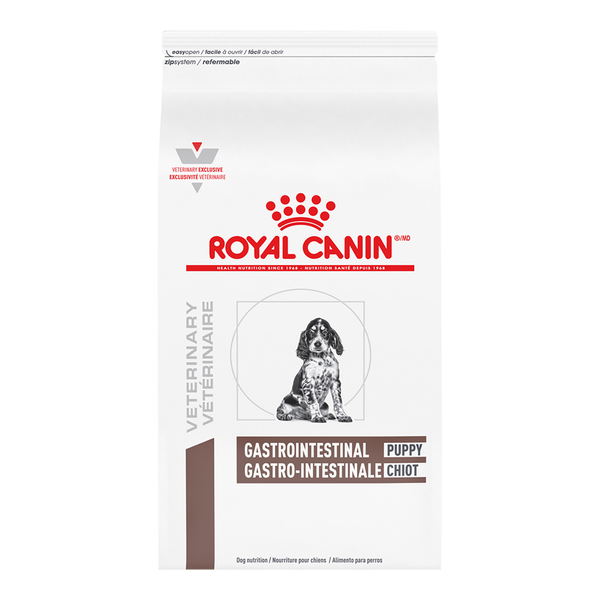
Puppies, like adult dogs, can have sensitive stomachs. However, if you’re looking for puppy food for sensitive stomach, it’s important to remember that not all GI diets may fit the bill.
Puppies’ dietary needs differ from those of adult dogs. So you’ll need a GI diet that’s specially formulated to support the unique nutritional needs of growing pups.
This diet from Royal Canin is specially formulated for puppies with long- and short-term GI issues. It is high in fat and calories to support your puppy’s healthy growth and development and is easy on the tummy.
Highlights
- High in fat and calories to support a puppy’s development
- Prebiotics to promote a healthy gut microbiome
- Fibers to improve stool quality and gut motility
- Omega-3 fatty acids to reduce gut inflammation
- Tasty
- Highly digestible, high-quality animal proteins
- Vitamins and electrolytes to support development and a healthy immune system
Things to Consider
- Only for puppies.
- Requires a veterinary prescription
- Pricier than OTC GI dog food diets
Gastro Diet for Dogs Buying Guide

Here are some tips to follow when choosing a dog food for gastrointestinal problems:
- Always consult with your vet. Your vet will determine whether a gastrointestinal food is appropriate for your dog and can recommend some foods to consider.
- Read the label carefully. The Association of American Feed Control Officials (AAFCO) sets nutritional standards for all pet food. Check the label to ensure the diet provides complete and balanced nutrition for your dog’s life stage, according to AAFCO. Also scan for ingredients that support healthy gut function, including high-quality animal proteins, omega-3 fatty acids, and prebiotics.
- Transition slowly to the new food. Your dog’s digestive system will need at least a few days to adjust to the new diet. Start with a ratio of about 25 percent new food to 75 percent old food, then gradually increase the ratio until your dog is eating only the new food.
- Be patient. You may not see improvement in your dog’s GI symptoms right away. Give the diet some time and be sure to monitor your dog’s symptoms. If the symptoms don’t improve, talk with your vet about trying another GI food.
Heart Healthy Dog Food: 4 Vet-Recommended Diets
- 2024-11-20T03:13:22
- Paula Fitzsimmons
Learning that your dog has heart disease is the last thing any pet parent wants to hear from a veterinarian. While the news can feel overwhelming, don’t lose hope. With your vet’s guidance, there may be ways to help slow the progression of canine heart disease and, in some cases, even reverse it. (1) Often, these measures include feeding your pet a heart-healthy dog food diet.
To help you promote your pup’s heart health, we asked leading veterinarians what to look for in a good cardiac diet for dogs. Discover what we learned, plus the scoop on vet-recommended heart-healthy dog food options to consider.
Understanding Heart Disease in Dogs
There are various forms of canine heart disease. The two most common types are mitral valve disease (MVD) and dilated cardiomyopathy (DCM). Common signs of heart disease in dogs generally include the presence of a heart murmur, lethargy, chronic coughing, and fainting.
Left untreated, heart disease can progress to congestive heart failure (CHF). Symptoms of this more serious heart condition include difficulty breathing, moist cough, swollen belly, and fainting.
Treatment for heart disease in dogs depends on the severity of the disease. In mild cases, vets may recommend managing the disease on an outpatient basis with heart medicine, cardiac dog food, and/or other measures to keep your dog comfortable. Severe cases usually require hospitalization.
What is the prognosis for dogs with heart disease?
The prognosis for dogs with heart disease varies widely. It often depends on the stage of the disease at diagnosis, says Dr. Martín Ortiz, DVM, an associate veterinarian at Heart+Paw in King of Prussia, Pennsylvania.
Early detection can make a significant difference in your dog’s prognosis. This is why regular veterinary check-ups and physical exams are so crucial, says Dr. Ortiz. “If a heart murmur is detected soon enough, early intervention could lead to better quality of life and increased life expectancy for your pet,” he adds.
These interventions may include a combination of heart-healthy dog food, medications, and lifestyle adjustments. However, Dr. Ortiz cautions that such measures may not change the prognosis if the disease has progressed.
Dogs can live with CHF for months to years. However, “for late-stage heart disease in congestive heart failure — with fluid collection in the lungs, fainting, labored breathing — the prognosis is grave,” Dr. Ortiz says.
Dog Food for Heart Health: How It Helps

While heart-healthy dog food can help promote canine cardiac health, it’s important to understand the limitations of any diet.
“Unfortunately, most heart disease in pets is actually genetic and breed specific,” says Dr. Ortiz. “No current studies show that specific heart-healthy diets can prevent heart problems in dogs,” he cautions.
Heart-healthy dog food may, however, help slow the progression of heart disease in dogs or reduce the severity of their symptoms. And research shows that a change in diet may even help reverse DCM in dogs who have been fed specific grain-free or boutique diets.
“Diet does play an important role in cardiac health for dogs mostly because of the balance of very specific ingredients,” says Dr. Ortiz. Here are some key factors to consider when evaluating heart-healthy dog food diets.
Reduced Sodium
Restricted sodium is a key feature of a diet for dogs with heart disease. “Just like in humans, foods with high sodium content draw more fluid into the vessels through osmosis. This increases the workload on the heart and the kidneys,” says Dr. Ortiz.
Omega-3 Fatty Acids
Long-chain omega-3 fatty acids found in fish oil have anti-inflammatory properties. This can help ease mild inflammation associated with heart disease, says Dr. Joseph Wakshlag, DVM, a nutrition specialist at Cornell University College of Veterinary Medicine. Clinical trials have also shown that these fatty acids help with heart rhythm, and may improve heart function and blood pressure, adds Dr. Ortiz.
Taurine
Taurine is an amino acid that helps boost the strength of the heart muscle in dogs. Taurine deficiency in dogs has also been linked to heart conditions in dogs. “We often fortify diets with this amino acid derivative since it has potential to be helpful in things like dilated cardiomyopathy,” says Dr. Wakshlag.
High Protein
Because a low protein diet can contribute to muscle loss in dogs with heart disease, cardiac dog food diets often contain higher levels of protein. However, if your dog has other health complications, like kidney disease, too much protein could be harmful. Check with your veterinarian to ensure the proper balance.
Antioxidants
Antioxidants like vitamins A, C, E, and beta-carotene neutralize harmful substances (free radicals) that contribute to heart disease.
Heart-Healthy Food for Dogs
You’ll find many commercial dog food formulas that claim to promote heart health in dogs. However, not all of them may be a good fit for your dog’s specific nutritional and cardiac health needs.
That’s why it’s essential to consult your veterinarian before transitioning your dog to a heart-healthy diet. Your vet can determine whether or not your dog would benefit from a prescription diet and recommend a formula based on key factors, such as:
- whether or not your dog has been diagnosed with heart disease
- your dog’s current heart condition and risk factors
- whether your dog needs to lose or gain weight
- the presence of other health complications, such as hypothyroidism and chronic kidney disease
Best Dog Food for Heart Problems: 4 Top Picks
Based on criteria from veterinary nutritionists, here are the top dog food options vets recommend for canine heart health.
- Purina Pro Plan Veterinary Diets Dog CC Cardiocare
- Royal Canin Veterinary Diets Early Cardiac Diet for Dogs
- Hill’s Prescription Diet Dog h/d Heart Care
- Royal Canin Breed Diets
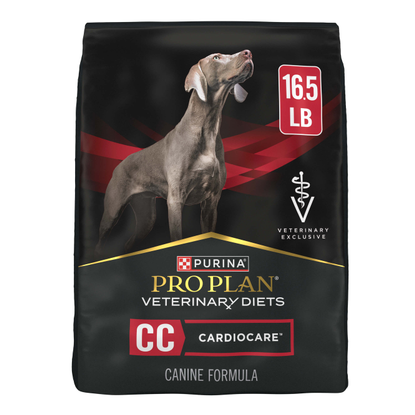
Purina Pro Plan Veterinary Diets Dog CC Cardiocare Dog Food
This innovative prescription diet contains a powerful Cardiac Protection Blend featuring nutrients proven to promote heart health in dogs. The science-backed formula also helps slow the progression of early-stage mitral valve disease, the most common heart issue veterinarians diagnose in dogs. (2)
CardioCare is rich in taurine for heart function, omega-3 fatty acids to help reduce inflammation, and antioxidants to help reduce stress on the heart. The high-protein, low-sodium formula was developed by a team of Purina Pro Plan veterinarians, nutritionists, and researchers. And it comes in tasty chicken-flavored dry and canned options to please a variety of palates.
Highlights
- Contains low sodium content, which vets recommend for dogs with heart disease
- Formulated with omega-3 fatty acids from fish oil and enhanced with higher level of vitamin E
- Available in both dry and canned varieties
- Purina is a long-standing, trusted brand that relies on experts to formulate its prescription diets
Things to Consider
- It can’t be purchased without a prescription from your veterinarian
- The CardioCare diet can run roughly three times the cost of standard dry dog food diets
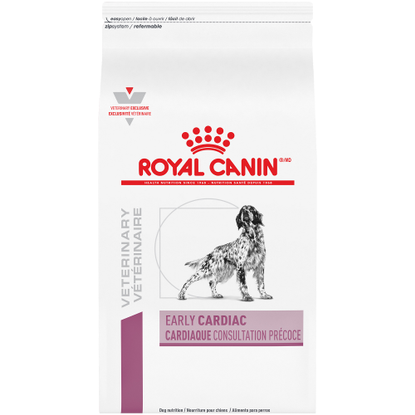
Royal Canin Veterinary Diets Early Cardiac Diet for Dogs
Royal Canin’s Early Cardiac Diet stands out as a strong option for dogs diagnosed in the early stages of heart disease and pet parents who want to promote canine cardio health.
The formula is carefully balanced to help maintain cardiac health and delay the progression of heart disease. It features moderate levels of sodium to reduce stress on the heart, along with a trio of amino acids (arginine, carnitine, and taurine) to help prevent deficiencies linked to DCM.
Royal Canin is another trusted pet food brand, and it employs board-certified veterinary nutritionists to formulate its prescription diets.
Highlights
- Moderately reduced sodium levels
- Contains antioxidants and omega-3 fatty acids in the form of both EPA and DHA
- Formulated by board-certified veterinary nutritionists
- Royal Canin is a trusted, well-established pet food company
Things to Consider
- It requires a prescription from your veterinarian
- As with other therapeutic diets, expect to pay more than you would for heart-healthy dog foods available without a prescription
- This formula is currently only available in dry form
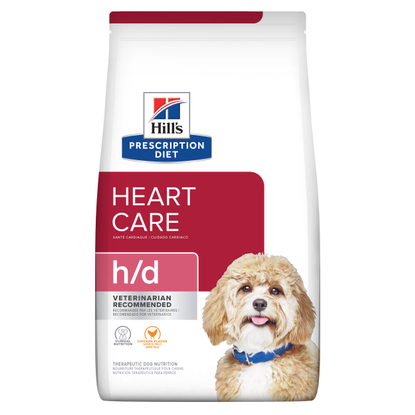
Hill’s Prescription Diet Dog h/d Heart Care
This prescription diet from Hill’s offers a balanced approach to managing heart health without sacrificing essential nutrients. It’s specifically tailored to help ease the symptoms of heart disease in dogs so they can stay active and comfortable.
The low-sodium formula helps reduce the workload on your dog’s heart, normalizing blood pressure and minimizing fluid retention. It’s supplemented with taurine for heart muscle metabolism and powerful antioxidants, including Vitamin E and beta-carotene. This diet also helps support liver and kidney health, a bonus for dogs facing multiple health issues.
Hill’s has a long-standing reputation for scientific innovation and quality in nutrition. The brand’s h/d diet was developed by veterinarians and nutritionists and comes in both dry and canned varieties.
Highlights
- Low sodium content helps minimize fluid retention and maintain normal blood pressure
- Contains antioxidants like vitamins E and beta-carotene
- Contains high levels of taurine
- Developed by veterinarians and nutritionists
- Hill’s is a well-established pet food company
Things to Consider
- Requires a prescription from your veterinarian
- Pricier than standard dog food diets
Royal Canin Breed Diets
For pet parents seeking heart-healthy dog food that doesn’t require a prescription, Royal Canin breed diets may be the solution.
While any dog can have heart disease, it’s more likely in some breeds than others. Golden Retrievers, for example, are at higher risk of developing DCM, notes Dr. Ortiz. Other breeds predisposed to heart disease include: Cavalier King Charles Spaniels, Boxers, Miniature Schnauzers, Great Danes, Doberman Pinschers, Dachshunds, Chihuahuas, and Shih Tzus.
Royal Canin’s breed-specific diets are individually formulated to address the unique nutritional and health needs of each breed. For example, the Royal Canin Golden Retriever diet contains a precise balance of calories and fats to support a healthy weight, plus taurine, EPA, and DHA to promote heart health.
Highlights
- Tailored to fit the specific heart health and nutritional needs of breeds prone to heart disease disease.
- No prescription required
- Many formulas available for both puppies and adult dogs
Things to Consider
- Breed-specific diets may not be a good nutritional fit for other breeds living in your home
- More affordable than prescription cardiac diets, however still pricier than standard diets
Cardiac Diets for Dogs FAQs
What is the best dog food for heart disease?
It depends on the stage of your dog’s heart disease and the presence of other health conditions. Ultimately, your veterinarian can best determine what the optimal heart-healthy dog food diet is for your pup.
How much sodium should be in heart-healthy dog food?
For dogs diagnosed with heart disease, veterinarians generally recommend reduced sodium dog food. These diets typically contain less than 0.3 percent sodium (100 mg per 100 kcals). However, depending on what stage of heart disease your dog has, your vet may recommend going even lower. In some cases, dogs may require only 50 mg of sodium per 100 kcals, says Dr. Wakshlag.
What shouldn’t you feed a dog with heart problems?
Avoid giving dogs with heart problems any dog food with high sodium content. And since people foods often contain higher levels of sodium, it’s best to avoid those, too. Veterinarians also generally recommend against feeding grain-free or boutique diets, especially for breeds that are predisposed to DCM.
Can healthy heart dog food prevent heart problems in dogs?
Feeding your dog heart-healthy dog food will not prevent heart problems, but it can help slow the progression of heart disease. This can ultimately translate to better life quality.
Reference
- Walker, A L et al. “Association of diet with clinical outcomes in dogs with dilated cardiomyopathy and congestive heart failure.” Journal of veterinary cardiology : the official journal of the European Society of Veterinary Cardiology vol. 40 (2022): 99-109. doi:10.1016/j.jvc.2021.02.001
- Li, Q., Heaney, A., Langenfeld-McCoy, N. et al. “Dietary intervention reduces left atrial enlargement in dogs with early preclinical myxomatous mitral valve disease: a blinded randomized controlled study in 36 dogs.” BMC Vet Res 15, 425 (2019). doi:10.1186/s12917-019-2169-1
5 Ways to Stop Your Dog From Eating Too Fast
- 2024-07-25T00:33:00
- Lauren Krouse
If you’re worried about your dog eating too fast, you’re in good company. While some breeds are notorious for being speed eaters, any dog of any breed can eat too quickly.
Many pet parents come to discover their pup is highly food-motivated. That can be a huge plus in dog training, but the same characteristic can become problematic when it leads to health hazards like vomiting or bloat.
The good news is that you can help your dog slow down at meal time with some strategic adjustments. Here’s what you need to know.
Why Do Dogs Eat Fast?
“Dogs can eat fast for a couple of reasons,” says Dr. Nancy Welborn, an assistant professor of veterinary clinical sciences at the LSU School of Veterinary Medicine in Baton Rouge. “It could be enthusiasm for food—something we all understand—or it could be a protective measure. If there are multiple animals in the home or they’re fed together in a high-population setting like a shelter or breeding facility, they’ll start gulping faster.”
Dogs’ canine ancestors may give us some clues to where this habit comes from, too. When wolves kill a large animal like a caribou, they eat according to their hierarchy. Pack leaders chow down first. Then, the rest have to compete for leftovers. Your dog’s speed-eating could be traced back to the need to beat others to the chase.
Scarcity is another factor that could come into play. Most wild canines have a feast-or-famine approach to eating. When food is available, they stuff their bellies because their next meal is not guaranteed. It’s possible that this could be another behavior dogs have maintained with the passage of time.
Even more recent history points to benefits for dogs eating quickly. In the early days, when dogs first began hanging around humans, they may have still had to scarf down food as they scavenged for our scraps. While our pets no longer have to fend for themselves in these ways, some researchers believe their ancestral history could still impact their eating behavior to this day (1).
In some cases, dogs could also be more ravenous than usual due to more individualized issues, like an underlying health condition. Cushing’s disease or diabetes could lead a dog to gobble down food. The key thing to look out for is a change in eating behavior. That’s a sign that veterinary attention is needed.
Problems When Dogs Gulp Down Food

“Typically when dogs eat too fast they’ll gulp,” Dr. Welborn says. “They’re gulping air at the same time, which can cause vomiting or regurgitation.” It’s common to see a dog rapidly gobble down food only to throw it back up a moment later—an icky and frustrating problem.
In rare cases, rapidly eating large volumes of food could potentially lead to a veterinary emergency known as bloat, Dr. Welborn says. Bloat happens when your dog’s stomach becomes swollen with food or gas. Because of increased pressure in the stomach, usual attempts to get rid of excess food and air—like burping or digestion—don’t work.
Bloat is a severe and rapidly progressive condition that can be life-threatening. It can become especially dangerous when your dog’s stomach turns on itself, which is known as gastric dilatation and volvulus (GDV).
Warning signs to watch for include:
- A swollen belly
- Dry heaving without producing anything
- Anxiety
- Standing and stretching
- Pacing
- Chewing at belly
- Looking at belly
- Drooling
- Pale gums
If you suspect your dog is suffering from bloat, seek immediate veterinary attention.
5 Ways to Slow Down a Dog Who Eats Too Fast
While it may seem like an impossible task, you can slow down your dog’s feeding frenzy with some help. Start with these tips.
Use a slow feeder. This is Dr. Welborn’s number one piece of advice. Maze-like dog bowls called slow feeders distribute kibble down deep in grooves so your dog has to work to get the kibble out.
Fill up a muffin pan. If you have a muffin pan on hand, this strategy works similarly: By dispersing food into muffin holes, you force your dog to slow down and dig in.
Shrink portion sizes. Instead of one or two larger meals, feed your dog three or four smaller meals throughout the day.
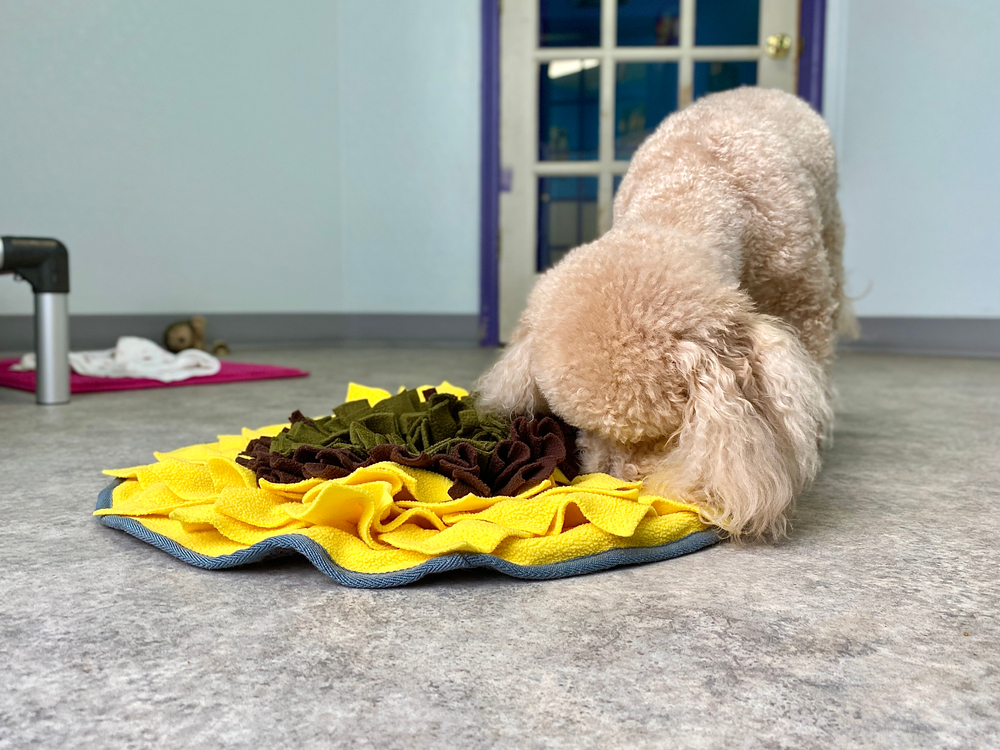
Make them “hunt” for their food. Hide kibble throughout the house or use puzzle feeders for your dog to gradually consume the day’s calories.
Do scatter feedings. Scatter food on a clean surface for your dog to scramble after.
Having a dog who eats too fast can lead to small headaches like a mess to clean up or seriously scary situations like bloat. Thankfully, there are fixes you can use to slow your dog down. With these tricks, you can create a more peaceful meal time for you and your pup.
Reference
- Bradshaw, John W S. “The evolutionary basis for the feeding behavior of domestic dogs (Canis familiaris) and cats (Felis catus).” The Journal of Nutrition vol. 136,7 Suppl (2006): 1927S-1931S. doi:10.1093/jn/136.7.1927S
Can Dogs Get Brain Freeze?
- 2024-06-27T23:49:20
- Elizabeth Claire Alberts
On hot days, dogs may enjoy a cold treat like an ice cream, popsicle, frozen fruit, or even plain ice cubes. But your dog may act a little funny afterward, especially if they’ve wolfed down their treat without a second to spare. For instance, you might notice your dog shake their head or paw at their mouth.
If you see this, your dog may be experiencing an intense but brief bout of head pain that occurs when eating or drinking something cold. This is referred to as brain freeze or an ice cream headache. While this sensation is known to occur in people, experts say it can happen in dogs, too.
Here’s what you need to know about dog brain freeze.
Can Dogs Get Brain Freeze?
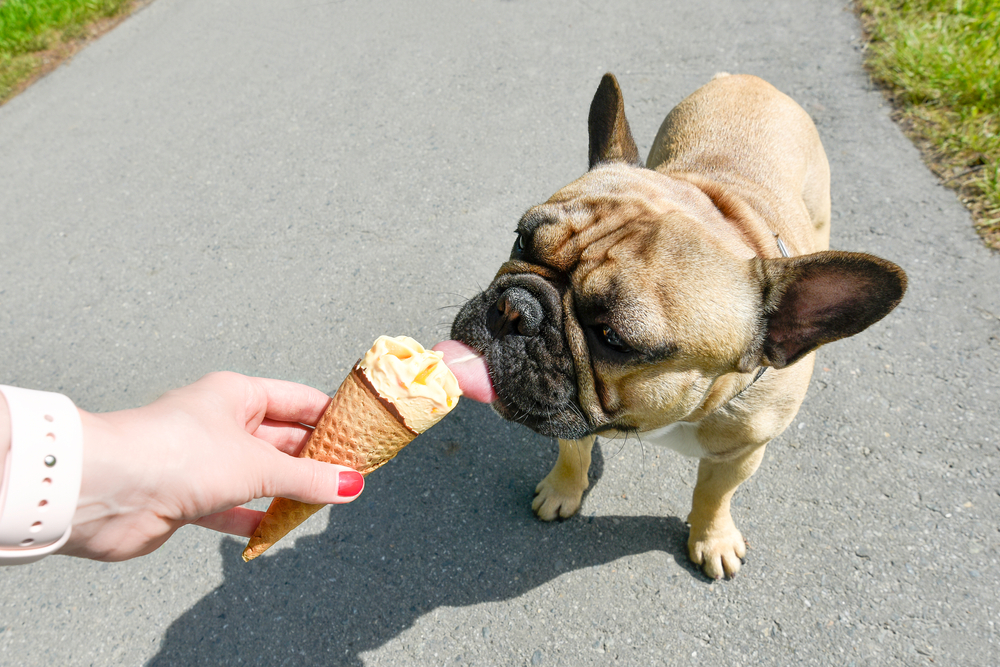
Do dogs get ice cream headaches? Yes, they most likely do.
According to Dr. Lisa Lippman, director of virtual medicine at Bond Vet, brain freeze is “not a studied phenomenon in dogs.” This makes it difficult to definitively know what is going on in a dog’s body. However, she says it makes sense that dogs experience brain freeze like humans do since “anatomy-wise, we’re really extremely similar.”
Dr. Andrea Johnston, a board-certified small animal veterinary internist and medical board member at The Vets, takes a corresponding view, noting the anatomical similarities between dogs and humans.
“Dogs have similar nerve endings in their mouths that can react to cold temperatures,” Dr. Johnston says. “Dogs may exhibit discomfort or sudden reactions when they consume something very cold, indicating they could be experiencing a sensation akin to brain freeze.”
However, Dr. Johnston adds that “since dogs can’t communicate their sensations like humans, the exact experience may differ.”
What Causes Brain Freeze?
Brain freeze usually happens when a person or dog consumes a cold drink or food item quickly, which causes a reaction in the blood vessels and nerves.
“When a dog consumes something cold rapidly, the sudden temperature change can cause the blood vessels in their mouth to constrict and then rapidly dilate,” Dr. Johnston says.
This expansion of blood vessels sends a signal to highly sensitive nerves in the roof of the mouth.
“When those nerves signal a sudden change in temperature, it almost registers as pain — and it can feel like a sudden headache,” Dr. Lippman says.
Dog Brain Freeze Symptoms

What do dogs do when they get an ice cream headache? For one thing, a dog may no longer want to eat the cold treat they were rapturously consuming a second ago. But there are other signs as well.
According to Dr. Johnston, dog brain freeze symptoms can include:
- Suddenly stopping eating or drinking
- Shaking the head
- Pawing at the mouth
- Whining
- Briefly avoiding the cold food or drink
- Exhibiting a confused or uncomfortable expression
How to Help Dogs with Brain Freeze
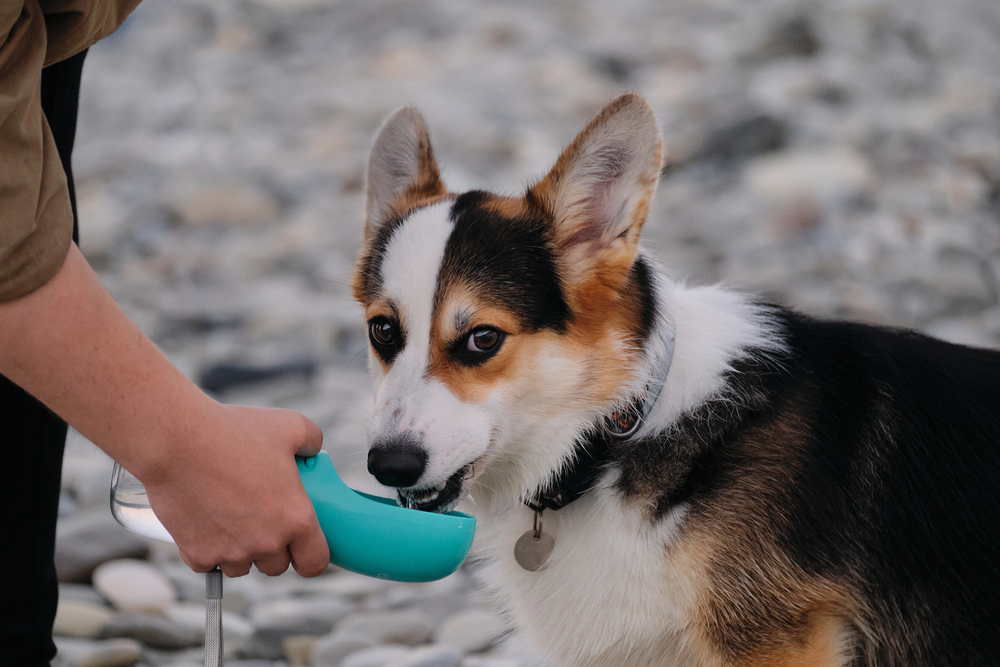
If you think your dog is experiencing brain freeze, there are ways to help them. The first and most obvious thing to do is to take away the cold drink or food.
“If you suspect your dog has a brain freeze, remove the cold item immediately and allow them to rest in a comfortable environment,” Dr. Johnston says. “Offer room temperature water to help normalize their mouth temperature and soothe any discomfort.” Do not remove the item if your pet has food aggression.
Can brain freeze ever lead to a dog fainting or having a seizure? The short answer is no. This does not happen in healthy dogs without underlying conditions.
“Brain freeze itself typically does not lead to fainting or seizures in dogs,” says Dr. Johnston. “However, if a dog shows severe signs like collapse, prolonged disorientation, or seizure-like activity after consuming something cold, it could indicate a different health issue and requires immediate veterinary attention.”
Dr. Lippman says there are also certain conditions that may mimic dog brain freeze.
“There are other things that could potentially look like it — like headaches, other neurologic conditions, or dental pain. Or foreign bodies in the mouth.”
However, Dr. Lippman says what distinguishes brain freeze from other conditions is the simple fact that brain freeze happens after a dog consumes something cold — and that it doesn’t persist.
“It lasts a very short period and then your dog would return to normal,” Dr. Lippman says.
Preventing Dog Brain Freeze

Can pet parents do anything to prevent their dogs from getting brain freeze? Dr. Johnston says there are several things you can try.
“Offer cold treats gradually or allow them to thaw slightly before giving them to your dog,” she says. “When using a Kong or similar toy, use softer fillings like room-temperature peanut butter or yogurt instead of very cold substances. This helps minimize the risk of discomfort from sudden cold exposure.”
Of course, the possibility of brain freeze shouldn’t stop you from giving your dog cold treats to begin with, especially if your dog loves the occasional ice cream on a hot summer day.
“I think everything in moderation,” Dr. Lippman says. “But it’s a great, fun treat for them.”
Chicken Allergy in Dogs: Signs and Treatment
- 2024-04-21T23:31:35
- Kathryn Heigel-Meyer, DVM
Dogs, like humans, can be allergic to many things, including environmental factors and food. Nailing down what’s causing the allergies in your dog can be a long and frustrating process. In this article, we’ll be focusing on food allergies, specifically one of the most common foods in many households: chicken. We’ll also discuss the signs of chicken allergies in dogs, as well as at-home and veterinary treatments that can make your pet healthier and more comfortable.
Can Dogs Be Allergic to Chicken?
Yes, dogs can be allergic to chicken. Chicken is the primary protein source in many commercial dog foods. It’s highly palatable, inexpensive, and an excellent source of protein, healthy fats, and essential vitamins and minerals. However, this ubiquity also makes chicken a frequent culprit in canine allergies.
When dealing with a chicken allergy, the body cannot tell the difference between chicken or chicken by-products, including the organ meat or bones. This may even include chicken eggs in some dogs. Studies find that food allergies affect 1-2 percent of dogs.[1] Of the dogs known to have food allergies, 15 percent will be reactive to chicken.[2] This makes chicken the third most common food allergy behind beef and dairy.
Symptoms of a Chicken Allergy in Dogs

There are many symptoms of chicken allergies in dogs, including:
- Itchy skin: Persistent scratching, licking or biting, especially around the face, paws, and hindquarters
- Hair loss secondary to the licking and biting at skin
- Gastrointestinal upset: vomiting, diarrhea, bloating, flatulence, or other chronic digestive issues
- Recurrent ear infections, often accompanied by redness and unpleasant odor
- Respiratory issues: sneezing, coughing, and wheezing
- Chronic inflammation: red inflamed skin and feet or recurrent skin infections
- Brown discoloration to feet and nail beds and chronic chewing of feet
What Causes Poultry Allergies in Dogs?
Food allergies in dogs occur when the immune system reacts negatively to specific substances in the diet, such as chicken. Allergies are different from a sensitivity or intolerance in that allergies involve an immune response to a particular item that is usually harmless. The body mistakes this ingredient as harmful, and the immune system will fight the “foreign” ingredient in a variety of damaging ways.
Testing for Chicken Allergies in Dogs
If you suspect that some of the chronic skin issues that you are seeing in your dog are related to a food allergy, there are several things that you can do at home – the most important of which is an elimination diet trial.
An elimination diet trial is when you offer a hypoallergenic diet to your pet over a two month period of time. You will need to make sure that everything that passes your dog’s lips is hypoallergenic, including treats and snacks. A hypoallergenic diet is one that has a novel protein (something that the dog has not been exposed to before) or a hydrolyzed protein (broken down into its most basic components so the immune system can’t recognize it as foreign).
If itching is uncontrolled and inflammation is severe, you should schedule an appointment with your regular veterinarian. It’s important to rule out other causes of skin itching, including fleas, mange, environmental allergies and infections.
Your veterinarian may also recommend additional testing, such as blood work with thyroid level or skin testing. There is some controversy surrounding blood allergen testing. Most veterinary dermatologists find them unreliable and expensive. At this time, there are no blood, hair, or saliva tests that are reliably accurate in diagnosing food allergies.
Regular vet checkups are also essential in monitoring your dog’s health and adjusting treatment plans as necessary. Your veterinarian can also recognize if any early interventions are needed.
How to Treat a Chicken Allergy in Dogs
There are several ways to help treat a chicken allergy in dogs. Some of the options your veterinarian may recommend include:
Supplements. Omega-3 fatty acid supplements can help improve skin health and reduce inflammation.
Antihistamines. Medications like Benadryl or Zyrtec may be helpful in mild to moderate cases and should be given under the direction of a veterinarian.
Corticosteroids. These can help alleviate severe symptoms of itching and inflammation, but they are not a long-term solution to an allergy due to potential side effects with prolonged use.
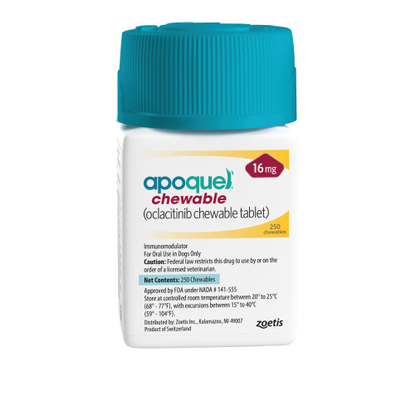
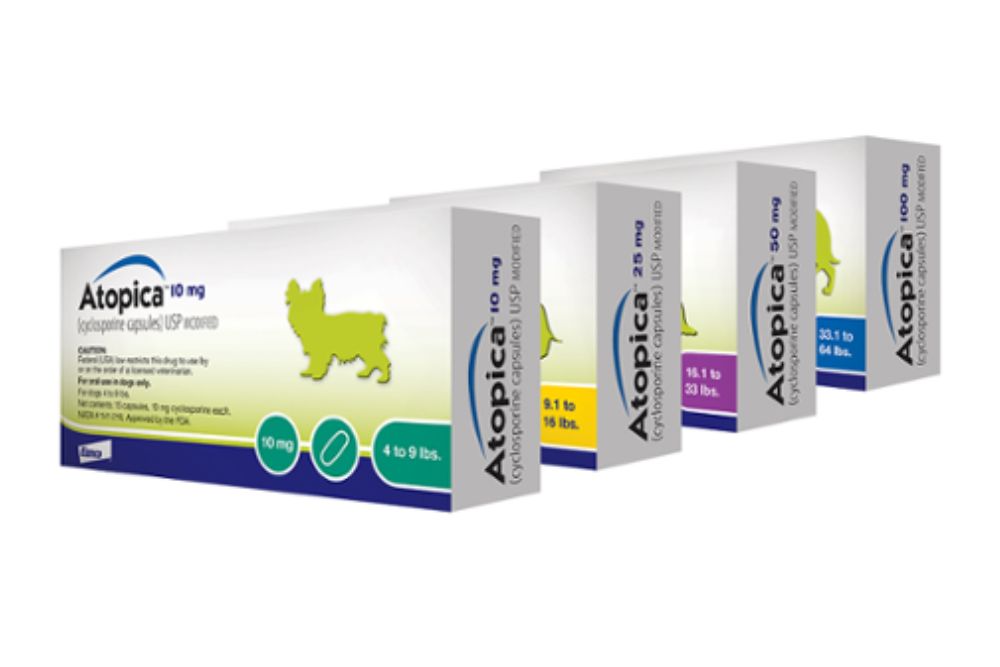
Additional medications. Other prescription anti-itch medications including Cytopoint, Apoquel, or Atopica may be prescribed for dogs with chicken allergies.
Chicken allergies in dogs are a common but manageable concern. By recognizing the symptoms, reading food labels, and working closely with your veterinarian, you can provide your dog with a comfortable and healthy life. Remember, every dog is unique, and finding the right formula to manage allergies will require a lot of trial and error. With patience and attention, you can help your canine companion lead a happy and less itchy life.
References
- Olivry, Thierry, and Ralf S Mueller. “Critically appraised topic on adverse food reactions of companion animals (3): prevalence of cutaneous adverse food reactions in dogs and cats.” BMC veterinary research vol. 13,1 51. 15 Feb. 2017, doi:10.1186/s12917-017-0973-z
- Mueller, Ralf S et al. “Critically appraised topic on adverse food reactions of companion animals (2): common food allergen sources in dogs and cats.” BMC veterinary research vol. 12 9. 12 Jan. 2016, doi:10.1186/s12917-016-0633-8
Food Allergies in Dogs: Signs and Treatment Options
- 2024-04-05T18:20:32
- Hanie Elfenbein, DVM
Dogs can have all the same sensitivities and allergies as humans (except being allergic to dogs, of course). Some of their symptoms are even the same, including itchy rashes and diarrhea. When it comes to food allergies, the treatment is even the same in dogs as for people: avoid all traces of the food allergen. Unfortunately, figuring out what is causing your dog’s symptoms can be frustrating, and it is disheartening to watch your dog be uncomfortable.
Hopefully with a little background information on food allergies in dogs and lots of direction and guidance from your veterinarian, you can help your dog feel great again.
Can Dogs Be Allergic to Food?
Yes! Just like people can be allergic to food, so can dogs. The most common food allergens in dogs are animal proteins. Specifically, chicken, beef, and dairy are most likely to cause a reaction in a dog. Dogs can be allergic to any protein, including egg, fish, seafood, soy, lamb, and even venison. Just like humans, some dogs have gluten allergy (wheat protein), but this is much less common than gluten sensitivity in people.
What Causes Food Allergies in Dogs?
While we don’t know exactly what causes food allergies in dogs, we do know that there is at least some inherited component. That is because German Shepherd dogs, West Highland White Terriers, and Labrador and Golden Retrievers are more likely to have food allergies than other breeds (1). The predisposition in Labrador and Golden Retrievers is so great that even their mixes such as Labradoodles and Goldendoodles have high rates of allergies.
Most allergic reactions are due to an overactive immune system response. In a food allergy, the immune system doesn’t recognize a protein as food. Instead, it thinks the food protein is harmful and mounts a response. Just as for some people shrimp is a tasty food while for others even the tiniest bite can send them to the hospital. This response is what causes symptoms. Symptoms of food allergies in dogs tend to involve the skin and the gastrointestinal tract (stomach and intestines).
Can dogs develop food allergies later in life?
Most food allergies in dogs start to become apparent between 6 to 12 months of age (1). However, dogs with minor sensitivities can develop more severe allergic responses to foods as they age. For dogs with environmental allergies, it can be difficult to distinguish signs of food allergy until the environmental allergies have been addressed. This is because they overlap in symptoms and many dogs have more than one type of allergy. In addition to food and environmental allergies, the third common type of allergy in dogs is to fleas.
Dog Food Allergy Symptoms
The most common symptoms of food allergy in dogs are related to digestion and to skin. Dogs with food allergies may have chronic or recurrent diarrhea. Vomiting is a more rare but more severe symptom of food allergy. Some dogs may not want to eat their food if they associate it with a stomach ache. Dogs also show signs of food allergies on their skin. They may lick their feet excessively and cause irritation or swelling between their toes. They may have itchy ears and suffer from frequent ear infections. In fact, ear infections in young healthy dogs are often the first sign a veterinarian has that a dog may suffer from allergies of any kind.
Common symptoms of food allergy in dogs:
- Diarrhea
- Decreased appetite
- Weight loss
- Licking feet
- Swollen feet
- Itchy ears
- Itchy skin
- Ear infections
- Vomiting
How to Diagnose a Dog Food Allergy
Research shows that neither blood nor saliva tests are valid for diagnosing food allergies in dogs (2). Therefore, an elimination diet trial is the best way to diagnose food allergies in dogs. The concept sounds simple: If you can completely exclude the offending allergen(s) from your dog’s diet, then your pet’s symptoms should resolve. However, an elimination diet for dogs is hard to do properly.
The first step is the easy part: You and your veterinarian will select an appropriate food for the elimination diet trial. Options include:
Hydrolyzed protein dog food. Hydrolyzed means that the protein source in the food is broken down during processing so that the body no longer recognizes the protein as an allergen. Hydrolyzed protein diets are the best food for dogs with allergies. Hydrolyzed diets such as Royal Canin Ultamino are the gold standard tool for elimination food trials.
Novel protein dog food. For some dogs (young and with a fully known diet history), a novel protein diet is also an appropriate choice to avoid allergens. Novel means your dog has never been exposed to that particular protein before. Examples of novel proteins include venison, rabbit, and kangaroo. However, diets with similar proteins — think chicken and turkey or beef and bison — may cross-react, so these may not be suitable options.
Limited-ingredient dog food. As the name implies, limited-ingredient dog foods have fewer ingredients than traditional dog foods. They typically contain a single protein source, limited carbohydrates, and no fillers. The recipe may use a novel protein source as described above. However, a complicating factor is that not all limited-ingredient diets are free from cross-contamination with potential allergens. Prescription limited-ingredient diets tend to be the only ones able to guarantee against cross-contamination.
Once you and your veterinarian have selected the food, the hard work begins at home. You, other members of your household, and visitors should NOT feed your dog anything other than the recommended diet. This means no treats, snacks, table scraps, or medications or supplements that contain food proteins. This can be challenging, especially in homes with multiple dogs. You will need to feed your other dogs separately, or else all of your dogs will need to eat the same elimination diet. If you accidentally let your dog eat something outside of their prescribed diet, you will need to start the entire trial timeline over again.
Even medications and supplements that contain food-based ingredients should be avoided. This may mean using a different monthly heartworm preventative, such as a topical treatment, during your dog’s diet trials. Any flavored tablet could contain what your dog is allergic to. Talk to your veterinarian about every medication and supplement your dog is on.
It can take up to 12 weeks after switching your dog’s food for allergy symptoms to go away. For this reason, diet trials typically last four to 12 weeks. Your veterinarian will evaluate your dog every two to four weeks. Make sure to keep a record of your dog’s symptoms at home so you can discuss their progress during these vet visits. Keep in mind that some dogs respond to diet trials quickly while others take longer. The trial will conclude once your dog improves or at least 12 weeks have passed without any progress and your veterinarian has evaluated your dog. If your dog responds to the trial, their gastrointestinal signs will typically improve first before their skin signs improve.
Once all symptoms have resolved, your veterinarian will direct you to add back in one protein at a time, called a food challenge. It might be chicken one week and then beef two weeks later. It is important to give each protein time to cause a reaction and detectable symptoms before moving on to the next food challenge. Your veterinarian will direct you on how to monitor for a reaction and how to proceed.
How to Treat Dog Food Allergies

The best way to treat a dog food allergy is to completely eliminate the offending allergen from your dog’s environment. You will need to feed your dog a hydrolyzed protein, limited-ingredient, or novel protein diet, and ensure that your dog’s treats, dental chews, medications, etc., are also allergen-free. Do not feed your dog table scraps or let them lick dishes in the dishwasher.
Aside from looking at the main ingredients in your dog’s food, you need to consider the risk of cross-contamination with other proteins. Unlike human food, dog foods are not required to state possible allergen contaminations on the packaging. For example, foods may be labeled as being made in a facility that processes peanuts. Very few pet food companies can guarantee against cross-contamination for their limited-ingredient diets. This is because it is time-consuming and expensive to shut down facilities and deep clean between making different products The few companies that do make this guarantee include Royal Canin, Hill’s, Purina, and Eukanuba. These are usually prescription diets that can be labeled as a treatment for your dog’s allergies.
It is not worth risking your dog’s discomfort by feeding something that may only be partially effective. For dogs with food allergies, food is medicine. Yes, allergen-free prescription dog food costs more money than most other dog food. Trying to save a few dollars by continuing to expose your dog to even low levels of their allergen may not cause a reaction at first. But symptoms can worsen over time, causing unnecessary discomfort to your dog (and expense of treating the skin issues).
While your regular veterinarian can diagnose a dog food allergy and conduct a dog food trial, veterinary dermatologists are often the best resource since they specialize in diagnosing and treating allergic diseases in dogs.
Your dog is unlikely to need medication for food allergies, so long as you maintain their allergen-free diet. If your dog’s symptoms flare-up, then your veterinarian may prescribe a short course of medication to help them feel better while also reinforcing the need to stick to an allergen-free diet.
A food allergy is only one of many causes of dog itchy skin or GI discomfort. Avoid taking matters into your own hands. Schedule an appointment with your veterinarian before switching your dog’s food or trying an elimination diet. Doing it incompletely or the wrong way first only prolongs your dog’s discomfort.
References
- Olivry T, Mueller RS. Critically appraised topic on adverse food reactions of companion animals (7): signalment and cutaneous manifestations of dogs and cats with adverse food reactions. BMC Vet Res. 2019;15(1):140)
- Jackson, Hilary A. “Food allergy in dogs and cats; current perspectives on etiology, diagnosis, and management.” Journal of the American Veterinary Medical Association vol. 261,S1 S23-S29. 18 Mar. 2023, doi:10.2460/javma.22.12.0548
Can Dogs Eat Seaweed?
- 2024-02-22T18:15:40
- Joline Buscemi
Seaweed is a superfood, at least when it comes to human nutrition. If you enjoy the occasional seaweed snack or salad but have never shared your stash with your pup, you might be wondering, “Can dogs eat seaweed?”
Well, you’re about to find out. We spoke with canine nutritionists to see if it’s safe to feed your dog seaweed. (Spoiler alert: it might even be a healthy choice for them!)
Can Dogs Eat Seaweed?
Yes, dogs can eat seaweed — in moderation, and with a few considerations. “Seaweed is wonderful for dogs as [it is] nutrient dense and highly digestible,” says Emily Lancaster, a holistic dog nutritionist.
But while seaweed can be a beneficial treat for your dog, not just any seaweed is safe. “Typically, the same types of seaweed that are edible for humans are also edible for dogs,” explains Micaela Caltran, a canine nutritionist.
Lancaster adds, “Kelp, dulse, kombu, nori, wakame, and Irish moss are all safe seaweed varieties, however, if you are purchasing it from the supermarket, make sure to choose the unseasoned/unsalted options only.”
Can Dogs Have Seaweed Raw?
Raw seaweed, like that found on the beach, is never safe for your dog to eat. “Don’t allow your dog to eat wild seaweed at the beach, as this may contain critters, toxins and parasites. Moreover, long parts could cause bowel obstruction,” Caltran warns. If your dog consumes raw seaweed that has dried, there’s a risk it can expand in the stomach or intestinal tract and cause pain and blockages.
Can Dogs Eat Seaweed Sheets?
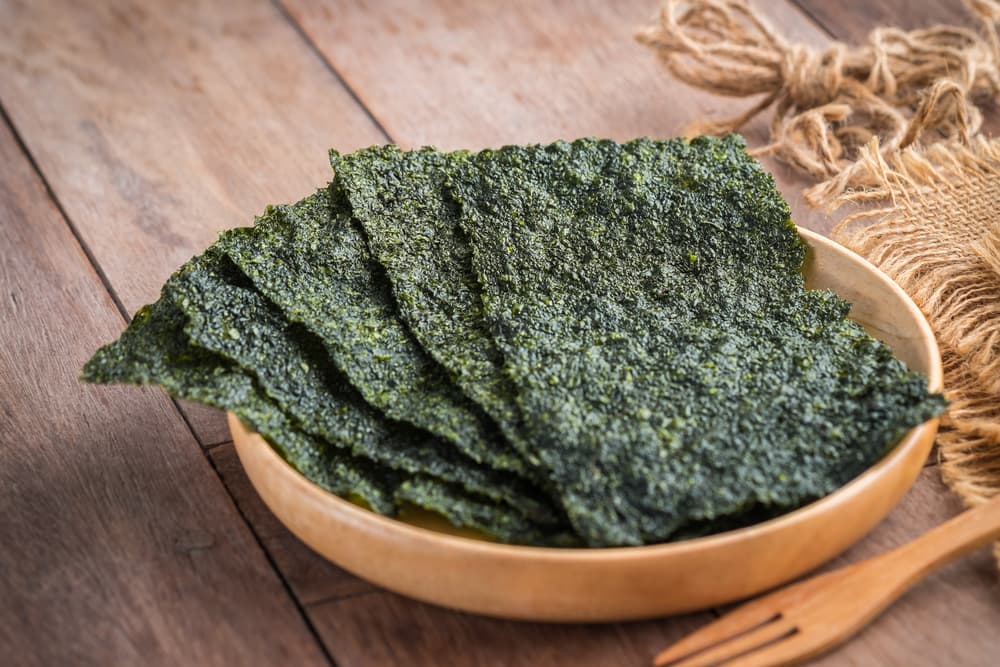
A seaweed sheet is seaweed (often nori) that has been pressed into a thin, paper-like substance. They are safe for dogs, as long as they don’t contain added salt, garlic, or other flavorings.
Can Puppies Eat Seaweed?
The same rules that apply to older dogs apply to younger pups: as long as a puppy is eating solid food, they can eat seaweed in moderation. It’s especially important to start slowly when giving your puppy seaweed for the first time, watching for any adverse reactions, like upset stomach.
Is Seaweed Good for Dogs?
As long as your dog is eating human-grade or pet-safe seaweed without added flavoring, seaweed can actually be good for your pet. “Safe-to-eat seaweed is so nutritionally rich that it is often referred to as a superfood. It’s packed with minerals, vitamins, amino acids, and omega-3, as well as antioxidants, fiber, and prebiotics – which makes it a great addition to your dog’s diet,” says Caltran. Plus, some dogs will love the naturally salty flavor.
The benefits don’t stop there. Many of the perceived benefits of seaweed in human health may apply to dogs as well. “Seaweed is a nutrient powerhouse, which leads to more efficient metabolism, resulting in increased energy and immune system support,” adds Lancaster. She explains that seaweed can help remove toxic heavy metals, has anti-tumor properties, reduces blood pressure and benefits the cardiovascular system, and contains fiber to help prevent constipation and boost gut health. [1, 2, 3, 4, 5]
Is Seaweed Bad for Dogs?

Though dogs and seawood can mix, and despite its health benefits, not all seaweed is good for dogs, and not all dogs should be fed seaweed.
For starters, remember that wild seaweed (seaweed found on the beach or in the ocean) can actually be dangerous to dogs due to its unknown contents and potential to cause life-threatening intestinal blockages. You should never let your dog eat seaweed in the wild.
When purchasing store-bought seaweed, choose wisely. “Seaweed can contain toxic metals. It will mostly depend on the type of seaweed and where it’s harvested from. Ensure your sea veggies come from reliable sources that grow them in minimally polluted waters,” says Caltran.
And don’t forget, there should be no added flavors or oils; garlic and onion are common additions that are not safe for dogs. On the flip side, some seaweed does contain added sesame oil, which is safe for dogs in moderation.
“I recommend avoiding seaweed if your dog has hypothyroidism or is on any thyroid medication or supplements,” says Lancaster. This is due to seaweed’s high iodine content, which can affect thyroid function, especially in dogs who already have thyroid disorders.
It’s also important to remember that while seaweed high in fiber content can be beneficial for some dogs, it can cause problems in others. “Seaweed is high in fiber, an indigestible kind of carbohydrate, that in dogs prone to digestive problems or with small intestinal bacterial overgrowth, can lead to stomach upset,” says Caltran. If you notice stomach issues when you introduce your dog to seaweed, it may be a sign that seaweed isn’t a fit for them.
“Consult your veterinarian before adding any new food or supplement to your dog’s diet. It’s also important to monitor your dog’s reactions [and] the appearance of their stool, and look for any symptoms that may suggest discomfort,” says Caltran.
Tips for Feeding Seaweed to Dogs
If you decide to incorporate seaweed into your pet’s diet, start small so you can monitor how they react to it, and then only feed in moderation.
“Seaweed is very nutrient-dense, so feed only small amounts to your dog but regularly,” explains Caltran. “You can choose among many alternatives: fresh seaweed, rehydrated sheets, dried powder, dry flakes and sheets (preferably break them into small pieces or use a mixer to powder them). Whichever you choose, be sure it doesn’t have any added seasoning.
Lancaster explains that there are a few ways to feed seaweed to your dog: “Feed seaweed in dried form and sprinkle it over food regularly but in small amounts,” she recommends. “Crumble or cut into tiny pieces before feeding. You can also rehydrate it in a bit of water before feeding, add it to your bone broth recipe, or use it as training treats. I recommend 1/4 to 1 tsp per 20 lbs body weight.”
References
- Foday Jr, E.H., Bo, B, Xu, X. (2021) “Removal of Toxic Heavy Metals from Contaminated Aqueous Solutions Using Seaweeds: A Review” Sustainability 13, no. 21: 12311.
- Magalhaes, KD, Costa, LS, Fidelis, GP, Oliveira, RM, Nobre, LTDB, Dantas-Santos, N, Camara, RBG, Albuquerque, IRL, Cordeiro, SL, Sabry, DA, et al. (2011) “Anticoagulant, Antioxidant and Antitumor Activities of Heterofucans from the Seaweed Dictyopteris delicatula.” International Journal of Molecular Sciences. 12(5):3352-3365.
- Kishida R, Yamagishi K, Muraki I, Sata M, Tamakoshi A, Iso H; JACC Study Group. (2020 Dec) “Frequency of Seaweed Intake and Its Association with Cardiovascular Disease Mortality: The JACC Study.” J Atheroscler Thromb. 1;27(12):1340-1347. doi: 10.5551/jat.53447. Epub 2020 Mar 5. PMID: 32132341; PMCID: PMC7840157.
- Peñalver R, Lorenzo JM, Ros G, Amarowicz R, Pateiro M, Nieto G. (2020 Jun 5) “Seaweeds as a Functional Ingredient for a Healthy Diet.” Mar Drugs. 18(6):301. doi: 10.3390/md18060301. PMID: 32517092; PMCID: PMC7345263.
- Michalak I, Tiwari R, Dhawan M, Alagawany M, Farag MR, Sharun K, Emran TB, Dhama K. (2022 Dec) “Antioxidant Effects of Seaweeds and Their Active Compounds on Animal Health and Production – a Review.” Vet Q. 42(1):48-67. doi: 10.1080/01652176.2022.2061744. PMID: 35363108; PMCID: PMC9004519.
What Is Hydrolyzed Protein Dog Food? Information and Product Picks
- 2024-02-02T15:37:20
- Sylvalyn Hammond, DVM
Veterinary prescription diets help pet parents manage a variety of conditions in their canine companions. Hydrolyzed protein dog food is one type of prescription diet that veterinarians may suggest for dogs suffering from food allergies or dietary sensitivities.
Whether your veterinarian has recommended that your dog eat hydrolyzed food or if you’re researching dietary options to help manage your dog’s medical condition, this article covers everything you need to know about this type of prescription diet for dogs.
What is Hydrolyzed Protein Dog Food?
Hydrolyzed protein dog food is a specialized form of pet nutrition designed for dogs with food sensitivities or allergies.
Certain proteins found in dog food – including beef, dairy, and chicken – can trigger food allergies in dogs when their immune system mistakenly identifies certain protein molecules as harmful. This leads to an immune response that manifests as allergic reactions such as skin irritation or digestive issues.
Unlike traditional kibble or wet food options, hydrolyzed protein dog food undergoes a process called hydrolysis, which breaks down proteins into smaller components called amino acids. By breaking up the proteins into smaller, harder-to-detect pieces, which minimizes the risk of allergic reactions but allows dogs to take in important nutrients.
Why Vets Recommend Dog Food With Hydrolyzed Protein
Hydrolyzed protein dog food provides easily digestible proteins that are less likely to cause adverse reactions. Therefore, veterinarians usually recommend hydrolyzed protein diets for dogs who suffer with food allergies, sensitivities, or gastrointestinal issues.
In dogs, food allergies commonly present as red, itchy, irritated skin, particularly on the paws and ears. Other dogs with food allergies have digestive disorders such as inflammatory bowel disease, or IBD. Hydrolyzed protein diets can help manage both of these manifestations of food allergies in dogs.
Another reason for feeding a hydrolyzed diet to a dog is to perform a diet trial. When a veterinarian and pet owner are suspicious of an allergy, performing a diet trial is the best way to test the theory. During a diet trial, your pet will eat strictly a hydrolyzed protein dog food for 8-12 weeks and then will be assessed for an improvement in symptoms.
Pros and Cons of Hydrolyzed Protein Dog Food
As with any dog food, there are always pros and cons.
| Pros | Cons |
| Management of Allergies: Hydrolyzed protein dog food is a crucial tool in managing allergies and sensitivities. Nutritional Balance: These diets are complete and balanced and can be fed as maintenance diets, meaning they provide everything a dog needs to thrive. Trusted Brands: Many reputable brands offer hydrolyzed protein diets, ensuring quality and reliability. | Cost: Hydrolyzed protein dog food is generally more expensive than traditional options due to the more meticulous manufacturing processes needed. Prescription Only: Hydrolyzed protein diets are only available with a veterinary prescription. Limited Flavor and Texture Choices: Pet parents may find a limited variety in flavors and textures compared to conventional dog food. Palatability: Some dogs may take time to adapt to the taste. |
Switching to a Hydrolyzed Dog Food
When considering a switch to this type of diet, pet parents should begin by consulting their veterinarian. The consultation should include the specific health issues they hope to address with the new diet, the need for a prescription, how to properly feed the new diet, and the gradual transition process.
A gradual transition from a dog’s current diet to a hydrolyzed protein diet is recommended to minimize digestive upset and allow the dog to adjust to a new diet more comfortably. To do this, pet parents will gradually introduce the new food alongside the dog’s existing diet over a 7 to 10-day period. To start, they will mix a small proportion of the new food in with the old food and gradually increase the amount of new food while decreasing the old food.
While some dogs may need this specialized diet for life, others may be able transition back to a regular diet under veterinary guidance.
Are There Side Effects?
Fortunately, there is very little risk of feeding a hydrolyzed protein dog food. Side effects are incredibly rare and are usually limited to digestive upset secondary to transitioning to the new diet too quickly.
Brands to Consider
Royal Canin Hydrolyzed Protein Dog Food
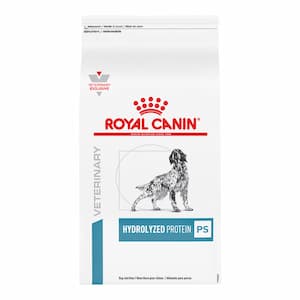
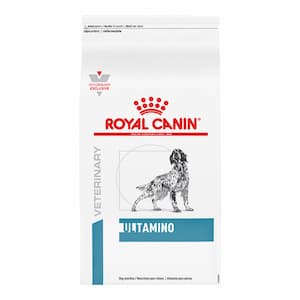
Royal Canin has several formulations available. Their two more popular hydrolyzed protein diets are Royal Canin HP and Royal Canin PS, both of which come in canned and kibble varieties. Royal Canin also has hydrolyzed protein diets that are moderate calorie for dogs predisposed to weight gain, and another formulation for dogs who also suffer from urinary issues. Additionally, Royal Canin is the only manufacturer to create a hydrolyzed protein diet for puppies.
For dogs with severe food allergies, Royal Canin’s Ultamino hydrolyzed protein diet is perhaps the best choice. This innovative formula minimizes the risk of reaction using proteins broken down to a size that’s virtually unrecognizable by the dog’s immune system while still providing high quality nutrition.
Purina Hydrolyzed Protein Dog Food
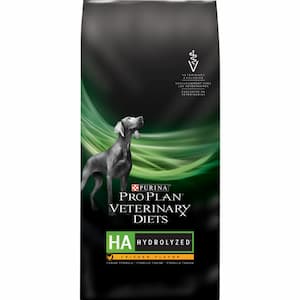
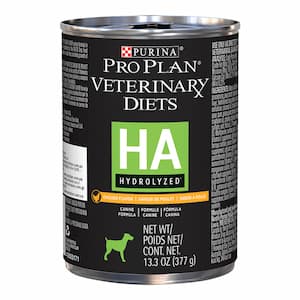
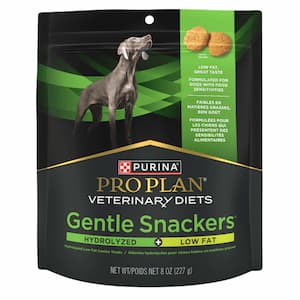
Purina was the first pet food manufacturer to produce hydrolyzed protein diets for dogs, which they call Purina HA. It comes in canned and kibble form, and is available in chicken flavor or vegetarian for dogs who are extra sensitive to animal proteins in their diet.
Gentle Snackers from Purina are low-fat treats made with hydrolyzed protein, so pet parents can still treat their canine companion while undergoing a diet trial or dealing with food sensitivities. Purina’s offering is one of the more affordable options which is a major factor for pet parent’s on a budget.
Hills Hydrolyzed Protein Dog Food
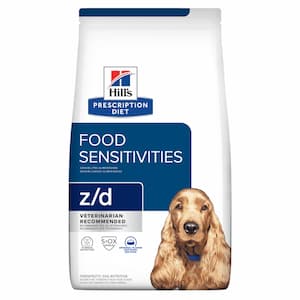
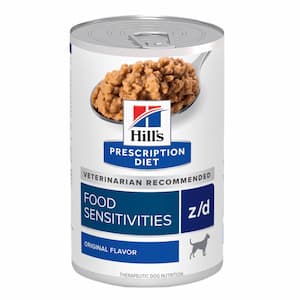
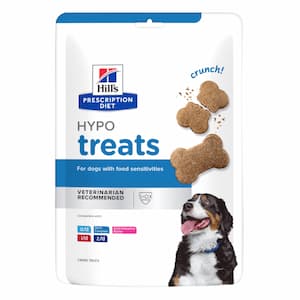
Hills markets this type of diet as Hill’s Z/D. It also comes in a can or kibble, and the kibble is available in small bites for little dogs.
Hill’s also sells their Hypo Dog Treats which are made with hydrolyzed protein, ensuring that dogs who are on a hydrolyzed protein diet can still have the occasional treat.
Blue Natural Veterinary Diets Hydrolyzed Protein Dog Food

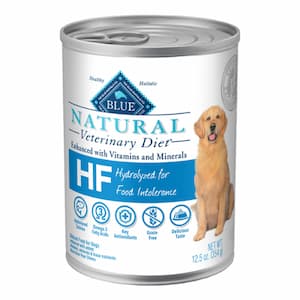
Blue Natural Veterinary Diets line is known as HF. This diet is available in both canned and kibble forms, and uses hydrolyzed salmon as the main source of protein. The ingredient list in Blue Natural’s HF is more simplified than some of the other hydrolyzed protein diets available, which some pet parents may prefer.
Can Dogs Get Food Poisoning?
- 2023-12-20T17:32:02
- Catherine Barnette, DVM
Have you ever experienced a case of food poisoning after a Fourth of July picnic or a restaurant meal with your family? If so, you have firsthand knowledge of just how miserable it can be. After dealing with it yourself, you may find yourself wondering: can dogs get food poisoning? And if so, what happens when they do?
Read on to learn more about the risk of foodborne illness in dogs and whether your dog is at risk of this condition.
Can Dogs Get Food Poisoning?
Like their human family members, dogs can get food poisoning after eating contaminated food. And, just like in humans, the signs of food poisoning may vary from mild diarrhea to severe illness.
Fortunately, food poisoning is rare in dogs who eat high-quality commercial dog food. However, if your dog eats a raw diet, gets into the trash can, or encounters roadkill and other “icky” items while roaming outside, food-related illness is a distinct possibility.
Types of Food Poisoning in Dogs
The term “food poisoning” is used to describe any illness caused by food. Bacteria, viruses, and toxic substances can all potentially cause food poisoning.
Bacterial causes of food poisoning include:
- Salmonella: This bacterium is a common cause of foodborne illness in people and pets. Many infections are asymptomatic, but Salmonella can cause severe illness in some dogs.
- E. coli: This bacterium is commonly found in the intestinal tract of many animals, including dogs. However, not all strains of E. coli are the same. Some strains do not cause any problems, while others can lead to severe illness in pets and people.
- Listeria: Infections are usually asymptomatic but occasionally can lead to vomiting, diarrhea, fever, pregnancy loss, and even death. Infected dogs can also pass this infection to humans.
In many cases, however, food-related illness has non-infectious causes. Dogs who eat abnormally rich food may experience inflammation in their gastrointestinal tract, causing vomiting or diarrhea. Toxic plants may also lead to vomiting and diarrhea when ingested. While these could technically be considered food-related illnesses, they don’t indicate the presence of an infection.
What Causes Food Poisoning in Dogs?
Raw diets are the most common cause of foodborne illness in dogs. In recent years, a trend toward “natural,” unprocessed food has led some pet parents to feed a raw, or uncooked, diet. Unfortunately, raw diets are associated with an increased risk of foodborne infections. A 2005 study evaluating 25 commercially-available raw diets for dogs and cats found that all tested diets contained fecal bacteria, 64 percent contained E. coli, and 20 percent contained Salmonella [1]. Although some healthy dogs can eat these foods without developing clinical disease, others may develop serious illnesses.
Less commonly, foodborne illness is associated with contaminated conventional dog food. Although these diets are cooked, human error or equipment malfunctions can lead to contamination. Reputable food manufacturers conduct regular quality control testing, and they may recall a diet if there is a potential for contamination. In other cases, a diet may be recalled after complaints of foodborne illness. In either situation, feeding a contaminated diet could lead to foodborne illness.
Dog Food Poisoning Symptoms

Symptoms of food poisoning in dogs typically include gastrointestinal signs, similar to what you would expect in a person with food poisoning. Dogs with mild signs may develop diarrhea and/or a mild decrease in appetite. In more severe cases, you may notice vomiting, severe diarrhea, dehydration, abdominal pain, lethargy, and fever.
To recap, signs of food poisoning in dogs may include:
- Decreased appetite
- Vomiting
- Diarrhea
- Flatulence (gas)
- Abdominal pain
- Restlessness
- Lethargy
- Dehydration
- Fever
The signs of foodborne illness are indistinguishable from signs caused by a variety of other illnesses. Therefore, a veterinary visit will be needed to determine whether your dog’s gastrointestinal issues are caused by food poisoning. If your dog is experiencing severe signs of illness, such as repeated vomiting, diarrhea, or lethargy, you may need to visit an after-hours veterinary emergency hospital.
Diagnosing Food Poisoning in Dogs
Your veterinarian will begin by performing a thorough physical exam, paying special attention to your dog’s hydration status. The veterinarian will also gently press and feel (palpate) your dog’s abdomen to look for abdominal pain and other abnormalities.
Next, your veterinarian will likely recommend diagnostic testing to determine the cause of your dog’s illness. In most cases, they will begin by checking your dog for intestinal parasites. A small sample of your dog’s stool will be processed and examined under a microscope in order to check for protozoan parasites and eggs that may indicate intestinal worms. Your veterinarian may recommend other tests to look for infectious agents in your dog’s stool.
Additional testing may also be necessary, depending on the severity of your dog’s illness. Blood tests (including a complete blood cell count and serum biochemistry profile) can aid in evaluating your dog’s overall health status and degree of dehydration, while X-rays of your dog’s abdomen can help rule out an intestinal obstruction.
How to Treat Dog Food Poisoning
Your dog’s treatment will depend on the severity of their symptoms.
A mild case of food poisoning can often be treated on an outpatient basis. Your veterinarian may prescribe an antidiarrheal medication and a bland diet, instructing you to monitor your dog closely at home. If a bacterial infection is suspected, your veterinarian may also prescribe an antibiotic.
In some cases, however, more aggressive treatment is needed. If your dog is vomiting and dehydrated, your veterinarian may recommend hospitalization. While hospitalized, your dog will likely receive intravenous (IV) fluids, injectable anti-nausea medication, and injectable antibiotics.
Medications for Food Poisoning in Dogs
Common medications used to treat foodborne illness in dogs include:
- Anti-nausea medications, such as maropitant, metoclopramide, or chlorpromazine
- Anti-diarrheal medications, such as loperamide
- Antibiotics, such as metronidazole, enrofloxacin, or amoxicillin
- Antiprotozoal medications, such as sulfadimethoxine or ponazuril
- Probiotics to restore healthy gut bacteria


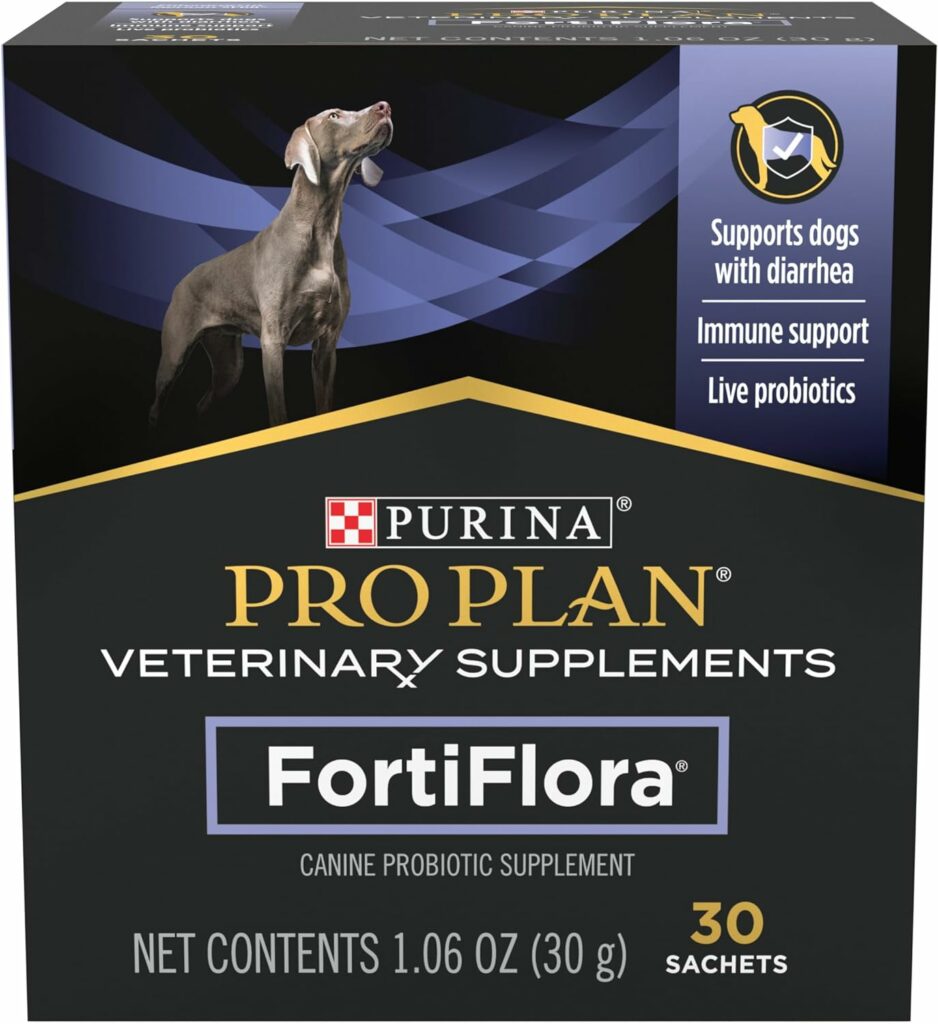
Your veterinarian will select the best medication(s) for your dog, based on the severity and suspected cause of your dog’s illness. They will also consider your dog’s medical history, including underlying conditions and other medications your dog is receiving.
General Cost of Treatment
The cost of treatment will vary, depending on the severity of your dog’s clinical signs. A mild case of food-related diarrhea may cost $100 to treat on an outpatient basis, while hospitalization for severe illness could cost $1,000 to $2,000.
Dog Food Poisoning Prevention

The best way to prevent food poisoning is to avoid raw foods. Raw foods are often contaminated with bacteria, which can lead to foodborne illness. In some cases, dogs can even pass these infections to their owners, posing a threat to human health.
When your dog goes outdoors, keep them confined to a fenced yard or walk them on a leash. Free-roaming dogs are more likely to come in contact with trash or dead animals, increasing the risk of foodborne illness. In fact, a 2017 study found that dogs living in rural areas are more likely to have Salmonella than dogs living in urban or suburban areas [2].
Also, make sure to practice good hygiene, washing and sanitizing pet food bowls, cups, and storage bins.
Finally, pay attention to dog food recalls. Reputable manufacturers do their best to avoid bacterial contamination, but just like in human foods, contamination can occur. Be sure to always wash and sanitize your hands after you handle both recalled food and/or utensils that come into contact with recalled food. And be sure to sign up for a GreatPetCare account to get all the latest pet food recall alerts.
Related Conditions
- Salmonellosis
- E. coli infection
- Listeriosis
- Gastroenteritis
- Pancreatitis
References
- Weese, J Scott et al. “Bacteriological evaluation of commercial canine and feline raw diets.” The Canadian Veterinary Journal = La revue veterinaire canadienne vol. 46,6 (2005): 513-6
- Reimschuessel, Renate et al. “Multilaboratory Survey To Evaluate Salmonella Prevalence in Diarrheic and Nondiarrheic Dogs and Cats in the United States between 2012 and 2014.” Journal of Clinical Microbiology vol. 55,5 (2017): 1350-1368. doi:10.1128/JCM.02137-16
Weight Management Dog Food: 7 Vet-Recommended Options
- 2023-12-13T16:05:56
- Rhiannon Koehler, DVM, MPH
Struggling with excess weight isn’t a problem that’s unique to humans — our canine companions often have a few extra pounds to lose, too. And, much like the human weight trends around the globe, obesity is on the rise in dogs. According to the Association for Pet Obesity Prevention (APOP), approximately 59 percent of dogs are overweight or obese, up from 56 percent just five years ago. (1)
Maintaining an optimal weight is crucial for your dog’s overall health and longevity. So, if your dog is overweight or obese, your veterinarian might recommend weight management dog food to help your pet achieve a healthy body condition.
But which diet is right for your extra fluffy Fido? Here’s what you need to know about vet-recommended weight management dog food to choose the best diet for your dog.
What Is Weight Management Dog Food?
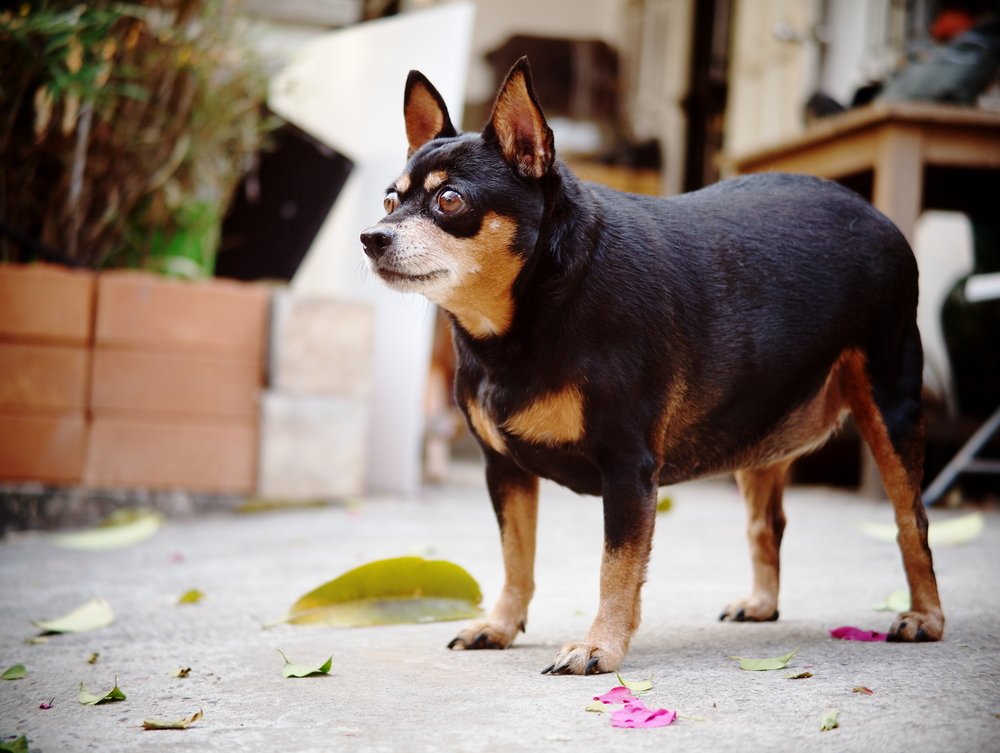
Weight management dog food is specially formulated to fulfill the unique nutritional needs of dogs with obesity or weight issues. These diets provide the balanced nutrition dogs need to thrive while also curtailing calories to help dogs lose weight or maintain a healthy weight.
Weight management dog foods typically have a lower caloric density, which means they often have fewer calories per cup or can, when compared to an equal amount of standard dog food. That way, your dog can still enjoy the same amount of food, but they won’t have as many calories in their meal.
Weight management diets also tend to have a lot of fiber to help your dog feel full and satisfied, so they won’t overeat. And they are usually lower in fat content since fats are more calorie-dense than other nutrients like protein and carbohydrates.
Best Weight Management Dog Foods
All featured products are chosen at the discretion of the Great Pet Care editorial team and do not reflect a direct endorsement by the author.
Best Prescription Weight Management Dog Foods
- Hill’s Prescription Diet Metabolic Weight Management Dog Food
- Purina Pro Plan Veterinary Diets OM Overweight Management Dog Food
- Royal Canin Hydrolyzed Protein Moderate Calorie Dog Food
- Hill’s Prescription Diet r/d Dog Food
- Royal Canin Satiety Support Weight Management Dog Food
Best Non-Prescription Weight Management Dog Foods
Prescription Weight Management Dog Food vs Non-Prescription
Depending on a variety of factors, such as how much weight your dog needs to lose or other health issues they have, your veterinarian may suggest either a prescription or non-prescription (over-the-counter) weight management diet.
Both types of diets are formulated to help dogs achieve or maintain a healthy weight. However, there are some key differences.
Prescription Weight Management dog food (also known as a veterinary or therapeutic diet) is often recommended for dogs who need to lose a significant amount of weight. You need approval from a veterinarian to purchase these diets, which are available from vet clinics, as well as some online retailers.
Non-prescription Weight Management dog food is available for anyone to purchase at vet clinics, most online retailers, and local pet supply stores. It can be used for weight loss or weight management and is often easier on your budget than prescription options.
Why Vets Might Recommend a Weight Management Dog Food

Minor weight fluctuations are normal in dogs. So your veterinarian isn’t likely to completely change your pet’s diet just because they weigh a bit more than they should at one visit. However, the opposite is true if a veterinarian determines that your dog:
- is overweight (generally considered to be around 15 percent over their optimal weight)
- is obese (30 percent or more over their optimal weight)
- has struggled with weight in the past, or
- shows a pattern of incremental weight gain
In these cases, vets tend to recommend a weight management diet to help a pup slim down to a healthier weight. That’s because excess weight in dogs can lead to a wide range of health issues, including diabetes, heart disease, cancer, and joint issues like osteoarthritis.
Plus, research has shown that dogs who are overweight or obese could face shorter lifespans than dogs at a healthy weight — between five months to two years shorter, according to one study. (2)
Even if you think your dog is in fine shape, your veterinarian might still recommend a weight management diet for several reasons.
In some cases, gradual weight gain can go unnoticed by pet parents. And because so many dogs are overweight or obese these days, our perception of what’s “normal” may be skewed. According to an APOP survey, about one-third of people with overweight or obese pets classified their animal’s condition as “normal,” “ideal,” or “thin.” (1)
Some dog breeds, such as Golden Retrievers, Pugs, and Beagles, are more prone to gain weight than others. So your veterinarian may recommend a weight management diet to reduce that risk. Similarly, as dogs age, their metabolism naturally slows down, so senior dogs may also be candidates for weight management dog food.
Regardless of the reason for the recommendation, keep in mind that your veterinarian is looking out for your dog’s continued health and wellness, not shaming you about their weight!
Top Vet-Recommended Weight Management Dog Foods
Understanding the benefits of weight management dog food is one thing. But making sense of the myriad options available to you could overwhelm even the best-intentioned pet parent.
To help you discover the best diet to set your pup on the road to a healthier weight, here are the best weight management dog foods, according to veterinarians.
However, every dog is different. So be sure to discuss these options with your veterinarian to come up with a plan that’s customized to your dog’s specific health and weight management needs.
Best Prescription Weight Management Dog Foods
Hill’s Prescription Diet Metabolic Weight Management Dog Food
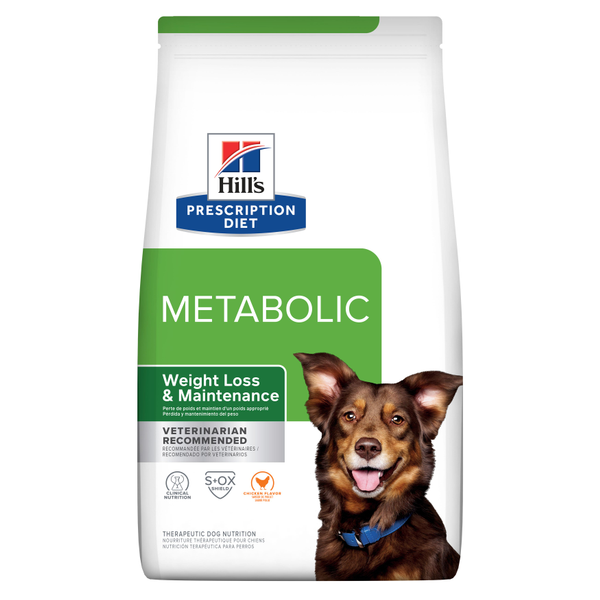
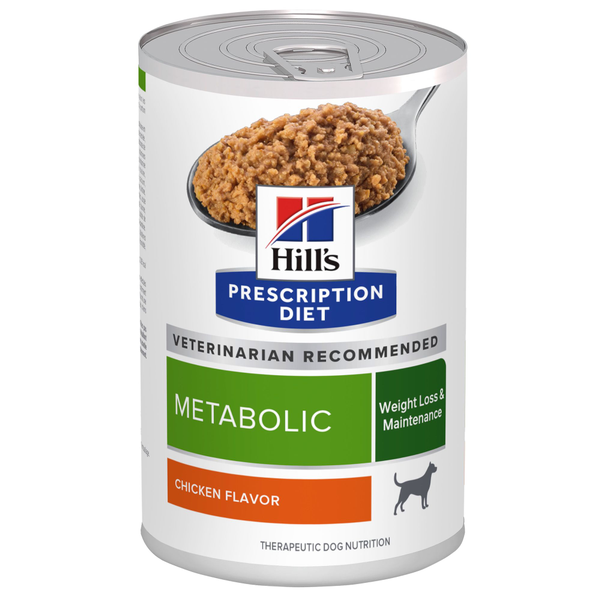
Developed by a team of Ph.D. nutritionists and veterinarians, this Hill’s prescription diet provides targeted therapeutic weight management support that’s clinically proven to help dogs lose weight. The formula works by combining ingredients that kick your dog’s metabolism into high gear for more effective fat burning, while increased fiber levels help keep your pup feeling full and satisfied. So dogs can shed pounds easily without drastic portion reductions. And the results speak for themselves. The company reports that 96 percent of dogs lost weight at home in two months.
Highlights
- Developed for obese, overweight, or obese-prone dogs
- Clinically proven to help overweight and obese dogs lose weight
- Stimulates your dog’s natural metabolism to burn more calories
- Made with a unique blend of fiber helps your dog feel fuller longer
- Delivers the precise, balanced nutrition dogs need to thrive
- According to Hill’s, 96 percent of dogs lost weight in two months when fed this diet at home
- Comes in both dry and canned dog food formats
- Also available in a Metabolic + Mobility formula that provides weight management and joint support
- Can be fed long-term
Things to Consider
- Prescription required
- Suitable for adult dogs only
- Pricier than standard, non-prescription options
Purina Pro Plan Veterinary Diets OM Overweight Management Dog Food
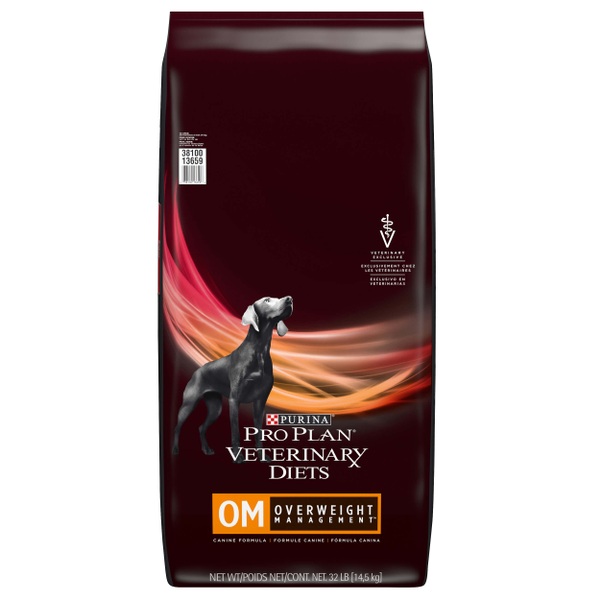
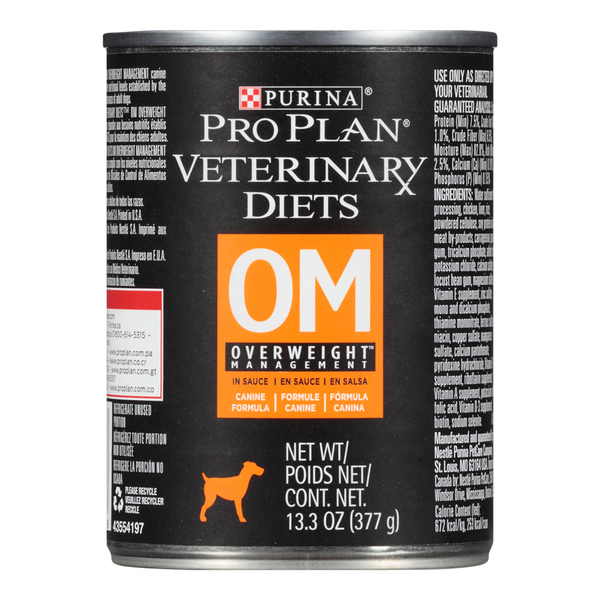
This specialized formula is the product of a collaboration between Purina’s nutritionists, researchers, and veterinarians to tackle one of the biggest challenges in weight management: how to promote healthy weight loss that stays off. The result is a low-fat, reduced-calorie veterinary diet that’s rich in protein to help dogs lose weight while maintaining lean muscle mass. Plus, the formula is enhanced with isofavones, which Purina’s research has shown to help reduce weight gain by 50 percent, compared to dogs fed a control diet.
Highlights
- Rich in protein and fiber, low in fat and calories
- Contains soy isoflavones, natural antioxidants that can help manage weight and reduce the risk of regaining lost pounds
- Available in both dry and canned options
- Comes in a variety of highly palatable options, including a Select Blend formula featuring kibble in tantalizing shapes and textures
- Also available in Purina Pro Plan Veterinary Diets OM Metabolic Response Plus Joint Mobility to support weight loss and joint health
- Can be fed long-term
Things to Consider
- Prescription required
- Suitable for adult dogs only
- Contains multiple sources of protein which may not be suitable for dogs with food allergies
- Pricier than standard, non-prescription diet
Royal Canin Hydrolyzed Protein Moderate Calorie Dog Food
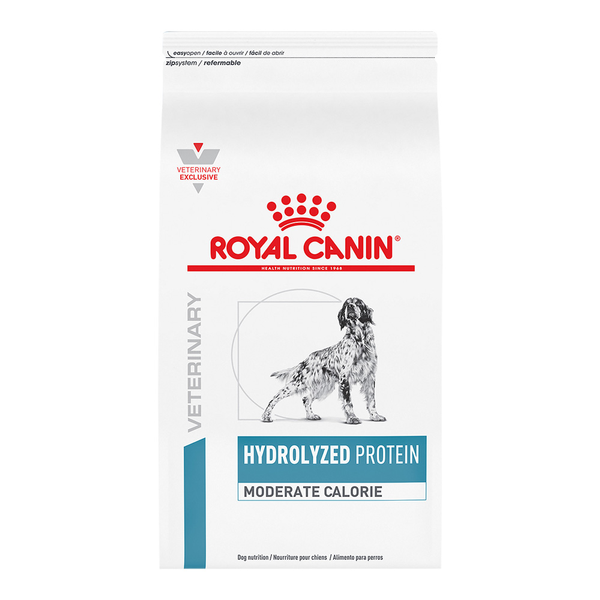
When it comes to specialized diets for dogs, there are almost as many targeting food sensitivities as there are promoting weight management. However, it’s rare to find a formula that addresses both issues. That’s why this veterinary-exclusive formula from Royal Canin stands out from the pack. It’s made with hydrolyzed soy protein, which is broken down on a molecular level to reduce the risk of an immune response in dogs with food sensitivities. Plus, it contains fewer calories than other diets developed for food-sensitive dogs. So it’s a great choice for dogs with food sensitivities that have a tendency to be overweight.
Highlights:
- Contains hydrolyzed protein, prebiotics, and fiber for easy digestion and absorption of nutrients
- Moderate calorie level helps low-activity dogs maintain a healthy weight
- Helps reduce GI and skin reactions in dogs sensitive to proteins commonly found in pet foods
- Rich in amino acids, B vitamins, and Omega-3 fatty acids
- Highly palatable
Things to Consider:
- Prescription required
- Only available in kibble format
- Formulated for adult dogs only
- Pricier than standard, non-prescription diet
Hill’s Prescription Diet r/d Dog Food
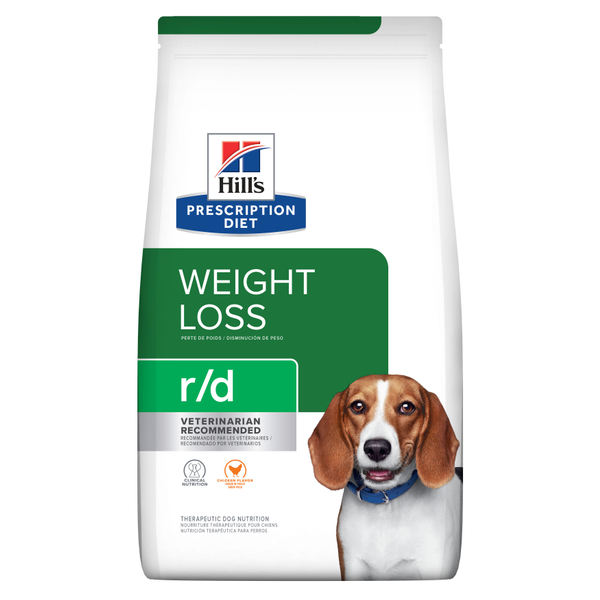
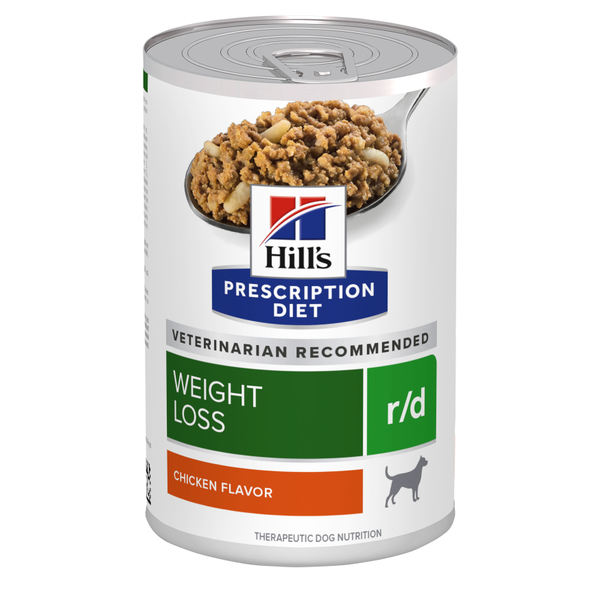
The Hill’s Prescription dog food line offers a wide range of effective weight management formulas, and this is one veterinarians often recommend for obese dogs with concurrent health issues. That’s because Hill’s Prescription Diet r/d is clinically proven to promote healthy weight loss within just 8 weeks. And for dogs suffering from severe health conditions stemming from excess weight, such as diabetes or hyperlipidemia, the sooner you can help your dog get down to a healthy weight, the better.
Highlights:
- Developed for obese dogs, including those with obesity-related conditions, such as diabetes mellitus, hyperlipidemia (elevated cholesterol), and colitis
- Contains therapeutic levels of L-carnitine designed to help burn fat while increasing lean muscle mass
- Optimal blend of soluble and insoluble fiber to promote satiety
- Dry and canned options are available
Things to Consider:
- Prescription required
- Should only be fed to adult dogs
- Intended for use of 6 months or less, not for long-term feeding
- Pricier than standard, non-prescription options
Royal Canin Satiety Support Weight Management Dog Food
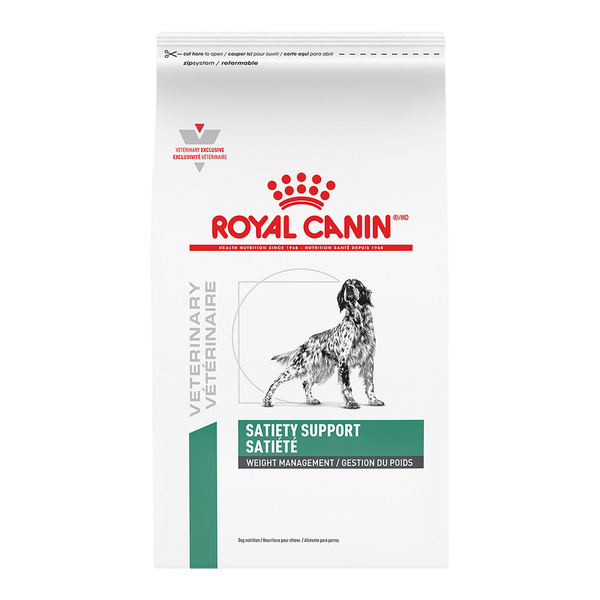
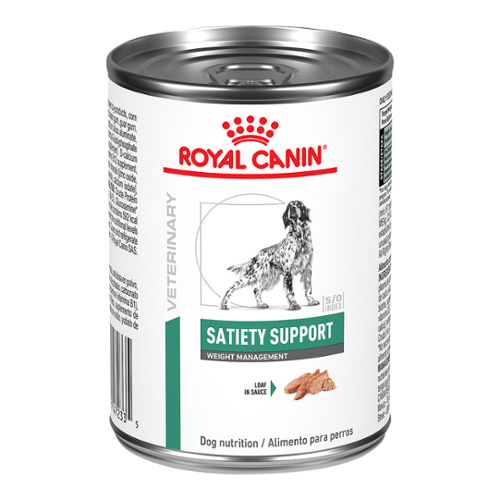
Highlights:
- 97 percent of dogs lost weight in three months while eating this food
- Helps reduce begging behavior
- Blend of fibers helps dogs feel full and satisfied
- High protein helps maintain lean muscle mass during weight loss
- Available in both wet and dry dog food formats
- Can be fed long-term
Things to Consider:
- Prescription required
- Suitable for adult dogs only
- More expensive than over-the-counter brands, as well as many prescription brands
Best Non-Prescription Weight Management Dog Foods
Hill’s Science Diet Perfect Weight Dog Food
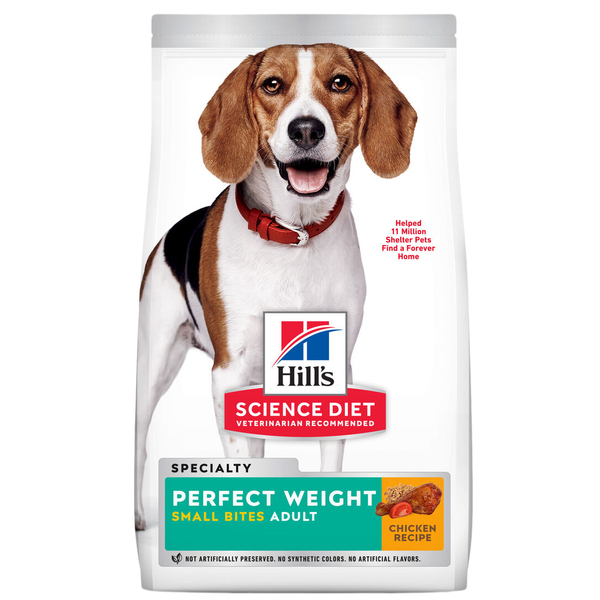
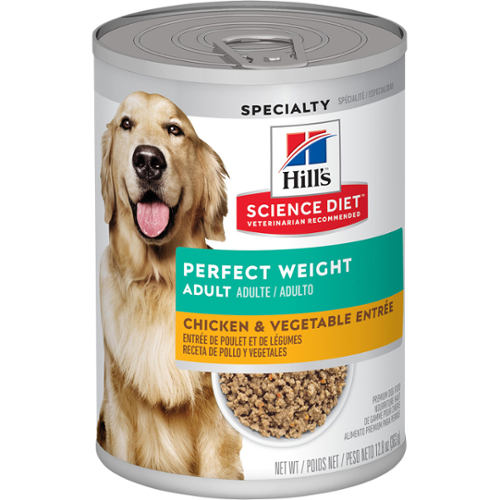
Hill’s Science Diet Perfect Weight is an effective, convenient over-the-counter weight management option that’s perfect for pets with reduced calorie requirements, including dogs that are less active, neutered, or otherwise prone to weight gain. The formula contains a special fiber blend that promotes a healthy metabolism, plus natural, protein-rich ingredients to support lean muscles. Best of all, the Perfect Weight formula is clinically proven to help dogs of all shapes and sizes achieve a healthy weight. Over 70 percent of adult dogs lost weight within 10 weeks when fed Hill’s Science Diet Perfect Weight dog food. There are Perfect Weight formulas tailored to meet the needs of large reeds, small breeds, and even dogs with special health needs, such as joint support.
Highlights:
- Does not require a prescription
- Formulated for safe and effective weight loss and long-lasting weight support
- Over 70 percent of adult dogs fed Perfect Weight formula lost weight within 10 weeks
- High-fiber, high-protein formula made with natural, nutritious ingredients
- No artificial colors, flavors, or preservatives
- Also available in formulas tailored for large and small breeds, as well as dogs with joint issues
- Made in the USA with global ingredients
- Can be fed long-term
- Budget-friendly
Things to Consider:
- Formulated for adult dogs only
- Not recommended for adult dogs not prone to gaining weight
- Feeding amounts vary depending on your dog’s ideal weight and weight loss or weight maintenance goals
Purina Pro Plan Weight Management Dog Food
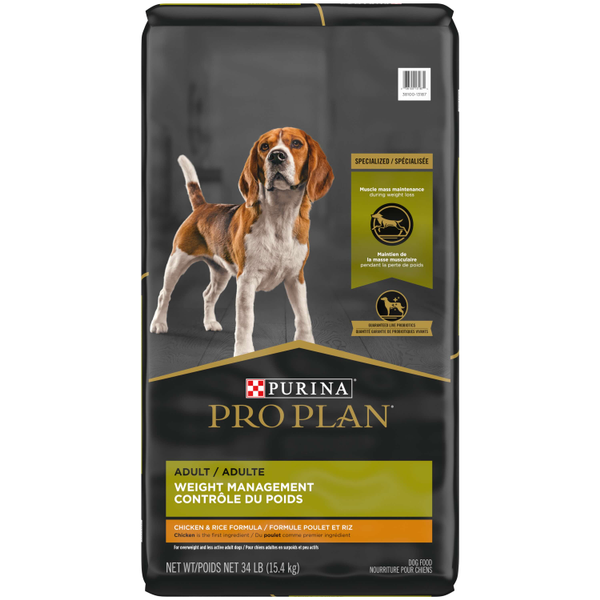
This diet is a top-recommended over-the-counter option intended for overweight dogs or dogs who aren’t very active. It contains 15 percent less fat than the standard Pro Plan dog food diet, and it has a protein-to-fat ratio that’s optimized to help your dog lose weight and maintain lean body mass. The food contains a mixture of crunchy kibble and softer “shredded” pieces, so it’s sure to tempt even the pickiest palates. and it’s fortified with live probiotics to support your dog’s digestive and immune health.
Highlights:
- Does not require a prescription
- Formulated for overweight and less active adult dogs.
- 15 percent less fat than other Purina Pro diets
- Small- and large-breed formulas available
- High-protein formula with real chicken as the first ingredient
- Optimal protein-to-fat ratio to maintain muscle mass during weight loss
- Contains live probiotics for digestive and immune health
- Can be fed long-term
Things to Consider:
- Only available in kibble format
- Only available in one flavor
- Suitable for adult dogs only
Switching to a Weight Management Food for Dogs
Once you’ve selected a weight-management dog food with the help of your veterinarian, it’s time to make the switch. Be sure to transition your pet to the new diet gradually, over the course of a week. Suddenly switching the diet can lead to vomiting and diarrhea, which may make your dog resistant to eating the new food again in the future.
Veterinarians often recommend following this schedule:
Days 1-2: 75% old food and 25% new food
Days 3-4: 50% old food and 50% new food
Days 5-6: 25% old food and 75% new food
Day 7: 100% new food
Also, remember that treats and table scraps can be a major source of calories. Generally, pets who need to lose weight should forgo table scraps, which are typically high in calories and fat. However, you can still indulge them with healthy treats from your table, such as carrot sticks. Or you can opt for healthy, low-calorie dog treats, like Lean Treats from Nutrisentials. These veterinarian-recommended chicken bites contain only 7 calories per treat.
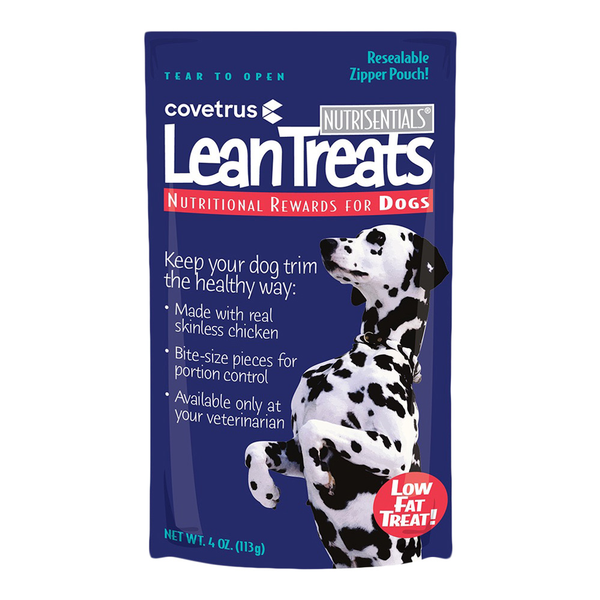
Just be sure to factor any calories from treats into your daily total. You may even want to ask your veterinarian to recommend a specific caloric allotment that your pet can get from treats each day. Generally, this is no more than 10 percent of their daily total. However, depending on your dog’s specific weight management plan, your vet may recommend avoiding treats entirely, if possible.
As long as your dog enjoys the weight management diet you choose and it’s approved for maintenance feeding, many dogs will remain on the weight management food even after they’ve lost the weight to prevent gaining back lost pounds.
Some weight management foods, such as Hill’s r/d, are only meant for intermittent feeding and should not be fed long-term.
Questions to Ask Your Vet About Weight Management Dog Foods
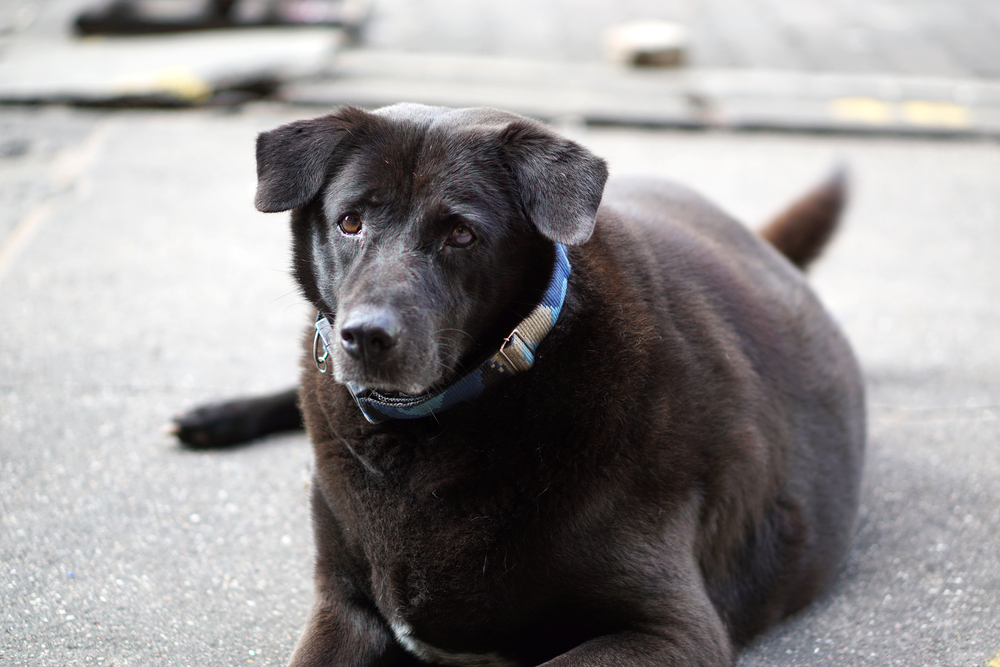
To make the most of any appointment with your veterinarian, be sure to prepare your questions about weight management before you go. Here are some questions to consider:
- What options do I have for weight management foods?
- How often should I feed my dog?
- How many treats can I give my dog per day?
- Could you provide examples of healthy treats?
- When do you want to see my dog again to recheck their weight?
- Are you concerned about any potential underlying health conditions? If so, what needs to be done to rule those out?
- Is this diet safe for my dog if they have other health conditions?
References
- “2022 U.S. Pet Obesity Prevalence Survey.” Association for Pet Obesity Prevention, Retrieved from https://www.petobesityprevention.org/2022
- Salt, Carina, et al. “Association between life span and body condition in neutered client‐owned dogs.” Journal of Veterinary Internal Medicine, vol. 33, no. 1, 11 Dec. 2018, pp. 89–99, https://doi.org/10.1111/jvim.15367