

Category: Training
Great Pet Care - Pet health information — simplified.
4 Different Dog Walks to Keep Exercise Interesting
- 2023-11-01T13:44:55
- Victoria Schade, CPDT-KA
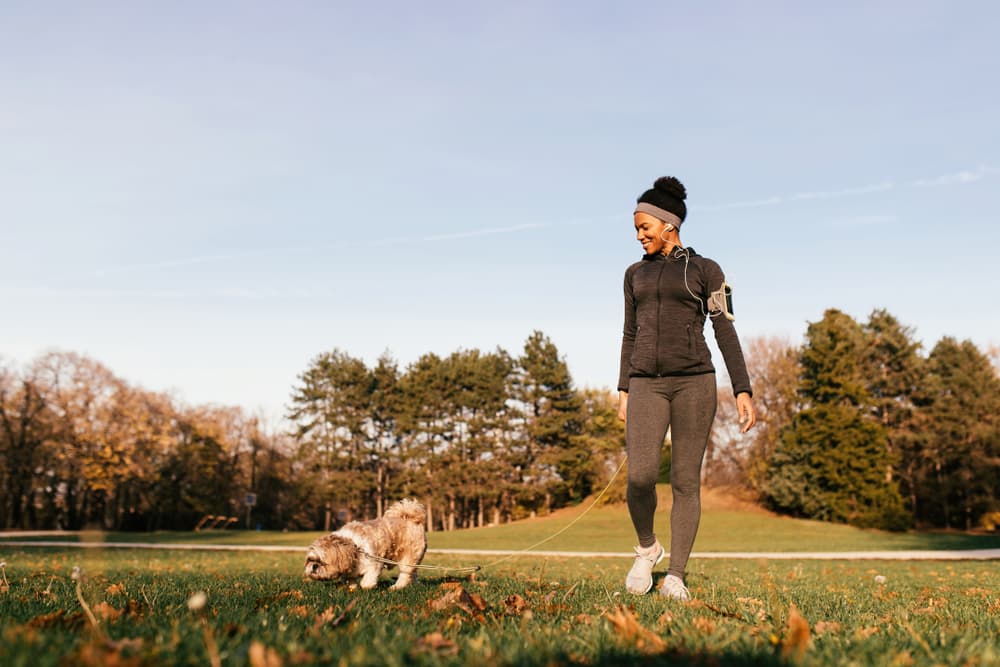
Think about the last walk you and your dog shared. Does anything stand out? Probably not, as dog walks are just a regular, everyday part of pet parenthood. They’re usually something to hurry through and check off the to-do list.
But that’s just your take on it.
Your dog likely experiences an entire world that you’re oblivious to, from the scents along the ground to the sounds of wildlife too faint for you to perceive. And that’s the disconnect in this daily activity; we endure walks. Our dogs revel in them. Walks are a chance for your dog to connect with a primal part within them, to tap into senses they aren’t called upon to use often enough in our busy daily lives together. There’s more to walks than just getting a little bit of exercise and emptying the chambers. With some attention, you can turn this chore into a lively and enriching experience for both ends of the leash.
The Importance of Dog Walks
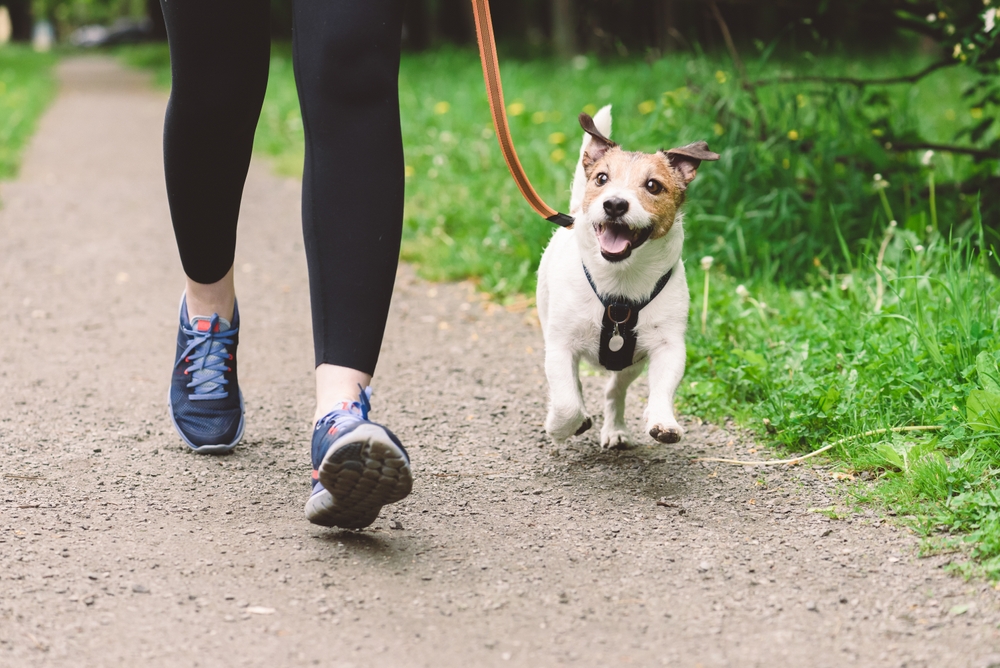
When it comes to dog walks, job number one is, well, number one and number two. Pet parents without yards have no choice but to leash up for a potty walk, but going for a walk is necessary for more than just elimination. Walks help our dogs keep their socialization muscle strong by exposing them to new sights, sounds, and people, plus if they’re done correctly, they help to maintain leash manners. That said, dogs shouldn’t be required to maintain heel position right next to you as you stroll. Dog-friendly leash manners mean that your dog has the freedom to move about, explore, and mark but not drag you down the street!
Daily dog walks help put a dent in our dogs’ exercise needs, but it’s important to recognize that a basic walk doesn’t meet all of their physical requirements. In order to keep your dog healthy and happy, make sure to include some play and games that tax your dog mentally as well.
Why Do Dogs Like Walks?
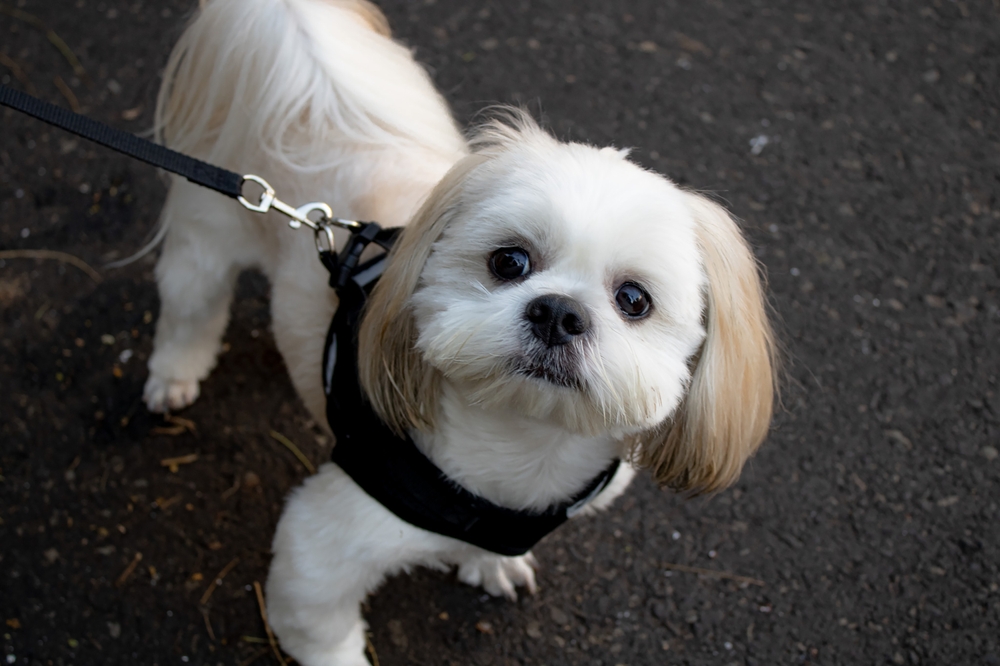
Our pooches enjoy getting outside for the same reasons we do; a chance to connect with nature, blow off steam, get some exercise, and catch up on the neighborhood goings-on. But there’s an important facet of walks that’s easily overlooked; walking together gives your dog a chance to get your undivided attention. (It should go without saying that your phone should remain in your pocket during walks.) Life gets busy, but when you’re out walking together your pup knows that it’s all about one-on-one attention, at least for a little while.
Four Fun Dog Walks to Try
You don’t have to pack up the RV and head to the country to give your dog a unique and enriching walk. The following suggestions are easy to incorporate into your everyday life, and even though they’re simple, they’re super fun!
Sniff Walk
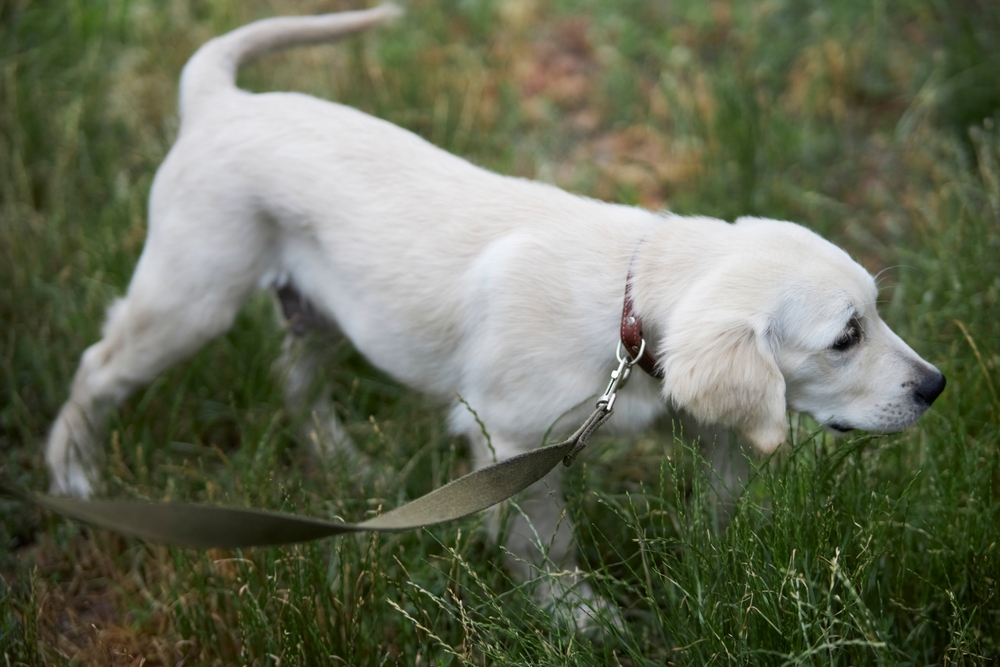
Walks are usually a means to get our pups from point A to point B as quickly and efficiently as possible, but doing so prevents our dogs from engaging in an important enrichment behavior; scenting the world around them. Encouraging your dog to stop and smell the roses (or more likely, read the ‘pee mail’) allows them to fully connect to their environment. Dogs gain a wealth of knowledge from scenting, but it can only happen if we allow them enough time to take in the aromas.
So how do you go for a sniff walk? A sniffari is one of the easiest “fun walks” to incorporate into your daily routine because all you have to do is slow down and wait while your dog breathes in the world.
Instead of hurrying your dog along when he inhales a mailbox pole, give him all the time he needs to get a sense of the scent. Keep in mind that a sniff walk isn’t about covering a ton of ground with your pup. In fact, you might not travel very far from your launch point when you make your dog’s nose the priority during a walk. But rest assured, tapping into your dog’s scenting abilities is still an important form of exercise. And a scent walk doesn’t require a major time investment! If you’re tight on time but still need to put a dent in your dog’s daily exercise, dedicate your walk to scenting and you’ll likely end up with a mentally exhausted pup!
Choose Your Own Adventure
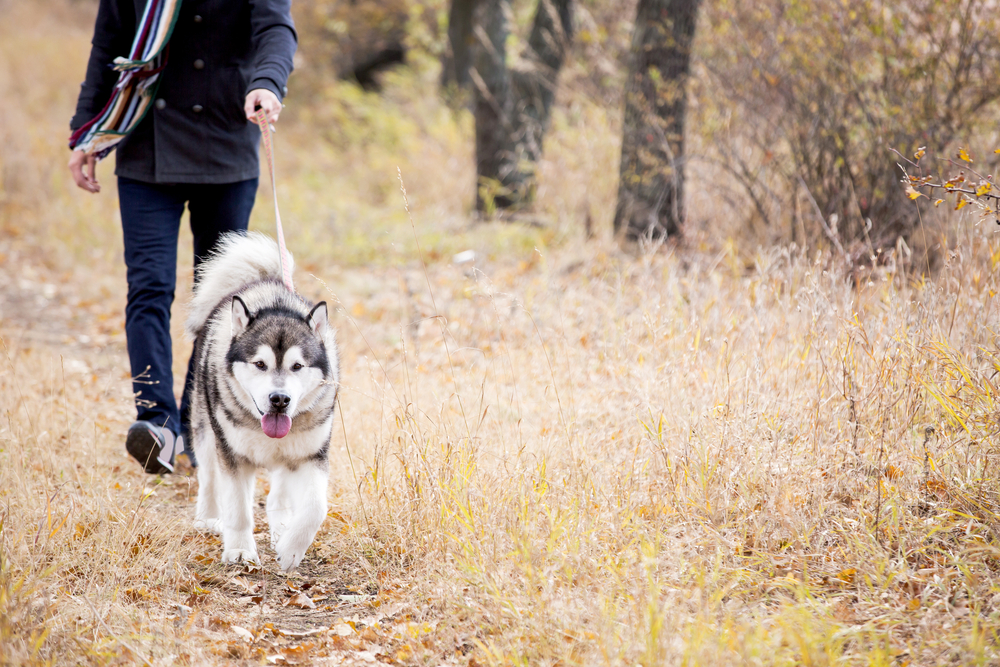
Who’s the captain of dog walks? Nine times out of ten it’s the human end of the leash, but this type of fun walk lets your dog chart the course for adventure for a change, which means that your daily “here to there then home” walk might morph into a meandering stroll that takes you down the road less traveled. A “choose your own adventure” walk encourages dogs to follow their senses wherever they may lead.
Rather than walking the usual route you do every day, allow your dog to take the lead and follow along as he decides where to go. Instead of charging ahead at a crossroads, pause and let your dog pick which way you’re heading. We tend to get wrapped up in our daily routines and forget how much more enriching a walk can be for our dogs when they get to cover new ground.
This type of walk requires flexibility and a little extra time since your canine navigator will likely take a roundabout route. The enrichment it provides is well worth it.
Buddy Walk
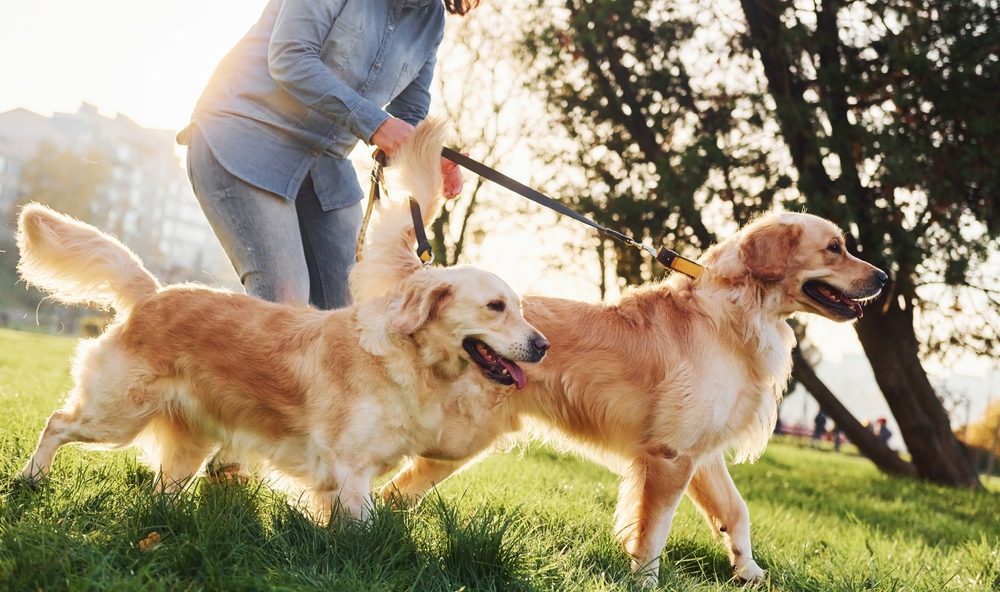
What’s more fun than hitting the road? How about doing it with a furry friend and their person! A buddy walk is yet another way to turn an everyday stroll into something special by inviting a well-matched dog and their guardian to go with you.
Unlike yard play dates, buddy walks aren’t about chasing and wrestling. Instead, the furry besties can enjoy the fun of covering territory shoulder-to-shoulder (or nose-to-tail!). There’s something inherently bonding about zeroing in on a new scent together or barking a warning at a bold squirrel as a team.
The best co-pilots for a buddy walk are dogs that are already friends and are able to focus more on the walk than ruff-housing with each other. Buddy walks might require a little extra space, particularly if the dogs like to walk next to each other, so a busy sidewalk probably isn’t the best choice. Find a space where they can enjoy the discovery together without crowding.
Off Leash
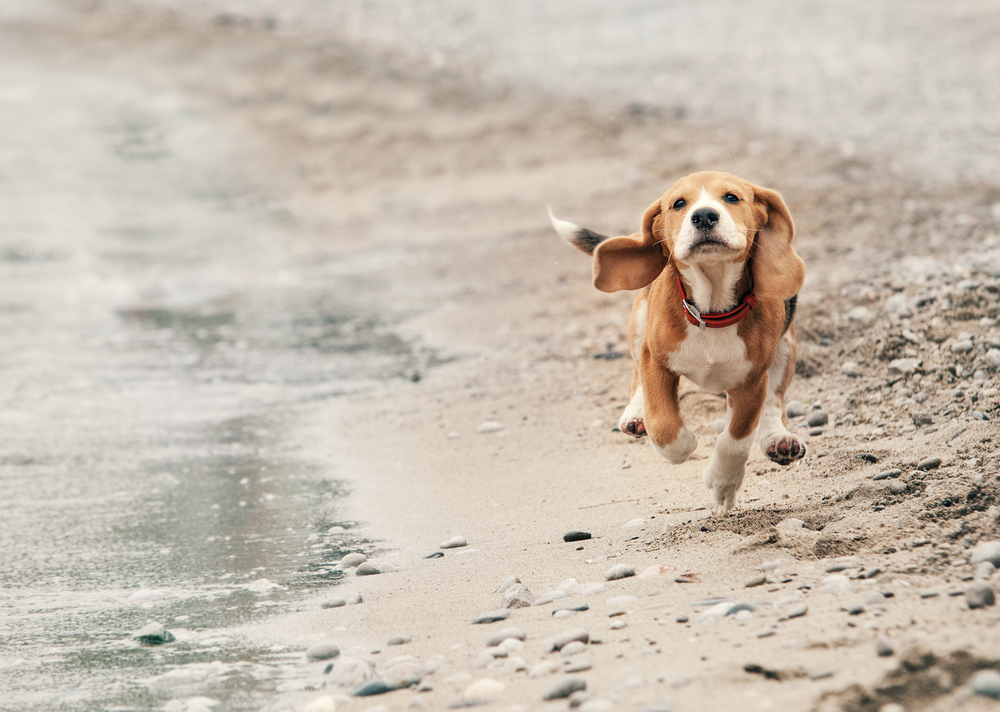
There’s nothing quite like the freedom of an off-leash walk because it allows dogs to be fully “doggy” outside the confines of their usual tether to you. That said, off-leash walks should only happen in spaces that are safe for dogs (like a fenced field) and where it’s allowed by law.
True off-leash freedom is earned through team training, where you and your dog work through basic manners until you’re confident that he’ll come whenever you call. Nothing will ruin a fun off-leash session quicker than having to chase your dog down at the end of it! However, not all dogs are right for this option, so it’s important to be honest with yourself about your dog’s behavior. Aggressive dogs and dogs with strong tracking or prey drives aren’t a good fit for being off-leash in communal areas.
If your dog is right for this type of walk, once the leash comes off he is empowered to explore at his own pace, which means all of the sniffing, rolling, and racing he can handle. This type of autonomy doesn’t happen enough in our dogs’ lives since we essentially control their access to everything. Allowing your dog to decide what he wants to do when off-leash is a wonderful type of enrichment. Plus, it provides your dog with mental and physical exertion.
If there are no safe off-leash areas close by, you can mimic off-leash freedom by investing in a fixed-length long line that gives your pup more freedom. A thin, strong all-weather leash will allow your dog more space to engage in all of the activities he loves!
Tips to Make Fun Walks Successful
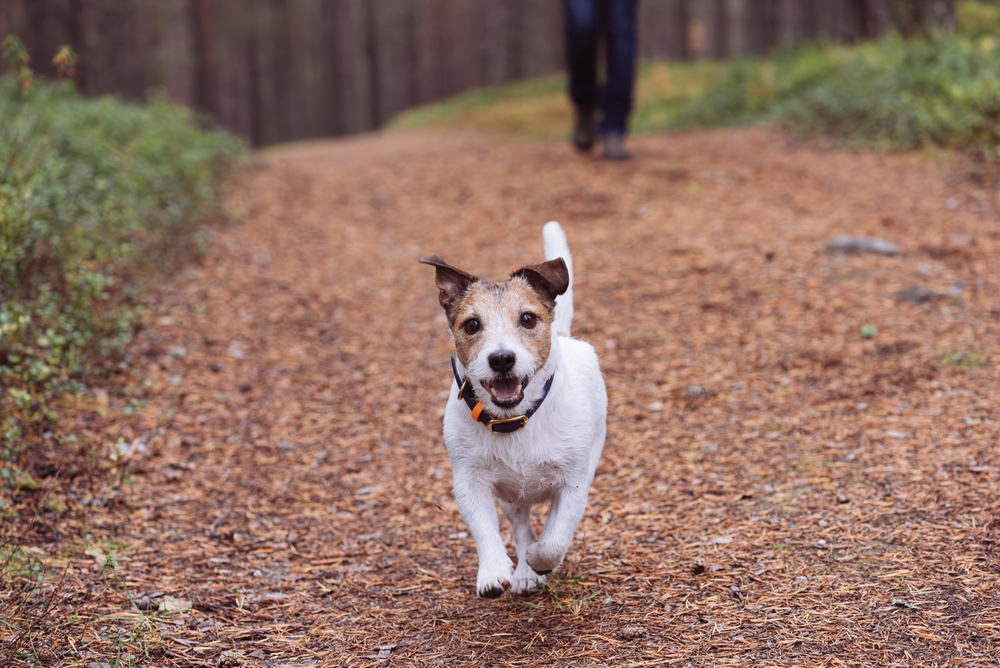
Going for a fun walk with your pup is simple but there are a few points to remember before heading out:
- Equipment: Keep your dog safe by using a fixed-length leash. Extendible leashes might give the illusion of more freedom but they can cause injuries, and can even break with enough pressure.
- Hydration: Don’t forget to pack a bowl and water if you’re taking a longer than normal walk or if the weather is warm. Make sure your dog has had a chance to get used to your water dispenser before trying it out on the trail.
- Treats: It’s always a good idea to pack a pocket full of goodies, so you can reward your dog for good behavior.
- Manners: Fun walks are all about having a good time, but not at the expense of being a good partner. That means not requiring your dog to walk directly next to you, and letting your dog know that pulling isn’t an effective strategy.
4 Fun Training Exercises to Do with Senior Dogs
- 2023-08-18T13:47:46
- lucyremitz
Much like humans, our dogs go through many changes as they settle into senior-hood. With their age-related aches and pains and diminished hearing and vision, it’s easy to assume that senior dogs are happier chilling on the couch. But while the body might not have the pep of a pup, the lively canine spirit lives on!
Most senior dogs probably aren’t up for an epic hike, but they love the chance to go back to school for some continuing education. It doesn’t matter if you’re brushing up on the basics or focusing on new skills. As long as you take your time and use dog-friendly training techniques you’ll have a surprisingly eager student.
Read on to discover some fun training exercises to do with senior dogs.
Can You Teach an Old Dog New Tricks?
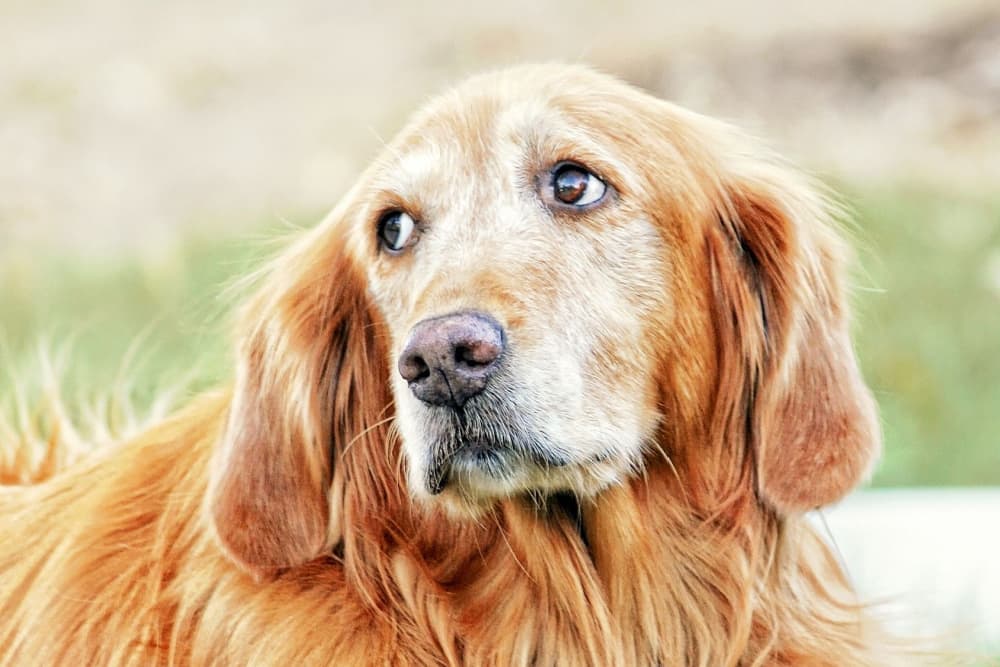
Short answer? Heck yes! Our dogs never lose their love of learning, but there are some special considerations when it comes to training older dogs. When tackling new training, pet parents should understand that dog training exercises for older pups might need to be modified to address any potential physical changes. That means paying attention to every aspect of the training process, including:
Training environment: Physical limitations might make it tougher for senior dogs to perform certain activities, like getting up and down quickly, so make sure the flooring is comfortable and grip-able. Consider the temperature and lighting in the area as well.
Past training: If you’re working with a new-to-you dog rescued through a senior dog adoption there’s a good chance that your pup has had training in the past. It might take some sleuthing to figure out what they do and don’t know!
Timing: Puppies are raring to go 24/7, but senior dog energy has an ebb and flow. Time your training sessions so that your older dog has the right amount of focus and spirit for the work.
Diet: Older dogs can pack on the pounds easily, so make sure to use small, healthy treats.
Physical limitations: Achy joints might mean that a long sit-stay is uncomfortable. Watch your dog to ensure you’re not asking for behaviors that can be painful.
4 Fun Training Exercises for Senior Dogs
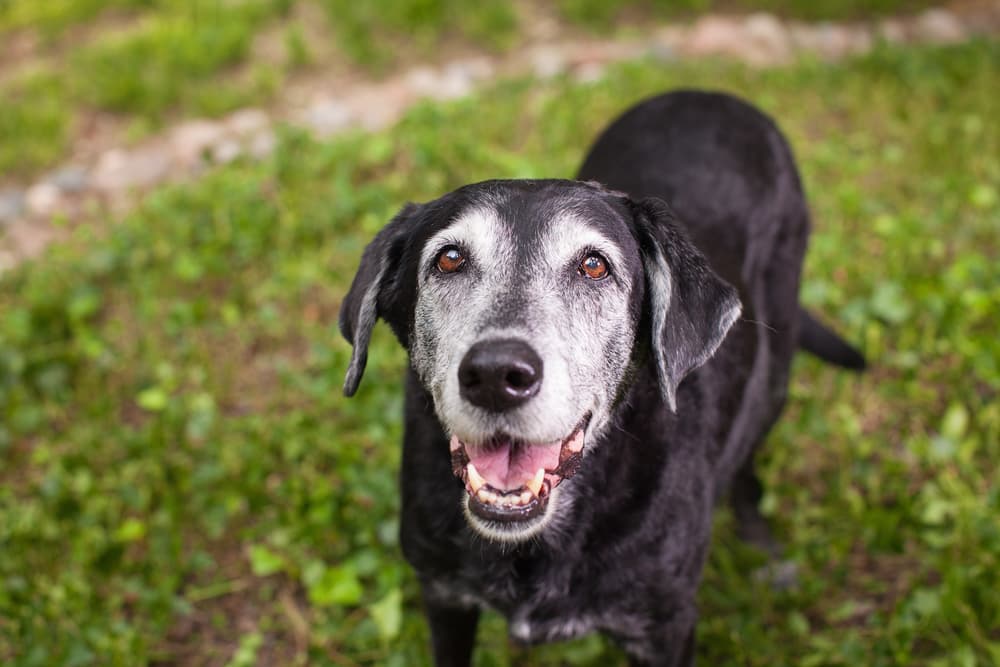
When it comes to senior dog training, fun is the name of the game! The following dog training tips will help you make the most of your golden years together.
Arm Cross Sit
Most dogs can’t resist jumping up to greet people, and senior dogs in particular probably have a long history of being accidentally rewarded for jumping on guests. This training trick is an easy way to turn pushy greetings into polite welcomes.
The first step is getting your senior dog to “guess” the behavior that earns a treat, and most dogs usually default to the desired behavior: a basic sit.
To begin, take your pup to a quiet room, come to a stop, and cross your arms over your chest without saying anything. The goal is for your dog to recognize the body language cue instead of the verbal one. Your dog will likely plop into a sit position right away (especially if they know you have goodies in your pocket!), so mark the behavior with a “yes!” or “good!” and hand over the treat.
Repeat the process, walking a few steps, and then pausing to cross your arms and wait for that sit again. It usually only takes a few repetitions for most dogs to connect the crossed arms position with the resulting reward for sitting, at which point you can move training to other parts of the house.
Practice it near entry points in your home with a variety of people and in no time, your formerly jumpy pup will be the perfect canine ambassadog!
Targeting
This behavior is a simple foundation skill that taps into a dog’s natural inclination to explore with the nose. It’s great for seniors because it’s low impact and easy to teach.
All you have to do to begin the process is present your open hand to your dog at their level and then acknowledge them with a verbal marker like a “yes!” or “good!” when they move toward it. Praise your clever dog and give a treat from the other hand.
Continue the process until your dog actually touches nose to palm when you present your hand, and then begin associating a word with the behavior, like “touch” or “target,” by saying the word as your dog performs the behavior.
Continue working on the behavior in a variety of new environments so your dog begins to generalize it, meaning, they can perform it quickly no matter where they are.
Don’t forget to vary your positioning, like switching hands, offering a fist instead of a palm, or doing it while seated. This will make it fluent, so that your dog can perform it everywhere you go!
Stay
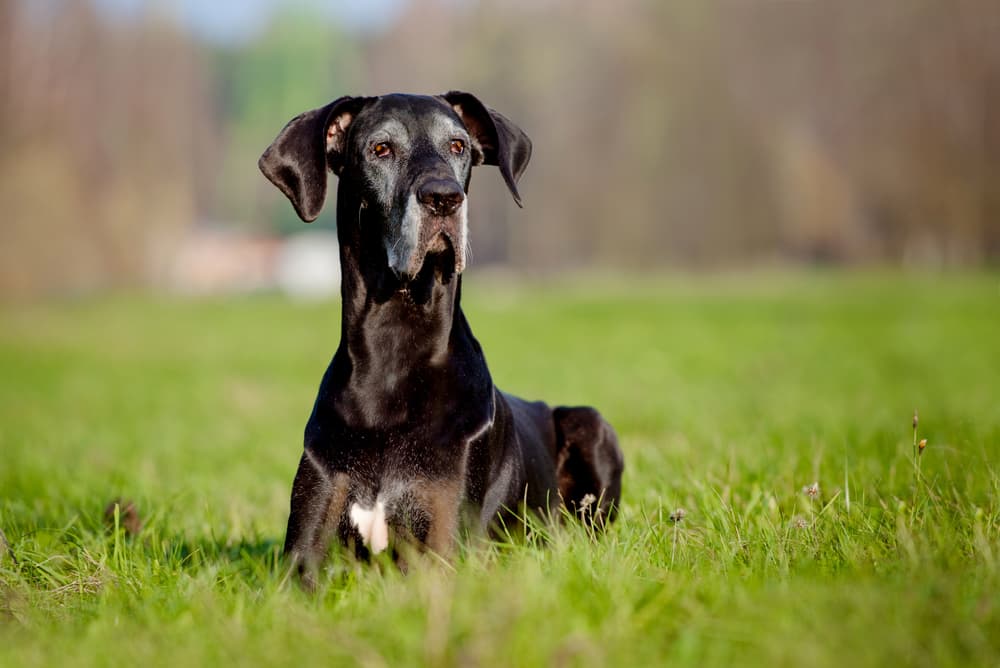
If there’s one training cue where most dogs backslide over time, it’s probably “stay.” (With “come” in a close second place!) The good news is a quick brush-up is all it takes to reinforce the basics of this important skill.
The first step is helping your dog understand that you’ll be moving away but they should remain in place. Ask your dog to do a “down” since it’s a more anchored and comfortable position, say “stay,” and then take a single step to the left or right of your dog. (Stepping backward usually encourages dogs to break the stay to follow you.) Immediately step back to your dog and give a treat for remaining in place.
Keep it easy for your dog to win by remaining close during the early stages of training. Once your dog seems comfortable with remaining in place, try stepping away in different directions, and gradually add more distance between you and your dog.
Work up to having your dog hold a stay while adding in everyday distractions, like loading the dishwasher or briefly leaving the room.
Leash Walking
You might be wondering how to leash train an older dog, especially if you’ve just welcomed a new-to-you rescue. Leash walking might be a challenging activity because your senior dog never learned how to walk politely on-leash and has spent a lifetime pulling, or because your dog is transitioning to a different environment than they’re used to and it’s overwhelming. Learning to stroll instead of sled-dog is an important skill for every dog no matter what age.
The basic premise of leash training is simple: pulling makes the walk stop, and keeping a loose leash means moving forward and getting paid with goodies. When you head out for a walk, load up your pockets with small, soft treats, then reward your dog for staying close to you (perfect heel position is not required).
The early stages can be a little messy since the only requirement is that your dog doesn’t pull, which means there might be some leash juggling and tripping! If your dog alerts to something and starts pulling toward it, simply stop walking.
Most dogs will look back at their person after a few seconds of not moving, at which time you can praise them, offer a treat close to your side so your dog comes back into position, and then continue walking. Leash training takes time, but persistence and patience work!
Senior Dog Training: Tips for Success
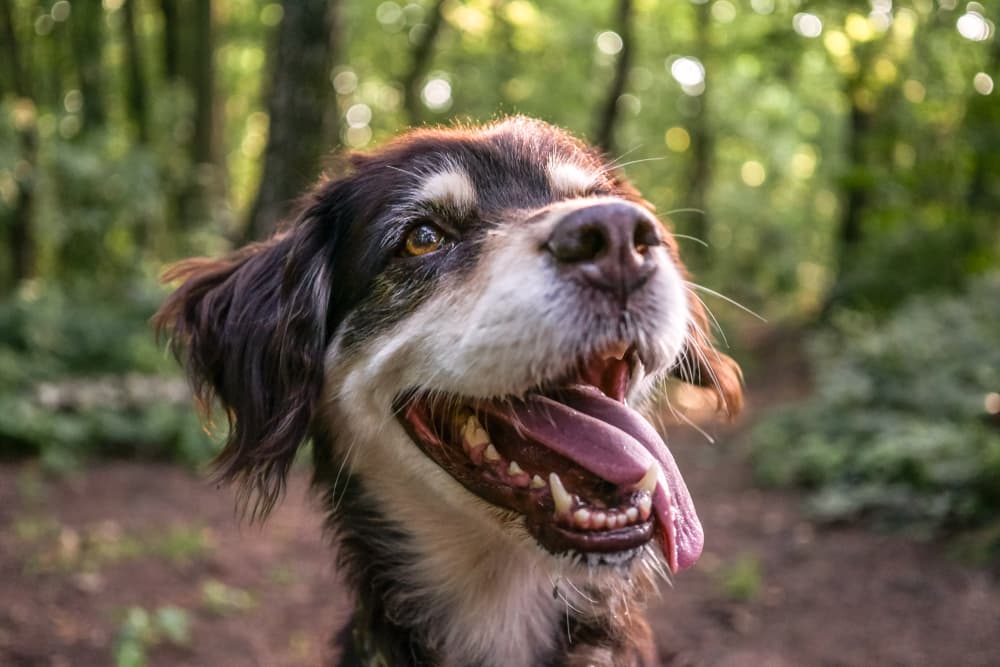
As with all dogs, the best approach to training senior dogs is using positive reinforcement training, whether doing it on your own at home or in a group setting. The primary consideration with senior dog training is recognizing and working with any physical limitations. For example, dogs with achy joints might need to rest on a throw rug when working on down-stays, or pups dealing with diminished vision might need a brighter training space. Additionally, older dogs tend to pack on pounds easily due to a sedentary lifestyle, so make sure to keep rewards small.
How Long Does it Take to Train an Older Dog?
Based on the old adage, you might think that training an elderly dog is going to be tough, but the reality is that senior dogs have just as much drive, determination, and smarts as the whippersnappers!
The exact amount of time required to train an older dog depends on factors like the skill of the human end of the leash and the type of behavior that’s being taught, but pet parents with seniors can rest assured that it’s no more difficult than training a newbie. Sure, you might have a few less-than-perfect habits to address, but with a little patience and a commitment to having fun, your senior will be wowing fans in no time!
8 Dog Training Mistakes to Avoid Making
- 2023-05-16T18:37:09
- John Gilpatrick
Whether you’re becoming a dog parent for the first time or you’re an experienced pet parent who’s bringing home the eighth or ninth dog in his or her life, there’s one part of the “getting to know you” phase that can be as unpredictable as it is important.
Training.
It’s something people are still trying to figure out, but first, it’s critical to understand why proper training is necessary.
The Importance of Dog Training
Training is as integral to a dog’s life as food, water, and exercise, says Jenn Prill, a certified professional dog trainer, certified canine behavior consultant, and owner of SideKick Dog Training in Milwaukee.
“The world is difficult enough to navigate as a human – let alone as a dog who cannot speak our language, has different ideas of what is socially acceptable, and doesn’t have opposable thumbs,” she says. “Training allows us to teach our dogs the ‘rules’ of living in the human world, urban environments, and a home.”
Jennifer Pratt is another Milwaukee-based certified trainer and behavior consultant and the founder of Wag the Dog and Company. She adds that training is how your dog learns to take in the world and how you learn what they think of it and how you can support them.
“We don’t get dogs because they’re so much work. We want to enjoy their companionship and doing things with them,” Pratt says. “Dog training allows for that because it opens up communication and helps us establish relationships with our dogs.”
But for all our best intentions, when it comes to training our dogs, it’s easy to make a mistake. Unfortunately, making those can mean critical setbacks when it comes to a dog’s development and, in turn, the development of your relationship with your dog.
8 Dog Training Mistakes to Avoid
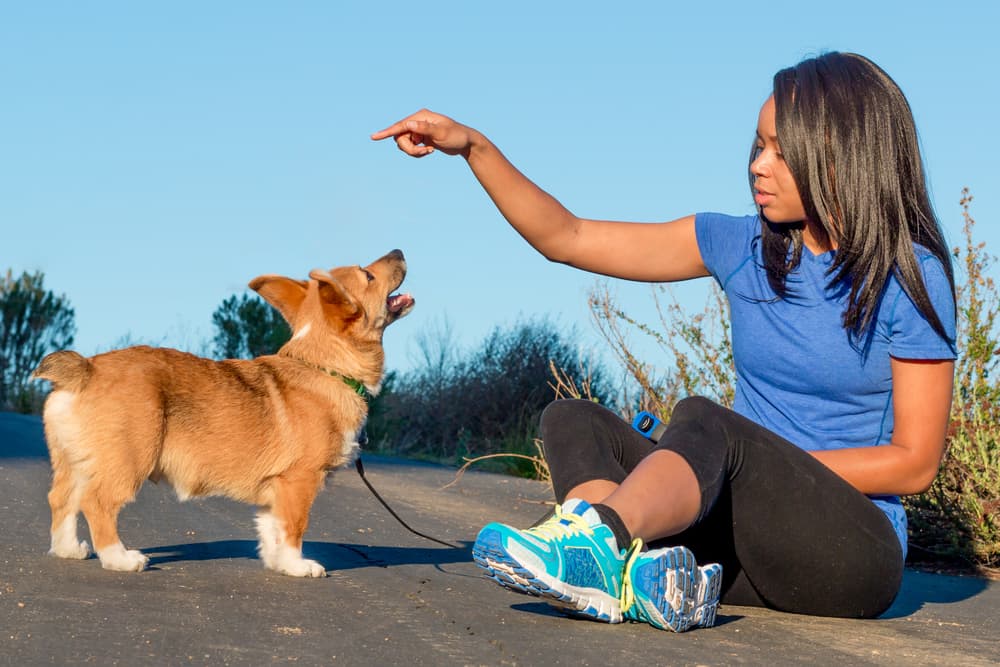
Here are some of the most common dog training mishaps that pet parents make.
Mistake #1: Delaying Socialization
If you think training for your new puppy can wait until behaviors worthy of correction start arising, you’re thinking about training all wrong.
“Puppies learn the most about the outside world between 6 and 16 weeks of age,” says Dr. Amanda E. Florsheim, founder and owner of Veterinary Behavior Solutions and The Training Studio outside of Dallas. That means it’s the absolute best time for acclimating your dog to a wide variety of places and experiences, including riding in the car, going on walks, different textures and surfaces, meeting new people or other species like cats, she says.
Thinking about socialization as a gateway to what most people traditionally think of as training is the best way to approach things with a puppy. Prill says teaching behaviors like how to sit, lay down, or drop should not be the focus of training around this age.
“Instead, focus on socialization, house training, crate training, chewing, puppy mouthing/play biting, etc.,” she says. “There are so many more skills that are important for a puppy to be learning during such a critical time period and for the family to be focusing on for their puppy to help him become a confident, happy, healthy member of the family.”
Mistake #2: Thinking Your Dog Is Too Old for Training
On the flip side, it turns out you can teach an old dog new tricks. In fact, it’s important for your dog’s physical and mental well-being that you do. Just don’t necessarily expect to see results as quickly from senior dogs in comparison to puppies and young adult dogs.
“Think of [training] like your dog’s daily Sudoku puzzle,” Dr. Florsheim says. “We want to keep those brains sharp and thinking well into their senior years. Some things may have to be modified to account for any physical limitation, but dogs of any age can participate in most types of training quite successfully.”
Mistake #3: Not Respecting a Dog’s Individuality
Debby McMullen is a certified dog behavior consultant and owner of Pawsitive Reactions LLC in Pittsburgh. She says one of the most common training mistakes she observes is simply a matter of expectations.
“Accepting that [dogs] are a different species than humans and have very different needs is very important,” she says. “Accepting that they have their own likes and dislikes, as well as the same emotions that humans have is important. Accepting that they are not robots nor accessories is important.”
This is especially common when the dog parent is experienced because he or she may naturally compare the new dog with previous pets.
Mistake #4: Ignoring Breed-Specific Behaviors
While individuality is real and important, it’s also critical to remember that dogs have been bred over thousands of years for some specific purposes, and some “unwanted behaviors” that parents may observe are simply the dog acting on instinct.
“When it comes to training, dogs all learn basically the same way, but some breeds are task-oriented – diggers, herders, protectors, or lap dogs,” Pratt says. “That stuff is in the dog’s DNA, so it’s important to provide that in their daily life to keep them fulfilled and happy.”
An inability to provide breed-specific outlets for your dog can lead to behaviors that are hard to correct.
Mistake #5: Using Outdated Methods
“Alpha,” “dominance,” “fear” – these are all instant red flags when it comes to training. Utilizing resources that recommend this style, or hiring a trainer or behavior consultant who leans on them, will hinder your dog’s development – or worse.
“Fear is the hardest thing to modify,” Pratt says. “Making sure you’re not instilling fear, and finding a professional to help in case that does happen, is so important.”
Instead, lean on methods and experts that are described as “fear free” or centered around “positive reinforcement.” These training methods and techniques focus on rewarding behaviors you want and redirecting others that you might not.
To distill it down to one question, Pratt suggests asking “What happens when my dog gets it wrong?” Does the reinforcement get removed? Or do they get a correction? The former will allow your dog to thrive. The latter will not.
Mistake #6: Getting Advice in the Wrong Places
In addition to some of the outdated, dominance-centric trainers and materials out there, Pratt says she has noticed a concerning trend related to the solicitation of advice from strangers online.
“People have a potential behavior that they want to work on with their dog, like jumping or growling when you approach the food bowl, and they go directly to social media to find help,” she says. “Other people feel OK giving advice because they may have had dogs in their lives for so long. Everyone has an opinion on how to raise them, but that doesn’t mean those opinions are informed or even helpful.”
Whether you simply need a question answered or you need an in-person consultation, professional help with a behavior-related issue should come from someone who promotes fear-free methods, as discussed previously. You should also seek out someone with qualifications such as:
- CPDT (Certified Professional Dog Trainer)
- CBCC (Certified Behavior Consultant Canine)
- IAABC (International Association of Animal Behavior Consultants)
Mistake #7: Hovering Over Your Dog
Part of training is knowing when to stay out of your dog’s way and giving him enough latitude from time to time to have the confidence to figure something out for himself. And Dr. Florsheim says there’s never a better time for that than during a walk, or what she calls a “sniffari.”
“While we want dogs to learn to walk with us and focus on us when we need them too, allow them to have some extra leash so they can sniff and explore,” she says.
Mistake #8: Pushing Your Dog Too Hard
Does your dog seem to lose interest in training after five minutes? There’s nothing wrong with him, Dr. Florsheim says. You just need to stop the session at four minutes.
It’s always best to leave them wanting more, she says. It’s similarly important to not try to fit a square peg into a round hole. Some dogs like to train in groups, while others have a hard time focusing in that setting. One dog might like to train using agility games, while another prefers to use his nose.
It’s all about setting them up for success, Dr. Florsheim adds. “Find out what your dog loves, and work with that.”
Dog Training Tips for Success
A truly proactive approach to dog training starts before your dog even comes home with you. Pratt recommends thinking ahead with the other human members of your family about your feelings regarding things like your dog being on the couch. That way, when your dog comes home with you, everyone is clear and consistent and on the same page.
“In some situations, the dog is going to get frustrated by not knowing what it can and can’t do,” she says.
Another early key to heading off potentially unwanted behavior is managing the environment. Prill describes this as simply observing what’s around you and taking small steps that prevent your dog from even having the opportunity to “act out.”
“It can be as simple as putting up a baby gate or buying a garbage can or laundry bin with a lid,” she says. “Immediately, there’s a decrease in the ‘bad’ behavior, and you’re able to make the ‘good’ choices more appealing for the dog.”
When to Consult a Training Professional
It’s always better to seek professional training help too early than too late.
“I typically tell folks to reach out for help before annoying behaviors become concerning habits,” Prill says. “Chewing occasionally on the table leg can lead to your dog pulling baseboards off the wall to chew on. And a dog woofing at the mail person each day can lead to a dog working themselves up for several minutes at anything that moves on the street outside the front window.”
Additionally, some “bad behaviors” could be the result of a medical problem your dog is dealing with. (For example, he won’t sit on command because it hurts.) It’s important to identify physical problems quickly, and being proactive about consulting a professional trainer could help in this respect.
5 Reasons You Should NEVER Punish Your Dog
- 2023-03-22T18:51:23
- Lavanya Sunkara
Dog training is an essential part of helping your pet become a well-behaved member of the family. In the past, training involved some cruel techniques. However, the dog training community today supports the use of positive reinforcement methods rather than punishment to get results and help pet parents bond with their canine companions.
Rubbing the dog’s face in a pee accident, or hitting him with an empty paper towel roll for unruly behavior, will do nothing but confuse or intimidate the animal. In some instances, we may not even realize we are punishing a dog with our actions.
There are easier and safer ways to get consistent, desired results. In this article, you will learn about why it’s never a good idea to punish your dog. You will also take away some helpful training tips from experts to help your pet learn right from wrong and become a happy, confident, and obedient dog.
Punishment Vs. Positive Reinforcement
When you punish your dog for unwanted behavior by either hitting, yelling, or yanking at the leash, it causes him to become stressed, fearful and, in some cases, more aggressive. In some dogs, this attention (even when negative) reinforces bad behavior.
Punishing a dog may work in the moment, but it is rarely effective in getting long-term results. It also causes mistrust that fractures your bond with your beloved pet.
In the past, it was believed that dogs learned through punishment. However, in the last ten years, great strides were made in our understanding of our canine companions and how they learn. “Through many studies and even more research, we learned that dogs learn best through positive reinforcement, habit building, and teaching alternative behaviors,” says Marissa Sunny, dog behaviorist at Best Friends Animal Society (BFAS).
BFAS is a leading animal welfare organization working towards putting an end to euthanizing cats and dogs in the country’s shelters by 2025. Unruly, unwanted behavior is among the main reasons why so many dogs end up in shelters. These numbers can be significantly reduced if pet parents give their dogs obedience training that promotes positive reinforcement.
“You can teach your dog to live in our human world in harmony with you and your family without harsh training methods,” says Linda Keehn, certified dog behavior consultant and certified professional dog trainer of Positive Canine Training, LLC, based in Cedarhurst, New York. “The dog will be happy to work for and with a humane leader that is clear in what is expected, fair in those expectations, and forgiving of mistakes.”
Positive reinforcement includes using high value rewards such as treats, verbal praise, or physical affection that builds the dog’s confidence and motivation. It makes the dog happier and more willing to continue the behavior that resulted in the outpouring of love.
5 Reasons To NEVER Punish a Dog
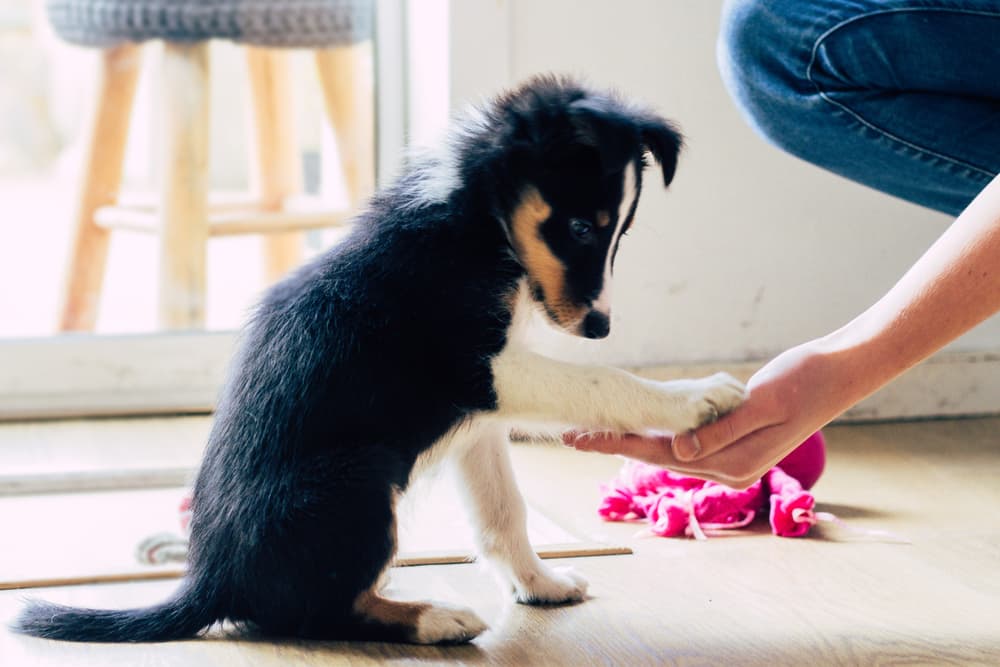
When we bring a dog home for the first time, we can’t expect them to know the rules of the house or read our minds. Sure, dogs are intuitive, smart, and can pick up on a lot of cues, but they also look to us for guidance.
When your puppy starts going through the bathroom trash or goes into your closet to chew on slippers, punishing him physically or verbally will just cause confusion and harm. Worse, it will make him afraid and could cause him to no longer trust you.
Similarly, when your adult dog starts pulling on the leash, pulling back won’t make him learn the right way to walk.
In this section, we will go over reasons why you should never punish your dog. You will also learn how to properly address unwanted behavior and build a positive and trusting relationship with your canine companion.
Punishment leads to fear, anxiety, and confusion
Similar to humans, dogs learn when they feel safe and trust the teacher. “If the learner is afraid, anxious, stressed or confused, the brain shuts down as safety becomes the primary thought process,” says Keehn. “This is not a state that promotes learning.”
According to Sunny, it’s important to avoid things that promote fear, anxiety, confusion or stress in your dog. This may include rubbing the pup’s nose in their urine if he peed in the house, tapping him with a rolled-up newspaper, or using leash corrections.
“These things are confusing to dogs, and don’t get to the root of the behavior.”
Punishment is not as effective as positive reinforcement
The best way your dog will learn is through reward-based training. It’s good to ensure that your dog has favorable associations with certain objects and actions, so he has a consistent positive or neutral experience with them, says Sunny. “Just like people, a negative experience with something will hold a much larger weight to a dog than a positive association.”
Sunny recommends keeping an eye on your dog’s body language to see if he is getting pushed “over the threshold and becoming scared, frustrated, or overwhelmed with something.” In this case, it’s best to go slow and be patient with them and use positive reinforcement.
Punishment-based training, according to Keehn, tells a dog what not to do. Whereas reward-based training teaches a dog what to do. For example, if your dog is sitting calmly next to you, reward them with praise. This will teach him that being calm is to his benefit.
Punishment breaks the bond between you and your dog
“Punishment can be effective, but at the price of the trust of your dog. The price of the bond you wanted to forge when you brought your dog into your life,” says Kheen. By using reward-based training, you are communicating effectively by showing him what’s acceptable, and this helps build a relationship.
Kheen uses the example of punishing a dog for jumping upon you when entering the house to demonstrate the importance of positive interactions to build upon the bond you have with your dog. The dog is excited to see you after many hours and wants to greet you in the way dogs do — face to face– which leads him to reach for yours. Instead of being grateful for this exuberant greeting, a punishment technique would include kneeing him in the chest to “correct” this behavior.
“How do you think this makes him feel? Not so great. But what if I just bent down and pet him so he could get his greeting with all four paws on the ground. No conflict, just understanding and love.” This solves the jumping problem without hurting or pushing the dog and breaking that trust.
Punishment techniques can cause your dog pain
Prong collars and choke chains are not only painful, they are unproductive. “I would steer away from any equipment, or technique that causes pain, fear, or intimidation,” suggests Keehn.
Using a choke chain or prong collar is an out-of-date method to control dogs from pulling on their leash.
You can get your dog to walk well on a leash without inflicting discomfort or pain by using reward-based training techniques. If the dog doesn’t seem to respond to regular training niblets, try using high value treats during walks. These treats are typically moist and aromatic, such as string cheese, peanut butter, small pieces of a hot dog or sardines.
Punishment can cause unwanted consequences
When a dog gets punished for behavior we consider bad, there’s a chance he could misinterpret the message and lead to some unwanted consequences, such as aggression.
For example, if a dog barks through the fence or screen door when other dogs pass by, it could get irritating for the humans really fast. We naturally want to curb this behavior. Using a shock collar whenever your dog barks at strangers may put an end to the barking, but it may make him associate the activity with pain.
“After a few times [of being shocked], the dog associates other dogs walking by with pain, so he becomes more aggressive to dogs walking by or even any encounters he has with other dogs,” says Keehn.
“There is no way for the dog to know the owner was causing the shock. He may think the dog walking by caused it.” This also applies to using electric fences in front of the houses where the likelihood of people and dogs passing by is greater.
Training Tips for Building a Healthy Relationship With Your Dog
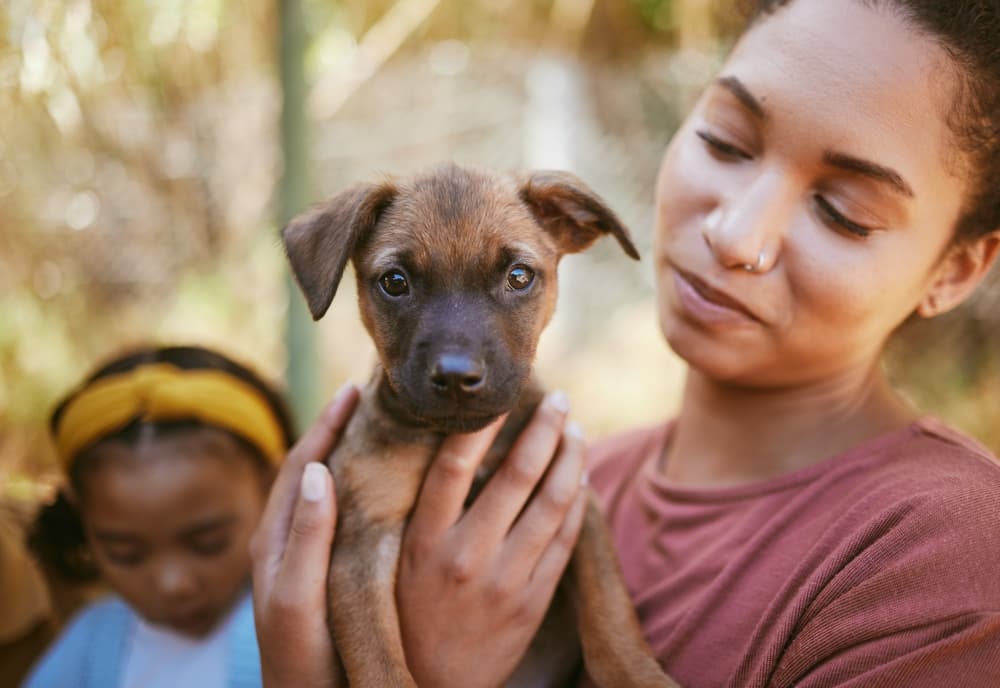
Proper training is the best investment a pet parent can make to prevent fear, anxiety, stress, and unwanted behaviors. Whether you start off doing the training yourself with basic techniques at home, go to group classes, or hire a professional trainer, it’s important to keep in mind that with time, patience, and love, it is possible to foster a healthy relationship with your dog and help him become a great pet.
Below are some training tips to consider when starting your dog training journey.
Understand your pet
“The first thing I would recommend is learning to speak your dog’s language,” says Sunny. Having a better grasp of the dog’s body language can help discern his true feelings. “Often, we misread the dog’s stress as excitement, which leads us to accidentally put them in very stressful situations.”
By paying attention to their body language, we can better understand why something bad happened and correct our own behavior, similar to sitting down to allow the dog to greet us at the door properly.
Build a Trusting Relationship
When there is a trustworthy leader, dogs are more than happy to take direction. You can build a trusting relationship with your dog by using positive reinforcement. “Dogs will continue to do things that they get rewarded for, until it becomes a habit and they no longer need the reinforcement,” states Sunny.
To be effective at this, Sunny recommends giving the dog ample opportunity to succeed.
“For example, when potty training you want to take your dog outside, on a leash, to the area that you would like them to eliminate in. As soon as they do, get very happy, praise them, give them treats, and let them off leash (if safe to do so). This will help them learn to go outside and go potty before getting to play.”
Use Redirection
It is natural for dogs, especially puppies, to chew on your wrists and ankles, or your favorite shoes. “It is our responsibility to redirect them to appropriate things,” says Sunny. “When a dog starts to chew on something they are not supposed to, you can calmly say ‘Eh!’ and hand them something they are allowed to chew on, like a toy. When they chew on the toy, praise them!”
Hire a Professional Dog Trainer
“I think pet parents should consider hiring a trainer as soon as they are seriously considering a dog – even before they get a dog,” says Kheen. When considering getting a dog, she recommends budgeting a few training sessions or basic level group classes.
“This will get you all off to a great start and limit unwanted behaviors before they start.”
For training to work long-term, it has to be consistent. This means the work doesn’t end as soon as the session ends. By continuing to use the learned techniques with your dog, they will learn the commands and form a habit.
Scent Training for Dogs: What it Is and How to Do It
- 2023-01-21T21:41:31
- Cheryl Lock
Your dog’s nose is so much more than an oh-so-boopable facial feature. In fact, it’s been the key to canine survival for millennia. Ancient canines’ lives depended on their ability to sniff out danger, food, and mates. And though life isn’t quite so perilous for modern doggos, they still rely primarily on their super sniffers to gather intel on the world around them. A dog’s sense of smell is estimated to be hundreds to thousands of times more powerful than our own…and even more sensitive than sophisticated lab instruments.1 That’s what makes dogs such great candidates for scent training.
Scent training for dogs gives canines a chance to use their enhanced olfaction to detect everything from illicit drugs to explosives, as well as illnesses like cancer and diabetes. That’s great news for us humans, but we’re not the only ones to benefit from scent work.
According to New York-based scent trainer Diana Ludwiczak, when dogs use their nose to sniff things out, it can have a surprisingly calming effect on their mood.
Scent training provides both physical and mental stimulation, encouraging dogs to “expend energy by utilizing their brain in combination with their nose to find things,” she says. Ludwiczak has observed this calming effect first hand when she trains dogs how to detect bed bugs for her company, Doctor Sniffs Bed Bug Dogs.
However, scent training isn’t just for working dogs. Any dog can benefit from the stimulation and engagement that scent training provides. And your pup doesn’t have to be a bloodhound or any other breed known for their nose to give it a try!
What is Scent Training for Dogs?
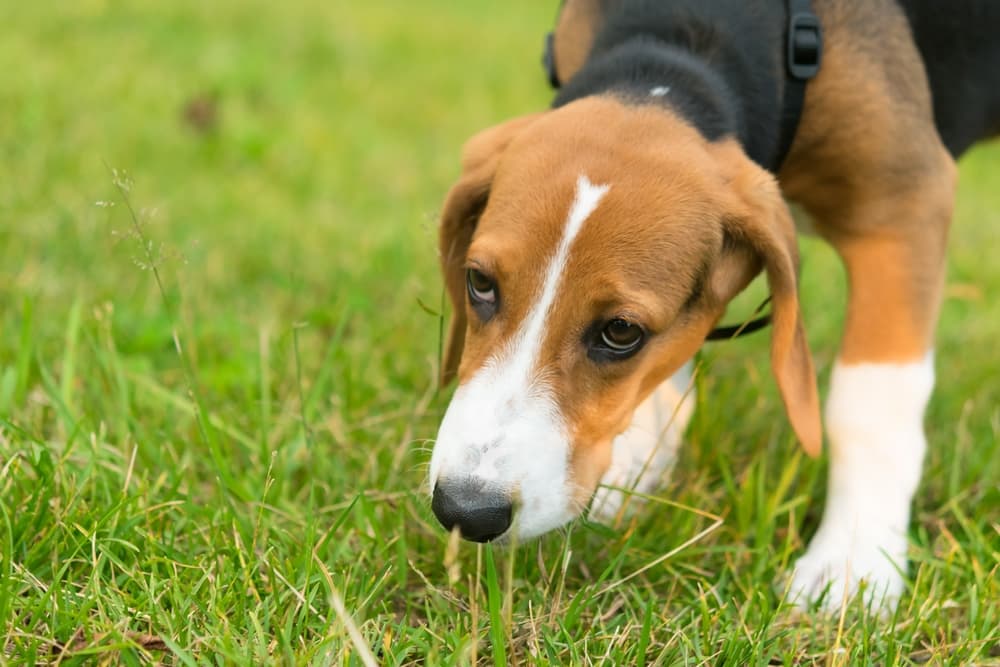
Scent-focused training helps dogs learn how to use their instinctive sniffing abilities to detect specific smells and alert their handler or a pet parent when they do.
Scent training has many practical applications. Some dogs learn scent work to help them fulfill a certain role or job. For example, scent training is essential for dogs used for search and rescue missions, narcotics enforcement, and bomb detection.
Other dogs undergo competitive scent training. The American Kennel Club considers scent work a sport and stages trials where AKC-registered dogs can pit their scent detection skills against others.
Finally, for many dogs, scent training offers a fun new way to play — one that can boost confidence, bust boredom, instill discipline, offer enrichment, and foster bonding.
“While scent detection is an important career for some dogs, for others scent training is more about helping to alleviate anxiety or expend energy,” says Ludwiczak.
How Dog Scent Training Works
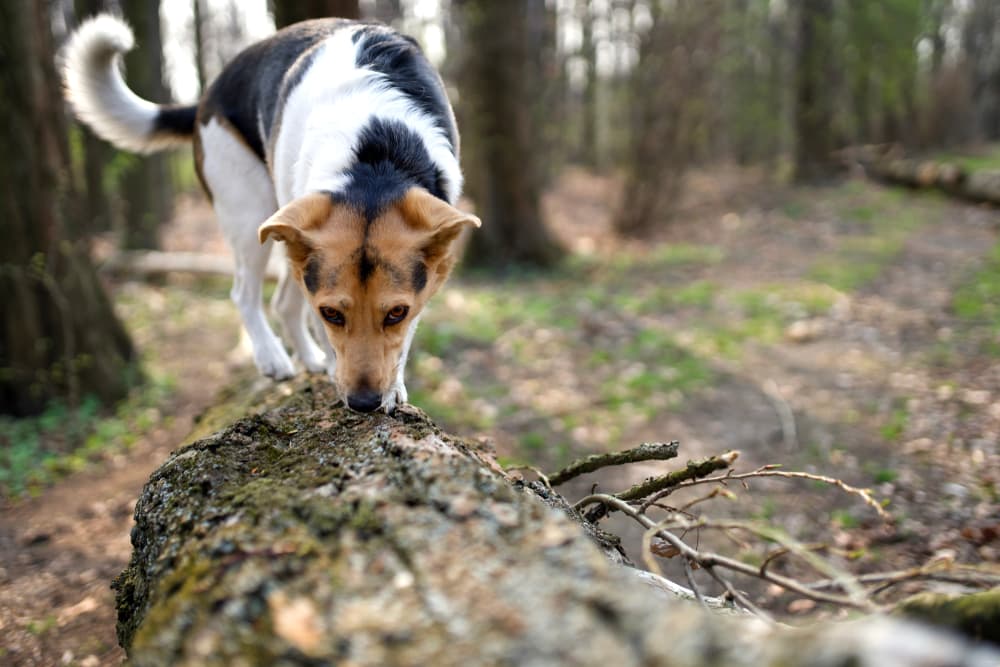
As you might expect, how scent training is conducted varies depending on whether a dog will be sniffing for fun, for sport, or for work.
Working dogs typically undergo training by an accredited organization, such as the Certification Council for Professional Dog Trainers (CCPDT), or the World Detector Dog Organization (WDDO). However, since professional sniffers are often highly specialized to detect specific scents (e.g., mold, narcotics, cadavers, etc.), they may require specialized training and accreditation from industry-specific organizations, such as the North American Police Work Dog Association (NAPWDA) or the National Entomology Scent Detection Canine Association (NESDCA).
Pet parents can also find professional trainers who will teach dogs how to detect scents for fun or sport. And while the training is often based on the same principles used for working dogs, the standards are not nearly as stringent.
According to scent trainer Joan Hunter Mayer, owner of The Inquisitive Canine in Santa Barbara, California, getting started is easy and prior obedience training isn’t usually required.
Mayer is a K9 Nose Work Instructor certified by the National Association of Canine Scent Work (NACSW), which specializes in training “designed to include any dog, no matter the breed, age, gender, disposition, or size,” says Mayer.
However, it’s worth keeping in mind that some breeds of dogs may be easier to scent train than others. For example, “German Shepherds, Belgian Malinois, Labrador Retrievers, hounds, pointers, and spaniels are all great breeds for scent detection because they have endless energy and a desire to learn new things,” says Ludwiczak. “I love training rescue dogs who have some combination of a few of these breeds in them.”
In Mayer’s scent-training classes, dogs start out by searching for either a favorite toy or food reward that’s been hidden in a series of increasingly challenging environments. New challenges and search skills are added as the dog progresses. Once a dog has mastered the basics, the search target changes to a unique scent, such as birch, anise, or clove. Now the dog learns how to search by odor only, according to a scent cue. When they find the source of the scent, a tasty treat or favorite toy rewards them and reinforces the lesson.
Nose Work for Dogs: Fun Scent Training Games to Try
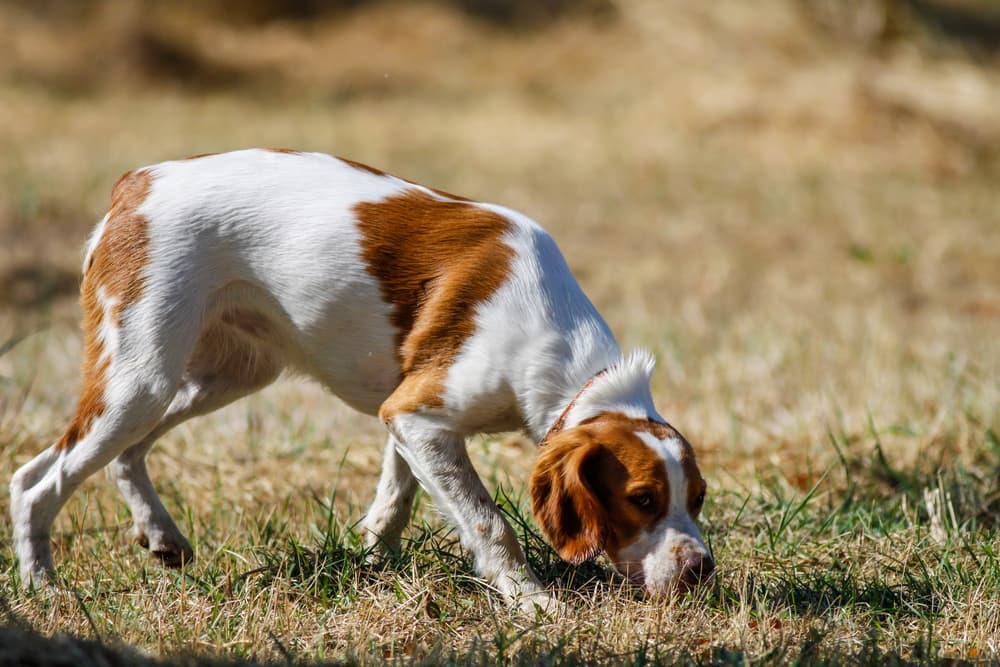
If you’re interested in scent training for your dog, but you’re more of a hands-on pet parent, there are plenty of DIY scent games that you can play with your pet at home. Just keep in mind: “Each dog is an individual, and needs to be treated as such,” says Mayer.
“The variables in how well a dog performs in this sport are numerous and varied. Your dog’s breed and whether they’re a member of a working group is one consideration, but that doesn’t necessarily correlate with the success of the dog, or the dog-handler team,” she adds.
Your best bet is to remain attuned to your dog’s engagement level and responses. If training is getting more frustrating than fun, it may be time to take a break and try again when you are both more rested and refreshed.
Here are some great at-home starter activities to help sharpen your pup’s scent-detection skills.
Create a scavenger hunt
This can be a great scent-training game to play with any dog. Start by keeping them outside of a room or away from a designated space while you hide several small treats or a favorite toy.
When it’s time to begin the hunt, let them in and ask, “Where is it?” in an excited voice, letting them smell one of the treats that you’ve hidden, so they can sniff the rest out. When playing scent-training games, “it’s a good idea to use a different voice,” says Elena Zimmerman, a pet parent who started training her mixed breed dog when he was six months old, using techniques she learned from a certified dog trainer friend and lots of online training videos.
“Use the same questions and phrases consistently when you’re searching, such as ‘Where is it?’ and ‘All done!’” she suggests. “This helps them recognize what kind of game they’re playing and what to expect.”
Play the “shell game”
This is a great option if you don’t have a lot of space for a full scavenger hunt, or if your dog is easily distracted.
Place a small treat or toy under one of several overturned plastic cups and let your dog sniff out which one hides the treasure. As they get better at it, you can increase the difficulty by showing your pup where you’re hiding the treat and then swapping or moving the cups around.
Introduce interactive food toys
Investing in an item like an interactive food puzzle or mat is an easy way to enrich mealtime, strengthen scent-training skills, and appeal to your dog’s inner hunter.
Simply hide treats within the toy for your dog to sniff out and enjoy. Just be sure to keep tabs on the calorie content of the treats you’re using and the quantities you hide…they tend to add up fast!
Scent Training for Dogs: Tips for Success
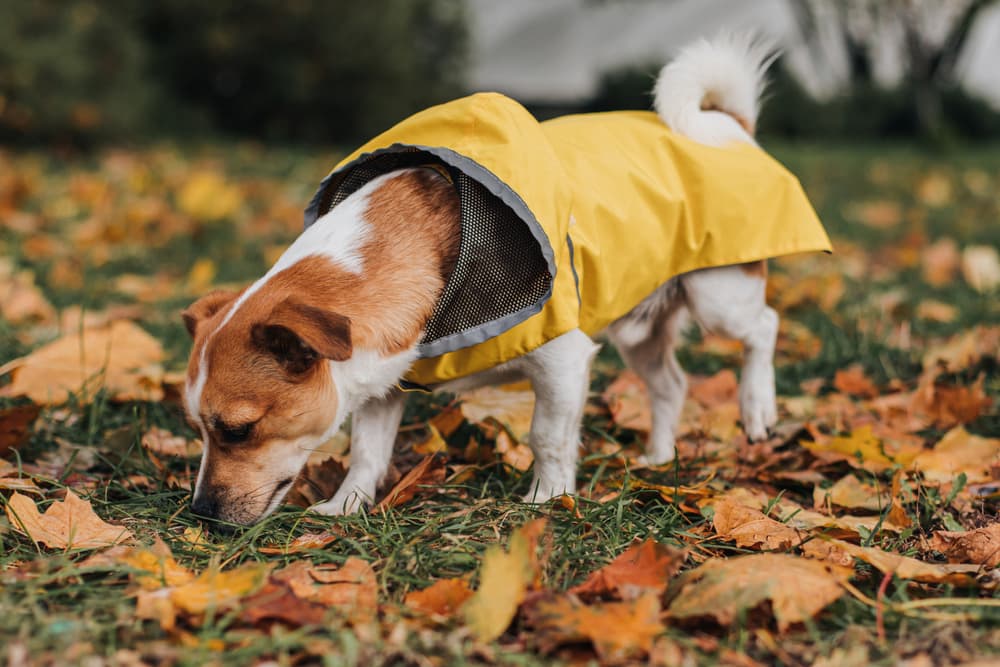
When approaching scent training, Mayer recommends taking a more relaxed approach than is often used with traditional obedience training.
“You want an enthusiastic dog who is going to utilize their skills,” she says. “Once you give your dog the cue to search, allow them to do their job by giving them the freedom to hunt and problem solve.”
Although it might be difficult to do so, Mayer says to avoid giving them direction or telling them what to do after the initial search command. “This is their environment. We’re just there to keep them safe,” she says.
Scent training has plenty of positive advantages to offer dogs of all ages, temperaments, and breeds. Not only does scent work help dogs “burn both mental and physical energy, but it also builds confidence and independence, and helps dogs form stronger bonds with their handler,” Mayer says.
Plus, scent training can also help pet parents learn more about their dogs, by “honing in on body language and understanding how to translate their cues.”
“Dogs, by nature, are predators and problem solvers. If we don’t give them problems to solve, they’ll likely develop their own,” Mayer adds. “Nose work and other scent-specific classes give dogs the opportunity to utilize their innate survival skills and thrive.”
Dog Pees When Excited: How to Manage Sprinkling
- 2023-01-19T16:23:12
- Victoria Schade, CPDT-KA
If your dog pees when excited you know just how challenging the behavior can be. All you want to do is say hello to your best friend and the next thing you know there’s a trail of urine on the floor!
Excitement urination typically happens during highly charged happy scenarios, particularly during greetings and play. While it can be frustrating for pet parents to keep cleaning up, excitement pee can be resolved with a combination of management techniques plus a little time to mature.
Not sure how to teach your dog not to pee when excited? Read on!
Why Do Dogs Pee When Excited?
We might assume that every puddle in the house is a sign of a lapse in potty training, but that’s not the case when it comes to excitement urination.
Keep in mind that a dog that pees when excited is dealing with an involuntary reaction – the pup might be perfectly housetrained in all other scenarios.
It’s a common behavior in puppies because they haven’t fully developed the muscles to control urination, and the good news is that most dogs grow out of the behavior as they get older.
Excitement Urination in Dogs vs Submissive Urination
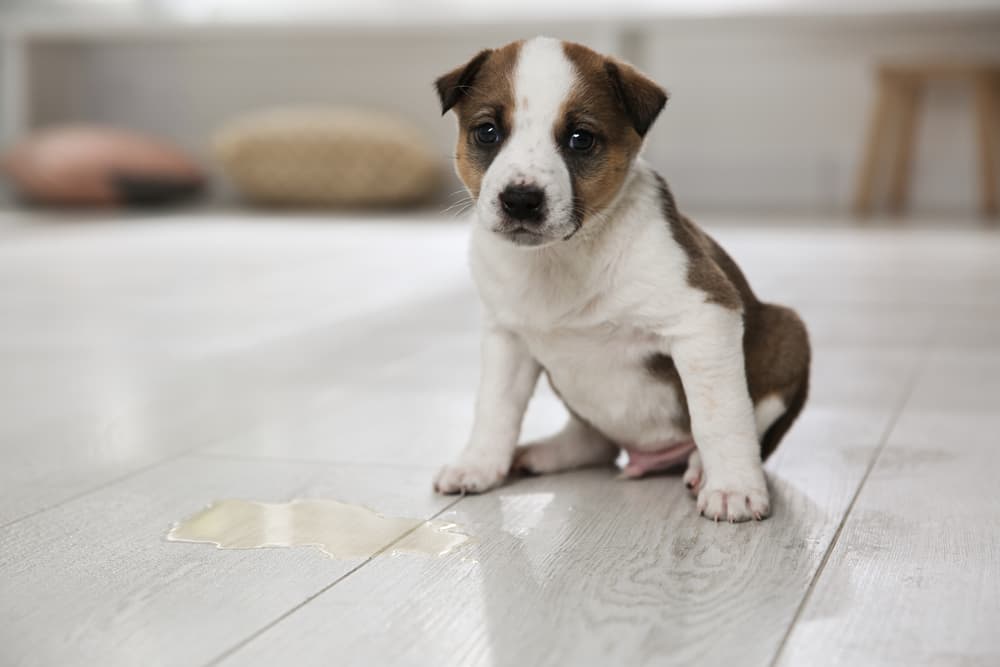
While excitement urination and submissive peeing might seem like the same thing, the two are related but distinct challenges. Both behaviors can occur in similar scenarios, like when people arrive home, but pet parents should watch their dog’s body language to determine which type of elimination they’re dealing with.
A dog that urinates when excited will probably display other behaviors that convey happiness, like a relaxed face, wiggly body language, and a broadly wagging tail.
Dogs displaying submissive urination often look nervous or uncomfortable. They might lower themselves to the ground, keeping the tail tucked against the body, flatten their ears, lick their lips frequently, or even roll over onto the back as they eliminate. In the dog world this type of body language is a way to appease higher ranking individuals.
How to Stop a Dog From Peeing When Excited
Wondering how to stop excitement urination in dogs? The first step, before attempting training, is to schedule an appointment at the veterinarian to rule out any health issues, like a UTI. Once you’ve gotten an “all clear” try the following tips to help treat excitement peeing.
Keep greetings low key. Of course you’re excited to greet your best friend when you arrive home, but over-the-top hellos can lead to leaks. Rather than making a big deal about your reunion with a loud, happy voice and lots of petting, try letting your dog greet you while maintaining a mellow vibe. Refraining from reaching out to touch your dog can help as well.
Consider moving greetings outside. You won’t have to worry about cleaning your throw rugs when you say hello on the sidewalk or grass. However, keep in mind that if you have to leash your dog in order to safely greet outdoors, the act of leaning over your dog to put the leash on might trigger urination. If an unleashed outside greeting isn’t possible, keep your reunions indoors but roll up the rugs until your pup has a little more bladder control.
Watch your body language. We don’t always realize how our nonverbal communication impacts our dog’s behaviors. For example, reaching over your pup and giving exuberant pats on the head and back might seem like a wonderful way to say howdy, but it could be more excitement than your dog can handle without accidentally dribbling. Instead, try squatting down facing away from your dog and gently petting your dog’s shoulders or side.
Tone down the volume. Related to body language, our voices can amp up our dog’s excitement as well. Rather than using a high pitch or booming voice during greeting, keep your tone low and soft.
Redirect with treats or toys. Giving your dog a “job” can help shift the focus during a greeting. A toy-driven dog might appreciate the chance to latch onto a stuffie, and a treat-driven dog might enjoy scooping up a handful of tiny treats that you’ve tossed onto the floor. However, there’s a fine line between delivering these goodies in a quiet way and turning them into yet another thing to pee about!
Manage guest greetings. Rather than trying to deal with your guests and your peeing pooch at the door, consider putting your pup away as you welcome people into your home and let everyone get settled in before letting your dog out to meet them. Help everyone understand the proper way to interact with your dog to prevent accidental triggers.
In Conclusion
Remember, this behavior is involuntary, meaning your dog can’t control it. That’s why it’s especially important to never punish your dog for excitement urination. Punishment might shift excitement peeing into submissive urination, which adds a layer of complexity to the training process.
If your dog leaves an accidental dribble on the ground the best bet is to avoid making a big deal about it and then clean it with a good pet odor eliminator.
With the right behavioral modification techniques, management, and time, a dog who pees when excited will grow out of the behavior, and you and your best friend will enjoy happy (and dry!) hellos!
7 Dog Walking Mistakes You Might Be Making
- 2022-10-22T03:49:12
- Victoria Schade, CPDT-KA
Walking the dog … most pet parents do it every day without giving it a second thought, but there’s more to dog walking than simply clipping on a leash and heading out the door. In fact, without a little forethought, you might be making some common mistakes when you hit the pavement with your pooch. Everything from the equipment you choose to the route you take can impact the quality and enjoyment of your stroll. Read on to learn how you can avoid these common dog walking missteps.
Why Dog Walking Is So Important
The most obvious reason many of us walk our dog is hygiene—we do it to give them a chance to go potty. But there are so many other reasons why walking is a great idea for the health and wellness of your best friend. Walking expends energy while giving your dog a chance to take in the sights and sounds of your neighborhood (both of which can also help to take the edge off activity levels). Plus, enjoying the great outdoors with your pup is a wonderful way to strengthen your bond … if you do it the right way!
7 Mistakes to Avoid When Walking Your Dog
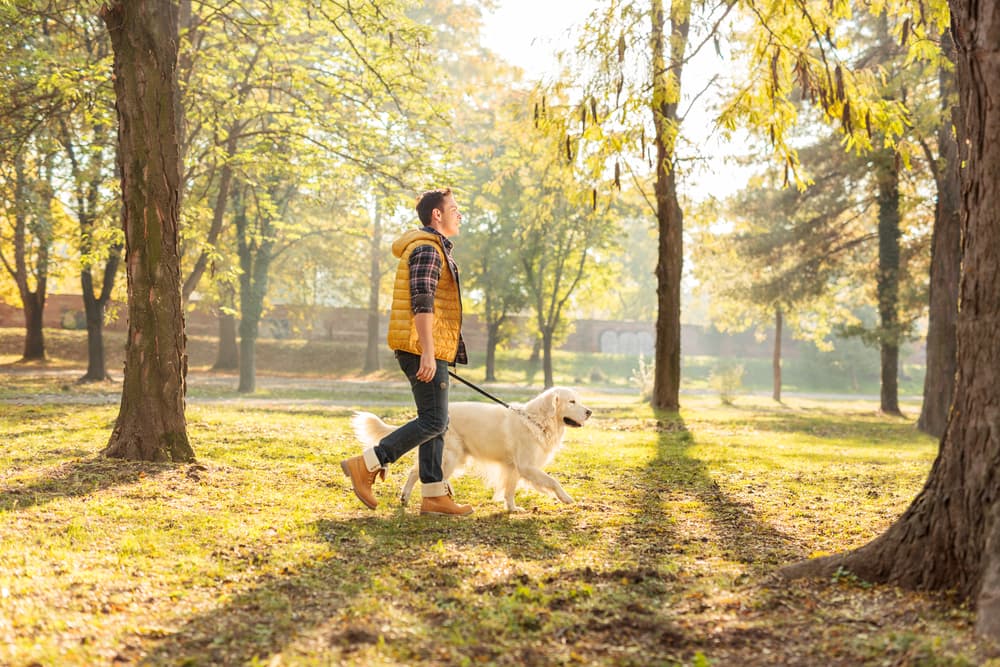
Some of these leash walking mistakes might come as a surprise because they’re subtle. The following are a few of the ways we might be falling short when it comes to walking our dogs:
Using the wrong type of leash
Believe it or not, this simple tool can have a major impact on the quality of the walk for both you and your dog. Leashes that are too short can take the fun out of walks for your dog because they don’t allow for sniffing, and leashes that are too long put your dog at risk for accidental confrontations or veering into traffic. And retractable leashes have a list of issues, from causing rope burn, to snapping under pressure, to encouraging pulling due to the constant pressure on the string. The best leash option for your dog is a 5- to 6-foot fixed length leash that’s thin enough to be comfortable for your dog but thick enough to keep them safe.
Using old school tools for pulling
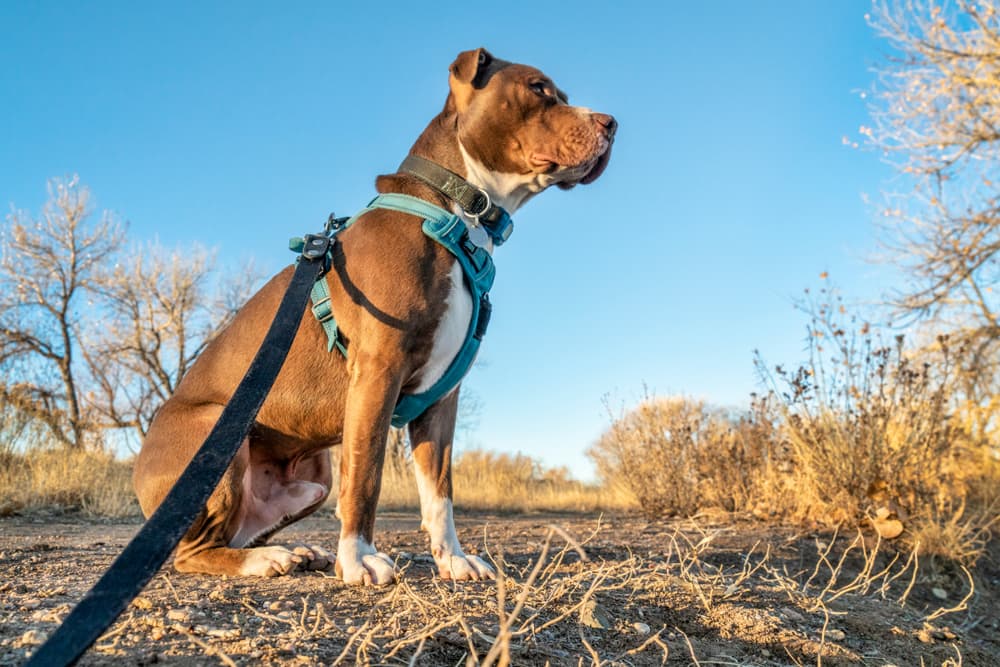
Prong and choke collars might seem like quick fixes for dogs with a leash pulling habit, but the fact is they’re now considered outdated because we have more dog-friendly tools available to combat the tendency. No-pull harnesses that fit around your dog’s torso or legs address pulling in a gentle way that doesn’t rely on pain to train.
Requiring heel position
Heel used to be the go-to walk position but the reality is it’s an unnatural and unenjoyable way for your dog to navigate the great outdoors. Leash walks are your dog’s opportunity to sniff and connect with the world around them and forcing your dog to remain glued to your side prevents your pup from doing so. Heel is a competition obedience behavior that slipped into the real world and shouldn’t be a part of your casual neighborhood walks. As long as your dog keeps a gentle curve in the leash and walks without pulling, you’re good to go, no heel necessary!
Not allowing sniffing
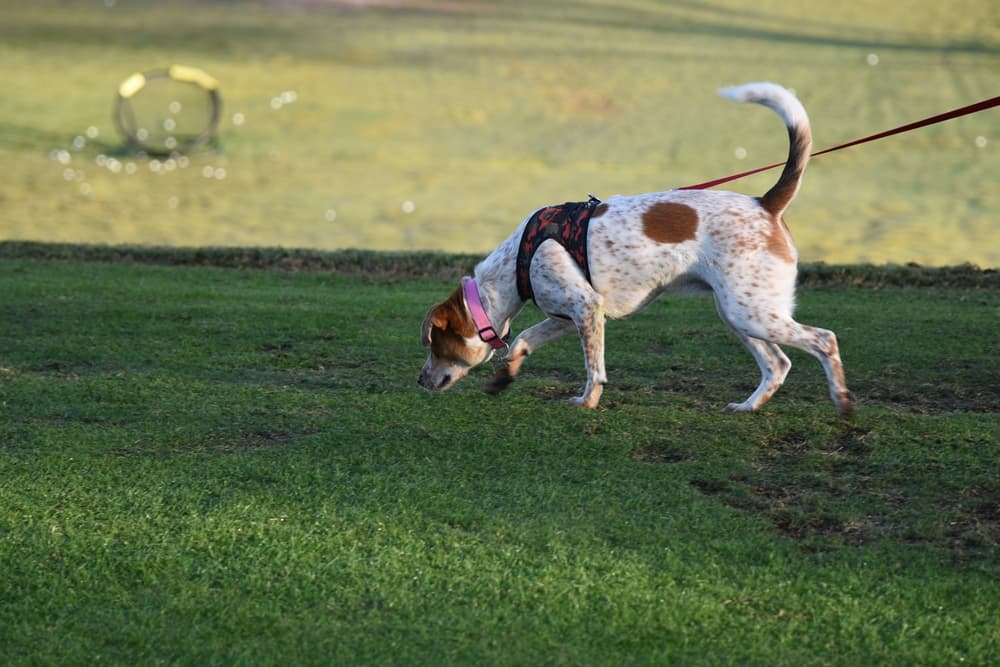
While walks sometimes feel like a chore to you, they’re cherished recreation for your dog that gives them the chance to connect to their environment. While scanning the horizon is part of it, dogs need the chance to pause to really breathe in the scents around them. Hurrying your dog along deprives them of the opportunity to learn what’s happening in the neighborhood, from the other dogs that have already passed by to the creatures that scurry along at night. Plus, most dogs require time to sniff before they choose where to eliminate. Dogs need a solid pause of at least five seconds to get a read on a scent, and longer to really understand it. Depriving your dog of this wonderful and enriching experience can take the fun out of your daily walks.
Being on the phone
We get it—you’re busy. But disconnecting from your pooch to plug into your phone deprives both of you the chance to bond during your walk. Leash walks should be an adventure that you enjoy as a team, and that can’t happen if you’ve got your eyes glued to a screen. And not only that, being on your phone could be downright dangerous if your dog spots something chase-worthy while you’re not paying attention. Next thing you know you’ve got a cracked phone and a dog disappearing in the distance! Staying connected to your dog, not your phone, during walks will keep both of you safe and happy.
Not acknowledging check-ins
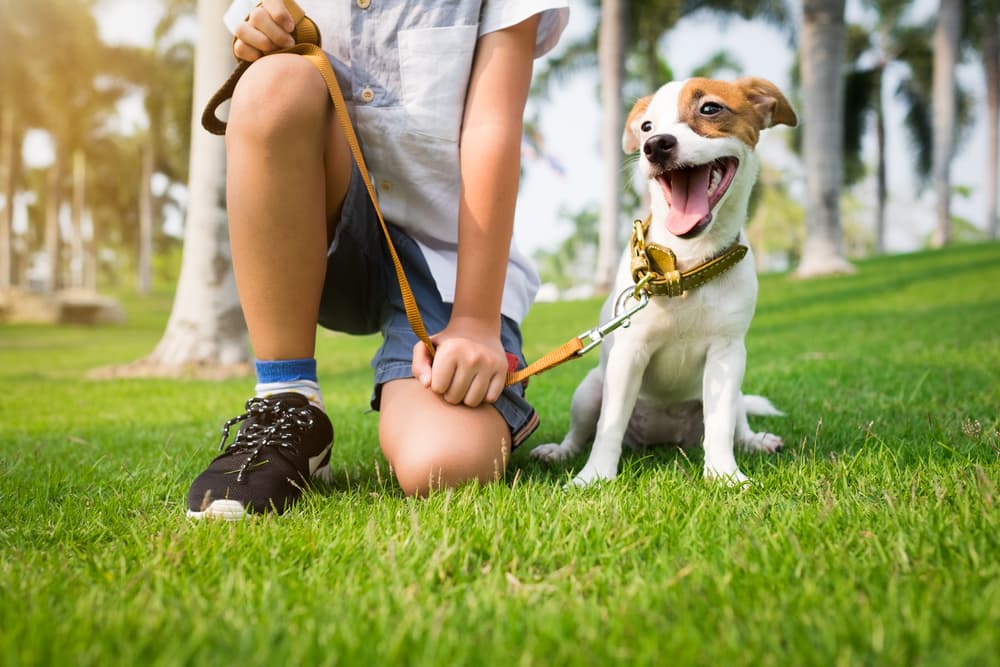
This one is subtle but it’s so important to keep your bond strong. If you’re not paying attention to your dog (perhaps you’re on your phone?), you’ll be unable to experience those beautiful moments of connection when your best friend glances up at you as if to say, “Ain’t this is fun?” Telling your dog “good job” or better yet, offering a treat when it happens, will help your dog learn that checking in with you is a good thing, which in turn can decrease pulling and increase the strength of your bond. Choosing to look at you despite all of the intriguing distractions around you during a walk is a huge compliment, so make sure to let your dog know that you appreciate it!
Walking the same route
Your dog is probably happy to hit any street or trail, but walks become even more fun when you switch it up! Walking in a different place gives your dog a chance to experience new sights and scents, which is inherently enriching. It’s important to give your dog safe, novel experiences for mental exercise, but the good news is you don’t have to travel to the mountains to make it happen. Something as simple as walking a parallel street, or beginning your walk where you normally end, is enough to provide a new and exciting adventure.
Dog Walking Essentials
Of course you need a leash, collar or harness, and waste bags when you go for a walk, but there are other important items to consider when you’re heading outside:
- Treats: Whether you’re still refining your dog’s leash manners or you’ve got a slowed-down senior, you should still fill your pockets with some goodies to reward your dog for their polite walking.
- A collapsible water bowl: Going for a walk on a hot day? Don’t forget your dog’s travel bowl. With tons of sizes and shapes to choose from, you’re sure to find a bowl that’s light enough for you to carry and that your dog feels comfortable using. (Some even allow for shared sipping!)
- Reflective materials or lights: If you’re walking at night, your dog needs a way to be seen. A leash with a reflective band in it or lights that attach to your pup’s collar can help to prevent accidents.
Identification: Even if your dog is chipped, it’s a safe bet to outfit your dog with an ID tag that contains your contact info. In many cases, it’s the quickest way for a runaway dog to find their way home to you.
How to Teach a Dog to Drop It
- 2022-06-02T12:52:15
- Victoria Schade, CPDT-KA
You’re taking your dog for a stroll, and the next thing you know, he’s managed to snag something disgusting, like a chicken bone, or worse, roadkill. What’s next?
Most pet parents don’t want to reach into their dog’s mouth to pull out the offending object, but the alternative—letting your dog swallow it—isn’t an option either. Enter: “drop it.”
The “drop it” cue can be a literal lifesaver when your dog has grabbed something dangerous, but it can also be used in casual daily interactions, like during a round of fetch or tug. The more you incorporate the “drop it” into your dog’s training repertoire, the easier it’ll be to use it in situations where you need it.
Why Teach “Drop It”?
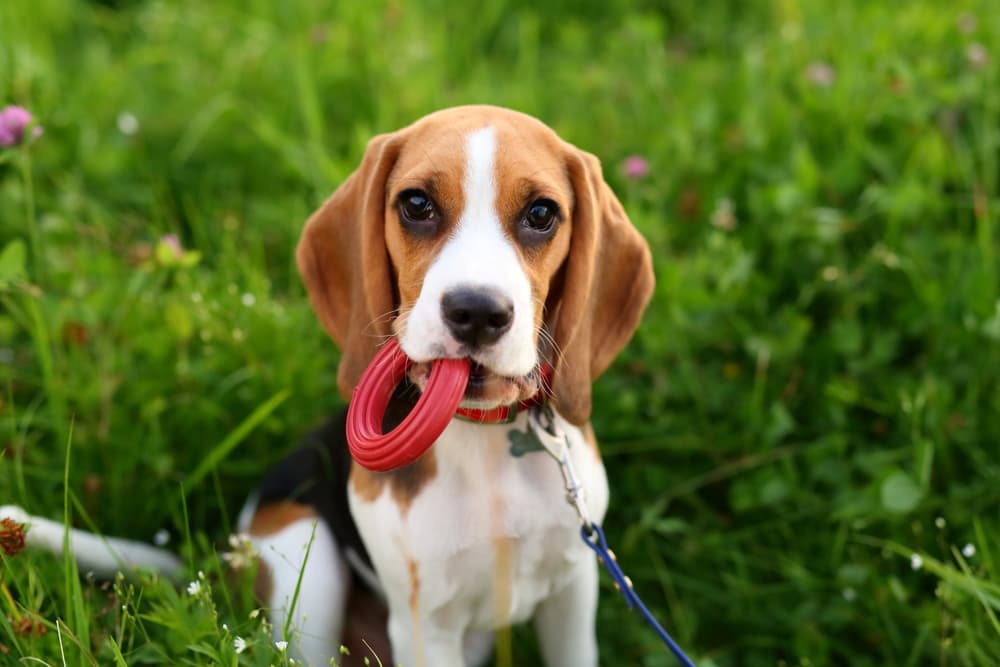
Dogs are curious by nature, and their active noses often lead them to grab stuff they shouldn’t. Trying to wrangle contraband away isn’t a great idea since dogs love to try to eat all sorts of gross things. Plus, most dogs play to win when it comes to tug-of-war with stinky prizes. And some contraband needs to be dealt with immediately, like medication that fell on the floor.
“Drop it” also comes in handy if you have a dog that doesn’t want to release the ball during games of fetch or for dogs that get super intense during tug. Asking your dog to “drop” allows for a break in the action and can make playtime even more fun.
Before You Begin
Some dogs can become possessive when they grab something they value—whether it’s a wooden spoon snagged from the dishwasher or a dirty sock—and they may engage in resource guarding to prevent you from taking it away.
If your dog stiffens, growls, or lunges when you move toward him to retrieve stolen goods, consider enlisting the help of a qualified positive reinforcement trainer.
Keep in mind that every dog has a hierarchy of goods, so before you begin “drop it” training, you need to understand what your dog values. It’s easiest to start the training process with low-value items that your dog will happily relinquish to get a treat.
And of course, you’ll need to load up on high-value treats since you’ll be doing multiple trials during each training session. The treats have to be more interesting than the item you’ll be using for drop training, so opt for goodies like bits of cheese, lunch meat, or hot dogs.
Finally, keep your lessons upbeat and happy. Sure, figuring out how to teach a dog to drop it is important for safety reasons and can feel a little stressful, but you’ll be more successful if you keep the training process fun.
How to Teach “Drop It” in 9 Steps
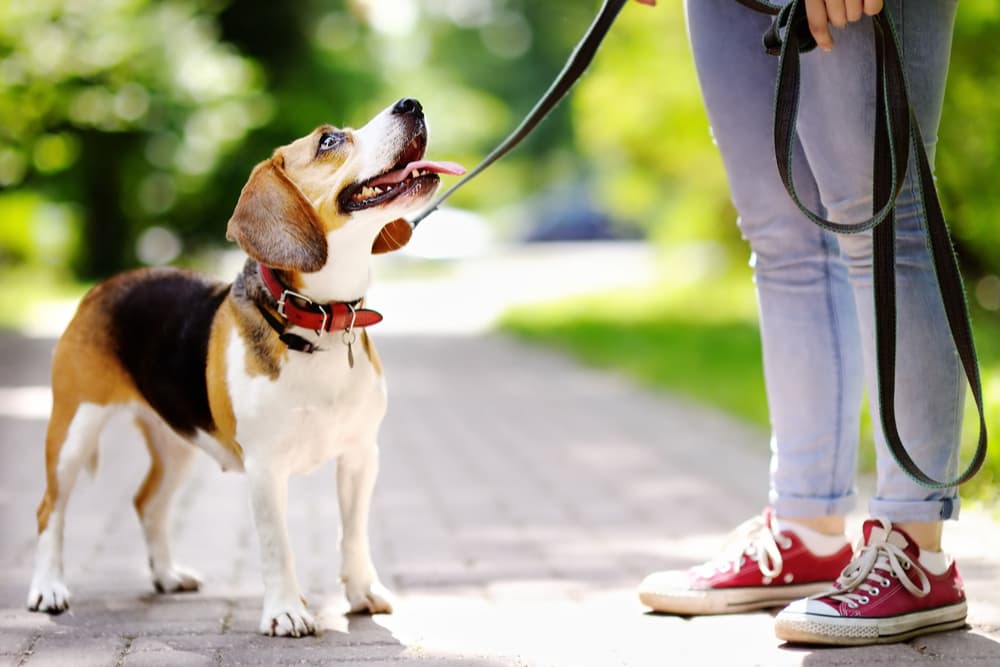
Once you’ve identified an item low on your pup’s hierarchy, you’re ready to train your dog to drop it. For play-motivated dogs, this might be their least favorite ball. For food-motivated pups, try an empty rubber treat-dispensing toy usually filled with goodies.
Step 1: Offer the item to your dog and let him take it in his mouth. Don’t force him to take the object, if he’s not interested in it, find another equally low-value item.
Step 2: Place a treat close enough to your dog’s nose that he can smell it and wait for him to release the item in anticipation of getting the treat.
Step 3: Give your dog the treat as soon as he lets go of the item and praise him for doing a good job. Many dogs will gobble up the treat and try to grab the item again, so if your dog manages to snag it, repeat the process, but this time toss the treat a few steps away so your dog has to chase after it and you have time to pick it up before your dog does.
Step 4: Offer the item to your dog again, and once it’s in his mouth, repeat step three.
Step 5: If you’ve been holding the treat in front of your dog’s nose to get him to drop the item, try a few repetitions so that the treat is visible but not close to your dog, like at your side. This prevents the treat from becoming a required part of the “drop it” process; your dog shouldn’t have to see the treat to relinquish the item.
Step 6: Once your dog quickly releases the object, begin adding the word “drop” or “drop it” right as he lets go of it. At this stage, you’re teaching your dog by pairing the word or phrase with the action he’s performing. Your dog should start to make the connection after about ten repetitions, at which time you can give your dog the item and ask him to “drop.”
Step 7: Remember that a few successes in a training scenario don’t equal “drop it” mastery. Move up your dog’s hierarchy by working with more challenging objects, like a favorite toy or a piece of dry pasta. And don’t forget to follow up every victory with a treat.
Step 8: Continue practicing in various environments like outside, starting with low-value objects and gradually increasing the value of what you’re asking your dog to drop.
Step 9: Once your dog is reliably dropping when you ask, try a few “cold trials” by planting preferred objects on the ground around the house and outside and ask your dog to “drop it.” A speedy response in these challenging scenarios means that your dog knows what he’s doing.
What If My Dog Won’t Drop It? Helpful Tips

If you’re trying to teach your dog how to drop items, but it’s not working, consider the following potential issues:
You’re using boring treats. “Drop it” can be a challenging cue, so make sure you give your dog high-value treats for his hard work.
You tried to jump from training trials to real-life too quickly. Just because your dog nails “drop it” in your family room with an old sock doesn’t mean that he’ll automatically be able to do it when he grabs a hamburger wrapper on the street. It takes time and attention to perfect this cue in the real world.
You stopped practicing. You and your dog need to keep the “drop it” muscle in good shape by working on it frequently. This is a “use it or lose it” cue, so never stop working on it.
Once you and your dog have mastered the “drop it” cue, you’ll be amazed at how handy it is. The next time you come across a chicken bone on your walk, you’ll be thrilled that you and your dog spent time working on the right cue to have him let go of it.
How to Teach a Dog to Roll Over
- 2022-06-02T12:40:46
- Victoria Schade, CPDT-KA
Do you need to learn how to teach your dog to roll over? Of course not. But is it one of the cutest dog training tricks around? Yup!
This trick is the perfect way for you and your dog to have fun for fun’s sake, plus it’s a great way to impress all of your dog’s fans.
The roll over dog trick might seem complex, but the secret to success is dividing the behavior into small, easy-to-achieve steps.
Why Teach a Dog to Roll Over?
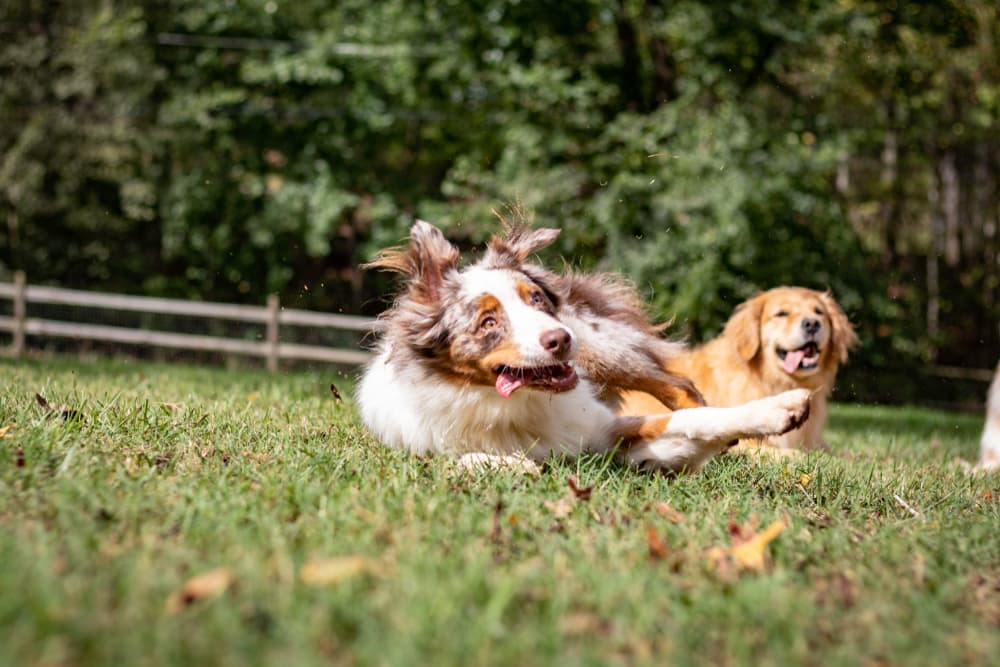
Any dog training you and your dog do together is great for your relationship. Positive, dog-friendly training gives you a common language and allows your dog to experience more freedom, plus it’s a phenomenal way to cement your bond. Done the proper way, training is fun for both ends of the leash.
What’s even more fur for you and your pup is trick training. The pressure is off when you work on tricks; sure, your dog needs to have a solid recall and dependable “stay” to help keep him safe, but it doesn’t matter if his “spin” is sloppy or his “wave” isn’t perfect. The most important part of trick training is that “brain training” is one of the best ways to wear out your busy pup and teaching them tricks is cute.
Roll Over Dog Trick: Before You Begin
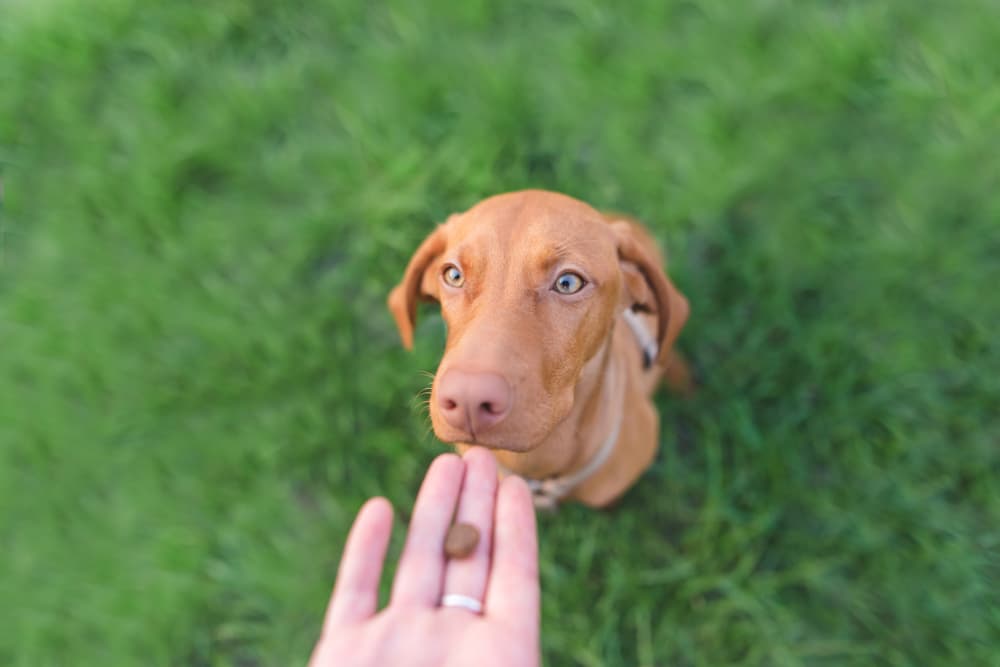
Your pup will be spending a fair amount of time on his side and back as you work through this trick, so pick a training spot that’s comfortable. A quiet, carpeted space is best. You’ll be giving your pup many treats during the initial stages of training, so load up on tiny (about the size of a fingernail), high-value treats.
It’s helpful to use a clicker when training “roll over” because things move fast, and some of the behaviors your dog will be doing might be tough to catch. You can also use a marker word like “yes” to bridge your dog’s successful attempts to the food reward.
How to Teach a Dog to Roll Over: 6 Easy Steps
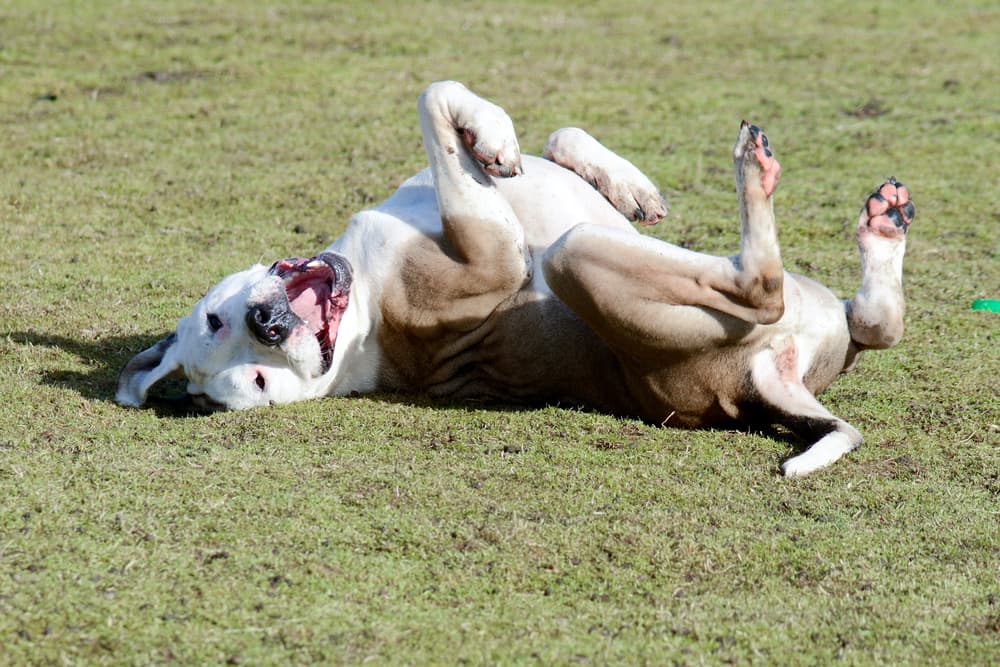
A fun and creative way to teach roll over is “shaping,” which breaks down a complex behavior into small, manageable steps and makes it easy for your dog to be successful.
Think of it as the childhood game of “hot and cold.” You’re using the marker to let your dog know when he’s “getting warmer” and rewarding him for it, which will make him less likely to give up. Instead of capturing the whole behavior right away, shaping allows your dog to get treats for approximations of the finished product. When using shaping, you build the behavior, bit by bit, until you have an adorable dog rolling over.
Here are the steps to teaching your dog to roll over:
Step 1: Lure your dog into a “down” position by using a treat to get him to put his belly on the ground (asking for a “down” turns the roll over trick into a two-step process). Place the treat in front of your dog’s nose and slowly bring it downwards and between his front paws. Most dogs are already familiar with this luring motion and will plop into position quickly.
Step 2: While your dog has his belly on the ground, watch for any small movements. This step is where you want your dog to be creative–he’s not sure what you want from him, but he’ll likely keep trying different things to earn a treat. Anything from a paw swat to a head bob can signify the beginning of the rolling process, so mark these gestures with the clicker or marker word, then follow up with a treat.
Step 3: After a few repetitions of marking and rewarding whatever movement your dog is offering, hold off and wait for your dog to do something more obvious (if you keep rewarding the same behavior, your dog won’t do anything else because it’s “working” to get a reward). So, if your dog was flicking his paw, withhold marking and rewarding the gesture. He’ll likely get frustrated that he’s not earning a reward and will try something different, like scooting his entire shoulder as if to say, “don’t you see what I’m doing?” Mark and reward the new behavior for several repetitions, then continue the sequence of waiting for a bigger, more obvious behavior to replace the one you were rewarding.
Step 4: The first time your dog shifts from one side of his body to the other – the middle part of the roll over trick – is worthy of a major celebration. Mark the moment your dog’s body is in motion and follow up with a treat, but toss it a few steps away so your dog has to get up to eat it. Now you’re both ready to go through the entire sequence again, although your dog will probably work through the process quicker this time. That said, it’s natural to experience stops and starts at first, so don’t be surprised if your dog needs a quick refresher before he executes the entire roll sequence again.
Step 5: It’s always best to wait until a behavior is polished before you try to add the cue to it. Once your dog has streamlined the steps, you can begin attaching a word to the process, meaning he quickly moves from a standing position and through the roll sequence. To add the cue, say “roll over” right as he’s doing it, mark the behavior with the clicker or word, and give him a treat. This step makes the association between what your dog is doing and the cue that triggers it. Repeat this step a dozen times, saying the word as your dog performs the behavior to cement the association between the cue and the behavior.
Step 6: Try the request without any preamble once your dog has made the connection and ask your dog to roll over. Be ready to have a major party the first time he executes the entire sequence – lots of treats and tons of praise.
Other Tips to Get Your Dog Rolling Over in No Time
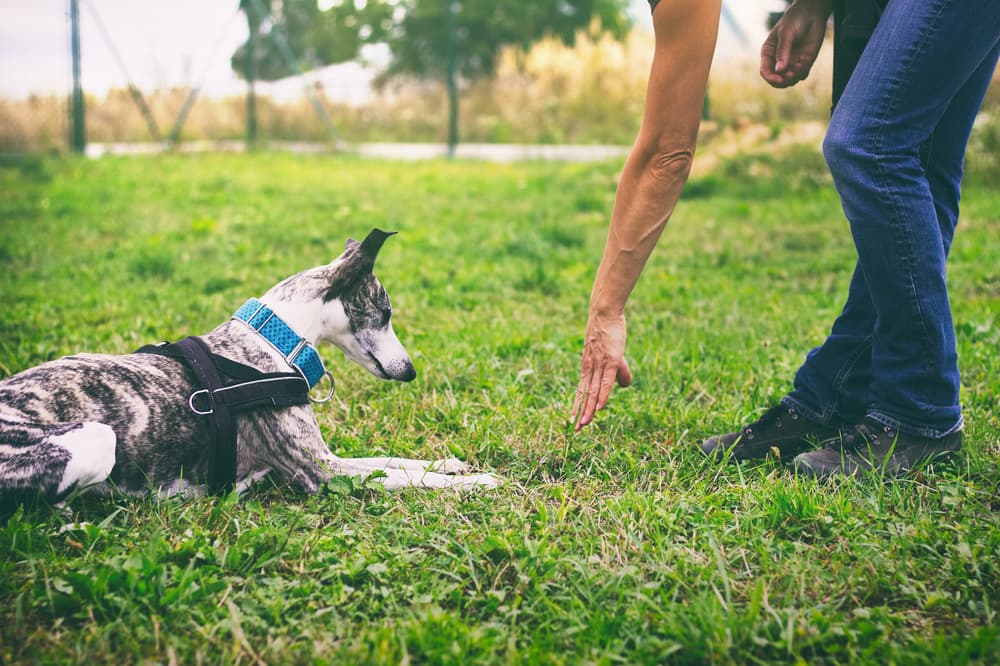
Remember to watch your body language as you work on this behavior. If you teach it while sitting on the ground, your dog might not understand what to do when you ask him to roll over while you’re standing up. Start the teaching process next to your dog on the ground, but switch your position to standing up as your dog becomes more familiar with the steps.
Using a small treat to lure your dog through the entire roll sequence is an option as well (envision holding the treat in front of your dog’s nose and making a circular motion), but many pet parents discover that dogs are excellent contortionists and wind up focusing on the food more than what their bodies are doing, which can slow the process. And some dogs can snag the treat without rolling over, particularly smaller pups. This can be frustrating for both teacher and student! Using shaping to teach the roll over trick allows your dog to set the pace and get rewarded quickly for his attempts, which makes the training process fun.
Tricks like roll over might seem silly, but there are real benefits beyond the obvious appeal. Allowing your dog the space to think creatively through shaping and working together as a team will strengthen your bond and make the two of you a hit any time you have an audience.
Tips to Stop a Dog From Tugging on Clothing
- 2022-05-24T14:18:04
- Mikkel Becker
Question: My dog sometimes pulls on pants and sleeves. I think she’s playing, because we let her do this as a puppy, but she doesn’t stop. What can I do to end this behavior?
Puppies will often mouth and tug at clothes. These antics may appear amusing and adorable, but as the puppy grows into a bigger, stronger and more focused adult dog, they can become worrisome or even dangerous. Prevention is always the best strategy — keep play directed toward toys instead of human skin, hair, or clothing.
Fortunately for you, old dogs can learn new tricks — and unlearn unwanted habits. To effectively resolve your dog’s mouthing behavior, it’s helpful to understand where the behavior comes from and how to offer alternative replacement behaviors that satisfy both you and your canine.
Why Puppy Mouthing Is Not Ok
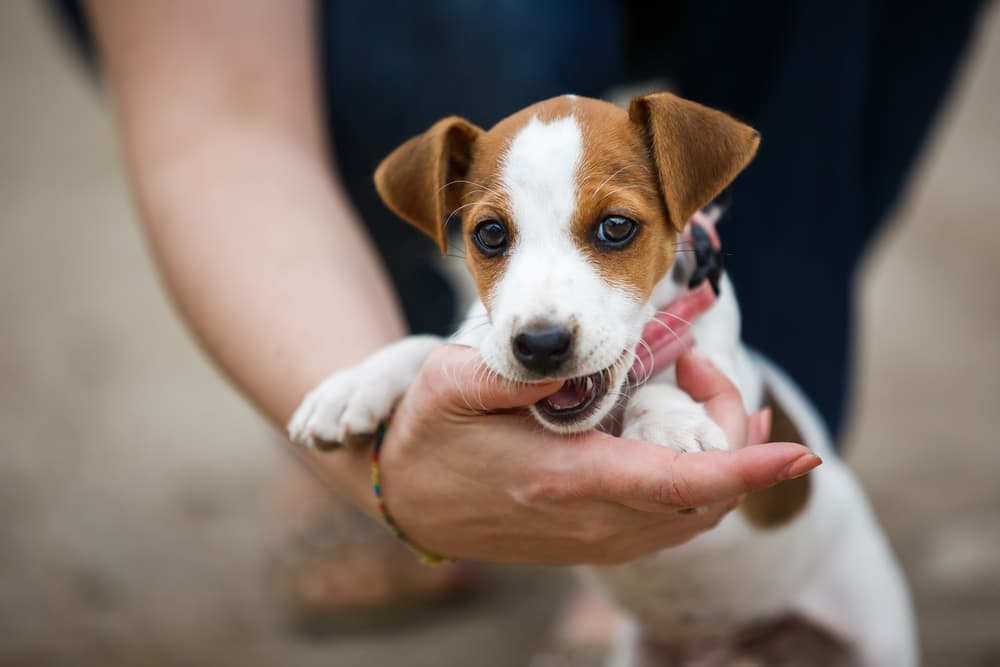
One of the many things a puppy needs to learn is to be careful with his bite — but allowing a puppy to mouth human hands or people’s clothes will not teach this. Encouraging a dog to play by biting at human hands, skin, hair or clothes is not recommended. This type of play teaches your dog that people and their clothes make acceptable chew and tug toys.
Any and all mouthing of hands, skin or clothing should result in immediate removal of the hand or body part and a minute or two of no social interaction with the puppy. This teaches the puppy that putting teeth on a person is the end of playtime.
Dog owners often assume that a dog can discriminate between a situation where roughhousing or mouthing is acceptable and one where it’s not. This is too much to ask of most dogs. Instead, your dog is likely to instigate such play at inappropriate times, such as during a walk or with people for whom it’s especially concerning, like children. It’s easier for everyone, especially the dog, if the guesswork and confusion are removed by having consistent guidelines for how play and interactions occur.
Put a Stop to Puppy Mouthing
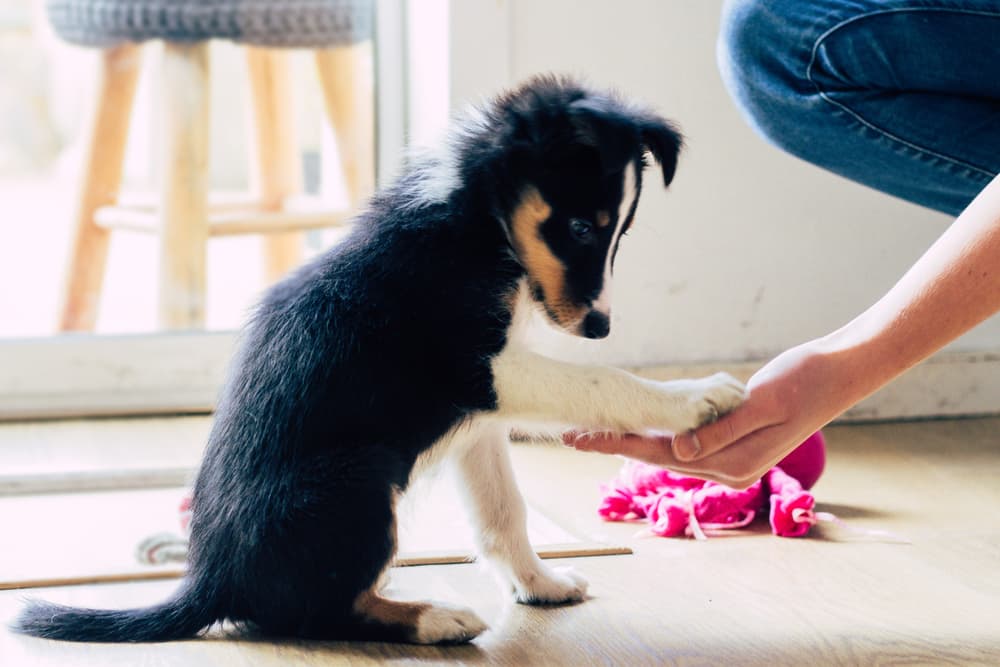
Consistency is the key to preventing any undesirable behavior. If a bad habit has already developed, you will need to limit your dog’s options for practicing the behavior in the future and offer desirable alternatives for him instead.
Here are 4 simple ways to put a stop to mouthing clothes in a puppy or adult dog:
Do not react to the mouthing. Part of the joy for dogs when they jump up is experiencing the person’s reaction. Pulling back and away from the dog creates resistance for a tug-toy type experience if the dog’s grabbing onto clothing. Screaming, shrieking or pushing the dog down or away are other reactions that feed energy into the already excitable dog. Instead, freezing in place and avoiding a reaction as much as is possible (standing still, looking down and away from the dog, remaining motionless and tucking hands under in a cross armed position) is more likely to cause loss of interest.
Teach “leave it” and “drop it.” Training your dog to refocus his attention before he picks something up with his teeth (“leave it”) or to let go of something he should not have in his mouth (“drop it”) can help put a stop to mouthing inappropriate objects. For both commands, start training with items that are low in value to your dog — something he will willingly leave or drop — and work up to more desirable items (in this case, clothing).
Reward success with a high value treat and follow up by redirecting to another activity, like a down stay or a fetching another toy. When he has mastered the “leave it” or “drop it” command, shift the reward so that it comes after the replacement behavior. That helps to reinforce the desired behavior and fade the mouthing behavior.
Replace mouthing with something more acceptable. I worked with a Pit Bull who greeted her family when they returned home by enthusiastically grabbing at their clothes. To defuse this behavior, her humans initiated an acceptable replacement activity as soon as they stepped in the door. These included playing “find it” with tossed treats, fast repetitions of sit and touch and asking the dog to go to her bed for a chew or to fetch a favorite toy.
Keep your dog busy. Many unwanted behaviors like mouthiness are a sign of an under-challenged dog. Use enrichment tools like food puzzles and focused games to channel mental and physical energy into acceptable outlets.
In some situations mouthing can be caused by other emotional situations like separation anxiety or a noise phobia. If you are concerned that your dog’s mouthing is more than just play and may relate to anxiety or aggression, seek help, starting with your veterinarian.