

Category: Wellness
Great Pet Care - Pet health information — simplified.
Virtual Vet Visit: How to Book and What to Expect
- 2025-03-18T21:37:32
- Jodi Helmer
The next time you suspect your pet has fleas, skin issues, diarrhea, or needs a recheck after surgery, you might not need to take them to the vet clinic. Virtual vet visits, sometimes called veterinary telehealth, allow your veterinarian to provide remote care for your pet.
123-Log
“Virtual vet visits are convenient,” says Sarah Mitten, DVM, MBA, a telehealth veterinarian in Fort Collins, Colorado. “[They] help pet parents understand what may be going on with their pet on demand so they can make informed decisions about when and where care is needed.”
Telehealth vet appointments are becoming more popular. Prior to the pandemic, video vet appointments accounted for just 12 percent of services, but that number increased to 38 percent between March 15 and June 15, 2020 [1]. Telehealth isn’t just more convenient; it can also be faster and less expensive than clinic visits [2].
Not all pet parents are fans of virtual vet care. One report found that 88 percent believed the best vet care included a hands-on exam [3]. Dr. Mitten notes that there are some cases, like annual exams and emergencies, where in-person visits are essential.
If you’re interested in booking a virtual vet appointment, here’s everything you need to know.
How Do I Book a Virtual Vet Appointment?

Different vet clinics take different approaches to booking virtual vet appointments. Some accept online bookings, Dr. Mitten says, while others require pet parents to phone the clinic to make a veterinary telemedicine appointment.
When vets do offer the service, Dr. Mitten notes that pet parents will need a smartphone or a computer with a camera and microphone to participate in a virtual vet visit.
Once the appointment is booked, you’ll get a text or an email with the link to join the virtual appointment at the scheduled time.
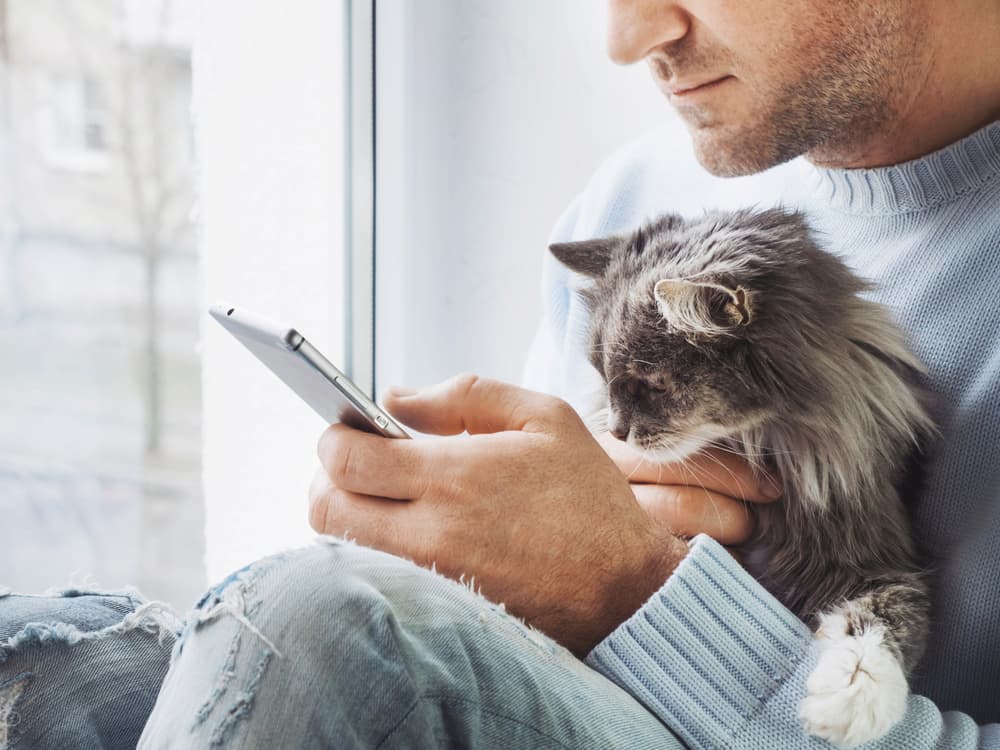
- Schedule veterinary appointments
- Fill approved prescriptions
- Stay on top of your pet's wellness needs, all in one convenient place
How to Prep for a Virtual Vet Visit
Preparing for a vet telehealth appointment is a little different than preparing for an in-clinic visit. Dr. Mitten suggests following these steps:
- Review the confirmation email to understand how to join the appointment. You might need to download an app in advance, especially if you plan to connect via your smartphone.
- Write down a list of questions.
- Find a quiet spot to join the appointment. You shouldn’t participate in a virtual vet visit while driving or in a loud public place with lots of distractions.
- Make sure your pet is in the room and able to appear on camera.
Virtual Vet Visit: What to Expect

There are a few different kinds of virtual appointments: Telehealth or telemedicine is a virtual option to connect with vets for the purpose of diagnosing pet health issues. In some states, vet telemedicine appointments are only allowed when pet parents have an established relationship with the veterinarian [4].
Teleadvice is different and can include health information, opinions, and recommendations that are general in nature (not related to a specific pet/patient) [4]. These appointments can include conversations about crate training or the best chew toys to prevent broken teeth, for example, and the vet won’t need to see your pet on camera.
When your pet has a specific health concern, your pet will need to be on camera.
“If a pet has sickness [or] odd behavior [or] anything abnormal that a pet parent is asking about, it’s better to try to get as much information as possible, including seeing the pet,” Dr. Mitten says.
Your vet will ask about your pet’s symptoms and gather information. Depending on the symptoms and what the vet sees on camera, a virtual vet appointment might be sufficient to formulate a plan.
“If I get a video of a dog reverse sneezing, I don’t need a physical exam to say it’s reverse sneezing [or] if a dog has diarrhea, you can see that from a picture—similar to in-clinic appointments, there would be a discussion around potential causes and discussion about diagnostics to determine cause,” Dr. Mitten says.
But not all concerns can be solved in a veterinary telehealth appointment. When a pet is slowing down, feeling off, or the vet thinks, “I just don’t have enough information” after a virtual vet visit, Dr. Mitten says that a visit to the clinic may be recommended.
Next Steps
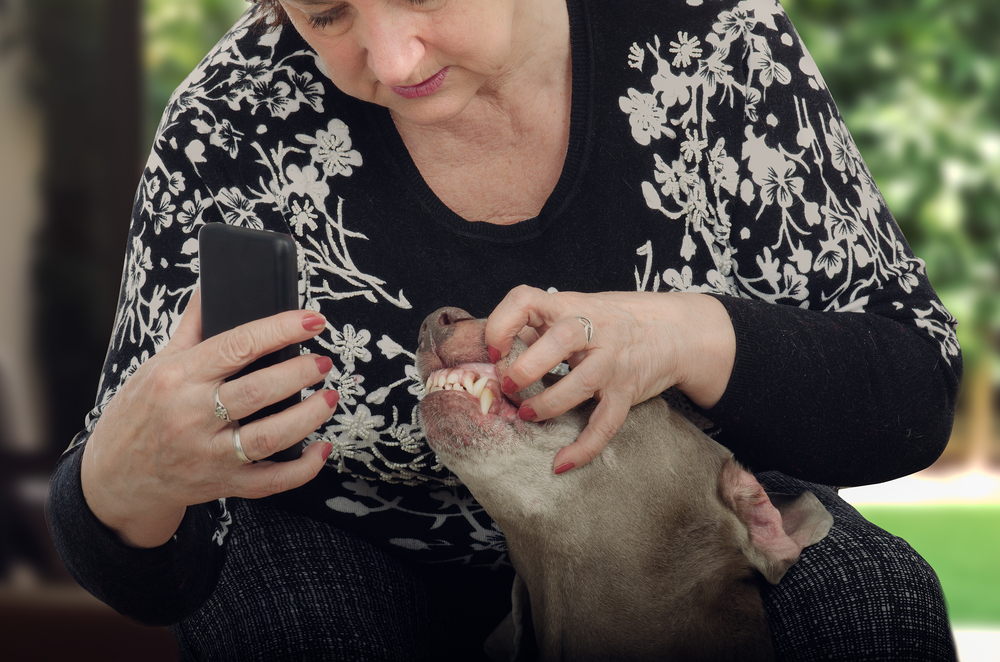
After the appointment, your vet will send a visit summary with recommendations for next steps.
- If in-clinic testing or care is recommended, an appointment is scheduled.
- Recommended prescriptions are called into pharmacies or, Dr. Mitten adds, “Pet parents can be directed where to purchase online or in-clinic.”
You should also plan to set medication reminders, if needed, and monitor for any changes to your pet’s health that may warrant a follow-up appointment.
Virtual vet care is just one tool to help you care for your four-legged friends. It doesn’t replace the need for annual exams and vaccines in the clinic or the need for hands-on care during emergencies.
“They will help you decide whether to spend the money to get your pet seen and what diagnostics may be needed to understand what’s going on with your pet,” Dr. Mitten says. “The biggest value virtual visits provide is ‘understanding’ so you can make an informed decision and not a decision out of fear.”
References
- Wong, Samantha Y, and Leilani X Alvarez. “Veterinary telerehabilitation was as satisfactory as in-person consultations.” The Canadian veterinary journal = La revue veterinaire canadienne vol. 64,7 (2023): 654-658.
- Abu-Seida, Ashraf M et al. “Veterinary telemedicine: A new era for animal welfare.” Open veterinary journal vol. 14,4 (2024): 952-961. doi:10.5455/OVJ.2024.v14.i4.2
- Chart of the Month: Pet owners equate in-person visits with best care. AVMA. Nov. 2023. Retrieved from https://www.avma.org/blog/chart-month-pet-owners-equate-person-visits-best-care
- AVMA guidelines for the use of telehealth in veterinary practice. AVMA. 2021. Retrieved from https://www.avma.org/sites/default/files/2021-01/AVMA-Veterinary-Telehealth-Guidelines.pdf
Pet Wellness Exams: Everything You Need to Know
- 2025-03-17T14:53:51
- Diana Kelly Levey
Staying on top of your pet’s health includes feeding a balanced diet, encouraging appropriate exercise, and providing mental stimulation on a daily basis. It also involves scheduling regular pet wellness exams for your dog or cat so your veterinarian can catch potential health problems early on.
“Regular wellness examinations are important because we can often detect any medical issues early enough to intervene,” says Dwight Alleyne, DVM, a JustAnswer Vet Expert. “Common issues that are seen on wellness exams include skin conditions, dental disease, orthopedic issues, and heart conditions.”
Here’s everything you need to know about pet wellness exams, including how to prepare, what to expect during your appointment, and next steps to take.
How Often Should You Take Your Dog or Cat to the Vet?
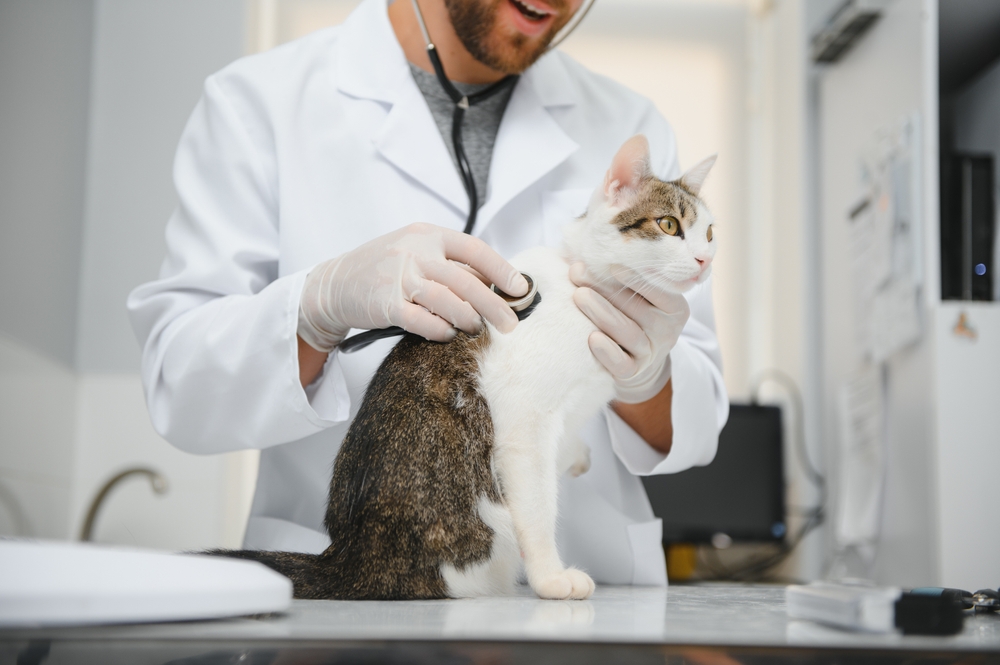
All dogs and cats should have a pet health checkup at least once a year. However, the frequency of pet wellness exams depends on the individual pet, their age, their lifestyle, whether they have an underlying health condition, and other factors. For example, “older pets need more frequent assessment,” says Melissa Brookshire, DVM at North River Enterprises, a premium pet food consulting company.
In general, here’s how often pets need a wellness visit:
- Puppies and kittens: Your puppy or kitten will have a monthly wellness exam for the first 16-20 weeks of life before switching to once-a-year checkups.
- Adult dogs and cats: If your dog or cat is otherwise healthy, they’ll have an annual wellness exam.
- Senior dogs and cats: Senior dogs and cats typically require exams twice a year or more, depending on their health status.
Dogs who hunt or spend a lot of time outdoors may need more frequent parasite assessment with fecal exams, Dr. Brookshire says. Dogs who spend time in doggy daycare or in a boarding kennel will require different vaccines than dogs who never leave their yard or interact with other dogs, she adds, and these vaccines may be required more than once yearly.
Cats who spend time outdoors have different risk factors than indoor cats, Dr. Brookshire continues. This may also impact the frequency of recommended wellness visits. “Currently, it is recommended that all pet parents keep their cats indoors at all times (or in enclosed ‘catios’) to avoid interaction with wild birds because of the risk of [bird flu in cats], which is potentially fatal to them,” she says.
Older pets, starting around 7 or 8 years of age, should have wellness exams at least every six months to provide the best preventative care, Dr. Alleyne says.
Pre-Visit: How to Prepare for a Pet Health Checkup
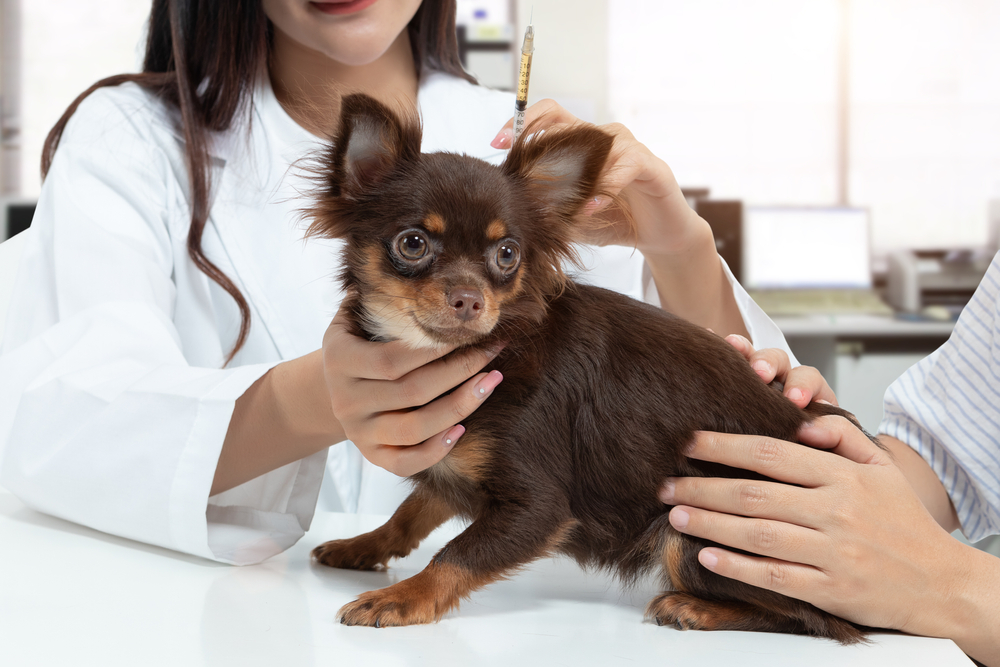
There are a few steps pet parents can take ahead of time to prepare for their pet’s wellness checkup.
Pet parents should try to bring in stool and urine samples from their pet to allow for testing, Dr. Alleyne says. Check with your veterinarian to ensure they’re okay with this and ask about ideal conditions for urine or stool sample collection.
Pet parents should also bring in any prior records of medical treatment and test results, he suggests.
You can also put together a list of questions for your veterinarian ahead of time, such as:
- What preventative measures should I take at home to keep my pet healthy?
- What diet do you recommend feeding?
- What supplements should I give?
- What type of environment is best to enhance my pet’s health?
- Is my pet in ideal body and muscle condition? If not, what can I do at home to help them get to their ideal body condition?
- Is [X] behavior normal? (Talk to your veterinarian about any changes in your pet’s behavior, mood, or personality, as those can be signs that something is wrong.)
What to Expect During the Pet Wellness Exam
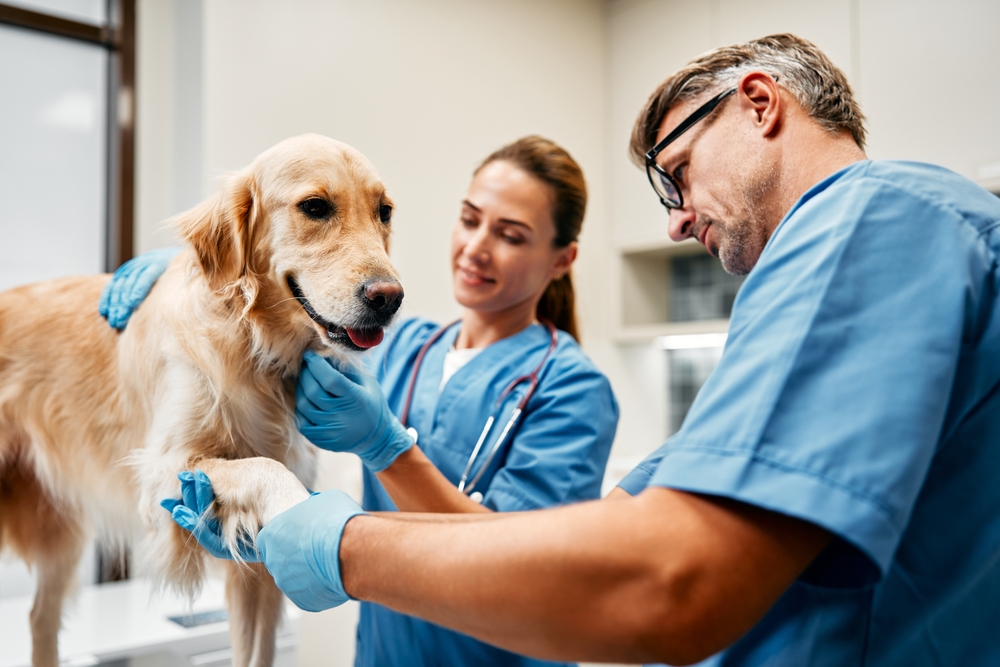
Your veterinarian will begin by obtaining a thorough medical history. They will gather as much information as possible about your pet’s normal environment, diet, routine, and behavior. “If you have noticed anything unusual, it is best to point it out before the exam,” Dr. Brookshire adds. “Because you are with your pet every day, you are likely to notice subtle changes that could be a sign of something that needs to be addressed.” Your veterinarian will also assess your pet’s body weight, body condition score, and muscle condition score. This information will help them develop an overall picture of your pet’s health.
Next, your veterinarian will perform a complete physical exam, looking for subtle indicators of underlying disease. They will listen to your pet’s heart and lungs and check your pet’s pulses to evaluate the cardiovascular and respiratory systems. They will palpate (feel) the abdomen, looking for enlarged organs and/or masses. They will examine your pet’s eyes and ears, look inside the mouth, and check your pet’s teeth carefully. They will move your pet’s limbs around to look for pain, swelling, and/or stiffness. Your veterinarian will also assess the condition of your pet’s skin and coat, feeling for any lumps or bumps on the skin, Dr. Brookshire says.
Your veterinarian may conduct diagnostic tests during your pet’s annual checkup, such as:
- Fecal parasite testing
- Bloodwork, including a complete blood count (CBC) and chemistry profile
- Urinalysis
- Heartworm testing
- Tick-borne disease testing for dogs
- Feline leukemia virus (FeLV) and feline immunodeficiency virus (FIV) testing for cats
Your pet’s medical history, physical exam findings, and diagnostic testing each provide valuable information for your veterinarian. With this information, your veterinarian can evaluate your pet’s health and recommend further care as needed.
Pet Wellness Exam Cost
The cost of pet wellness exams can vary greatly. Some factors that influence a pet wellness exam cost include: location, type of practice (an upscale, private practice will cost more than a shelter wellness visit), and tests or vaccines performed during the visit.
Here are some cost estimates that factor into the equation:
- A routine veterinary exam can cost between $50 and $150, not including vaccines or diagnostic testing.
- Vaccines typically range from $25 to $60 each, depending on the vaccine.
- Diagnostic tests can range from $40 to $250, depending on the specific test your veterinarian recommends.
You might be wondering, does pet insurance cover wellness exams? “Pet insurance coverage can vary between companies, but when [wellness exam] coverage is offered, it is usually at an additional cost,” Dr. Alleyne says. If you’re researching wellness coverage as part of a pet insurance plan, make comparisons between plan options and determine if the pet insurance that covers wellness exams is worth it.
Post-Visit: Reminders for Pet Parents After the Pet Wellness Exams
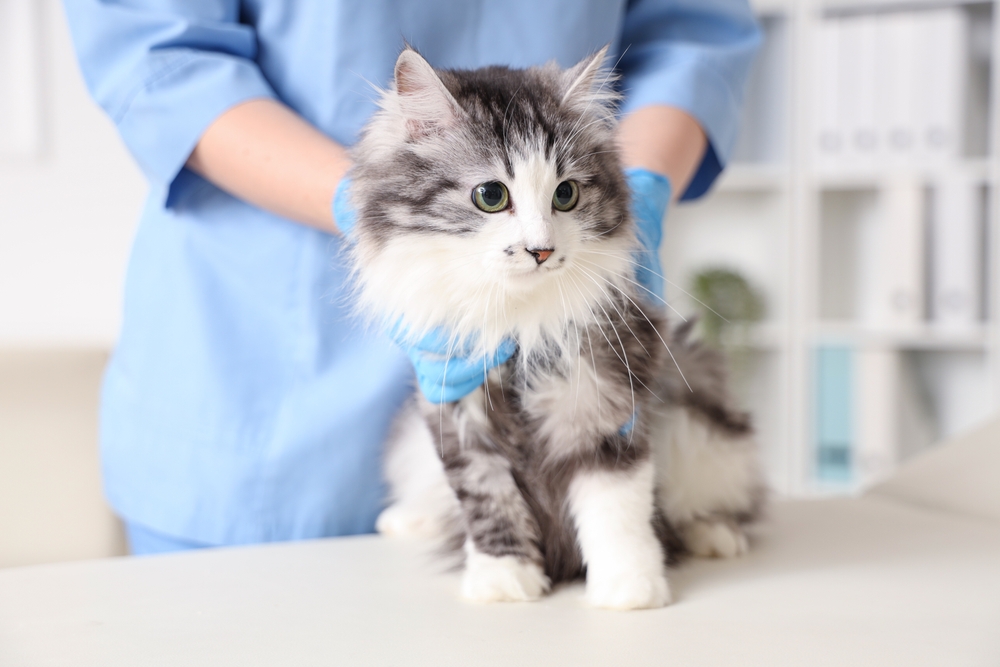
If your pet received a vaccine, talk to the veterinary staff about warning signs of a vaccine reaction. If your veterinarian prescribed medication for a problem they saw during the pet wellness exam, ask any follow-up questions you have about administering medication before you leave.
Once your appointment has ended and it’s time to check out, consider booking your pet’s next wellness visit before leaving the veterinarian’s office. Routine anesthetic procedures such as spay and neuter or dental cleanings can be scheduled also, Dr. Alleyne says.
Regular wellness checks are crucial for maintaining your pet’s health and longevity, Dr. Brookshire says. If your veterinarian puts your pet on a treatment plan, you should continuously monitor your pet for any changes. Keeping a daily health journal and setting reminders on your smartphone can help you keep track of your pet’s condition and medication doses — and will ensure you don’t forget about your pet’s next appointment!
Why Does My Dog Smell Like Fritos?
- 2025-02-28T19:14:58
- Elizabeth Claire Alberts
No matter how perfect your pooch is (and aren’t they all?) dogs often smell a bit, well, doggy. Typically, these aromas vary from dog to dog. However, if you’ve ever caught a whiff of your dog’s paws and wondered, “Why does my dog smell like Fritos?” you’re not alone.
Many pet parents report this oddly familiar, corn chiparoma emanating from their pups’ paws. And that includes Dr. David Haworth, DVM, executive vice president of research and development at Embark Veterinary.
Dr. Haworth is a fan of the smell of Frito paws on dogs. “It’s corn chips, it’s Doritos. It’s an umami, salty, earthy flavor that, if you’re really lucky, has grass overtones and rosemary,” he says. “It’s a bouquet.”
So, what is this scent? Why do dogs smell like Fritos in the first place, and is it something to worry about? Let’s dig in and find out.
All About Dog Frito Smell
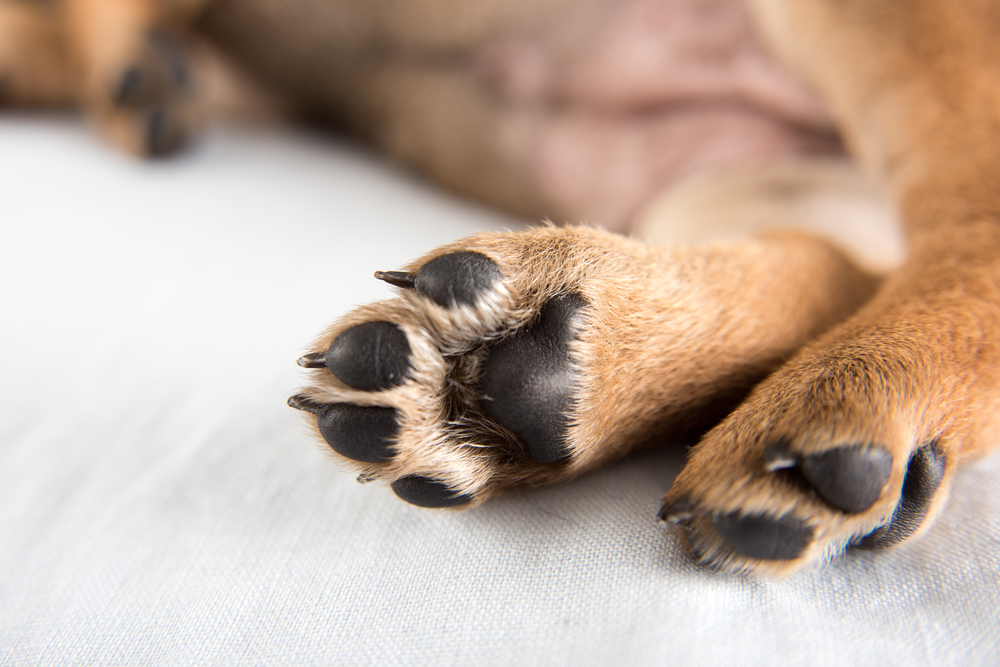
Pet parents have compared the smell of their dogs’ paws to all kinds of salty snacks — corn chips, popcorn, and even Cheetos.
In most cases, this odor comes from your dog’s feet or paws, rather than another part of their body. It’s often due to the sweat glands in the nooks and crannies of dog feet. These can create an ideal environment for microorganisms such as bacteria, yeast, and algae to cultivate.
Two bacteria in particular — Pseudomonas and Proteus — are the most common culprits behind dog Frito paws. They tend to thrive on dog feet, where they produce the yeasty aroma that smells like corn chips to many pet parents.
However, these offenders rarely act alone. Dogs who spend a lot of time outside can collect microorganisms from the dirt, grass, and other natural materials. As Dr. Haworth puts it, outdoor dogs have the “highest concentration of ground smells.”
Although the corn chip scent is usually strongest on a dog’s feet, Dr. Haworth says that it can also occur elsewhere. You might also smell that Frito scent near your dog’s tail head (where the back meets the tail) or even on the ears. Essentially, the smell can develop anywhere yeast and bacteria thrive.
Some dog breeds may be more susceptible to Frito feet than others. For instance, breeds such as Bulldogs, Shar Peis, and Pugs are more likely to contract skin fold dermatitis. And this condition can contribute to that distinctive corn chip smell.
Breeds with extra-thick fur around their paws — such as Golden Retrievers or Bernese Mountain Dogs — also tend toward Frito feet. The more profuse the fur around their paws, the more likely it is to trap microorganisms.
Dr. Haworth adds that he thinks dogs have more strongly scented paws when they have big feet as opposed to small feet. “That’s just a mass effect, I would expect,” he says.
Why Does My Dog Smell Like Fritos?

In most cases, Frito-scented dog feet are completely normal and nothing to worry about.
However, a strong corn chip smell can also accompany infections on dog paws. This could happen if your dog has an infected nail bed, an infection within the paw crease, or even an infected paw laceration.
Dr. Haworth says the main signs of an infection are:
- Pain
- Redness
- Swelling
- Foul or yeasty odor
- Excessive paw licking
So, while Frito paws on their own aren’t cause for concern, stay alert for other warning signs of infection.
In cases of infection, Dr. Haworth says, “You’d notice their discomfort. Or you’d see them licking their paws a lot more than usual because that’s the way that they scratch — with their teeth. They might hesitate to put their paw down,” he adds.
Some dog breeds are more susceptible to paw problems. For instance, one report noted that Labradors’ wide paws make them more likely to develop paw diseases. Similarly, Pekingese and some terriers are prone to foot dermatitis and other paw-related health issues.
If you think your dog might be suffering from some kind of paw infection, take them to the vet as soon as you can.
What to Do if Dog’s Paws Smell Like Fritos
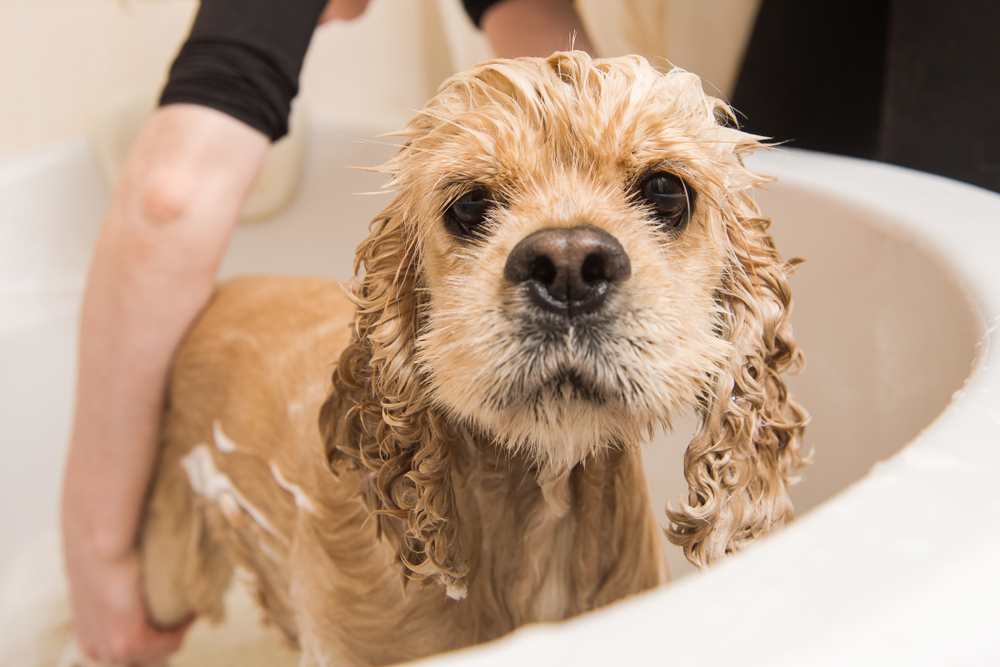
As long as your dog’s Frito feet aren’t due to an infection or other paw health issue, there’s no need for treatment.
However, if the smell bothers you, Dr. Haworth offers a simple solution: bathtime.
“Make sure you like the smell of the shampoo and then give your dog a bath,” says Dr. Haworth.
And if your dog has extra fur around their paw pads that could trap microorganisms, consider trimming that fur. This is what Dr. Haworth does for his golden retriever.
“I take a pair of scissors to his feet because he gets what we call hobbit feet — tufts of fur coming out between his toes,” says Dr. Haworth.
“I find it adorable, but it can trap bacteria or other organics that we don’t want trapped in there,” he notes.
You may find electric shavers with a guard safer to use between the paw pads. If you are using scissors, be extremely careful to avoid accidentally snipping the paw pads or the skin webbing between the toes.
If the smell persists, you can try cleaning your dog’s paws with a solution of chlorhexidine diluted with water. However, it’s important to use caution, says Dr. Haworth.
Chlorhexidine is a disinfectant with antiseptic properties. Even when it’s diluted, it can be toxic if ingested. So Dr. Haworth recommends ensuring your dog doesn’t lick their paws when the solution is on them. And after you wash their paws, carefully dry your dog’s feet with a towel.
If you want more advice on how to clean your dog’s stinky Frito feet, always seek advice from your veterinarian. A reputable dog groomer may also have good recommendations for managing Frito feet.
How to Prevent Dog Frito Feet
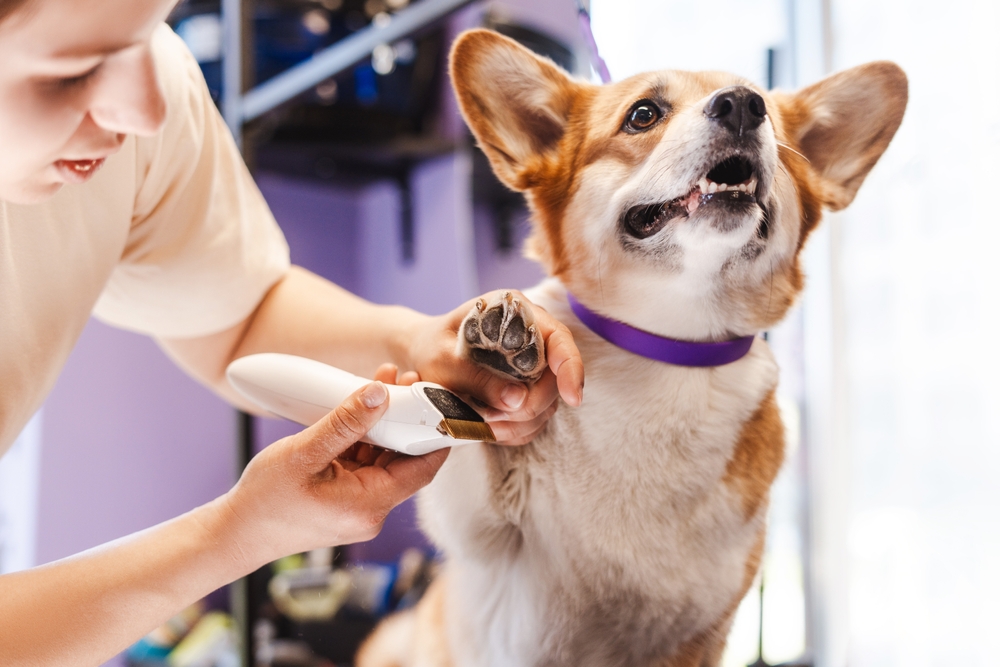
To help prevent your dog from having Frito feet, here are some expert tips for pet parents:
- Bathe your dog regularly
- Trim excess fur around their paw pads
- Wash their paws with diluted chlorhexidine, if necessary
But for the most part, unless there are signs of infection, pet parents don’t have to worry about Frito-scented paws.
In those cases, “it’s absolutely harmless, and in fact, I find it to be a quite endearing smell,” says Dr. Haworth.
If you don’t love the scent already, maybe you’ll grow to love it, too.
Choosing a Veterinarian: How to Find the Best Vet for Your Pet
- 2025-02-18T00:00:41
- Kirsten Adams
Our pets are a big and important part of our family. Just like human parents want to find a great pediatrician for their children, pet parents want to find the best vet for their pets. There are many reasons why pet parents need to connect with local vets to care for their dogs and cats, and it can be difficult to decide which one would be a good fit. Luckily, we’re here to help!
Good Vets: Why They’re Important
Just like humans, our pets need regular care to help them live healthy and happy lives. That’s why it’s so important to find a great local veterinarian who you can trust.
“Finding a good vet is very important because they basically become your partner in your pet’s health journey,” says Dr. Kelly Hood, a small animal general practitioner and veterinary representative for Pet Portraits. “A skilled vet doesn’t only treat illnesses, they also help prevent them. They’ll know your pet’s history and be able to pick up on subtle changes and guide you through critical decisions. It’s pretty much the same as having a family doctor for your pet.”
Connecting with vets in the area can give you easy access to care when your pet needs it most. Let’s review some tips to help you find the best vet near you!
5 Tips for Finding the Best Vet Near You
A natural concern for pet parents is ensuring the well-being of their pets. You may be wondering, “How do I find the best vet near me? Can I really trust internet results?” Nearby veterinarians are always a great place to start, but there’s a lot more for you to consider when looking for a veterinarian.
“The best place to find a great vet is through recommendations,” advises Dr. Helle Brandrup, a certified veterinarian and wellness advocate. “As a veterinarian myself, most clients tell me that they were recommended by friends or family. No one is going to market their vet’s services for free if they are not exceptional at their job.”
When to search
Planning is key when looking for great care for your pet. Before you welcome a dog or cat into your home, searching for vets in the area is just as important as getting supplies. Ideally, your pet should see a veterinarian for a checkup within the first few days of bringing them home.
Where to look
One option for finding a vet is an internet search. Here are some search terms to try:
- Best veterinarian near me
- Best veterinarians near me
- Local veterinarians
- Best rated vets near me
You can also use GreatPetCare’s Find a Vet tool to easily search for veterinarians nearby.
It’s a good idea to begin your search within a smaller radius of your home. You want access to your pet’s care to be convenient and close, especially if an emergency arises. Most locations have several vets in the area, so you will most likely have options to choose from.
Who to ask
Word of mouth is usually the best place to start. Talk to your neighbors and friends and family who are local to your area. Ask them which vet they use and why. Hearing first-hand accounts from people you know is always a good idea because you can ask follow-up questions and get a sense of how the provider treats their clients.
You also may know someone who isn’t nearby but can recommend a practice with multiple locations, so don’t rule out asking pet parents who are farther away. If you don’t know many people in your area, you can reach out to professionals who work with animals, such as:
- Trainers
- Breeders
- Groomers
- Local shelters
- Local pet stores
If you’re moving to a new area, you can also ask your current vet for recommendations. Good veterinarians will want to ensure your pet continues to have access to great care, especially after they have formed a bond with your pet. Don’t shy away from asking professionals for advice!
What to research
So, you’ve got some names of local vets. What now? Before you give them a call, you should do a little research. Some searching online can give you lots of information to help you make your decision, including:
- Online reviews of the practice
- Credentials and accreditations from organizations such as the American Animal Hospital Association (AAHA)
- Professional associations, such as the American Veterinary Medical Association (AVMA)
- Designation as a Cat-Friendly practice (if searching for your feline friend)
Try not to get too bogged down with the research. This step will help you get a sense of the provider and their practice, but it should not be the deciding factor. As Dr. Hood points out, “One thing you shouldn’t do is only rely on online reviews.”
Visit before committing
You’ve got the recommendations, you’ve done the research, but there’s another important step to take before committing to a new vet. Just like you wouldn’t buy a car before sitting in it and giving it a test drive, you should physically go to see the office of the vet you are considering.
When you get to the vet’s practice, be sure to take in the vibe. Make note of the pet parents who are there. Do they seem stressed or relaxed? Is the waiting room chaotic or orderly? How does the staff interact with the pets, pet parents and each other? Is the facility clean?
You will know whether or not you get a good feeling from the practice based on how the facility looks and the interactions you see. You can learn a lot from simply observing!
Questions to Ask a Vet Before You Decide
When you go check out a veterinary practice, you should arrange (ahead of time) to speak to the vet while you are there. There are several questions to ask a veterinarian as part of your research, so let’s review some of the most important ones.
Their experience
One size does not fit all in the world of veterinary medicine. While vets are trained to care for all animals, some specialize in particular breeds or species. Ask the vet what their experience is with your pet’s breed. As they talk about their experience, you can gauge whether they will be able to provide the level of care you expect for your pet.
Hours and availability
As we all know, life happens. Emergencies tend to pop up outside of regular office hours, so what is the vet’s availability? Ask the vet what their hours of operation are and how long patients typically need to wait for an appointment when requested. Many vets offer same-day emergency visits for an additional fee, as well as after-hours emergency care. Take the time to learn the vet’s availability to see if their schedule will fit with yours.
Rates/fees
Talking about money can be uncomfortable, but Dr. Hood advises asking the questions anyway. “Don’t be shy to ask about costs and payment options. A good vet will be transparent about these things.” The cost of veterinary care varies between practices and between regions. Some practices may offer payment plans or care packages to help spread payments throughout the year, rather than getting hit with a large bill at each annual visit. Some practices may have a benevolence fund or discounts for pet parents who can’t afford the care their pet needs. Knowing your options ahead of time reduces stress when emergencies pop up.
Do they accept pet insurance?
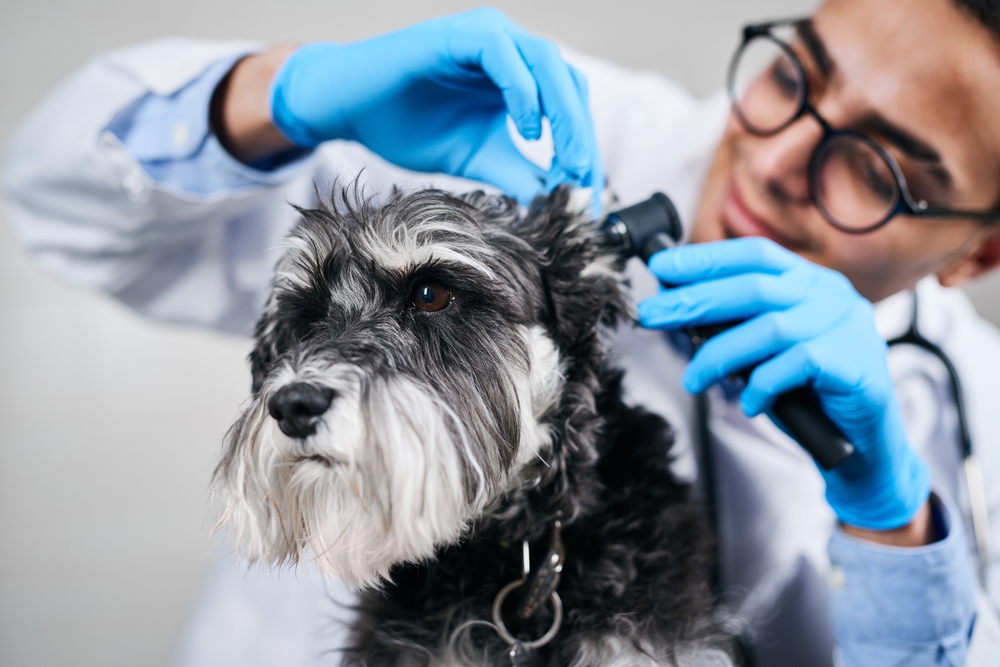
Pet insurance is always good to have. There are many options to choose from, but they all offer peace of mind when emergencies occur. If you are planning to have pet insurance, you should check with the vet to see how they handle it. Some practices may take care of the pet insurance process for you, and some may give guidance on how to submit claims for reimbursement. It’s important to get clarification on the process before you find yourself in a position where you need to use your pet’s insurance.
Communication options
We don’t usually think about this ahead of time, but there will be times when you will need to get in touch with your pet’s care provider. There may be a question you need to ask a veterinarian, you may need to check on vaccination records for a grooming appointment, or you may just need to schedule your pet’s annual exam. Knowing how to get in touch and what to expect when communicating with your provider will alleviate some of the frustration and anxiety. Some vets will return calls themselves, some will relay a message through a technician, some will respond to messages via a portal, etc. Ask how your vet communicates and what you can expect to help you decide if that type of communication will work for you. One way to keep in touch with your vet and help you stay on top of your pet’s needs is through a GreatPetCare account.
Buying medication
There comes a point when our pets need some type of medication to treat an illness or to help them live more comfortably. Ask the vet how they handle pet medications so you know what to expect should the need arise. Larger veterinary practices may dispense the meds themselves, and some may provide a prescription for you to fill. No matter the approach, your vet should be able to explain exactly how to get the meds your pet needs and how much they will cost.
Vet’s approach to medicine
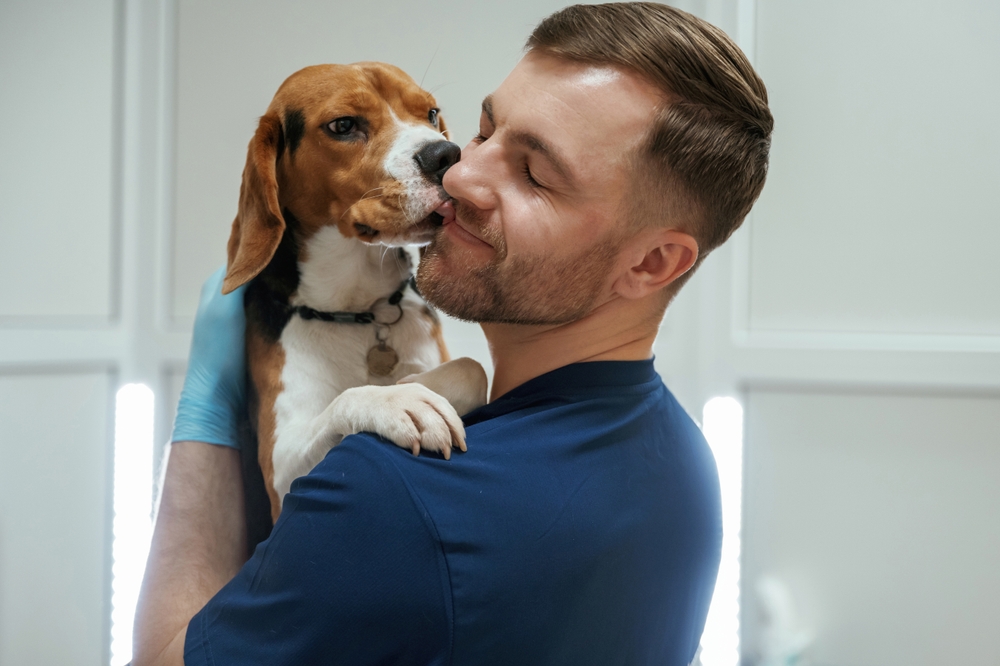
As with human medicine, veterinary medicine is constantly evolving and improving. It’s a good idea to ask a potential vet about their general approach to medicine, and if they stay up-to-date with the latest developments in the industry. Their response will give you an idea if they have a more holistic or integrated approach to treating pets. This would also be a good time to ask if the practice offers after-hours emergency care and surgical procedures. If the vet does not offer these services, ask how they handle emergencies.
How many vets are at the practice
Similar to a doctor’s office, a veterinarian’s office can have a single provider or many providers available. When deciding whether a vet is a good fit for you and your pet, find out how many doctors are at the practice.
If there are many, Dr. Brandrup advises pet parents to ask, “Will I be working with a specific doctor or would I be scheduled with the first available one?” Depending on the answer, you may or may not feel comfortable with how the practice manages patient care. While having a single provider for your pet would be beneficial for building a relationship, having multiple providers available can increase availability to see your pet when they need care.
When to Consider Switching Vets
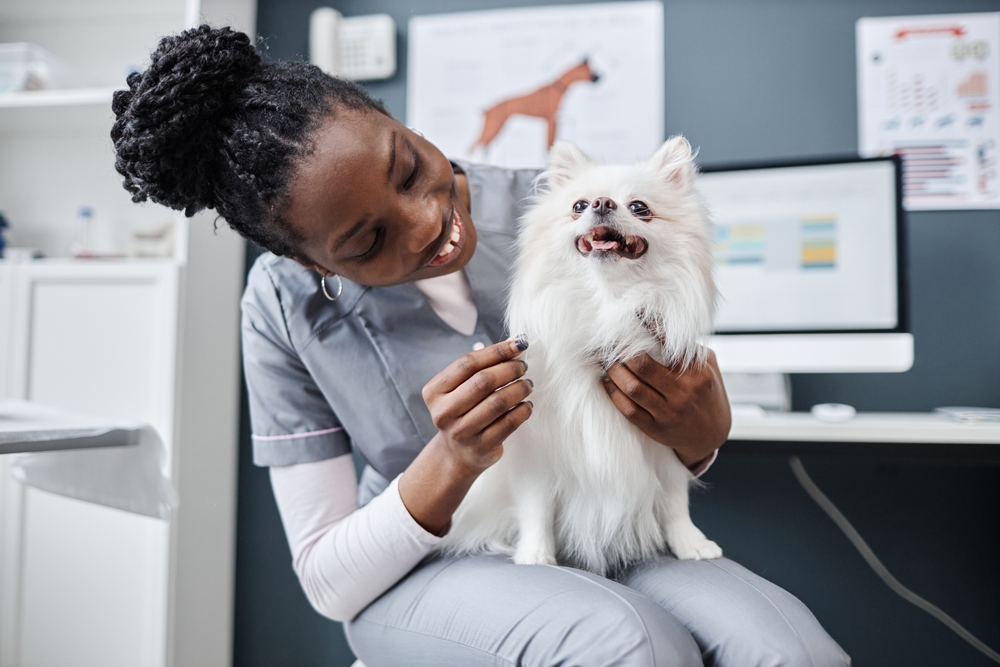
Despite our best efforts, sometimes our chosen vet is not the right fit. There can be a number of reasons for this. Even if your vet has great reviews, if they are not meeting your needs, it’s okay to make the switch. Consider the following when making your decision and transition.
Reasons for switching
If you’re not happy with your vet, you may be on the fence about making a switch. These are some reasons why a switch is warranted:
- You and/or your pet are treated poorly
- Your provider is not upfront about costs and options for care
- Your pet has been misdiagnosed
- Your provider comes across as insensitive to you and/or your pet
- Your provider is a poor communicator
While you may have been with your vet for a while, receiving poor service is a reason to leave. Dr. Brandrup elaborates, “Never feel bad about switching. If you feel that you are not getting adequate care for your pet, then it is a sign that you should be looking elsewhere. Lack of communication is also a big red flag. If you feel that you are not being listened to or that your concerns are not regarded, then it is best to switch.”
What to do when switching
When you make the decision to switch, be sure to make the transition as smooth as possible. Here are a few things to remember in this scenario:
- Request your pet’s records from your current vet
- Let your current vet know why you are leaving
- Find another vet before leaving to avoid a lapse in care
While it may feel uncomfortable to reach out for records and to let the vet know why you are leaving, it will ultimately make life easier for you. It will also give important feedback to the vet to help them improve their practice moving forward.
Finding a Good Veterinarian Is Just the Start
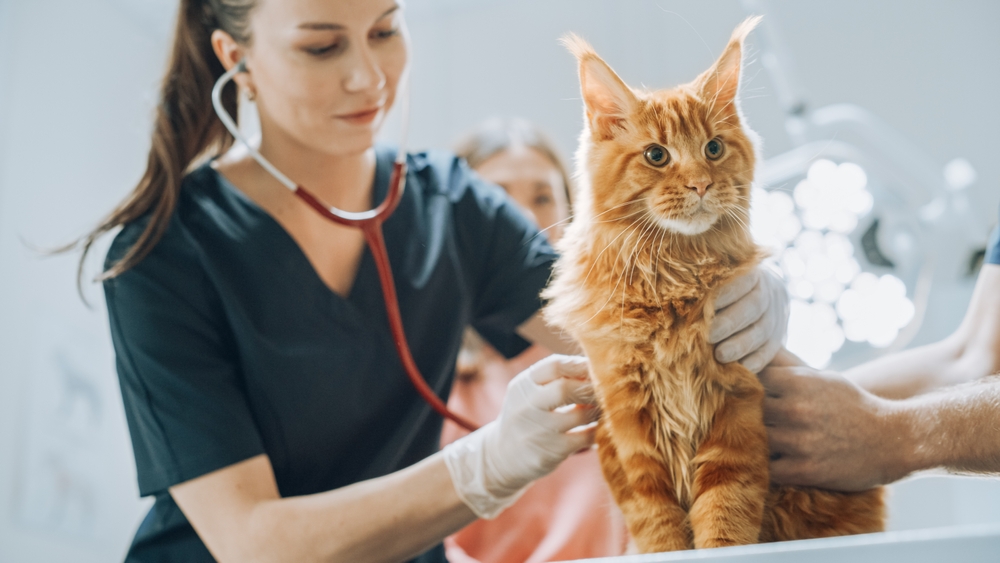
When you find a veterinarian who is a great fit for you and your pet, your job is not done! Pets need regular checkups and vaccinations to stay healthy. Stay on top of your pet’s annual appointments by scheduling ahead of time. Pay attention to your pet’s habits so you will be aware if there are any issues that need attention. Conveniently, you can use the GreatPetCare account to keep track of your pet’s appointments and vaccinations, and even keep notes on their behavior for your next appointment.
Remember, finding the best vet for your pet is just the first step in this long-term relationship. “The best way to partner with your local vet is to think of it as a team effort,” Dr. Brandrup advises. “[We] take our jobs very seriously, but we need to remember that the decisions we make for pets will also affect the owner. That is why when it comes to creating an exceptional partnership, teamwork is essential.”
Dr. Hood adds, “Open communication is essential. Share all changes you notice in your pet, even if they seem small. Be honest about your pet’s lifestyle and diet. Ensure you follow through with recommended treatments and preventative care, and always ask questions for clarity when you need it. Remember — you know your pet better than anyone. Your vet should be available to offer help and guidance to keep your pet healthy and living [their] best normal life.”
Pheromone Collars for Dogs: Do They Work?
- 2025-02-12T23:14:19
- Elizabeth Claire Alberts
If your dog struggles with anxiety, you probably want to do everything in your power to help them. One possible solution is fitting your dog with a pheromone collar — a special collar that releases calming pheromones for dogs, helping them cope with psychologically challenging events.
Pheromones are natural chemicals that send signals to your dog’s brain, influencing how they may behave or communicate with other dogs. For instance, dogs may emit pheromones through urine when they’re marking territory. Mother dogs also release a calming pheromone while nursing their puppies. This second type is known as a “dog appeasing pheromone.”
“I’m always super fascinated by the idea that animals perceive the world in ways that are completely foreign to us,” says Dr. David Haworth, a veterinarian and executive vice president at Embark Veterinary, a canine genomics and biotechnology company based in Boston. “And pheromones … are a huge area that our pets ‘see’ that we are just blind to.”
So, how do dog pheromone collars work? Let’s get into it.
What is a Pheromone Collar for Dogs?
Ideal for pups of any age or size, pheromone collars work by releasing a synthetic version of the dog-appeasing pheromone. Dogs detect this pheromone through their vomeronasal organ, or Jacobsen’s organ, which is located in their nasal cavity.
“In terms of the pheromone collars, they are using pheromones that release oxytocin and give more of a calming [effect] to dogs,” Dr. Haworth says.
In addition to collars, pheromone sprays and diffusers can be equally as effective, according to Dr. Haworth. “If you can spray or use collars for pheromones to help calm them down, then hopefully you have a better experience for that animal.” However, he adds, the pheromone collar has the added benefit of “going with the animal.”
Dog Pheromone Collar: Uses and Benefits

What are the potential benefits of using a pheromone collar for dogs? One clear advantage is that it can help calm a dog with anxiety.
Dr. Haworth says there is “strong evidence” showing that dogs who use pheromone collars exhibit reduced signs of anxiety, including lower heart rates and fewer anxiety-related behaviors. For instance, one study found that pheromone collars successfully reduced sound-induced fear and anxiety in Beagles. [1]
A dog collar with pheromones may also help lessen other behaviors like barking, chewing, or urine marking, but Dr. Haworth says it depends on the root cause of the behavior.
“If a dog is barking because [they’re] hardwired to bark, like a Beagle … you’re not going to get rid of that by making them a little calmer,” he explains. “On the other hand, if [they’re] barking because [they’re] reactive and…in a heightened state of anxiety, then sure, the collar could potentially help.”
Dr. Haworth says pheromone collars can be part of a long-term solution to helping dogs with anxiety. However, the collars may “lose their effect over time.”
Pet parents can also look for other solutions to help dogs with anxiety, such as playing classical music, putting them in ThunderShirts, and making their environment more secure and comforting.
“If I’m really concerned about my animal, then of course I’m going to try a bunch of things and see what works,” Dr. Haworth notes.
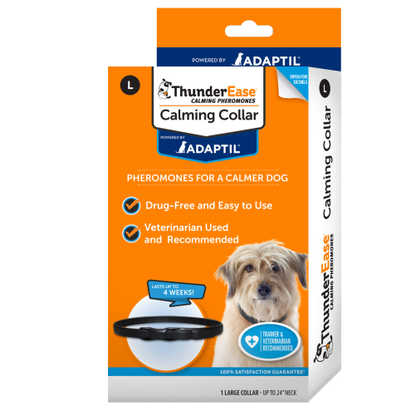
There are many different pheromone collars on the market, ranging in cost from about $17-$40. Here are a few examples:
- NurtureCalm 24/7 Pheromone Collar
- ZENIDOG Pheromone Collar for Dogs
- ThunderEase (Powered by Adaptil) Calming Collar


Are Pheromone Collars Safe for Dogs?

According to Dr. Haworth, pheromone collars don’t have any side effects and are extremely safe for dogs. “They’re not pharmaceutical,” he explains. “It’s not like we’re giving them anxiolytic drugs. Essentially, we’re creating an artificial situation to tell them that others of their species have been in this situation, or [are] currently in that situation, and they’re fine.”
However, he adds that one potential downside to pheromone collars is that pet parents might use them as a “crutch” rather than address the reason behind a dog’s anxiety or other behavioral issue.
Not only that, but the collars aren’t going to work in every situation. “A dog may be mildly concerned around fireworks or thunderstorms, and you give [them] a pheromone collar and they’re fine, except for New Year’s Eve when fireworks are going off in the next door neighbor’s yard,” Dr. Haworth says.
He also suggests checking to make sure your dog won’t experience irritation or have a bad reaction to the pheromone collar before putting it on them. That said, adverse reactions to the pheromones themselves are pretty rare — it’s more likely that the structure of the collar itself may cause irritation.
Additionally, Dr. Haworth recommends always keeping an eye on your dog to make sure they’re not eating the collar. This can cause mild gastrointestinal upset including vomiting and diarrhea.
Do Dog Pheromone Collars Work? The Verdict
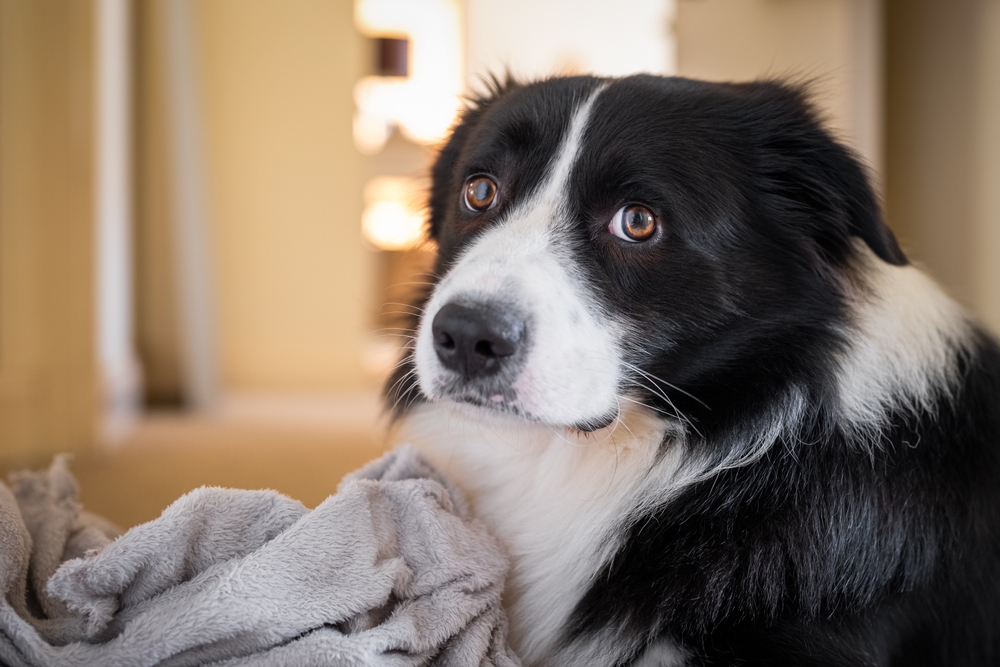
In short, yes, dog pheromone collars work. In fact, they can be a life-changing solution for anxious dogs, providing them with consistent calming comfort.
If you have any questions about pheromone collars and whether they’re the right fit for your dog, be sure to speak with your veterinarian.
Reference:
- Landsberg GM, Beck A, Lopez A, Deniaud M, Araujo JA, Milgram NW. “Dog-appeasing pheromone collars reduce sound-induced fear and anxiety in beagle dogs: a placebo-controlled study.” Vet Rec. 2015 Sep 12;177(10):260. doi: 10.1136/vr.103172. Epub 2015 Aug 26.
6 Reasons We’re Grateful for Veterinarians
- 2025-01-26T21:42:07
- Kirsten Adams
Pet parents know their pets are a part of the family. There’s no question, we feel deep love and devotion to our pets. Just like children need a great pediatrician, our pets need the best veterinary care we can give them. When you connect with a good veterinarian, you feel your pets are safe in their hands. Having a loyal family vet brings us peace of mind, so let’s look at the reasons we are grateful for veterinarians and ways to show our vet appreciation!
6 Reasons We’re Grateful for Veterinarians
Being a pet parent is a big responsibility, and part of that responsibility is having a family veterinarian who will be able to care for your pet throughout their life. If you’re wondering how to find a good vet, you can start by using our vet finder tool. If you’re wondering what makes a good vet, read on for some inspiring stories from a variety of grateful pet parents.
They Treat Our Pets Like a Part of the Family
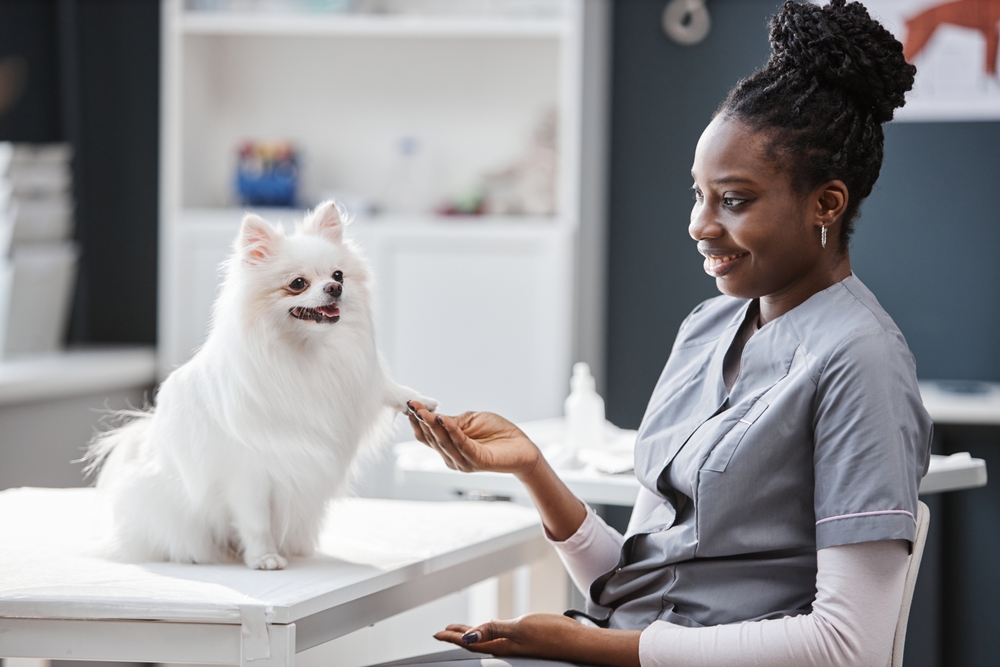
Even though it’s not part of the veterinarian job description, veterinarians understand how important pets are to families. Matt J. describes his first vet experience after adopting a dog:
“When we first adopted Brandy, we didn’t know what we were doing! We decided to go to our local animal hospital to have Brandy checked out, but we didn’t know what to expect. As soon as we walked in the door, Brandy was treated like a part of the family. She was given pets and treats, they spoke sweetly to her, and they made us feel like we were all working together to give Brandy the best care possible.”
They Give a High Level of Personalized Care
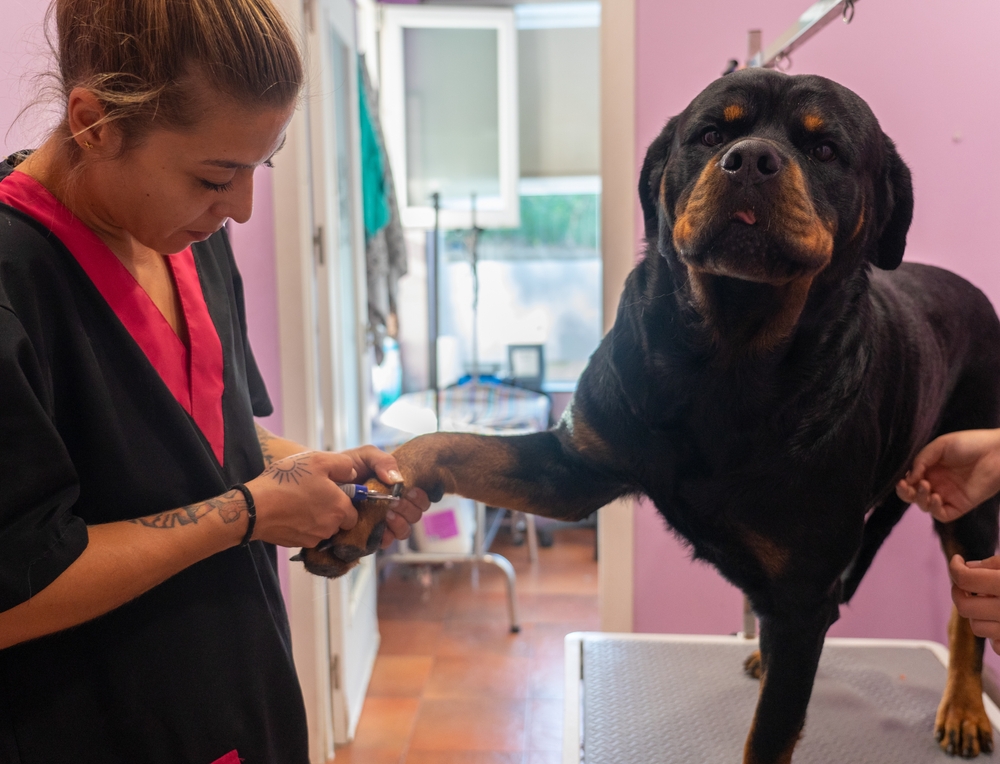
So, what does a veterinarian do that makes us feel confident and comfortable with trusting them to care for our pets? They give a high level of personalized care, making sure to be very familiar with our pets’ medical needs and unique personalities. Jenny H. explains how her vet gives personalized care for her Rottweiler, Adam:
“Adam is a very big boy, and very sweet. He is very reactive to small animals, though. My vet understands Adam’s personality and the temperament of Rotties, so she makes sure that when we arrive, Adam is taken right to an exam room without having to wait in the lobby. Even though he is big, my vet treats him like a special boy and gives him lots of attention. She listens to my concerns and will make suggestions without making me feel pressured. When he has bloodwork, she personally calls me to give me the results. I just love my vet!”
They Give Us More Time With Our Pets
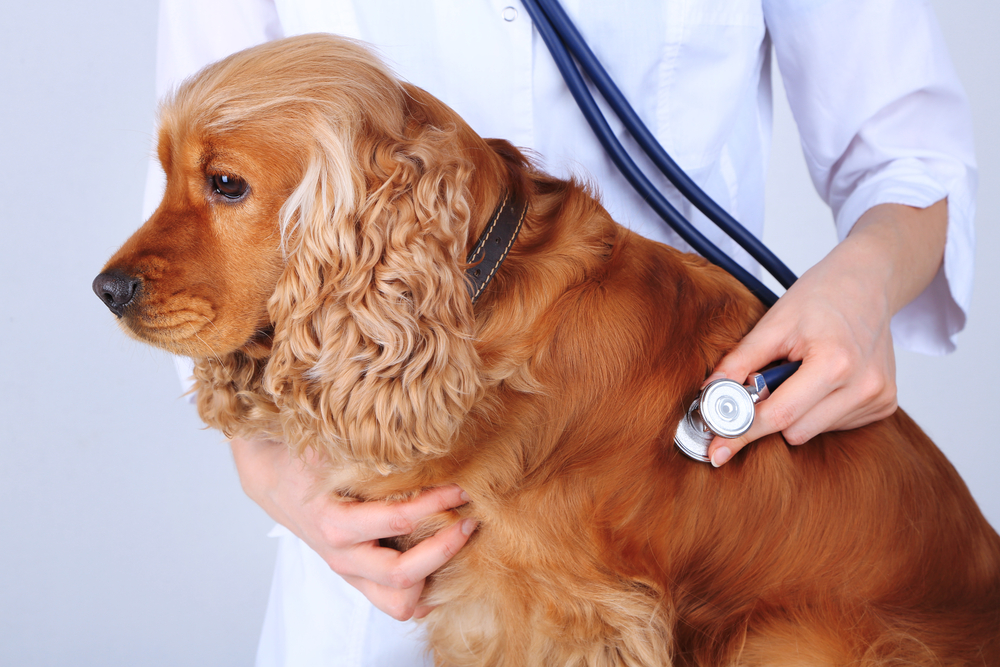
When our pets get older, they often develop medical conditions that need treatment and monitoring. These medical conditions can be expensive and overwhelming, but having a great veterinarian can help us navigate these tough times. Andy A. explains how his vet helped his Cocker Spaniel, Sadie, live another three years:
“Sadie had been through a lot with us, through a lot of heartache and hardship. She was special for so many reasons, and we were willing to do what we needed to do to give her a happy and healthy life. When she developed diabetes later in life, our vet took the time to explain our options for treatment. Our vet coached us on how to give insulin injections and how to monitor her for signs of low and high blood sugar. Our vet was readily available by phone or through the app, which we needed to use a lot in the beginning. With our vet’s help, we became expert caregivers and Sadie was able to stay with us for another three years.”
They Stay Calm in an Emergency
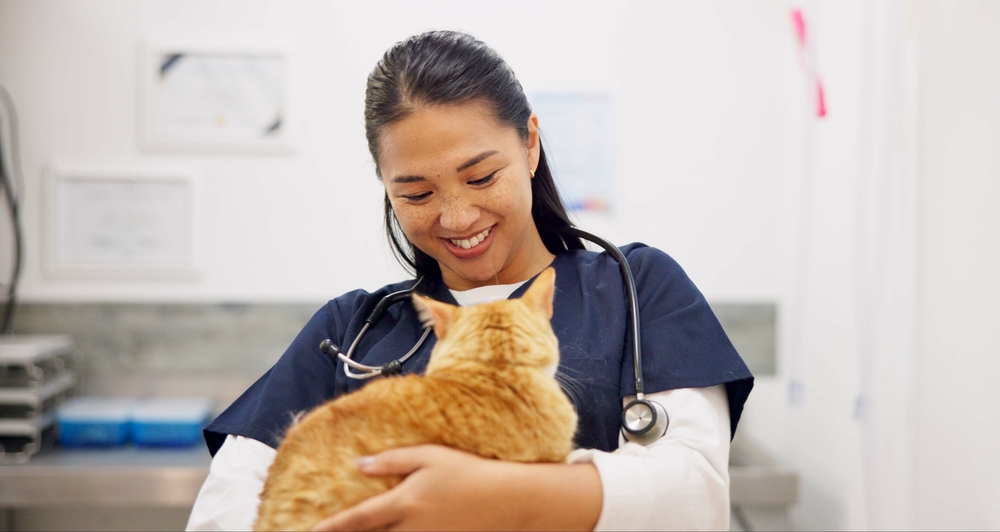
If you’re wondering what to look for in a veterinarian, you may want to consider someone who is also an after-hours emergency vet. Just like humans, pet emergencies can pop up at any time. Knowing who to call and what to do can make all the difference. Kelly Ann C. explains how her veterinarian was able to care for her cat in an emergency:
“One night, I noticed our cat Isabelle was having trouble breathing. We called our vet and hopped in the car right away to take her right over to their emergency department. When we arrived we were completely panicked, but we were greeted with calm and confidence when we reached our vet. We immediately felt relieved that she was in good hands. Our vet was able to help Isabelle and send her home with us later that night. We will forever be grateful to him for being able to save her.”
They Help Us Make the Tough Decisions
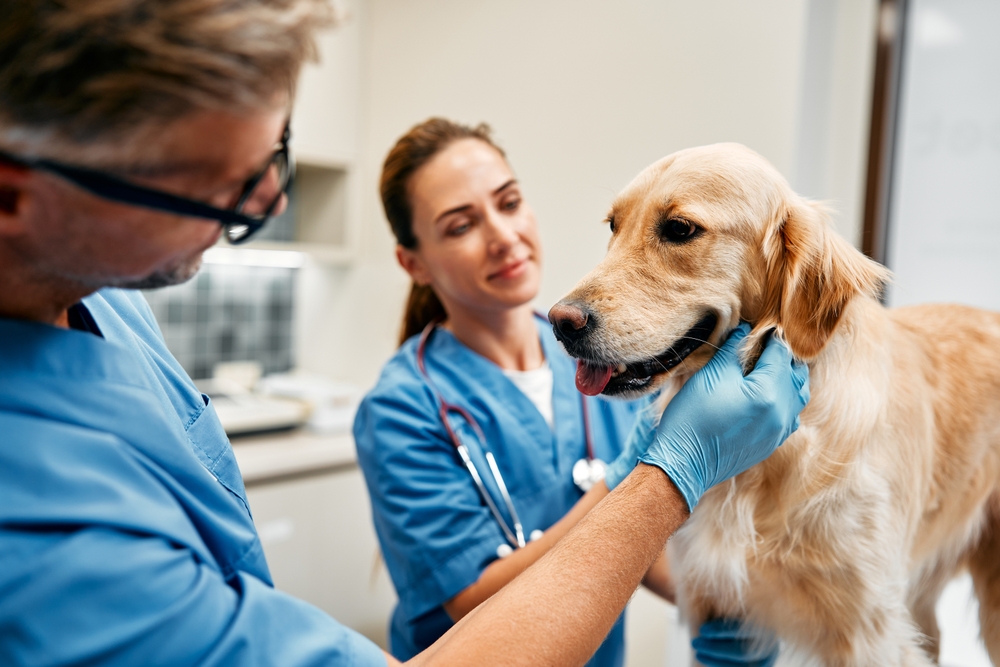
An important quality of a veterinarian is their ability to focus on the needs of each pet and offer options. In stressful situations, pet parents need a vet who is compassionate and understanding of our circumstances. One of the most sensitive times for pet parents is when a beloved pet is nearing the end of their life. Molly W. explains this situation with her Lab, Thor:
“Thor basically grew up with me, so when he was old and in pain, it was very difficult to decide what to do. At first, I was unwilling to consider letting him go, so my vet worked with me to figure out the best course of treatment to keep Thor comfortable. As time went on, my vet had a frank discussion with me about Thor’s needs. She explained that we could keep giving Thor meds to keep him going, but he did not have a good quality of life. We decided to let Thor go to relieve him of his pain. When the time came, I gave him his favorite cheese and then cuddled him as he drifted off to sleep. Why are veterinarians important? Because they help us through difficult decisions with our pets.”
They Have Endless Compassion
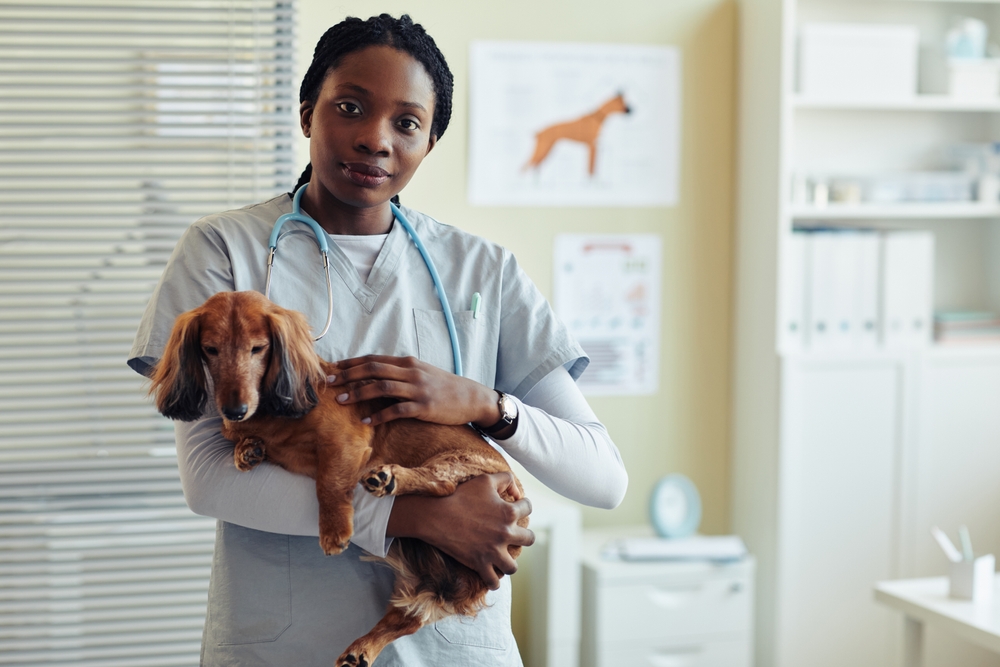
Most veterinarians are also pet parents, so they get it. They really do. They understand how important our pets are to us and the challenges that come with being a pet parent. When it comes time to make tough decisions, they have endless compassion for both pets and pet parents. Let’s go back to Matt and Brandy:
“Brandy was the absolute best and I loved her so much. When she developed a tumor behind her eye, my vet helped me with monitoring her condition to make sure she was comfortable. One day, we reached a point where we could no longer keep Brandy comfortable. We knew it was time to help her pass. When I took Brandy to my vet for the last time, it was devastating for me to let her go. The next day, a bouquet of flowers was delivered to my house from my vet with the sweetest note. It said, ‘We are so sorry for your loss. We will all miss Brandy, she was such a special and loving girl. We thank you for letting us be a part of her life.’ I will never forget how it made me feel to receive those flowers and feel the compassion from Brandy’s vet. I will always be grateful for that act of kindness.”
How to Show Your Vet Appreciation

Through the stories we shared, you can clearly see how impactful a good veterinarian can be. When you’re considering what to look for in a vet, or what questions to ask them, think about how you and your pet would want to be treated. Pet parents appreciate the level of care veterinarians provide, and finding a way to say thank you is a great way to show that appreciation.
Here are some ideas for how to thank a vet:
- Give them a great review
- Support a charity in their honor
- Give them a heartfelt thank you note
- Drop off treats for the office
- Send flowers
How to Communicate With Your Vet
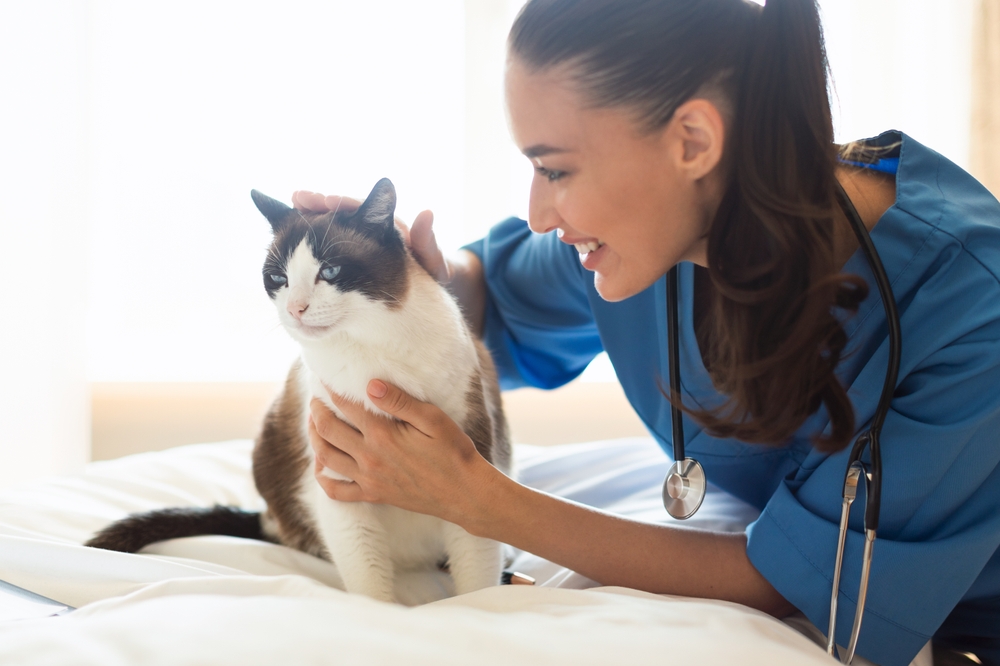
When you’re concerned about your pet, you will have questions to ask a veterinarian. Veterinarians will listen to your questions and give guidance based on their expertise and understanding of you and your pet.
The importance of communication in veterinary practice is key, and one of the ways you can make it happen is by using the GreatPetCare account and app. Signing up for a GreatPetCare account gives you access to features like dosing reminders, appointment reminders, a weight tracker, and more. The GreatPetCare app also has a health journal feature to help you keep track of what’s going on with your pet. All of the information you record in your GreatPetCare account and app will help communicate your pet’s needs to your vet.
To all of the veterinarians out there, we thank you!
10 Spring Hazards for Pets: What to Watch Out for This Season
- 2025-01-07T15:34:40
- Emily Johnson
Spring brings beautiful weather, but with it also comes several potential hazards for dogs and cats. From toxic plants to fleas and ticks, it’s important to be aware of the dangers your pet could get into.
Let’s explore some of the top spring hazards for pets — and how you can keep your furry family members safe.
10 Spring Hazards for Pets
Standing/Communal Water
As temperatures rise, our pets will be drinking more to stay cool. While streams and puddles may seem like convenient water sources, they can carry harmful bacteria, parasites, and even toxins. “Drinking from these sources can expose your pet to diseases like leptospirosis and giardia, which can also be spread to humans,” says Dr. Liza Cahn, a veterinary consultant with Embrace Pet Insurance.
And while water bowls at your local outdoor patios may be tempting, Dr. Cahn explains they can also be an easy source of passing diseases between dogs, such as the dog flu and kennel cough. To keep your pet safe, it’s best to carry fresh water and a travel water bowl with you during outdoor activities.
External Parasites

With warmer weather comes an influx of pesky parasites like fleas, ticks, and mosquitoes, all of which can spread disease. “Fleas and ticks surge in the spring, so it’s crucial that your pet is up-to-date on their flea, tick, and heartworm prevention,” explains Dr. Whitney Miller, chief veterinarian at Petco.
Pet parents should use veterinary-recommended parasite control such as Midamox Topical Solution on their pets year-round, not just in the spring. But, it helps to avoid the spots where these pests thrive during the spring, like tall grass and woodsy areas.

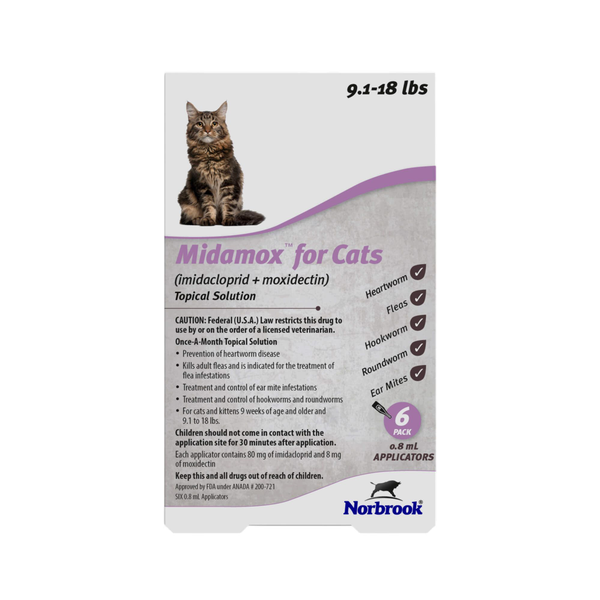
Here is a closer look at each of these pests:
Fleas
Fleas are a common nuisance, but they can cause more issues than itching. “Fleas can lead to blood loss, anemia, and allergic reactions,” Dr. Cahn says. If your pet is allergic to flea saliva, even a single bite can cause severe, widespread skin irritation. Fleas can also transmit tapeworms if eaten — which is common when your pet is biting their skin to relieve the itching they cause.
To prevent infestations, use flea preventatives recommended by your veterinarian. Remember to only use feline-specific flea meds on your cat — many canine flea control products are toxic to cats.
Ticks
Ticks can transmit some serious diseases, such as Lyme disease and anaplasmosis. Dr. Cahn advises checking your pet for ticks after outdoor activities, especially in wooded or grassy areas. If you find a tick, remove it promptly using fine-tipped tweezers, not your fingers. Early removal is key to preventing the spread of disease, and staying on top of tick control can help ensure ticks die before they get a chance to hurt your pet.
Mosquitoes
Mosquitoes may seem like a minor annoyance, but they’re a major concern thanks to their role in spreading heartworm disease. “Heartworm larvae are transmitted when an infected mosquito bites your pet,” Dr. Cahn explains. The larvae mature in the heart and lungs, causing serious health issues. Keeping your pet on preventive heartworm medication is the best way to protect them from this potentially fatal disease.
Intestinal Parasites
More time outside means more exposure to intestinal parasites, such as hookworms, roundworms, and whipworms. These parasites are often spread through contaminated soil or feces from other animals. Symptoms may not always be obvious, but some signs that your pet has intestinal parasites can include diarrhea, vomiting, and weight loss.
“Use a prescription preventative from your vet year-round and have your pet’s fecal sample checked annually to reduce the risk,” Dr. Cahn says. And always remember to clean up after your pet to prevent spreading worms to others!
Hot Cars and Heat Stroke
With temperatures rising, heat stroke starts to become a real concern for pets during the spring months, especially when left in a parked car. Dogs and cats don’t regulate their body temperature as efficiently as humans, making them vulnerable to overheating. “Never leave your pet unattended in a car, as heat stroke can occur within minutes,” Dr. Cahn warns.
Signs of heat stroke include excessive panting, lethargy, collapse, and difficulty breathing. If you think your pet is suffering from heat stroke, get them to an emergency vet ASAP.
Toxic Plants

Springtime means flowers and plants are in full bloom, but some of these can be toxic to pets. Common flowers like lilies, daffodils, and tulips can lead to serious health problems if accidentally eaten. “Symptoms of plant poisoning can include vomiting, diarrhea, drooling, lethargy, tremors, difficulty breathing, and even kidney failure and seizures,” Dr. Cahn says. Some symptoms occur right away, while others may take days to develop.
Here is a list of common plants and flowers that are toxic that pet parents may stumble upon in the spring:
- Aloe
- Apple trees
- Azaleas
- Birds of Paradise
- Boxwoods
- Calla Lily
- Lily of the Valley
- Holly
- Oleanders
- Wisteria
- Amaryllis
- Daffodil
- Eucalyptus
- Mums
- Sago Palm
- Tulip and Hyacinth bulbs
- Poinsettia
Dr. Miller advises pet parents to keep plants out of reach in your home and be cautious when walking in areas where these plants are common. If you think your pet may have eaten something toxic, use the Pet Poison Hotline for advice or get them to your vet right away.
Seasonal Allergies
Just like humans, pets can suffer from the onslaught of seasonal allergies during warmer months. Pollen, grass, and other environmental irritants are more prevalent in the spring, leading to symptoms such as:
- Excessive biting or scratching at skin
- Ear infections
- Skin redness
- Hair loss
- Sneezing
- Watery eyes
- Pawing at eyes or ears
“Environmental allergies, or atopy, can cause a lot of discomfort for pets, so it’s important to work with your veterinarian for proper diagnosis and treatment,” Dr. Cahn says. They can help identify what allergens are causing the most problems and recommend strategies to help lessen the symptoms through medications, special diets, or immunotherapy.
Bee/Wasp Stings
Bee stings typically cause only slight discomfort, like mild swelling and pain at the sting site, and will subside on their own. Pet parents can apply a cold compress to the sting site to reduce inflammation, though it’s not always necessary. In some cases, your vet might suggest giving antihistamines (such as Benadryl) to help, but this should only be done under veterinary guidance.
While most stings aren’t something to worry about, some pets can experience severe allergic reactions, especially if stung multiple times. “If you notice signs of a more serious reaction, like facial swelling, difficulty breathing, vomiting, or hives, get your pet to the vet immediately,” advises Dr. Miller.
Open Windows and Doors
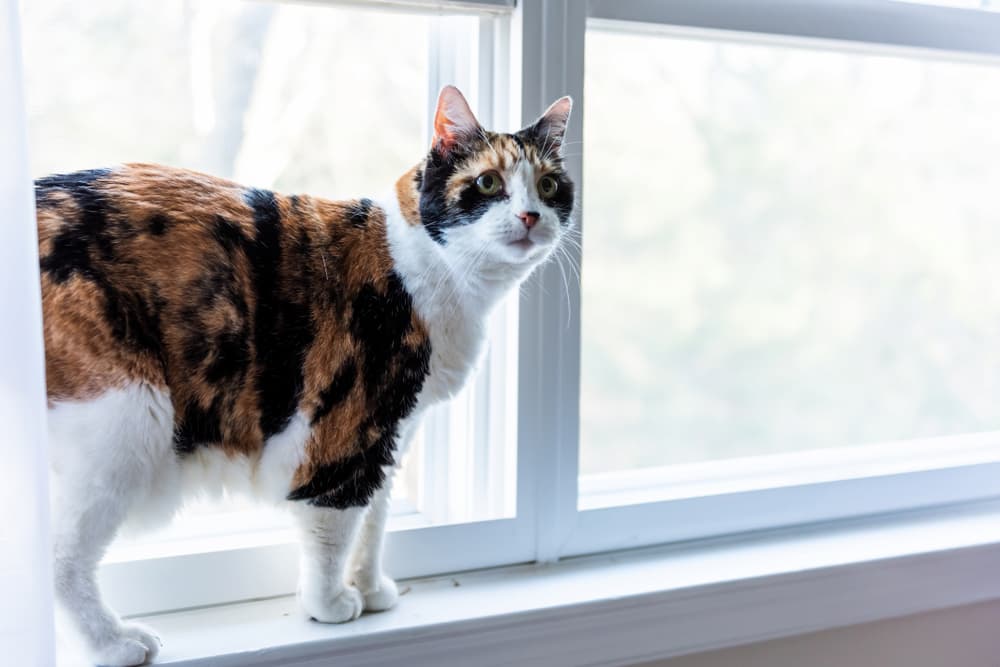
With warmer weather comes the temptation to open windows and doors for fresh air. However, this can lead to accidents if your pet escapes or falls. Cats, in particular, are at risk of falling from windows or balconies. While we may think cats can land on their feet, a fall from this height can lead to an array of injuries, such as broken limbs, chest trauma, head injuries, and shock — a condition known as high-rise syndrome.
“Make sure that window screens are secure and your pet doesn’t have access to open windows or balconies,” Dr. Cahn advises. She suggests microchipping your pet, too, in case they do get out and wander off.
Toxic Products
Spring cleaning often involves chemicals like bleach and essential oils or fertilizers and pesticides, many of which can be toxic to pets. These products can cause skin irritation or chemical burns if your pet comes into contact with them, or serious health problems if ingested.
“Eating a few blades of grass with fertilizer on them is unlikely to result in poisoning, but if a pet gets into a direct source of fertilizer, they could experience serious effects like vomiting, diarrhea, and seizures,” Dr. Miller warns.
To keep your pet safe, use pet-friendly cleaning products and store harmful substances out of their reach. If you suspect poisoning, contact your vet or a pet poison hotline immediately.
Easter and Valentine’s Day Candy
Spring brings several holidays that are celebrated with candy and sweets, which often contain ingredients that are harmful to our pets. Harmful ingredients may include:
- Xylitol: This sweetener is commonly used in sugar-free products, such as candy, gum, diet foods, baked goods and toothpaste. It can cause a severe drop in blood sugar or even liver failure in dogs (though cats don’t seem quite as affected). Symptoms can start minutes after eating xylitol, so time is of the essence if your pup accidentally eats any.
- Nuts: Due to their size, many nuts (like pistachios) pose a choking hazard to pets. Their teeth aren’t made for crunching on nuts like ours are, so pets often accidentally swallow nuts whole. Other nuts can be high in sodium and lead to pancreatitis in cats or are poisonous, like macadamia nuts, and should be completely off-limits to pets.
- Chocolate: Chocolate is toxic to dogs and cats due to its high levels of caffeine and theobromine. The darker the chocolate, the higher the concentration, which makes dark (including bakers) chocolate the most dangerous. Eating chocolate can cause vomiting and diarrhea in pets, or more serious symptoms like abnormal heartbeat, muscle tremors, and seizures.
By taking proper precautions and following these springtime safety tips for pets, you can help keep your dog or cat safe and healthy this season.
Water Additive for Cats: Benefits and Uses
- 2024-12-20T16:49:30
- Katie Koschalk
Providing proper dental care for cats is essential to protecting their health, yet many pet parents find it challenging to maintain their cat’s oral hygiene. As a result, 50 to 90 percent of cats older than 4 develop some form of dental disease (1). This is where water additives for cats can help.
So, how exactly do water additives work and what should you look for in a quality water additive for cats? We spoke with two veterinarians to get the inside scoop.
Water Additive for Cats: What Is It?
Water additives are liquid solutions added to your cat’s drinking water, designed to help support their dental health.
Though they provide useful benefits, water additives are not a substitute for regular brushing, which remains the most effective way to remove plaque from your cat’s teeth. Think of water additives as an extra layer of defense against issues like bad breath and plaque buildup.
Compared to other dental care products like gels, powders, or wipes, water additives stand out for their ease of use. Unlike gels or powders that need to be applied directly to your cat’s teeth, or wipes that require some handling, water additives are more passive, working as your cat hydrates throughout the day.
Should You Consider a Water Additive for Cats?
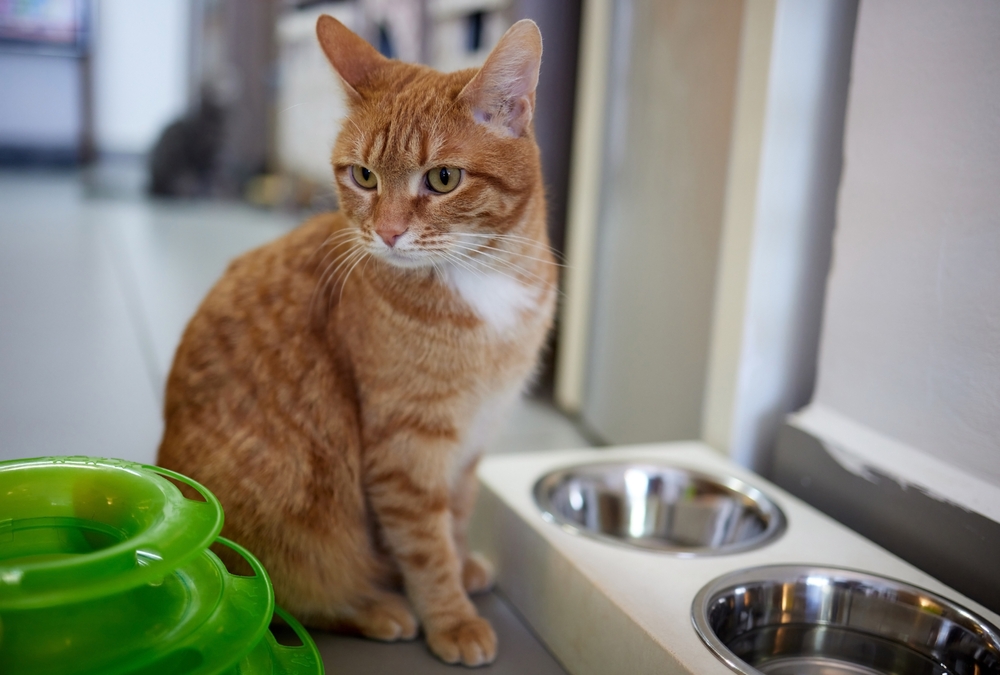
“Water additives are primarily preventive,” says veterinarian Dr. Penny Coder. “They help slow down or prevent plaque and tartar buildup, but they can’t cure or reverse existing dental issues like gingivitis, resorptive lesions, or advanced periodontal disease.”
For cats with existing oral health problems, Dr. Coder says a veterinary visit is necessary for more intensive treatment, such as professional cleanings or extractions.
Benefits of a Dental Water Additive for Cats
While water additives for cats aren’t a magic cure-all, incorporating one into your cat’s routine can be a simple and effective way to support their oral health. Below are some of the key benefits:
Makes dental care less stressful
Brushing a cat’s teeth can be a feat, and some pet parents aren’t able to do it as much as they’d like (if ever). Water additives offer a stress-free approach to dental care, allowing your cat to drink as usual while receiving dental care benefits, says Dr. Gabre Denton, a veterinarian at TeachMe.To.
If brushing isn’t an option, a daily water additive is a helpful alternative. However, it’s still important to schedule professional dental cleanings with your vet once a year or every couple of years, he advises.
Fights plaque
Plaque is a sticky film of bacteria that naturally forms on your cat’s teeth after eating. If it’s not removed, plaque can harden into tartar, which is much more difficult to eliminate and can only be removed by a vet during a professional cleaning.
Plaque buildup is a leading cause of dental issues in cats, including gingivitis (inflammation of the gums) and periodontal disease, which is a more advanced stage of gum disease. When left unchecked, plaque and tartar can cause painful inflammation, infection, and even tooth loss.
“Water additives often contain prebiotics, enzymes, or antibacterial agents that help break down plaque and prevent tartar formation,” Dr. Coder says.
Reaches areas toothbrushes can’t
Even with regular brushing, it’s difficult to reach every nook and cranny in your cat’s mouth. Water additives get to those hard-to-reach areas, reducing the risk of plaque accumulation in less accessible spots.
Freshens breath
A cat’s breath will never smell like roses, but really bad breath is often a sign of underlying dental problems. Water additives are formulated to combat bad breath by targeting the bacteria responsible for it, helping keep your cat’s breath fresh, according to Dr. Denton.
Things to Consider When Using Water Additives

While they can be a helpful part of your cat’s dental care routine, there are a few things pet parents should keep in mind about water additives:
They can’t cure or reverse oral health problems
“Water additives are great for preventing dental issues by reducing plaque and freshening breath, but they won’t cure or reverse existing problems like dental calculus, tooth resorption, or bone loss due to dental and gum disease,” Dr. Denton says. If your cat already has dental problems, a visit to the vet is necessary for proper diagnosis and treatment.
They can’t replace brushing, checkups, and professional care
“While water additives can be a supplementary tool, brushing is still the gold standard for removing plaque, reversing early periodontal disease, and maintaining optimal dental health,” explains Dr. Coder. “Additionally, regular dental exams are important for detecting issues early, as many dental diseases in cats can be hidden without obvious signs until they become severe.”
They may cause some cats to avoid drinking water
While many water additives for cats are flavorless, some have a taste or smell. Some cats might be sensitive to these changes, which could cause them to drink less water. It’s important to monitor your cat’s water intake when introducing an additive to ensure they aren’t avoiding their water.
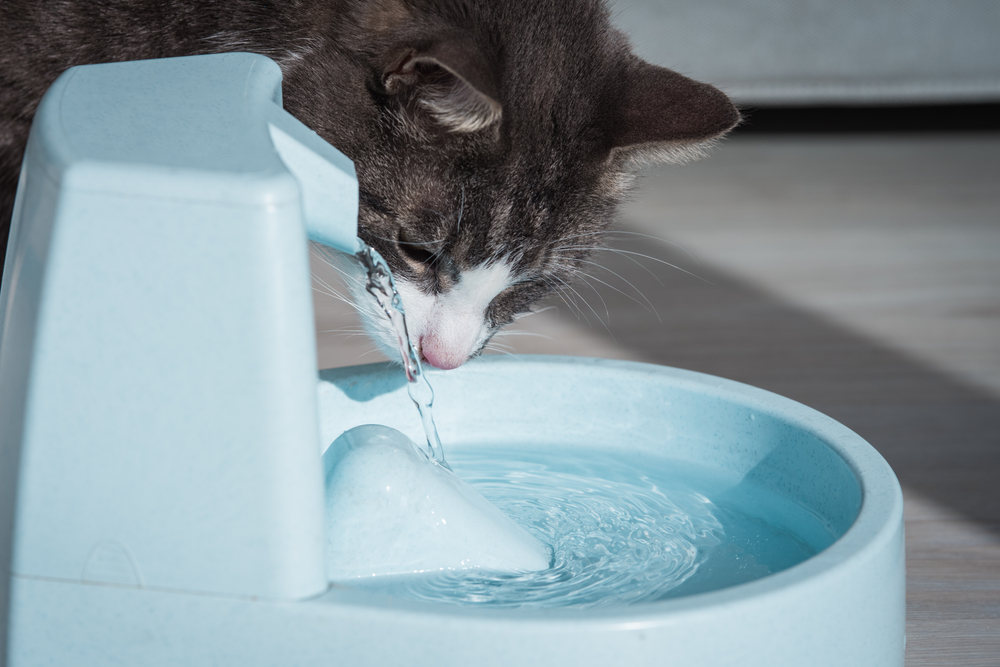
They may not work with cat water fountains
The filter in cat water fountains may remove key ingredients in the water additive, or the ingredients might interfere with the pump. Check if the product is safe to use with fountains before adding it to your cat’s water.
They may cause side effects in some cats
While water additives are formulated to be safe, some cats may experience side effects like digestive upset or allergic reactions. If you notice any changes in your cat’s behavior, appetite, or bathroom habits after introducing a water additive, discontinue use and check in with your veterinarian.
How to Choose the Best Water Additive for Cats’ Teeth
Not all water additives are created equal. Here’s how to find a safe, effective option that gets your cat’s stamp of approval:
Ask your veterinarian for a recommendation
Your vet is your best resource when it comes to your cat’s health. They can recommend safe and effective products based on your cat’s individual needs.
Look for VOHC approved products for cats
The Veterinary Oral Health Council (VOHC) evaluates dental products for pets, and their seal of approval means the product has met certain standards for effectiveness and safety. Choosing a VOHC approved water additive can give you peace of mind that you’re using a trusted option.
Test a few to see which your cat prefers
Since some cats can be picky about changes in their water, you may need to try a few different additives to see which one your cat accepts best. Some products are flavorless, while others have a mild taste—so monitor your cat’s reaction to make sure they’re still drinking enough water.
Ensure compatibility
Consider whether the additive is compatible with your cat’s current water setup, particularly if you use a water fountain.
Water Additives to Consider
While cat additives can be purchased from local pet stores or various online retailers, there are significant benefits to buying directly from your veterinarian or their online pharmacy.
Buying through your vet’s pharmacy ensures that you’re receiving a genuine, high-quality product. It eliminates the risk of counterfeit or low-grade additives that may be found on less regulated online platforms.
Additionally, since your veterinarian has a thorough understanding of your cat’s medical history, they can recommend water additives that work best for your pet’s specific oral health concerns.
So, which water additives should you consider? Here are some pet parent favorites:
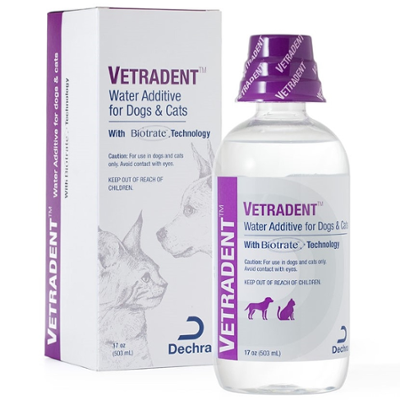
Vetradent Water Additive for Dogs & Cats
This water additive, designed to fight plaque and tartar, is formulated using cutting-edge research on bacterial biofilms. Its active ingredients bind to magnesium, calcium, and iron found in dental biofilm, effectively removing the food source of harmful bacteria.
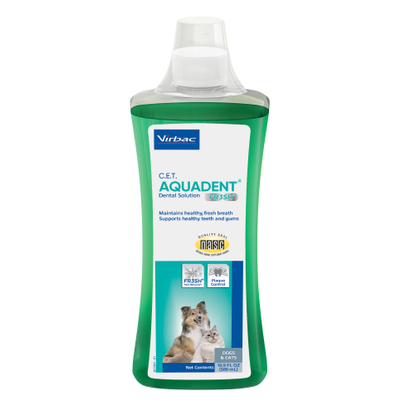
Virbac C.E.T. AQUADENT FR3SH Dental Solution
This water additive contains pomegranate extract, a natural antioxidant that helps reduce plaque and bacteria, as well as inulin, a prebiotic that promotes bacterial balance to fight bad breath. It has a mint scent, which some cats may enjoy, while others might not.
Oxyfresh Premium Pet Care Solution Cat & Dog Dental Water Additive
This water additive features a blend of Oxygene and zinc to eliminate bad breath, reduce plaque buildup, and protect your cat’s gums. It’s completely tasteless and odorless, so your cat won’t notice any change to their water.
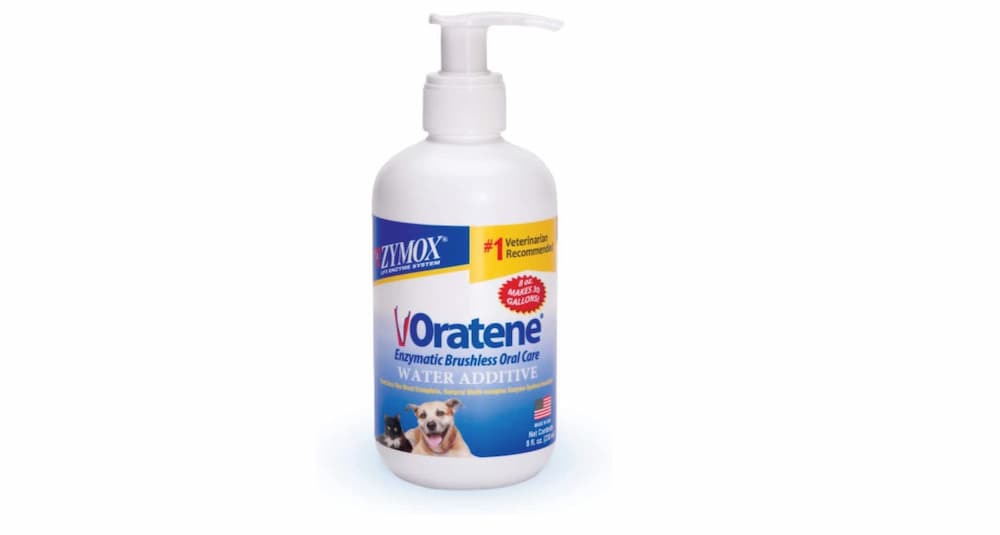
Oratene Enzymatic Brushless Water Additive
This flavorless water additive contains enzymes that work together to inhibit odor-causing bacteria and reduce plaque formation. It does so by making plaque water-soluble, preventing it from binding to the teeth.
Dental Fresh Advanced Plaque & Tartar Dog & Cat Dental Water Additive
Is your cat already dealing with dental problems? This water additive is designed to help protect against the progression of moderate to severe periodontal issues when used as part of a daily oral care routine.
Water Additives for Cats: Tips and Tricks for Success
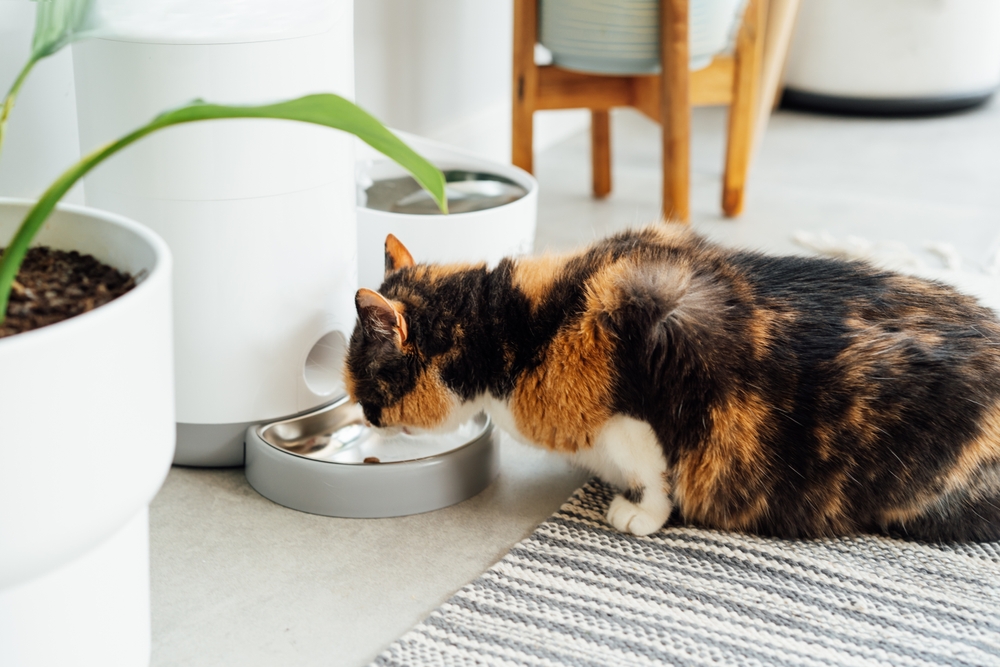
Here are some tips to help your cat accept the water additive and get the most benefit from it:
Introduce gradually
Some cats may be sensitive to changes in their water, so introduce water additives gradually. Start by adding a small portion of the recommended dose to their water dish and slowly increase as tolerated. This can help your cat adjust to any changes in taste or smell without becoming discouraged from drinking water.
Replace water daily
Water containing an additive should be dumped out and replaced daily. This helps keep the additive fresh (and most effective) and the water clean.
Ask your vet about interactions and safety
If your cat is on medication or has a health condition, check with your veterinarian to ensure the water additive won’t interfere.
The Bottom Line on Water Additives for Cats
Let’s wrap up with a reminder from one of our veterinary experts: “Water additives are a nice boost for your cat’s dental health, but they can’t replace daily brushing or regular vet checkups,” notes Dr. Denton. “Brushing is still the best way to remove plaque, and checkups help catch any issues early, so think of the additives as a helpful extra in your cat’s dental routine.”
Reference
- Cornell Feline Health Center. “Feline Dental Disease.” Cornell University College of Veterinary Medicine, 4 Oct. 2017, www.vet.cornell.edu/departments-centers-and-institutes/cornell-feline-health-center/health-information/feline-health-topics/feline-dental-disease.
How to Keep Dogs Warm in Winter
- 2024-11-25T21:44:13
- Paula Fitzsimmons
There’s so much to love about winter. But, for pet parents in cooler climates, the season means more than frosty frolics and sweater weather. Frigid temperatures can also increase the risk of hypothermia and frostbite in dogs and worsen health conditions like arthritis. So, when temperatures plunge, it’s natural for pet parents to start thinking about how to keep dogs warm in winter.
With that in mind, we asked veterinarians for their best advice about keeping dogs safe, warm, and toasty all winter long.
Find out what the experts say about protecting dogs from the cold, whether they’re short-coated or super fluffy. You’ll discover tips to combat the chill within your home and without. Plus, given the surge in homeless dogs, we have ideas for keeping stray pups safe and warm, too.
Do Dogs Get Cold?

Don’t let that fur fool you. Despite the extra layer, dogs experience cold weather much like we do.
“Just because they have a fur coat does not mean they are fine in cold weather,” says Dr. Amber Karwacki, DVM, with Heart+Paw Callowhill in Philadelphia, PA.
Generally, veterinarians recommend exercising caution when temperatures dip below 45 degrees Fahrenheit (7 degrees Celsius), especially with smaller and short-haired breeds. “Below 32 degrees Fahrenheit, you should be cautious, and below 20 degrees Fahrenheit, it’s potentially dangerous for any dog,” says Dr. Lisa Lippman, DVM, director of Virtual Medicine for Bond Vet.
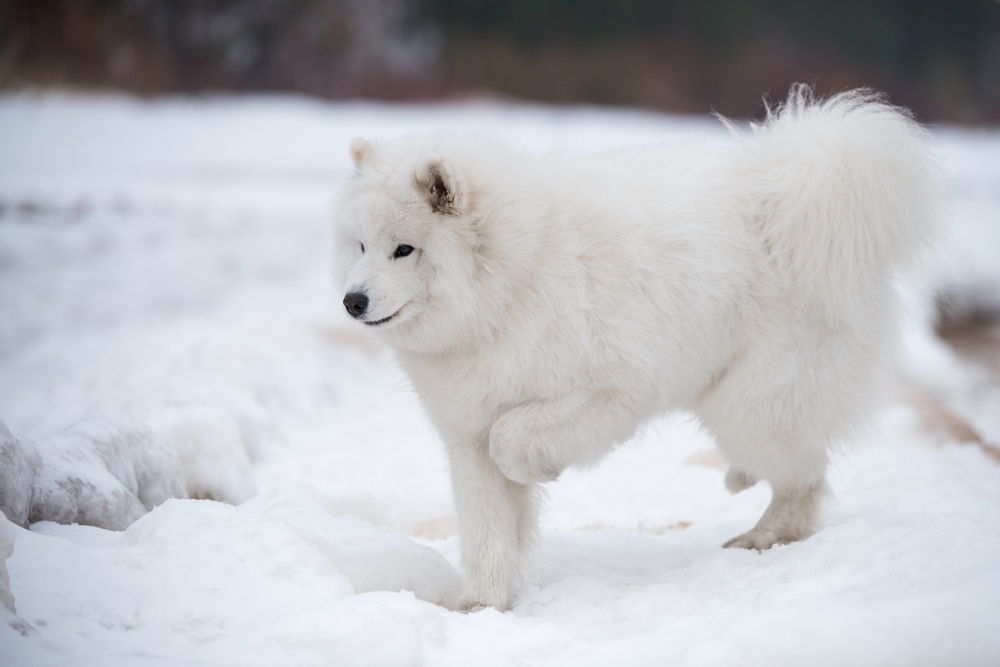
The rules for dogs and cold weather vary by breed, however, so there is some wiggle room here. Cold-weather dogs like Alaskan Malamutes, Siberian Huskies, Saint Bernards, and Samoyeds have thick double coats to shield them from the elements.

“Arctic breeds that have been acclimated to the weather can stay out in temperatures down to zero for as long as they want” says Dr. Karwacki. However, that’s only if you are monitoring them or have proper shelter provided, she adds.
This general rule changes for indoor dogs. “Large and medium-sized breeds can be in temperatures down to zero degrees for 30 minutes if they are exercising,” says Dr. Karwacki. If they are standing still, the recommended time frame is only 10 minutes.
This window is even tighter for smaller, short-haired dogs outside in cold weather. They shouldn’t be outside at all when it’s below zero degrees Fahrenheit. And even if the temperature is between 10 and 32 degrees Fahrenheit, limit their outside time to no more than 10 minutes, Dr. Karwacki cautions.
The cold can also take a heavy toll on younger pups and senior dogs, regardless of their size or breed. If in doubt, ask your veterinarian for guidance on how much and when to limit outside time during the winter months.
Keeping Dogs Warm: Tips and Recommendations
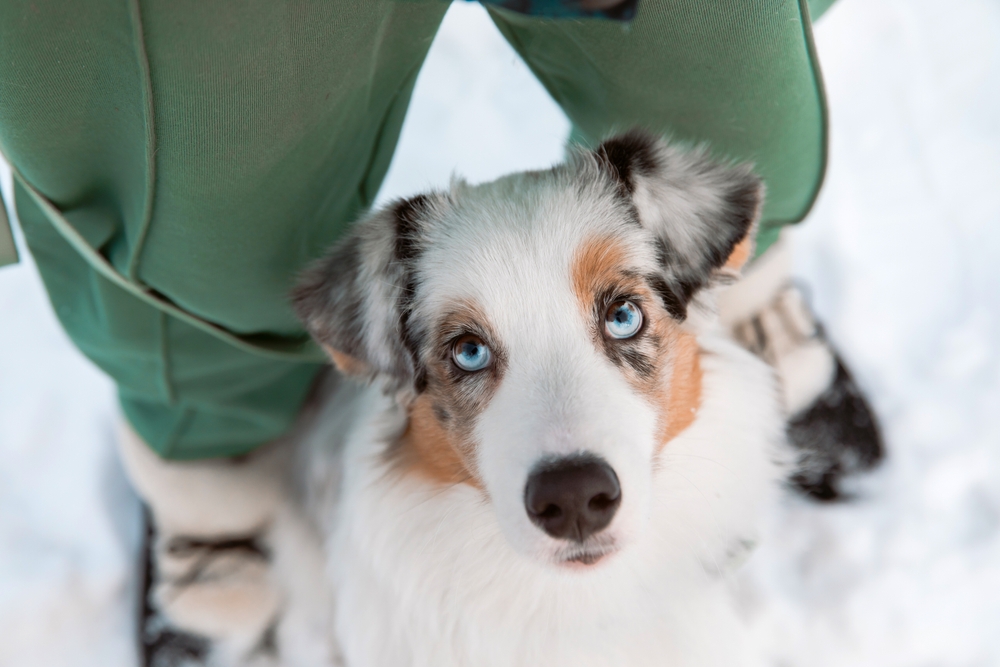
Prolonged exposure to cold temps can put any dog at risk. However, there are plenty of things you can do to protect your pet from cold weather threats. Our veterinarian-recommended tips for how to keep dogs warm in winter have you covered.
How to Keep Indoor Dogs Warm in Winter
Even if your home feels cozy and warm to you during the winter months, it may not be the same fr your dog. Dogs may feel cold in winter even while indoors, especially if they’re sensitive to temperature changes, says Dr. Lippman. Here’s how to keep dogs warm in winter while indoors.
Provide a Warm and Comfortable Place to Rest
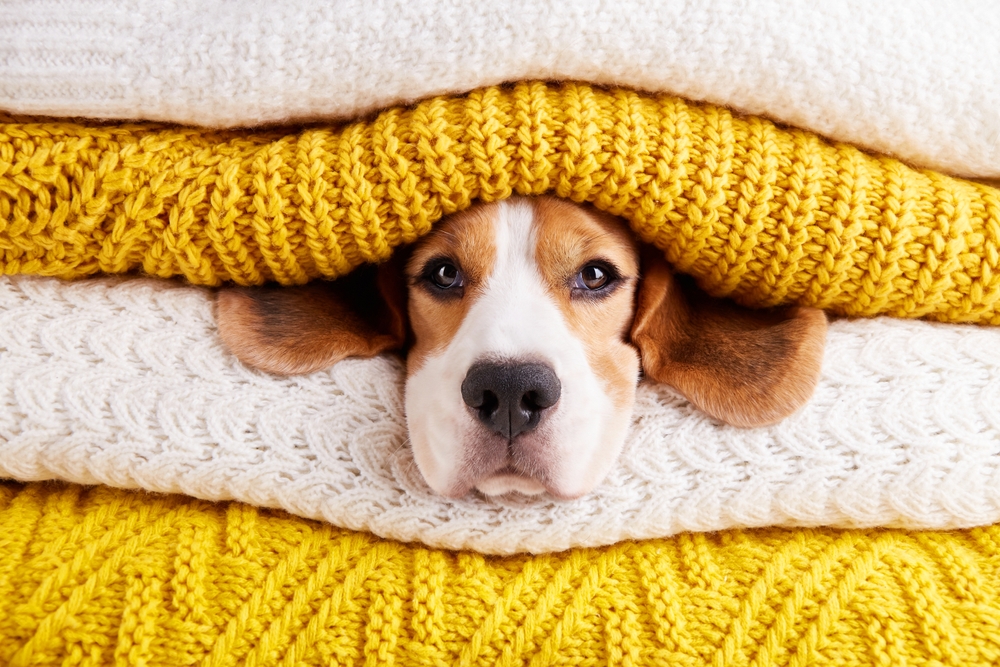
Veterinarians recommend investing in a heated dog bed, dog heating pad, or thick blanket during colder months. Positioning your dog’s bed a safe distance in front of a heat source can also help keep your dog warm, says Dr. Karwacki. She recommends against using electric blankets because of their potential to cause burns when too hot.
Keep Indoor Temperatures Comfortable
Keeping your thermostat between 68 to 72 degrees Fahrenheit (20 degrees to 22 degrees Celsius) is ideal, says Dr. Lippman. Also, “Make sure your dog’s sleeping area is away from windows or doors where drafts can lower the temperature,” she adds.
If you’re unable to maintain an ideal indoor climate, consider fitting your pup with dog pajamas for extra warmth. Clothing should be comfortable, made of soft, breathable material, and allow for easy movement.
How to Keep Dogs Warm Outside in Winter

Unfortunately, there’s only so long you can take refuge inside when the weather outside is frightful. Nature calls, regardless of how cold it is outside. Plus, dogs can get stir crazy when cooped up inside for too long. Here’s how to keep dogs warm outside in frigid weather.
Invest in Good Winter Gear
Veterinarians generally recommend outfitting a pup with a dog coat or sweater when temperatures drop. There are exceptions, however. “Arctic breeds (such as Huskies and Malamutes) will not need any outdoor gear when walking or playing outside,” says Dr. Karwacki.
As for other dogs and cold weather: “Large and medium breed dogs should not need any outdoor gear for short walks outside in colder temperatures. Small breed dogs should wear coats when outside,” adds Dr. Karwacki.
Some features to look for in a dog coat are comfort and fit, ease of putting it on and taking it off, ease of cleaning, waterproofing features, and coverage for legs and head.
Protect Other Exposed Areas
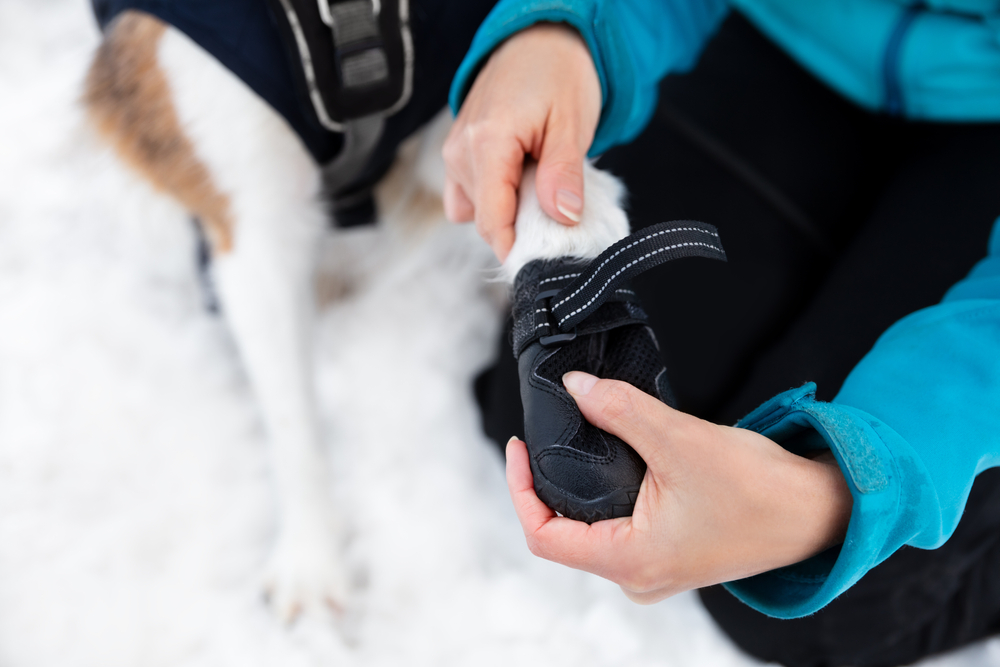
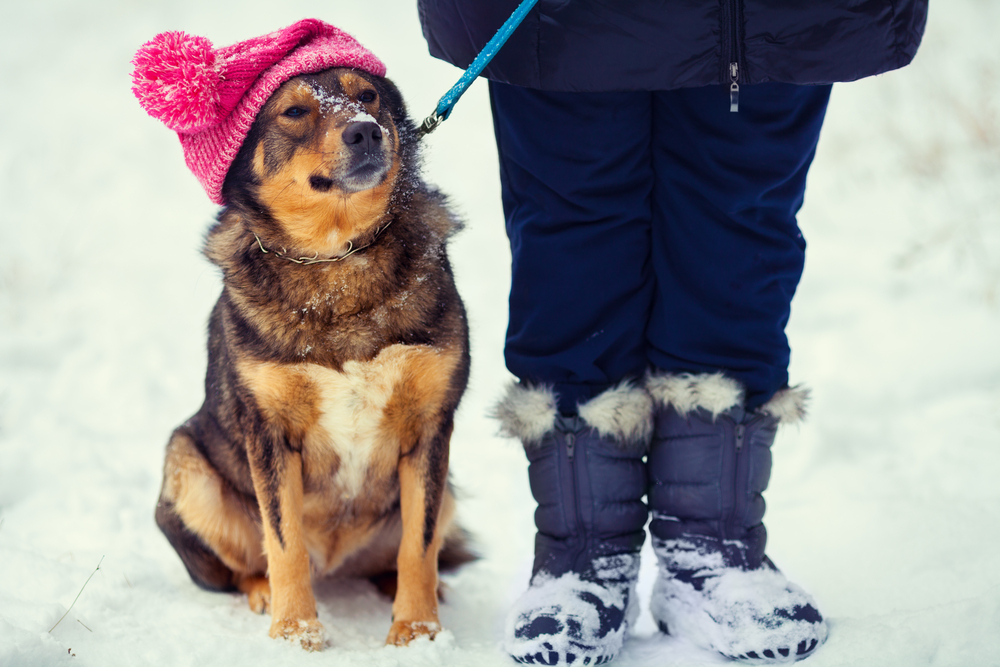
Booties can protect your dog’s feet from cold, snow, and ice. Also “If there are a lot of salted sidewalks in your area, consider having your dog wear booties to protect their feet,” recommends Dr. Karwacki.
Applying pet-safe balms to the paws, nose, and other exposed areas can protect a dog from cracking and cold burns, adds Dr. Lippman.
Winterize Your Dog Carrier
Dog carriers are designed to be open air. “This unfortunately does not help to keep them warm in the winter,” says Dr. Karwacki. Consider placing sweaters and warm blankets in the carrier, and covering part of it with a blanket to prevent cold from entering, she recommends.
Monitor Your Dog Closely
Every dog handles cold weather differently, so pay attention to your dog’s behavior and comfort level. “When in doubt, it’s better to err on the side of caution and provide extra warmth and protection,” says Dr. Lippman. “Especially during the winter months.”
How to Keep Outdoor Dogs Warm in Winter
The easiest way to keep a dog warm in winter is (obviously) to bring them indoors. Some cold-weather dogs may prefer to be outside, though. And stray dogs in freezing weather may wander into your backyard in search of warmth. So here are some expert recs for how to keep outdoor dogs warm.
Provide an Outdoor Dog House for Winter
Outside dogs who have been properly acclimated to the cold may be able to tolerate the cold weather better. However, they still need a good winter dog shelter. “An outdoor shelter should be insulated, airtight, and waterproof,” says Dr. Karwacki. “The opening should have a door flap to protect from the wind.”
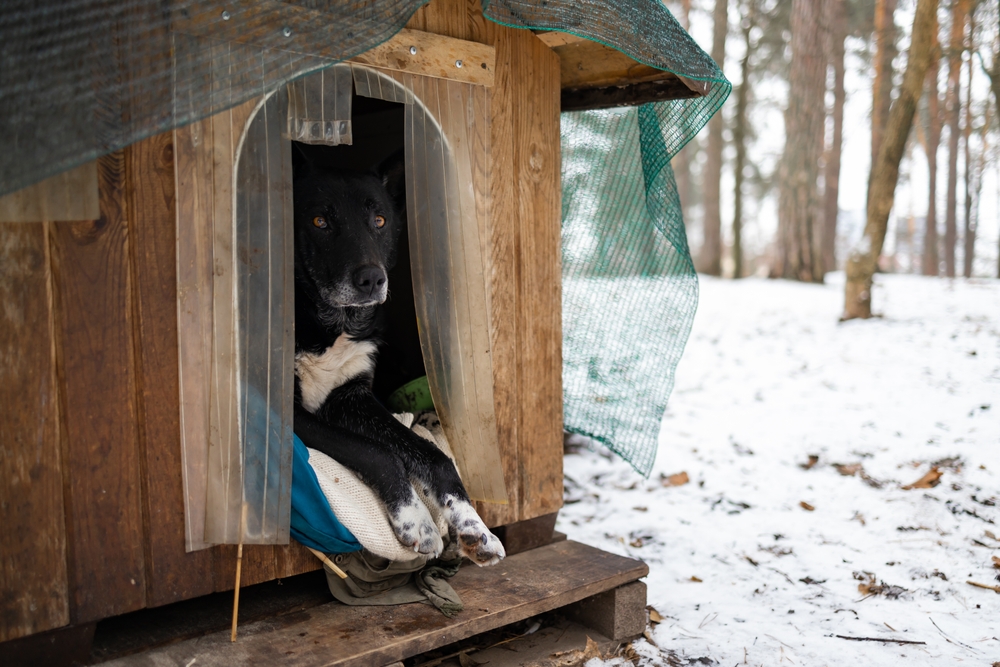
If the shelter can’t be situated off the ground, Dr. Karwacki recommends insulating the floor. You can use a good blanket, dog bed, or add warm bedding such as straw to insulate dogs from the cold.
Check On Them Frequently
Cold-weather dogs aren’t immune from the effects of frigid temperatures. “Regularly check on outdoor dogs to ensure they are warm and healthy, and bring them inside during extreme weather,” says Dr. Lippman.
Dangers of Cold Weather for Dogs
Cold weather isn’t just an issue of comfort. It can result in pain, suffering, and even death. Here are some key winter health hazards for dogs, along with signs to help you identify them.
Frostbite – When temperatures dip below 32 degrees Fahrenheit, dogs (and all mammals) are at risk of developing frostbite. A dog’s ears, paws, and tail are especially vulnerable, says Dr. Lippman. “This can lead to tissue damage and infection,” she says.
Holding up a paw or yelping are clear signs that your dog is in pain and in danger of developing frostbite. Not all signs appear immediately, however, and can take hours, or even days to appear on the tips of the ears and tail.
Hypothermia – Another risk of keeping dogs in freezing weather is hypothermia, which occurs when a dog’s body temperature drops dangerously low. This can lead to “lethargy, weakness, and potentially fatal complications if untreated,” Dr. Lippman says.
Although hypothermia can occur in any dog, it’s more common in pups that are very young, old, small or have health issues. Shivering is an initial sign that your dog may have hypothermia.
Respiratory Issues – Breathing in extremely cold air can irritate a dog’s respiratory system This can lead to “coughing or difficulty breathing, especially in breeds prone to respiratory problems,” says Dr. Lippman.
Cold Weather-Aggravated Health Conditions – Veterinarians say cold weather can aggravate conditions like diabetes, kidney disease, heart disease, and arthritis. “Regular vet check-ups during the colder months can help ensure your dog remains healthy and resilient against the winter chill,” says Dr. Lippman.
Irritated Paws – Cold temperatures, ice, snow, and even indoor heating, can result in cracked paws, redness, swelling, and even bleeding.
Exposure to Road Salt – Salt may be effective for use on icy streets and sidewalks, but it can also cause a dog’s paws to become dry and irritated. It’s also potentially hazardous if a dog licks off salt from his paws. Pet Poison Petline says ingesting a large amount of salt can be toxic, in which case a dog would need medical care.
How to Keep a Dog Warm in Winter FAQs
When is it too cold to walk your dog?
The answer varies based on a dog’s size, breed, age, and health status. But, in general, when the temperature drops below 20 degrees Fahrenheit, it’s too cold for most dogs to be out for a long time, says Dr. Lippman. “In such conditions, limit outdoor time and consider using protective gear like coats and booties,” she recommends.
Do dogs get cold at night?
Yes, if the dog isn’t kept in a warm area, says Dr. Karwacki. “To help keep your dog warm at night, a bed or blanket for them to snuggle in should be provided,” she says.
How to know if your dog is cold
Dr. Karwacksi says some of the more common signs are shaking and shivering, curling into a smaller position, seeming uncomfortable (like holding paws off the ground), and whining. “Dogs that are cold will also try to seek shelter if outside or find areas of warmth near a heater if inside,” she adds.
What temperature is ok for dogs to sleep outside?
Apart from cold-weather dogs (who still need an outdoor dog house for winter) most dogs should sleep indoors. “If necessary, ensure they have a well-insulated, heated shelter and avoid letting them sleep outside if the temperature drops below 45 degrees Fahrenheit (7 degrees Celsius),” recommends Dr. Lippman.
Do Cats Get Cold? (And How Cold Is Too Cold for Cats?)
- 2024-11-09T00:24:49
- Katie Koschalk
As you dig out your winter coats and start switching over to heavier clothes, you might start to wonder if your cat notices the difference in temperature. Do cats get cold the same way people do?
Whether your cat is more of a cozy indoor lounger or a curious outdoor adventurer, it’s crucial to understand how the cold affects them and know when the temperature might be too low for their comfort and safety.
We spoke to a veterinarian to find out how well cats tolerate cold weather, signs a cat might be too cold, potential cold weather risks, and practical tips to keep your furbaby warm when the temperature plummets.
Do Cats Get Cold?
The short answer is yes, but a cat’s susceptibility to chilly weather varies depending on several factors.
As descendants of desert-dwellers accustomed to warm, dry climates, domestic cats are not built to handle prolonged exposure to cold weather. Much like humans, they can quickly feel cold and need protection from low temperatures.
A cat’s normal body temperature can vary, based on environment and activity level, but typically ranges from 100 to 102.5 degrees Fahrenheit. This means that their bodies run just a bit warmer than ours. If you find that the indoor or outdoor temperature feels too cold, chances are your cat feels the same.
How Cold Is Too Cold for Cats?
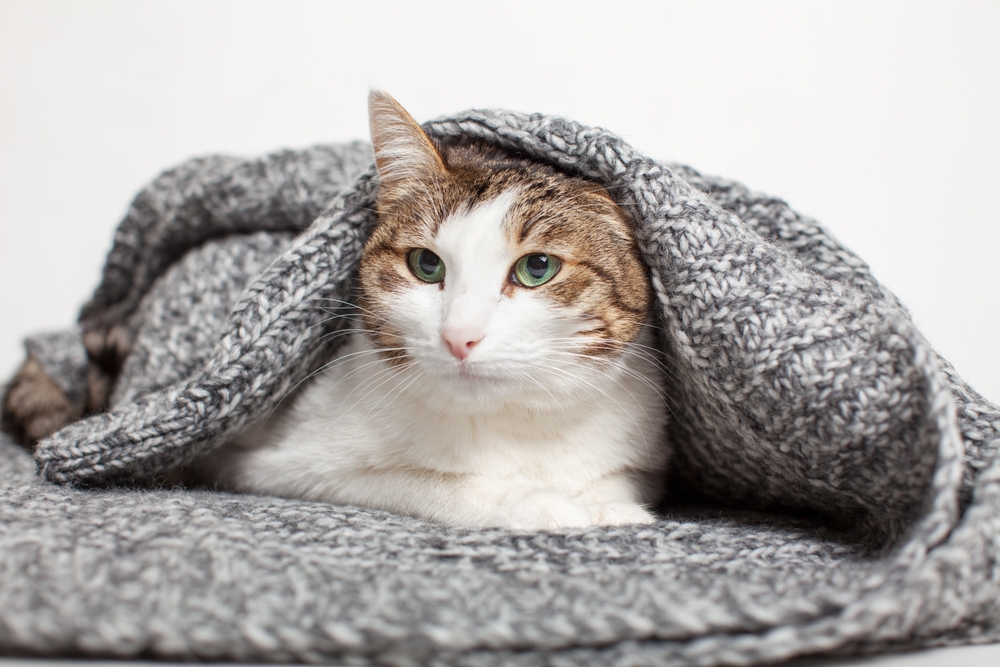
The American Veterinary Medical Association recommends keeping spaces where cats (and dogs) live above 50 degrees Fahrenheit and below 80 degrees Fahrenheit [1].
However, Dr. Eliza O’Callaghan, managing veterinarian for Small Door Vet’s NYC practices, says cats are likely to feel most comfortable in temperatures ranging from 60 to 75 degrees Fahrenheit, which is roughly the average indoor temperature for most homes.
What about outside temperatures? How cold is too cold for a cat to take a jaunt around your yard? “Generally, when temperatures drop below 45 degrees Fahrenheit, it’s too cold for most cats to be outdoors for an extended period,” Dr. O’Callaghan says.
While some cats might tolerate slightly colder conditions for very short periods, prolonged exposure to temperatures below 32 degrees Fahrenheit can be dangerous, potentially leading to hypothermia or frostbite. (More on this later.)
The exact temperature threshold where it becomes too cold for a cat can vary depending on several factors. These include:
Breed and coat type
The insulation provided by a cat’s fur can significantly affect how they tolerate the cold. Cats with thick, dense coats, such as Norwegian Forest cats or Maine Coons, can handle colder temperatures better than short-haired or hairless breeds, such as Siamese or the Sphynx, Dr. O’Callaghan says.
Age
Kittens (particularly those 7 weeks old or younger) are extremely vulnerable to cold for several reasons: they have less body fat, cannot react to cold by shivering, and have a larger surface area-to-volume ratio [2]. Senior cats may also struggle with temperature regulation.
Weight
A big, chunky cat with more body fat will stay warmer than a slimmer cat with less body fat.
Health conditions
Cats with chronic medical conditions tend to be more susceptible to the cold. For example, the cold can exacerbate joint pain in cats with arthritis and make mobility more difficult, Dr. O’Callaghan explains. Additionally, senior cats or those with weakened immune systems might have a harder time maintaining their body heat, she adds.
Weather conditions
Windy, wet, or damp weather can make the cold feel much more intense for a cat.
Note: Given the numerous dangers outside—such as cars, wild animals, and even ill-intentioned people—it’s safer to keep your cat indoors, regardless of the weather. If you want to let them experience the outdoors, consider safe options like using a harness and leash or providing access to a secure catio.
Risks of Cold Weather for Cats
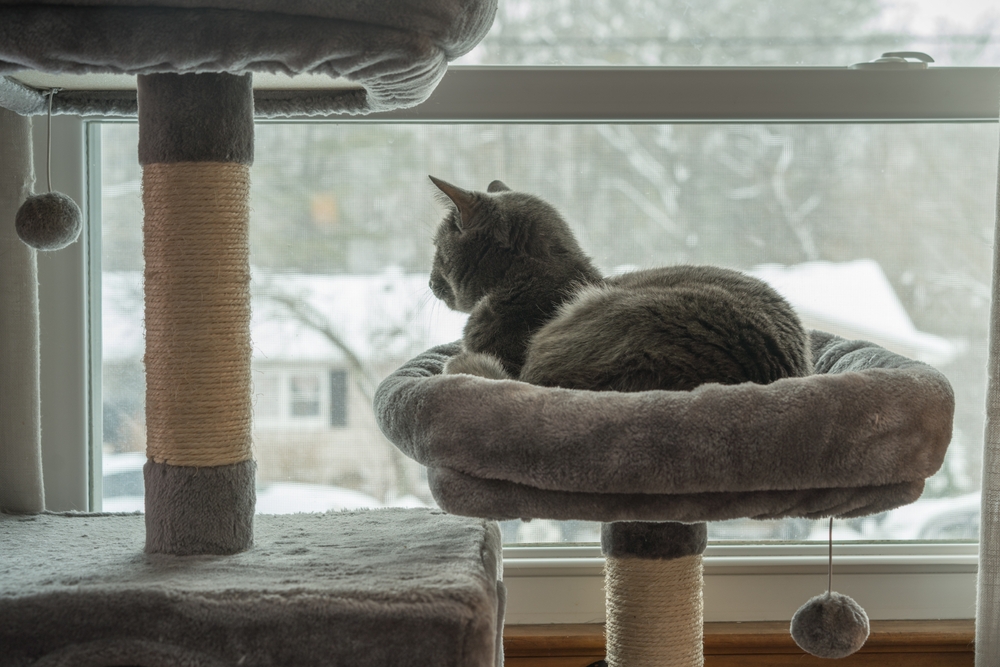
If a cat gets too cold, they are at risk of hypothermia. In general, hypothermia can pose a risk to any cat with a body temperature below 99 degrees Fahrenheit. The lower a cat’s body temperature becomes, the greater the risk of serious problems. Hypothermia in cats can be life-threatening, especially for kittens.
“Frostbite is another risk, particularly affecting the ears, paws, and tail,” Dr. O’Callaghan says. This occurs when a cat’s extremities are exposed to extreme cold. The tissue can become damaged and, in severe cases, may turn black and die.“Prolonged exposure to cold can also weaken a cat’s immune system, making them more susceptible to infections,” Dr. O’Callaghan adds.
How to Tell If Your Cat Is Cold
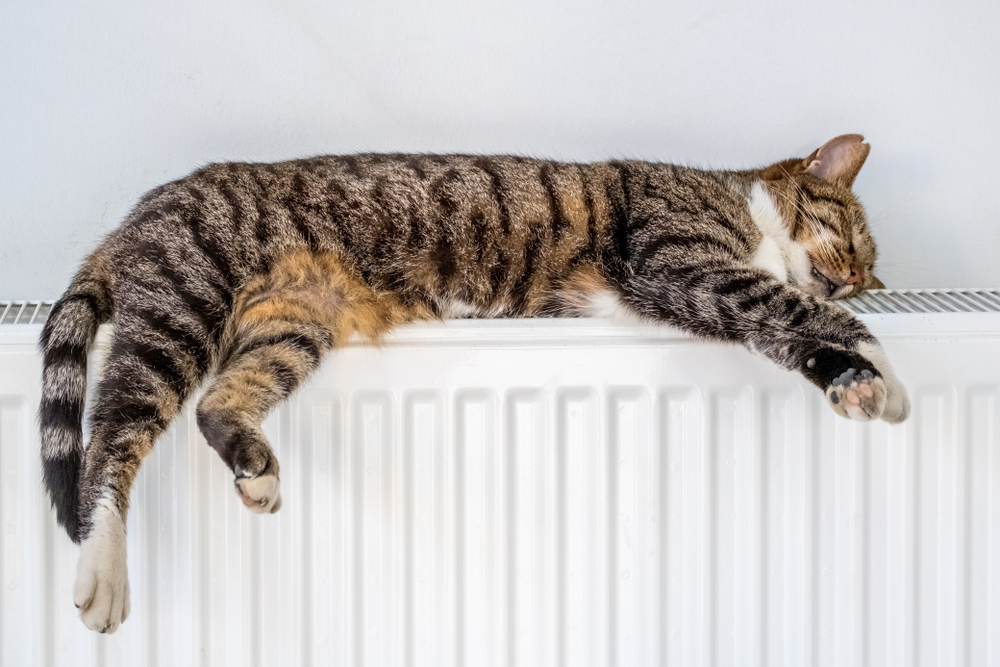
Cats can’t say “Brrrr, I’m freezing!” like humans can, but they do have their own ways of showing when they’re too cold. By spotting these signs early, you can step in before the cold leads to more serious problems.
Shivering or trembling
Cats may shiver or tremble when they’re cold. This involuntary reaction, where the muscles rapidly contract and relax, produces heat and helps the body warm up.
Cold ears and extremities
While a cat’s ears can naturally be cooler than other parts of their body due to less fur and blood flow, persistently cold ears, especially in conjunction with other signs, can indicate your cat is struggling to stay warm. Cold paw pads and a cold tail can also be signs.
Tucked-in posture
If your cat is curling up tightly with their paws and tail tucked underneath their body, they might be trying to conserve heat.
Seeking warmth
If your cat is seeking out warmer places, like sitting near heaters, curling up in blankets, or finding a sunny spot, they could be trying to warm up.
Lethargy
Cold temperatures can cause cats to become less active and more lethargic as they try to conserve energy and maintain body heat.
Vocalizing
Some cats may become more vocal when they’re cold as a way of expressing discomfort or trying to get your attention.
Rapid breathing
Cats may breathe faster when experiencing mild hypothermia as a way to generate heat.
In severe cases of hypothermia, cats may experience slow breathing, collapse, or lose consciousness. If frostbite occurs, a cat’s extremities can swell, blister, and become discolored (often pale, gray, blue, or black).
Cold Cat Safety Tips
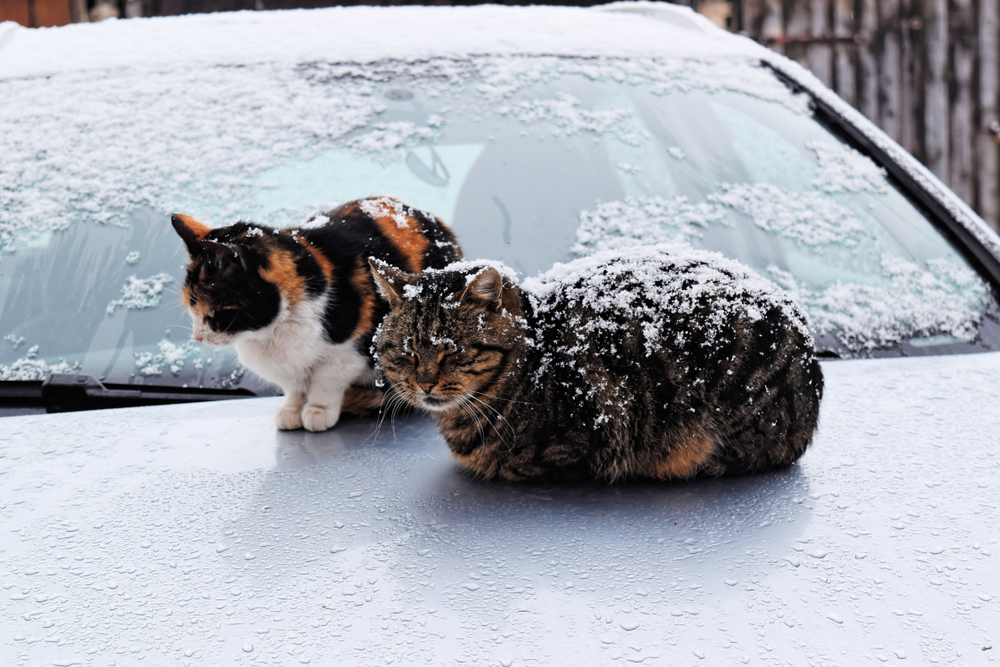
As the temperature starts to dip, it’s important to make sure your kitty stays cozy and safe. Here are some tips to help you keep them protected from the chill.
For Indoor-Only Cats
Regulate indoor temperatures. Keep your home at a comfortable temperature, ideally between 60 and 75 degrees Fahrenheit.
Create warm spaces. Set up cozy spots in your home where your cat can retreat when they feel cold. This could be a bed near a sunny window or a nook with plenty of blankets. Cat-safe heating pads can also be helpful in cold climates.
Use cold-weather gear. Most indoor cats won’t need clothing, but a cat sweater can help keep hairless or senior cats warm in chilly conditions. Just make sure it fits well and allows them to move freely.
For Indoor-Outdoor Cats
For indoor-outdoor cats, avoid letting your cat outside in very cold weather, especially if the temperature drops below 45 degrees Fahrenheit.
If your cat spends a lot of time outside in cold weather, regularly check on them to ensure they’re safe and not showing signs of cold stress, such as shivering. Bring them indoors if the weather becomes too harsh.
For Outdoor-Only Cats
Cats living exclusively outdoors, such as feral or stray cats, face unique challenges during winter. Here’s how you can help them stay safe and warm:
Build or provide a winter shelter. Outdoor-only cats need a safe place to escape the elements. Consider providing them with an outdoor cat house for winter. You can buy a weatherproof cat house or make your own using a large plastic tub [3]. Line the tub with straw (not hay), as it repels moisture and provides good insulation. Pack the straw loosely into the shelter to about a quarter or halfway point. Avoid using blankets or towels, as these can absorb moisture and make the shelter cold and damp.
Provide food and water. If possible, provide outdoor-only cats with cat food and fresh water. Place food and water in a sheltered area to protect it from snow and ice.
Monitor their health. Even if a cat isn’t fully domesticated, check on them regularly. Look for signs of cold stress, frostbite, and hypothermia. If you notice a cat who is in trouble, try to catch them using a humane box trap and bring them to a veterinarian or shelter for care.
Spay or neuter: If you’re aware of a colony of feral cats, arrange with a rescue organization to have them trapped, spayed/neutered, and released back to their outdoor environment. This can help control the local cat population and improve the overall health and well-being of the colony. Uncontrolled breeding leads to more kittens being born into challenging conditions.
FAQs About Cold Cats
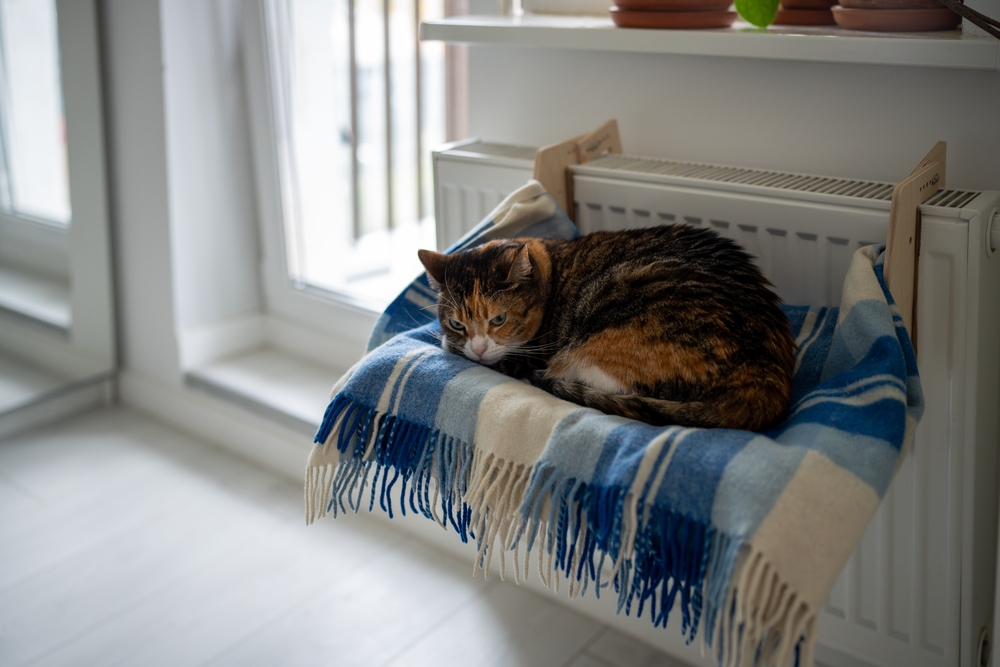
Can cats survive in the cold?
Cats can survive in cold weather, but their ability to do so depends on factors like their breed, age, coat thickness, overall health, and access to shelter. However, prolonged exposure to freezing temperatures can lead to serious health issues and death, so it’s important to provide adequate shelter and warmth.
Do cats get cold inside the house?
Cats can get cold inside the house if the temperature drops significantly or if they don’t have access to warm, cozy spots. Ensure your home is kept at a comfortable temperature and consider providing a pet-safe heated bed and blankets during colder months.
At what temperature do cats get cold?
Cats usually begin to feel chilly when temperatures dip below 60 degrees Fahrenheit. Once the temperature falls below 45 degrees Fahrenheit, they’re likely to feel uncomfortably cold. Temperatures below 32 degrees Fahrenheit are dangerously cold for cats.
Don’t forget about your canine companion, too! Learn what temperature is too cold for dogs and how to protect your pup.
References
- “Companion Animal Care Guidelines.” American Veterinary Medical Association. Retrieved from: https://www.avma.org/resources-tools/avma-policies/companion-animal-care-guidelines#:~:text=Animal%20environment&text=Generally%2C%20for%20dogs%20and%20cats,range%20from%2030%20to%2070%25
- Gunn-Moore, Danielle. “Small Animal Neonatology: They Look Normal When They Are Born and Then They Die.” World Small Animal Veterinary Association World Congress Proceedings, 2006. Retrieved from: https://www.vin.com/apputil/content/defaultadv1.aspx?pId=11223&id=3859263
- How to Build an Outdoor Shelter. Alley Cat Allies. Retrieved from: https://www.alleycat.org/resources/how-to-build-an-outdoor-shelter/