

Category: Parasites
Great Pet Care - Pet health information — simplified.
Worms in Pets: What Every Pet Parent Needs to Know
- 2025-03-04T14:52:25
- Natalie Marks, DVM
As pet parents, we prioritize keeping our furry family members happy and healthy. Yet worms in pets often get overlooked, even though these pesky parasites can pose significant health issues. You might think worms are only a concern when they show up in your pet’s poop. However, most dogs and cats who are diagnosed with worms don’t have visible parasites. Many times the presence of parasite eggs or genetic material is found under the microscope or in stool samples at the lab.
Public awareness of worms in dogs and cats—and the potential health risks they pose to humans—varies. The reality is that these troublesome parasites can go unnoticed, and they can significantly affect your pet’s well-being and even pose risks to your family.
Here are some essential facts every dog and cat parent should know about worms in pets!
How Do Pets Get Worms?

If you’re wondering how dogs and cats get worms, one of the first areas to focus on is your pet’s daily routine. Here are some common ways your pet can be exposed to parasites and what factors increase their risk.
Certain worms can pass from mother to puppy or kitten
This information is essential for every pet parent of a new puppy or kitten, whether adopted from a shelter, rescue, breeder, or found as a stray. Hookworms and roundworms can be passed from mother to puppy before birth and during nursing, and kittens can also get infected with roundworms while nursing. Since transmission is widespread through this route, all puppies and kittens must follow a deworming plan over several weeks, which includes a series of oral medications prescribed by the veterinarian or breeder.
Dogs and cats can get worms from contaminated environments
Unfortunately, the contagious form of parasites is almost always microscopic and not visible to the naked eye. Dogs and cats can get worms from eating an infected animal’s poop, ingesting contaminated soil or water, or consuming an infected prey animal. A prevention strategy based on avoidance isn’t practical. Instead, your veterinarian will discuss monthly parasite control options with you and offer various formats to choose from. They can recommend the safest places to exercise and socialize with your pet while taking into account your daily routine and risk factors.
Fleas can transmit tapeworms

When pet parents think about common parasites that affect dogs and cats, fleas are usually the first to come to mind. However, every pet parent should be aware of two lesser-known facts about fleas to appreciate the significance of year-round flea control! Fleas feed on the blood of their hosts, whether dogs or cats, and can cause life-threatening anemia in young puppies and kittens. Moreover, if pets ingest fleas (such as when grooming themselves), infected fleas can transmit tapeworms — intestinal parasites that may result in diarrhea and weight loss.
Mosquitoes can transmit heartworms
While most worms we think of reside in the intestinal tract, don’t overlook one of the most dangerous internal parasites: heartworm. Dogs and cats can contract heartworm disease through the bite of an infected mosquito. These worms can cause heart failure in dogs and life-threatening asthma-like symptoms in cats.
Can You Prevent Worms in Pets?

Since parasites are often present in the environment, year-round parasite control is undoubtedly the best medicine — not just for your dog or cat, but also for the family living in the home. Here are some best practices to help protect your pet against worms:
The starting point is year-round parasite control
While completely shielding your pet from the risks of worms may be impossible, using year-round, broad-spectrum parasite control can significantly enhance their protection. Furthermore, heartworm disease can be effectively prevented with consistent use of heartworm preventatives. Many of these products are combinations that provide comprehensive defense against a range of parasites, including specific worms, fleas, and ticks.
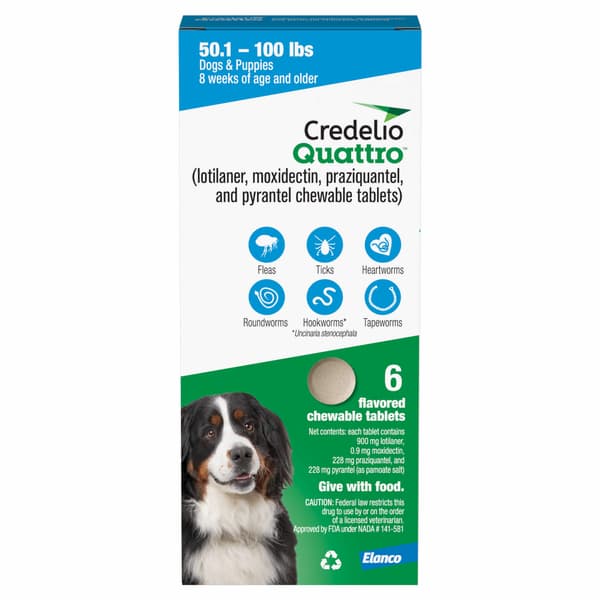
Parasite control for dogs


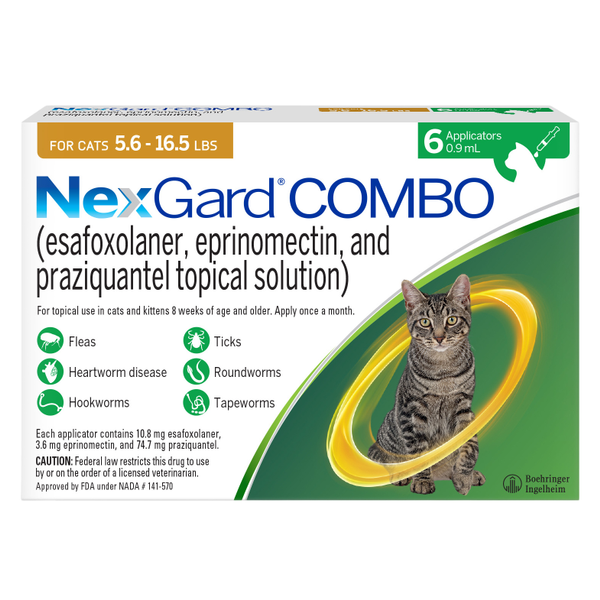
Parasite control for cats


Regular fecal exams are essential
While some dogs and cats with worms may show symptoms such as diarrhea, vomiting, weight loss, and loss of appetite, these signs aren’t exclusive to parasites. Other pets may not exhibit any symptoms at all. This can result in long-term consequences for your pet, and more importantly, it may leave your dog or cat as a potential source for transmitting parasites to other pets and humans in the household. Ideally, adult pets should be tested for parasites at least twice a year, and puppies and kittens should be tested at least four times a year.
Pick up/dispose of your pet’s poop right away
Worm eggs and larvae can survive in soil for weeks or even years in dog parks, backyards, and playgrounds. This situation poses risks to your pets and family members. For example, people can contract hookworm infections by walking barefoot on contaminated soil. Likewise, your pets may get worms by eating poop from other dogs or cats that harbor parasite eggs or larvae. Children in the household are also at risk, as they may put dirty objects in their mouths, eat dirt, and engage in similar behaviors.
Curb your pet’s hunting and scavenging behaviors
The last place pets are at risk of worms is when they chase or eat small animals like birds and rodents. It’s important to control access to your pet’s environment and keep your dog on a leash when in unfamiliar yards, parks, or areas with increased risks (e.g., alleyways). You can also brush up training cues like “leave it” to stop dogs from picking up something they shouldn’t, and keep cats indoors (or limit outdoor access) to prevent unwanted hunting activities. Maintain a tidy yard to help deter pests, and consider pet-safe options for rodent control in your immediate environment.
These proactive steps can help ensure your pet and family remain healthy and free from harmful parasites!
Asian Longhorned Tick: Dangers for Dogs
- 2025-02-20T18:07:58
- Paula Fitzsimmons
The Asian longhorned tick is a relatively new species in the United States that can transmit diseases like Rocky Mountain spotted fever and babesiosis. Given that dogs are often curious creatures who frolic in places where ticks reside, they can also be at increased risk. Though there are still a lot of unknowns about this tick, scientists and veterinarians do have some insights.
Here, we’ll fill you in on what you need to know about Asian longhorned ticks, and most importantly, how to protect your pup.
What Is the Asian Longhorned Tick?
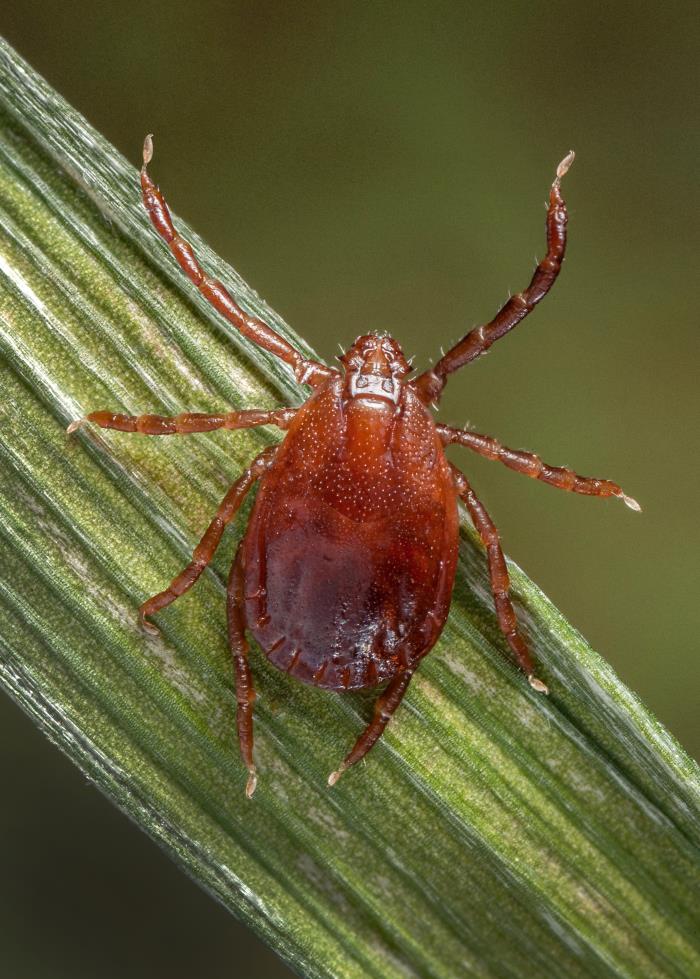
The Asian longhorned tick (scientific name: Haemaphysalis longicornis) is an invasive parasite that feeds on human and animal blood for its survival. Like other tick species, they tend to inhabit tall grass and wooded areas, waiting to attach themselves to unsuspecting humans and animals [1].
The Asian longhorned tick size is that of a sesame seed when unfed, but it can become pea-sized when filled with the blood of its host [1]. It’s a light brown tick that doesn’t have distinct markings found in other species, including the common brown dog tick. To tell the difference, “…look for the presence of ‘eyes’ on the sides of its body, near the second row of legs, which is present on the brown dog tick,” advises Dr. Jerry Klein, chief veterinary officer at the American Kennel Club. “These ‘eyes’ are missing from Asian longhorned ticks.”
Asian longhorned ticks are a hearty species that can reproduce without having to mate, making males a rarity [1]. Since they can lay up to 2,500 eggs during their breeding season (occurring late spring and early summer), one female can cause an Asian longhorned tick infestation [2]. What’s even more frustrating is that lower temps don’t impact them as much. “The Asian longhorned tick is not killed off by the cold like other tick species,” says Dr. Amber Karwacki, a partner doctor with Heart + Paw at their Callowhill location in Philadelphia.
How did the Asian longhorned tick get to America?

The Animal and Plant Health Inspection Service (APHIS) of the USDA confirms that in the U.S., the first Asian longhorned tick was reported in New Jersey in 2017, though they think it arrived prior to that. Scientists hypothesize that this species came here by hitching a ride with imported animals or humans returning from abroad [1].
To date, Asian longhorned ticks have been confined to the Midwest and eastern portions of the country, and Dr. Karwacki says they’re not expected to become widespread.
The impacted states include [3]:
- Arkansas
- Connecticut
- Delaware
- Georgia
- Illinois
- Indiana
- Kentucky
- Maryland
- Massachusetts
- Missouri
- New Jersey
- New York
- North Carolina
- Ohio
- Pennsylvania
- Rhode Island
- South Carolina
- Tennessee
- Virginia
- West Virginia
Are Asian Longhorned Ticks a Danger to Dogs?

There are still a lot of unknowns about Asian longhorned ticks, with most insights derived from their countries of origin or via laboratory replications.
For now, the danger to dogs in the U.S. is not critical, Dr. Klein notes, “But there is potential for [the] spread of a multitude of tick-borne diseases via this type of tick, as has been reported in other countries due to this tick’s invasiveness.”
What scientists do know is that these ticks can be infected with both bacteria and viruses that cause diseases.
Asian Longhorned Tick Diseases: Bacterial
- Rocky Mountain spotted fever
- Rickettsiosis
- Ehrlichiosis
- Anaplasmosis
- Theileriosis
- Babesiosis
- Lyme disease (4)
Asian Longhorned Tick Diseases: Viral
- Powassan Virus
- Heartland Virus (not currently known to affect dogs)
- Thrombocytopenia Syndrome Virus
Asian Longhorned Tick Symptoms in Dogs

Although veterinarians are still learning about how these ticks impact dogs, they say Asian longhorned tick diseases tend to share similar symptoms with other tick-borne maladies.
“The tick bite itself will not cause symptoms other than irritation at the site of the bite,” Dr. Kawacki explains. “If a disease was transmitted during the bite, the symptoms can vary depending on the disease. Some of the common symptoms can be lethargy, joint and muscle pain, and GI upset.” Other potential Asian longhorned tick symptoms to watch for include:
- Poor appetite
- Fever
- Lameness
- Swollen lymph nodes
A dog who gets bitten by a tick and develops any of these symptoms should be seen by a veterinarian as soon as possible, Dr. Klein says.
Asian Longhorned Tick on Dog: Next Steps

If you do discover an Asian longhorned tick bite or tick on your pup, don’t panic. There are things you can do to prevent illness and discomfort.
Remove the Tick Right Away
Remove the Asian longhorned tick promptly (within 12 hours) to prevent the occurrence of tick-borne illnesses, Dr. Klein advises. “The sooner a tick is removed, the lower the chance of the bacteria carried by a tick transferring into the blood of a dog or person.” If you can’t promptly remove the tick, Dr. Klein recommends taking your dog to your veterinarian as soon as possible.
If you need step-by-step instructions on how to remove a tick from a dog or guidance on the most effective tick removal tools to use, we have you covered.
Contact Your Veterinarian if Needed
Once you’ve removed the tick, it’s not necessary to bring the dog to a veterinarian, Dr. Klein says, “But a dog that has been bitten by a tick should be seen by a veterinarian as soon as [they display] any symptoms that could be caused by a tick bite.”
Snap a Photo if You Can
Try taking a photo of the dead tick with your phone, Dr. Klein says. He recommends placing it in a small, sealed plastic bag with isopropyl alcohol, then in the freezer for two days to be sure it’s dead. “You can then dispose of the dead tick, or the closed bag can then be taken to your veterinarian,” he says.
How to Protect Your Dog from Asian Longhorned Ticks
For now, the precautions for protecting your dog from Asian longhorned ticks are similar to that for other tick species.
Invest in Trusted Tick Protection
“The best protection is monthly flea and tick prevention, which should be given year-round,” Dr. Karwacki says. Because Asian Longhorned ticks are not killed off by cold temperatures like other tick species, the year-round part is especially important.
Some flea and tick control products on the market provide coverage against the Asian longhorned tick, among other parasites. In January 2025, the FDA approved new label indications for Simparica Trio and Simparica Chewables to include the treatment and control of infestations with Asian longhorned ticks. Other products that protect against this species include NexGard Plus and Bravecto Chews. Work with your veterinarian to determine the best option for your pup.


Check Your Dog for Ticks After Being Outdoors
Checking for ticks is especially important for dogs who’ve been in environments where ticks may reside, like grassy or wooded areas, Dr. Klein says. “Carefully also check the bottom of the paws, including between the paw pads, under their ears, around the eyes and nose, and the underside of their tail near the rectum,” he adds.
Dr. Klein also advises that you check your own clothes and body for ticks after coming indoors. “Ticks should be removed immediately because they can carry diseases that affect human health.”
Protect Your Outdoor Area
Spending time outside with your dog can put you and your dog at increased risk of making contact with the Asian longhorned tick. Veterinarians recommend keeping lawn grass cut low. “Owners can also make sure that brush is cleared from the yard and have a 9-foot space between the yard and wooded areas to help prevent exposure to ticks,” Dr. Karwacki says.
References
- The Asian Longhorned Tick: What You Need to Know Story Map. Animal and Plant Health Inspection Service (USDA). 2024 July. Retrieved from https://www.aphis.usda.gov/livestock-poultry-disease/cattle/ticks/asian-longhorned/asian-longhorned-tick-what-you-need-know
- Asian Longhorned Tick. University of Maryland Extension. 2024 October. Retrieved from https://extension.umd.edu/resource/asian-longhorned-tick/
- Where Ticks Live. U.S. Centers for Disease Control and Prevention. 2024 July. Retrieved from https://www.cdc.gov/ticks/about/where-ticks-live.html
- Asian Longhorned Tick. Commonwealth of Pennsylvania. Retrieved from https://www.pa.gov/agencies/dep/programs-and-services/integration/vector-management/ticks/asian-longhorned-tick.html
Best Dewormer for Cats: 6 Vet-Approved Picks
- 2025-02-09T19:14:56
- Rhiannon Koehler, DVM, MPH
Although no one wants to think about their cat having worms, intestinal parasites like tapeworms or roundworms in cats are quite common. A 2020 study found that nearly one-fourth of client-owned cats had at least one intestinal parasite [1].
Most intestinal parasites in cats are easily treated with cat dewormers. Pet parents can also protect their cats from worms by keeping their cat on year-round parasite preventatives.
Find the best dewormers for cats on our list of vet-approved cat dewormers.
What Is Deworming for Cats?

Dewormers for cats treat intestinal worm infections. Parasite preventatives, on the other hand, are designed to prevent a parasitic infection from fully developing. Some preventative products also include dewormers. These products may protect your cat from heartworms, ticks, and/or fleas in addition to treating intestinal worm infestations.
When it comes to cat dewormers, these products generally treat one or more of the following parasites:
- Tapeworms
- Roundworms
- Hookworms
Dewormers for cats come in a variety of forms, including pills, liquids, and topical solutions.
Common ingredients in cat dewormers include:
- Pyrantel pamoate
- Praziquantel
- Selamectin
- Moxidectin
- Eprinomectin
- Emodepside
Keep in mind that there are other forms of intestinal parasites in cats aside from worms, such as coccidia or giardia, that may require treatment.
Why Dewormer for Cats Is Important

Dewormers are important for your cat’s health. Some intestinal parasites, like roundworms, can steal nutrients from the food your cat ingests. Hookworms actually latch on to your cat’s intestinal wall and feast on blood. These parasitic infestations can lead to anemia, poor weight gain, vomiting, and diarrhea.
Cats who go outside have a higher risk of contracting worms. Cats can contract worms by:
- Ingesting an infected host, such as a flea, rodent, or insect
- Consuming or coming into contact with infected feces
Even an indoor cat can develop a worm infestation. Tapeworms, for instance, are usually contracted when a cat eats a flea or a rodent. If fleas hitchhike into the home on a person or a dog, your indoor cat can easily become infected.
Some of these worms, like roundworms, can also cause infections in people. Certain members of your household, such as children, may have a higher risk of contracting intestinal worms if you have an infected cat in the home.
If you are unsure if your cat needs a dewormer, it’s best to speak with your veterinarian. Your veterinarian may recommend a dewormer that targets the specific parasite and then starting year-round parasite prevention. Some parasites may be treated with long-term parasite preventatives, meaning the preventative doubles as a dewormer.
6 Vet-Approved Dewormers for Cats
All featured products are chosen at the discretion of the Great Pet Care editorial team and do not reflect a direct endorsement by the author.
Although we will cover six vet-approved dewormers for cats in this article, it’s best to speak with your veterinarian to find the best option for your individual pet.
Drontal® (praziquantel/pyrantel pamoate)

This broad spectrum dewormer for cats treats tapeworms (Dipylidium caninum and Taenia taeniaeformis), hookworms (Ancylostoma tubaeforme), and roundworms (Toxocara cati). Drontal comes in the form of scored tablets.
Highlights:
- Treats five types of intestinal worms
- Comes in scored tablet form
- Suitable for kittens over 1 month of age and weighing at least 1.5 lbs.
- FDA-approved
- Side effects are rare
Things to Consider:
- Reinfection with tapeworms transmitted by fleas is likely to occur unless the flea infestation is also controlled
- Requires a prescription
Profender™ (emodepside, praziquantel)

For cats who are hard to medicate with pills, the broad spectrum dewormer Profender may be a great alternative to Drontal. Profender comes in the form of a topical solution applied to the skin at the base of the skull. Profender treats roundworms (Toxocara cati and Toxascaris leonina), hookworms (Uncinaria stenocephala), and tapeworms (Dipylidium caninum and Taenia taeniaeformis).
Highlights:
- Treats five types of intestinal worms
- Applied topically
- Suitable for kittens over 2 months of age and weighing 2.2 lbs.
- FDA-approved
Things to Consider:
- Reinfection with tapeworms transmitted by fleas is likely to occur unless the flea infestation is also controlled
- Requires a prescription
NexGard® COMBO (esafoxolaner, eprinomectin, and praziquantel)
NexGard COMBO is a topical dewormer and parasite preventative. This product prevents heartworm disease caused by Dirofilaria immitis and both treats and controls roundworms (Toxocara cati), hookworms (Ancylostoma tubaeforme and Ancylostoma braziliense), and tapeworms (Dipylidium caninum). The product also kills adult fleas (Ctenocephalides felis), prevents flea infestations, and treats and controls infestations with two types of ticks.
Highlights:
- Treats four types of intestinal worms
- Applied topically
- Prevents heartworm infestations
- Treats and prevents flea infestations and two types of tick infestations
- Suitable for kittens over 8 weeks old and weighing at least 1.8 lbs.
- FDA-approved
Things to Consider:
- Requires a prescription
- Isoxazoline class of drugs (e.g., esafoxolaner) have been associated with neurologic side effects, like tremors or seizures
Revolution® PLUS (selamectin and sarolaner)

Revolution PLUS is a dewormer and parasite preventative that is applied topically to the skin at the base of the skull on the back of the neck. The medication prevents heartworm disease. It also treats and controls roundworms (Toxocara cati) and intestinal hookworms (Ancylostoma tubaeforme). Revolution PLUS is also approved for the treatment of ear mites (Otodectes cynotis). The drug can kill adult fleas, treat and prevent flea infestations, prevent tapeworm infestations by killing fleas, and treat four types of tick infestations.
Highlights:
- Treats two types of intestinal worms
- Applied topically
- Prevents heartworm infestations
- Treats and prevents flea infestations and four types of tick infestations
- Approved for treating and controlling ear mites
- Suitable for kittens over 8 weeks old and weighing at least 2.8 lbs.
- FDA-approved
Things to Consider:
- Requires a prescription
- Isoxazoline class of drugs (e.g., sarolaner) have been associated with neurologic side effects, like tremors or seizures
Bravecto ® PLUS (fluralaner and moxidectin)

Bravecto PLUS is a topical product that only needs to be applied every two months. Intestinal worms that are treated include roundworms (Toxocara cati) and hookworms (Ancylostoma tubaeforme). The medication also prevents heartworm disease, kills adult fleas, prevents flea infestations, and treats and controls infestations with three types of ticks.
Highlights:
- Treats two types of intestinal worms
- Applied topically
- Lasts twice as long as monthly products
- Prevents heartworm infestations
- Treats and prevents flea infestations and a couple types of tick infestations
- Suitable for kittens over 6 months old and weighing at least 2.6 lbs.
- FDA-approved
Things to Consider:
- Requires a prescription
- Isoxazoline class of drugs (e.g., fluralaner) have been associated with neurologic side effects, like tremors or seizures
Advantage Multi® for Cats (imidacloprid and moxidectin)
Advantage Multi is a topical, broad-spectrum dewormer and parasite preventative. This monthly topical treats hookworms (Ancylostoma tubaeforme) and roundworms (Toxocara cati). It can also prevent heartworm disease, kill adult fleas, treat flea infestations, and treat ear mites.
Highlights:
- Treats two types of intestinal worms
- Applied topically
- Prevents heartworm infestations
- Treats and prevents flea infestations
- Treats ear mites
- Suitable for kittens over 9 weeks old and weighing at least 2 lbs.
- FDA-approved
- Does not contain an isoxazoline
Things to Consider:
- Requires a prescription
Dewormer for Cats: Other Factors to Consider
When choosing the best dewormer for your cat, you’ll want to consider the following factors:
Proper diagnosis: If your cat has worms, it’s important to determine the type of worms to ensure treatment is effective. Generally, this involves taking a fecal sample to your veterinary clinic, where they will perform a fecal flotation test.
Types of parasites covered: Different dewormers are effective against different parasites. For example, a lot of preventative products do not treat active tapeworm infections. For products that are both dewormers and parasite preventatives, you’ll want to ensure the product covers the parasites of concern in your area. This depends on the active ingredients in the product.
Formulation: Some of the dewormers are topical while some are oral. Some cats have a strong aversion to being pilled or the smell of a topical. You should speak with your veterinarian if you are having trouble administering the dewormer to your cat.
Frequency of dosing: Some dewormers are a one-and-done deal while others require several days of treatment. Preventatives that contain dewormers are given once monthly or once every two months.
Side effects: Generally, the risk of side effects is low. However, there are reports of cats developing neurologic signs after taking isoxazoline drugs. Some of the preventatives listed in this article utilize ingredients from the isoxazoline drug class. If your cat has a reaction to a dewormer you should speak with your veterinarian. Some cats may also develop skin reactions to topical dewormers.
Cost: Your veterinarian can help you find the dewormer or parasite prevention that best works with your budget.
Cat Dewormer FAQs

How long does dewormer take to work on cats?
The length of time a dewormer takes to work on cats differs by product and by parasite. For example, praziquantel can begin killing tapeworms within 1 to 2 hours, though it may take a few days for you to stop seeing tapeworms in your cat’s feces. Fenbendazole, which is used off-label in cats, can take a day or two to begin taking effect.
How much does it cost to deworm a cat?
One-time parasite treatments or cat dewormers are usually around $20 to $50. The veterinary visit and fecal testing necessary to diagnose parasites may bump the cost up over $100.
Can you use dog dewormer on cats?
You should not use dog dewormer on cats. Some products in dog dewormers and parasite preventatives, like permethrin, are toxic to cats. Dosages may also differ between cats and dogs.
How often can you deworm a cat?
You should use parasite preventatives on your cat year-round, with most preventatives given monthly. Some dewormers, like pyrantel or praziquantel, are more useful if your cat has been diagnosed with an active infection. Overuse of dewormers may encourage parasites to develop resistance.
Can you buy cat dewormer over the counter?
Some dewormers are available over the counter (like Elanco Tapeworm Dewormer), while some require a veterinary prescription (like Drontal).
Reference
- Nagamori, Yoko et al. “Retrospective survey of parasitism identified in feces of client-owned cats in North America from 2007 through 2018.” Veterinary parasitology vol. 277 (2020): 109008. doi:10.1016/j.vetpar.2019.109008
Flea Comb for Cats: How to Use One
- 2024-12-27T18:51:52
- Katie Koschalk
Of all the parasites cat parents worry about, fleas are the most common found on felines. While a vet-recommended flea preventative is the best line of defense against flea-borne threats, it doesn’t mean your cat is flea-proof. Using a flea comb for cats can play an important part in helping keep your cat (and your home) safe from flea infestation.
That’s because fleas have a rapid and prolific life cycle. Adult cat fleas can live for four to 25 days and lay up to one egg per hour. The eggs then fall off your cat and into the environment, where they hatch into larvae and burrow into areas like carpets, pet beds, and furniture.
A flea comb for cats is a simple, effective tool that can help you detect and remove fleas from your kitty’s coat. However, Dr. Sara Corrigan, DVM, with Small Door Vet, cautions that a flea comb isn’t a stand-alone solution—think of it as part of a comprehensive flea treatment plan.
Not sure how to use a flea comb or why it’s worth adding to your flea-fighting arsenal? We’ll walk you through everything you need to know, from the benefits of using a flea comb to step-by-step instructions for success.
What Is a Flea Comb for Cats?
A flea comb is a specialized grooming tool designed to help remove fleas and flea dirt (the digested blood that fleas excrete) from the fur of cats and other pets. Unlike standard brushes or combs, flea combs have closely spaced metal teeth, which help catch fleas as you comb through your cat’s coat.
However, Dr. Corrigan says flea combs are not very effective against flea eggs. The metal teeth easily trap fleas, which typically measure between 1-3 mm in length. However, because flea eggs are almost microscopic (about 0.5 mm) flea combs tend to miss them. In fact, combing your cat is more likely to cause the eggs to fall off your cat onto clothing or furniture.
This is why tackling a flea infestation requires a multi-step approach to prevention and protection. Pair a vet-approved oral or topical flea medication with effective flea combing and cleaning practices.
Types of Flea Combs

Flea combs come in a few different types. The two most common options are manual and electric flea combs.
The best flea comb for cats depends on each cat’s specific needs and preferences. So here’s a detailed overview of each type to help you determine the best flea comb to fit your cat’s needs.
Manual Flea Combs
Manual flea combs are the traditional option. They feature closely spaced teeth that capture fleas and flea dirt as you comb through your cat’s fur. Pet parents will need to gently glide the comb over their cat’s coat to capture any fleas. Manual flea combs are compact, easy to use, and conveniently sized to fit in a pocket or bag for easy portability.
Flea combs are typically available in plastic and metal (often stainless steel) form. Plastic combs are lightweight and gentle, making them a good option for kittens or cats with sensitive skin, but they’re more prone to breaking under stress. A metal flea comb is typically highly durable and an excellent choice for cats with long, thick, or matted coats.
The length of the manual comb’s teeth is another important factor to consider. Cats with long or dense fur benefit from flea combs with longer teeth, as they can more easily navigate through their coats. For short-haired cats, combs with shorter teeth are more effective and comfortable to use.
Electric Flea Combs
Electric flea combs add a modern twist to flea removal. These combs feature a plastic handle and metal teeth that conduct a small electrical charge. This charge, which will not harm your cat, kills fleas on contact as you move the comb through your cat’s fur. The teeth are still fine and closely spaced, so they can also remove flea dirt.
Electric combs can be particularly effective for thick or long-haired cats but may be less suitable for kittens or nervous cats due to the mild buzzing noise.
How to Use a Flea Comb to Remove Fleas from Your Cat
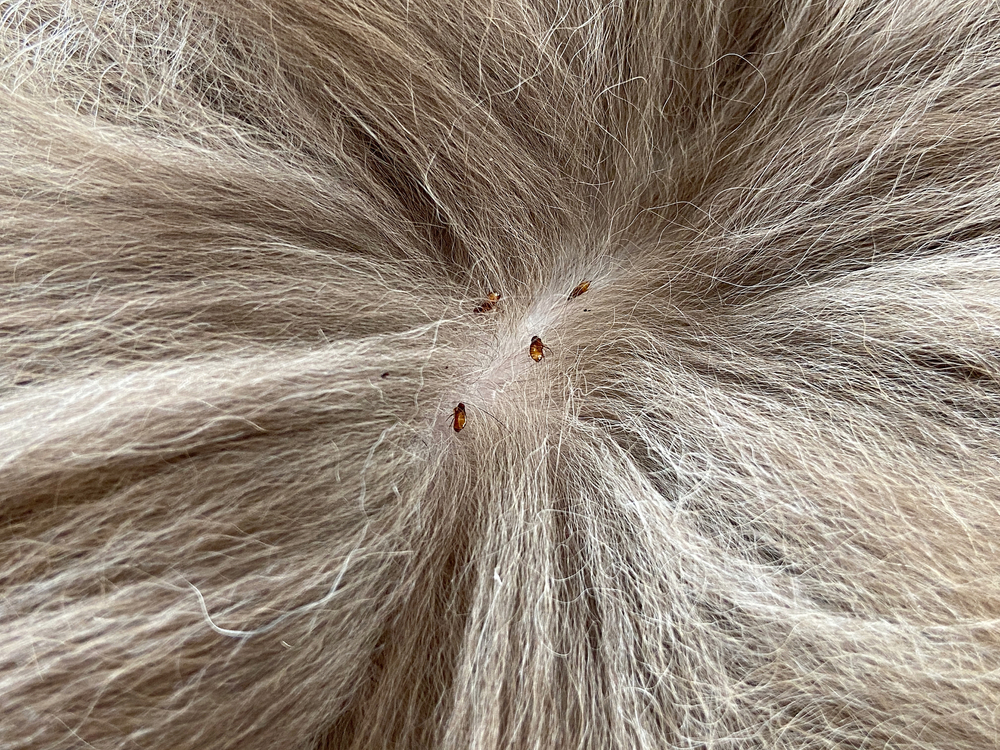
Using a flea comb requires the right technique to make the process effective and keep your cat comfortable. Follow these easy step-by-step instructions for combing fleas from cats.
Set Up Your Space
Choose a well-lit area on a surface that you can easily vacuum after you’re done combing, such as tile or hardwood floor. You can also lay down a disposable pad to catch any fleas or debris.
Gather Your Supplies
You’ll need:
- A high-quality cat flea comb
- A bowl of warm, soapy water (if using a manual comb)
- Paper towels
- Treats to keep your cat calm and cooperative
- A regular brush or grooming tool for detangling mats, if necessary
Prepare Your Cat
Before you begin, check for any tangles or mats in your cat’s fur and gently remove them with a detangling brush. This will make combing smoother and more comfortable for your cat. Also, make sure your cat is relatively calm before beginning.
Start Combing

Begin at your cat’s head and work your way down their body. Fleas tend to congregate around the neck, under the chin, behind the ears, and at the base of the tail, so give these areas extra attention. Comb in the direction of hair growth and move slowly to avoid pulling.
Speaking to your cat in a soothing voice and offering gentle pets or scratches throughout the combing process can help keep them calm and comfortable.
Dispose of Fleas and Debris
If you’re using a manual comb for cat fleas, dip it into a bowl of soapy water after every few strokes to dislodge fleas, flea dirt, and eggs. Fleas drown quickly in soapy water, making this an effective way to ensure they don’t escape. Wipe the comb clean with a paper towel before continuing.
If you’re using an electric flea comb, the electric current will kill the fleas upon contact.
Periodically wipe the comb with a dry paper towel to remove dead fleas and debris.
Reward
At the end of each combing session, reward your cat with treats, pets, or playtime to create a positive association with the experience. This helps encourage their cooperation during future sessions.
Clean Up
Once you’re done, it’s crucial to dispose of or clean everything you used. Dump the soapy water down the toilet. Throw away the disposable pad (if you used one), and vacuum the surrounding area to capture any fleas or eggs that may have escaped. Clean the comb and other tools that were used during the process. If you skip this step, fleas will likely re-infest your cat.
Repeat as Needed
Flea combing is not a one-time fix. “During an active flea infestation, comb your cat daily to remove fleas and flea dirt and to monitor the effectiveness of treatment,” Dr. Corrigan advises. “Once the infestation is resolved, combing weekly can help detect any new fleas early.”
Things to Avoid When Removing Fleas from Cats

While removing fleas from your cat, there are a few missteps to avoid to make the process safe and effective. Here are key tips to guide you:
- Don’t use human products: Never use human shampoos, soaps, or essential oils on your cat, as many of these can be toxic to cats. Always choose products specifically formulated for cats.
- Don’t use products for dogs: “Don’t use products meant for dogs on cats, as some can be toxic,” Dr. Corrigan says. She gives permethrin-based treatments as an example.
- Skip DIY flea remedies: Homemade flea treatments, like vinegar or essential oil sprays, can be harmful or ineffective, Dr. Corrigan says. It’s always better to stick with veterinarian-recommended flea treatments. Dr. Corrigan suggests asking your vet if you’re unsure about a treatment.
- Don’t ignore severe infestations: “If your cat has a severe flea infestation, visible skin irritation, or open sores, it’s best to consult a veterinarian,” Dr. Corrigan advises.
- Avoid handling anxious cats: If your cat becomes overly stressed during the flea removal process, it’s best to take a break or spread the session over a few days. For extremely anxious cats, Dr. Corrigan says a professional groomer may be better equipped to handle the situation.
Treating Fleas on Cats: A Multi-Step Approach

“Flea combs are a helpful supplementary tool but should not be considered a stand-alone treatment,” Dr. Corrigan says. Here’s how to create a well-rounded plan:
- Use vet-recommended preventatives: Preventative treatments are the cornerstone of flea control. Dr. Corrigan explains that monthly flea preventatives, like topical solutions, oral medications, or flea collars, work to kill fleas at multiple life stages. Always consult your veterinarian to choose a product that’s safe and effective for your cat.
- Treat your cat’s environment: Focusing solely on eliminating fleas from your cat won’t take care of the problem. Fleas lay eggs that fall into the environment, so failing to clean your home thoroughly during an infestation will allow fleas to return. To break the flea life cycle, clean your cat’s bedding, vacuum carpets and furniture, and treat common areas with vet-approved flea sprays or powders. For severe infestations, you may need professional pest control services.
- Consider a flea bath: Flea baths can also help, but a bath is not always necessary and can dry out your cat’s skin if done too often. If your cat has a bad flea infestation and you do need to bathe them, use a vet-approved flea shampoo for cats. Dr. Corrigan adds that you should never submerge your cat in water to “drown fleas,” as this can stress your cat and is ineffective for thorough flea removal.
- Treat all pets in the household: If you have multiple pets, treat all of them for fleas, even if only one shows symptoms. Fleas can quickly spread from one animal to another, so treating all your pets helps tackle the infestation comprehensively. However, always use treatments specifically designed for each species and individual animal’s weight.
By combining preventatives, regular combing, and diligent home cleaning, you can effectively control fleas and protect your cat from these pesky parasites.
Babesiosis in Dogs
- 2024-12-13T14:04:34
- Sarah J. Wooten, DVM
Babesiosis in dogs is a disease that is carried by ticks. It affects many systems in the body and it can make your dog very sick.
Read on to learn more about Babesiosis in dogs, including what causes it, common signs to watch for, diagnosis, treatment, and prevention.
What Is Babesiosis?
Babesiosis is a blood-borne disease that is caused by a microscopic parasite called Babesia. Babesia are single-celled protozoan parasites that must live in a host to survive. Currently, a minimum of seven different Babesia species have been identified in our canine companions: B. canis, B. vogeli, B. rossi, B. gibsoni, B. conradae, B. vulpes, and B. negevi.
Babesia infections are found worldwide, wherever ticks are found (1). Babesiosis is called an emerging disease because it is diagnosed more frequently and in more places than it was historically. This may be due to increased numbers and range of ticks and/or dog importation around the world.
How Do Dogs Get Babesiosis?
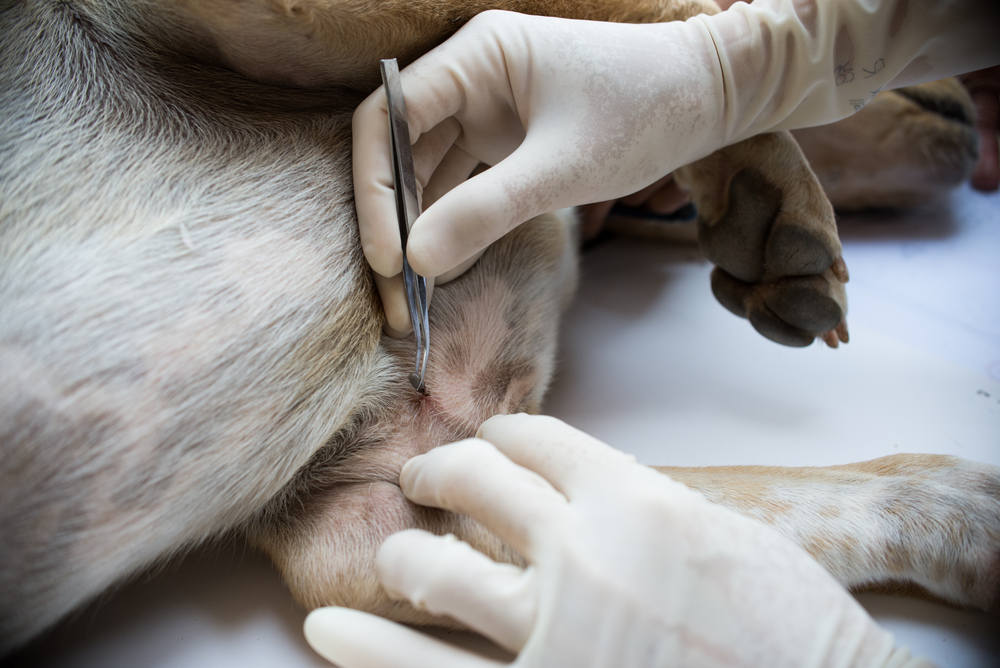
Dogs are infected with Babesiosis when they are bitten by a tick that is infected with the parasite. Ticks transmit the disease to dogs after the tick has bitten and attached to the dog for two to three days. Several species of ticks, including the brown dog tick and the American dog tick, appear to carry the parasite, and both dogs and cats are at risk. Humans can also contract Babesia infection. However, Babesia is not considered a zoonotic disease because the Babesia species that infect dogs and cats do not appear to infect humans.
Some species of Babesia, such as B. gibsoni, are also spread from dog to dog via dog bites, contaminated blood transfusion, or even in utero from mother to puppy via the placenta. Any age and breed of dog can become infected. However, Greyhounds seem to be predisposed to B. canis infections, and B. gibsoni infections are seen more often in American Pit Bull Terriers than other dogs. Dogs who are housed together in kennels where ticks are prevalent are at higher risk for becoming infected, as well as dogs who have had their spleen removed, have had chemotherapy, or have had a blood transfusion.
Babesiosis Symptoms in Dogs

Incubation time for Babesiosis is two weeks. This means that dogs will not show symptoms until two weeks after infection. Babesiosis can be tricky to diagnose because the symptoms can mimic symptoms of other diseases and dogs can either present acutely with symptoms, have chronic waxing and waning symptoms, or have no symptoms at all.
Babesiosis attacks several systems in the body, including blood, lymphatic, immune, liver, and nervous systems. Babesia attack and destroy red blood cells leading to anemia, which causes symptoms. Babesia also cause mild to moderate liver inflammation. The most common symptoms associated with Babesiosis include:
- Low energy
- Loss of appetite
- Pale gums
- Weight loss
- Fever
- Enlarged lymph nodes and spleen
- Jaundice
- Collapse
Depending on the severity of disease, Babesiosis can also be implicated in acute kidney failure, low blood sugar, damage to heart muscles, pancreatitis, muscle pain, multiple organ dysfunction, and vision changes (2).
Some dogs carry the infection for years without any symptoms. These dogs are called carrier dogs because even though they are not affected by the infection, they can still transmit the disease to other dogs.
How Is Babesiosis in Dogs Diagnosed?

A veterinarian diagnoses canine Babesiosis with a combination of a history of recent tick exposure or dog bites, physical examination, and symptoms. They will then run laboratory tests based on their index of suspicion of a Babesia infection. These tests can include:
- Complete blood count to check red and white blood cells
- Microscopic examination of blood to look for parasites
- Serum biochemistry to check internal organ function, electrolytes, blood proteins, and some enzymes
- Urinalysis to check for kidney function and urinary health
If the vet suspects a tick-borne disease like Babesia, then they will want to run a few more specialized tests. These could include:
- Immunofluorescence Assay to check for antibodies against Babesia
- PCR to test for presence of Babesia DNA in the blood
If a dog who is housed in a kennel or multi-dog household is diagnosed with Babesia, all dogs in that household or kennel should be screened for Babesia because there is a higher percentage of carrier dogs within kennel situations.
Babesiosis Treatment in Dogs

Babesia infections are treatable in dogs, however, treatment will vary depending on how sick the dog is. Severely affected dogs will need to be hospitalized. Dogs with mild disease can be treated on an outpatient basis. Dogs who have dangerously low blood pressure require fluid therapy. Severely anemic dogs may require a blood transfusion.
- The only FDA approved treatment for Babesia are injections of Imidocarb dipropionate administered every 1-2 weeks. This treatment clears B. canis infections but may not completely clear B. gibsoni infections.
- Combination oral treatment with azithromycin and atovaquone is the treatment of choice to potentially clear B. gibsoni infections.
Additional medications that may be prescribed to clear the infection include:
- Clindamycin
- Metronidazole
- Doxycycline
- Enrofloxacin
- Prednisone (to treat immune-mediated destruction of red blood cells)
Most dogs respond well to treatment within one to two weeks of starting medication. Prognosis is good to fair, depending on what body system is affected. Pet parents should also be aware that dogs who survive a Babesia infection may still be persistently infected without clinical symptoms and may relapse in the future. Because of this, never use dogs who have recovered from Babesiosis as a blood donor.
One of the more important aspects of Babesiosis treatment is following up with your veterinarian after your pet starts treatment. Your vet will likely set up a series of recheck appointments after your dog has started medication. This will include laboratory tests to determine whether your dog’s red blood cell count is recovering and whether the parasite has been cleared from your dog’s body. Be prepared for recheck appointments to continue for several months, as dogs should be tested to ensure they are negative for the disease for two to three months after finishing treatment.
Dogs who are infected with one tick-borne disease are sometimes infected with multiple tick-borne parasites. If your dog is failing to respond to treatment, then they may be carrying additional tick-borne diseases like Erhlichia, and need to be tested for that disease.
How to Prevent Babesiosis in Dogs

Although there is a vaccine available in Europe against B. canis and B. rossi, this vaccine is not available in the States and may not protect against other Babesia species. The best way to protect your pets is by applying or administering an effective tick prevention medication on a regular basis when ticks are present, which can be year-round in many locations.
Tick control is by far the most effective way to prevent Babesiosis in dogs and cats. If your dog frequents locations that are known to have ticks and/or wildlife, then check your dog for ticks regularly. If your dog does acquire a tick, then promptly remove the tick and keep it in a sealed container in case your vet wants to test it.
Babesiosis is a serious disease, but fortunately it is relatively easy to prevent with strict tick control. In addition to protecting your dog against Babesia, tick control can help prevent other tick-borne diseases, several of which can be transmitted to people as well. Talk to your veterinarian about the best tick control for your dog.
References
- Evason, ME. (2019). Babesia spp. (babesiosis). In S. Weese & M. Evason (Eds.), Infectious Diseases of the Dog and Cat: A Color Handbook (first edition, 201-204) CRC Press.
- World Small Animal Veterinary Association World Congress Proceedings. “Update on the Complications and Management of Canine Babesiosis.” 2006. Retrieved from https://www.vin.com/apputil/content/defaultadv1.aspx?id=3859055&pid=11223
How Long do Ticks Live? Vet Answers and Tips
- 2024-09-27T21:22:11
- Kirsten Adams
When you spot a tick on your dog or cat, your first instinct may be to panic or feel squeamish. Next come the questions: How long do ticks live? Where do ticks come from? How can I protect my pet?
If these pesky parasites have your brain spinning and your skin crawling, you’ve come to the right place! Let’s get some answers and advice from veterinary expert Dr. Alex Crow, DVM, on the tick life cycle and how to handle these pests.
How Long Do Ticks Live?

Believe it or not, ticks are not insects — they’re arachnids (the same class as spiders…which could explain why they give us the creeps). However, unlike their spider cousins, ticks don’t prey on insects. Instead, they survive off the blood of humans and animals.
That’s important, because when and how frequently ticks feed — also known as a “blood meal” — affects how long they live.
Typically, ticks live for around two to three years. However, that lifespan can vary because while ticks need blood to survive, they can go for long stretches without a blood meal.
So, how long can a tick live without a host? The length of time a tick can survive without a host depends on the species of the tick. Most adult ticks can survive for at least six months to a year without a blood meal. Some ticks can live even longer than that!
The good news is that most types of ticks cannot survive for long indoors. In the US, the Brown Dog Tick is the only species that can thrive in indoor environments, such as a kennel or a house.
The Tick Life Cycle: What You Need to Know
The best way to protect your pet and your household from tick threats is to know your enemy. And that starts with understanding the tick life cycle, so you know when to avoid ticks looking for their next blood meal.
The tick lifespan includes four distinct life stages: eggs, larvae, nymphs, and adult ticks. Most ticks have a three-host life cycle. That means they need a warm-blooded “host” (or several) to feed on at each life stage (larva, nymph, adult) before they can move from one stage of their life to the next.
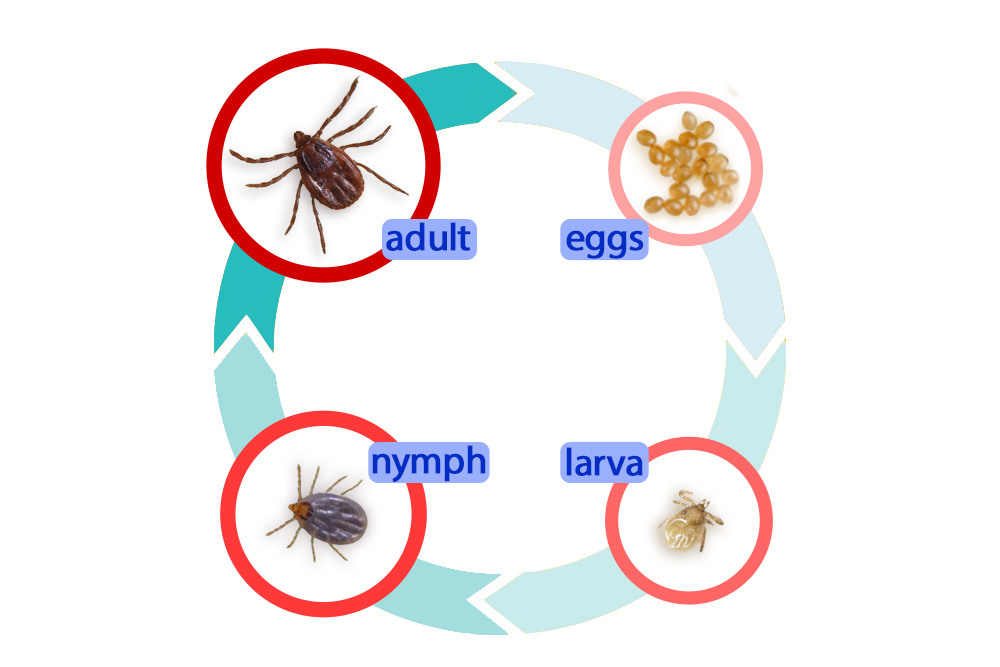
The amount of time ticks take to feed on a host varies depending on their life stage. It can be anywhere from a few hours to a week. If the tick can stay on the host until it has finished feeding, it will drop off to prepare for the next life stage.
While the life cycle of a tick varies between species, here’s how it typically progresses.
- Adult female ticks generally lay eggs in the spring.
- In the summer, tick eggs hatch into the larval stage.
- Once hatched, the larvae find their first host to attach to and feed on.
- In the late summer or fall, the larvae fall off their host.
- Between the fall and the winter, they then molt into nymphs.
- Once the weather starts to warm up in the spring, the tick nymphs find a second host to attach to and feed on.
- Later in the summer or fall, the nymphs fall off their host and molt into adults.
- The following spring, the adult tick seeks its third and final host.
- Once ticks have fed on their third host, they will mate. Males usually die after mating and females will die shortly after laying their eggs in the spring.[1]
How Do Ticks Look at Each Life Stage?
Knowing how to spot ticks is another important part of prevention. But that can be tricky because a tick’s appearance can change dramatically as they pass through each stage of life.
Many pet parents wonder: What do baby ticks look like? How do they differ from adult ticks? What should I watch out for? You’re about to find out, as we explore the four stages of the tick lifecycle.
Egg Stage
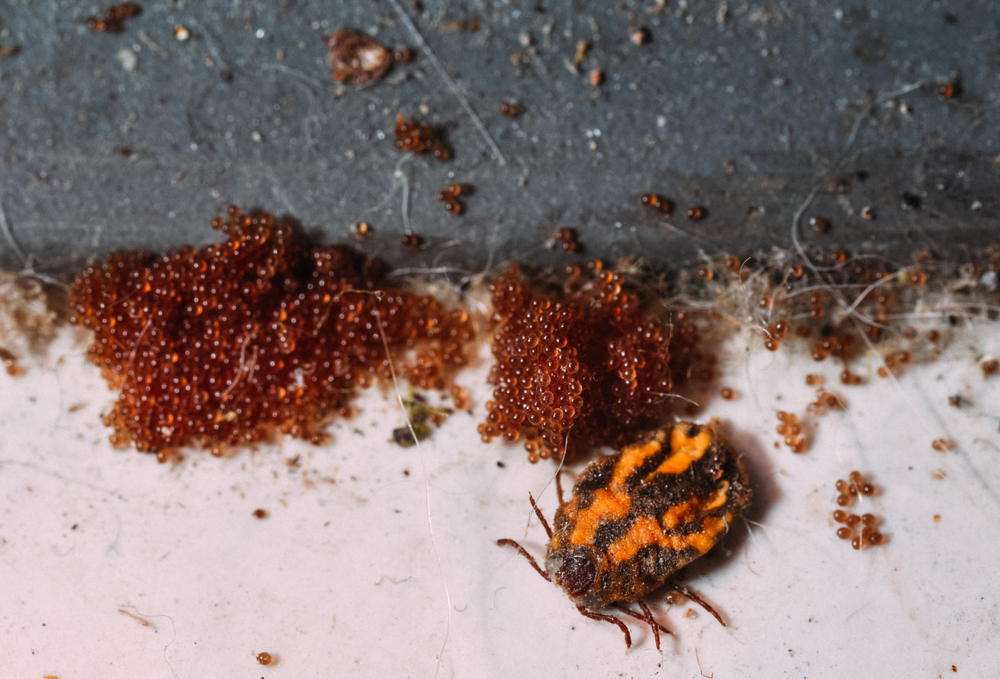
After an adult female has fed and mated, she drops off of her host and lays eggs on a leaf, grass, or something else that is soft and hidden.
An adult female tick can lay a cluster of thousands of very small eggs. These eggs are usually amber or brown, translucent, sticky, and remain together until they hatch. The individual eggs are incredibly tiny and may appear as mere specks. However, the egg cluster can measure about an inch wide.
Depending on the species, hatching occurs anywhere from two weeks to two months after laying. Since adults are not able to lay eggs on a host, you won’t need to worry about finding tick eggs on your dogs or cats!
Six-Legged Larva Stage
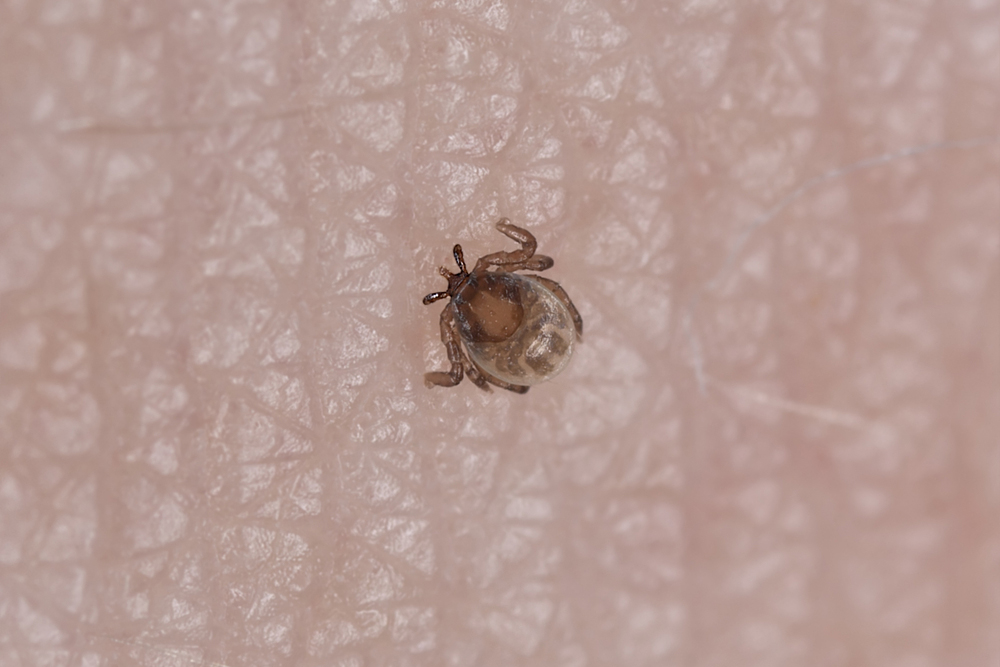
Tick larvae have six legs and are also known as “seed ticks” at this stage. Larval ticks seek to attach to their first host as soon as they hatch. Because they are small and close to the ground, they usually consume their first blood meal from small animals, such as mice or birds.
The bite of a tick larva is less likely to carry a disease, since they are most likely taking their first blood meal. This makes the tick larva stage the least dangerous in the lifespan of a tick. However, the tick may pick up a transmissible disease at this stage.
Eight-Legged Nymph Stage
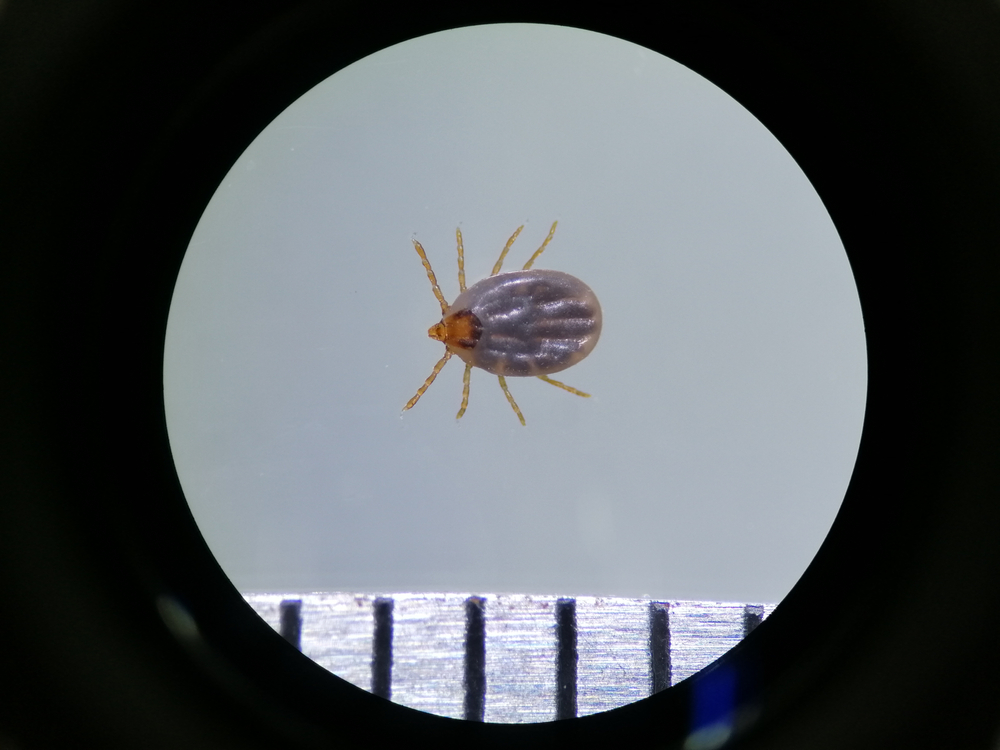
Once ticks have molted into nymphs, they have eight legs and tend to look for larger hosts for their next meal. A nymph is smaller than an adult tick.
Nymphal ticks are more likely to carry diseases at this stage because their first hosts tend to be small animals, like mice. Like larvae, nymphs may pick up a transmissible disease while feeding.
Adult Stage
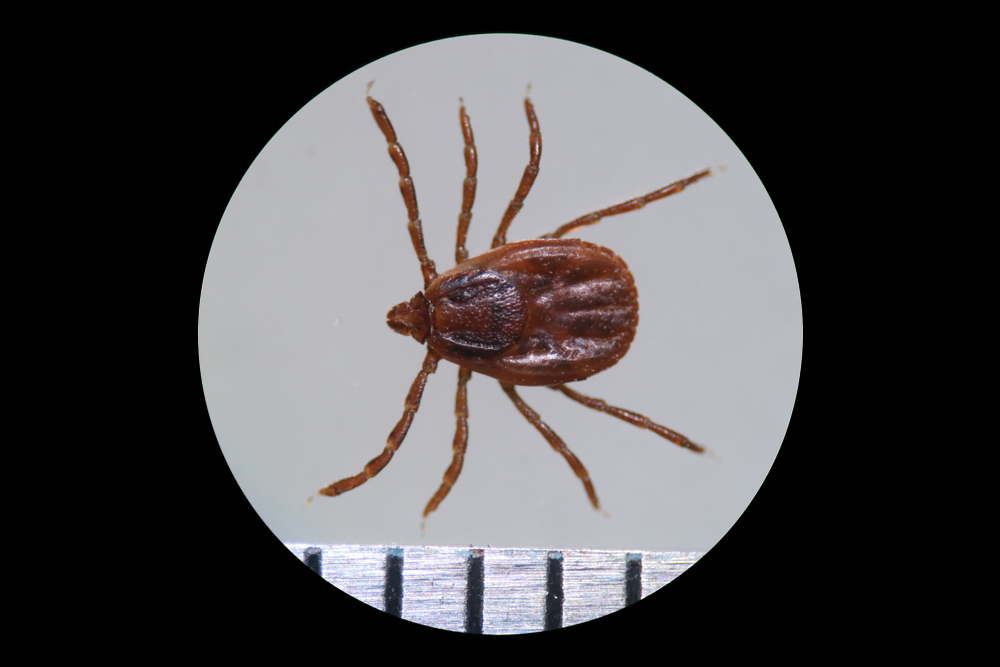
Adult ticks also have eight legs and are more aggressive in seeking out their hosts. Adult ticks, while at the end of their life cycle, are much more likely to carry a disease from one of their previous hosts. Research shows that roughly one in three adult deer ticks (or black legged ticks) carry the bacteria that causes Lyme disease (Borrelia burgdorferi).
Here’s the bad news: To protect yourself and your pets from tick bites, you’ll need to watch out for ticks of all stages, from larval to adult. Ticks searching for a host may target any warm-blooded animal, including pets and humans.
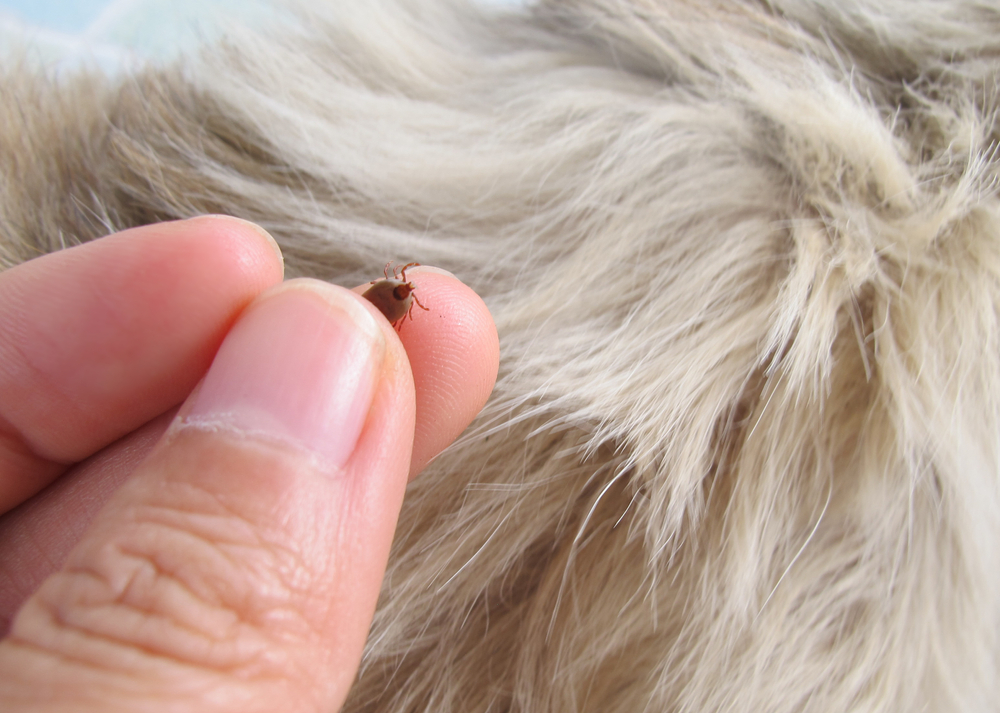
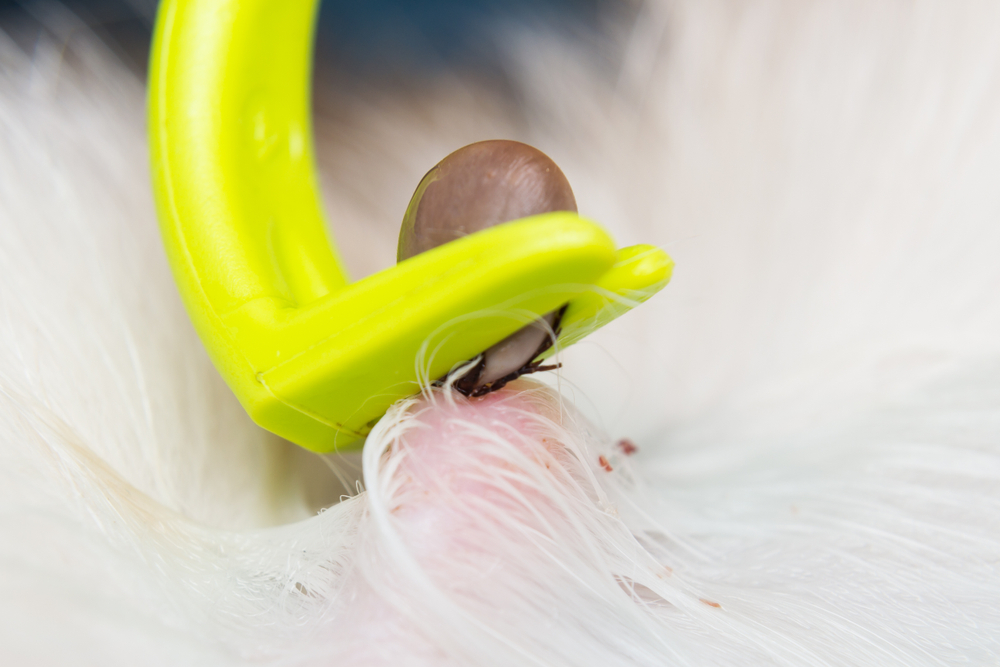
However, there’s good news, too. Ticks can only transmit tick-borne diseases to a host if they stay attached for 1-2 days. That’s why it’s so important to keep watch for ticks and remove them quickly to prevent the spread of tick-borne diseases.
A tick that is full of blood will look engorged and can become the size of a pea. However, not all ticks are that obvious. Most ticks found on pets and people are discovered before they finish feeding.
That’s why using effective tick prevention treatments or medications is also important. They work by repelling ticks, preventing attachment, or killing the ticks quickly once they have attached. [2] If your pet is protected by a preventative and is exposed to ticks, you will likely find dead ticks in their coat.
Vet Answers to Top Tick FAQs

You’ve got tick questions, and we’ve got the answers! Let’s check in with Dr. Crow for the scoop on pet parents’ most pressing questions about ticks.
Do ticks die in winter?
Depending on where you live, peak “tick season” is generally between May and October. Many people assume ticks die off in the winter, but these pesky parasites are more resilient than you’d think.
Most ticks survive colder winter temperatures by going dormant in sheltered spots like leaf litter and animal burrows. Some species, like the deer tick, remain active during milder winter days. That’s why effective year-round tick protection is so important!
Where do ticks lay eggs?
Female ticks lay their eggs in the environment, not on the host. After feeding, a female tick drops off the host to find a suitable spot to lay her eggs. Tick nests are often found in protected areas with leaf litter, grass, or soil. A single tick can lay thousands of eggs.
How big can ticks get?
Ticks can vary greatly in size. Larval ticks are super tiny and hard to see. Nymph ticks are slightly larger, about the size of a poppy seed. Adult ticks can be as small as a sesame seed when unfed but swell to the size of a small pea when engorged with blood, making them easier to spot.
When are ticks most active?
Ticks are most active during the warmer months, from spring through fall. However, in regions with milder climates, ticks can be active year-round. They’re typically most active during the early morning and late afternoon when temperatures are cooler.
When do ticks come out?
Ticks become active in early spring as temperatures rise and can remain active until late fall. They wait on grasses and shrubs for a host to pass by, a behavior known as “questing.” Ticks can sense the carbon dioxide exhaled by animals and latch on when they detect a nearby host. It’s important to remember that ticks cannot fly and they cannot jump!
How do ticks reproduce?
Ticks reproduce sexually, with males and females mating on a host. After mating, the female drops off the host to lay thousands of eggs in the environment. These eggs hatch into larvae, which then seek out small hosts to feed on, continuing the life cycle.
At what temperature do ticks become inactive?
Ticks generally become inactive at temperatures below 40°F. However, some species can tolerate colder temperatures and may remain active during mild winters.
Can ticks survive in water?
Ticks are not strong swimmers, but they can survive brief submersion in water. While bathing your pet can help remove ticks, it’s not a reliable method for prevention.
How long will a tick stay on a dog or cat?
A tick can remain attached to a host for several days, feeding until it becomes engorged. The longer a tick stays attached, the greater the risk of transmitting diseases. It’s important to remove ticks as soon as they are found to minimize this risk.
Tick Prevention Tips

Does the idea of a tick getting on your pet stress you out? If so, you’re not alone! Many pet parents struggle with navigating the risk of ticks when outdoors.
“I understand how stressful that can be, but don’t worry,” says Dr. Crow. “Ticks are common and we have many effective ways to deal with them.”
“While ticks can carry diseases, not every tick bite will result in illness,” he adds.
Luckily, there are a few steps you can take to help prevent these pesky parasites from attaching to you or your pet.
Keep Your Yard Tidy
Mow your lawn regularly, clear away leaves, and trim bushes to help eliminate the places ticks like to hide and nest.
Ticks seek out places that are dark and protected from predators. So, remember, even if your yard is free of debris, landscaping features like tall ornamental grasses can still harbor ticks.
Use Year-Round Monthly Preventatives
If you’re wondering: When do ticks go away, the bad news is they never really do.
Ticks can be found in every state in the United States, throughout every month of the year. They tend to be more active in warmer weather. However, ticks in winter may still be a threat…especially if you live in a milder climate. This is why vets highly recommend using year-round prevention.
Your vet can help determine the most effective tick prevention plan for your pet. This will depend on several factors, including where you live, your pet’s health, and what other parasites pose a risk in your region.
Talk to your vet to help find the best preventative to fit your pet and your lifestyle to ensure consistent, year-long protection.
Check For Ticks

It’s always a good idea to check your pets for ticks when they’ve been outdoors, especially during prime tick season. However, it’s crucial when you know your pets have been in areas with long grass, overgrown bushes, and piles of fallen leaves.
If ticks are on your pet, they are most likely to hide in warm, moist areas. So always check your pet’s ears, neck, armpits, and between the toes for tick stowaways.
If you find a tick on your pet, it’s important to stay calm and remove it as quickly and efficiently as possible. Removing ticks quickly can reduce the chance of transmission of a tick-borne disease, so staying vigilant is the best action you can take.
While it is common to find ticks on our pets, they may not be completely harmless. Dr. Crow reminds us, “If you notice any concerning symptoms or if you’re unsure about anything, then please come to see the vet.”
REFERENCES
- “The Tick Lifecycle.” Lyme & Tick-Borne Disease Testing & Statistics, Tick Research Lab of Pennsylvania, 1 Dec. 2020, www.ticklab.org/blog/2020/12/01/the-tick-lifecycle/.
- Cohen, Aly. “Flea and Tick Prevention.” Cornell University College of Veterinary Medicine, www.vet.cornell.edu/departments-centers-and-institutes/riney-canine-health-center/canine-health-information/flea-and-tick-prevention.
7 Signs of Intestinal Parasites in Dogs
- 2024-08-30T19:45:35
- Sarah J. Wooten, DVM
Intestinal parasites in dogs are a fairly common problem all over the world. According to the Companion Animal Parasite Council, one in 50 dogs test positive for hookworms in the United States. There are several intestinal parasites that infect dogs, some of which cause gastrointestinal distress and weight loss and can be spread to humans and other animals.
In this article, you will learn about the types of intestinal parasites in dogs, the symptoms of intestinal parasites, and how intestinal parasites are diagnosed, treated, and prevented.
Types of Intestinal Parasites in Dogs

Dogs can carry a variety of intestinal parasites, including the following intestinal worms that live in the gut and cause problems:
Dogs can also carry microscopic protozoan parasites that can cause diarrhea and weight loss, including:
How Do Dogs Get Parasites?

Dogs acquire intestinal parasites in a variety of ways. The manner of infection depends on the parasite. Dogs can commonly become infected with intestinal parasites by ingesting a parasite egg from the environment – either by eating poop or an animal carcass, snuffing up contaminated soil, or drinking contaminated water. Some intestinal parasites can be transmitted from mother to puppies while they are still in utero or via nursing.
Dogs that are in locations with high-density populations, such as kennels, animal shelters, and dog shows, or those that visit dog parks or doggie daycare, are at higher risk of acquiring intestinal parasites. Dogs that have compromised immunity are also at higher risk of an intestinal parasite infection.
7 Symptoms of Intestinal Parasites in Dogs

Abdominal distension
Dogs that are carrying intestinal worms, especially roundworms, often have a swollen, pot-bellied appearance. This is due to inflammation in the gut caused by the parasite.
Weight loss
Intestinal worms steal nutrients from dogs, which can result in weight loss despite a normal or increased appetite. These dogs often have a poor haircoat and an unthrifty appearance because they are not getting enough nutrients despite eating normally.
Belly pain
Intestinal parasites can cause painful inflammation in the gut. Hookworms (voracious, blood-sucking worms that bite the lining of the gut) can also result in a serious stomach ache. Additionally, worms can sometimes cause an obstruction in the intestines, which is also painful.
Worms in stool
One obvious sign of intestinal parasites is seeing worms in the stool. You may see flat, white worms, worms that look like spaghetti, or rice grains that are adhered to the fur around the anus.
Stool changes
Intestinal parasites in dogs cause gut inflammation, which affects stool quality. Dogs with worms may have normal stool, or they may experience diarrhea or constipation. If infected with hookworms, they may have black, tarry stool that indicates digested blood. Dogs with giardia may have mucoid diarrhea.
Weakness
If a dog has lost a significant amount of weight due to a heavy worm burden, they may be weaker. Those who have lost a lot of blood to hookworms will appear weak and lethargic and have pale gums.
Cough
Sometimes worms don’t stay in the intestines. They can migrate to other parts of the body, such as the lungs, causing inflammation and coughing.
All of these signs are more severe in puppies and very small dogs. Puppies in particular can die from a heavy worm burden if not treated promptly and properly. When time is of the essence, having a health and pet care credit card, such as CareCredit, can provide peace of mind so you can focus on helping your puppy. Whether you use the card for an emergency visit or a routine veterinary appointment (at any provider in the CareCredit network), it allows you to pay over time with flexible financing options.*
If you see these signs in your dog, regardless of whether you think they have intestinal parasites or not, visit your veterinarian as soon as possible. If you think your dog’s life is in danger, get there immediately.
The signs of intestinal parasites in dogs can be acute (happen all of a sudden), chronic (occur for more than two weeks), or intermittent. The tricky thing about intestinal parasites is a dog can be carrying them and not show any signs at all. That’s why it’s a good idea to have your dog’s poop checked every year at their annual examination.
Diagnosing Internal Parasites and Dog Worms

If you suspect that your dog may have intestinal parasites, or if you notice any of the signs listed above, call your veterinarian. Most veterinarians will want to conduct a physical examination on a dog before they prescribe treatment. They will test your dog’s poop for parasites, so be sure to bring a fresh sample in a sealed container.
The veterinary staff will take the sample and run such tests as:
- Fecal float microscope test that makes parasite eggs easier to detect (this is also the only way parasites are detected in asymptomatic animals)
- Fecal direct smear microscope to look for parasites
- Fecal culture to determine if there is a bacterial infection
- Additional specialized tests for specific parasites, such as an antigen test for Giardia
It’s important to get an accurate diagnosis on the cause of your dog’s symptoms, as the symptoms of intestinal parasites can be mimicked by other more serious diseases that require alternative treatment. Additionally, different intestinal parasites require different treatments, so be sure to see your veterinarian as soon as possible.
Intestinal Dog Parasite Treatment

Fortunately, most intestinal parasites are easy to treat with a broad-spectrum dewormer. Your veterinarian will prescribe the correct medication to kill adult worms and larvae. Typically, treatment for intestinal parasites is outpatient and doesn’t require hospitalization. Some of the common dewormers that are prescribed include:
- Febantel or Fenbendazole: used to treat many parasites, including roundworms, hookworms, lungworms, whipworms, and some rare species of tapeworms
- Ivermectin: used to treat hookworms and roundworms
- Pyrantel Pamoate: used to treat intestinal roundworms and hookworms
- Praziquantel: used to treat tapeworms
- Metronidazole: used to treat Giardia
If your dog is being treated for worms, don’t be surprised if you see dead worms in their feces during and after treatment. Even though it’s gross, it’s a good thing.
Preventing Intestinal Canine Parasites

Don’t forget – humans can get worms and Giardia from dogs, but in addition to being easy to treat, most intestinal parasites are easy to prevent. In fact, most heartworm prevention medication also includes broad-spectrum protection against intestinal worms. So if you protect your dog against heartworms year-round, you’re usually protecting them against intestinal worms as well – but always check with your veterinary provider to confirm.
Additional parasite prevention recommendations include:
- Picking up after all animals in your yard regularly
- Not allowing your dog to investigate or eat animal feces
- Having your dog’s feces tested annually for parasites
By practicing intestinal parasite awareness and utilizing parasite prevention and common sense, you can keep intestinal parasites out of your dog and out of your life.
*Subject to credit approval. See carecredit.com for details.
This information is shared solely for your convenience. Neither Synchrony nor any of its affiliates, including CareCredit, make any representations or warranties regarding the products described, and no endorsement is implied. You are urged to consult with your individual veterinarian with respect to any professional advice presented.
The Flea Life Cycle: How to Protect Your Pet at Every Stage
- 2024-08-05T13:57:21
- Elizabeth Claire Alberts
If your pet is constantly scratching and their skin is peppered with teensy black dots, they probably have fleas — pesky parasites that can live for a couple weeks or even several months.
For both dogs and cats, fleas can be a nuisance and even a health hazard. And once your pet is infested with fleas, it can be tricky to get rid of them. So it pays to know a thing or two about these tiny, blood-sucking insects, and how to prevent them from latching on to your pets — and infiltrating your home — in the first place.
“Understanding the flea life cycle is crucial for effectively dealing with an infestation,” says Dr. Lisa Lippman, director of virtual medicine at BondVet. “Knowing each stage helps in targeting treatments and preventing future outbreaks.”
4 Stages of the Flea Life Cycle
Flea Egg
After feasting on a host’s blood — that is, your pet’s blood — adult female fleas will mate and begin laying eggs. These tiny, white-ish eggs are small, rarely growing more than 0.5 mm (1/50-inch). That’s about the size of a speck of sand.
Fleas reproduce quickly. It’s estimated that a female flea can lay about 40 eggs each day. This helps explain how a few fleas can quickly cause an infestation. These eggs can develop anywhere from 2-12 days, depending on environmental conditions, Dr. Lippman explains. Flea eggs tend to hatch more quickly when it’s warmer and more humid.
Flea eggs represent about 50 percent of the entire flea population in an infested home — and they can be found just about any place where your pet goes in the house. “Flea eggs are typically found in pet bedding, carpets, and furniture,” Dr. Lippman says.
To get rid of flea eggs fully, pet parents need to treat their pet for fleas, and also thoroughly clear their house by vacuuming, and putting linens, upholstery, and bedding into the laundry.
Flea Larvae
Once flea eggs develop, they become larvae. These worm-like organisms measure about ¼ of an inch. The larval stage is the second part of the flea life cycle. These larvae develop over several weeks after consuming a truly gross concoction: digested blood that adult fleas poop out, known as flea dirt.
Flea larvae make up about 35 percent of the flea population living in an infested house.
Flea Pupae
After hatching from eggs, flea larvae begin spinning cocoons around themselves in about 5-20 days. This is the third part of the flea life cycle known as the pupal stage.
“Developing fleas can remain in a cocoon (pupal stage) for several days to weeks, and up to several months if conditions are unfavorable,” Dr. Lippman says. “Cocoons are found in carpets, under furniture, and in crevices.”
What entices an adult flea to eventually emerge? According to Dr. Lippman, “vibrations, carbon dioxide, and body heat from a potential host” will lure adult fleas to emerge from their cocoons.
Flea pupae comprise about 10 percent of the entire flea population in an infested home.
Adult Fleas
The last part of the flea life cycle is the adult stage. Adult fleas are small, dark brown and flat-bodied, and they have an amazing ability to jump from the ground onto moving targets.
Once flea pupae emerge from their cocoons as adult fleas, they almost immediately begin to feed, mate, and lay eggs.
“Adult fleas begin to feed within minutes of finding a host and can start laying eggs within 24-48 hours,” Dr. Lippman says.
Adult fleas can live on their hosts for several weeks. Amazingly, they only represent about 5 percent of the flea population in an infested home.
How to Break the Flea Life Cycle
Wondering how to break the flea life cycle and get rid of fleas once and for all?
“Breaking the flea cycle involves consistent treatment of pets with flea preventatives, thorough cleaning of the home, and possibly professional pest control,” Dr. Lippman says. “It can take several weeks to months to fully eradicate fleas. Consulting with a pest professional can be beneficial for severe infestations.”
There are many different flea treatments for pets, including topical treatments, oral medications, and even flea collars. Some of these treatments also target other parasites like ticks. According to Dr. Lippman, it’s “important to use products recommended by veterinarians to ensure safety and effectiveness.” If in doubt, consult your veterinarian.
Besides treatment, pet parents can follow best practices to help keep their pets — and by extension, their homes — flea-free. “Regular grooming and bathing of pets, frequent washing of pet bedding, vacuuming carpets and furniture, and maintaining a clean environment can help keep pets flea-free,” Dr. Lippman says. “Additionally, treating the yard and outdoor areas where pets play can prevent fleas from entering the home.”
Lone Star Tick: 4 Dangers for Dogs
- 2024-05-14T15:07:07
- Jodi Helmer
When you spot a tick on your dog, your first thought is probably, “Ewwww,” and not, “What tick species is that?”
While it’s true that all species of ticks have a serious ick factor, different tick species can carry different diseases and risks for our canine companions. It can be a helpful skill to know which species you’re dealing with.
“Ticks are not only unsightly but also pass dangerous diseases to dogs,” says Michael Stone DVM, internal medicine veterinarian and associate clinical professor at Cummings School of Veterinary Medicine at Tufts University. “Some diseases are mild and some may be fatal. The spectrum of diseases that can be caught from tick bites is wide.”
Most people are familiar with blacklegged (deer) ticks and their ability to transmit Lyme disease. However, the lone star tick is an aggressive tick species that is becoming more common in the U.S. In a national survey of ticks on dogs and cats, more than 23 percent of dogs were infested with lone star ticks (1).
Year-round tick and flea control can help guard your dog against tick-borne diseases. Credelio is a small, tasty chewable for dogs that is effective against four species of ticks, including the lone star tick.
Here is what you need to know about the lone star tick and potential dangers for dogs.
What Is a Lone Star Tick?
The lone star tick (Amblyomma americanum) is known as an aggressive species that seeks out hosts, including dogs, for a blood meal (2). Lone star ticks used to be limited to the eastern, southeastern and south-central parts of the United States, but their range continues to expand. They have been found as far north as Maine and as far west as Oklahoma.
The size and appearance of lone star ticks varies depending on their sex and life stage. Adult females are the easiest to spot because of the white dot—the namesake “lone star” on the center of their backs, called a scutum (3). Their bodies range in color from white/cream to gold and bronze and grow from 4 millimeters to 16 millimeters (or larger) in diameter after a blood meal (4).
Adult males are smaller and have dark brown or red patches on their scutum and often have streaks of white pigment around the outer edges of their bodies.
Lone Star Tick vs Deer Tick
The lone star tick and deer tick (aka the blacklegged tick) have several distinguishing features (5). Like the lone star tick, female deer ticks are larger than males but their scutum is dark brown to black in color and has an overlay that is a shade of brownish-orange.
Their geographic range is different, too. Deer ticks are found in the Northeast and their range spans west and south to include states in the Great Lakes region, Atlantic and Gulf Coast.
One of the biggest differences between the species is their questing behavior, according to Andrea Egizi, Ph.D., research scientist at the Tick-Borne Disease Laboratory at the Monmouth County Division of Mosquito Control in New Jersey.
“Lone star ticks are more active questers,” Egizi explains. “Instead of waiting on a blade of grass for the host to brush against them, if [a lone star tick] senses CO2, they actually crawl toward a host…In contrast to other kinds of ticks that are more passive and they’ll wait for you to come to them.”
Are Lone Star Ticks Dangerous to Dogs? 4 Risks to Know

All ticks have the potential to transmit disease to pets and people, Dr. Stone notes. So, what diseases do lone star ticks carry? Here are some of the risks for dogs to know about:
Ehrlichiosis
Lone star ticks can transmit two different Ehrlichia bacteria: Ehrlichia chaffeensis, and Ehrlichia ewingii. Dogs start showing symptoms, including fever, joint pain, loss of appetite, lameness, and anemia, within one to three weeks of being bitten by an infected tick (6).
Your veterinarian will run blood tests to detect Ehrlichiosis antibodies; if it’s positive, ehrlichiosis is treated with a 28-day dose of antibiotics. Symptoms should improve within two to three days of starting treatment.
Tularemia
Although tularemia is uncommon in dogs, cases of the tick-borne disease have been reported. Illness is mild but symptoms can include fever, discharge from the eyes or nose, swollen lymph nodes, and loss of appetite (7).
Rocky Mountain Spotted Fever
As the name suggests, Rocky Mountain spotted fever is most common in the Rocky Mountain states, but it’s also found in the southeast where lone star ticks are prevalent.
Lone star ticks transmit the Rickettsia rickettsii bacteria, but Egizi notes, “In the eastern U.S., people have tested a lot of ticks and not found very much Rickettsia rickettsii; the lone star tick can carry it, but it’s very, very rare.”
Dogs with Rocky Mountain spotted fever can experience a wide variety of signs, such as fever, lack of energy, stiffness when walking, and neurological abnormalities. The symptoms appear suddenly and can cause severe illness that lasts weeks. It can be fatal, so immediate treatment is essential.
Tick Paralysis
Some species of female ticks secrete a neurotoxin in their saliva that can cause paralysis. It’s mostly an issue with American dog ticks and deer ticks, but other species can transmit the neurotoxins, too.
“Tick paralysis is rare in dogs in the United States,” says Dr. Stone. “It’s more common in Australia.”
Symptoms like weakness, limb paralysis, facial drooping, and trouble chewing start around three to five days after a tick attaches. Removal of the infected tick is the primary method of treatment, and results in a rapid improvement in symptoms. Some dogs may require hospitalization and supportive care, such as IV fluids or, in more severe cases, mechanical ventilation.
In humans, lone star ticks can also transmit Southern tick-associated rash illness (STARI), Heartland virus, and alpha-gal syndrome (red meat allergy). These conditions are not known to affect dogs. In cats, lone star ticks can transmit bobcat fever (cytauxzoonosis), which is rare but often fatal.
Lone Star Tick Bite Symptoms
You might notice a tick attached to your dog before you notice any symptoms. In general, Dr. Stone notes that lack of energy or loss of appetite are the most common lone star tick dog symptoms. Dogs bitten by disease-carrying ticks may also experience:
- Fever
- Joint pain
- Loss of appetite
- Lameness
- Discharge from the eyes or nose
- Swollen lymph nodes
- Stiff gait
- Neurological abnormalities
- Sudden paralysis
Lone Star Tick on Dog: Next Steps
Lone star ticks can attach “basically anywhere,” according to Dr. Stone, but tend to favor the face, neck and ears, as well as dogs’ backs and between the toes. If you spot a tick on your dog, grab a tick removal tool and remove it immediately.
“Avoid folklore remedies such as ‘painting’ the tick with nail polish or petroleum jelly or using heat to make the tick detach from the skin,” Dr. Stone says. “Your goal is to remove the tick as quickly as possible—not waiting for it to detach.”
To dispose of the tick, you can put it in rubbing alcohol or in a sealed bag or flush it down the toilet. “Removal of the tick and monitoring for signs of illness are my typical recommendations,” Dr. Stone adds.
Lone Star Ticks and Dogs: How to Protect Your Pup
To protect your dog against lone star ticks and other tick species, talk to your veterinarian about flea and tick control. Options range from oral medications to topicals and collars. Credelio is a tasty chewable that kills ticks and fleas fast and lasts a full month. To provide your dog with 360-degree parasite protection, ask your veterinarian about Interceptor Plus, which covers heartworm disease and four other worms.
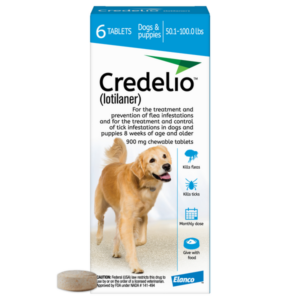

After spending time outside with your dog, always conduct a “tick check” and remove any ticks that have attached.
Even though ticks are less common in the colder months, Egizi believes keeping your dog on parasite control all year long is important. “There are species of ticks, like the blacklegged tick, that will come out to quest any time it’s even slightly warm during the winter.”

References
- Saleh, Meriam N et al. “Ticks infesting dogs and cats in North America: Biology, geographic distribution, and pathogen transmission.” Veterinary parasitology vol. 294 (2021): 109392. doi:10.1016/j.vetpar.2021.109392
- “Lone star tick a concern, but not for Lyme disease.” Centers for Disease Control and Prevention. Page last reviewed Nov. 2018. Retrieved from https://www.cdc.gov/lyme/about/about-southern-tick-associated-rash-illness.html
- “Lone Star Tick.” The University of Rhode Island. TickEncounter. Retrieved from https://web.uri.edu/tickencounter/species/lone-star-tick/
- “Lone star tick.” Texas A&M AgriLife. The Tick App. Retrieved from https://tickapp.tamu.edu/home/tick-identification/lone-star-tick/
- “Black-legged tick.” Texas A&M AgriLife. The Tick App. Retrieved from https://tickapp.tamu.edu/home/tick-identification/black-legged-tick/
- “Ehrlichiosis in Dogs: Fast Facts for Veterinarians.” Centers for Disease Control and Prevention. Retrieved from https://www.cdc.gov/ehrlichiosis/pdfs/fs-ehrlichiosisvet-508.pdf
- “Tularemia Facts.” American Veterinary Medical Association. June 2003. Retrieved from https://www.avma.org/tularemia-facts
Can Indoor Cats Get Fleas?
- 2024-04-22T20:21:25
- Jodi Helmer
Your indoor cat used to spend most of their time napping in a sunny windowsill, but bouts of scratching, licking, and chewing at their skin have made them restless. You check for the source of the irritation and see weird, black dirt on your cat’s skin. Could it be fleas?
Fleas are a common external parasite in domestic cats. But why aren’t indoor cats immune to these pesky pests? In this article, we will take a closer look at how indoors cats can get fleas, plus share ways you can protect your feline friend from infestations.
Can Indoor Cats Get Fleas?
Yes, indoor cats can get fleas. Research shows that fleas are most common in kittens under 12 months old and more prevalent between July and October (1). But cats can get fleas at any age and at any time of the year—even if they never go outdoors.
If you spot fleas (or notice common symptoms of a flea infestation) in your indoor cat, Mitzi Clark, DVM, DACVD, assistant clinical professor of dermatology at the Cornell University College of Veterinary Medicine, offers an important piece of advice.
“Don’t panic,” Dr. Clark says. “It doesn’t mean you are a bad pet parent or have a dirty house.”
How Do Indoor Cats Get Fleas?

Fleas go through four stages of development: egg, larvae, pupae, and adult insects.
It’s possible for fleas to lay eggs on your cat, but you’re more apt to find flea eggs on beds, cat towers, perches, and other places where your cat spends time. White, worm-like larvae and cocooned pupae are also found in carpets, beds, and other dark, warm hiding spots. Once adult fleas emerge, the tiny crawling insects need a blood meal—and that leads to flea infestations.
Fleas might seem like a problem that only affects outdoor cats, but their preferred environment is full of cozy hiding spots: the deep recesses of the carpeting, tucked under the cat bed, or snuggled up in the couch cushions. Outdoors, fleas don’t survive well in hot, sunny temperatures with low humidity, but the conditions are ideal in the house.
Even though fleas don’t have wings, these parasites are excellent jumpers. They can reach an estimated 150-200 times the length of their bodies. This allows the crafty creatures to climb aboard pets or pant legs and hitch a ride inside.
Dr. Clark notes that fleas can come into the house on other household pets who go outdoors, and pet parents can bring fleas in on their clothing. The wingless parasites also can crawl in through cracks in the windows and doors or come home from kennels, groomers, and the vet’s office. In apartment buildings, Dr. Clark adds, “fleas from common areas like hallways can enter the home.”
Fleas can also live on rodents or in the fabric of old furniture. This means that a mouse sneaking inside or the purchase of secondhand furniture can bring fleas into the house, where they can seek out your indoor cat for a blood meal.
How to Tell If Your Indoor Cat Has Fleas
Fleas on cats can cause health issues, so it’s important to know the telltale signs that an indoor cat may have fleas and provide treatment. Common signs that your indoor cat has fleas include:
- Constant itching or scratching, especially around the base of the tail, groin, and rump
- Hair loss
- Scabs and bumps on their skin
- Flea “dirt” that looks like small black dots on their skin
Do Indoor Cats Need Flea Treatment?
All cats with fleas need flea treatment, including indoor cats with fleas. Flea medicine for cats comes in several forms, from chewable and topical medications to flea collars. Some products were designed to treat fleas while others offer flea prevention.
Dr. Clark notes that the timing for application varies between products; some flea products are given monthly while others need to be given every three months.
Before starting flea treatment, she advises calling your veterinarian to ask about flea control that is specifically designed for cats. “Not all over-the-counter flea preventatives are safe for cats,” Dr. Clark says. “You want something that is effective, safe, and meets you and your cat’s needs for administration.”
One effective oral medication that kills fleas fast is Credelio CAT, a tiny, tasty tablet flea treatment for cats. This medication also protects cats against blacklegged ticks. However, if your cat isn’t a fan of taking pills or tablets, you can opt for NexGard Combo, instead. This easy-to-apply, once-monthly topical treatment kills fleas and ticks (both blacklegged and Lone Star) fast. Plus, it prevents heartworm and treats roundworm, hookworm, and tapeworm infections, too.


Most indoor cats need tick and flea protection year-round, not just during “peak” months in their region. Dr. Clark notes that fleas can survive all winter in warm, indoor environments and seasonal temperature spikes could reawaken outdoor fleas that can crawl back inside.
“I’m a big fan of year-round prevention, except in really isolated pet populations in really cold climates— perhaps those pets can take winter off,” she says. “But I generally just suggest year-round flea prevention in all of my patients.”
Flea and Tick Protection for Cats: Tips and Tricks
Treating fleas in indoor cats is important, but it’s also essential to prioritize prevention. In addition to using a year-round flea control product, such as Credelio CAT or NexGard Combo, these strategies can help minimize parasites in your home.
Get grooming: Regularly brushing your cat is a wonderful way to promote coat health, bond with your cat, and look out for any skin or hair abnormalities, including fleas. Flea combs are ideal for removing adult fleas as well as flea dirt from your indoor cat’s coat.
Keep it clean: Vacuum carpets and upholstered furniture and other areas where fleas hide. Use the crevice tool to vacuum along baseboards and around the cracks in the doors where fleas can enter the house. Afterward, immediately empty the vacuum canister into a trash bag and throw it away in an outdoor trash can. A steam cleaner is also ideal for carpets and furniture, because the hot steam and soap will kill eggs, larvae, pupae, and adult fleas.
Do the laundry: Wash all pet bedding and the blankets, pillows, and other soft surfaces where pets spend time in hot, soapy water every two to three weeks. To treat a severe flea infestation, you may need to toss old bedding and buy new items.
Treating the environment is as important as treating your pet for fleas.
“[You] may not realize that fleas spend much of their life cycle off the host and so environmental clean-up such as vacuuming and washing bedding can be as important as continuing flea prevention long-term to treat all future generations of fleas that will hatch from the environment,” Dr. Clark says. “Just treating the adult [fleas] you see today will not rid your home of a flea infestation.”
Reference
- Farrell, Sean et al. “Seasonality and other risk factors for fleas infestations in domestic dogs and cats.” Medical and veterinary entomology vol. 37,2 (2023): 359-370. doi:10.1111/mve.12636