

Category: Pet Medication
Great Pet Care - Pet health information — simplified.
All About Cough Suppressants for Dogs
- 2025-03-19T15:40:31
- JoAnna Pendergrass, DVM
A persistent cough is no one’s idea of a good time. And if it’s your dog who’s keeping you (both) up at night with endless bouts of coughing, that goes double. However, here’s the good news: Cough suppressants for dogs may be the answer to give your dog—and you—some much-needed relief.
Although coughing in dogs can be harmless, there are situations when coughing is more serious and needs treatment. So here’s a helpful guide covering when to use cough suppressants for dogs, how they work, and how to choose the right one for your dog.
Cough Medicine for Dogs: Why It’s Important
In the grand scheme of things, a cough might not seem like a big deal. But constant coughing can have a big impact on a dog’s quality of life.
If your dog is coughing all day and can’t rest well at night, their overall health can suffer. In addition, persistent coughing can irritate and inflame a dog’s airway, which then leads to even more coughing.
Dog cough medicine can help break this vicious cycle of chronic coughing and inflammation. Cough suppressants may also be helpful in cases of respiratory illnesses like dog colds or kennel cough, bronchitis in dogs, and tracheal collapse. All of these conditions can cause persistent dry coughs in dogs.
However, not every dog cough needs to be treated. Some nuisance coughs may go away on their own. Other coughs may be the sign of a more serious health condition. And it can be nearly impossible to judge the difference on your own.
That’s why it’s so important to consult with your vet if you’re concerned about your dog’s cough. Your veterinarian can provide a thorough exam and diagnosis, along with treatment recommendations to help your canine companion kick that cough for good.
Types of Cough Suppressants for Dogs
There are many different types of cough medicines available for dogs. Which kind your dog needs often depends on what’s causing their cough.
The two main types of cough medications for dogs are suppressants and expectorants.
- Dog cough suppressants are designed to reduce coughing.
- Dog cough expectorants promote coughing to loosen up and clear out mucus in the airways.
Vets typically prescribe cough suppressants to treat chronic, dry coughs in dogs. Dog cough suppressants are generally classified as opioid or non-opioid. Opioid suppressants act directly on the cough center in the brain to reduce coughing. Non-opioid suppressants work in several ways, including reducing airway inflammation and relaxing airway muscles.
Expectorants are different kinds of cough meds for dogs. They treat “productive” dog coughs that bring up mucus. For example, if a dog is coughing due to bacterial pneumonia, your vet might prescribe an expectorant to help clear the airway of accumulated mucus.
Dog cough medicines are primarily available with a prescription and come in several formulations. You can give them to your dog by mouth in tablet or pill format. Many cough medicines are also available in liquid form as cough syrup for dogs.
Even though coughs often affect humans and dogs in similar ways, always give your dog a canine cough medicine, not one meant for humans. Over-the-counter human cough medicines may contain xylitol, a sweetener that is toxic in dogs. Also, doses of human cough medicine are too high for dogs, increasing the risk of overdose.
Best Cough Suppressant for Dogs: 6 Top Picks
Below, we’ve listed our top picks for cough suppressants for dogs. Remember, though, that the “best” cough suppressant for dogs is often dependent on the underlying cause of a dog’s cough. Your vet is best suited to decide which suppressant will provide the most effective treatment, based on your dog’s health needs.
Codeine (generic only)
Codeine is an opioid cough suppressant and is available as a tablet, liquid, or canine cough syrup. In addition to suppressing dog coughs, it also helps relieve pain. Veterinarians generally consider codeine to be safer for dogs than morphine, another opioid that can be used to suppress coughing (but usually isn’t).
Codeine slows down gut motility — a common side effect of all opioids. Therefore, it’s not recommended for dogs who have recently had digestive tract surgery. Other potential side effects include muscular spasms, sedation, and constipation.
Highlights
- Effective cough suppressant
- Safer to use than morphine
Things to consider
- Slows down gut motility
- Available only by prescription
- Side effects (more common in cats) include muscular spasms, excitement, sedation, and constipation
Hydrocodone (generic only)
Hydrocodone is another opioid cough suppressant. It is a more potent cough suppressant than codeine. Vets often prescribe this medication dogs whose coughing is due to bronchitis.
Highlights
- More potent than codeine
- Indicated to suppress coughing due to bronchitis
Things to consider
- Available only by prescription
Dextromethorphan
Dextromethorphan is a non-opioid cough suppressant for dogs. Its use as a cough suppressant in dogs is “off label,” meaning vets may prescribe it even though it’s not FDA-approved for dogs.
Dextromethorphan for dogs is available as a tablet, gelcap, or liquid. Your dog can take this medicine with or without food. It gets to work quickly, helping to reduce coughing within 1 to 2 hours.
Adverse side effects of the drug are common and include drooling, sleepiness, and decreased appetite. Also, dextromethorphan may interact with other medications, such as opioids. Ensure your vet knows all your dog’s current medications to avoid any possible drug interactions.
Highlights
- Non-opioid
- Several formulations
- Short-acting
- Given with or without food
Considerations
- Side effects include drooling, sleepiness, and decreased appetite
- Drug interactions are possible
- Available only by prescription
Theophylline (Theo-24®, Theochron®, Elixophyllin®, Theodur®)
Theophylline is a non-opioid cough suppressant. It is a bronchodilator, which means it suppresses coughing by relaxing airway muscles. Theophylline is an effective cough suppressant in dogs with conditions such as tracheal collapse and chronic bronchitis.
Dogs can take theophylline on a full or empty stomach. It comes in tablet, capsule, or liquid form. And it is also available as extended-release (administered 1 or 2 times a day) or immediate release (given every 6 to 8 hours).
Potential adverse side effects include reduced appetite, digestive upset (e.g., vomiting, diarrhea), excitability, and increased urination.
Dogs with certain medical conditions, such as epilepsy, kidney disease, and liver disease, should not take theophylline. Theophylline can also interact with many medications, such as prednisone and diuretics.
Highlights
- Non-opioid
- Bronchodilator
- Available as liquid, tablet, or capsule
- Extended or immediate release
- Can be given with or without food
Considerations
- Do not use in dogs with epilepsy, kidney disease, or liver disease
- Drug interactions are possible
- Side effects include digestive upset and excitability
- Available only by prescription
Terbutaline (Brethine®)
Terbutaline is another bronchodilator cough suppressant. Used off-label to relax a dog’s airways and reduce coughing, it is available as a tablet and can be given with or without food.
Terbutaline takes effect within 1 to 2 hours, with effects lasting approximately 6 to 8 hours. Potential side effects include excitement and a slightly increased heart rate.
Terbutaline may interact with several medications, including theophylline and diuretics. For dogs with certain medical conditions, like epilepsy or diabetes mellitus, terbutaline should be used with caution.
Highlights
- Bronchodilator
- Available in tablet form
- Given with or without food
- Takes effect in 1 to 2 hours
Considerations
- Side effects include excitement and increased heart rate
- Drug interactions are possible
- Use with caution in dogs with epilepsy or diabetes mellitus
- Available only by prescription
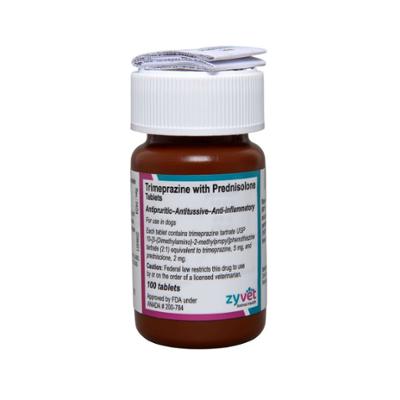
Trimeprazine with Prednisolone (Temaril-P, Vanectyl-P®)
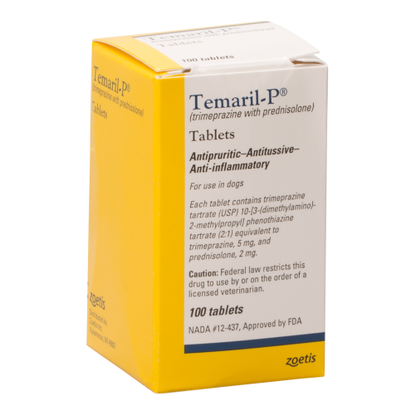
Temaril-P is a combination cough suppressant. It contains both trimeprazine (an antihistamine) and prednisolone (a corticosteroid that reduces pain and inflammation). Veterinarians commonly prescribe it as a cough suppressant for kennel cough, bronchitis, and chronic coughing of unspecified origin.
Temaril-P is formulated as a tablet and can be given with or without food. It is short-acting, taking effect within 1 to 2 hours.
Side effects of this cough suppressant include sleepiness, increased appetite, and panting.
Highlights
- Combination medication: antihistamine and corticosteroid
- Indicated for coughing due to kennel cough, bronchitis, and chronic coughing of unspecific origin
- Tablet formulation
- Given with or without food
- Short-acting
Considerations
- Side effects include sleepiness, increased appetite, and panting
- Use with caution in dogs with conditions including seizures, diabetes, and heart disease
- Available only by prescription
How to Choose Cough Suppressants for Dogs
It’s always best to work directly with your vet to treat your dog’s cough. Your vet will choose the best cough medicine for dogs that fits your pup’s needs after considering several factors:
- Cause of the cough
- Treatment goals (suppress vs. promote coughing)
- Is the cough acute or chronic?
- Impact of the cough on dog and owner’s quality of life
- Treatment of the underlying cause
Be aware: Not all dogs respond to medications the same way. So you may go through some trial and error as your vet determines which cough suppressant works best for your dog and the ideal dose and dosing frequency.
Some cough suppressants are more commonly prescribed for specific medical conditions. For example, kennel cough medicine often contains trimeprazine and prednisolone because these ingredients are proven effective against the condition.
If you have a puppy with a persistent, dry cough, your vet will reduce the dosage to accommodate your puppy’s smaller size. The cough suppressants listed above do not have restrictions for use in puppies.
Along with the cough suppressant, your vet may also recommend some home remedies to relieve your dog’s coughing. Home remedies for dog coughing include steam therapy to help soothe and moisten dry airways. Steam therapy involves having your dog stand in the bathroom while you run a hot shower.
Humidifiers can also help moisten the air in your home and tamp down your dog’s urge to cough.
Some herbal remedies, like slippery elm, may help ease coughs in dogs. However, it’s important to check with your vet before giving your dog any holistic or herbal medication. Your vet can tell you whether it is safe for your dog and ensure it doesn’t interact with other medications, like dog cough suppressants.
Canine Cough Suppressant Tips
Always follow your vet’s instructions when giving your dog a cough suppressant. Your vet will instruct you on the dose, dosing frequency, and how to administer the specific formulation.
Monitor your dog for reduced coughing and improved quality of life (e.g., better sleep). Contact your vet if your dog’s cough persists or worsens or other symptoms (if present) worsen.
With veterinary care, the proper dog cough suppressant, and some good, old-fashioned TLC, your dog should be breathing easier soon. And that means you’ll be resting easier, too…which is a win-win for everyone!
Best Heartworm Prevention for Cats: 5 Vet-Approved Picks
- 2025-03-13T12:28:01
- Rhiannon Koehler, DVM, MPH
While heartworms prefer to infect dogs instead of cats, this mosquito-transmitted parasite is still a major health risk to cats. Although the exact prevalence of heartworms in cats differs by geographic location, the estimated prevalence in cats is around 5–20 percent of the rate in unprotected dogs [1]. This means for every 100 infected dogs, there are five to 20 infected cats.
By using heartworm prevention for cats, pet parents can protect their cats from potentially deadly heartworm infestations. Find out everything you need to know about cat heartworm prevention, as well as several vet-approved picks to consider.
Why Do Cats Need Heartworm Prevention?
Heartworm prevention for cats is the most effective method for protecting your cat from feline heartworm disease. The following are specific reasons that cats need year-round heartworm prevention:
Heartworms have been diagnosed in all 50 states, in all seasons of the year, and in indoor-only cats.
Dogs, foxes, and coyotes are all important vectors for heartworms. The wind can blow mosquitoes for miles, easily carrying heartworms from an infected canine to your cat. It only takes one bite from an infected mosquito for your cat to contract heartworms. These mosquitoes can enter your home and infect indoor cats, too. In fact, the American Heartworm Society notes that one study found that 25 percent of cats with heartworms were considered indoor-only [2].
There is no approved treatment for adult heartworm infestations in cats.
Thus far, no study has shown that any form of therapy that kills adult heartworms increases the survival rate in cats. Unfortunately, many cats with heartworms have to be managed symptomatically, usually taking steroids for lung disease. These cats have to stay on prevention to keep the worms from reproducing while waiting for the worms in their hearts to die, which can take years. During this wait, the worms can cause damage to the cat’s heart and lungs.
Heartworms have a relatively high fatality rate in cats.
While around 80 percent of cats will manage to self-cure their heartworm infestation, around 10-20 percent will experience sudden death [3].
Types of Heartworm Prevention for Cats
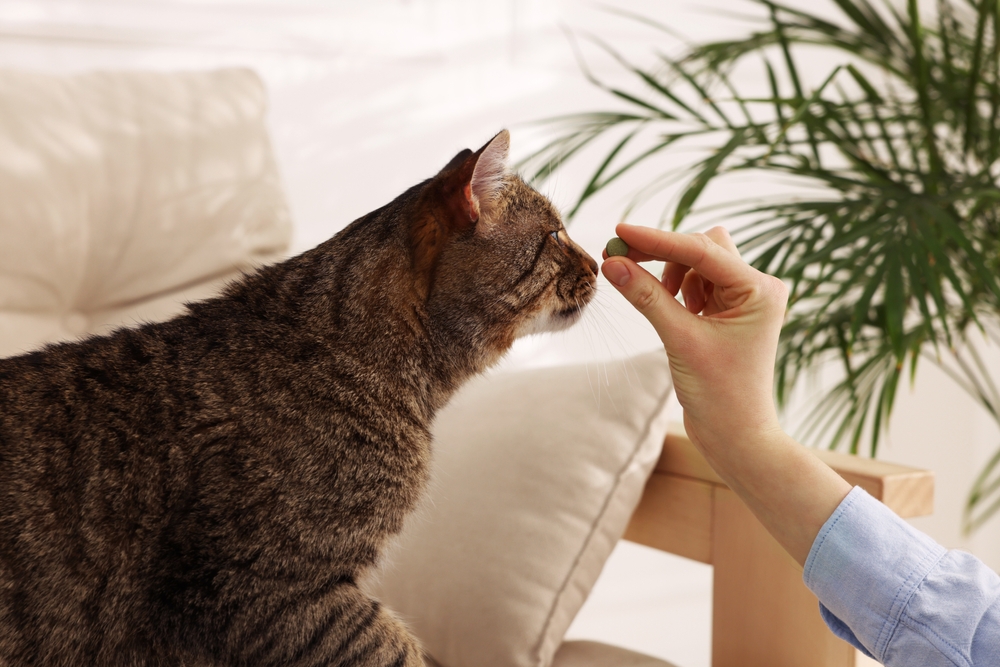
Cat heartworm medicine comes in two basic forms—oral and topical. Oral heartworm prevention for cats can include tablets or pills. Topical heartworm medications for cats are usually applied to the skin at the base of the skull or back of the neck. Most cat heartworm prevention medicines are given once monthly.
Heartworm preventatives on the market belong to the macrocyclic lactone class of antiparasitic drugs and include drugs like:
- Milbemycin oxime
- Moxidectin
- Selamectin
Most heartworm medication for cats also provides coverage against several intestinal worms. You may also notice combination products that extend coverage to fleas and/or ticks.
Heartworm prevention for cats requires a prescription from a veterinarian.
Best Heartworm Prevention for Cats: 5 Vet-Approved Picks
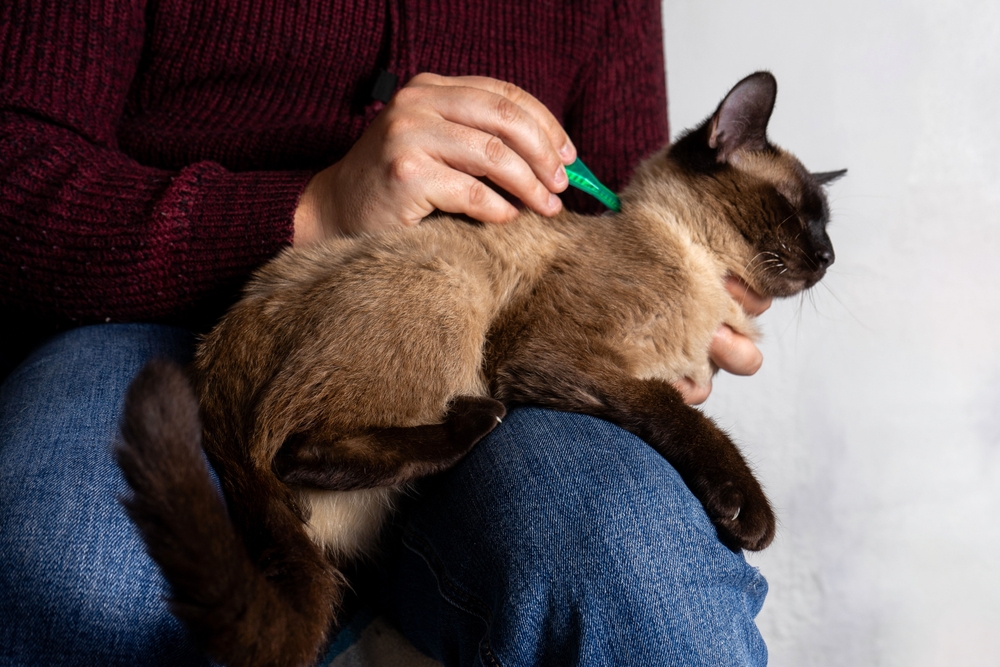
Your veterinarian will help you pick the best heartworm preventative for your cat. There are other great products that we have not included on this list, and your veterinarian may recommend a different product from the ones we’ve included in this review.
The following products are not listed in any specific order.
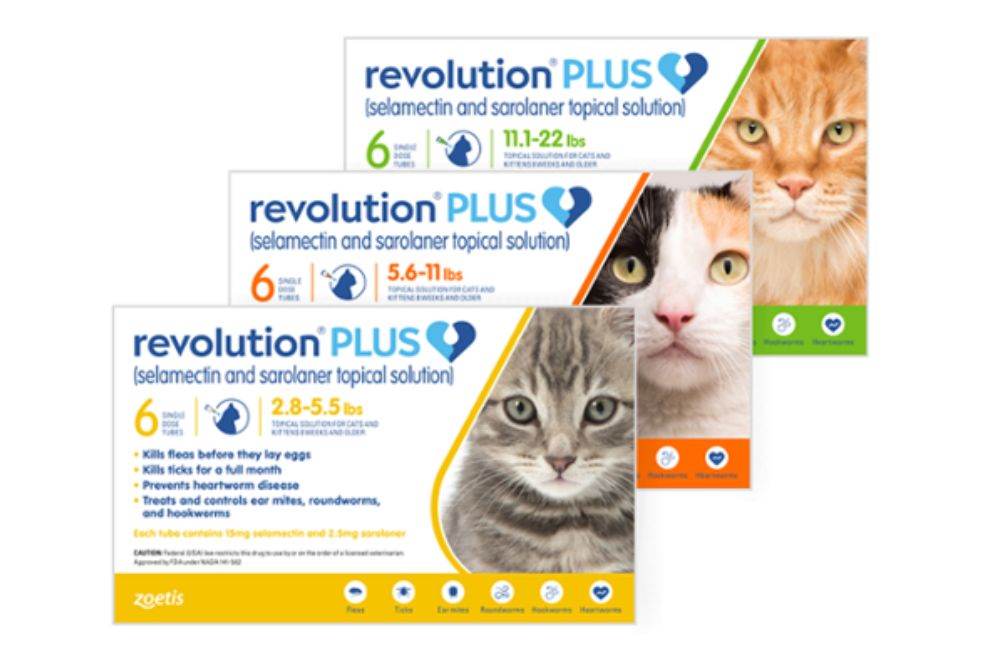
Revolution Plus
Revolution Plus is a topical heartworm preventative for cats that includes the drugs selamectin and sarolaner. This medication is applied monthly to the skin at the base of the neck in front of the shoulder blades.
Revolution Plus prevents heartworm disease; treats and controls roundworms, intestinal hookworms, and ear mites; and kills adult fleas. Because it can kill adult fleas, it helps to prevent tapeworm infestations in cats. Revolution Plus can also treat and control four species of tick infestations in cats.
Cats taking Revolution Plus should be at least 8 weeks old and weigh at least 2.8 pounds. Dosing is based on the cat’s weight.
Pet parents should also note that the drug sarolaner is part of the isoxazoline drug class. Isoxazolines have rarely been associated with neurologic adverse effects, including tremors, an uncoordinated gait (i.e., ataxia), and seizures. This preventative should be used with caution in cats who have a history of seizures or other neurologic conditions.
There is also a topical product called Revolution, which contains only selamectin. This product protects against heartworms, fleas, roundworms, hookworms, and ear mites. Without sarolaner, the product does not protect against ticks.
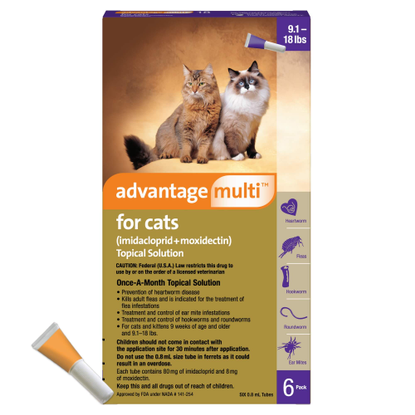
Advantage Multi
Advantage Multi is a topical heartworm preventative for cats that includes the drugs moxidectin and imidacloprid. This medication is applied monthly to the skin at the base of the neck in front of the shoulder blades.
Advantage Multi prevents heartworm disease; kills adult fleas; and can treat and control ear mites, hookworms, and roundworms in cats.
Cats taking Advantage Multi should be at least 9 weeks old and weigh at least 2 pounds. Dosing is based on the cat’s weight.
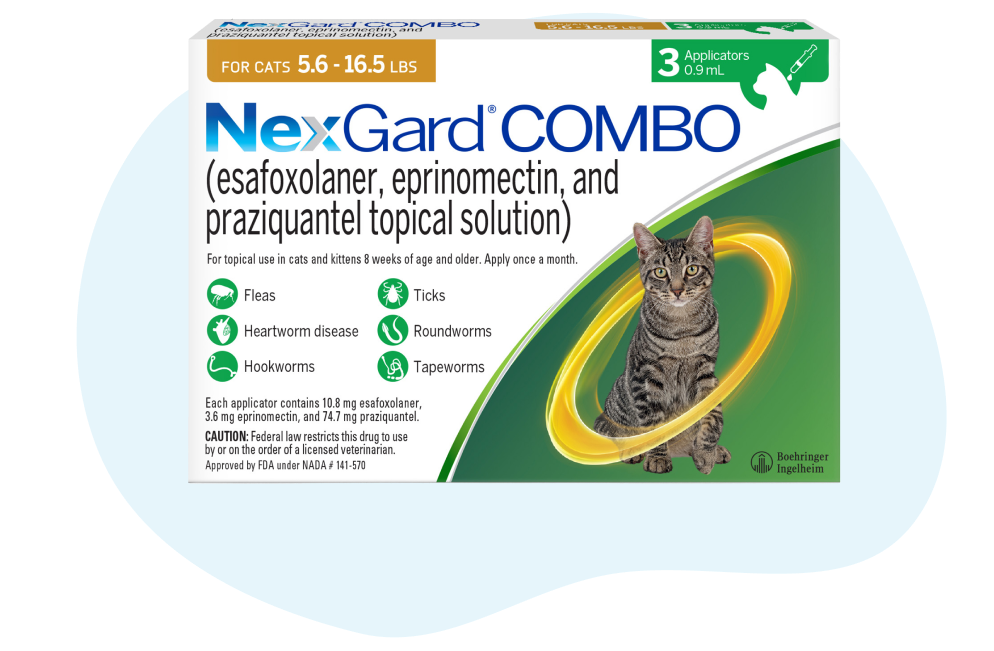
NexGard Combo
NexGard Combo is a topical heartworm preventative for cats that includes the drugs eprinomectin, esafoxolaner, and praziquantel. This medication is applied monthly to the skin on the neck between the base of the skull and the shoulder blades.
NexGard Combo prevents heartworm disease in cats; treats and controls roundworms, hookworms, and tapeworms; kills adult fleas and prevents flea infestations; and treats and controls two species of tick infestations in cats.
Cats taking NexGard Combo should be at least 8 weeks old and weigh at least 1.8 pounds. Dosing is based on the cat’s weight.
Like sarolaner in Revolution Plus, the esafoxolaner in NexGard Combo is part of the isoxazoline drug class. Isoxazolines have rarely been associated with neurologic adverse effects, including tremors, an uncoordinated gait (i.e., ataxia), and seizures. This preventative should be used with caution in cats who have a history of seizures or other neurologic conditions.
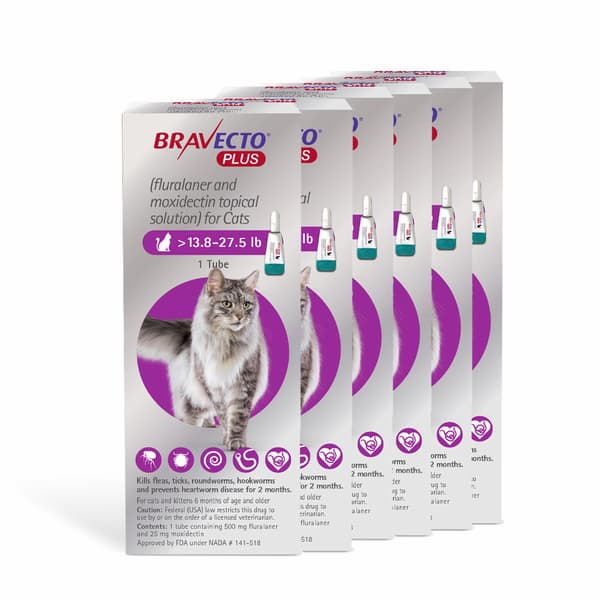
Bravecto Plus
Bravecto Plus is a topical heartworm preventative for cats that includes the drugs moxidectin and fluralaner. This medication is applied every two months to the skin at the base of the skull.
Bravecto Plus prevents heartworm disease, treats roundworms and hookworms, kills adult fleas, prevents flea infestations, and treats and controls three species of ticks in cats.
Cats taking Bravecto Plus should be at least 6 months old and weigh at least 2.6 pounds. Dosing is based on the cat’s weight.
The fluralaner in Bravecto Plus is part of the isoxazoline drug class. Isoxazolines have rarely been associated with neurologic adverse effects, including tremors, an uncoordinated gait (i.e., ataxia), and seizures. This preventative should be used with caution in cats who have a history of seizures or other neurologic conditions.
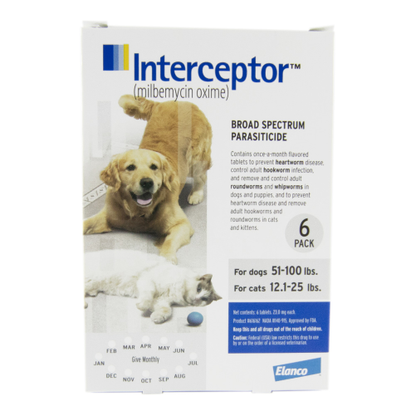
Interceptor
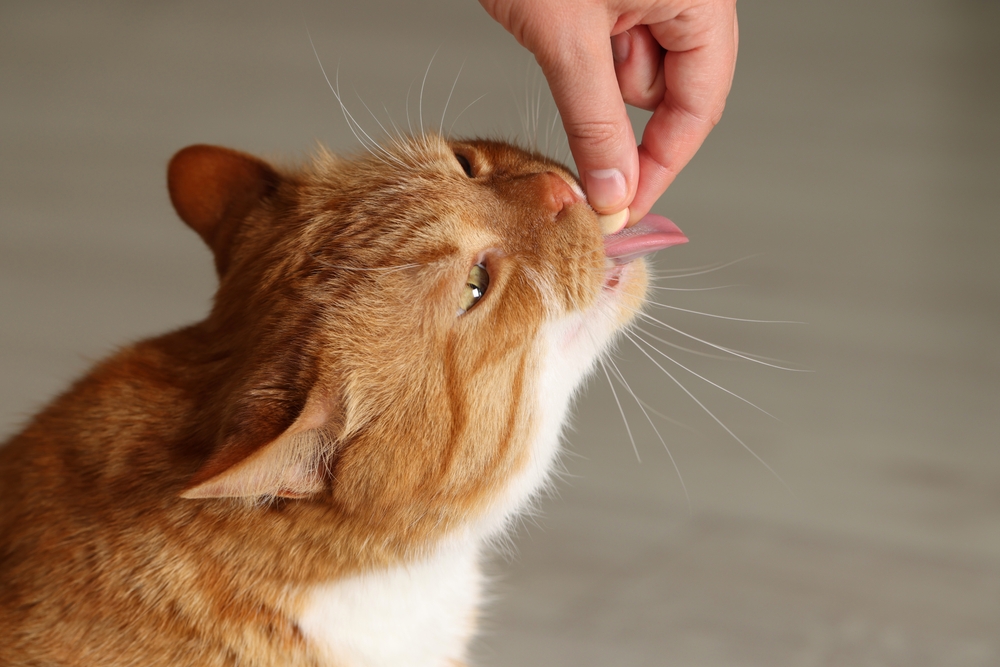
Interceptor is an oral heartworm preventative for cats that includes the drug milbemycin oxime. The medication is given by mouth every month and is a chewable, beef-flavored tablet. This drug may be a good option for pet parents looking for heartworm pills for cats instead of topical preventatives.
Interceptor prevents heartworm disease and treats hookworm and roundworm infestations in cats.
Cats taking Interceptor should be at least 6 weeks old and weigh at least 1.5 pounds. Dosing is based on the cat’s weight.
How to Choose a Heartworm Preventative for Cats
Your veterinarian will help you choose the best heartworm preventative for your cat. Considerations include:
- Your cat’s willingness to take an oral medication
- Whether your cat has had a reaction to preventatives in the past
- Any active parasite infestations your cat has
- Your cat’s age and weight
- Your cat’s medical history, especially food allergies and neurologic conditions
- Other pets or children in the home who may come in contact with topical preventatives
- How often you want to give prevention (monthly vs. every two months)
- Financial restrictions
It may take a little experimenting to find which product your cat tolerates best. Make sure to let your veterinarian know if your cat develops any adverse effects after taking heartworm prevention.
Cat Heartworm Medicine FAQ
Can I buy heartworm medication for cats over the counter?
Heartworm medication for cats is not available over the counter. These medications require a veterinary prescription.
Do indoor cats need heartworm prevention?
Yes, indoor cats should be kept on heartworm prevention. Around one-fourth of heartworm infestations in cats are thought to occur in cats considered indoor cats.
Is a cat heartworm test necessary before starting a preventative?
Yes, heartworm testing is necessary before starting a preventative. If a cat is heartworm positive, giving preventatives can lead to a rare but possibly severe reaction.
How often do cats need heartworm medicine?
Cats should be kept on heartworm medicine year-round. Most heartworm medicines for cats are given monthly. Bravecto Plus needs to be given every two months.
References
- Nelson, C Thomas, and Calvin M Johnson. “Evaluation of feline heartworm disease based on gross necropsy, serology, pulmonary histopathology, and radiographic evidence in adult shelter cats in northeastern Alabama.” Parasites & vectors vol. 17,1 161. 29 Mar. 2024, doi:10.1186/s13071-024-06178-9
- “Current feline guidelines for the prevention, diagnosis, and management of heartworm infection in cats.” American Heartworm Society. 2014. Retrieved from https://heartwormsociety.org/images/pdf/2014-AHS-Feline-Guidelines.pdf
- Brooks, Wendy. “Heartworm infection in cats.” VeterinaryPartner. Rev. April 20, 2023. Retrieved from https://veterinarypartner.vin.com/default.aspx?pid=19239&id=4951471
What Is CoQ10 for Dogs? All About This Powerful Antioxidant
- 2025-02-12T23:57:05
- Jodi Helmer
Picture this scenario: your veterinarian recommends a CoQ10 supplement for your dog, leaving you wondering, “What is CoQ10?” Or even, “Does my dog need CoQ10?”
Sound familiar to you? If the answer is yes, don’t worry, we’ve got you covered.
You may have heard of CoQ10 for humans, as it’s used to help us with a range of chronic conditions, from heart disease and diabetes to migraines. [1] But how does this relate to dogs?
According to Sehaj Grewal, DVM, medical director at The Melrose Vet in Los Angeles, “Pet owners often seek proactive ways to support their dog’s health, mimicking trends in human health care.”
The number of pet parents who purchased supplements for their dogs increased from 34 percent in 2018 to 50 percent in 2024. [2] Dr. Grewal attributes the growth to “heightened awareness about pet wellness, more accessible information on the benefits of supplements, and the growing humanization of pets.”
So with all this in mind, let’s get into it. Read on for everything you need to know about CoQ10 and dogs.
What Is CoQ10?

CoQ10 (or coenzyme Q10) is a natural substance that all dogs (and other animals, including humans) produce. It helps cells create and manage energy.
CoQ10, also sometimes called ubiquinone, is a fat-soluble antioxidant that can protect cells from damage. Although it’s found in all cells and most tissues, the highest concentrations of CoQ10 are found in the heart, kidneys, liver, and pancreas. [3]
The enzyme is also found in certain foods, including organ meats, poultry, fish, nuts, dairy products, eggs, and soybean oil. Dr. Grewal notes that CoQ10 levels can decrease with age or due to certain medical conditions.
Some diseases and medications can reduce CoQ10 levels. Dr. Grewal points to heart disease, diabetes, and chronic kidney disease as conditions that can deplete CoQ10 levels in dogs’ bodies. Medications, such as statins, which are used to lower cholesterol, can inhibit CoQ10 production.
CoQ10 supplements come in the form of capsules and liquids. They can help boost levels of the enzyme, as well as overall health, so veterinarians often recommend them for dogs with chronic health issues.
“CoQ10 is popular because of its antioxidant properties and its ability to support heart health, cellular energy production, and overall vitality,” Dr. Grewal explains.
Benefits of CoQ10 for Dogs

Let’s go over some of the conditions and scenarios for which CoQ10 can be beneficial.
Heart disease
Dogs with heart disease could benefit from a CoQ10 supplement because the antioxidant supports energy production in heart muscle cells, helping the heart pump more efficiently, Dr. Grewal notes. CoQ10 also has antioxidant properties that protect the heart tissue from oxidative damage, which is often increased in conditions like congestive heart failure or dilated cardiomyopathy, he adds.
Research found that dogs with mitral valve disease, including congestive heart failure, who were given 100 mg of CoQ10 twice per day for three months had lower levels of inflammation compared to dogs who received a placebo (sugar pill). [4]
A separate study found that the concentration of CoQ10 found in the bloodstream of dogs with mitral valve disease was “significantly higher” after just four hours when dogs were given supplements with 200 milligrams of CoQ10. [5]
Cancer
Antioxidants can prevent cell damage, helping protect against cancer, and it’s believed that CoQ10 has anticancer properties. [6] In humans, CoQ10 has been linked to reduced risk of breast cancer, lung cancer, and colorectal cancer.
“CoQ10 may be recommended as part of a multimodal approach to managing cancer in dogs, particularly for its potential to reduce oxidative stress and improve overall cellular health,” Dr. Grewal says. “It’s not a cure or primary treatment, but it may support energy production and immune function.”
It’s important to note that because CoQ10 shouldn’t be given to dogs with certain cancers or administered with certain cancer treatments, you should always talk to a veterinarian first.
Diabetes

CoQ10 could help regulate blood sugar. Although there are a lack of studies testing the supplement in dogs with diabetes, research in humans and rats has found that CoQ10 increased insulin sensitivity and lowered fasting blood glucose. [7, 8]
A CoQ10 supplement has also been shown to reduce inflammation and help control blood sugar and improve blood flow in humans with type 2 diabetes. [9] Dr. Grewal points to its potential to improve insulin sensitivity and reduce oxidative stress as a reason that it may be beneficial to dogs.
Cognitive support
Senior dogs may have lower concentrations of CoQ10 in their parietal cortex (the part of the brain responsible for learning). [10] With that in mind, CoQ10 supplements, which have been shown to protect against cognitive decline in humans, could also benefit dogs.
Kidney disease
Because levels of CoQ10 are often lower in humans with chronic kidney disease, supplements can improve kidney function. In dogs with kidney disease, Dr. Grewal explains that CoQ10 could protect kidney cells from oxidative damage, which is a significant factor in worsening the disease.
“It may also improve energy production in kidney cells, supporting their function and slowing disease progression,” he adds.
Liver disease
The liver metabolizes CoQ10, and liver disease can lower the production of the enzyme. [11] This not only takes a toll on the liver, but it can also increase the risk of heart disease. A supplement could reduce inflammation and oxidative stress that causes cell damage. In fact, animal studies have shown that CoQ10 can protect the liver after exposure to toxins like chemicals or parasites.
Dental health
Up to 90 percent of dogs over the age of 3 have dental disease. [12] Thanks to its ability to reduce inflammation, CoQ10 could help. Some patients with dental disease have CoQ10 deficiencies, and supplements can reduce inflammation and protect gum tissue from bacteria. [13]
CoQ10 for Dogs Side Effects
CoQ10 is believed to be safe for dogs, but Dr. Grewal notes that potential side effects include mild gastrointestinal upset such as nausea, vomiting or diarrhea. [14] If your dog gets an upset stomach, he suggests giving them CoQ10 with food rather than on an empty stomach.
Safe or not, it’s essential to talk to your veterinarian to make sure CoQ10 won’t interfere with other supplements or medications. Dogs who are taking blood pressure medications or blood thinners should not take CoQ10, according to Dr. Grewal.
CoQ10 can also affect liver metabolism, so dogs with severe liver disease should only take supplements with veterinary supervision, he adds.
Choosing a CoQ10 Supplement for Dogs
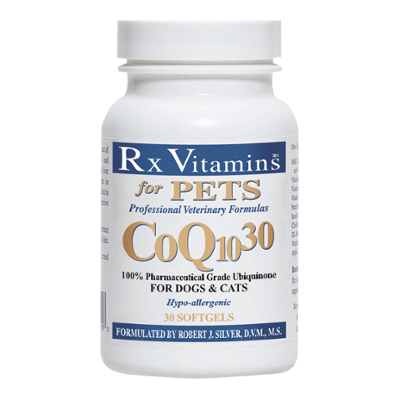
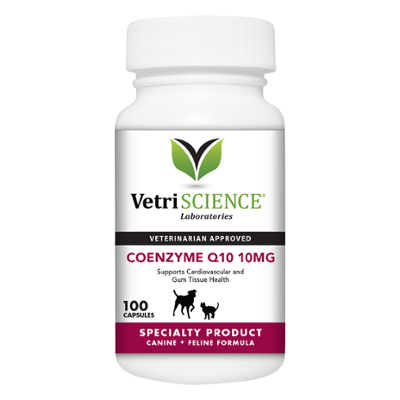
Natural pet stores, big box retailers, and online sites often stock CoQ10 for dogs, but it can be hard to know which brand to choose. Look for brands like Rx Vitamins for Pets, Integrative Therapeutics, Pure Encapsulations, and VetriScience, as they were formulated for pets.
“Supplements made for dogs are specifically formulated for their unique metabolism and dosages, reducing the risk of toxicity or underdosing,” Dr. Grewal says. “Human supplements may contain additives, flavorings, or dosages that are not safe or appropriate for dogs.”
CoQ10 for Dogs: The Verdict
CoQ10 is a powerful antioxidant, and research points to potential benefits for dogs with diseases ranging from heart disease to diabetes to kidney disease. While some dogs can benefit from a CoQ10 supplement that was formulated for pets, Dr. Grewal stresses the importance of consulting with a veterinarian before giving your dog CoQ10.
“CoQ10 is not a standalone treatment for any condition but can be a valuable part of a comprehensive care plan when recommended by a veterinarian,” he says. “It’s important to consult with a vet to ensure proper dosing, address any potential interactions, and monitor the pet’s response to the supplement.”
References
- Testai L, Martelli A, Flori L, Cicero AFG, Colletti A. “Coenzyme Q10: Clinical Applications beyond Cardiovascular Diseases.” Nutrients. 2021 May 17;13(5):1697. doi: 10.3390/nu13051697. PMID: 34067632; PMCID: PMC8156424.
- “The American Pet Products Association (APPA) Releases 2024 Dog and Cat Owner Insight Report.” 2024 August. https://americanpetproducts.org/news/the-american-pet-products-association-appa-releases-2024-dog-and-cat-owner-insight-report#:~:text=Vitamin%20and%20supplement%20use%20has,%25%20and%2020%25%2C%20respectively.
- “Coenzyme Q10.” Updated 2019 January. https://www.nccih.nih.gov/health/coenzyme-q10
- Druzhaeva N, Nemec Svete A, Tavčar-Kalcher G, Babič J, Ihan A, Pohar K, Krapež U, Domanjko Petrič A. “Effects of Coenzyme Q10 Supplementation on Oxidative Stress Markers, Inflammatory Markers, Lymphocyte Subpopulations, and Clinical Status in Dogs with Myxomatous Mitral Valve Disease.” Antioxidants (Basel). 2022 Jul 22;11(8):1427. doi: 10.3390/antiox11081427. PMID: 35892628; PMCID: PMC9394267.
- Druzhaeva, N., Petrič, A. D., Tavčar-Kalcher, G., Babič, J., & Nemec Svete, A. “Randomized, double-blinded, controlled trial of the effects of coenzyme Q10 supplementation on plasma coenzyme Q10 concentration in dogs with myxomatous mitral valve disease.” American Journal of Veterinary Research, 82(4), 280-285, 2021. Retrieved 2024 December, from https://doi.org/10.2460/ajvr.82.4.280
- Ghazal Ghasempour Dabaghi, Mehrdad Rabiee Rad, Mahtab Mohammad-Zamani, Atieh Karimi Shervedani, Farnaz Bahrami-Samani, Kiyan Heshmat-Ghahdarijani. “The role of coenzyme Q10 as a preventive and therapeutic agent for the treatment of cancers.” Current Problems in Cancer, Volume 48, 2024,101063,ISSN 0147-0272, https://doi.org/10.1016/j.currproblcancer.2024.101063
- Zhang, Shi-ying, Yang, Kai-lin, Zeng, Liu-ting, Wu, Xiao-he, Huang, Hui-yong. “Effectiveness of Coenzyme Q10 Supplementation for Type 2 Diabetes Mellitus: A Systematic Review and Meta-Analysis.” International Journal of Endocrinology, 2018, 6484839, 11 pages, 2018. https://doi.org/10.1155/2018/6484839
- Jbrael YJ, Hamad BK. “Ameliorating impact of coenzyme Q10 on the profile of adipokines, cardiomyopathy, and hematological markers correlated with the glucotoxicity sequelae in diabetic rats.” PLOS ONE 19(1): e0296775, 2024. https://doi.org/10.1371/journal.pone.0296775
- Mantle, D, “Coenzyme Q10 supplementation for diabetes and its complications: an overview.” The British Journal of Diabetes. Vol 17, No. 4. 2017. https://doi.org/10.15277/bjd.2017.149
- Martin SB, Cenini G, Barone E, Dowling AL, Mancuso C, Butterfield DA, Murphy MP, Head E. “Coenzyme Q10 and cognition in atorvastatin treated dogs.” Neurosci Lett. 2011 Aug 26;501(2):92-5. doi: 10.1016/j.neulet.2011.06.054. Epub 2011 Jul 8. PMID: 21763754; PMCID: PMC3174091.
- Mantle D, Hargreaves I. Coenzyme Q10 and Degenerative Disorders Affecting Longevity: An Overview. Antioxidants (Basel). 2019 Feb 16;8(2):44. doi: 10.3390/antiox8020044. PMID: 30781472; PMCID: PMC6406788.
- “Periodontal Disease.” Cornell College of Veterinary Medicine. https://www.vet.cornell.edu/departments-centers-and-institutes/riney-canine-health-center/canine-health-information/periodontal-disease#:~:text=Even%20if%20your%20dog’s%20teeth,is%20at%20an%20advanced%20stage
- Prakash S, Sunitha J, Hans M. “Role of coenzyme Q(10) as an antioxidant and bioenergizer in periodontal diseases.” Indian J Pharmacol. 2010 Dec;42(6):334-7. doi: 10.4103/0253-7613.71884. PMID: 21189900; PMCID: PMC2991687.
- Gollakner, Rania. “Coenzyme Q-10.” VCA Animal Hospitals. https://vcahospitals.com/know-your-pet/coenzyme-q-10#:~:text=Are%20there%20any%20potential%20side,side%20effects%20 have%20been%20 reported
SAMe for Dogs: Benefits and Uses
- 2024-09-25T11:57:48
- Jodi Helmer
Dogs diagnosed with liver disease, osteoarthritis, or cognitive decline might benefit from taking a SAMe (S-adenosylmethionine) supplement. It’s the same supplement that some pet parents take for depression, osteoarthritis, and liver disease.
In 2023, pet parents spent more than $2.7 billion on supplements for their four-legged friends. The most popular supplements for pets include those for joint and digestive health, cognition, and heart health—areas where SAMe could have a positive impact (1).
What Is SAMe?
SAMe is a modified version of the amino acid methionine, explains Dr. Primrose Moss, a U.K.-based veterinary surgeon. It’s important for the brain, heart, hormones, and other metabolic functions. Dogs naturally produce SAMe but it’s also available in supplement form.
The role of SAMe is complex and Dr. Moss notes that the specific mechanism — or how it works — is unclear. But research shows that SAMe is an anti-inflammatory and has the potential to reduce pain and support cartilage production, making it a valuable supplement for dogs with conditions like liver disease, osteoarthritis, and cognitive decline.
SAMe for dogs is available as a tablet (pill) or liquid.
Benefits of SAMe for Dogs

Pet parents have tried SAMe for dogs to treat a range of conditions, and it may have benefits for these four health issues:
Liver issues
SAMe is often recommended for dogs with liver disease. It is known for having “hepatoprotective properties,” according to Dr. Sehaj Grewal, a veterinarian at The Melrose Vet in Los Angeles.
“It can help protect liver cells from damage, enhance the regeneration of liver tissue, and support the liver detoxification process,” he explains.
SAMe is metabolized in the liver and research shows that the supplement boosts glutathione, an important antioxidant in the liver, and may help reduce stress on the liver for dogs taking steroid medications (2, 3, 4). A case study showed that a dog who ingested the artificial sweetener xylitol was given SAMe to help support the liver; this dog survived and his liver values returned to normal within a month (5).
Dr. Grewal notes that these benefits make SAMe a common supplement for dogs with liver disease or those taking medications that may affect liver function.
Cognitive decline
Canine dysfunction syndrome affects the brain, causing behavioral changes like getting lost in familiar places or stuck in corners, sleep changes, restlessness, and irritability (6). There is no cure for CDS but several treatments, including SAMe, could help.
Studies have found significant improvement in signs of cognitive decline in dogs with some research showing that dogs with cognitive decline who took the supplements became more active and aware and showed fewer signs of mental impairment (7).
SAMe is believed to increase the levels of certain neurotransmitters, such as dopamine and serotonin, which can improve mood and cognitive performance, according to Dr. Grewal. But Dr. Moss adds, “The evidence isn’t conclusive yet, so if you’re concerned about cognitive decline, it’s best to discuss possible treatments with your vet.”
Osteoarthritis
Dogs with osteoarthritis may show symptoms like stiffness, limping, irritability, and restlessness, and might not want to go for walks or hop on and off the sofa due to joint pain.
“SAM-e…supports cartilage health by promoting the production of cartilage-building proteins, which can be beneficial for dogs suffering from arthritis,” Dr. Grewal says. “It is thought to have anti-inflammatory properties that can also help reduce joint inflammation and pain associated with arthritis.”
In humans with osteoarthritis, taking the supplement for three months was linked to less pain and better physical function (8), but there is limited research on the benefits of SAMe for dogs with arthritis.
“That’s not to say it definitely won’t help,” Dr. Moss says. “But if your dog has arthritis, it’s best to prioritize supplements containing omega-3, which has been shown to support healthy joints and reduce the signs of arthritis.”
Allergies
Some pet parents have turned to SAMe to help their dogs deal with seasonal allergies. There is no scientific evidence to support the supplements to alleviate common allergy symptoms like itchiness, hair loss, and stomach upset, but Dr. Grewal believes SAMe could offer some benefits.
“While it is not a primary treatment for allergies, SAM-e’s anti-inflammatory and antioxidant effects may provide some relief for dogs with allergies,” he says. “By reducing inflammation, SAM-e could potentially alleviate some allergy symptoms.”
SAMe and Milk Thistle for Dogs

Milk thistle and SAMe are often used together to support liver health, and studies show that dogs with liver issues may benefit from taking both supplements (2).
“Milk thistle provides antioxidant protection and supports liver cell repair while SAMe aids in liver detoxification and regeneration,” Dr. Grewal says. “Working together, they can protect against liver damage and enhance liver function.”
There may also be some benefit to using SAMe and milk thistle together for cognitive decline in dogs. Silymarin, one of the active ingredients in milk thistle, has antioxidant and anti-inflammatory effects that have been linked to brain health benefits from improved learning to enhanced memory in animal studies. However, more research is needed to determine if it can help dogs with cognitive dysfunction (9).
SAMe for Dogs Side Effects
SAMe is considered safe and side effects are rare. Dr. Moss notes that most dogs “tolerate it well,” but it’s important to be on the lookout for nausea and stomach upset, which are the most common side effects of SAMe for dogs.
The supplement might interact with certain medications, including antidepressants, dextromethorphan, meperidine, pentazocine, and tramadol. Supplements may also interact with each other, so it’s important to talk to your vet before giving your dog SAMe.
“SAMe alone can’t treat significant health issues,” Dr. Moss says, “and delaying the treatment of conditions like hepatitis could result in serious complications.”
Choosing a SAMe Supplement for Dogs
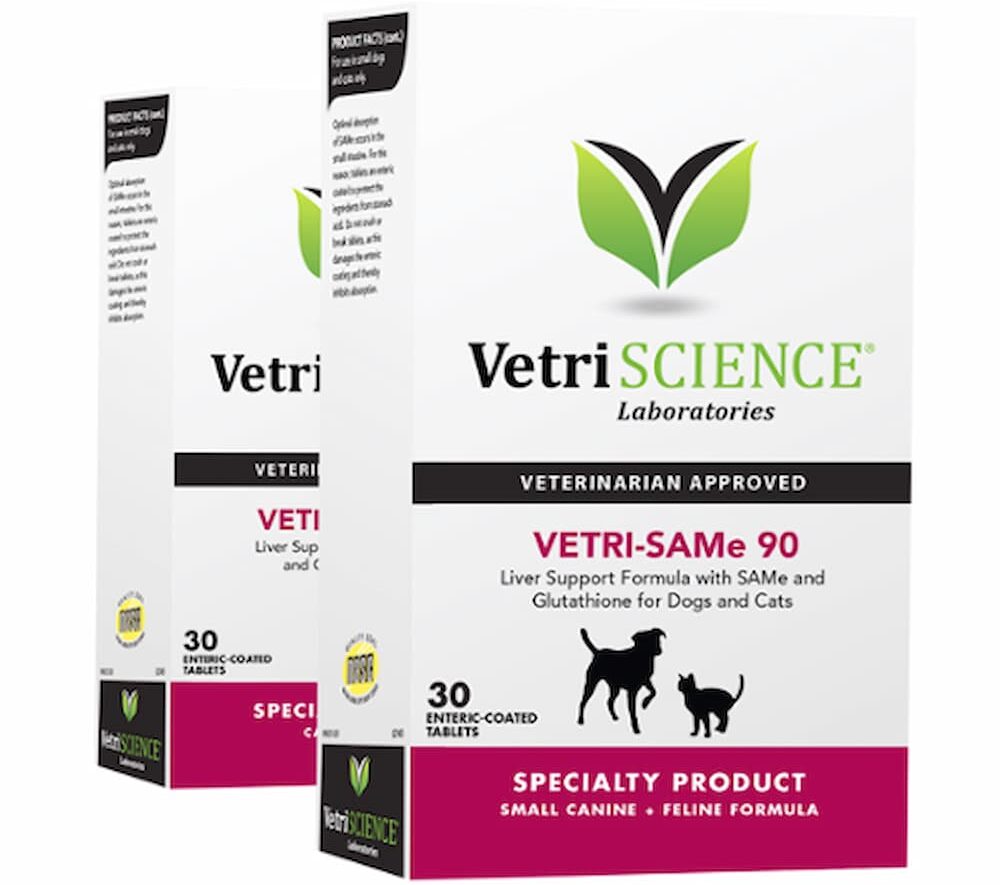
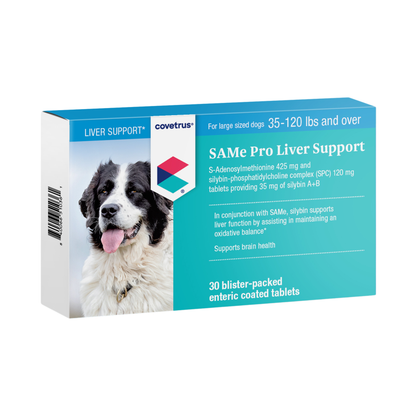
There are multiple SAMe supplements on the market, such as VetriScience and Covetrus. Dr. Grewal advises pet parents to look for a pet-specific product with dosing instructions on the label. It’s also important to steer clear of SAMe supplements made for humans.
“The dosage for dogs differs from humans, and human supplements may contain certain ingredients that are not suitable for pets,” Dr. Grewal explains.
SAMe for Dogs: The Verdict
SAMe is just one of a number of supplements marketed to dogs, but there is research showing its potential to help with health issues like liver problems, cognitive decline, and arthritis with few side effects. But that doesn’t mean SAMe is a safe choice or an effective choice for all dogs.
“SAMe may not be the best choice for your dog,” Dr. Moss says. “It’s best to speak to your vet about your concerns so you can agree on a tailored treatment plan, including any appropriate supplements.”
References
- Finno, Carrie J. “Veterinary Pet Supplements and Nutraceuticals.” Nutrition today vol. 55,2 (2020): 97-101. doi:10.1097/nt.0000000000000399
- Marchegiani, Andrea et al. “Evidences on Molecules Most Frequently Included in Canine and Feline Complementary Feed to Support Liver Function.” Veterinary medicine international vol. 2020 9185759. 9 May. 2020, doi:10.1155/2020/9185759
- Webster, Cynthia R L et al. “ACVIM consensus statement on the diagnosis and treatment of chronic hepatitis in dogs.” Journal of veterinary internal medicine vol. 33,3 (2019): 1173-1200. doi:10.1111/jvim.15467
- Center, Sharon A et al. “Evaluation of the influence of S-adenosylmethionine on systemic and hepatic effects of prednisolone in dogs.” American journal of veterinary research vol. 66,2 (2005): 330-41. doi:10.2460/ajvr.2005.66.330
- Schmid, Renee D, and Lynn R Hovda. “Acute Hepatic Failure in a Dog after Xylitol Ingestion.” Journal of medical toxicology : official journal of the American College of Medical Toxicology vol. 12,2 (2016): 201-5. doi:10.1007/s13181-015-0531-7
- “Cognitive dsyfunction syndrome.” Cornell Richard P. Riney Canine Health Center. Retrieved from: https://www.vet.cornell.edu/departments-centers-and-institutes/riney-canine-health-center/canine-health-information/cognitive-dysfunction-syndrome
- Rème, C A et al. “Effect of S-adenosylmethionine tablets on the reduction of age-related mental decline in dogs: a double-blinded, placebo-controlled trial.” Veterinary therapeutics : research in applied veterinary medicine vol. 9,2 (2008): 69-82.
- “S-Adenosylmethionine (SAMe) for osteoarthritis.” Cochrane. Retrieved from: https://www.cochrane.org/CD007321/MUSKEL_s-adenosylmethionine-same-for-osteoarthritis
- Ranjan, Shovit, and Akash Gautam. “Pharmaceutical prospects of Silymarin for the treatment of neurological patients: an updated insight.” Frontiers in neuroscience vol. 17 1159806. 18 May. 2023, doi:10.3389/fnins.2023.1159806
Cat Anxiety Medication: 9 Options to Consider
- 2024-09-20T02:03:40
- JoAnna Pendergrass, DVM
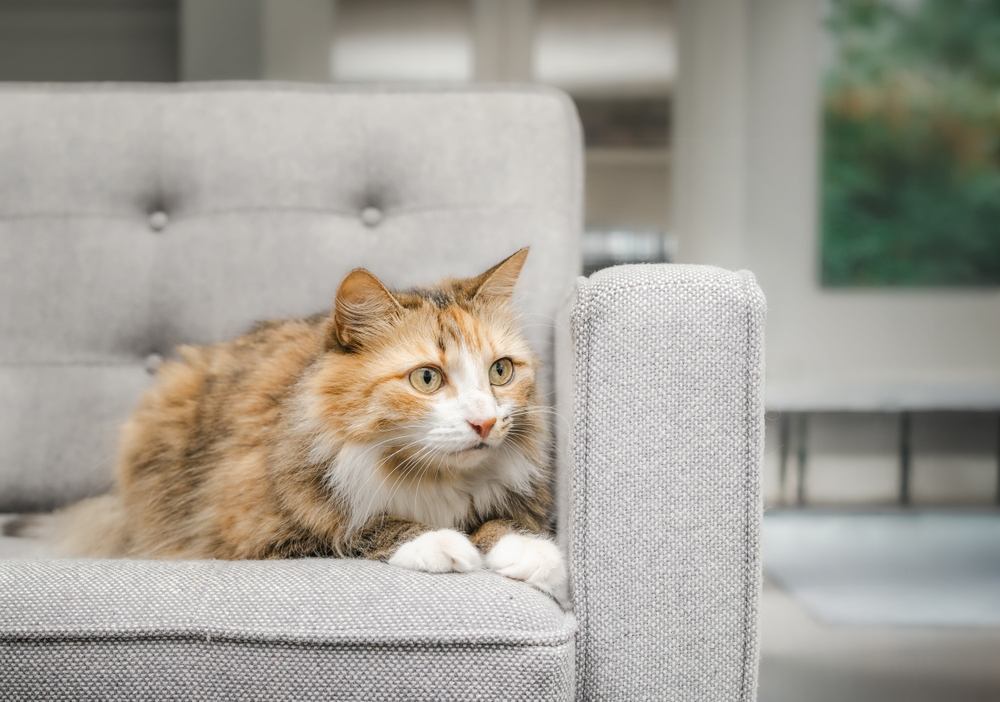
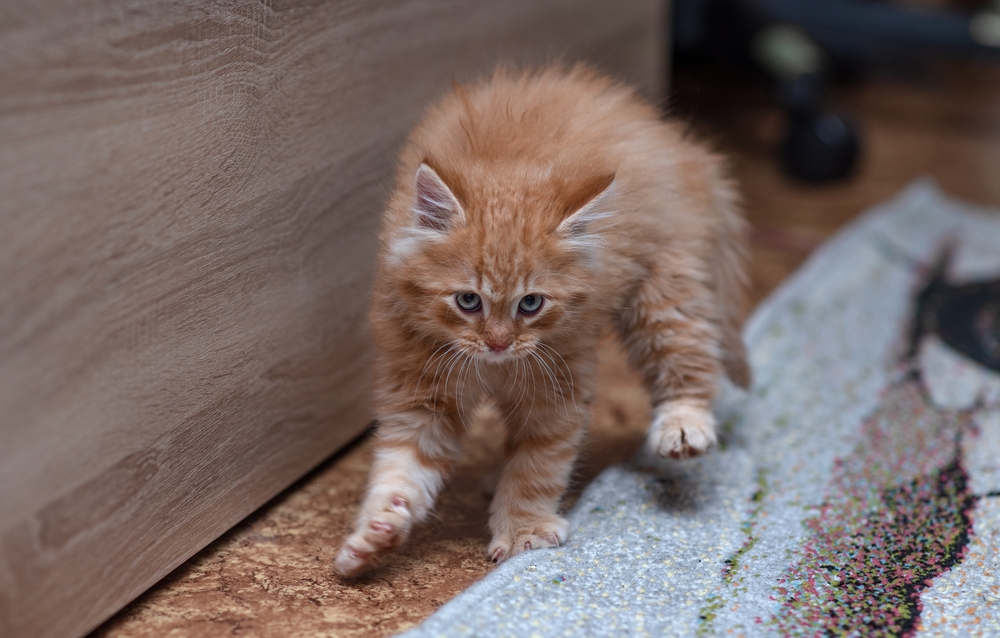
Cats often seem calm, cool, and collected (and aloof, for that matter). But they are not always so zen. Like people and dogs, cats can experience anxiety, often from a fearful or traumatic experience that happened in their first year of life.
Anxiety in cats, whether short- or long-term, can be debilitating and significantly reduce quality of life, so managing it effectively is essential.
Fortunately, there are many ways to manage cat anxiety, one of which is through medications. We’re going to walk you through cat anxiety medication options and give you some at-home tips to help lessen your cat’s anxiety.
Anxiety Relief for Cats: Why It’s Important
You may wonder why cats get anxious. Various experiences trigger anxiety in cats, including improper socialization as kittens, trauma, illness, pain, loud noises, and major life events (e.g., a new baby). Separation anxiety is another common form of anxiety in cats.
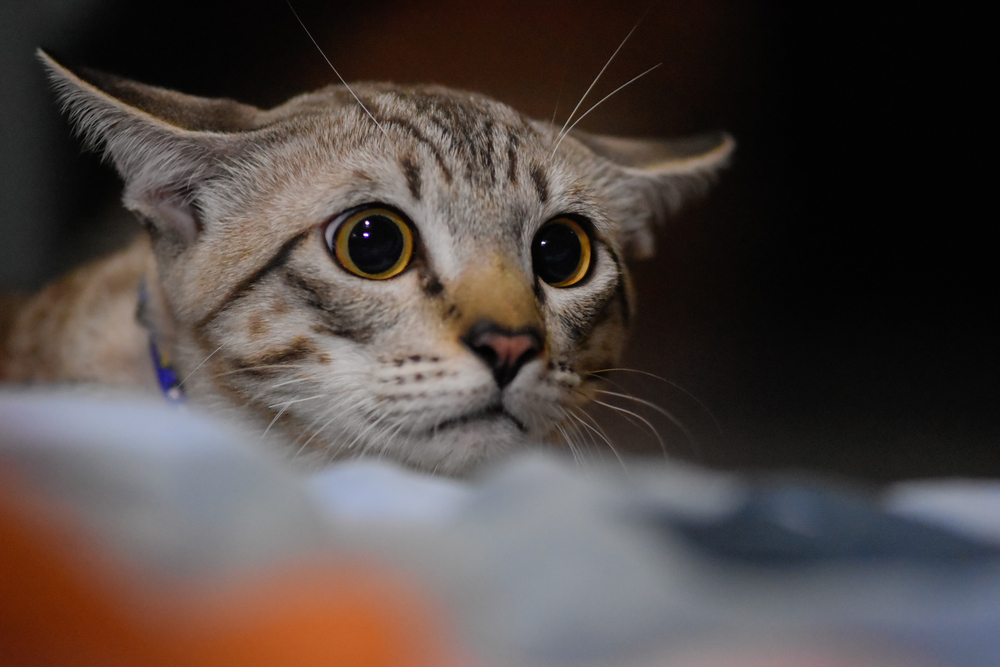
Symptoms of cat anxiety usually start to appear in young adulthood, between 1 and 3 years of age. They range from mild to severe and include those listed below:
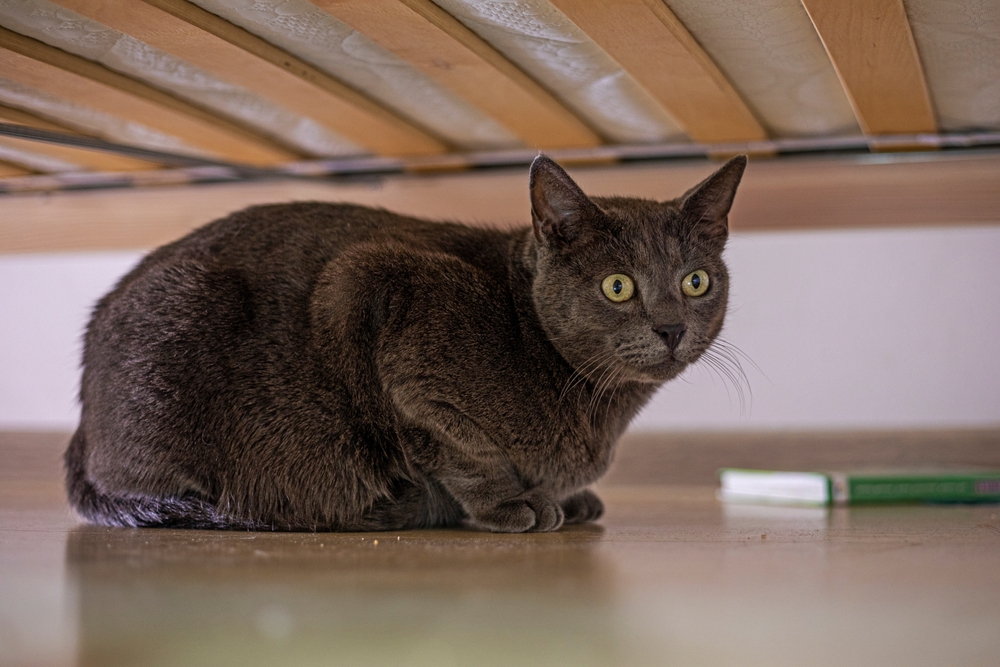
- Hiding
- Staring
- Aggression
- Mood changes
- Dilated pupils
- Avoiding eye contact
- Increased breathing
- Increased vocalization
- Changes in appetite and weight
Left unmanaged, anxiety can wreak havoc on a cat’s quality of life and their interactions with you, making daily life difficult for you and your cat. Therefore, managing it is crucial to your cat living a full, happy, and healthy life.
Working with your veterinarian or a veterinary behaviorist can help you identify the exact cause of your cat’s anxiety and develop a personalized treatment plan to manage it effectively.
We stress the word “manage” because eliminating your cat’s anxiety is not a practical goal. Managing and reducing anxiety is achievable and can vastly improve your cat’s quality of life.
What Can I Give My Cat for Anxiety?
Before delving into specific anti-anxiety medications for cats, let’s first discuss the general available options.
Prescription medications: Prescription anxiety medications for cats typically come in pill form and are available only with a veterinary prescription. However, there are no FDA-approved anxiety medications for cats. The prescription medications are approved for use in people and are used “off-label” in cats.
Supplements: Cat anxiety supplements are commonly available over the counter and are added to your cat’s diet to help ease anxiety. They come in several formulations, including powders, drops, and chewable tablets.
Natural calming aids: Natural calming aids, such as pheromones (chemicals produced by the body), are also available over the counter and are a gentle way to help your cat feel calmer and less anxious.
Managing anxiety takes a multi-modal approach, using the options above and behavioral modification. With a thorough history of your cat’s anxiety and medical history, your veterinarian or veterinary behaviorist will develop the ideal anxiety management plan for your cat.
4 Anxiety-Reducing Supplements for Cats
Here are some supplements to manage cat anxiety. There are no reported side effects with those listed below. Consult your veterinarian before giving your cat one of these supplements.
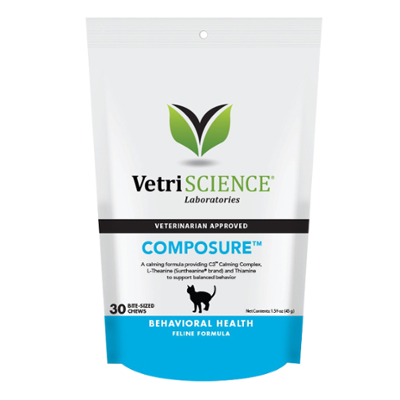
VetriScience Composure Calming Supplement
This supplement is a chewable tablet formulated to help cats who get anxious in specific situations, including veterinary visits and thunderstorms. The chews contain reportedly calming ingredients, such as the amino acids tryptophan and L-theanine.
The short-acting supplement takes effect within 30 minutes and lasts about four hours. It does not cause drowsiness or undesirable behavior changes and can be given up to twice daily or as needed to reduce anxiety.
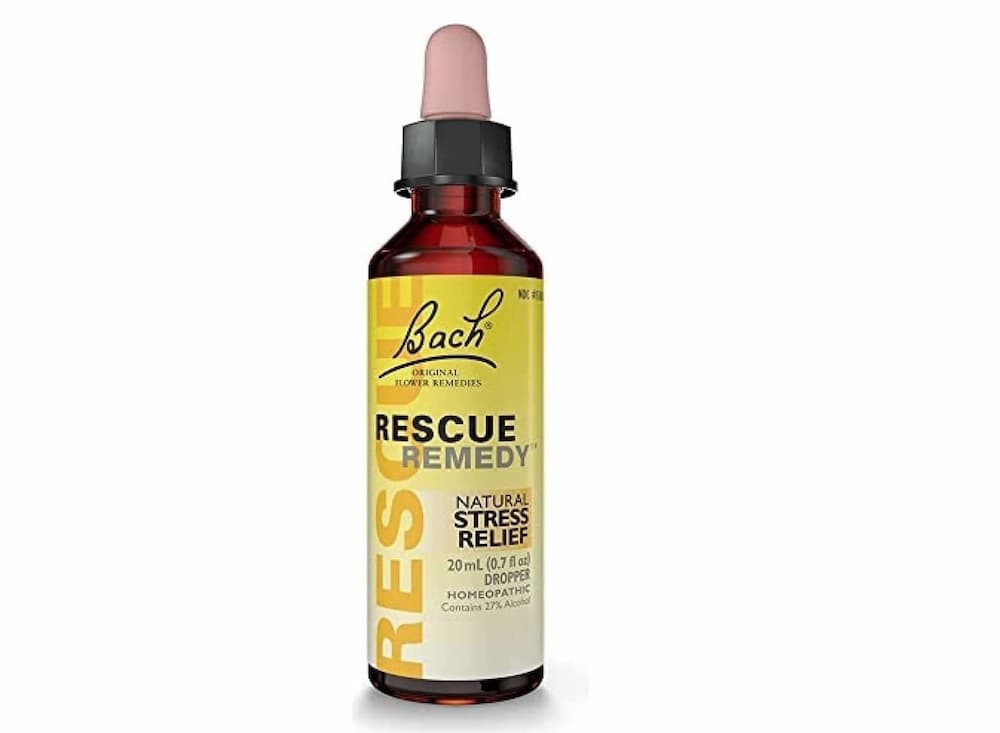
Rescue Remedy
Rescue Remedy comes in a dropper bottle and helps relieve stress in anxiety-inducing situations, such as fireworks and travel. These drops can also be given after a stressful event to help cats calm down.
It is a natural product that contains flower ingredients, including rock rose and cherry plum. Give your cat four drops by mouth, or add the drops to your cat’s water bowl, as needed. You can adjust the number of drops according to your cat’s stress and anxiety levels.
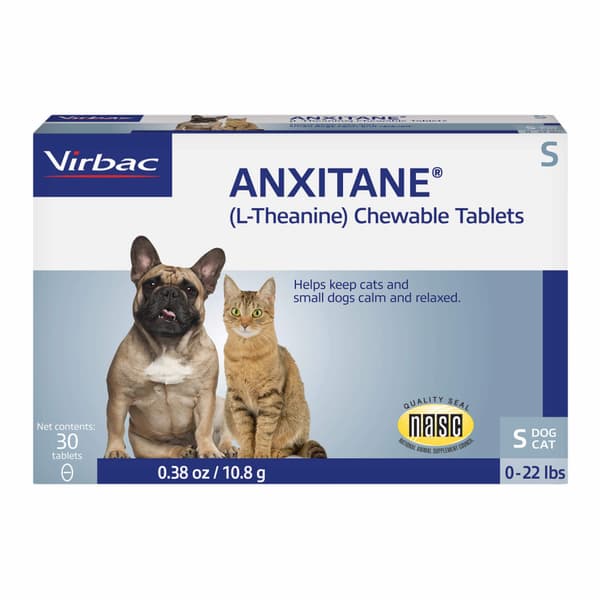
Anxitane
Anxitane is an L-theanine chewable tablet that helps cats who get anxious around unfamiliar people and pets, new smells, and other specific situations. It does not cause drowsiness.
Anxitane is not for cats with a history of separation anxiety, severe phobias, or aggression. It should be given as a half tablet twice daily or as needed.
Purina Calming Care
Purine Calming Care is a probiotic supplement for reducing cat anxiety. It contains a strain of probiotics (“good bacteria”) that reportedly promotes calmness. The supplement also promotes positive behaviors, such as playing.
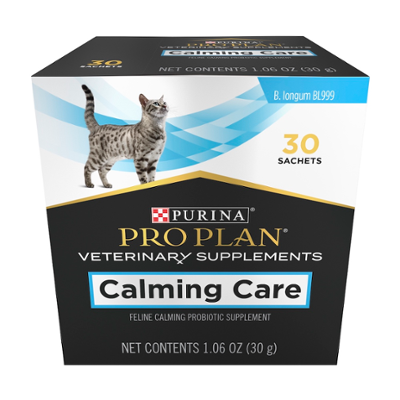
Purina Calming Care is a powder. For cats, one packet should be given daily according to your veterinarian’s instructions.
Cat Anxiety Medication: 5 Prescription Options
Prescription medications for cat anxiety fit under several classifications of human anti-anxiety medications. They are ideal for cats with high levels of anxiety, who need more than supplements and behavioral modification to get their anxiety under control.
Always follow your veterinarian’s instructions for these medications. Here are a few prescription cat anxiety medication options:
Alprazolam (Xanax)
Alprazolam is a benzodiazepine. Benzodiazepines increase the activity of gamma-aminobutyric acid (GABA), a brain chemical that promotes calmness. In cats, benzodiazepines are most useful when there’s a specific anxiety trigger, such as fireworks.
Alprazolam is short-acting and takes effect in about one to two hours. Side effects of alprazolam include drowsiness, increased appetite, and incoordination. It shouldn’t be used in cats with aggression because the medication could worsen the aggression.
Buspirone (Buspar)
Buspirone relieves anxiety in cats with urine-marking issues. It is an azapirone, a drug class that mimics the activity of serotonin, a “feel-good” chemical in the brain. Buspirone is given twice daily and can take up to eight weeks to take effect. Although buspirone increases loving behavior, it can cause nausea, dizziness, and decreased appetite.
Amitriptyline (Elavil)
Amitriptyline is a tricyclic antidepressant (TCA), a form of antidepressant medication that relieves generalized anxiety in cats. TCAs increase serotonin and dopamine levels to improve and stabilize a cat’s mood. They are for long-term anxiety management and take effect in several weeks.
In addition to pill form, amitriptyline can be formulated as an oral liquid or lotion. It is given once or twice daily according to veterinarian instructions. Common side effects include drowsiness, appetite changes, and dry mouth.
Fluoxetine (Prozac)
Fluoxetine is a selective serotonin reuptake inhibitor (SSRI) that increases serotonin levels and can take four to six weeks to take effect. It is given daily as a long-term medication to manage generalized anxiety. Side effects include appetite changes and digestive upset.
Paroxetine (Paxil)
Paroxetine is another SSRI. It can be used to treat moderate to severe generalized anxiety. Paroxetine takes about four to six weeks to take effect and is given once daily. This medication is less sedating than fluoxetine and stimulates appetite, potentially leading to weight gain. Other side effects include lethargy, infrequent grooming, and dry eye.
How to Help Cat Anxiety: Other Tips and Advice
Managing your cat’s anxiety requires patience, commitment, and consistency. The treatment plan may need to be adjusted according to how your cat responds.
In addition to cat anxiety medication and supplements, there are at-home strategies for effectively managing your cat’s anxiety:
Comfort your cat. Contrary to popular belief, comforting your cat when they’re anxious does not perpetuate their anxiety. Soothing your cat will help them feel safe and calm, reducing their anxiety.
Socialize your kitten early. The socialization window for kittens is 7 to 12 weeks of age. Exposing them to various situations, stimuli, and people will help them feel more comfortable and less anxious as they navigate their world.
Provide environmental enrichment. Environmental enrichment provides mental stimulation and physical exercise, which can keep anxiety at bay. Examples of environmental enrichment include cat trees, scratching posts, and food puzzle toys.
Play calming music. If your cat has separation anxiety, playing calming music while you’re gone can soothe your cat’s nerves and help reduce their anxiety.
Diarrhea Medicine for Dogs: 6 Vet-Prescribed Treatments
- 2024-04-17T01:21:29
- JoAnna Pendergrass, DVM
Diarrhea is one of the most common reasons dogs go to the vet. While diarrhea often resolves itself in a few days, it’s not something to ignore or take lightly. It has many causes, and some may respond best to diarrhea medicine for dogs.
In this article, you’ll learn why treating dog diarrhea is important and what medications can help get your dog’s poop back to normal. We’ll also offer vet-approved tips for treating this unpleasant digestive condition effectively.
Dog Diarrhea Relief: Why it’s Important
Diarrhea in dogs isn’t a diagnosis unto itself. Rather, it’s a symptom of an underlying problem. In dogs with diarrhea, food moves so quickly through the digestive tract that they can’t properly absorb water, nutrients, and electrolytes. As a result, dog poop becomes loose and watery instead of firm and formed. Sometimes, the diarrhea contains blood or mucus.
Diarrhea typically makes dogs feel pretty lousy. But it can also cause serious health consequences due to extreme fluid loss. Puppy diarrhea, for example, can be life-threatening because a puppy’s body isn’t robust enough to deal with dehydration. Diarrhea in senior dogs and dogs with weakened immune systems is also dangerous.
Because diarrhea can affect your dog’s overall health, diarrhea relief is essential to help “reset” the digestive system and restore normal function.
For many dogs, at-home remedies like rest, rehydration, and fasting, may be enough to relieve diarrhea. But in severe cases or when a specific pathogen is to blame, your vet may recommend anti-diarrhea medicine.
Dog Diarrhea Medication Types

There are plenty of dog diarrhea medicine options on the market. However, not all are created equal, and some may even do your dog more harm than good
To help you understand the differences, here’s a quick overview of over-the-counter (OTC) anti-diarrheal medicines, probiotics, and prescription drugs designed to treat diarrhea in dogs.
OTC anti-diarrheal medicines
You’ve probably seen OTC anti-diarrheal medicines like Imodium, Kaopectate, and Pepto Bismol on the shelves of your local grocery store or pharmacy. These medicines relieve diarrhea and other kinds of GI upset (stomachache, nausea, etc) in people.
Imodium works by slowing down the movement of food through the digestive tract. Kaopectate and Pepto Bismol have active ingredients that coat and protect the intestinal lining.
However, be aware that these human medicines could harm your dogs. For example, the active ingredients in Pepto Bismol and Kaopectate can be toxic to dogs. And Imodium carries a risk for potential side effects that could endanger your dog.
Never use these medicines to treat your dog’s diarrhea without your veterinarian’s approval! If your vet recommends an OTC diarrhea medication for your pet, follow their dosing instructions carefully. And be sure to report any concerns or changes in your dog’s health promptly.
Probiotic supplements
A dog’s gut (like our own) contains billions of healthy bacteria. They help with digestion, promote a robust immune system, and prevent harmful bacteria from overwhelming the gut. Diarrhea depletes these good bacteria.
Probiotic supplements can help relieve dog diarrhea by boosting beneficial gut bacteria. That re-establishes a healthy balance and promotes healthy digestion.
There are many probiotic supplements on the market formulated for humans. While these won’t hurt your dog, a probiotic designed for dogs is a better choice. Humans and dogs have different intestinal flora. A species-specific probiotic will give your dog the best boost for your buck.
Prescription anti-diarrheal medicines
Prescription dog diarrhea medications often treat a specific diarrhea-causing pathogen. For example, your veterinarian may prescribe an antibiotic like metronidazole for diarrhea caused by intestinal inflammation. But if intestinal parasites are causing your dog’s loose stools, a broad-spectrum dewormer like Panacur (fenbendazole) would be in order.
Your vet may also prescribe dog-safe medications that work like OTC human solutions. For example, diphenoxylate is an anti-diarrheal medicine for dogs that works like Imodium to slow digestion.
Best Medicine for Dog Diarrhea: 6 Top Picks

Diarrhea is the body’s way of getting rid of something harmful. In some cases, your veterinarian may say it’s okay to allow dog diarrhea to run its course (no pun intended). But if there is an underlying health cause or the diarrhea is severe, your vet will likely treat it with an anti-diarrheal medication.
Here are several diarrhea medications for dogs that vets typically recommend for dog diarrhea. and are worth considering:
Metronidazole
Metronidazole (known by the brand names Flagyl, Metizol, Protostat, and Metrogel) is a prescription antibiotic and antiprotozoal, which means it kills bacteria and parasites that cause diarrhea in dogs. It is usually given orally. Your vet will prescribe this if they have determined that a bacteria or protozoal parasite has caused your dog’s diarrhea.
Although rare, metronidazole for dogs can cross the blood-brain barrier (enter the brain from the bloodstream) and cause neurological symptoms. It can also cause side effects such as nausea, fatigue, and appetite loss.
Proviable DC Capsules
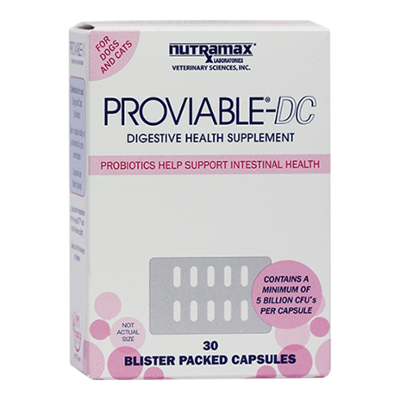
These capsules are a probiotic supplement that helps restore normal levels of healthy gut bacteria after the loss of these bacteria through diarrhea. The capsules contain seven species of live beneficial bacteria and are given once daily by mouth or as directed by your vet.
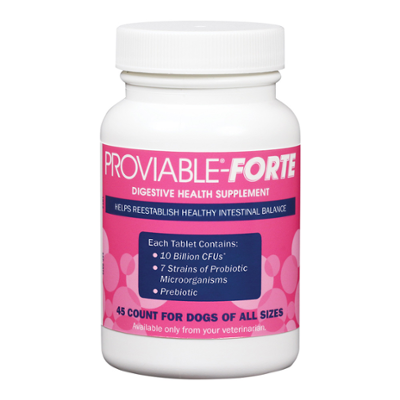
Proviable Forte Chewable Tablets
These chewable tablets are another probiotic supplement that promotes good gut health in dogs. They contain the same beneficial bacteria that are in the Proviable capsules and are given once daily by mouth or as directed by your vet.
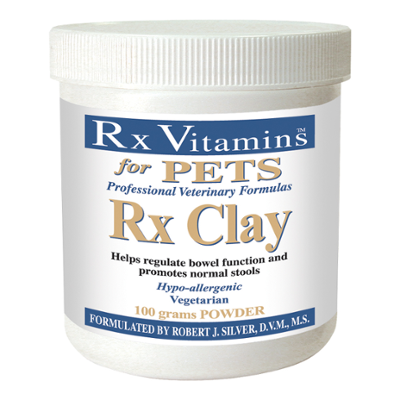
Rx Clay Powder
This powder works in two ways to relieve diarrhea. First, it adsorbs toxins that are produced by harmful bacteria in the gut. Adsorption binds the toxins to the clay, which is then excreted from the body (carrying the harmful toxins along with it). Second, the clay promotes water reabsorption in the digestive tract, decreasing water loss through diarrhea.
Because the body does not absorb the clay, there is minimal risk of overdose. Give one scoop to your dog by mouth for every 10 pounds of body weight or as directed by your vet.
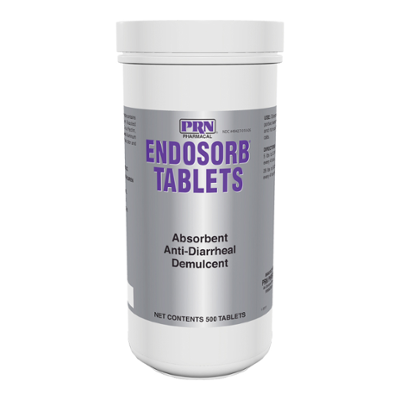
Endosorb Tabs
Endosorb tabs are chewable tablets that provide diarrhea relief by restoring normal stool consistency. One of its active ingredients is attapulgite, which coats and soothes the intestinal lining.
The tablets are given by mouth every four hours according to body weight, as directed by your vet.
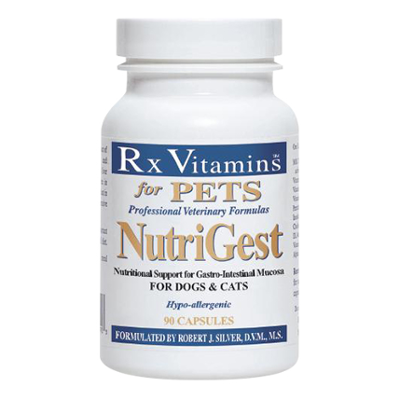
Nutrigest Capsules
These capsules help restore and maintain the balance of beneficial bacteria in the gut and repair the inflammation and irritation of the intestinal lining caused by diarrhea. Its active ingredients include probiotics and glutamine, an amino acid (building block of protein). Ingredients such as aloe soothe the intestinal lining.
The capsules are given two to three times daily according to body weight, as directed by your vet.
How to Choose Diarrhea Medication for Dogs
Always work with your veterinarian to determine the best way to treat your dog’s diarrhea. Your vet may want to examine your dog first and run a few diagnostic tests to decide the best treatment.
They will consider several factors before recommending the proper treatment plan:
- Cause, severity, and duration of diarrhea
- Additional symptoms
- Age
- Overall health
Follow your vet’s treatment plan exactly. If your vet says your dog needs diarrhea medicine, they will recommend which prescription or OTC medicine to use.
As with treating any health condition, treating your dog’s diarrhea may involve some trial and error. Monitor your dog’s symptoms and update your vet regularly. Let them know if your dog’s diarrhea is improving, staying the same, or worsening. The treatment plan may need to be adjusted according to how your dog responds to the treatment.
Dog Diarrhea Medication Tips
Diarrhea isn’t pleasant for your dog or you, so we know that you will want your dog’s diarrhea resolved quickly and successfully. Here are a few tips to increase your chances of successfully treating your dog’s diarrhea:
- Do not wait to start treatment. Contact your vet when you notice that your dog has diarrhea. The quicker you respond to it, the sooner your dog can be on the road to recovery.
- Follow your vet’s instructions carefully. Whether your vet advises home remedies or medication, follow their instructions to ensure the best possible response to treatment.
- Monitor your dog. Notify your vet immediately if the diarrhea is not improving and your dog’s health is getting worse.
Dog Diarrhea Medication FAQs

If your dog has diarrhea, you probably have questions about diarrhea in general and how to treat it.
How long is too long for a dog to have diarrhea?
Most cases of diarrhea in dogs resolve themselves in 1 to 2 days. Contact your vet if the diarrhea has not resolved in a few days.
What should I give a dog with diarrhea and vomiting?
Dogs with tummy issues don’t feel like eating much, or at all. Because diarrhea and vomiting can cause significant fluid loss, adequate hydration is essential.
Make sure your dog has free access to fresh, clean water. Contact your vet if you need help encouraging your dog to drink water.
Is it safe to give human medications to dogs with diarrhea?
Human anti-diarrheal medications are an option, but their ingredients can be toxic to dogs. These medications can also interact with other medications. Do not give human anti-diarrheal medicines to your dog unless advised by your vet.
8 Apoquel Alternatives for Dogs
- 2024-04-11T00:56:33
- Rhiannon Koehler, DVM, MPH
Your dog is itchy, and you’re looking for solutions. Allergies and atopic dermatitis are among the most common health conditions veterinarians treat. Apoquel is a great option for many dogs with allergic skin conditions. It works quickly to relieve symptoms and has a low risk of side effects. However, Apoquel can be expensive for some pet parents, currently has no generic form, and doesn’t work for every pet. If you’re contemplating your itchy pet’s options, you might be looking for Apoquel alternatives for dogs.
Is There an Alternative to Apoquel for Dogs?
Apoquel (oclacitinib) is approved by the FDA for use in dogs over 1 year of age to control itchiness associated with allergic skin disease (allergic dermatitis). A major benefit of Apoquel is that its quick action means it can be used as a short-term therapy for allergy flare-ups in addition to long-term management of atopic dermatitis. Apoquel starts to reduce itchiness within 4 hours, and by day 28, pet parents report around a 50 percent reduction in itchiness. [1]
Despite the effectiveness of Apoquel, there are quite a few reasons you might be interested in alternatives to Apoquel.
Cost: It could be as simple as looking for a cheaper alternative to Apoquel, which can cost several dollars per tablet, easily reaching over $100 per month.
Age: Apoquel is only approved for dogs over 12 months of age.
Pre-existing illness: Dogs with serious infections like pneumonia shouldn’t take Apoquel. Caution is also recommended in dogs with pre-existing cancer or who get recurrent urinary tract infections.
Reproductive status: Apoquel isn’t recommended for pregnant or lactating dogs.
Side effects: The most common side effects are gastrointestinal (vomiting, diarrhea, and loss of appetite) and short-lived. Rarely, some pets will have increased liver enzymes or seizures. At labeled doses of Apoquel, your dog may have an increased susceptibility to infection, mange (caused by demodex mites), or development or exacerbation of tumors. These potential long-term side effects of Apoquel in dogs can be enough for some pet parents to seek Apoquel alternatives for dogs. It’s important to note that current studies don’t indicate an increased risk of malignant cancer for dogs taking Apoquel when compared to dogs taking other atopic dermatitis medications.
Efficacy: Although Apoquel is a great option for many dogs, not all pet parents will see the reduction in itch they’d hoped for.
8 Apoquel Alternatives for Dogs: Prescription, OTC, and Natural Options
Zenrelia (ilunocitinib tablets)
Zenrelia is a new FDA-approved oral medication poised to become a popular alternative to Apoquel among pet parents. Just like Apoquel, Zenrelia provides fast and effective relief for itchy dogs by disrupting the immune response that triggers allergic itch and inflammation. Both are daily medications that are safe to use in dogs at least 12 months and older. And both are designed to work quickly to ease itchy skin fast.
However, Zenrelia also offers some additional benefits that Apoquel doesn’t.
Lower cost: Zenrelia costs less per pill than Apoquel, making it an attractive option for pet parents seeking long-term itch treatment that’s both effective and more affordable.
Convenience: Zenrelia works with easy, once-a-day dosing, while Apoquel requires twice-daily dosing for up to two weeks to start.
No rebound itch: In a randomized, double-blind study, dogs taking Zenrelia showed continuous improvement and itch remission, whereas dogs taking Apoquel experienced rebound itch when switching from twice-daily to once-daily dosing. [2]
As with any medication, it’s important to keep an eye out for side effects when giving your dog Zenrelia. In clinical trials, some dogs experienced side effects similar to Apoquel, such as vomiting, diarrhea, and changes in activity levels or appetite.
Always talk to your veterinarian before starting any new medication, especially if your dog has a history of liver or kidney problems or is currently on other treatments. If you notice anything unusual, stop the medication and check in with your vet.
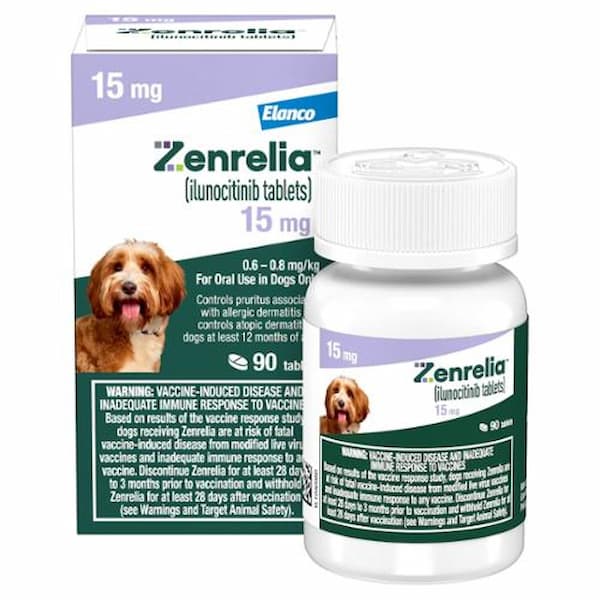
Read the entire package insert before using Zenrelia, including the Boxed Warning.
Cytopoint injections
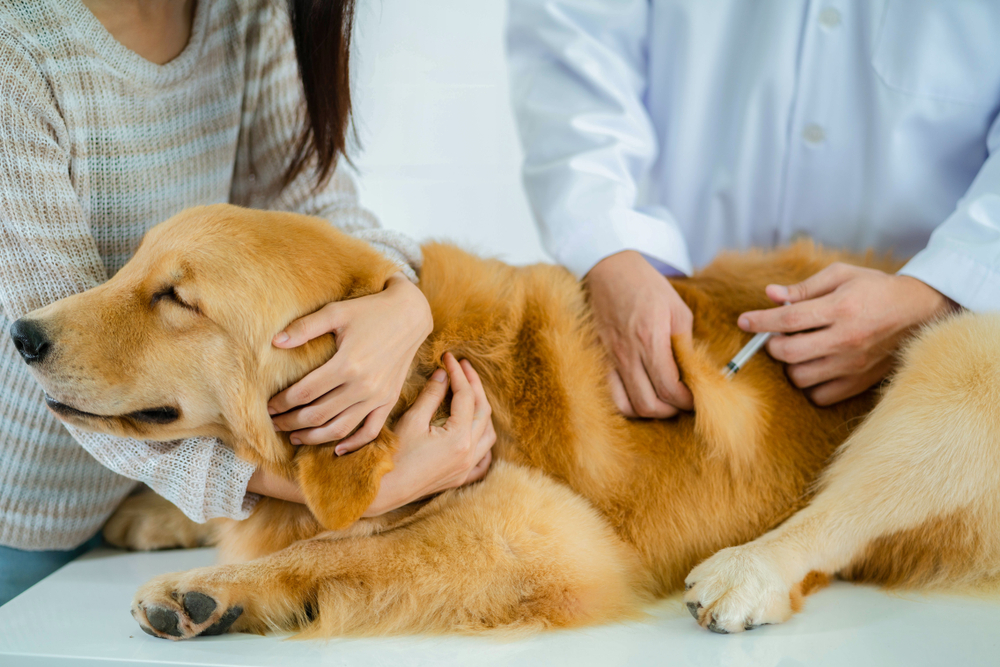
Cytopoint (lokivetmab) injections for dogs with atopic dermatitis are injected under the skin (subcutaneously) every four to eight weeks. Cytopoint is a monoclonal antibody that works by disrupting the itch signal that’s activated in dogs with allergic skin disease. One injection can relieve symptoms for one to two months.
Most dogs who receive a Cytopoint injection will see a significant reduction in itchiness, with the majority seeing reductions of over 50 percent. Cytopoint might be a good option for dogs who aren’t responding adequately to Apoquel. Although Cytopoint hasn’t been tested in pregnant or lactating dogs, it may be used in breeding female dogs if the benefits to the mother outweigh any risks to the offspring.
No contraindications, precautions, or warnings are listed on the U.S. label for Cytopoint. Rarely, a dog could have a hypersensitivity (allergic) reaction to Cytopoint resulting in anaphylaxis, facial swelling, and hives.
Cytopoint can be used as a solo treatment or in conjunction with other medications for allergic dermatitis. A potential drawback of Cytopoint is its financial cost. A single injection can cost anywhere from $50–$200 depending on your dog’s weight, easily costing over $1,000 annually. For pet parents having difficulty affording Apoquel, Cytopoint is unlikely to be a more affordable alternative to Apoquel.
Corticosteroids
Pet parents looking for an affordable Apoquel alternative for dogs may discuss corticosteroids like prednisone with their veterinarian. Corticosteroids act as anti-inflammatories to reduce the effects of allergens on the skin, reducing itchiness. Doses are usually given orally and may be tapered to the lowest effective dose.
Steroids aren’t typically recommended in dogs with active fungal infections, viral infections, Cushing’s disease (hyperadrenocorticism), gastrointestinal upset, or congestive heart failure. Use with caution in pets with liver or kidney disease.
Steroids are very effective at reducing itchiness, so you’re likely to get the desired effect. Unfortunately, you’re also likely to see side effects, especially with long-term treatment. Excessive urination, drinking, and hunger are common, even with short-term administration. You can also see coat changes, weight gain, panting, vomiting, diarrhea, increased liver enzymes, pancreatitis, muscle wasting, and more. Prednisone should not be given to pregnant dogs.
Temaril-P is another option, which is a combination product that includes prednisolone and the antihistamine trimeprazine. Anecdotally, dogs taking Temaril-P may need lower doses of steroids and may see fewer side effects. Speak with your veterinarian about this option.
If corticosteroids are discontinued, they should be tapered rather than suddenly stopped. Corticosteroids are usually recommended as short-term treatment for flare-ups or when waiting for longer-acting medications like cyclosporine to take effect.
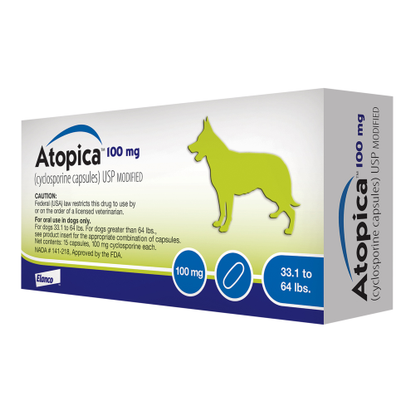
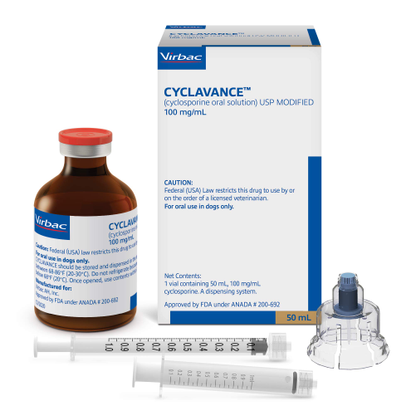
Cyclosporine (Atopica or Cyclavance)
Cyclosporine is an oral immunosuppressant drug that is FDA-approved for use in dogs to control atopic dermatitis. The medication specifically affects cells that are involved in allergic reactions. Cyclosporine can take several weeks to take effect, so it’s used for long-term management of allergic skin disease instead of flare-ups.
Cyclosporine isn’t recommended for dogs with cancer. Caution is recommended for dogs with diabetes mellitus or kidney disease.
The most common side effects of cyclosporine include short-term vomiting, loss of appetite, and diarrhea. Other side effects include excessive growth of the gums (gingival hyperplasia), diabetes, excessive fur growth, and other skin changes. Because this medication is immunosuppressive, the dog may be susceptible to infections or cancer, though evidence that cyclosporine increases cancer risk is currently lacking.
Cyclosporine isn’t recommended in pregnant or lactating dogs. Dogs should be at least 6 months old and weigh over 4 pounds.
While waiting for cyclosporine to take effect, your veterinarian may recommend short-term treatment with Apoquel or steroids. Cyclosporine is a good option to try in dogs who haven’t responded adequately to Apoquel. Cyclosporine has generic forms and is usually more affordable than Apoquel.
Antihistamines
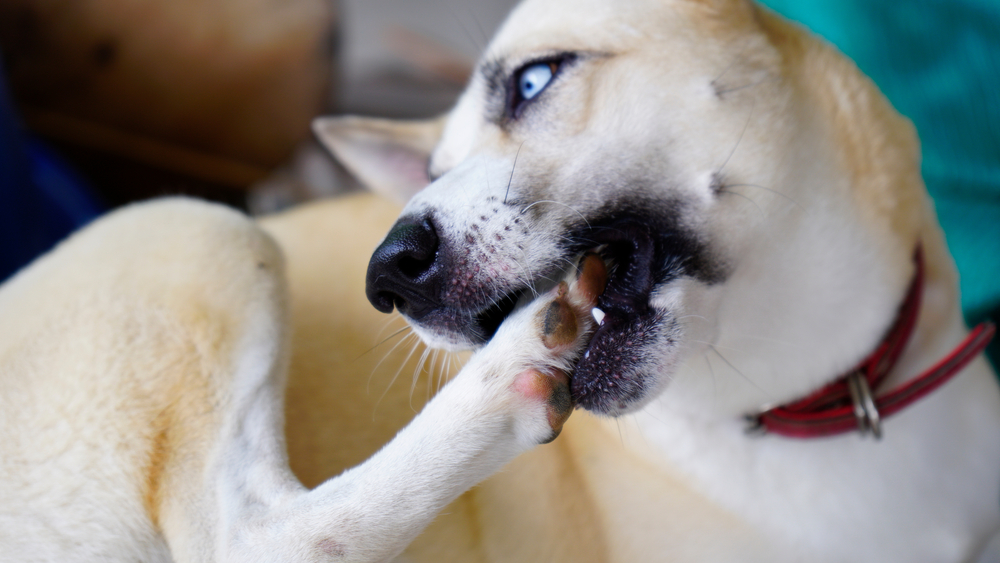
Antihistamines like Zyrtec (cetirizine), Benadryl (diphenhydramine), or hydroxyzine may be recommended for dogs with mild skin allergies before moving to medications like Apoquel or Atopica. These oral medications work by reducing the body’s responsiveness to histamines that cause allergic symptoms.
Many types of antihistamines are available over the counter, and they’re usually quite affordable for many pet parents. However, antihistamines very often have low efficacy for allergies in dogs. This means they’re rarely recommended as a sole therapy for dogs with chronic or severe skin allergies, though they may serve as an adjunctive treatment. Dosage is not the same in dogs as in people, so consult with your veterinarian before administering antihistamines to your dog.
Like almost all oral medications, you can see gastrointestinal side effects like vomiting or diarrhea. Antihistamines can also cause drowsiness. Some antihistamines may be an option for pregnant or lactating dogs, though you should always double-check with your veterinarian.
Allergy shots
Did you know that dogs can get allergy shots, too? Allergy shots (allergen-specific immunotherapy or ASIT) are often considered the most efficacious treatment for dogs with environmental allergies. The shot dose increases over time until reaching a maintenance level. Frequency of injections usually starts at two shots per week and then decreases to a shot every two weeks. Allergy shots are given under the skin, but there is an alternative form ASIT that is given under the tongue (sublingually).
You will usually have to work with a veterinary dermatologist to get your dog allergy shots. They’ll run a test called intradermal allergy testing (IDAT) to find out what your pet is allergic to and then develop the allergy shots that will reduce your pet’s hypersensitivity to the allergens.
Side effects are limited. Some dogs react painfully to injection sites. The site may be red for a short while after injection with a brief increase in itchiness.
Allergy shots are the only treatment that directly addresses the underlying cause of the disease rather than managing the symptoms. They’re a great option for pet parents who aren’t seeing the effect from Apoquel that they’d hoped for or who are concerned about Apoquel’s side effects. So, what are the negatives? Well, you’re looking at several thousand dollars early in the course of treatment for the dermatologist consult, IDAT, and allergy shots. It can also take months to a year to know if they’re working, so you’ll likely be treating your dog with other medications in the meantime.
Special dermatological diets
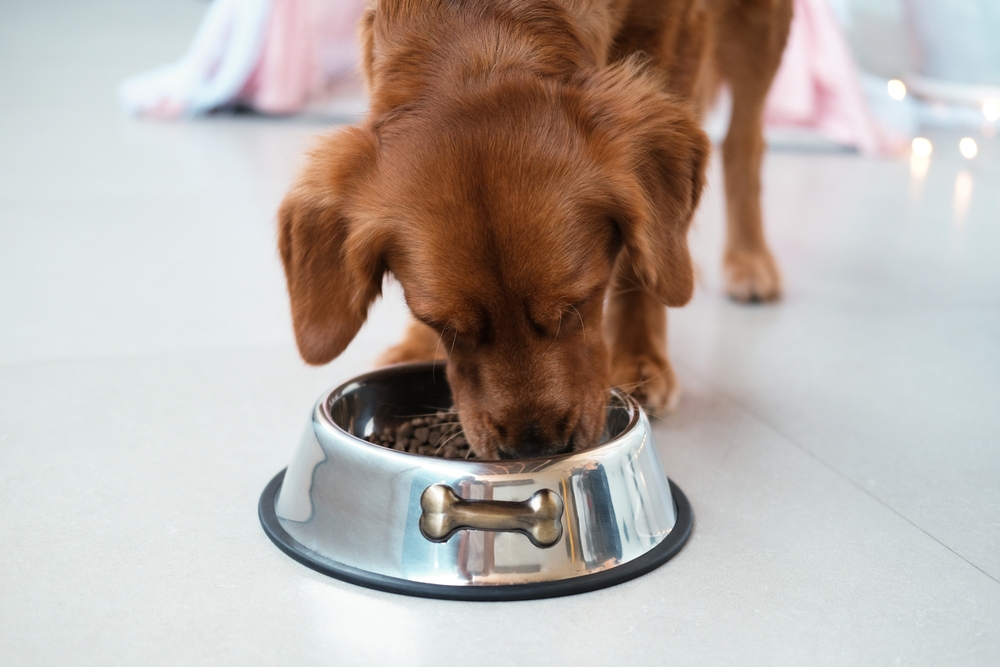
There are special diets for dogs with allergies. Some diets are intended for dogs with food allergies, such as novel protein or hydrolyzed protein diets, but prescription diets for dogs with itchy skin due to environmental allergies are also an option.
Examples of these diets include:
- Royal Canin Veterinary Skintopic
- Purina ProPlan Veterinary Diets DRM Dermatologic Management
- Hill’s Prescription Diet Derm Complete
These diets work by promoting a healthy skin barrier through a specific blend of nutrients.
Prescription dermatologic diets can be used in conjunction with other allergy treatments. The main drawbacks to dermatological diets are their cost—they are much more expensive than your usual dog kibble—and the fact that they require a veterinary prescription. For many dogs, a diet alone will not manage their symptoms. You also need to ensure that you’re feeding an age-appropriate diet by checking the AAFCO statement to see if the food is approved for growing puppies, adult dogs, or dogs who are pregnant or lactating.
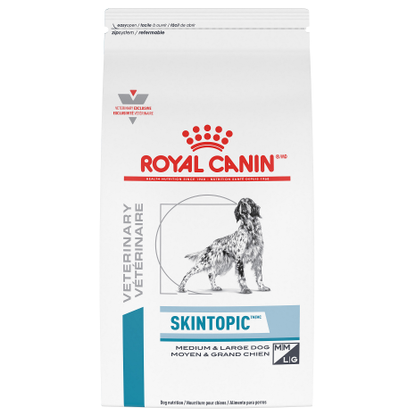
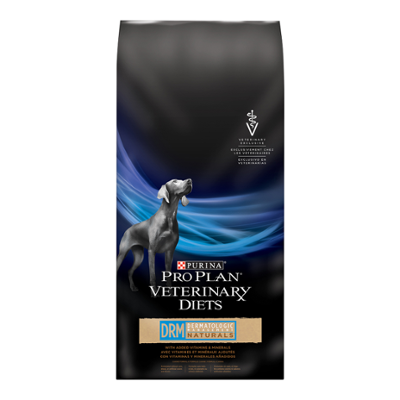
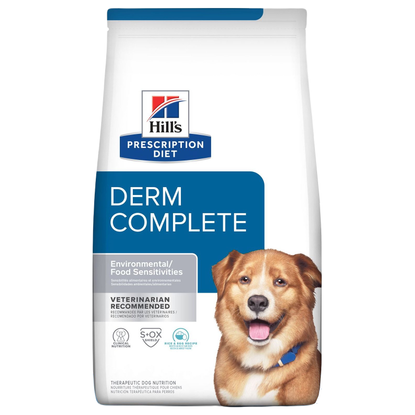
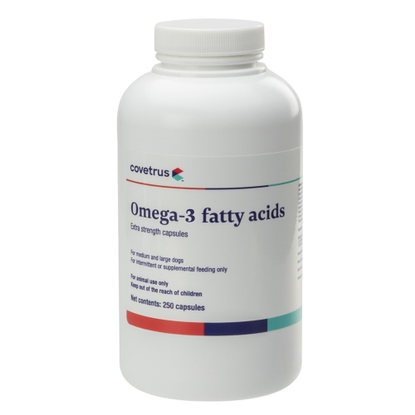
Supplements: Omega-3 fatty acids
Several natural alternatives to Apoquel exist, with supplements being a category that pet parents are often interested in exploring. One option to consider is omega-3 fatty acids.
Omega-3 fatty acids are important for cellular membranes, helping to keep the skin healthy. Although a healthy dog gets sufficient omega-3 fatty acids from a well-balanced diet, your allergic dog might benefit from supplementation in the form of gel capsules or oils added to their food.
Omega-3 fatty acids should be used with caution in dogs who have recurrent pancreatitis or diarrhea. This supplement can cause vomiting and diarrhea. Omega-3 fatty acids may affect platelet activity, resulting in increased bleeding risk. It’s possible to overdo omega-3 fatty acids, so make sure to consult with your veterinarian regarding an appropriate dose. These may be a good option for pregnant or lactating dogs.
These items are unlikely to manage your pet’s itchy skin on their own but may be useful in mild cases and/or in conjunction with other treatments. Omega-3 fatty acids may reduce the necessary dosage of cyclosporine needed for dogs with atopic dermatitis. There are other supplements, such as quercetin, which you could discuss with your veterinarian. Studies looking into the efficacy of supplements are always ongoing.
How to Help Allergic Itch in Dogs: Other Tips and Advice
Keep in mind that your itchy dog may do best with more than one medication or therapy. If your dog is showing an insufficient response to Apoquel, you may consider adjunctive therapies rather than completely switching to an alternative. Your veterinarian will also want to rule out flea allergies and food allergies before assuming that you’re dealing with environmental allergies. Lastly, if your dog has inflamed skin, pustules, hair loss, or other skin issues, make sure to ask your veterinarian about ruling out skin infections. You’re unlikely to see a good response if you’re working off the wrong diagnosis or aren’t managing co-occurring skin conditions!
References
- Cosgrove, Sallie B et al. “A blinded, randomized, placebo-controlled trial of the efficacy and safety of the Janus kinase inhibitor oclacitinib (Apoquel®) in client-owned dogs with atopic dermatitis.” Veterinary dermatology vol. 24,6 (2013): 587-97, e141-2. doi:10.1111/vde.12088
- Elanco Animal Health. Data on File.
Bravecto for Cats
- 2024-04-02T19:47:10
- Brittany Kleszynski, DVM
Pet parents have many choices when it comes to parasite protection for their feline friends. Highly effective at treating and preventing fleas and ticks, these products are either applied directly to the skin or given orally. Unfortunately, many cats are not kept up to date with this type of prevention. Some pet parents believe that indoor cats are not at risk of contracting these parasites, and approximately a quarter of pet parents think that fleas and ticks are only a threat during warm months. [1] Both of these thoughts are common misconceptions. All felines can benefit from flea and tick prevention year-round — such as Bravecto for cats — to keep them healthy and happy.
Here we’ll discuss both Bravecto and Bravecto Plus for cats, diving into why they’re great parasite prevention choices for your kitty.
What Is Bravecto for Cats?
Fluralaner is an antiparasitic medication used to prevent and treat fleas and ticks. It’s sold under the brand names Bravecto and Bravecto Plus. Both products are readily available across the country via prescription through a primary care veterinarian.
What Does Bravecto Look Like?
Bravecto and Bravecto Plus are topical spot-on solutions that are thin, oily liquids and clear in color. They both come in a squeezable, single-use applicator tube for easy administration. Bravecto for cats was approved by the FDA in July 2016 and is available in a three-month dose. Bravecto Plus was later approved in November 2019 and is only available in a two-month dose.
What Is Bravecto Used for in Cats?
Bravecto (fluralaner) is used to protect cats from fleas and ticks. This topical solution kills adult fleas and treats and prevents fleas infestations. It also treats and controls tick infestations (kills black-legged and Asian longhorned ticks for 12 weeks and American dog ticks for 8 weeks).
Bravecto Plus also contains a drug called moxidectin, which prevents heartworm disease and treats roundworms and hookworms. Bravecto products may also be used to treat ear mites, though this use is considered off-label. Since there is no treatment for heartworm disease in cats, Bravecto Plus is a great option for pet parents seeking protection for their feline companion.
Flea and tick control can help guard against many other diseases as well. For example, fleas can cause bartonellosis in cats, which is a serious condition. Cats with fleas are also at an increased risk of developing tapeworms and allergies. Diseases that ticks can transmit include Cytauxzoon felis, Lyme disease, anaplasma, ehrlichiosis, and tularemia. This is why pet parents should always ensure their feline friends are up to date on flea and tick preventatives.
How Does Bravecto Work?
Bravecto works by negatively interfering with the nervous system of fleas and ticks. As a result, these organisms become paralyzed and eventually die. So how long does it take for Bravecto and Bravecto Plus to start working? These products are effective against fleas and ticks between two and 12 hours after application. Protection lasts for 12 weeks against fleas and eight to 12 weeks against ticks, depending on the species of tick. Additionally, Bravecto Plus provides protection against heartworm disease for two months.
How to Apply Bravecto to Cats
Since Bravecto is only available in topical products for cats, it is typically easier for pet parents to administer compared to oral tablets. However, it’s still helpful to have an assistant (a friend or family member) to keep your cat relaxed while you apply the medication. It is also a good idea to wear gloves during application.
With your assistant holding your cat securely, gently part the fur between your cat’s shoulder blades until you see skin. Slowly administer the liquid directly onto the skin by squeezing the tube until it is empty. To prevent your cat from licking the medication off, make sure it’s not applied too far on his back. You should also ensure that other household cats and children do not contact this area of skin until the medication has dried completely.
Bravecto topical solution for cats should be applied as a single dose. Doses should be repeated every two to three months, depending on whether your cat is receiving Bravecto or Bravecto Plus.
For more tips, read How to Put Flea Medicine on a Cat.
Bravecto Reviews
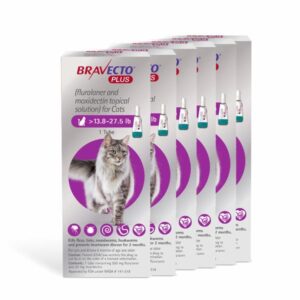
Bravecto and Bravecto Plus are great preventatives that are tolerated well by most cats. Since they are topical products, pet parents don’t need to worry about the difficulties that come with trying to administer a pill to their cats. Because Bravecto comes in a two-month and three-month dose, pet parents can apply it less frequently than other products that only have one-month options. Bravecto Plus’s extended coverage against heartworm disease and intestinal parasites is also beneficial.
I have prescribed these products to many patients and have been happy with how effective they are as a preventative. Plus, pet parents appreciate that they don’t have to apply monthly but can still keep their cats protected.
It can be overwhelming for pet parents to choose which preventative is best for their cats due to the wide variety of options on the market. While these decisions are best made during a discussion with a veterinarian, it’s helpful to note a few similarities and differences between options.
Bravecto vs NexGard Combo
As mentioned, Bravecto products for cats are offered in two-month or three-month doses, whereas NexGard Combo for cats (esafoxolaner, eprinomectin, and praziquantel) is only available as a monthly preventative. Both options are spot-on treatments for cats. However, NexGard Combo has added protection against tapeworms.
Bravecto vs Frontline
Frontline Plus and Frontline Gold are topical products that work against fleas, ticks, and lice. They’re only available in one-month doses, so they offer less coverage time than Bravecto products for cats. Frontline products can be used in kittens as little as 1.5 pounds, which may be an option for kittens that do not meet the weight requirements of Bravecto (more on this below).
Bravecto Side Effects in Cats
Overall, Bravecto and Bravecto Plus are well-tolerated in cats. However, pet parents should watch for side effects, including the following:
The FDA has issued a warning for pet parents using drugs in the isoxazoline class, including Bravecto for cats, as these products may cause neurological abnormalities, such as seizures or incoordination, in some cases. [2]
Furthermore, if a cat accidentally licks off some of the applied Bravecto product, pet parents may notice excessive drooling, foaming, or retching by their cat. If this occurs, it is a good idea to contact your veterinarian for assistance.
Reactions With Other Drugs and Medications
Bravecto and Bravecto Plus should not be used with any other flea and tick preventatives. Although Bravecto products are well-tolerated with many other medications used in veterinary medicine, pet parents should always discuss all medications and supplements with their veterinarian.
Bravecto Dosage for Cats
The dosages for Bravecto and Bravecto Plus are dependent on your cat’s weight. Bravecto is available in the following doses: 2.6-6.2 lbs, 6.2-13.8 lbs, and 13.8-27.5 lbs. Bravecto Plus is available in dosing options including 2.6-6.2 lbs, >6.2-13.8 lbs, and >13.8-27.5 lbs. Both products are approved for all kittens and cats 6 months or older, weighing at least 2.6 pounds.
Bravecto Cost
The cost of Bravecto will vary slightly depending on the dosage size, but pet parents can expect to spend around $50 for a two-month dose or $65 for a three-month dose.
Bravecto Storage Instructions
Store Bravecto at room temperature in its original packaging. Be sure to keep it in a secure location out of reach of children and pets.
References:
- “New Study by Merck Animal Health Reveals Many Pet Parents Unprepared for the Dangers Posed by Fleas and Ticks.” Merck Animal Health. (2018 May). Retrieved from: https://www.merck-animal-health-usa.com/newsroom/new-study-by-merck-animal-health-reveals-many-pet-parents-unprepared-for-the-dangers-posed-by-fleas-and-ticks
- “Fact Sheet for Pet Owners and Veterinarians about Potential Adverse Events Associated with Isoxazoline Flea and Tick Products.” U.S. Food and Drug Administration. (2023 August). Retrieved from: https://www.fda.gov/animal-veterinary/animal-health-literacy/fact-sheet-pet-owners-and-veterinarians-about-potential-adverse-events-associated-isoxazoline-flea
Bravecto for Dogs
- 2024-04-02T19:24:48
- Brittany Kleszynski, DVM
Flea and tick prevention is an essential part of keeping dogs healthy and happy. However, only 66 percent of pet parents actually use these products for their pets. [1] A variety of affordable and effective options are available for pet parents to choose from in coordination with a veterinarian. In this article, we will discuss Bravecto for dogs, how it works, and what to expect when using this medication.
What Is Bravecto for Dogs?
Fluralaner, the active ingredient in Bravecto, is an antiparasitic drug. Its main purpose is to protect dogs from fleas and ticks.
Bravecto products kill fleas and prevent flea infestations. Bravecto chews also kill black-legged, American dog, brown dog, and Asian longhorned ticks for 12 weeks, and lone star ticks for 8 weeks. Bravecto topical solution kills black-legged, American dog, and brown dog ticks for 12 weeks, and lone star ticks for 8 weeks.
Fluralaner is also effective for treatment of sarcoptic and demodectic mange, though this use is considered “off-label.”
Fluralaner is currently only sold under the brand name Bravecto and is available by prescription through a primary care veterinarian.
What Does Bravecto Look Like?
Bravecto for dogs is available in both oral and topical products. The oral product (Bravecto chews) was approved by the FDA in May 2014 and is available in a one-month and three-month dose. The topical product was approved in July 2016 and only available in a three-month dose.
The oral medication is a round, brown chewable pill. Topical Bravecto for dogs comes in a single use applicator tube that dispenses a clear, thin liquid medication.
What Is Bravecto Used for in Dogs?

As previously mentioned, while Bravecto is used as a flea and tick preventative and treatment option for dogs, it can also be used in certain cases of mange if recommended by your veterinarian. It’s given once every one to three months, depending on the type of product used.
Flea and tick control is recommended year-round to keep dogs healthy and disease free. These parasites make dogs itchy and uncomfortable. Hair loss and skin infections can occur with longstanding flea problems, and fleas are incredibly difficult to get rid of once they’re in your home.
Not only are fleas and ticks extremely uncomfortable for dogs, they can also transmit various diseases, such as:
- Lyme disease
- Rocky Mountain spotted fever
- Canine ehrlichiosis
- Canine babesiosis
These diseases can make dogs very sick and require expensive treatment.
How Does Bravecto Work?
In simple terms, Bravecto interferes with the normal functioning of the nervous systems of fleas and ticks. It does so by blocking specific receptors within the brain, nerves, and spinal cord that are responsible for regulating chloride. As a result, the fleas and ticks become paralyzed and die.
How to Give Bravecto to Dogs
Bravecto chews for dogs are given orally with a meal, either once monthly or every three months. Most dogs readily take this medication because it has a tasty meat flavor; however, some dogs may require you to hide it in a pill pocket or a meatball of wet food to disguise it.
If you are still having trouble getting your dog to take this medication, talk with your veterinarian about other options, which may include the topical form.
Topical Bravecto is applied every three months to the skin in between the dog’s shoulder blades, where it is absorbed into the bloodstream.
Bravecto Reviews

Bravecto is a highly effective flea and tick preventative recommended by veterinarians. Because it is available in multiple forms, pet parents can choose the option that best suits their needs. Oral Bravecto may be preferred because it has no lasting residue on the dog’s coat like the topical version. This residue may be accidentally touched by children in the home, rubbed off by the dog, or licked off by other household pets.
I have personally used this medication on my own dog, as well as prescribed it to many pets. I prefer the one-month option because it coincides with monthly heartworm preventative options and is therefore easier for me to track. However, the three-month dosing provides extended protection for pet parents who may not want to give medication each month.
Pet parents often wonder how to choose between products and what the best option may be for a specific pet. These decisions should always be made in collaboration with your veterinarian. However, there are some key similarities and differences between a few products on the market:
Bravecto vs Nexgard
These products work similarly because they are made from the same drug class (isoxazoline) and have similar side effects. They are both given orally and are highly effective against fleas and ticks. Nexgard (afoxolaner) chewables are only available in a one-month dose and cover five types of ticks. A newer monthly oral product, NexGard Plus (afoxolaner, moxidectin, and pyrantel), guards against heartworm disease, hookworms, and roundworms, in addition to fleas and ticks.
Bravecto vs Simparica
These isoxazoline-class products also work similarly in dogs to prevent fleas and ticks. Simparica (sarolaner) chewables only come in a one-month dose and kill five types of ticks. Simparica Trio (sarolaner, moxidectin, and pyrantel) monthly chewables also protect dogs against heartworm disease and intestinal parasites (roundworms and hookworms). It may be a good option for pet parents looking for additional coverage beyond fleas and ticks.
Bravecto vs Frontline
Both of these topical options are effective against fleas and ticks. Frontline also kills chewing lice, but it is not as commonly used by veterinarians due to the availability of newer products. A version called Frontline Shield also repels ticks and mosquitoes. Frontline does not come in an oral form like Bravecto.
Bravecto Side Effects in Dogs
Bravecto is typically well-tolerated in most dogs. However, in some cases, side effects may include the following:
In rare cases, Bravecto may lead to incoordination, tremors, or seizures, especially in dogs with a history of seizures.
Reactions with Other Pet Medications
Bravecto should not be given with other monthly flea and tick control products. Although Bravecto is generally OK when given with most other medications used in veterinary medicine, pet parents should always discuss any medications and supplements with their veterinarian before use.
Bravecto Dosage for Dogs

The dosage of Bravecto is based on the weight of the dog. Both the oral and topical forms come in several sizes to meet the needs of small and large dogs. Package dosage breakdown options include the following:
- 4.4-9.9 lbs
- 9.9-22 lbs
- 22-44 lbs
- 44-88 lbs
- 88-123 lbs
Bravecto’s three-month oral product and topical product can be used in puppies starting at 6 months of age, while the one-month dose can be given to puppies as young as 8 weeks of age. All puppies and dogs receiving Bravecto should weigh at least 4.4 pounds.
Your veterinarian will prescribe the correct product based on the weight and age of your dog. Never administer more than the prescribed amount, and always follow your veterinarian’s instructions.
Bravecto Cost
A one-month dose of oral Bravecto costs between $20-$25 per month, whereas the three-month dose of oral Bravecto costs around $70. Topical Bravecto is around $60 per dose.
Sometimes veterinary hospitals offer incentives and reduced rates if pet parents buy during a promotional period or buy a certain amount at one time (such as a full year’s worth of protection). Companies may offer additional Bravecto rebates as well.
Bravecto Storage Instructions
Store Bravecto for dogs at room temperature in its original packaging. Keep it in a secure location out of reach of children and pets.
References:
- “New Study by Merck Animal Health Reveals Many Pet Parents Unprepared for the Dangers Posed by Fleas and Ticks.” Merck Animal Health. (2019 May). Retrieved from: https://www.merck-animal-health-usa.com/newsroom/new-study-by-merck-animal-health-reveals-many-pet-parents-unprepared-for-the-dangers-posed-by-fleas-and-ticks
Trifexis vs Simparica Trio: Comparing These Popular Dog Preventatives
- 2024-03-14T18:27:13
- Sarah J. Wooten, DVM
Pet parents know that protection against parasites and heartworm disease is important, but deciding which medication is right for their dog can feel overwhelming. Trifexis and Simparica Trio are two popular parasite control medications used in dogs. They treat a lot of the same parasites, but also have essential differences that make them unique from each other.
Read on for a full comparison of Trifexis vs. Simparica Trio so you can have informed conversations with your veterinarian about the best choice of parasite control medication for your dog.
Simparica Trio vs. Trifexis: A Quick Comparison Guide
| Trifexis | Simparica Trio | |
| Type of medication | Internal and external parasite protection | Internal and external parasite protection |
| Active ingredient(s) | Spinosad, milbemycin oxime | Sarolaner, moxidectin, pyrantel |
| Used to Treat | Protects dogs against heartworm disease, fleas, hookworms, roundworms, whipworms | Protects dogs against heartworm disease, ticks, fleas, roundworms, hookworms |
| Minimum Age to Start | 8 weeks of age, must weigh at least 5 pounds | 8 weeks of age, must weigh at least 2.8 pounds |
| Available Forms | Beef-flavored chewable tablet | Liver-flavored chewable tablet |
| Prescription or OTC | Prescription by veterinarian only, may require proof of recent negative heartworm test | Prescription by veterinarian only, may require proof of recent negative heartworm test |
| Dosing Frequency | Once a month | Once a month |
| When Does It Start Working? | Starts killing fleas within 30 minutes | Kills ticks within 8 hours, fleas within 4 hours |
| Precautions | Should not be used at the same time as ivermectin. Use with caution in pregnant, lactating, or breeding dogs. Use with caution in dogs with a history of seizures or epilepsy. | Possible adverse neurological events including tremors, incoordination, and seizures. Use with caution and under supervision of a licensed veterinarian in dogs with a history of seizures or neurological disorders. Use with caution in pregnant, lactating, or breeding dogs. |
| Possible Side Effects | Most common adverse reactions include vomiting, decreased activity, itching, decreased appetite, and diarrhea. | Most common adverse side effects include vomiting, diarrhea, low energy, and loss of appetite. |
| Safe for Long-Term Use? | Yes | Yes |
| FDA approved? | Yes | Yes |
Key Differences When Comparing Trifexis and Simparica Trio
Both Trifexis and Simparica Trio for dogs are considered to be excellent choices for parasite protection, but there are a few important differences that may make one product better for your dog than the other.
- Simparica Trio kills five species of ticks, including Brown dog ticks, Gulf Coast ticks, deer ticks, American dog ticks, and Lone star ticks. Trifexis does not kill ticks or prevent ticks.
- Simparica Trio is FDA approved to prevent infections that may cause Lyme disease.
- Trifexis for dogs eliminates whipworm infections, Simparica Trio does not.
- While both products are labeled for puppies 8 weeks of age and older, Simparica Trio can be used in smaller puppies (2.8 pounds) than Trifexis (5 pounds).
- Simparica uses three ingredients (sarolaner, moxidectin, and pyrantel), Trifexis uses two ingredients (spinosad and milbemycin oxime).
- Trifexis starts killing fleas quickly within 30 minutes with 100 percent of fleas dead by 4 hours. Simparica Trio starts killing fleas within 4 hours with 100 percent of fleas dead by 12 hours.
- Simparica may be prescribed by veterinarians ‘off-label’ to treat mites, including sarcoptic mites, demodex, and ear mites.
- While both of these medications are given once a month, Simparica Trio is a little more forgiving because it has a slightly longer window of efficacy than Trifexis.
Pros and Cons: Trifexis Vs. Simparica Trio
While Trifexis and Simparica Trio have several overlapping benefits, there are some distinct pros and cons to each medication that can help you decide which product to use.
| Pros | Cons | |
| Trifexis | Kills fleas very quicklyKills whipwormsSpinosad is non-synthetic and derived from bacteria, considered to be a ‘green’ insecticide | Does not protect dogs against ticksCannot be used in dogs who are being treated with ivermectinCan cause nausea in some dogs. If this happens, break the tablet in half and give half the dose in the morning with food and the other half of the dose in the evening with food |
| Simparica Trio | Kills both fleas and 5 species of ticksProtects against Lyme diseaseTreats skin mitesSlightly longer window of efficacy | Should not be used in dogs with any history of adverse neurological eventsDoes not treat whipwormsHigher price point |
Comparing Side Effects of Simparica Trio vs. Trifexis
Both Trifexis and Simparica Trio are known to be safe and effective for most dogs, and are widely prescribed and used by pet parents and the veterinary community. However, Simparica Trio and other drugs in the isoxazoline class come with an FDA warning regarding the potential for neurological side effects, including tremors, incoordination, and seizures, in some pets being treated with these products. If your dog has a history of seizures or a neurological disorder, your veterinarian may err on the side of caution and recommend a flea and tick product that is not in the isoxazoline class.
In general, the incidence of both short-term and long-term side effects is low with both medications, but some dogs may experience gastrointestinal upset that can manifest as decreased appetite, decreased energy, vomiting, and/or diarrhea with either medication. If you notice any side effects in your dog, consult with your local veterinarian.
Cost Comparison of Trifexis and Simparica Trio
Depending on where you shop, Simparica Trio is on average more expensive than Trifexis. This may be due to the fact that Simparica Trio also kills ticks and Trifexis does not. If you think that Trifexis is a cheaper alternative to Simparica Trio, remember: if your dog needs protection against ticks, you may still end up paying the same amount of money if you purchase Trifexis and a product to protect against ticks.
Pet insurance may be able to help offset the cost of parasite control medication, but it depends on the policy. If you purchase a basic accident and illness policy, it likely will not cover flea, tick and heartworm medication. If you purchase an insurance policy that includes preventive care, then it likely will cover the cost of parasite control medication. Always read the fine print, and ask your veterinary care team for pet insurance recommendations that include flea, tick and heartworm medication.
The Bottom Line: Trifexis Vs. Simparica Trio
Both of these medications are well tolerated by most dogs and offer effective, fast protection against fleas, heartworm disease, roundworms, and hookworms. If your dog needs protection against ticks, then Simparica Trio is a better choice. If your dog needs additional protection against whipworms and does not need tick protection, then Trifexis is a better choice. Your veterinarian will be your best resource to ask about what parasite protection your dog needs, and they can also provide valuable advice on whether to use Trifexis, Simparica Trio, or another flea, tick or heartworm medication.